And work-at-home Friday has rolled around again, and I have a lot to do. Nothing I am going to give myself stress over by any chance–nothing is worth stress, especially now that my anxiety is medicated and under control–but I feel pretty good this morning.
Sparky let me sleep a little later this morning, which was lovely. I didn’t sleep great–I woke up a lot, and was often in that halfway asleep halfway awake state. But I do feel good, so it must have been better sleep than I had thought. I need to make a plan for the weekend. I only have two days in the office next week, so am hopeful, very hopeful, that I will utilize that time well. I have a meeting this morning and a lot of Admin work to get done today, before I can return to the comfort of my easy chair and finish reading the Cain novel and a Shirley Jackson short story I saw mentioned on social media the other day. It’s also sunny and bright outside, with a potential high of sixty. It’s also going to keep getting warmer every day until we hit 80 on (sigh) Christmas. Yes, we’ll be running the air conditioning on Christmas. It is interesting, though, isn’t it, how we’ve all been trained to think of Christmas as cold with snow and ice….if the Jesus story is true, it don’t snow much in Israel, so that was a “tradition” that was added much later by Christians. Why shouldn’t it be warm on Christmas?
We started watching season two of Percy Jackson and the Olympians, based on the Rick Riordan series, and it’s very well done. The cast has also grown a bit since the first season, and look like high school kids now; the first season they looked like tweens. I also want to start some of the other shows that have been released that we’ve not started yet–like the Emma Thompson crime show (love her), or various other crime shows that have been uploaded to streaming services. I also want to start my holiday rewatch of The Mummy movies, to go with my essays on Egypt and the deep fascination I’ve had with the ancient civilization since I was a little boy–and the wonderful novels that fed it over the years. It’s also how I discovered the Amelia Peabody series by the magnificent Elizabeth Peters–I always picked up and examined books set in Egypt whenever I visited a bookstore. I was also a little disappointed that neither Nancy Drew nor the Hardy Boys ever visited Egypt or solved a mystery there. As you may have noticed, before December got underway I was alternating the traditional hot guy images for the blog with Egyptian scenes, and will probably go back to that after the new year and Twelfth Night, adding in Greek and Roman images before moving on, at some point, and then Mayan and scenes from European history.
Oh, and we have another episode of Heated Rivalry dropping tonight–I thought they came out on Wednesdays? Must have been wrong–and I also have to figure out the weekend and how I intend to have it play out; what errands to run, what groceries I need, etc. I know there are football games tomorrow, but don’t care terribly much about any of them, honestly, other than Tulane, my favorite long-shot team to make it to the finals. Indiana-Tulane would be amazing, wouldn’t it? Who would have ever thought either team would be in the play-offs, and I can assure two years ago had anyone predicted Indiana would be the number one seed, they would have been laughed at, or placed in a psychiatric hospital for observation.
The Vanity Fair fallout continues, and I was highly amused to see that their subscriptions spiked on the day they released the article and images on-line. I also love how the photographer (whom I hadn’t heard of before) doubled down with his responses to the criticism from the Right who claimed foul. Hey, no one made Karolyin’ Leavitt get the lip injection so close to the shoot, and you know they all thought the images would be filtered and photoshopped and airbrushed to make them look pretty and powerful and impressive…only to be shown exactly how they are: small, petty, cruel, and utterly banal. That close-up of Leavitt deserves a Pulitzer Prize.
And on that note, I am going to head into the spice mines. I know I’ve not been very interesting lately, but hopefully I’ll get more interesting as this dreadful year comes to a close, with no guarantee that next year will be better. Have a lovely Friday before Christmas, and I’ll check in with you again tomorrow.
I really need to write a Christmas story about muscle-daddy Santa.
It was supposed to rain this morning, but the sun is shining and the sky is bright blue. I slept well again last night until Sparky got me up this morning, wanting his breakfast. (He is such a sweet boy.) I had a lovely day yesterday, actually. I ran my errands in the morning, ordered groceries to be delivered last evening, and had a pretty nice day overall. I finished rereading my Jay Bennett and Barbara Michaels novels1, and hope to finish reading the Megan Abbott today. I also watched a lot of television while doing chores and reading before falling asleep in my chair last night after a nice, relaxing day. Here’s to having another today, right?
Netflix has a new show about the 2024 SEC football season called Any Given Saturday, and so I watched about four episodes of that while Paul slept on the couch. It’s very well done, and while I don’t feel it pays enough attention to LSU–and what there is focuses on games they lost (really? No coverage of the amazing upset of Top Ten-ranked Mississippi?)–it is nice to see the stories on the other teams and get a recap of the season. The show, of course, is hype for the upcoming season; the pro pre-season is already under way. I think LSU can be really good this year, but LSU always manages to find a way to LSU. There are only two episodes of the show left–we switched it off to watch Wednesday, which we also didn’t finish last night–that I may have on in the background this morning while I read.
I think I am going to go ahead and spend some time with the news and my coffee this morning before finishing this. I’ll be back momentarily, Constant Reader. (According to the weather, we should be having a thunderstorm in five minutes, which I don’t think is going to happen, given how it currently looks out there.)
It’s now noon, and it never rained here. It does look like the calm before a storm outside my windows at the moment, but I’ve already closed up my wagon and put it away (I’d left it out last night after the delivery) just in case. I got cleaned up–even shaving–and that woke me up and made me feel being productive for a while. I put Any Given Saturday back on to stream, getting through the last two episodes while reading more of El Dorado Drive and marveling at what a fucking MASTER Megan Abbott is; she may be the best writer publishing today, and is definitely in the top tier without question. I also picked out my next reads: the reread will be Life Among the Savages by Shirley Jackson2 and the juvenile/young adult will be The Secret of the Red Scarf, which belongs to a close-to-forgotten girls’ series featuring Nancy Drew rip-off Kay Tracey, and I won’t decide on the new new-to-me read until I finish the Abbott–I’m currently torn between Mia Manansala’s latest or Disco Witches of Fire Island or Lev AC Rosen’s Rough Pages; all queer authors, I might add.
But The Hunting Wives might win the race in a photo-finish.
As I finished off Any Given Saturday, I found myself very curious about the lack of coverage for Texas, Georgia, Oklahoma, and Auburn, among others…and LSU and Alabama were only covered in reference to their games with South Carolina and Vanderbilt, period. Was it about getting some of these lesser-known programs more coverage? And it’s definitely difficult to cover 16 teams with any degree of depth and certainly every team had a story to tell this past year. But it definitely whetted my appetite for the return of college football, which was its intent, so mission accomplished, Netflix.
I’d forgotten we’d watched Towards Zero in between the SEC show and Wednesday; I’d seen bad reviews of it so was curious as to what we would think of it. I remembered the story as soon as I saw the geography of the setting, which is crucial to the crime, and yes, I was proven correct in the third episode. It was fine, if perhaps not really needing a third episode? It did feel like it was dragged out more than it needed to be, which is not a good sign for a murder mystery.
And on that note, I am heading into the spice mines. I need to do some picking up and organizing and cleaning, and I am also going to write for a while before probably returning to the Abbott. I doubt I will be back later; I may finish a newsletter today and I may not. If not, I will be here again in the morning before the infusion. Have a lovely Sunday, Constant Reader!
I will write newsletters about both authors at some point. ↩︎
I’ve always wanted to write about this unique Jackson book; I usually reread The Haunting of Hill House every October. ↩︎
Sunday morning in the Lost Apartment and I slept late yet again–Sparky tried, but I wasn’t having it until almost eight this morning. I feel very well-rested this morning, which is great, because I do want to get a lot done this morning/afternoon/today. I didn’t do a whole lot yesterday–I ran the errands, ordered groceries for delivery–and then watched the LSU game. I was going to cook out for it, but we had a thunderstorm so that was out; I’ll have to do that today so the fresh meat doesn’t go bad. I did work on my story yesterday but it was kind of like pulling teeth, so didn’t get much of that done…but I did read some yesterday. Incident at Loring Groves, after a slow start, has picked up some; I’ll probably finish it today because it’s short. I did check in with my other books, too–reading a chapter in each.
LSU did win its game against Arkansas 4-1 last night, which was fun to see (we’re also leading the Jello Shot Challenge again, quelle surprise), and plays UCLA on Monday night, and it’s an early start so I should be able to see most of it after work. I have my first infusion tomorrow morning, in Metairie (sigh), and I don’t know what all that will entail, or what I’ll be like afterwards, for that matter. I’ll stop for lunch on my way to the office after I am finished, and then we’ll see, I suppose. I have some trepidation about it, of course, so I should probably read up on it today. We’ll see. (My avoidance of unpleasant things I don’t want to deal with hasn’t, apparently, changed much.)
We also finished watching Caught yesterday, and started The Good Girl’s Guide to Murder, which is interesting and really grabbed our attention. It reminds me some of that Adnan Syed case up in Baltimore, and also is kind of a modern twist on the kids’ series and books I loved reading as a kid; Nancy Drew and the Hardy Boys, for example, never solved a murder case, which always kind of struck me as odd for literary detectives, you know? And yes, watching it made me think about my next attempt at y/a, if I should ever try another one. I may have to read the Good Girl novels by Holly Jackson.
I’ve been overflowing with ideas lately, which is fun, I just need to harness that creative energy and direct it into, you know, actually writing. I hope to get some done this morning while I do the chores and clean up this mess down here. It looks sunny and bright outside, which is also nice–but it’s probably hot and incredibly humid out there. According to Accuweather, today’s thunderstorm won’t arrive until five, so yes, will have to grill burgers in the early afternoon.
This is also a short work week; we have Thursday off, and of course, I work at home on Fridays so I don’t have to go in for four days, which is lovely. Next week I am leaving work after the morning to head to Alabama to meet Dad, so another short week, and I believe the week after that is the 4th? I really do need to get my shit together and start planning. I still need to make a to-do list and I need to update some things and above all else, I need to be writing and editing. Sparky will undoubtedly have some thoughts about that, as he loves to spend the afternoons and evenings in my desk chair, and will annoy me until I finally give up and let him have it. But I can edit and reread in my easy chair, after all; the problem is I always end up turning the television on, which then sucks me into something, usually on Youtube–which is where I check the news, really; I don’t trust many news sources anymore, and even on Youtube there’s a lot of slant to everything. I’ll never trust legacy media again, since the C in their acronyms seems to stand for “collaboration” now.
I really need to make a to-do list, and I need to make it overly ambitious to push myself harder to get things done, you know? I’m still resting, of course, and I need to always prioritize getting healthy again–and not overdoing it because I feel good one day and think oh I am healthy again let’s go only to relapse into exhaustion the following day. I mean, I do feel better for the most part–this morning I feel really good–but there’s a fine line between trying to rest and not overdo it vs. I don’t feel like doing anything today and I DO need rest…as we all know, I will always choose rest over work!
And on that note, I should get to work this morning. This kitchen is disgraceful, and I already have the stories I am working on–as well as my next newsletter essay–queued up, so I literally have no excuse for not getting things done today. I’ll do the dishes and then make a to-do list, as well as prepare some things for the week (making watermelon gazpacho, for one) and hopefully having a terrific and productive day. Have a lovely Father’s Day and/or Sunday, Constant Reader, and I may be back today or tomorrow morning before the infusion.
Thursday morning and my Sparky alarm-cat has me up before six! It’s fine, I was tired and sleepy last night so went to bed around nine, and I slept really well, too. The coffee is hitting the spot this morning, and I’ve already had some breakfast. I am now back up over 190, and my face isn’t gaunt, skeletal and frightening to see in the morning mirror anymore. Tomorrow is of course Remote Friday, and then it’s the weekend, huzzah! I am hoping to finish a newsletter today, too.
I was saddened to hear the news about Edmund White yesterday. It seems like our queer literary icons are all dying now, doesn’t it? Dorothy, Felice, Victoria, and now Ed. I didn’t know Ed very well–well enough to call him Ed, I suppose–but every interaction we ever had was pleasant, and he was always kind to me. I saw a lot of people talking about A Boy’s Own Story yesterday, but my favorite of his works that I’ve read will always be The Farewell Symphony. I fell way behind on his work over the years, but that doesn’t mean I didn’t appreciate him for his talent and what he has done and meant to queer literature over the last fifty or so years. My condolences to his husband, Michael Carroll, and all his friends and family who are grieving.
I also realized last night that we are losing that last generation of gay writers whose careers straddled HIV/AIDS; those that were publishing before, during and after. That’s some history being lost, but most of Ed’s books were autobiographical novels, so that history is still there. As I get older, I am also beginning to understand the drive to write memoirs.a It’s gay history that doesn’t otherwise get recorded, and we need to leave records behind of what it was like to be gay during our lifetimes and the changes, both good and bad, that we’ve witnessed.
I did some chores–not enough, of course–when I got home from work yesterday, but I was pretty tired from the day. I usually have a second person working with me in clinic, but she was out sick yesterday so I did it all by myself. I also stayed on top of my Admin work and was highly efficient, if extremely tired, when it was time to make groceries and come home. I unloaded the dishwasher and finished the laundry (there’s still another load to put in the dishwasher), and we watched another episode of Department Q, which we are really enjoying.
I was worried last night, as I dozed off in my easy chair, that I may have overdone it yesterday and would be worn out this morning, but since I am up earlier than my norm I am going to have to assume that I am not, in fact, worn out. The thing is I have to keep pushing myself to do more and be more active rather than being the slug that I prefer to be; because that first time might exhaust me, but the second time it doesn’t.
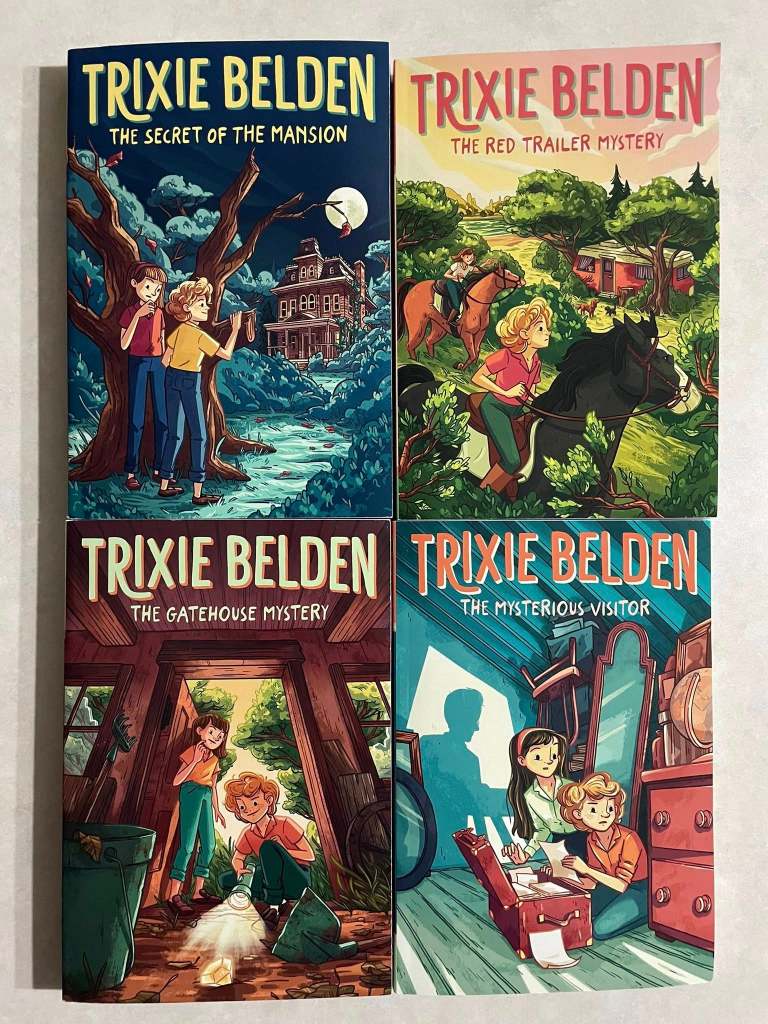
In other interesting kids’ series news, Random House is rereleasing the Trixie Belden series with new covers and using old illustrations from previous editions. I don’t know if they are going to do the entire series or not, but so far the first four (The Secret of the Mansion, The Red Trailer Mystery, The Gatehouse Mystery, and The Mysterious Visitor) are out in the wild now. I’m debating whether or not to get the new editions–it’s just more clutter for the house, actually–but it might be fun to revisit them, and I don’t know where my copies are. I always preferred Trixie to Nancy Drew, but Nancy was ubiquitous you were always more likely to find those while Trixies were harder to find. (They were also a lot cheaper–I was getting the ones referred to by collectors as “Whitman uglies” because the covers were bad–I didn’t think so, but I am not a Trixie expert.)
I was too foggy and tired last night to either write or read, so hopefully that will be different tonight.
And on that note, I am heading into the spice mines. Have a lovely day, Constant Reader, and I’ll be back on the morrow.
Not sure how I feel about these new covers, but Trixie and Honey look age-appropriate at least!
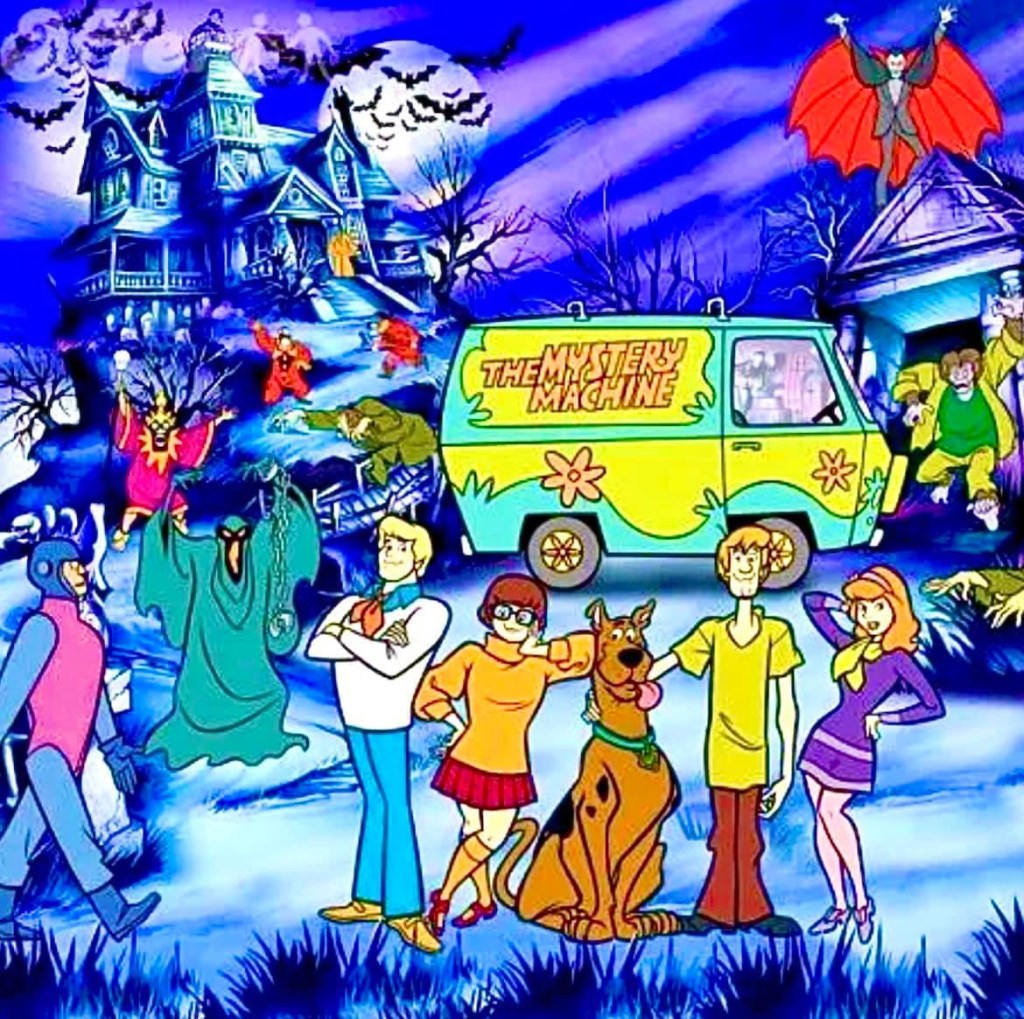
The other day after work I was too tired to write and so I settled into the easy chair with one Sparky for cuddle time, but needed something to watch. I finished burning through the news to get caught up as I do every day, and then started searching for something else to watch when I saw Scooby Doo, Where Are You? in my “Up Next” list as I scrolled through it. It’s always tricky when I need something to watch on my own without Paul–it has to be something he’s not interested in watching–and at some point over the last four years I started revisiting this show from my childhood but never finished the rewatch–mainly because I am now in my sixties; far too old for the audience they were going for.
While I wouldn’t say Scooby Doo Where Are You? was necessarily a huge influence on me and my life, I did love it and watched it every Saturday. It started sometime after Jonny Quest and The Hardy Boys cartoon was cancelled, and a kid who was devouring kids’ series books by the stacks and checking out every book in the school and public library that had the words mystery, secret, clue, haunted, ghost, riddle, or phantom in the title, the adventures of the Scooby gang was usually the highlight of my Saturday morning cartoon experience. I have not been a fan of anything that came in the wake of the original half-hour show (we will never discuss the abomination/hate crime that was Scrappy Doo), and for the purpose of this entry (and really, in my heart and mind) we will pretend that the show was cancelled after the original series run and nothing was rebooted, restarted, revamped, or overhauled in the years since the original Scooby Doo money train was derailed.
But saying Scooby Doo didn’t cement my interest in mysteries wouldn’t be true. The show did, silly as it was (watching as an adult I couldn’t help but wonder, “why would the bad guys go to such extremes to scare people off?”–which also is a contrivance often used in the Nancy Drew/Hardy Boys type books, too), but I watched it every Saturday morning. I kept watching through the next iteration, the hour long show with guest stars, but after that I was too old and had better things to do on Saturday morning than watch cartoons. I’ve always had a soft spot for Scooby, just as I did for the animated Hardy Boys show and Jonny Quest, and unlike many others, I never see reboots or remakes or re-imaginings as “destroying my childhood” because I am not a moron. I can see how the show appealed to kids–you can never go wrong with a sentient Great Dane with limited speaking abilities–and I remember writing Scooby fan-fic when I was young. I started out “novelizing” episodes, and started writing my own. I’d forgotten about that when I was originally rewatching, but in my head the kids’ series I eventually came up with was linked very much, not only to other kids’ series, but Scooby Doo as well.
I don’t want to adapt Scooby or write Scooby books anymore, but I do occasionally want to go back to my kids’ series and think, why don’t you give this a try? Often times, the reason I don’t write things I think might be fun challenges is mostly cowardice and Imposter Syndrome. Can I really write kids’ fiction? Can I really write historicals? However, writing Jonny Quest might be interesting, especially with a reading of the Quests as a queer family.
One of the things about Scooby Doo that always interested me as a kid, and continues to interest me as an adult: Velma. Velma was clearly the smartest of the gang1, which was fun and unusual, and Daphne (‘danger prone Daphne’) wasn’t dumb despite being the pretty one, even though she often needed rescuing. Over the years the character of Velma was really interesting to me–being a brain, of course, meant she had to wear glasses and was hopelessly far-sighted–because she wasn’t easily scared and she was often the one who figured everything out. It was also interesting to me over the years to see many people read Velma as a coded lesbian, which begs the question why? She never has any interest in the opposite sex, but none of them do, really–it’s not that kind of show. We have no background on the gang, either–how are they able to just drive around the country at their age without having to check in with parents, and where does their money come from?
Of course, this is asking a lot out of a children’s cartoon series, which is also why I find it odd to revisit these shows looking for queer coding, and you can usually find it. The all-male environment of Jonny Quest, which is also a kind of “found family” show or Velma not being a late 1960’s/early 1970’s stereotyped girl are good examples of this.
I’ve always wanted to do a reread of all the kids’ series (I still have the books) to reread them for queer coding. I’ve already mentioned before that there was homoeroticism in both the Ken Holt and Rick Brant series–deliberate or not, it’s hard to say–but does this exist in the more popular Nancy Drew and Hardy Boys books. Is tomboy Trixie Belden a budding butch lesbian, with Honey her future femme wife? What about cousins Bess and George in the Nancy Drew series, who are also almost a parody of butch/femme dynamics?
This is the kind of stuff I would love to write–critical queer theory about kids’ mystery series, books, and television programs.
Maybe when I retire.
Calling themselves that also always amused me, since gangs usually are criminals of some sort or another; gang is usually mean that way, even though it’s just a descriptor for a group of people with a similar interest. ↩︎
I was more startled than anything else, to be completely honest. I had an appointment at 11:30 at the CVS on the corner of Magazine and Louisiana (where the Blockbuster was when we used to rent movies and TV shows on video or DVD) to get my new COVID booster. I made another stop on the way there, to pick up a prescription, and then headed over to Louisiana Avenue for my shot. I had actually never been inside that particular CVS (the one on Prytania is only a few blocks from the mail service and thus more convenient for me to go to), and it’s actually a nice place. So, I checked in for my appointment, and when I was directed to the privacy screen for my shot, this incredibly lovely young man in his early twenties got in the Pharmacy line. Our eyes met, and tilted his head to one side as he smiled, and I thought, as I sat down and the pharmacist closed the screen, I thought, was he cruising me? As I sat there, I thought nah, way too young and besides, I look like shit. I got the shot, which I didn’t feel (shoulder was sore later on in the evening, though; still is a bit this morning), and as I rose to go, the guy was still in line and gave me the same look, only along with the eyes up and down first, and he was indeed cruising me. I kind of laughed to myself as I walked out to my car–I would have definitely pursued this when I was younger–and remembered again how oblivious I am to that sort of thing outside of gay bars. I always was. It never occurred to me that people might cruise me in public spaces that weren’t exclusively queer; friends had to tell me all the time, “That guy was cruising you!” It certainly isn’t anything I’ve even thought about for years, so it was definitely a compliment and I couldn’t help but laugh at myself as I shook my head and started the car, “you know, some younger men like older men, dumbass.”
So, if anyone is ageist, it’s me!
Yesterday, outside of the shot and some other errands I ran, was a lazy day for me. I didn’t do a whole lot of anything; I scribbled in my journal some but the book is beginning to take shape, which is lovely. I pretty much spent the entire day cuddling or playing with Sparky while watching college football games. It was delightful seeing Georgia humiliate Clemson and Miami annihilate Florida, and Texas A&M gave Notre Dame a scare last night. Tonight LSU plays USC in Las Vegas (GEAUX TIGERS!) and we’ll get a better sense of how good this year’s edition of the Tigers are. And Tulane won big, too! We haven’t won a season opener since Joe Burrow graduated (2019 season), so hopefully that will change this year. I think I am going to do a lot of nothing today, too–I’m going to clean the house and write for a while since the game isn’t until tonight–which feels good. I slept super late again this morning and have to think my body needed the rest. I feel good this morning, the coffee is hitting and I don’t feel tired or sore physically (other than the aching shoulder from the booster yesterday), and that way if I can get everything cleaned up, organized and filed today gives me tomorrow to run to the grocery store and write.
I did bite the bullet and renewed the digital version of the Times-Picayune, despite the paper’s descent into a MAGA propaganda machine. I need to be able to read the state and local news, and much as I love local independent reporting, they don’t have the capability to cover Louisiana/New Orleans like Louisiana Sedition can. And I am leaning, more and more, into the concept of writing environmental crime stories so outsides can see what is going on here in Project 2025 Land. I am absolutely fascinated now by the Devil’s Swamp Lake superfund site just north of Baton Rouge, and I’m also researching a short story called “The Haunted Bridge”1, which is over Bayou Tortue (sometimes referred to as “Bayou Torture” on some websites I’ve seen; which is also a good title), and has a ghost story about a young woman whose prom date raped and murdered her on the bridge and threw the body into the bayou; that could be fun to write. God, it’s so nice to be excited about writing again and being creatively engaged.
Oh, and congratulations to everyone who won awards for their crime writing this weekend at Bouchercon–Barrys, Anthonys, and Macavitys all! We didn’t win for School of Hard Knox, but the nomination in and of itself was a lovely thing. It was my eighth (!!!!) Anthony nomination, which is pretty amazing, I think. I’m definitely the most nominated queer at the Anthonys! And we did have a queer winner last night; Kristopher Zgorski shared the Best Short Story Anthony with co-writer Dru Ann Love, which is awesome. Yay for Dru and Kris! They do so much for crime writers, and it’s fun to see them getting started as crime writers themselves, and getting recognition of their own.
It does look like it’s going to rain today–we didn’t get hardly any yesterday, or maybe I’m confusing yesterday and Friday; it’s entirely possible. And this kitchen is an absolute disaster area this morning, so I’d best get going on getting things cleaned up around here so I can do some writing. Have a great Sunday, Constant Reader, and I may be back later.
Screenshot
Yes, that’s a Nancy Drew title, and it fits two stories I want to write about–the one mentioned here and the Murder Bridge outside Emporia, Kansas. ↩︎
I’ve always been weird, even when I was a little boy. I was different from other kids. I didn’t want to play outside, I wanted to read or play with my toys and make up stories. My parents were always urging me to go outside to play, so I’d just take a book and go sit on the back stairs of that little apartment on Komensky in Chicago. When I started school, I remember it being a bit of a shock to me. There were other kids in our neighborhood, but I didn’t really play with them much; they were mostly girls and friends of my sister’s, and while she let me tag along a lot (a running theme of her unfortunate childhood–always being saddled with her weird younger brother), I preferred my solitude and a book. School was strange for me; thrust into a world where I was surrounded by kids I didn’t know, and I didn’t understand how they all seemed to know each other and be friends already. I stayed by myself for the most part until someone asked me to join a game or something, and entertained myself for the most part. No one picked on me, no one said anything hateful to me or called me names, and for the most part I got on with my classmates. I got up in the morning, went to school, went to Mrs. Harris our babysitter’s house for lunch, back to school and then finally home. We only lived a block away from my elementary school, which made life ever so much easier for my parents; they didn’t have to worry about us coming and going to school safely. We only had to cross two streets to get there–down one block and across to the other side–and there were crossing guards. I knew instinctively that somehow I was different from the other kids; no one liked to read as much as me1, and only as an adult did I find other people who read as much, if not more so, than I do.
But reading–and watching television and movies–began defining “normal” to me; and I couldn’t understand in my childish brain (so advanced in so many ways but lacking in just as many) why the real world was so different from the fictional realities I lost myself in while consuming media. Riverdale in Archie comics seemed like such a nice place, but that was definitely not my high school experience. Whenever I took a chance on reading something age-appropriate (ah, those Scholastic book fairs!) I generally didn’t like it unless it was a mystery. I read so many of the kids’ series books for many different reasons; ironically liking the two most popular (Nancy Drew and the Hardy Boys) the least (Ken Holt, Judy Bolton, and the Three Investigators were much better).
It was when we moved to the suburbs that I began to realize that I was not only different but I was weird. I was a boy who didn’t care that much about sports, didn’t want to play them, and there was all kinds of stuff messing with my brain. Sixth grade wasn’t too bad, but that was also the first time that other kids began to wonder about my masculinity, but the worst it got was being taunted by other boys as a “sissy,” and then the next day the group of boys in the neighborhood I met through school acted like nothing had happened the day before–which was when I first learned that you couldn’t really trust other people; they would be your friend one day and cruel the next; and then back to being your friend again. (That group did turn on me completely in junior high school one day; it was weirdly coordinated with other kids at school who weren’t in our neighborhood.)
I hated being shamed more than anything else, for something I couldn’t control. It was in junior high also that I began to understand my sexuality at the same time so many kids began understanding mine and laughing and mocking me for it. I was always in fear of violence, and the kids in my middle-class mostly white desegregation-refugee suburb weren’t above ganging up on one person and beating them. (The suburbs, where we moved for “more stability” and “to have our own house” was far more dangerous for me than living in the city.) I ignored it all, but inside I burned with shame and embarrassment because I also knew the other kids were right about me; I did like boys, and how on earth did I ever learn, in a world that in which homosexuality was erased from public view, what men did together sexually? How did I know? I don’t remember reading about it anywhere, and whenever a gay person appeared in any media it was very negative. But there we were.
The irony lies in the fact that I never really cared that much about having friends or being popular–but media convinced me otherwise; that it was important to be liked and popular and have lots of friends. So I would always allow myself to try to imagine what that would be like. So, I kind of made myself miserable as a teenager, more so than I should have been, because it had been made very clear to me that no one could ever find out. I felt like a pariah, and I also felt like the few actual friends I had weren’t really my friends, because if they knew I was gay they wouldn’t like me anymore. It wasn’t even that I really wanted to be popular, but I thought if I was, the cruelty would go away and no one would question my sexuality.
High school and college was more of the same, really. Lonely and wishing I had friends, forgetting that I didn’t need any. I even joined a fraternity, but even that wasn’t enough; some of the brothers were homophobic trash who loved making fun of me and laughing at me behind my back–which is where I also learned the valuable lesson that men are bigger gossips and much crueler about it than women. Such fraternal love, right? But it was in the fraternity that the seeds of not giving a fuck were beginning to be sown. It was a very bad decade, and it was the last decade of darkness controlling my life.
I was tired of being afraid all the time, you know?
I decided, when I was thirty, to leave that closet behind and get on with my life. It took another three years before I started the long reboot of my life, and when I found Paul I realized I don’t need anyone else, do I? I had long thought, for any variety of reasons, I would always be alone for the rest of my life, and once I’d accepted that (also, part of the shame PTSD went along with believing that I wasn’t deserving of someone’s love) I decided to embrace being weird and different from everyone else. The one piece that was still missing was being a writer…and once that really got started, I didn’t need anyone else. I had Paul, and I had my characters, and devoting myself to a writing career made things a lot easier. I mean, I still prefer being liked–who doesn’t–but if people don’t like me, it’s not my problem.
I’m weird that way. I think everyone who is a creative is weird. You have to be disconnected from the main fabric of society in some way to create; I don’t believe you have to suffer in order to create, either; but I’ve done my fair share of suffering over the years. I am always startled to hear how other people view me and my work; I prefer being liked, as I said, but it’s really not essential for me. It makes writing conferences a lot more fun to have friends to hang out with, but I always have my guard rails up.
Being weird, to me, is a good thing. It’s who I am and I don’t want to fight it anymore. I’m not going to worry if people like me or not; and I don’t owe any apologies to anyone. As Bette Davis once said, “other’s people’s opinions of me are none of my business.” I don’t mind being disliked; no one is liked by everyone and there certainly are a lot of people I wouldn’t cross the street for if they were on fire unless I’m carrying a can of gasoline (you know who you are, but you wouldn’t be reading this anyway because you’re sewage).
And people who dismiss me because I’m gay–or whatever surface reasons they may have–aren’t people I want to know in the first place because homophobes are never good people. Homophobia is usually the first step on the ladder to a soul full of bigotry and prejudice, and rarely if ever do homophobes stop with hating queer people.
Who wants to be normal? I saw that as a horrific existence when I was young, and part of my own misery for the first thirty years of my life was from being gaslit so constantly into what I knew would be a hellish adulthood that would most likely end in suicide.
One of the reasons that the MAGAts hate being called weird so much is because their entire identity is vested in being “normal”–it’s everyone else who is weird, strange, and different. But it’s not normal to want to check everyone’s genitals. It’s not normal to interfere in other people’s lives and tell them how they should live. It’s not normal to think you and your fellow believers are the only ones who have it right and everyone else is going to hell. It’s not normal to think skin tone makes a difference to intelligence, ability, and work ethic. It’s not normal to fetishize Israel because of your apocalyptic religious fantasies. It’s not normal to worship guns over other people’s lives. It’s not normal to see attacks on your faith when no one is even thinking about you. It’s not normal to want to regulate and track women’s menstrual cycles and fertility. It’s not normal to prioritize the unborn over the living. It’s not normal to hate your country unless your golden calf is elected. It’s not normal to claim to be religious but not follow the teachings of your holy book.
They’ve never been normal. Never. But they think they are, and it’s really all PTSD from NOT being popular in high school. They weren’t homecoming queens or cheerleaders or football players; and if they were, they peaked then and are still bitter that their personal glory days are far behind them. (Also: not normal.) Being called “weird” in a dismissive, you don’t matter way gets under their skin because they are not used to be questioned. They claimed to be the normal ones, the correct ones, the true American patriots–and we just let them without challenge. They aren’t used to being challenged, and when they are, it just causes them to melt down completely. They wore their hates and prejudices proudly–embracing being racists and homophobes and TERFs and misogynists3—but challenging their normality hits them hard because they know they aren’t really normal deep down inside.
The best way to deal with bullies? Withering scorn and contempt and outright mockery, as well as constant reminders that they aren’t normal and actually have sociopathic tendencies.
And it’s working. They have no response other than “no, you’re weird!” That doesn’t work on me because I am weird and I’ve embraced my individuality rather than being bullied into being like everyone else. I have no desire to go back to some fantasy halcyon past for straight cisgender white men, where everyone else is merely here to be used for their convenience. I’ve lived in that world and I have no desire to go back to it, in any way.
And wanting to? Is very fucking weird.
I also recently realized that the reason I loved to read and watch movies/television is because that was the only time I could get my brain to calm down and focus. So…my bad mental health as a child set me on the path to being a writer, which is also why getting the anxiety under control–which also has helped dramatically with mood swings–has me worried about being able to write again. But again–anxiety. ↩︎
I was really into soaps in the late 1970s and up until the mid 1990s or so. My fandom, how it came to be, and how much of an influence soaps were to me as a writer is a topic for another time, perhaps after Pride Month is over because it’s really not Pride related, except for how they related to me as a gay man. But by the late 70s, I was strictly an ABC guy: All My Children, One Life to Live, General Hospital and Edge of Night, with me having a special attachment to Edge, which will also be a subject for another time. But soaps were strictly a daytime medium for a very long time–at least until Dallas premiered. Originally, each episode was a stand-alone but the show very quickly moved to the serial format, and the ratings went through the roof–and of course, “Who Shot J.R.?” was a global phenomenon (I figured it out early on–when I saw that Mary Crosby was only contracted for four episodes in the following season and the reveal that the shooter’s identity would be revealed in episode 4…it wasn’t too big of a leap from there to “it must have been Kristin”. I was right.), and Dallas ruled the ratings from there on out..
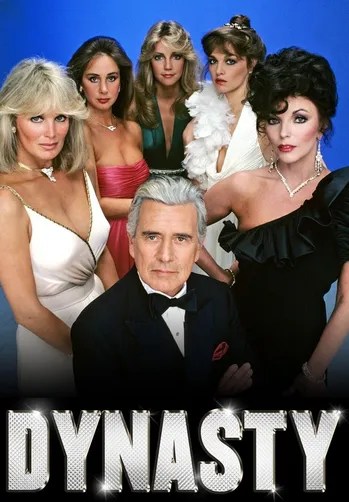
The success of Dallas, of course, lead to copycats from other networks trying to cash in on the new craze; television is nothing if not a place where imitating success is seen as a no-brainer; the irony was that so many of the other soaps that launched at night in the wake of the huge success of Dallas…failed for the most part. The only post-Dallas night time soaps that enjoyed long runs were Knots Landing, Falcon Crest, and Dynasty.
I first learned of Dynasty in a People magazine profile on Linda Evans, who at the time was best known as the woman John Derek left for Bo (who was a huge star at the time), and it mentioned she’d done a two hour pilot for a night time soap called Oil. By the time the fall previews started dropping, the show’s name had been changed to Dynasty, and there was going to be a gay character on the show. Once I read that, I knew I was going to watch. And then the premiere of the show was delayed months because of a strike. The show also had some other cast members I knew of and was interested to see–Wayne Northrop, who’d played Roman on Days of Our Lives; Pamela Sue Martin, of Nancy Drew and The Poseidon Adventure fame; and of course long-time television star John Forsythe as Blake Carrington, the patriarch of the family.
The first season was interesting enough, but the show didn’t really catch fire until the second season, when Joan Collins joined the cast as Blake’s first wife and mother of his children, Alexis. By the end of the season Dynasty had climbed from middling ratings to the Top Five, and it had become must-watch television.
But my primary interest was the character of Steven.
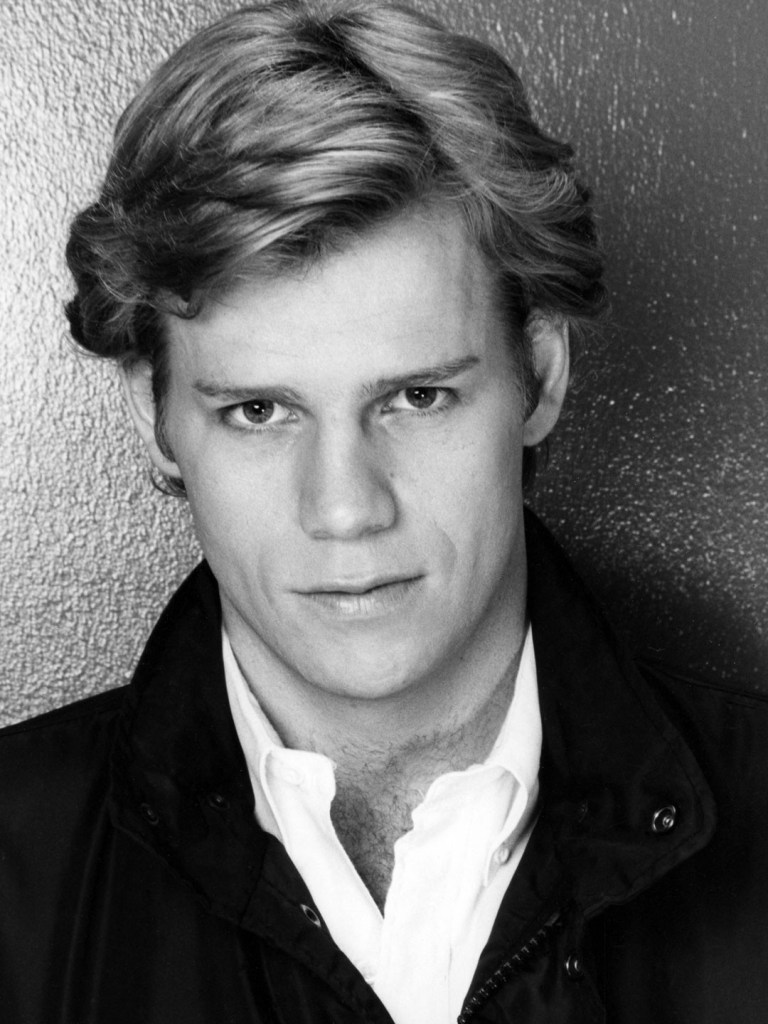
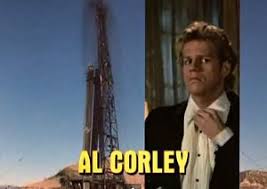
Al Corley as Steven Carrington
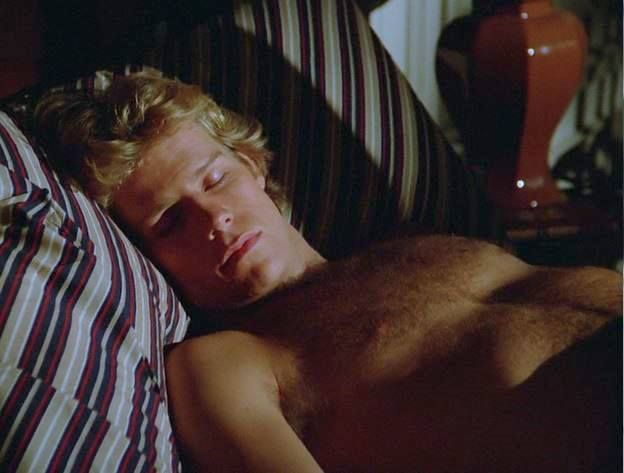
Originally played by Al Corley, Steven’s storylines were made clear in the pilot; Steven is coming to terms with his sexuality, coming back to Denver for his father’s wedding despite the fact that Blake is homophobic and he’s been living with a man (Ted Dinard) in New York for the past few years. Steven still isn’t entirely sure of his sexuality (it never occurred to anyone in production that he could be bisexual; he only had a binary choice during the entire run of the show), and decided to go to work on an oil rig to “become a man.” His co-workers pranked and hazed him for being gay at first, and then tried to “straighten” him out by buying him a hooker, which doesn’t go well. He then embarks on an affair with his boss’ wife Claudia (played by Pamela Bellwood, who was probably one of the best actresses in the cast), who was also mentally ill and her sanity wavered throughout the run of the show. Ted comes to Denver to get Steven to come home, but Steven’s decided to stay in Denver and try to get on with his life and ends things with Ted. Unfortunately, Ted comes to the Carrington estate (which was ‘played’ by Filoli, gorgeous place that was also the ‘setting’ for Laurie R. King’s superb Back to the Garden) to say goodbye, Blake comes home already angry, becomes angrier to learn Ted is in the house, rushes upstairs to see them hugging goodbye, and in a homophobic rage pulls Ted off Steven, punches him and knocks him down–only he is killed when he hits his head on a fireplace guardrail–and now Blake has to go on trial for murdering his son’s gay lover; and now the entire world nows.
Alexis returned for the trial, entering the courtroom wearing a veil, and Fallon gasps, “oh my god that’s my mother” setting the stage for season two, and night time television’s greatest villains, Alexis.
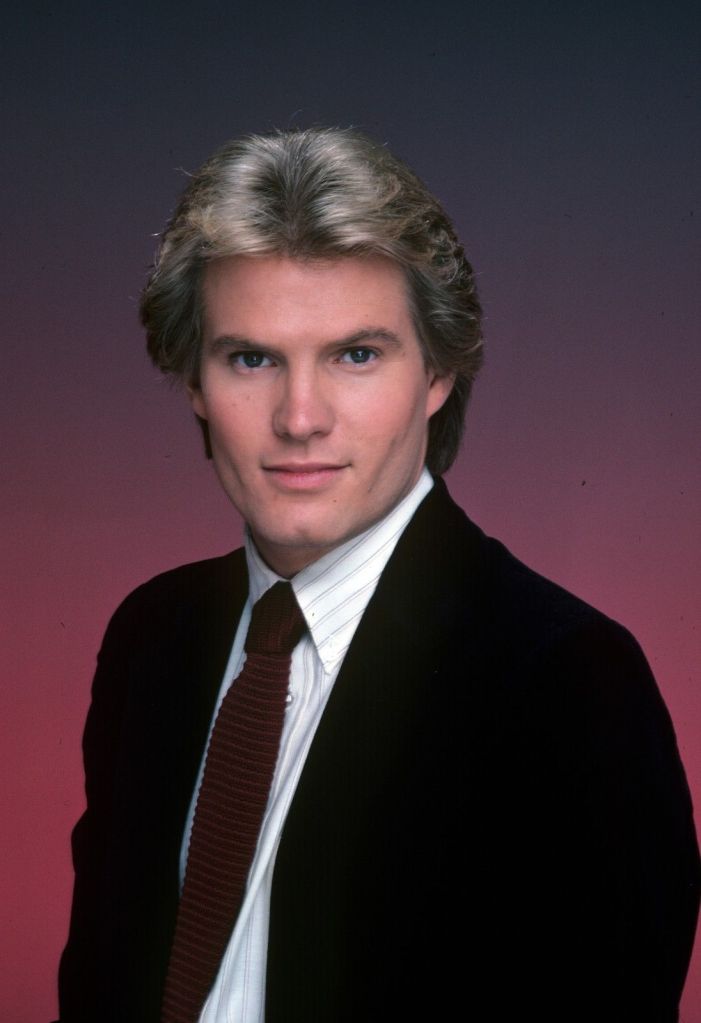
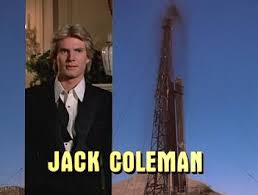
Season 2 was disappointing in terms of Steven as he spent season two trying to be straight, getting involved with and marrying Sammie Jo (Heather Locklear in the role that made her famous), but eventually telling his entire family that he’s gay, he’s tired of trying to be someone he’s not, and leaves Denver. He is reported killed in a oil rig explosion in the south China Sea in season three, which was their way of recasting–“plastic surgery so he doesn’t look the same”–and he was replaced by Jack Coleman (at the time best known for playing a serial killer on Days of Our Lives).
Jack Coleman, the second Steven
Coleman was fine, but he was different, and the character changed to match the actor. His entire storyline for the rest of the series involved him getting married, ruining that by getting involved with another man–before deciding what to do with him again for the sake of storyline; showing how hard it was to actually integrate someone with a same sex attraction into the cast of a soap. Every man he was involved with was a new character, and soaps–whose mainstay bottom line is thwarted romances, marriage and divorce–really didn’t know what to do with a non-straight character, other than throwing him into relationships with women (???) to have them end badly and so on.
When the reunion film was done in the 1990s, Al Corley returned as Steven (no explanation of why he looked the way he did before the surgery) and he’d made peace with his sexuality, again living in New York happily with another man and raising his son (oh yes, the gay character also impregnated one of his ‘women’)…while never once raising the possibility of bisexuality; I guess getting the 1980’s home audience vested in a gay character was risky enough without bringing in bisexuality–which tells you where we were as a country in the 1980’s…and we shouldn’t also overlook the fact that it was Dynasty that brought HIV/AIDS to the forefront of conversations in this country. Rock Hudson’s AIDS diagnosis became public shortly after he appeared on the show, and there was a lot of panic because he’d kissed the Linda Evans character–had he infected her? (We didn’t know as much then as we do now; now that fear is laughable but it was palpable back then because there was so much ignorance about it then, thanks to the Reagan Administration and the deeply embedded homophobia in post-war American culture.)
I started rewatching the original show once it was available for streaming, and that first season really is a slog; Blake was the primary villain in the first season (Alexis took his place, turning him into a more traditional soap hero–flawed but a good person at heart) and he just didn’t have the gravitas to relish being evil the way Joan Collins jumped in with both hands and feet), so while I was enjoying seeing the more honest and realistic to life way Steven and his dilemma was displayed in that first season–even the affair with Claudia made sense the way it was written–they really didn’t know what to do with him after the recast, and he descended from the fully developed realistic character Corley played to the two-dimensional soap hero he devolved into after the recast.
But…it was still pretty daring for the 1980s, and I did appreciate the attempt at representation. I know the reboot, which I didn’t watch, made Steven straight up gay; even gender swapping Sammie Jo by turning her into Sammy Joe. Progress is progress, and we cannot ever dismiss out of hand the brave attempts at using homosexuality and familial homophobia as a source for story; they were fighting the network censors, the right wing, and most of the country was homophobic, too.
They did the best they could and it was important at the time…even if it doesn’t hold up well under modern understanding.
Thursday and my last day in the office for the week. Huzzah! I am fatigued this morning. I went to the gym on my way home last night, and while these “workouts” seem hardly worthy of the name, the way my muscles feel this morning shows me that oh yes indeed, even as light as the weights are and as few sets I am doing, it definitely still is counting. This is why I have to be patient with the progress and not get ahead of myself. Last night, I was definitely tempted to add more weight and even had to talk myself out of it, feeling like I was wimping out–but how much more fatigue would I be feeling this morning? And yes, I slept like the dead last night, too–another sign. I may take an extra rest day and not go again until Saturday. I was also tired when I got home last night, so I didn’t do much of anything, including chores….so will definitely have to do those tonight when I get home. I picked up the mail yesterday, too, so I can come straight home tonight.
And of course, tomorrow is a work-at-home day. Huzzah!
I had another surprise at the post office yesterday, too–my Nancy Drew The Secret of the Old Clock action figure! It’s pretty cool, and I may save pictures of it for here until after Pride month, because I cannot think of a way to do a Pride post about–you know what? I just thought of a way to do it, so I guess I manifested itself into being. I also managed to get a Pride post done yesterday–Calvin Klein ads–and I have some more on deck, too; I’ll give you some hints about them–Dynasty, party culture, gym culture, etc.–and who knows when I’ll get them finished and posted, but they are definitely in progress.
I also got my copy of a book I read and reread over and over again as a kid: Stranger than Science by Frank Edwards. I am slowly remembering some other things about my childhood–my interests in the occult and the unexplained. There was a lot of this sort of thing when I was growing up in the suburbs of Chicago, and I am not sure why there was so much of this in the late 1960’s/early 1970s, but there was. The Bermuda Triangle was a big thing, and so were pseudo-sciences like Erich von Däniken’s Chariots of the Gods and so on; Thor Heyerdahl was having his adventures proving that Pacific Islanders traveled much further than most believed, and he also was proving Egyptians could have made it to America on papyrus boats, which was insane but interesting at the same time. I also loved things like Ripley’s Believe It or Not, which used to be a bigger deal than it is now; weird theories about space alien astronauts and forgotten history–I was really into this sort of thing–lost knowledge has always interested me, and books about recovering lost knowledge (or treasure) were catnip for Gregalicious. I don’t know if this was a natural progression of the 1960s movements, in which we became suspicious of government and less trusting, but the 1970s were a very strange decade, and immersing myself in my memories has been interesting. Anyway, Stranger Than Science is a book telling short tales of real events with no logical or rational explanation (this was where I first learned of spontaneous combustion, for one). Edwards used to have a long-running radio show with the same name and subject matter, and my interest in his book and other unexplained phenomenon (whether true, legend, or a combination of both) had more of an influence on me as a writer than I actually remembered. I’m looking forward to revisiting this book.
I also got Paul Tremblay’s Horror Movie yesterday, and I may be moving it up on the TBR pile. He’s become one of my favorite writers lately–since I read A Head Full of Ghosts a few years back, and I’ve not read anything of his that wasn’t compelling and unputdownable since. (I’m also enjoying Grady Hendrix and Riley Sager these days as well.)
And on that note, I am bringing this to a close so I can head into the spice mines. Have a marvelous Thursday, and look for a Pride post later!
My appreciation of all things Gothic is at least partly due to the old soap opera Dark Shadows, which I watched as a child and has crept its way into my work, my reading, and the majority of my entertainment consumption ever since. I have always loved anything with a touch of the Gothic in it, and spent my teen years (and a lot of my twenties and thirties) loving and consuming Gothic fiction. The post-war style of Gothic literature, marketed primarily towards women, was being done by authors whom I loved like Phyllis A. Whitney and Victoria Holt and others (while Mary Stewart’s work was also considered Gothic and featured many of the tropes of Gothic fiction, I consider her books to be Gothic-adjacent, and I will probably explain that better and in more depth at another time) and I couldn’t get enough of them. Holt and Whitney, to me, were the two best at this subgenre, and when Gothics stopped being published in such great numbers, I was disappointed and mournful.
Which is why I love Carol Goodman’s books so much. Her books have that Gothic feel to them, are beautifully literate in their prose and structure, and they are also incredibly smart. The books also cover art, education, and the classics; every book is filled with classical references that inevitably make me feel smarter for reading them.
The Drowning Tree is no exception.
The river feels wider from the shallow boat, the humpbacked hills of the Hudson Highlands looming like the giants Dutch sailors believed dwelled there.
“Just put the water behind you,” he says.
I can’t see the man in the boat behind me, and I don’t want to risk my precarious balance turning to see him.
“You’re been through the drill,” he goes on.
And I have. Six weeks practicing in the indoor pool under the watchful eye of the kayaking instructior, tipping myself into blue chlorinated water and rolling up again, gasping, into the humid air, all in one long in-drawn breath. I’ve practiced it until it’s become second nature, but it’s one thing to turn over in the clear, warm pool water and another to imagine myself hanging upside down in the cold gray water of the Hudson, trapped in the currents…
“This is where the current is most dangerous,” the voice says. “The Dutch called it World’s End.”
Like many of Goodman’s novels, this book is set in the Hudson Valley and there’s also an institute of higher learning–Penrose College–involved. Our main character here, Juno McKay, runs a stained glass restoration business in the same town where she went to college and grew up; she also lives in the building that houses her glass works. Her best friend from college, Christine, is coming back to the college to give a lecture into her research into a stained glass window at the college that Juno’s company is in the process of being restored. But before the lecture, Juno sees Christine arguing with the school president, the most recent Penrose, and afterwards when they have drinks together before Christine catches her train back into the city, Juno gets the impression that somethings’s going on with Christine–and then she is found, drowned in a creek along the shoreline of the original Penrose estate, near a sunken sculpture garden, in a scene very reminiscent of the scene in the stained glass window Juno is restoring. IS there a connection? Was it an accident, or was it murder or suicide?
Like any intrepid heroine in a Gothic novel, Juno is soon drawn into the mystery Christine was looking into–what happened years ago, between the first Penrose, his wife and her half-sister? How many secrets does the abandoned estate (very Nancy Drew, too–it reminded me of The Clue in the Crumbling Wall a bit) conceal? What secrets did the original Mr. Penrose, an artist and painter, conceal in his paintings and art and stained glass windows? Briarwood, a local mental institution, also comes into play as well; years ago, Juno’s ex-husband tried to kill her and their infant daughter by drowning them in the river. They survived, but his mental health did not and he’s been in Briarwood ever since. The pattern of three from the past with Penroses and the half-sister also seemed to play itself out with Juno, Christine, and Juno’s ex-husband, pulling the reader into all these complicated skeins and twists and turns, until the book comes to an extremely satisfying end with all secrets revealed and life back to normal at the end.
What a great read, and a great example of why I love Goodman’s work so much.






 Queer and Loathing in America