SMFS Official Announcement: 2025 Derringer Award Finalists
Since 1998, the Short Mystery Fiction Society has awarded the annual Derringers—named after the popular pocket pistol—to outstanding published stories. The awards recognize outstanding stories published during 2024. Results of membership voting are scheduled to be posted on May 1, 2025.
The full listing of our nominees and the markets that published the finalist stories has been compiled and supplied by Derringer Coordinator Paula Messina.
Iris Saturday! And it looks like a beautiful day out there outside my windows. I also don’t feel sick this morning, which is also wonderful. After working yesterday I felt very sick and very tired, so I just decided to shut my brain off and just mindlessly drift through news clips on Youtube, as well as whatever my brain decided for me to look for (the temple destruction scene at the end of Samson and Delilah, for one example) as I finished laundering the sheets and went to bed. I slept great last night, too, and feel pretty good this morning. That’s awesome because it is, after all, IRIS SATURDAY! I probably won’t stay out for Tucks after Iris, but I am not missing my ladies! I also feel like I can get some things done around here today, too. I’ve been slacking on the house (and on, well, everything) for a while now–being sick didn’t help matters much–and so I should be getting it all under control today. I want to get some reading done, catch some beads, do some cleaning and some writing, while I’m at it.
I also watched a couple of 1970s movies last night while Paul worked (I got tired of the news; I can only watch American elected officials embarrass the country in front of the world so many times. What a fucking disgrace) and watched a Gene Hackman hard-boiled private eye movie (Night Moves) and a classic I’ve never seen (that no one ever talks about anymore either–The China Syndrome) and I enjoyed both. There’s really something different about the movies of the late 1960s and 1970s, a kind of gritty realism that showed the world as it was–dirty, graffitied, muted colors–that went away with movies in the 1980s, where everything was prettied up for the movies and departed from realism. It put me in mind of my Cynical 70s Film Festival that I did during the shutdown, and how so many movies were about paranoia and not trusting the government; which, after Vietnam, civil rights, and Watergate was very much a leftist thing. (Weird how that’s shifted–it’s the right that doesn’t trust the government anymore; that would be an interesting study, wouldn’t it? How that changed and shifted over the years? Another thing I hate about the right is that they’ve made the left defend the government rather than critiquing it.) Night Moves was okay–the mystery itself wasn’t terribly interesting but the thing that was interesting was Gene Hackman’s performance. The film was an excellent character study, even though we never really learned much about him. My primary takeaway from the film was that Gene Hackman would have made a great Travis McGee. Talk about missed opportunities. (Although it would also be a great role for Alan Ritchson…)
The China Syndrome was born out of the 1970’s paranoia about using nuclear reactors to create energy. After all the lies before, during and after Vietnam–not to mention Watergate–people weren’t really into trusting government reassurances, and weird things were happening with the nuclear power plants anyway (Karen Silkwood’s story would also be filmed, Silkwood, which was another one of those “paranoia/can’t trust the government or corporations” movies); they were building one fairly close to where we lived in Kansas–Wolf Creek, I think was the name–and there were protests about it (Kansas folks just saw as it as a place to work and no more thought into it than that) and I also remember in the classifieds in the Emporia Gazette some group always ran a little ad that said “NEVER FORGET KAREN SILKWOOD” so I already knew that story before the movie was made. Michael Douglas produced the movie, and of course Jane Fonda was in it–they were both very anti-nuclear energy; so of course it was seen as a “Hollywood liberals trying to scare people” film. But shortly after it was released, Three Mile Island (our almost Chernobyl) happened–and the movie became a huge hit. The movie ended positively–the news about the accidents at the plant in question gets out finally at the end1–which goes to show how hopeful these kinds of movies sometimes ended; when we all know the reporter and her cameraman, as well as the nuclear engineer played by Jack Lemmon, would have all either disappeared or been found dead under mysterious circumstances.
I really should watch an old movie when I’m too tired to write or read, rather than doomscrolling news clips on Youtube.
I’ve also been terribly remiss on my newsletter; I’ve started several that are in progress that I really should finish and share with the world–and should send out one before it’s time to do my review of The Bell in the Fog (Lev AC Rosen). I am trying not to overdo it–I mean, I pretty much write this every day so I don’t need to be sending out newsletters more than once a week; there’s only so much Greg people can take, after all. And I also expect you all to read my books and short stories, too. What can I say? I really enjoy writing.
And on that note, I am going to get cleaned up and get to work around here. Have a lovely Iris Saturday, Constant Reader, and who knows? I may be back later.
Sorry-not sorry for not putting up a spoiler warning for a forty-six year old movie. ↩︎
Being Southern hasn’t been as difficult for me as it is for most Southern people, when it comes to forgetting the past and not taking pride in a heritage that includes racism and bigotry and enslavement. Some of the earliest lessons I learned about life in these United States was that I was one of the few people who started recognizing something that I wouldn’t know the name for until I was much older: cognitive dissonance. What I was being told at home was different from what I was being taught in school, and even that, while better balanced, was “patriotism good rah rah rah U!S!A! U!S!A!” all the time, nonstop. I began wondering about how much of an American “hero” Christopher Columbus really was, as all he brought to the New World was genocide, slavery, disease, centuries of oppression and looting the resources of the Americas. I started dealing with more cognitive dissonance as I got older and began seeing the flaws in white American supremacy, the contradictions and conflicts, and I had to think and reconcile all of these differing opinions. As I got older, resolving those cognitive dissonances required abandoning the education I got as a child about our country and its history because it was drenched in white supremacy and American exceptionalism and, well, lies to make white people feel better about themselves1. Reading and studying history made me look at modern Christianity askance–your religion has always been bloody, intolerant and cruel; but I’m supposed to believe the faith that slaughtered non-believers gleefully has changed and learned the errors of its ways?
Likewise, the Civil Rights Movement was in full swing when I was a child, and saw I watched the marches and the horror of the violence on the news. I didn’t understand nor believe the so-called religious justification for bigotry–my view of Christianity was markedly different from what I was learning in Sunday school for sure–but as someone blessed with white privilege I was also oblivious to a lot of what the Black community has dealt with throughout our bloody and horrific national history. My beliefs and values have never stagnated or been chiseled into stone; I appreciate gaining new perspective and examining my own internal biases and prejudices, and changing my mind predicated on the new perspective.
There are some things, however, I will never change my mind about: bigotry and prejudice are evil and have no basis in anything except vile ignorance and emotion.
The “we need diverse books” movement on-line was absolutely wonderful, because it gave me an easy opportunity to find books by diverse authors that either didn’t exist before or did and weren’t given much of a push. I loved the expansion of the crime and horror genres to include these characters and themes and stories; I love their fresh perspectives on society and culture and yes, the genres themselves. Books by S. A. Cosby, Kellye Garrett, Rachel Howzell Hall, Tracy Clark, Cheryl Head, and other racialized authors have not only been revelatory, but so strongly written and brilliant that it’s pushing other authors to better their own work to keep up. I’ve also been reading a lot of non-fiction about the civil rights movement and the history of prejudice and racism in this country, informing not only myself but with my own work, as well.
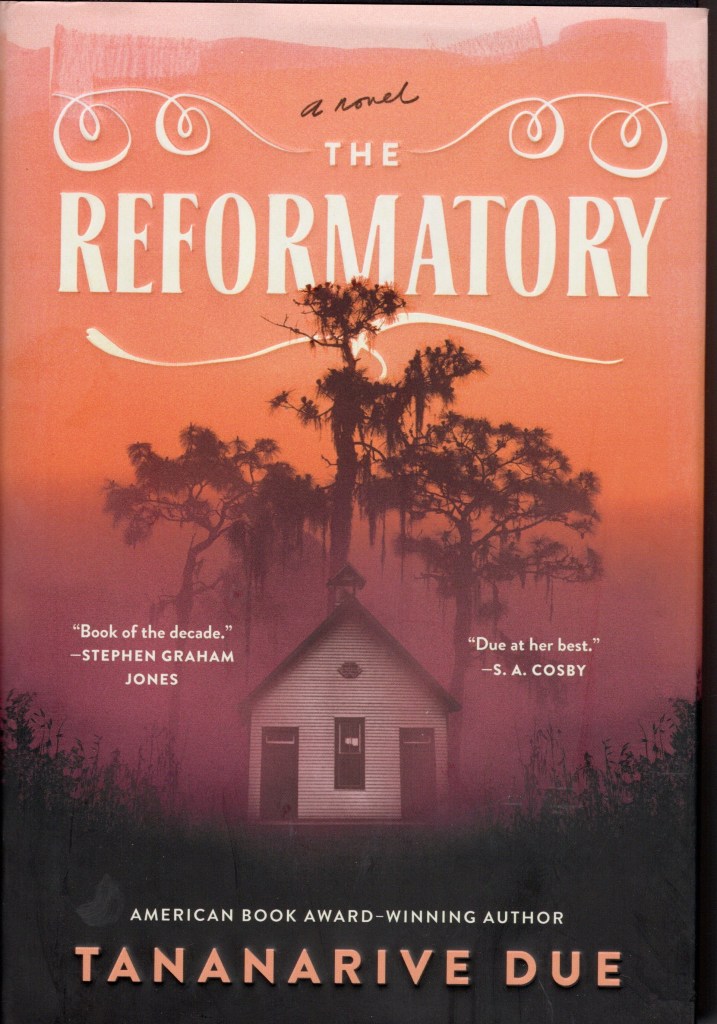
And in a class almost by itself is Tananarive Due’s The Reformatory.
Robert Stephens held his breath and counted to three, hoping to see Mama.
Some mornings his nose tickled with a trace of talcum powder or Madam C. J. Walker’s Glossine hair grease, and he felt…something hovering over him, watching him sleep. His groggy brain would think…Mama? If he gasped or sat up too quickly, or even wiped the sleep from his eyes, it was gone like a dream. But sometimes, when the June daylight charged early through the thin curtain and broke the darkness, movement glided across the red glow of his closed eyelids like someone walking past his bed. He felt no gentle kisses or fingertips brushing his forehead. No whispers of assurances and motherly love. Nothing like what people said ghosts were supposed to be, much less your dead mama. That morning he was patient, counting the way he’d practiced–one one thousand, two one thousand, three one thousand–and slitted his eyes open.
A woman’s shadow passed outside of the window above him, features appearing in the gaps between the sheets of tinfoil taped across the glass. In a white dress, maybe. Maybe. Moving fast, in a hurry.
“Mama?”
This book is a revelation. It is without question one of the most powerful books I’ve read in I don’t know how long.
I knew it was going to be a hard read, because I knew what the book was based on. I also don’t remember when I first became aware of the horrors of the notorious Dozier School for Boys in Florida, but it was a horror to be sure. I’ve read some novels based on that story (I loved Lori Roy’s The Disappearing) already, and so was familiar. Reading about enslavement and the Jim Crow South2 is inevitably a hard slog for me, and not just because of the white guilt it deservedly triggers; it just staggers me that in a country that supposedly is about equality and freedom such things could happen, be taken as normal, and changing the system is so violently opposed…a lot of racist Southerners see nothing wrong with that history and would like it to return, so these kinds of stories of American atrocities against its own citizens are incredibly important. The pen is indeed mightier than the sword, which is why repressive governments always go after journalists and writers; a well-told story that illustrates the injustice for the reader and humanizes it can change minds.
The Reformatory is about the Gracetown School for Boys and a young twelve year old Black boy who is sent there for absolutely nothing; an older white boy was sexualizing his older sister Gloria, and when young Robert stands up for her he gets a brutal shove, and he retaliates with a kick. Alas, the white boy’s father is wealthy and therefore powerful, and he wants this “uppity” behavior punished. In a joke trial that’s not even a trial, the corrupt racist judge sends Robert to the hell of the reformatory. Robert’s story doesn’t become about a search for his own justice, but the hell of surviving a place where boys die regularly but never of natural causes. Young Robbie has a gift, too–he can see ghosts–and there are a lot of ghosts there for him to navigate. Gloria’s story becomes about her desperate drive to get her brother out of there and correct the injustice. Their father was also a union organizer, and was falsely accused of raping and beating a white woman, so he fled north to Chicago. So, the boy in custody is also a pawn for the white power structure who really wants to get their hands on Robert Senior.
The warden, Haddock, is a sadistic predator who enjoys torturing and raping and murdering his charges. He also has a special need for young Robbie’s ghost seeing abilities, wanting to rid the campus of the ghosts of his victims. Due manages to make the horrors of that place absolutely real, with some of the most vivid and powerful images I’ve come across in a novel in years.
But the true horror of the book isn’t the ghosts at the school. The true horror is its horrific and realistic depiction of the Jim Crow south, and the lack of hope for change in the Black characters. It was about halfway through the book that I realized, as much as I was loving this book, that there was no happily ever after for Black people under Jim Crow, before civil rights. They might be able to escape a predicament, but there was no escape ever from the system.
Which is absolutely terrifying.
Definitely check this book out, and I am going to look for my next read from Due.
Manifest destiny? I could write an entire book about that bullshit. ↩︎
Someday I will dismantle To Kill a Mockingbird for the racist lie it is. ↩︎
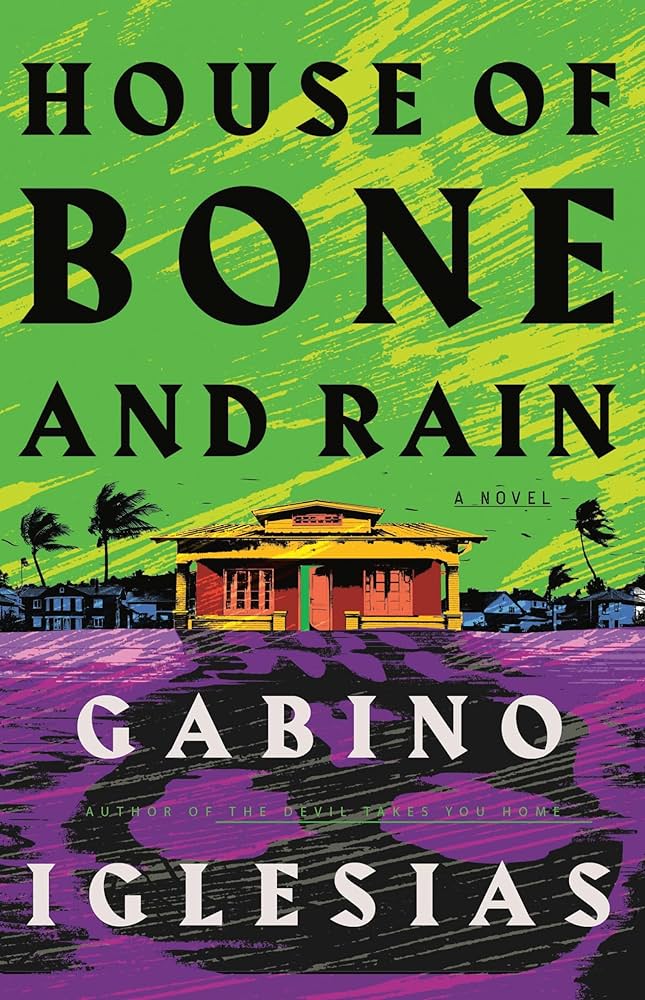
It was weird reading Gabino Iglesias’ latest, House of Bone and Rain, for any number of reasons that had nothing to do with the quality of the book. I was reading it when that “comedian” called Puerto Rico “a floating pile of garbage” (not that it mattered); while writing my own book, also set during a hurricane; and was thinking about writing another supernatural thriller about teenagers. This book is set in Puerto Rico before, during, and after a hurricane, and the main characters are teenagers. Serendipity? Synchronicity? An interesting series of events? I’m not sure if it’s anything other than a lovely coincidence, but there it is. I also really loved Gabino’s previous novel, the award-winning and critically acclaimed The Devil Takes You Home, which was exceptional, and had my appetite whetted for a follow up.
It says a lot about an author so good they make me overlook things I generally don’t like to read about–machismo, violence–because they are able to turn those things into art.
The last day of classes, our last day as high school students, marked a new era for us. We wanted it. we feared it. We had plans for it. Then Bimbo’s mom hit the sidewalk with two bullet holes in her face, and the blood drowned out all those plans.
Bimbo called to tell us the day after it happened. His real name was Andrés, but we mostly called him Bimbo because he was brown and chubby and looked like the mascot bear of a brand of cookies. It’s normal for people to report the death of a parent. Old age. Cancer. A heart attack. Whatever. Old people die and we expect it, accept it even. It’s normal. Murder is different. Murder is a monster that chews up whatever expectations you had regarding death and spits them in your face. Murder is an attack on someone’s life, yes, but also an attack on those left behind.
When Bimbo called to tell me about the death of his mother, María, I felt attacked. “They shot my mom, man.” Five words about the recent past that were heavy enough to crush out future.
It says a lot about an author so good they make me overlook things I generally don’t like to read about–machismo, violence–because they are able to turn those things into art. I generally don’t like to read about extreme violence, with bones crunching, blood spurting, and teeth flying. Because I do actually abhor the use of violence1, it’s very hard for me to relate to characters who turn to violence for whatever reason; it’s not easy to ever make me think yes, this is the right path. Violence and rage are very dark places to go, and while I completely understand embracing your rage, I will vent it a bit so it calms down before I go there. But Iglesias is the kind of writer who can pull a squeamish reader along the path of male rage and violence, which is emotion-driven rather than logical.
The book centers a group of five young friends who have just graduated from high school, and the brotherhood they develop by uniting as a group and fighting off everyone else; it’s very Three Musketeers-like; “anyone fucks with one of us, they fuck with all of us.” Iglesias also provides enough back story to make each character an individual–not easy to do with so many characters–as well as the group dynamic and why, despite any internal squabbling, they always try to present a united front on this dark odyssey of revenge and violence. Gabe, our narrator, is kind of at loose ends at the opening of the book and not knowing what he wants to do with his life. He has a girlfriend he genuinely cares about and wants to build a life with, who wants to move to the mainland and go to nursing school–and wants him to come with…but his own ties to Puerto Rico, including his mother, make it hard for him to make the choice. What if he does and it doesn’t work out? What will he do then? He is transitioning from callow youth into manhood at far too young an age, but…that’s what life is like for people living under colonization.2
Gabe is also the conscience of the story–if there can actually be one. He goes along with his brothers to get revenge for Bimbo’s mother’s murder, which puts them afoul of a drug cartel (seriously, who sets out to kill the head of a murderous criminal cartel?), but there’s also something else going on…there’s some supernatural elements involved with the cartel as well that either could just be gossipy stories to scare people into obedience, or might just be real.
The book barrels along at an excellent pace–the length of time it took for me to get through it had nothing to do with the quality; I was trying to savor it because I was enjoying the voice and the writing so much. It’s also very vivid and real; Iglesias writes in such a way that puts you right there in the room with the characters–and always, there’s this foreboding sense that time is running out for the boys, and not all of them may make it to the end.
An excellent mash-up of horror, crime, and noir stylings, I have to say this is terrific, so check it out.
Ain’t going to lie, there’s a part of my brain that does think that those who commit violence should get it back, repeatedly and far worse, than they dealt. ↩︎
After the Puerto Rico garbage insult, people thought Puerto Rico should become a state; which I found amusing. No, they should be granted their independence from their final colonizers and paid reparations. Who says statehood in a racist country is desirable for them? ↩︎
Saturday morning in the Lost Apartment and all is well. I slept incredibly last night. I woke up at seven and stayed in bed relaxing in a half-sleep for another hour or so, and finally got up when Sparky woke up and decided he was hungry. He was delayed this morning–and was very calm and cuddly and sleepy yesterday–because of the vaccines he got yesterday, as well as the shock to his system of leaving the apartment. He likes his carrier–he’ll go in there on his own, and Paul often tells him to go get in the crate when he’s having Big Kitten Energy, which he does–but he finally started meowing yesterday when we took him outside in the crate. He’s never meowed before, only chirped, which worried me a bit…but now he’s done it so I guess he only meows when he’s unhappy. His nails were trimmed (which he also didn’t like this time), but we brought him home to be a sleepy, cuddly sweet kitty for the rest of the night. We also went to Costco yesterday, which was nice and a little tiring. We watched Skate America last night (ladies and pairs short programs) and of course, today is a football all day kind of day. LSU plays at Arkansas tonight, and of course Alabama-Tennessee is this afternoon’s game. I am going to take books to the library sale this morning and go to the grocery store today before I come home to watch games for the rest of the day. There’s also some cleaning I can do around here this morning, too. Yippee!
I’m also going to read some more of Gabino’s book this morning; I read some while Sparky and Paul were with the vet yesterday and I just love the way he writes, in this interesting combination of Jim Thompson crossed with some John D. MacDonald but heavily flavored and filtered through his own remarkable talent in a unique voice that is entirely his own. It’s very rare to come across a writer with a voice and style so strikingly original, and the pacing is ethereal but also fast at the same time. I loved his last book, and I am absolutely loving this own. Next weekend I’ll be heading up to Kentucky to see Dad for about a week, so I can listen to another horror novel in the car (maybe Shadowland by Peter Straub, which I’ve not read before. I can take the paperback with me if the audio book is too long for a twelve hour drive; I actually just went to Audible and got Nick Cutter’s The Troop, and saw that I had a Riley Sager already downloaded, so that’s the trip up and back sorted. I also got the Straub), and I can take some horror with me to read. I’ll make shrimp tempura for dinner tonight, and am kind of torn about making chili or not tomorrow, but will probably go ahead and do so; I may even make it over night so tomorrow morning I can just get up and put it in the refrigerator. That’ll sort my lunches for the week, methinks.
I also managed to get the majority of the dishes done yesterday, no small feat I might add. That’ll teach me to be lazy when I get home from work every day, won’t it? It seemed endless, and I was also doing the bed linens at the same time as well as unpacking Costco and putting everything away; the living room is, even now, filled with empty boxes that need to go out this morning. I need to revise that short story and start working on another one for the Bouchercon anthology open call; I picked out the story just have to finish it now, which is also no easy chore. But today is an official day off from everything other than relaxation, reading and some cleaning around the house. I’ll try to reread the story I’ve selected; I just need to remember to channel my rage at developments in the neighborhood and on my street–this is one of the reasons I love being a writer, petty revenge on people who’ll never even know they inspired me to kill them in fiction–and retrieve that voice from deep inside my head. I think one of the problems I’ve had with some of the stories I’ve been writing lately is I’ve been too lazy to write about people the way they really are, instead of an idealized character who is logical and rational and then simply snaps. It’s that breakdown of going from law-abiding to murderous that I live to explore–it worked really well in “Neighborhood Alert”–but in some of the noirish stories I’ve been trying to write and sell since the pandemic they come across as too cheerful; bitterness and rage is what drives my stories, and the tone and voice need to reflect that.
Tone and voice are key to whether your story works or not.
And on that note, I am heading into the spice mines. Have a lovely day, Constant Reader, and I’ll check in with you again later. GEAUX TIGERS!
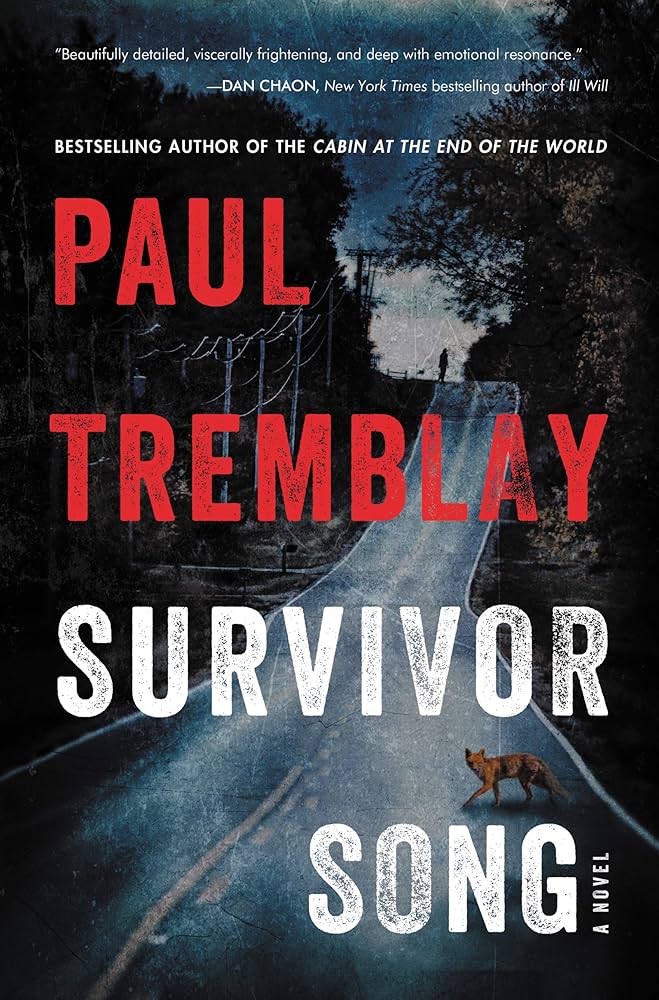
Paul Tremblay has managed to turn himself into one of my favorite authors currently writing horror; I can’t think of a single novel of his that hasn’t been utterly fantastic, or that I haven’t enjoyed. He manages to make his characters absolutely real–with flaws and hang-ups; so much that sometimes you want to shake some sense into them–and the situations they find themselves in, while certainly horrific, are realistic. That, of course, is what makes the so horrible and terrifying; it’s easy to see yourself in his characters and stories. I also love his writing style; there’s something lyrical and poetic about his sentence construction and word choices, creating rhythms that make the words kind of sing in your head.
I wasn’t sure if I should, in that case, listen to one of his novels as an audiobook–would that musical sense of language carry over?
I needn’t have worried.
This is not a fairy tale. Certainly it is not one that has been sanitized, homogenized, or Disneyfied. bloodless in every possible sense of the word, beasts and human monsters defanged and claws clipped, the children safe and the children saved, the hard truths harvested from hard lives if not lost than obscured, and purposefully so.
Last night there was confusion as to whether turning off the lights was a recommendation or if it was a requirement in accordance with the government mandated curfew. After her husband, Paul, was asleep, Natalie relied on her cell phone’s flashlight in the bathroom as a guide instead of lighting a candle. She has been getting clumsier by the day and didn’t trust herself to casually carry fir through the house.
It’s quarter past 11 a.m. and yes, she is in the bathroom again. Before Paul left three hours ago, she joked she should set up a cot and an office in here. It’s first-floor window overlooks the semi-private backyard and the sun-bleached, needs-a-cost-of-stain picket fence. The grass is dead, having months prior surrendered to the withering heat of yet another record-breaking summer.
The heat will be blamed for the outbreak. There will be scores of other villains, some heroes too. It will be years before the virus’ full phylogenetic tree is mapped, and even then, there will continue to be doubters, naysayers, and the most cynical political opportunists. The truth will go unheeded by some, as it invariably does.
To wit, Natalie can’t stop reading the fourteen-day-old Facebook post on her town’s “Stoughton Enthusiasts” page. There are currently 2,312 comments. Natalie has read them all.
This was a book I didn’t want to read at the time of its release; and I am kind of glad I waited to get into it for a few years; while I was certainly reading a lot of plague fiction in the summer of 2020, when this book was released, the thought of reading something new about a plague whilst in the midst of one seemed–I don’t know, too real for me? The older stuff I revisited, both fiction and non, were things I had already read at some point in my life and therefore couldn’t be applied to the quarantine situation we were experiencing at that time. Of course, four years later, my own time-line is kind of fuzzy and off; it was a disorienting time, and it clearly broke the brains of a lot of people. Reading (listening) to the book four years later–without access of any kind to the pub date of the book, which I couldn’t remember in the car–I thought, wow, he really captured the insanity of the quarantine AND how people would react to it, so you can imagine my surprise to see it actually was written and already moving through the publishing pipeline for release before the pandemic began, which is frightening how eerily prescient Tremblay’s book actually is/was. (Although, imagining the right launching into conspiracy theories and blowing off quarantines and safety precautions and arming themselves–is it that prescient?)
The pandemic/plague in Tremblay’s book is a highly infectious, rapid onset variant of the rabies virus–so animals get it and become dangerous, and the infections can spread to humans. Once bitten or exposed, the human doesn’t have long before the virus takes over and leads, after a mad frenzy of attacking anyone or anything, to a painful death. Natalie and her husband Paul are coping with the quarantines, the breakdown in supply chains, the shortage of necessary supplies; a trip to the grocery store, never more than an hour to and from, including the shopping, can now take up to or more than four hours, as she is finding out that morning as she waits for him to come home. She’s in her ninth month of pregnancy, and that’s what she primarily focuses on, like most normal people do. Unfortunately shortly after Paul comes home, an infected man breaks into their house, kills Paul, and manages to bite her in the arm before she can finally kill him and escape. Natalie calls her best friend and college roommate–a doctor named Ramola–for help.
Ramola comes to pick up her friend, and the rest of the novel is the two women desperately trying to get to a hospital to try to get her treatment as well as a c-section to deliver the baby in case the treatments don’t work. It’s a race against time, and the suspense ratchets up to a unbearable level, as the two women–and everyone they encounter–encounter difficulties and roadblocks, not sure who they can trust and who they can’t, as they try to save both mother and child. Tremblay also takes the opportunity, whenever it arises, to chastise the anti-science movement in this country (which was saw in force that summer of 2020) for it’s radical views and beliefs that endanger everyone because of their own selfishness; again, was that prescience or simply the obvious conclusion to make? Even Ramola and Natalie, in their desperation, sometimes act in an incredibly selfish manner to achieve their own ends that makes me want to shake them both–which is another terrific insight on human behavior; we will always put our own individual needs ahead of the abstract “group” needs.1
It’s a very good book, and like the best fiction, it make me think. A lot, not just about American privilege and selfishness, but about dystopian fiction and disaster-type novels like this–which will inevitably become a Substack essay at some point.
Definitely recommended.
This is something that often irritates me in these types of novels; leaders in these books will inevitably always put their own selfish needs ahead of those of the group (looking at you, Cell). ↩︎
Sunday morning, and all is well in the Lost Apartment.
I woke up early this morning and, remembering, thought it might have been a dream, but no, a quick glance at the Internet told me it really did happen–Alabama did lose to Vanderbilt yesterday, 40-35. Hell, Arkansas came back to upset Tennessee last night while we were were watching ‘salem’s Lot (more on that later). What in the world was going on in college football yesterday? Admittedly, insane days like yesterday (Washington even went to Michigan and won. What the holy hell is going on this year?) are what make college football so fun to watch and experience as a fan; and I think 2024 might just be one of those insane “reset” seasons where everything goes out the window. Vanderbilt beating Alabama1 just two weeks after losing to Georgia State–another Vandy embarrassment–and now the concept of hope has shown up for the hapless Commodores; if they can beat an Alabama team, on any given Saturday, the ‘dores could beat anyone. Absolutely wild. I was watching a different game–I don’t even remember which this morning–when I saw that the score was 13-7 in the second quarter, Vandy leading, and I thought, what the hell and switched over to that game, and both Paul and I watched in stunned bemusement, riveted until the clock ticked to zero and the Vandy fans rushed the field, tore down the goalposts, and carried them three miles to throw them into the Cumberland River. I can only imagine what it was like to be a Vandy fan watching all of this yesterday.2 I do pity the new Alabama coach; he’s got a hell of a week to get through before next weekend’s South Carolina game (LSU comes back from the bye week to play Mississippi next week at home; the Rebs trounced South Carolina yesterday), but still have to play Tennessee, LSU and Oklahoma. They can still make the play-offs if they run the table, but I am beginning to wonder about that. Missouri was also beaten badly by Texas A&M yesterday, so now Texas is the only unbeaten SEC team still standing and there’s no telling who might run the table, who is good and who isn’t, and so forth. It’s kind of exciting, actually. CHAOS.
I did sleep late yesterday, got up and ran all over town and even went out to Metairie for my eye appointment (which has to be rescheduled; it was an on-line booking error), but was thoroughly exhausted when I got home from everything. I immediately started cleaning while the A&M game was on–no need to watch that thrashing, so it was mostly background noise. I did manage to get all the dishes done, and launder the bed linens, and pick up around here. The Lost Apartment looks better this morning, but I also need to finish assembling my desk chair, do some more cleaning up around here (the floors, the floors!) and hopefully do some reading and writing today as well. The Saints play tomorrow night (Taylor Swift has been rumored to be attending; so I imagine all day tomorrow local networks will have someone stationed at the airport to see if her plane lands), and the weather has been lovely since that sopping wet mess of a Friday we had here. I am glad to be up early this morning–clearly I needed to sleep in yesterday, and I was still easily exhausted, so I know I am still not at 100% yet…patience, Gregalicious, patience. You’re older and it takes longer to bounce back than it used to, and you’ve never had a major surgery before; it hasn’t even been a full year yet since the surgery.
I do have one errand to run today, and I should get it done this morning.
So, we decided to watch ‘salem’s Lot instead of watching the Tennessee game (which we should have watched, apparently; I never tire of watching Tennessee lose), and going into it, I knew that most of the King fans amongst my horror writer/reader social media friends didn’t care for it. As I watched the movie–which is a fairly competent vampire horror movie–I immediately saw what the problem with this film adaptation was going to be, and even understood why even the cheesy two-part television version with David Soul failed. I have always thought of ‘salem’s Lot as “Peyton Place with vampires, and that strength of the novel–the townspeople themselves, their relationships with each other and all the long-simmering feuds and gossips and pettiness–was the primary strength of the novel, as is its pacing: it begins as a slow building burn, and the momentum just keeps building. Everyone knows the story is about vampires now; it’s even a bit of an homage, in its own way, to Dracula–there’s even a scene in the book where Matt Burke reminds Ben of Van Helsing–but when I first read the paperback from Signet back in the fall of 1976 in Kansas, I had no idea what it was about. I just knew it was scary, it was about evil in a small town, and the writer was the guy who wrote Carrie, which I had read in one sitting a year earlier. So, I was enjoying how the town is originally shown, a small town that’s like every other small town, that idyllic vision of America that the right keeps forcing on us all–small town America is the real America as this Norman Rockwell painting/Mayberry like life, and it’s anything but that. (Small town America is the real America, but not in the way they mean–small towns are composites of the society as a whole, with percentage wise just as much crime, adultery, incest and passive-aggression as the rest of the country, no matter how much better they believe they are than urban dwellers.) That slow build, as we settle into Jerusalem’s Lot as a town like any other, with likable people and unlikable people whose dirty secrets King allows us to see; in the first half of the book it’s almost like reading Peyton Place; Jerusalems Lot even has the Marsten House as Peyton Place had Samuel’s castle (which was also the name of Allison’s novel in the book). Something dark is going on in the town, and just getting started, which we get glimpses of from time to time–a dog killed and left on the cemetery fence spikes; the disappearance of Ralphie Glick and his brother’s strange sickness and death…but it isn’t until Danny Glick shows up at Mark Petrie’s window do we know that it’s actually vampires, and then the entire book flips and no longer lazily meanders along on its assigned path; it then becomes a thriller that moves with the speed of a locomotive.
This pacing is what most readers like me (and I suspect a lot of others) loved the most about the book; I always loved the town-stuff as much as the vampires, honestly, but that kind of pacing is impossible in a film or a two-part television movie–you can’t have the first half be meandering and slowly moving along the path of the story, folks who have no idea what’s happening in their town and still aren’t entirely sure as the depopulation moves faster and faster, because you risk losing your audience. This was the problem with the David Soul version–the pacing was the same throughout, which isn’t the way the story reads. In this film version they chose to abandon everything from the story that isn’t about vampires, and to just make a standard horror film about vampires. On that level, the movie works. It’s a standard vampire movie that moves very quickly, just as the second half of the book does, but by cutting out all the stuff that made us care about the characters, we aren’t as vested, and when they die, we don’t really feel it much or care–every death in the book was a fucking tragedy, and so the movie is actually kind of soulless. We aren’t given enough character development to care when characters die. I think the only true way to film ‘salem’s Lot successfully, it needs to be a six or eight episode series to be done truly properly. There was hardly anything about the Marsten House in the movie, and that’s a significant change from the book. It’s just there, and we have no idea what kind of research Ben is doing for his novel or why he even came back. The loss of all the supporting characters that really made the book so strong can be felt deeply in the film. It’s just a competent vampire movie, but it isn’t ‘salem’s Lot, but I did like the big scene at the drive-in movie theater.
And on that note, I am heading into the spice mines. I want to get a lot done today, and here’s hoping that shall come to pass.
No one ever worries about losing to Vanderbilt; it’s usually seen as a bye for most teams because Vanderbilt has always been terrible in football; they’ve never won the conference in all the years of belonging, haven’t beaten Alabama since 1984, and are always cellar-dwellers in the SEC (one of my favorite things to remind people is that Senator Tatertown the moron lost to Vanderbilt as a football coach; now Kalen DeBoer will also have that distinction. What a wake-up call for Tuscaloosa, and how wild that it happened one week after Alabama beat Georgia, handing them their first regular season loss in 42 games. I mean, good for Vanderbilt, but whoa, what the hell, Bama? ↩︎
Vanderbilt always has more visiting fans in their stadium than their own fans; at one point I was in the kitchen washing dishes and would hear the crowd cheer, so would come take a look–they were Alabama cheers, and they were louder than the smaller contingent of Vandy fans there. ↩︎
Ira Levin has always one of my favorite writers, but I often forget about him when I am talking about influences. I don’t know if Levin’s work influenced me; he was very sparing with his prose, and I am most definitely not that, but I know he has written some of my favorite novels of all time and his incredible popularity–based on very few novels written, most of them pretty short–was such that titles of his books became part of the popular culture; a “tl;dr” if you will to explain something: Rosemary’s Baby, The Stepford Wives, The Boys from Brazil. He wrote one of my favorite crime novels with a shocking twist (two thirds of the way in!), A Kiss Before Dying, which won an Edgar and should be considered one of the best crime novels of all time (the problem with it is a big part of the genius is in the twist, and it’s such a massive spoiler it can’t really be talked about except in criticism).
I knew about Rosemary’s Baby–everyone alive the year the movie came out knew what it was and what it referred to (I was wanting to do an entire post about Levin, but I couldn’t find my copy of Rosemary’s Baby) so settled for rereading The Stepford Wives over the weekend (it’s very short, very chilling, and downright terrifying in places. It was also the first Levin novel I read; I bought the Fawcett Crest edition pictured below, and I think I read the entire thing in a single afternoon. I’ve also seen both movies, both of which were okay, but again, the great thing about Levin is how he played his cards and which ones he withheld; the movie editions couldn’t get away with what he did in the book, which made the movies less compelling and less terrifying.
And it definitely holds up. In fact, it’s kind of compelling reading in this post-Dobbs time in which we find ourselves living these days.
This is the actual copy I had, and read. It looks very Gothic on the cover, but it’s not that at all.
The Welcome Wagon Lady, sixty if she was a day but working at youth and vivacity (ginger hair, red lips, a sunshine-yellow dress), twinkled her eyes and teeth at Joanna and said, “You’re really going to like it here! It’s a nice town with lots of nice people! You couldn’t have made a better choice!” Her brown leather shoulderbag was enormous, old and scuffed; from it she dealt Joanna packets of powdered breakfast drink and soup mix, a toy-size box of non-polluting detergent, a booklet of discount slips good at twenty-two local shops, two cakes of soap, a folder of deodorant pads–
“Enough, enough,” Joanna said, standing in the doorway with both hands full. “Hold. Halt. Thank you.”
The Welcome Wagon lady put a vial of cologne on top of the other things, and then searched in her bag–“No, really,” Joanna said–and brought out pink-framed glasses and a small embroidered notebook. “I do the ‘Notes on Newcomers,'” she said, smiling and putting on the glasses. “For the Chronicle.” She dug at the bag’s bottom and came up with a pen, clicking its top with a red-nailed thumb.
Are there still Welcome Wagon Ladies? And what a clever way to open a novel about a bedroom community town for New York–what else but the Welcome Wagon Lady welcoming a new family to Stepford. It puts the reader at ease, too–something very familiar to people in the 1970s was the Welcome Wagon Lady, so opening a novel with something ordinary and normal is an interesting choice, given what’s to come. (For the record, there will be spoilers here. I’m sorry, the book came out in the early 1970s, as did the original film version and even the dreadful remake is now at least twenty years old.) Joanna Eberhart is a stay-at-home mom who gave up a promising career as a photographer when she got married, but now that the kids are older, she and her husband have found a lovely home in an idyllic seeming town where he can commute into the city1, and they’re in the midst of the chaos of moving in. There’s an extra room that even had running water to function as a developing room2, so Joanna can get back to pursuing her photography career. Good schools, lots of space, all kinds of enticements to get a young family to move out there3…
It’s difficult for young people today to even imagine what a different world it was I grew up in, and the 1970’s might as well be the 1870’s to the younger generations…then again. didn’t 1945 and World War II seem a million years ago when I was a kid…but I was much closer in time to WW2 than teenagers today are to the 1970’s. (The actual equivalent would be fifty years ago, which would have been 1921 to me; when my grandparents were born there was still a German Empire, an Ottoman Empire, an Austria-Hungary, and the Romanovs were still on the throne in St. Petersburg.) But when this book was written the Women’s Movement was just really gaining a lot of traction (it was called Women’s Lib, and proponents of it were scathingly called “Libbers” by those who thought women were better off in the kitchen, unseen and unheard), and women were beginning to understand they didn’t have to subscribe to the old, tired gender roles that basically were invented after the Second World War. They could have a career. They didn’t have to get married. Among the things they were protesting was not being allowed to get bank loans, credit cards, or bank accounts without a husband–which was very difficult for widows and divorcees (and why a lot of women stayed with abusive jerks.) It wasn’t a crime to beat or rape your wife because you owned her. The Pill freed them–both married and unmarried–from the terror of getting pregnant and abortion was illegal. Sound familiar?
Levin, who was also an incredibly sly critic of social structures, the culture, and society in general, saw the beginnings of women starting to assert their independence, and asked the question so many bewildered men, unaccustomed to women’s freedom, didn’t know the answer to: if women were free and independent and could choose their own course in life, what was the new role in all of this for men? What was their place anymore? There was pushback against women’s liberation and not just from men; some of the most vocal opponents to women being made into whole people came from women.4 If it was, indeed, a “battle of the sexes” as the conservative gadflies kept insisting (or a “war on men”), what would men do?
The Stepford Wives was the chilling answer.
Once Joanna moves in, she begins noticing how the other wives in town are all beautiful, have great figures, and always have their hair done, a face of make-up, and are devoted to making their husbands happy. She meets another recent relocator, brash Bobbie Marlowe, whose house is just as messy as Joanna’s, and they begin to bond over the weirdness of the other women in town. They make another friend, Charmaine, and the three women kind of bemusedly wonder if there’s something in the water in Stepford that makes the women behave like such 1950’s June Cleaver housewives. There’s also the Men’s Association, a men’s club that all the men of Stepford belong–a secretive organization in a big house. Joanna and Bobbie are appalled at the sexism in the very idea of such a club, and their husbands promise to try to make including women an option–the old “change from inside” shtick we’ve all heard a million times. Joanna’s husband brings some of the club officers for her to meet and get a read on. One of them is a Frank Frazetta-style artist, who does a series of sketches of Joanna. Another used to work in the animatronic section of Disney. Another is doing a research project he asks Joanna to help with, having to do with accents and the way people speak, which requires her to record an insane amount of words into a tape recorder.
And then…Charmaine becomes one of the Stepford wives, and the two women are terrified.
Bobbie is convinced now there’s something from nearby chemical plants in their drinking water, and goes to extremes in her paranoia. Joanna forces Walter to agree to move, and then they start looking for other places in nearby towns. Heightening their paranoia is finding out there actually HAD been a Women’s Club in Stepford, and even had Betty Friedan come speak to them4! What happened to these women? Levin is exceptionally brilliant at writing paranoia, and the reader becomes wrapped in them, what is happening to them, and hoping that they’ll get away somehow. But the biggest betrayal of all is yet to come: their husbands, whom they loved and married and started families with, are also in on it.
The message of The Stepford Wives was that men don’t really want a full partner; they want a home manager who takes care of everything, including the kids, so they can focus on work.
Sound like tradwives or something Senator Katie Britt would love to impose (on other women, of course; tradwife for thee but not for me) on the country, doesn’t it? Women with no imaginations, animatronic creatures who feel like women, and cater to their every whim and desire?
Maybe The Stepford Wives should be required reading for all teenaged girls. And sadly, the book still holds up. It’s not a reach to believe that there’s a town like this somewhere, where the men have murdered their wives and replaced them with droids. I certainly see enough troglodyte men on-line who think that way.
This was a HUGE trope in 1970’s horror; moving away from the city to get fresh air and space…only to have that dream of a bigger house and a lawn and fresh air turn into a fucking nightmare, which I hope to write a longer essay about at some point. ↩︎
Yes, we used to take pictures with “cameras” on “film” that had to be processed and developed; Fotomats were popular, or you could get it done at Walgreens. There used a developer on Decatur Street just off Jackson Square; I had a lot of pictures developed there when I was in the Quarter more regularly. ↩︎
Interesting that Rosemary’s Baby also opens with a young married couple, hoping to have kids, moving into a new place. ↩︎
I hope Phyllis Schlafly is frying in hell, and is sharing a cast iron skillet with the Reagans and Jerry Falwell. ↩︎
If you don’t know who Betty Friedan is, shame on you and use google. ↩︎
So, are you ready for some MORE blatant self-promotion?
During the Bold Strokes Book-a-thon, the other panel I was on had to do with writing young adult fiction (the other panelists were amazing, I might add), and once again, I am answering the questions sent to us by the moderator to turn into an interview with JUST me (because it’s all about ME ME ME) but I do urge you to seek out the video of the panel. It was terrific, and I was definitely the most uninteresting person on the panel, seriously; this is NOT self-deprecation. (I bought everyone’s books during the panel, I might add; definitely check out Lauren Melissa Ellzey.)
What is the definition of Young Adult? How does it differ from other genres?
I think it’s primarily an age distinction, to be honest, which is something that always makes me uncomfortable. Growing up I read far above my age level; when I was in seventh grade I was reading at a college level, per the tests and so forth. I mean, I did read The Godfather when I was ten; my parents, despite their conservative religious beliefs and values, let me read whatever I wanted without having to ask permission–I think when I asked Mom if I could read something the last time she replied “Read whatever you want, I don’t care” and after that I never asked again. When I was a kid, there was no such thing as young adult; everything was either for adults or “juvenile.” The juvenile category contained multitudes, beginning with the Little Golden Books and picture books to kids’ mysteries to Judy Blume. I think sometime in the 1980’s the genre was separated into “juvenile” for kids 8-12 and “young adult” for 12-18.
But there are kids like me, who can read above their age/class level and others who can’t read at their age/class level, and I think in some ways that differential could be harmful for those who are below-average readers–reading is the most crucial aspect of education, because if you can’t read…and no matter how many ways they try to make the language around slower readers more accepting and less stigmatizing…it doesn’t really help kids to be told they’re below average or not as smart or quick as the other students. (One of my primary problems throughout my education is I would understand something the first time, while others inevitably didn’t, and as the teacher explained for a second or third or more time, my ADD would kick in and my mind would wander because I didn’t need to listen and then wouldn’t be listening when the teacher moved on.
Ah, well.
Oh, and all subgenres of fiction also have the middle grade/juvenile and young adult sub-sub-genres.
Why or how did YOU choose YA?
I don’t know that I chose y/a so much as it chose me.
I started writing when I was a child (all my childish scribblings are lost to moves and time passing), and I wrote about kids my age. My first attempts at writing were always some kind of kids’ mystery series, a la The Hardy Boys and The Three Investigators (I’d still like to do this, frankly), and when I became a teenager, I started writing about teenagers. I wrote a bunch of short stories while in high school about the same group of kids going to the same high school. Those stories slowly but surely grew into a sprawling, handwritten novel about the county with plots and subplots and main characters and minor characters and all of this history; a “Peyton Place in Kansas kind of thing”. I worked on it for like five years, and eventually had this enormous sprawling mess that needed to be revised and rewritten and typed…and since I didn’t know how to type, made that part of it a problem. So I shoved it into a drawer and started pulling from it rather than revising it; taking out plots and characters and using them in other books and other stories.
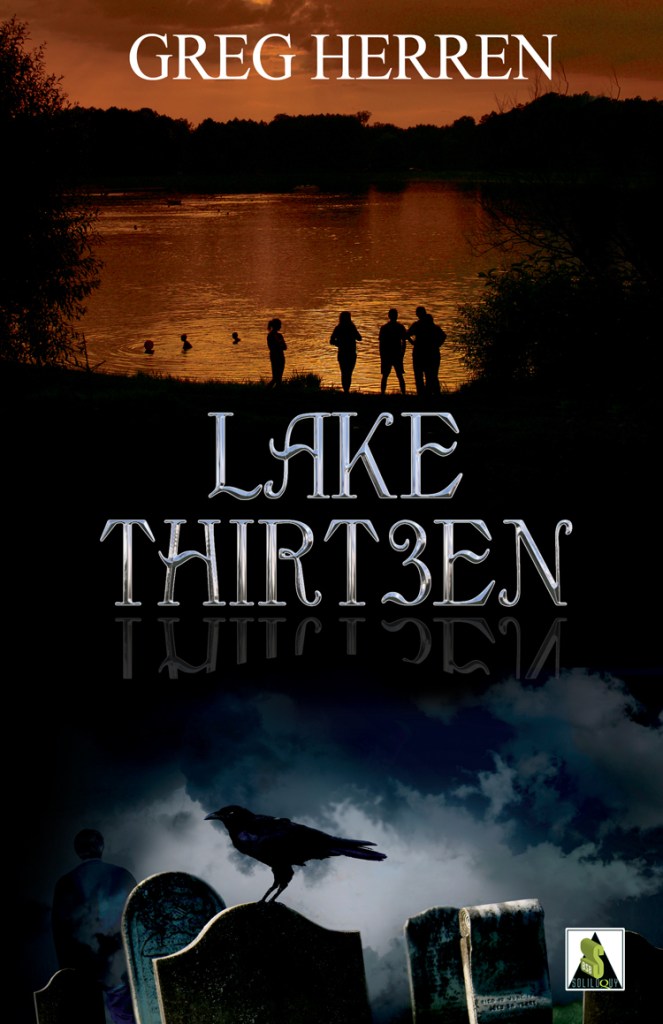
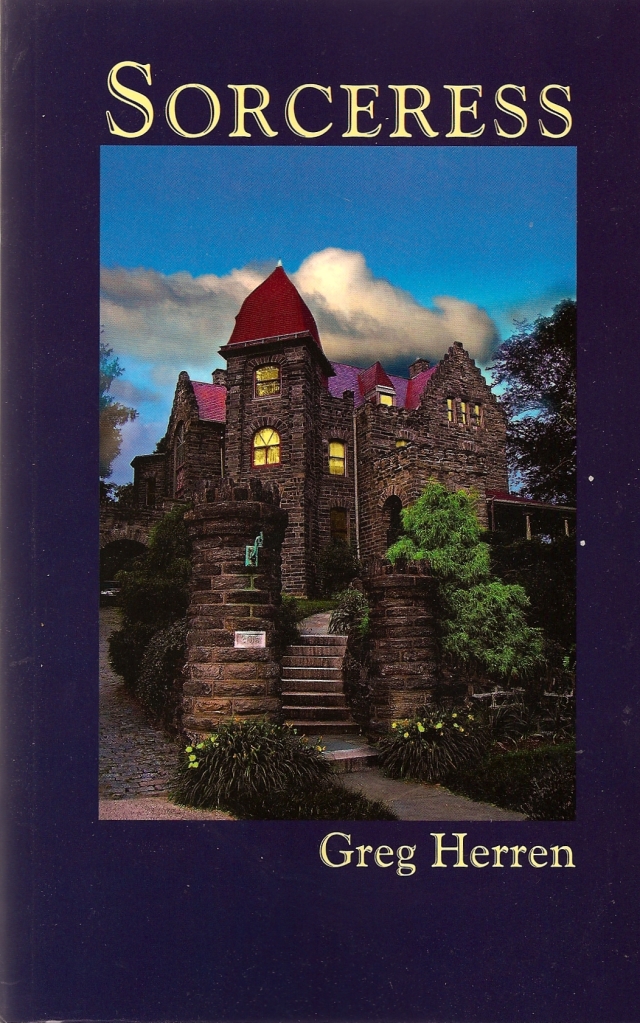
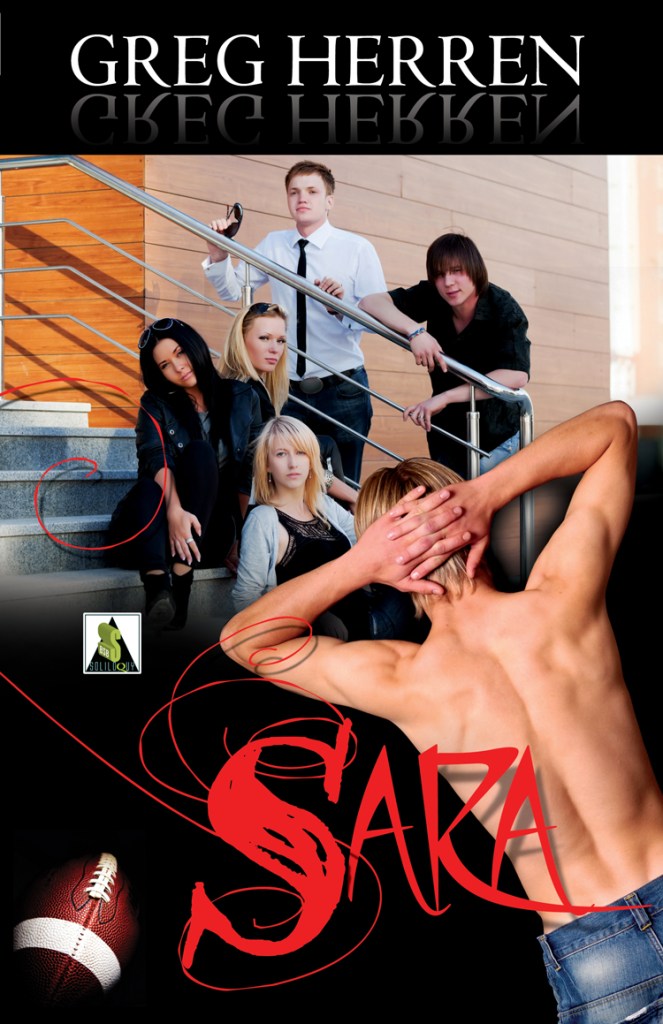
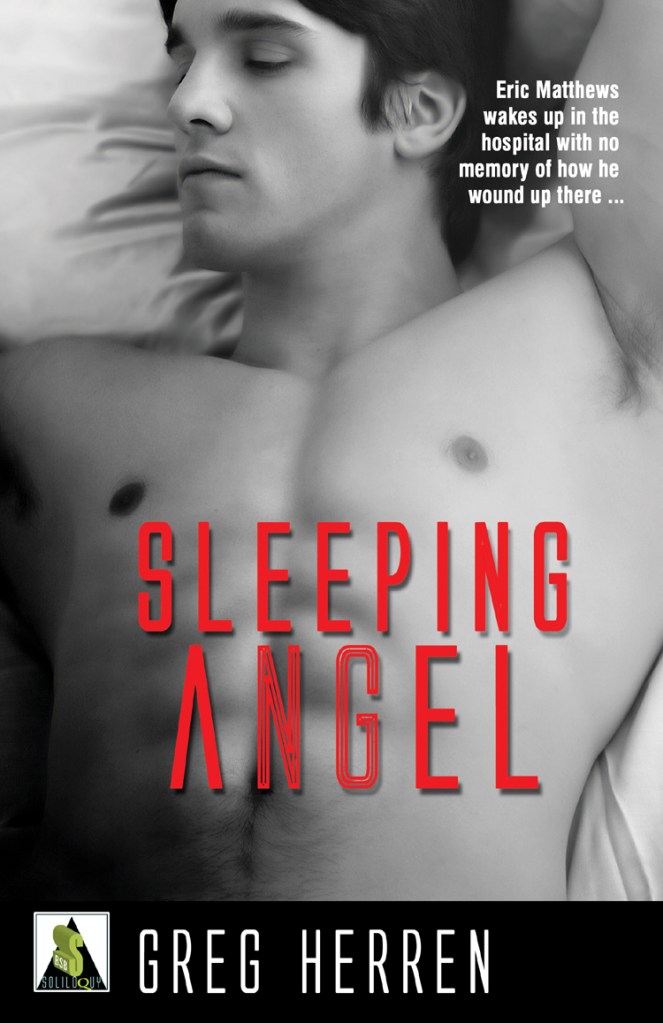
After I finished that, I spent the next five years mostly working on short stories. I started another book, more horror than anything else, but never got further than the third chapter. I finally decided to write a horror novel built from my old manuscript and those short stories from high school. I was about three chapters into it when I discovered two things: there was a big market in y/a horror at the time (Christopher Pike and R. L. Stine were HUGE during this period) and so I bought some of them. When I finished, I thought, “You know, I should turn Sara into a y/a novel” (because I thought somehow that would be easier? Foolish, foolish rookie) and so… I did. I was right in that thinking of it in those terms made it possible for me to finish a draft, but I wasn’t very happy with it so I put it aside and started writing another one, Sorceress, which was also horror but also had some strong Gothic moments in it. When I finished that one, again I wasn’t pleased with it so I started another–Sleeping Angel–which was the one I thought really had potential. I never finished that draft–by this time I’d discovered that gay fiction and nonfiction existed, so I started reading that and trying to write about gay characters instead.
Those manuscripts remained in my drawer for well over a decade, until a friend of mine took a job as a young adult acquisitions editor, and she wanted to work with me. I told her I’d written three (although it was technically two and a half), and gave her a brief synopsis of them. She liked Sorceress the best, so I started revising and editing it and turning it into something publishable. Once it was all done, she’d left that publisher, but started her own small press for y/a books for underrepresented teens, and she wanted to launch the press with Sorceress. I said “okay” and we were off. I eventually realized I needed to let Bold Strokes know, and when I did, I got an email back saying you know we do y/a, too? And so I sold the other two to them, and have never looked back since then.
Are there specific rules for writing YA (things you can’t do)? Does Bold Strokes add on or impose specific or additional rules?
I don’t pay too much attention to rules, frankly. There’s no graphic sex in my books, but it’s hinted at. I also try to swear less in young adult books than I do in adult fiction, which is probably not as big of a deal as I think it is? The society I grew up in was a lot more puritanical–believe it or not–that the one we live in today. So I always default to that setting, and then have to shake it off. Swearing isn’t as big of a deal as it used to be. No one thinks they’re marrying a virgin anymore, and on and on. And having been attacked for daring to accept an invitation to speak to queer high school students, I tend to tread softly. There have been a couple of times where I’ve had to change language, or how a scene went, because my editor thought it might be problematic; and frankly, I never want to be offensive, so I have no problem with it. I don’t see it as a free speech issue the way so many intentionally offensive writers claim it is. I shouldn’t take offense to someone calling me a faggot? Grow the fuck up. The so-called free speech “crusaders” are always defending hate speech as well as trying to shut up the people who find it objectionable. You do not have a constitutional freedom from consequences or getting a negative response to things you say and do, period. It’s really not hard to understand unless you want to be passive/aggressive and childish and a moron.
How do you remember back to these days, specifically how it felt or feels? (this is coming from your moderator who is much older than you are)
Well, for one thing, I’ve always kept a journal and I still have them all. (I was insufferable when I was younger, seriously.)
My sister has a theory that we forget a lot of the pleasant memories from our childhoods, but remember the traumas in great detail. I believe the truth of that, because school was a nightmare for me from the day we moved to the suburbs until I was done with it. I remember how it felt to read Greg Herren sucks cock on a desk at school. I remember how it felt to be mocked, laughed at, and bullied by assholes. I do remember the good things, though I tend to always focus on the bad.
The first thing I always do is abandon whatever “wisdom” about life I’ve theoretically learned since leaving high school, and put myself into the teenager mindset: they think they are the main characters in everyone they know’s story, and everything is the end of the world or their life is ruined and you are the most horrible parent ever! I’m not entirely sure I’ve escaped thinking that way, to be brutally honest: I am horribly selfish.
How do you come up with your characters? Your stories?
I am weird in that I inevitably always start with a title. I hear something or read something and think, that would make a good title. The next question is what story would fit that title? And it kind of goes from there. The title may change, the character names and story might change and evolve, but I can’t write anything that doesn’t have a title. Bizarre, I know. Usually with my young adult stuff it’s an idea I’ve had for a number of years and finally decide to explore whether it’s a novel or a short story, and go from there.
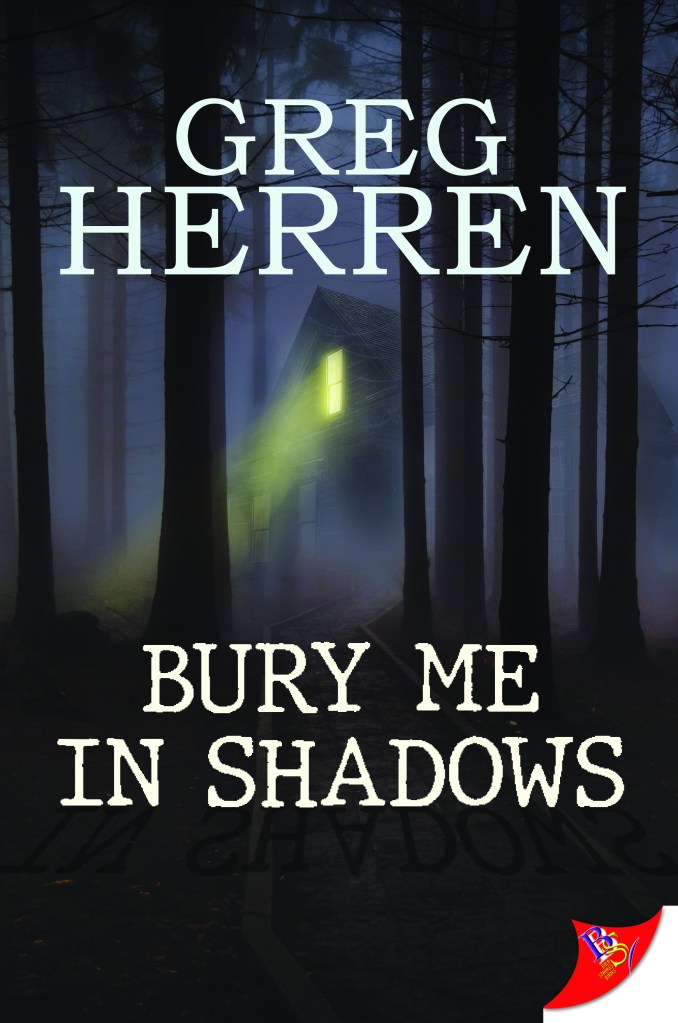
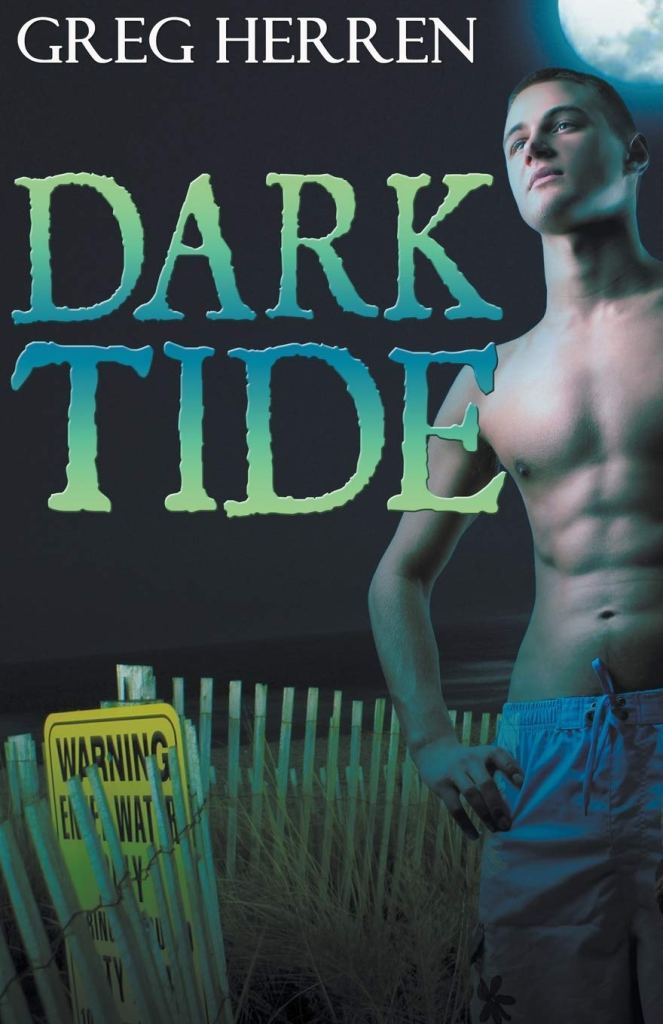
Dark Tide was originally called Mermaid Inn, Bury Me in Shadows was originally Ruins, but the others pretty much stayed the same from beginning to end.
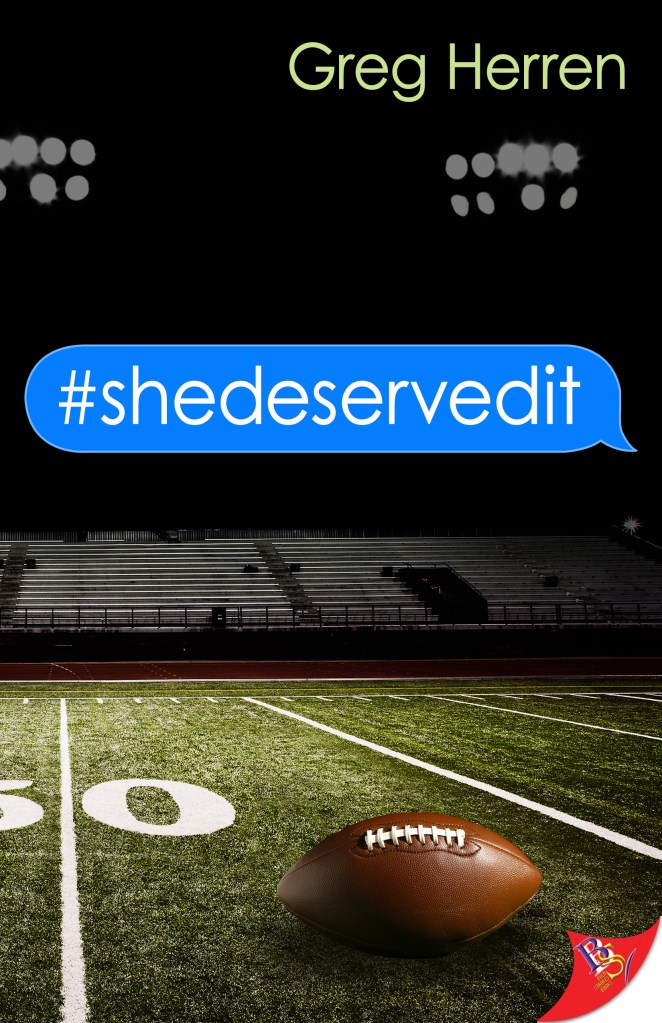
I wrote #shedeservedit because I was angry about the Steubenville/Maryville rape cases, and remembered stories and gossip from when I was in high school and college…and rethinking them through a more evolved brain about women and misogyny… well, it made me angrier. I had already planned on writing a story set in the same town with the same characters and opening with the same murder (I always referred to it as “the Kansas book” for years), but the motive was something I always had trouble grounding in reality. After those cases…it clicked in my head. You need to write this story about small town misogyny, protecting the star jocks from the girls at all cost, and make that the plot. It was easy to write because I was angry. Making it a compelling read was harder, because the subject matter was sickening to me.
I needed to write that book, and I don’t regret doing it, either…but it’s not exactly a feel good story people can escape into, either.
Why do you think YA is so popular?
It’s more accessible, I think. I mentioned reading ability before, and I do think that most readers aren’t into the Great Literary Tomes, hundreds of pages of beautiful writing with no real point or story. People kind of want to escape their cares and worries, and y/a books tend to be really entertaining. We’re competing with phones and tablets and streaming, so we need to write entertaining and engaging books.
Any specific must do-s or must-haves to get your writing each day?
I’m not nearly as anal about that as I used to be, before I returned to work full-time. I am very aware that I have little time to waste when I write, and thus must seize whatever opportunities to write show up. But if pressed, coffee. I can’t write unless I’ve had coffee when I got up.
I think this is all of them, but I could be wrong.
It’s the Monday after Mother’s Day and I managed to make it through somehow. I woke up this morning with a strong urge to remain comfortably in bed, but here I am swilling coffee and planning on how to make it through this week of work and everything else I have to get done. But yesterday wasn’t nearly as bad as I feared it might have been. I eventually became emotionally immune to Mother’s Day sales and the FTD reminders; my situation certainly didn’t require me to complain about others still celebrating with their mothers–why harsh everyone’s buzz? I can’t imagine anything more narcissistic than insisting everyone else calm down with the Mother’s Day stuff because it was hard for me. Next year I’ll know what to expect and will be one more year removed from the loss; time has a way of dulling the aches and pains and slings and arrows life hurls at us–all things become easier with the passage of time. A friend was in town yesterday and I joined him for a rather late lunch. I had a beer (!!!); a local IPA that was actually quite good–I’ve always only drank trash beer, and never really got into beer as an experience rather than as a method of alcohol delivery. (I also know nothing about wine.) That was a nice break from working, and last night we started watching The Consultant, with Christoph Waitz, on Amazon Prime. I don’t think we’ll continue. It’s well done but it’s very strange; it’s based on a Bentley Little novel, so it’s probably more on the horror end of the spectrum, but it didn’t really engage with us very much? I suspect we’ll be looking for something else to watch this evening after I finish working.
And because I never made a grocery run over the weekend I shall have to do it tonight after I get off work, which is hardly an appealing thought. I also have a ZOOM call tonight–I should be able to get home in time for it, I think–or maybe I don’t; it’s not on my calendar which is unusual, but there’s no meeting at all on my schedule for the month of May, which is very odd. I’ll have to dig through my emails to see, but I’m pretty certain it was tonight. I’m actually rather amazed that I remember that much, without it being on my calendar. I know i had some things I needed to do before that call, too–so that’s going on today’s list of things to do. MUST BE DONE.
But I feel like there’s a lot less on my shoulders this morning, which is also kind of weird. Was Mother’s Day that subconsciously brutal on my psyche that I was able to keep it out of the forefront of my mind while still carrying the load and only being slightly aware? My brain’s ability to protect itself (and me) from things I don’t want to think about or deal with at the moment is pretty uncanny; but I’m not sure if that’s entirely healthy. There’s a lot stored away in the dusty back corners of my mind that I’ve never processed or dealt with–watching It‘s a Sin on HBO MAX back whenever it was that first aired, for example, brought a lot of memories back that I’d not even considered, let alone dealt with and processed, since it all actually happened to me in my life. I said recently to a very young gay man lately (early twenties, so born in either the late 90’s/early aughts) “back then we just all figured we were all going to die before anything would be done about it” and he recoiled slightly from me, saying “But that’s terrible” , to which I shrugged and said, “that was our reality.” I’d never really thought about it much because it was the reality; and yes, it was indeed horrible. But I’ve blocked that all out so much for so long that it does sometimes seem like it was distant history, like it all happened to someone else, or that it was a book I wrote long, long ago and barely remember. The loss of memory from that time is no different, really, from the loss of memory of the times and years after Katrina or how all the pandemic/COVID years kind of jumble in my mind and I can’t remember timelines or when things happened or how they happened. Scrambled brains, I suppose, is the easiest way to say it; trauma and PTSD scramble our brains.
And even as I reread that last sentence, I am, as always, inwardly rolling my eyes at myself, So dramatic, my inner critic is sneering. You’re not the first person to lose a parent. It is funny, when you catch yourself being nasty to yourself and then start unpacking where that negativity and self-loathing came from. Childhood, of course, which is where so many of the scars were inflicted and lessons learned that have almost proven impossible to unlearn as an adult. There are no guidebooks for life; only experience and learning hard lessons. As someone who prefers a bit of structure to life, not knowing how I am supposed to handle things like grief and so forth inevitably results in me being harder on myself than I should be. How long are you supposed to grieve? How long before it stops hurting, before I can think about Mom without getting deeply emotional? Am I supposed to keep this to myself, or am I supposed to share it? Do people get tired of hearing about it and grow bored with me talking about it? I know I get bored with myself–and then wonder, is that self-abuse? Should I be kinder to myself? I never have been, really; so that would be a novelty in the first place. When does it cross the line from normal emotional response to wallowing in it?
I really hate that my parents lost my user manual so many years ago…
And on that note, I am heading into the spice mines. It’s a Monday, so take it as easy on yourself as you can–we can make it through yet another week of challenges and excitement, can’t we?




 Queer and Loathing in America