Jump

Wednesday!

The week is at its halfway point. I am also taking a three day weekend to honor my fifty-seventh birthday (it’s on Monday; there’s still plenty of time to shop for a gift–although cold hard cash is always welcome), and who knows what else I’ll get up to this weekend? We shall see, but if anything I am looking forward to just having three days off from work.

I’ll probably end up cleaning a lot, which is what I always tend to do.

Last night I broke down and took a sleeping pill, so today I feel amazing and rested. I’ll try to sleep tonight again without one.

Next up in the Florida Happens short stories would be Craig Pittman’s “How to Handle a Shovel.”

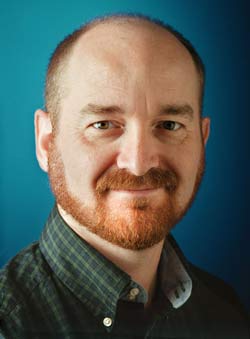
Per  his website: Craig Pittman is a native Floridian. Born in Pensacola, he graduated from Troy State University in Alabama, where his muckraking work for the student paper prompted an agitated dean to label him “the most destructive force on campus.” Since then he has covered a variety of newspaper beats and quite a few natural disasters, including hurricanes, wildfires and the Florida Legislature. Since 1998, he has covered environmental issues for Florida’s largest newspaper, the Tampa Bay Times. He has won the Waldo Proffitt Award for Distinguished Environmental Journalism in Florida four times, and twice won the top investigative reporting award from the Society of Environmental Journalists. Stories he has written for Sarasota magazine have won three first-place awards from the Florida Magazine Association.He’s the co-author, with Matthew Waite, of Paving Paradise: Florida’s Vanishing Wetlands and the Failure of No Net Loss, (2009), which won the Stetson Kennedy Award from the Florida Historical Society. His second book was Manatee Insanity: Inside the War Over Florida’s Most Famous Endangered Species (2010), which the Florida Humanities Council named one of 21 “essential” books for Floridians. His latest book The Scent of Scandal: Greed, Betrayal, and the World’s Most Beautiful Orchid, was just published. His latest book, Oh, Florida! How America’s Weirdest State Influences the Rest of the Country, hit stores in July 2016.
53dbc192e8e2a01ad7a24aeb91c92d1c

The green Ford pickup truck jounced along the washboard road, a cloud of dust swirling in its wake. The radio was on. Carrie Underwood faded in and out of the static like she was about to disappear.

Billy, the skinny kid sitting in the passenger seat, peered over his shoulder into the bed of the truck to check on their load. As the truck rumbled on, the twelve gopher tortoises were all of bouncing around in their shells and probably wondering what the hell happened to them.

The driver, a heavyset man everybody called J.T., noticed what Billy was doing and smiled to himself.

“It ain’t fair,” Billy said, turning back around.

A sunburn blossomed on Billy’s cheeks. The wind from the open truck window plucked at his straw-colored hair. Sweat had bled through his  T-shirt, and globs of dirt stuck to his ragged sneakers and the sweaty parts of his shirt and faded jeans. It even adhered in spots to the sweat that had run down his face, creating splotches of salty mud.

“What ain’t fair?” asked J.T. He wore a sweat-stained camo cap pulled down low his bald head. His short-sleeve shirt strained at its buttons. It had once been dark blue but it had faded until it matched the sky. J.T. kept the shirt tail untucked to accommodate his bulk, and now it lay across his lap like a table cloth, parted in the middle for the spit cup he held between his meaty thighs. J.T.’s graying beard started around his earlobes and hung down to his belly like a pennant, and around one side of his mouth were a few stray flecks of tobacco. He kept his sun-baked elbow leaning on the truck window, steering with two fingers on his left hand. With his right, he grabbed the cup and held it up so he could spit a stream of brown juice into it, still keeping his eyes on the road. Then he shoved the cup back where it had been.

“What ain’t fair is how I’m doin’ all the work and takin’ all the risk, and you keep about all the money, that’s what,” Billy said. He knew he sounded like a whiner. He didn’t care. He was just trying one more time to persuade J.T. to hand over his money before he was forced to off the fat man.

This is a fun dark little story about two small-time crooks–redneck Floridians, which are a breed apart from other rednecks–poaching gopher turtles and the rise of conflict between them; a charming if grim little tale. Craig gets both characters pitch-perfect, and the voice is also terrific. I read his Oh, Florida book and loved it; full of insights about Florida and how the crazy state came to be the way it is, it also brought back a lot of my own memories about summers in Florida when I was a kid–back in the 1970s, before it turned into the beachfront condo hell it is now.

And now, back to the spice mines.
End of the Road

I started researching new markets to potentially submit short stories to–after my breakthrough that my stories cannot be described, as a rule, as ‘mystery’ tales–and I was very surprised to see how few magazines actually are interested in stories that could be considered mysteries. The stories I have–that I am thinking about sending out into the void–are technically not mysteries, but then again…will markets not looking for mystery stories consider them to be mysteries?

I guess the only way to find out it to actually submit stories.

What was also really interesting to me was that there are still markets that want you to send them hard copies through the mail, with the SASE for response. Ten years or so ago, when I was doing an open call for Blood Sacraments, I wanted hard copy submissions, and was surprised (and more than a little appalled) at some of the emails I received from authors who demanded to know how very dare I not want to take electronic submissions? Needless to say, those were writers I put on the “never work with” list; I would never presume to write an editor and demand an explanation for their submission guidelines, never ever ever ever. But with the passage of time, my own reluctance to read submissions electronically and get them in my inbox has gradually eroded away; times change and you have to change with it. If I want to submit to those markets, I will have to get large envelopes, print out copies, and purchase postage.

I am certainly not going to send them a pompous email demanding they explain why they don’t take electronic submissions.

And, FYI? Blood Sacraments was the last time I did an open call for submissions untilt he Bouchercon anthologies. And yes, the entitled attitude in the emails from people who saw the call and “had questions” about my guidelines is entirely why.

Helpful hint: editors and publishers don’t owe anyone explanations for why they set their guidelines the way they do. And when you send snarky emails questioning them, all you do is point out to them that you would be an enormous pain in the ass to work with. And unless you have the kind of star power that will guarantee lots of sales, you aren’t worth it.

Sad, perhaps, but true.

And I have absolutely no problem whatsoever with disqualifying stories that are not submitted properly or ignored the guidelines in any way, shape or form. That’s my first system of weeding out stories from “possibles” to “rejects”: did they follow the guidelines?

I won’t read anything that doesn’t–nor will I write the person back to tell them they need to. You get one chance.

I have myself submitted things and not followed the guidelines–primarily out of stupidity–and you know what? If that got me rejected without being read, it’s only fair and I have no one to blame but myself.

Next up in Florida Happens is Barb Goffman’s story “The Case of the Missing Pot Roast.”

Barb Goffman
 

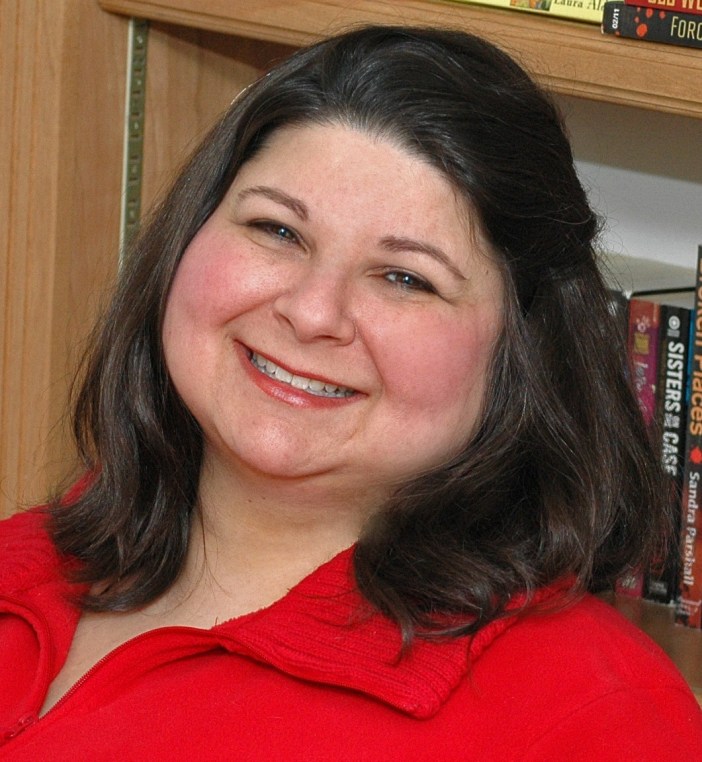
Barb Goffman has no idea how to cook pot roast, but it sure was fun to write about. She’s won the Agatha, Macavity, and Silver Falchion awards for her short stories, and she’s been a finalist for national mystery short-story awards twenty-two times, including eleven times for the Agatha (a category record). Her book Don’t Get Mad, Get Even won the Silver Falchion for the best collection of 2013. Barb is thrilled to be a current Macavity and Anthony award finalist for her story “Whose Wine is it Anyway?” from the anthology 50 Shades of Cabernet.  She works as an independent editor and proofreader and lives with her dog in Winchester, Virginia. Learn more at www.barbgoffman.com.

About her story, Barb says, “My story is about a woman whose husband has been diagnosed with Alzheimer’s disease. She wants to care for him at home, but it’s proving challenging, with strange things going on, including a missing pot roast. I can’t say any more about the plot without giving things away, but I will say that I loved writing this story. It’s heartfelt but also funny and–perfect for an anthology about Florida–also a little bit weird.”

Looking back, I should have known something was wrong when the pot roast disappeared. Sure, everyone misplaces something sometime. I once searched for the remote control for an hour till I spotted it in the bathroom. And for years I’ve found my husband, Charles’s, false teeth all over the house—they’ve never fit quite right so when they bother him he takes them out and puts them down, never paying attention where. But the pot roast? I was sure I’d left it defrosting on the counter when I went to get my hair done, yet when I came home, it was gone.

I searched for it in vain. It wasn’t in the fridge or freezer. Not in the garbage. Not in the oven. Charles was clueless. There was no way he’d cooked and eaten it in the hour I was gone. So what happened to that pot roast was a mystery. In the back of my mind, I wondered if I’d only dreamed I’d bought the roast. But I couldn’t admit my faculties might be failing. So I dismissed the missing pot roast as weirdness and whipped up some pasta.

That was a month ago. Perhaps if I’d forced myself to figure out what happened to the pot roast, I wouldn’t be in this position now. But back then, I had bigger problems. Charles had started suffering from short-term memory loss and personality changes, and he was getting worse every day. One minute he’d be the man I’d loved for decades, optimistic and kind; the next, he’d be surly and paranoid, acting like a wary stranger. He’d accused me of stealing from him—me, his wife of fifty-one years. And then, in a heartbreaking moment, he’d accused me of trying to kill him.

“Alzheimer’s,” his doctor had diagnosed.

I’d figured that was the problem, but having it confirmed was a terrible blow. His doctor gave me all kinds of pamphlets and urged me to look into long-term care for Charles. I cried when he did that. I knew eventually such care would be necessary. But not yet. I was only seventy-one years old and in relatively good health. I was determined to care for Charles in our home for as long as I could. He was my husband. My love. I owed him that.

It’s easy to see why Barb’s work is so award-worthy with this tale. She really gets inside the head of her main character, who is dealing with a raeally difficult situation–complicated with her own issues of dealing with her husband’s illness in addition to questioning, at times, her own sanity and whether the things her husband says to her when in the grips of his dementia are true, real, or based in anything even slightly reality based. Can she trust the home health-care worker who is helping out with things around the house? Where are the pot roasts going?

And that last paragraph is chilling, absolutely chilling. Well done, Barb!

I’ll Be Over You

Saturday morning in the Lost Apartment. I have work to do, errands to run, an apartment to clean, and weights to lift. And rather than getting started on any of it this morning, I am rather sitting in my chair, swilling coffee, and wasting time on the Internet.

Meh, it happens.

Today I am going to spend some time writing, and reading–I want to get further along in Eryk Pruitt’s What We Reckon (#boucherconhomework) and last night I had an absolutely brilliant idea of how to structure that panel. Mwa-ha-ha. The panelists may not think it’s brilliant, but do, and am in charge.

Power corrupts, and absolute power corrupts absolutely.

MWA-HA-HA-HA-HA!

This is going to be fun.

Next up in the Florida Happens anthology is a story by Debra Lattanzi Shutika. From her website:

“Hello, I’m Debra Lattanzi Shutika, author of Beyond the Borderlands: Migration and Belonging in the United States and Mexico (2011, University of California Press), an ethnography that explores the lives of Mexican immigrants and their American neighbors in Kennett Square, Pennsylvania and the transformation of their home community in Mexico.  Beyond the Borderlands is the winner of the 2012 Chicago Folklore Prize.

I direct the Field School for Cultural Documentation, a collaborative project with the American Folklife Center at the Library of Congress.  The Field School has completed eight community-based documentation projects, including the occupational culture of Arlington National Cemetery, two years in the Columbia Pike neighborhood in Arlington, VA (2011-12) the Alexandria Waterfront (2014), Arlington County Community Gardens in 2016 & 2017. We have also held two residential field schools in West Virginia. One in Morgan County in 2012 and most recently in the West Virginia Coalfields in 2018.

I also write fiction. My short story “Frozen Iguana” will appear in the 2018 Bouchercon anthology Florida Happens, and “Mirrors” appeared in Richard Peabody’s Abundant Grace: The Seventh Collection of Fiction by D.C. Area Women.  I’m revising a novel, The Other Kate, a mystery about postmodern changelings.

My current academic projects include a book-length ethnography about a documentation project with the National Park Service on the 50th Anniversary of Summers in the Parks.

I teach Folklore, ethnographic writing and ethnographic research methods at George Mason University.”

Her website is here.

debra lattanzi shutika

And here is how “Frozen Iguana” opens:

Thunk

Jimmy turned off the water and stood in the shower, shivering.

Thunk

Thunk, thunk thunk.

He looked up at the ceiling tile expecting a dent from the last—

Thunk

He wrapped a towel around his waist and eased out of the steamy bathroom, the trailer floor creaking with every step.

Jimmy pulled the blinds back from the front door window. The thermometer read 36 degrees, the sixth day of the Florida freeze. The iguanas had started to fall out of the trees like junkies after a hit. Across the way a car door slammed. At midnight, Jimmy watched his neighbor Kate, wearing her scrubs, her auburn hair tied back in a ponytail, hop down from her truck and head for her trailer. For the next hour, he made the pilgrimage to the window to watch the comings and goings of the park. Three and a half Buds later, Jimmy fell asleep for the night on the couch.

There is nothing more annoying that the repetitive sound of frozen iguanas hitting the roof of your trailer, with the possible exception of a man hammering at your neighbor’s door. Jimmy stumbled out of bed and looked outside. It was six in the morning and there was a cop. At Kate’s door.

As the unofficial mayor of Paradise Lake trailer park, Jimmy Dickson knew every resident’s story. Jimmy stayed clear of the junkies and pushers, and he watched over the lost souls who somehow ended up here. Kate was one of his favorites.

He grabbed his hat and stepped outside.  Kate hollered, “Calm down!” Her breath rose in small clouds.

“You Kate Lucci?” The cop towered over Kate.

This is a terrific story, and I love so much that she chose to write a story around the south Florida iguana issue. I have a friend who lives on the Wilton River in Fort Lauderdale, and the iguanas–who live on an island just across from his property–drive him insane. They eat the fruit from his trees, they leave piles of iguana shit everywhere, and I have to say, in the morning when you are relaxing alongside the pool with your morning coffee, it’s a bit of a shock to see something moving out of the corner of your eye and then look over and see an enormous iguana just on the other side of the screen.

And yes, during a cold spell there a few years back there was, as Steve said, an ‘iguana holocaust’–most of them freezing to death. But it wasn’t permanent, and they are back.

The story is set in a trailer park in Broward County during a freeze–with frozen iguanas falling out of the trees fairly regularly. Kate works in a rehab facility, and one of her neighbors is in recovery for opioid addiction–and has overdosed. The cops dismiss it as just another relapsed junkie overdosing, but Kate doesn’t believe the story. The victim’s addiction had cost her custody of her kids, who were being brought over for a visit the next day–which means the relapse, at least to Kate, doesn’t make sense. Dismissed by the cops, with the assistance of another resident in the park Kate keeps looking into the strange relapse, continuing to find other indications that it may have been murder, and finally solves the case herself. What a great lot of fun!

And now I suppose I should get back to work.

Tender Love

One of the more interesting things I’ve noticed this year about this year’s Bouchercon anthology (Florida Happens) is that three of this year’s contributors (Hilary Davidson, Barb Goffman, and Susanna Calkins) are also finalists for the Anthony in the Short Story category. (I am hoping to find the time to read the stories and talk about them on here as well; along with my on-going talking about the nominees for Best Original Paperback and the stories in Florida Happens.) Not a bad pedigree for my anthology, wouldn’t you say?

Next up in terms of our short stories in Florida Happens is Hilary Davidson’s “Mr. Bones.”

34535827_10215894075241894_7172627381826355200_o

Hilary’s bio reads:

Award-winning novelist and travel writer Hilary Davidson got her start in journalism in 1995, when she moved to New York for five months to intern at Harper’s Magazine. Afterwards, Hilary joined the staff of Canadian Living magazine in Toronto as a copy editor. Her first freelance article, “Death Takes a Holiday” — about a New Orleans cemetery — was published by The Globe & Mail. She left her day job to write full-time in June 1998. She went on to write 18 nonfiction books (17 of them for Frommer’s Travel Guides) and articles for wide array of publications including Discover, Martha Stewart Weddings, American Archaeology, Chatelaine, and CNN Travel.

Hilary’s debut novel, The Damage Done, won the 2011 Anthony Award for Best First Novel, and the Crimespree Award for Best First Novel. The book was also a finalist for a Macavity Award and an Arthur Ellis Award. The novel’s main character, Lily Moore, is, like Hilary, a travel writer. While their personal lives have little in common, they do share a few things, such as a love of vintage clothing, classic Hollywood movies, and Art Deco design. The second book in the series is The Next One to Fall and the third is Evil in All Its Disguises. Hilary’s first standalone novel, Blood Always Tells, was published by Tor/Forge in April 2014 and released as a trade paperback in March 2015. Her next novel is One Small Sacrifice, which will be published by Thomas & Mercer in spring 2019.

Her short fiction has won the Derringer Award, the Spinetingler Award, and two Readers’ Choice Awards from Ellery Queen. Hilary’s story “The Siege” was a finalist for the 2016 Anthony Award for Best Short Story. Her stories have appeared in Ellery Queen Mystery Magazine, Thuglit, Beat to a Pulp, Crimespree, All Due Respect, Crime Factory, Spinetingler, and Needle: A Magazine of Noir. Her work is featured in many anthologies, including Beat to a Pulp: Round One and Round TwoCrimefactory: First ShiftThuglit Presents: Blood Guts, & WhiskeyPulp InkD*CKED; and Trouble in the Heartland: Crime Fiction Inspired by the Songs of Bruce Springsteen

Hilary has served as an At-Large Director on the National Board of the Mystery Writers of America from January 2012 to January 2016. She has previously served on the Mystery Writers of America’s New York Board as well.

Pretty impressive, eh? Not mentioned in the above is her collection of short stories, The Black Widows Club, which you can buy here. I have it, and I need to get back to it; the stories I’ve read are pretty awesome.

You can visit her website here.

And so, without further ado, is the opening of her contribution to Florida Happens, “Mr. Bones.”

I’d be the first to admit that Mr. Bones wasn’t going to win any prizes for Pet of the Year. He was a pugnacious alley cat with mouse breath and an anger-management problem, but I loved him. So when I got home from a three-day dermatology conference in New York and discovered he was missing, I was devastated.

“Tell me exactly what happened,” I pleaded with my boyfriend.

“Nothing happened. Your cat just hasn’t come home,” Andrew said.

We were standing in the kitchen, and I couldn’t help but turn and look at the door to the backyard. Mr. Bones’ three bowls were there — dry food, wet food, and water — and they were all full.

“He didn’t eat anything today?” I asked. “Was he sick?”

 “Come on, Monica. There’s always something wrong with that cat.”

“What time did he go out this morning?”

 “I don’t know. It was early. He woke me with his screaming to get outside.”

“Are you okay?” I asked him.

“What do you mean?”

 “Your hand is bandaged up.”

 “Oh, that’s nothing,” he said. “I was cutting an avocado. Should’ve known not to try that without you around.” He gave me a sweet smile, which made him look even more like Tom Hiddleston than usual. “I picked up takeout from Moe’s for dinner. I know you love their Southwest Salad with tofu.”

Andrew and I had been living together for almost six months, and it was going well. But I was too wound up about Mr. Bones to think about eating. “Thanks, but I need to look for Mr. Bones. He’s probably sulking right now.”

I stepped outside onto the patio behind the house. “Honey, I’m home!” I called out. Something rustled in the warm stillness of the night, but my cat didn’t come running. If he heard me, he would have, because he was more like a dog in that way. I called for him and waited.

Andrew rapped on the storm door. “Come on, Monica. He’ll be back when he’s ready.”

Oh, pets.

We love our little furry buddies, don’t we? And losing them is always heartbreaking; something you never get over but just learn to live with. (I still get sad remembering my childhood dog, or our previous cat, Skittle, whom we lost eight years ago.)  The bond between pet and owner is always powerful. I’ve never written a story about a pet–not sure why that is; I just never have. (I gave Scotty and the boys a cat in Garden District Gothic, though.) There are also some great pet short stories by crime writers–“Ming’s Biggest Prey” by Patricia Highsmith and “Less Than a Dog” by Agatha Christie are two particular favorites of mine–and Hilary Davidson’s “Mr. Bones” certainly belongs with those two classic tales. Monica a dermatologist, returns from a convention to find that her cat has gone missing in her absence, and her live-in boyfriend’s antipathy to the situation as she searches the neighborhood for her missing pet is notable–as is the nastiness of the old cat-hating woman who tears down her fliers. So, what happened to Mr. Bones?

And now, back to the spice mines.

Dreamtime

A rare late night of bar testing has left my day free; I am going to go to the gym, do some cleaning, and maybe even some writing before I head into the office. We’ll see how it goes, shan’t we?

I am still reading Nadine Nettman’s Uncorking a Lie, and am really enjoying it thus far. I have to say, one of the most interesting thing (to me) about this year’s Anthony nominees for Best Paperback Original is how different all the books are–something I will talk about more when I’ve finished reading them all. (I am also making notes of questions to ask each writer as I read their books; best way to prep for moderating a panel!)

Next up for The Short Story Project is the next story in Florida Happens, which happens to be “There’s an Alligator in My Purse” by Paul D. Marks.

The Teaser

She makes a beautiful corpse, doesn’t she?”

“You just kill me.”

“No, I just killed her.”

“You know what they say, live fast, die young and leave a good lookin’ corpse.”

“Or at least a dead one,” I said, with a wink.

I’m a pro. I like to do a competent job. I like to have my marks look presentable, both for themselves and for my clients. It’s good for word of mouth and getting killed is hard enough, on both the mark and their family, so at least they should leave a suitable lasting impression.

I also take a lot of pictures. Much easier in these digital days. Back in the day, it was hard to take pictures of dead bodies to your local photo store to get developed—some of them even called the cops. And I like to add a little art to my work. Give the client a little something extra for their money, so I try to shoot from interesting angles, in low key light, like in an old film noir. I find it works on two levels. It gives me satisfaction and, of course, it gives my clients some kind of closure.

Let me fill you in on some of what led us here. Someone has to tell the story and it might as well be me. I’m probably the only one who can see the big picture. True, I wasn’t there for everything, but I was there for enough of it and I heard about the rest from first person sources. How much of it you should trust, well, that’s another story. You don’t know me and I don’t know you, but I like to think I’m a pretty reliable source. So, this is the tale as best I know it.

Paul D Marks -- _MG_5669Edit-2 d1.jpg

Paul D. Marks is the author of the Shamus Award-winning mystery-thriller White Heat, which Publishers Weekly calls a “taut crime yarn,” and its sequel Broken Windows (dropping 9/10/18). Publisher’s Weekly says: “Fans of downbeat PI fiction will be satisfied…with Shamus Award winner Marks’s solid sequel to… White Heat.” Though set in the 1990s, both novels deal with issues that are hot and relevant today: racism and immigration, respectively. His short stories appear in Ellery Queen and Alfred Hitchcock Mystery Magazines, among others, and have won or been nominated for many awards, including the Anthony, Derringer and Macavity. His story “Windward,” has been selected for the Best American Mystery Stories of 2018, edited by Louise Penny & Otto Penzler, and has also been nominated for both a 2018 Shamus Award and Macavity Award for Best Short Story.  “Ghosts of Bunker Hill” was voted #1 in the 2016 Ellery Queen Readers Poll. He is co-editor of the multi-award nominated anthology Coast to Coast: Private Eyes from Sea to Shining Sea. You can find him on-line at his website, link right here!

When asked  about how he came up with his story, he replied:

The genesis of my story, “There’s an Alligator in My Purse,” was inspired by the theme of the Bouchercon anthology, which was originally “Sunny Places, Shady People”. So I wanted plenty o’ sun and plenty o’ shady people. I could have gone one of two ways with the story: a serious noirish mystery, which is more what I’m known for…if I’m known. Or, since people seem to make fun of Florida so much the other choice was humor and satire. I chose the latter. I thought it would be fun to get a little crazy. And though I mostly write serious crime stories, I have done some humorous and satirical stories in the past, so it was time for another shot at that.

I started with the title, which just came to me out of nowhere, as these things often do. I thought it was funny. Okay, funny. Now what? Now I have to build a story around it. And hopefully make the rest of the story have at least a chuckle or two. So I had to figure out who would have an alligator in their purse – yes, there really is one! – and why. I just let my mind wander. And had fun with it. This story was a hell of a lot of fun to write and I hope others enjoy reading it as much as I enjoyed writing it.

The story, though he claims otherwise, is both noirish and funny. It’s very clever in the way it takes a classic hard-boiled/noir trope and spins it on its head, while turning it inside out at the same time. It’s also kind of written like a film; there are quick cuts between scenes, so the story flows in a cinematic way, which was a lot of fun. I greatly enjoyed this story–and have enjoyed Paul’s work in the past as well (we were both nominated for the 2017 Macavity for Short Story, which gave me the occasion to read his “Ghosts of Bunker Hill”, which is quite marvelous), and I am looking forward to reading his novel White Heat when it works its way up in my TBR pile.

And now, back to the spice mines.
Object of My Desire

It is Sunday, and I have again slept later than I intended. I meant to set an alarm, as I have things that must be done today but I also stayed up later than I intended and as such, forgot to set said alarm when I tumbled into bed last evening. It’s fine; I should be able to get everything done today that I want to get done. I just have to be a bit better about planning and wasting time. Clearly, I needed the sleep, don’t you think?

I am reading The Day I Died by Lori Rader-Day, as part of my Bouchercon homework, and enjoying it a quite a lot. This is the second of Rader-Day’s novels that I’ve read (the other being Pretty Little Things; I’ve not read her first, The Black Hour, and she’s just released a new one, Under a Dark Sky), and I am enjoying this even more than I did the first I read. Rader-Day writes about damaged women, makes them the center of her stories, and they work through a lot of their damage over the course of the novels. I will, rest assured, have plenty of other things to say about this novel once I’ve finished reading it.

I cleaned my kitchen floors yesterday; not as thoroughly as they need, of course, but more of a surface thing that will pass muster at a glance, but this surface cleansing would not pass muster with my mother. Her nose would wrinkle, her eyes would narrow, and she wouldn’t say anything to me–but that facial expression would tell me everything I need to know about what she was thinking. She would get on her hands and knees and would scrub the floor, probably more than once, with a hard brush and an abrasive cleanser.

I worked briefly on my story “Please Die Soon” as well yesterday; it is shaping up nicely, but I need to concern myself a bit more thoroughly with the pacing, methinks.

Today, for the Short Story Project, we move on to the second story in Florida Happens, “The Best Laid Plans” by Holly West:

June 1948

Bev Marshall waits anxiously behind the wheel of the Buick, watching for the rest of the crew to emerge from the house. It seems they’ve been gone at least an hour, but her watch shows it’s only 10:45 p.m. Less than ten minutes since they went in. The boys work fast, but not that fast.

There are four of them in the crew. Joe Scullion is their boss and Bev’s boyfriend. Alex McGovern is the brawn, and Sean Cregan is a master lock picker. Bev’s their driver. They earn their living burgling wealthy neighborhoods all over the Eastern Seaboard, coming home to Philly with thousands in cash and valuables. Five years working together and not a single arrest, not that the coppers haven’t tried.

It’s been a good run, but after tonight, Bev will be done with all of them.

She thinks she sees movement out of the corner of her eye and snaps her head toward it. Is it them? She squints into the darkness, her hand resting lightly on the key in the ignition. Everything is still and she concedes it must’ve been her imagination. Wrecked by nerves, she quashes the urge to chew a fingernail and slips her hand into her purse in search of cigarettes. Her fingers brush the thick envelope containing every cent she has—nearly five thousand dollars. Along with whatever money she’s able to get for tonight’s haul, it’s enough to keep her going for a year, maybe more if she lives modestly.

She lights a cigarette and pulls the smoke deeply into her lungs, thinking about Richie O’Neill. She’ll miss him when this is done. He runs a hockshop on Vine Street and fences most of the loot they steal. Over the years, he’s become her trusted friend, so when he let it slip recently that Joe had his eye out for a new driver, she believed him. Turns out Joe had fallen hard for some dame he’d met in Atlantic City and he wants to marry her, maybe have some kids.

Holly West is the author of two novels, historical crime novels set at the court of King Charles II of England; the period popularly known as the Restoration. Those novels, Mistress of Fortune and Mistress of Lies, sound terrific. I also love that period, and look forward to reading these novels; you can find out more information about Holly and her novels here, at her website.  She is also on Facebook, Twitter, and Instagram. You can also sign up for her newsletter at her website. She is also editing an anthology called Murder-a-Go-Go’s, crime stories inspired by the music of the Go-Go’s, with an introduction by Jane Weidlin; it also contains my story “This Town,” and I personally cannot wait to read the entire thing.

36281289_10156275148680993_5425430004299202560_o

Holly’s story, “The Best Laid Plans,” is entirely self-contained but also feels like it could be the opening of a great noir novel. The main character, Bev Marshall (I also have a very dear author friend by that name; such lovely serendipity) drives the getaway car for a gang of thieves, and is a bit in love with the leader of the gang–who, however, has recently punched her in the face, changing everything. Bev is now planning on getting away from him, and the gang, and starting a new life…and Florida is a way station on her getaway plan. But things, of course, don’t go quite according to plan. A very very well-written and fun story, with a main character I personally would like to spend with.

Well done, Holly! And now, back to the spice mines.

Spies Like Us

SATURDAY! Sorry, I was too tired to post yesterday.

And yes, Constant Reader, we somehow managed to make it through yet another week. I think we deserve a round of applause.

Thank you, thank you.

Thursday I had a late day at the office, so I managed to do three loads of laundry, a load of dishes, and made it to the gym before going to work. I know, right? Who am I, and what have I done with Gregalicious? 

I am looking forward to the weekend, to be honest. I want to clean the hell out of my apartment, have some errands to run, would like to get to the gym, and get some writing done. I think I unlocked the key to “Please Die Soon” last night, but I also realized I need to talk to a friend of mine for research purposes. (I actually need to talk to two friends for separate research purposes, so I should probably get going on that as well. Heavy sigh.) MAKE A GODDAMNED LIST ALREADY.

And now we move on to Florida Happens, and our first story, “The Burglar Who Strove to Go Straight”, by Lawrence Block.

(‘Excerpted from The Burglar Who Liked to Quote Kipling by Lawrence Block, originally published in 1979, when St. Petersburg was decidedly less scenic than it is now.)

Browsers came and went. I made a few sales from the bargain table, then moved a Heritage Club edition of Virgil’s Eclogues (boxed, the box water-damaged, slight rubbing on spine, price $8.50). The woman who bought the Virgil was a little shopworn herself, with a blocky figure and a lot of curly orange hair. I’d seen her before but this was the first time she’d bought anything, so things were looking up.

I watched her carry Virgil home, then settled in behind the counter with a Grosset & Dunlap reprint of Soldiers Three. I’d been working my way through my limited stock of Kipling lately. Some of the books were ones I’d read years ago, but I was reading Soldiers Three for the first time and really enjoying my acquaintance with Ortheris and Learoyd and Mulvaney when the little bells above my door tinkled to announce a visitor.

I looked up to see a man in a blue uniform lumbering across the floor toward me. He had a broad, open, honest face, but in my new trade one learned quickly not to judge a book by its cover. My visitor was Ray Kirschmann, the best cop money could buy, and money could buy him seven days a week.

“Hey, Bern,” he said, and propped an elbow on the counter. “Read any good books lately?”

This is a charming story, and as you can imagine, I was thrilled to death to have something by Lawrence Block to kick the book off. I’m a big fan–although I’ve not read the entire backlist, I certainly have loved everything of his I’ve read–and of course, his anthologies of crime stories inspired by paintings (Alive in Shape and Color, In Sunlight or in Shadow) were also fantastic. I never thought I’d see the day when I edited an anthology that would have a story by Lawrence Block as the lead-off–so you can imagine the thrill; and it’s a story about books and a bookstore. How could I not love that?

Have I mentioned lately how much I love my life?

And now back to the spice mines.

IMG_2383

Your Wildest Dreams

Good morning! It’s Thursday, everyone, and with a short day at the office ahead of me and just one more day before the weekend, I am feeling good. Not as good perhaps as I should, but I slept really well last night, don’t have to be at work until later this afternoon, and I am going to even go to the gym this morning before it’s time to go to work.

I call that a winning day, don’t you?

I am reading Lori Rader-Day’s The Day I Died as prep work for my moderating duties at Bouchercon next month. I am, in case you weren’t paying attention, Constant Reader, moderating the panel highlighting the Anthony Award finalists for Best Paperback Original. After I finish Lori’s book I’ll be reading Bad Boy Boogie by Thomas Pluck, What We Reckon by Eryk Pruitt, Cast the First Stone by James Ziskin, and Uncorking a Lie by Nadine Nettmann. I’m enjoying Lori’s book–I also enjoyed the previous one of hers I’d read, Little Pretty Things, and as I’ve said before, there’s no one more fun to traverse the back roads of rural Alabama on a rainy morning with. All of these books had been in my TBR pile for quite some time, so it’s great to have an excuse to pull them out and read them.

I worked a little more on “Please Die Soon” yesterday; the story is becoming even creepier the more I work on it–although I think I may have done some overkill with it. But I am going to keep going with it, and once I am finished with the first draft I’ll figure it out in the revision process. I am also letting “A Whisper from the Graveyard” sit for a while–I know there’s some serious tweakage needed in it as well before submitting it–and I am starting to get to work on the August/September project as well. Exciting times for a Gregalicious.

And before I go to the gym this morning, I’m going to try to get the house straightened up a bit.

And while I know I’ve already talked about my story in Florida Happens (“Cold Beer No Flies”) I intend to spend the rest of this month’s focus on The Short Story Project on the stories and authors in the book, to try to whet your appetite for either preordering the book or buying it at Bouchercon. We are doing a launch for the book there on Thursday at 1; all the authors present gathering to sign and/or discuss the book and their story. And of course, it’s just easier for me to start by talking about my own.

Dane Brewer stepped out of his air-conditioned trailer, wiped sweat off his forehead and locked the door. It was early June and already unbearably hot, the humidity so thick it was hard to breathe. He was too far inland from the bay to get much of the cooling sea breeze but not so far away he couldn’t smell it. The fishy wet sea smell he was sick to death of hung in the salty air. It was omnipresent, inescapable. He trudged along the reddish-orange dirt path through towering pine trees wreathed in Spanish moss. The path was strewn with pine cones the size of his head and enormous dead pine needles the color of rust that crunched beneath his shoes. His face was dripping with sweat. He came into the clearing along the state road where a glorified Quonset hut with a tin roof stood.  It used to be a bait and tackle until its resurrection as a cheap bar. It was called My Place. It sounded cozy—the kind of place people would stop by every afternoon for a cold one after clocking out from work, before heading home.

The portable reader board parked where the parking lot met the state road read Cold Beer No Flies.

Simple, matter of fact, no pretense. No Hurricanes in fancy glasses like the touristy places littering the towns along the gulf coast. Just simple drinks served in plain glasses, ice-cold beer in bottles or cans stocked in refrigerated cases at simple prices hard-working people could afford. Tuscadega’s business was fish, and its canning plant stank of dead fish and guts and cold blood for miles. Tuscadega sat on the inside coast of a large shallow bay. The bay’s narrow mouth was crowned by a bridge barely visible from town. A long two-lane bridge across the bay led to the gold mine of the white sand beaches and green water along the Gulf Coast of Florida. Tourists didn’t flock to Tuscadega, but Tuscadega didn’t want them, either. Dreamers kept saying when land along the gulf got too expensive the bay shores would be developed, but it hadn’t and Dane doubted it ever would.

Tuscadega was just a tired old town and always would be, best he could figure it. A dead end the best and the brightest fled as soon as they were able.

 He was going to follow them one day, once he could afford it.

Towns like Tuscadega weren’t kind to people like Dane.

“Cold Beer No Flies” was originally conceived of back when I lived in Kansas, as far back as when I was a teenager. There was a bar in Emporia called My Place, which was an okay place–it had a concrete floor, just like the one in my story–and it also had one of those rolling readerboard signs along the road, and it literally read that: MY PLACE COLD BEER, NO FLIES. I always thought that was funny, and I always wanted to write a story called “Cold Beer No Flies.” I think I wrote the original first draft of the story in the 1980’s, and it languished in my files all these years. When it came to be time to write something for Florida Happens, I picked out “Cold Beer No Flies”, read the first two drafts of what I had written before, and decided to reboot the story and adapt it to the Florida setting. I’d always seen it as a noir story, and in rewriting/adapting it to fit this I needed to obviously move the setting from Kansas to Florida. I also had the bright idea to set it in the panhandle; I figured (rightly) that the majority of stories would be set in the beach communities literally the southern coasts of the state, and not many people would be moved to right about either the interior parts or the panhandle. I picked a dying, rotten little small town and placed it on a panhandle bay, similar to the little town my grandparents retired to in the early 1970’s. I also wanted to look at, and explore, what it’s like to grow up gay and working class in such a place–very redneck, very conservative, very backwards, very religious, very homophobic. The story turned out very creepy, I think, which was precisely what I was going for, and I hope you enjoy it when the time comes, Constant Reader.

And now, back to the spice mines.

536a946bd2915add3da2f3ce62e4968b--rugby-men-rugby-players

Sweet Love

Wednesday morning, and it’s August. The end of summer is drawing nigh–although really, there’s at least another month and a half ahead of us–but I am also trying not to get upset with myself for how little I got done in July; it was, after all, an extremely hot and humid month and just having to go outside was draining. I also overslept this morning, and thus don’t have time for the gym; but I can make it tomorrow morning and even if I oversleep then as well, I don’t have to go into the office until two so I’ll still have time.

I worked on “Please Die Soon” a bit last night, but it dragged and I couldn’t really get into the rhythm of it. I am going to try again a bit today, but it’s a tricky story that I hope I can pull off. We shall see, won’t we?

Later this month I am going to focus the Short Story Project on Florida Happens, and every day I hope to talk about one of the short stories and provide some background on the story from the author, and some background on the author as well. It’s a terrific book, quite frankly, and you definitely should preorder it. If you are coming to Bouchercon, it will be there available for sale, and we are doing a launch event on Thursday at 1 pm that day, where you can get your copy signed by as many of the authors as humanly possible.

Here’s the Table of Contents:

Intro by Tim Dorsey

The Burglar Who Strove to Go Straight by Lawrence Block

The Best Laid Plans by Holly West

There’s An Alligator in My Purse by Paul D. Marks

Mr. Bones by Hilary Davidson

Cold Beer No Flies by Greg Herren

Frozen Iguana by Debra Lattanzi Shutika

The Fakahatchee Goonch by Jack Bates

The Case of the Missing Pot Roast by Barb Goffman

How to Handle a Shovel by Craig Pittman

Postcard for the Dead by Susanna Calkins

The Hangover by John D. MacDonald

Muscle Memory by Angel Luis Colon

The Unidentifieds by J. D. Allan

All Accounted for at the Hooray for Hollywood Hotel by Eleanor Cawood Jones

Southernmost Point by Neil Plakcy

Quarters for the Meter by Alex Segura

Breakdown by Brendan DuBois

Winner by Michael Wiley

Frontier Justice by John M. Floyd

When Agnes Left Her House by Patricia Abbott

The Ending by Reed Farrel Coleman

Intro by Tim Dorsey

The Burglar Who Strove to Go Straight by Lawrence Block

The Best Laid Plans by Holly West

There’s An Alligator in My Purse by Paul D. Marks

Mr. Bones by Hilary Davidson

Cold Beer No Flies by Greg Herren

Frozen Iguana by Debra Lattanzi Shutika

The Fakahatchee Goonch by Jack Bates

The Case of the Missing Pot Roast by Barb Goffman

How to Handle a Shovel by Craig Pittman

Postcard for the Dead by Susanna Calkins

The Hangover by John D. MacDonald

Muscle Memory by Angel Luis Colon

The Unidentifieds by J. D. Allan

All Accounted for at the Hooray for Hollywood Hotel by Eleanor Cawood Jones

Southernmost Point by Neil Plakcy

Quarters for the Meter by Alex Segura

Breakdown by Brendan DuBois

Winner by Michael Wiley

Frontier Justice by John M. Floyd

When Agnes Left Her House by Patricia Abbott

The Ending by Reed Farrel Coleman

Terrific, right?

Today’s short story, for the Short Story Project, is “Vincent Black Lightning’ by Tyler Dilts,  from Crime + Music, edited by Jim Fusilli.

It was the photo that got to Beckett. An old black-and-white eight-by-ten, yellowing around the edges, in a timeworn black frame. In it, a mean wearing nothing but a bathing cap, Speedo briefs, and sneakers was lying prone on an ancient motorcycle, his arms reaching forward to the narrow handlebars, his crotch perched over the read wheel, and his legs extended back into the air while he Supermanned across the desert floor.

The old dead man had the photo on his lap when he shot himself and some of the blood spatter had misted the glass. He hadn’t done a very good job of it. The muzzle of the snub-nosed revolver wasn’t angled squarely at the center of his skull and the bullet ripped open his forehead. A flap of skin and bone hung down over his right eye. Beckett wondered if there had been enough damage to the brain to kill him, or if he’d bled out. Either way, he was still just as dead.

This is a short, quirky story, about the police looking into the suicide of a man who was a bad father and all around kind of a jerk; it’s very well written, with strong characters, with a lovely jolt of a twist at the end.

And now back to the spice mines.

3a56ce0b-8549-4c3c-8dbd-4cd68761fc69

Walk This Way

Yesterday was a good day.

I slept really well Friday night (again last night, but not as well as Friday) and I ran my errands and went to the grocery store. I even went to the gym and lifted weights. I had every intention of doing some writing when I got finished with all of that, but got sidetracked into cleaning and decided to just kind of relax for the day and spend today doing the writing and so forth that I need to get done. (This is the trap, you see–now I have to write today. I don’t have a choice, but trust me, after I run my one errand today watch and see how I rationalize not writing today!) I started reading Lori Rader-Day’s The Day I Died yesterday, and I watched some interesting things on the television–including a short documentary on Studlebrities, hot guys who have big followings on social media and have managed to parlay their looks and followings into cash. It’s an idea, after all, for a story or a book; not sure which. But I do find the whole gay-for-pay/social media famous for their looks thing to be an interesting and fascinating subculture, and something that would probably make for a terrific noir or crime novel.

Yesterday also saw the release of the rave Publisher’s Weekly review of Florida Happens. It’s a great review, with shout-outs to some of the contributors, and I couldn’t be more pleased.

Yesterday I started watching the film version of Phantoms, a novel by Dean Koontz which I remember fondly. It had an interesting cast–Rose MacGowan, Liev Schrieber, Joanna Going, Peter O’Toole and a very young Ben Affleck–and it got off to a really good start…but I gradually grew bored with it and stopped watching. I decided to finally watch it because I’d watched another adaptation of a Koontz novel, one I hadn’t read, on Friday night, called Odd Thomas, which I really enjoyed.

7b9eb7f66ad81e7c754c2033b60642f5

I became a Koontz fan with the first novel of his I read, Lightning. I bought the paperback at a Sam’s Club in Houston; I went there with my mother on a visit. I’d heard of Koontz and seen his books everywhere, and I was in my I want to be a horror writer phase. Lightning was both clever and brilliant and smart, I thought, and I tore through it in no time flat–particularly enjoying the big twist that came in the middle. Basically, it’s the story of a woman who becomes a very successful writer, who has an ‘angel’ who shows up to save her in pivotal moments in her life–when her life is in danger. But it’s a lot more complicated than that…and it really is a great read. From Lightning, I went on to read the others than I consider his best: Phantoms, Watchers, Strangers, Midnight, and the ones that are probably lesser. I started reading his books when they came out in hardcover, but ironically, when he started writing the Odd Thomas series was when I stopped reading him. The novels had become more hit-and-miss for me; and the switch to writing a detective series–despite my interest in crime fiction–didn’t interest me very much at the time. I hadn’t enjoyed Peter Straub’s switch to crime fiction–Mystery, Koko, and The Throat, collectively known as the Blue Rose trilogy–which, while well-written, just didn’t gel for me. (I have occasionally thought about going back and rereading them; I might appreciate them all the more now.) Anyway, this Odd Thomas series didn’t interest me very much, and so I never read it.

Watching the film changed my mind.

Don’t get me wrong–the film is flawed–but it really is enjoyable to watch, and the mystery element of the plot is quite interesting and surprising and unpredictable. But the strongest part of the film, what holds it all together, is the late actor Anton Yelchin, in the lead.

kinopoisk.ru

Yelchin is best known for playing Chekhov in the reboot of the original Star Trek movies; he was tragically killed when his car rolled down the driveway, pinning him against the gates to his home and he suffocated–his lungs were crushed. (What a horrible way to die, really.) He was good in the Star Trek movies, and kind of cute, but he really shone in Odd Thomas, where he basically carried the film, and his charm and charisma absolutely worked. The role didn’t really require a great deal of heavy lifting from him as an actor–basically, he simply had to be likable, but he really pulled it off. He had that indefinable thing we simply refer to as charisma or star quality; and again, what a shame he died so young.

I think he probably would have wound up being a really big star.

And maybe I’ll go back and read the books.

And now back to the spice mines.