Rock This Town

As Constant Reader is aware–because I am nothing if not repetitious–I spent ages two to nineteen in the midwest, and the last five of those in rural Kansas. I’ve blogged endlessly about it, have written several books set there, and often blame (some of) my emotional scarring on the experience. It’s one of the reasons that stupid fucking song from earlier this year (“Try That in a Small Town”) was so ridiculous and offensive; yet another tired round of ammunition from people who equate cities with evil and rural life with purity and goodness–to which I always say Someone’s never read Peyton Place, let alone lived in a small fucking town.” Big cities certainly don’t corner the market on crime and sin and lawlessness; small rural communities can be just as vile and horrible as any metropolis.

Shirley Jackson didn’t set “The Lottery” in Times Square for a reason.

There’s an entire essay to be written about the moral rot of the Bible Belt and rural America–and make no mistake, rural America is every bit as corrupt, sinfully evil, and dangerous as the worst neighborhood in any big city–but this is not the time, as I am here to talk about this marvelous novel I read very quickly last night.

“Can you see me?” Cole yelled over to them. He was standing on the south shore of the reservoir, barefoot and facing the water. He looked like he was thinking, but Janet knew better. The scrunch in Cole’s expression came from trying to keep his belly in a six-pack.

“I’ve got you,” Victoria yelled back as she framed her brother. She was using his phone and struggling with the device. “How do you zoom on this thing?” she asked as she shuffled to the edge, not looking at her feet and focusing on Cole. Janet could see a pink stamp of tongue at the corner of Victoria’s mouth as she tried her best to get the shot her brother wanted.

“You’ve got to be in portrait mode when you go live.”

Janet meant it as a polite pointer, but as the words came out of her mouth, they sounded like a dig. SHe didn’t mean it to be a dig, but she couldn’t help it, either. Her tone was why people thought she was such a bitch. Her tone and that she kind of was. Whatever–it was fun to watch the sheep quiver.

I don’t remember how Adam Cesare and his y/a horror thriller Clown in a Cornfield first came to my attention; if it was a suggestion from a website or if I saw someone talking about it on social media or I don’t know where, but I am very glad it did. The book is absolutely right up my alley–young adults, horror, small town Midwestern America (you know, “the REAL America,” right, Sarah Palin?), and terrifying clowns. I’ve never been afraid of clowns–although many people are, and I can respect that. The white greasepaint, the garish hair and eye make-up, the clothes–it’s not hard to see how something intended to entertain children (remember, fairy tales in their original form are horrifying) can easily become something that is absolutely terrifying. John Wayne Gacy, notorious serial killer who preyed on children, worked as a clown for kids’ parties–which is very unsettling, and of course, who can ever forget Stephen King’s masterclass of clown horror, It? Killer clowns have become kind of a cliché…but they still work.

Clown in a Cornfield works on its basic surface level–it’s a scary story that reads quickly and raises the adrenaline and is chockfull of surprises and twists; like the novel version of a slasher movie. (Something I’ve always wanted to do, frankly.) It takes place over the course of a couple of days, and is set in the small dying town of Kettle Springs, Missouri, where main character Quinn Maybrook and her father have just moved from Philadelphia; it’s hinted early on that the tragic death of her mother is why they moved during her senior year: a fresh start in a wholesome rural small town in the REAL America…which turns out to be all too real. The town is dying because the corn syrup processing plant shut down, and the town is losing population. The above few paragraphs are from the prologue–which sets up the rest of the book. There’s a tragic death at the reservoir that day, which changes the kids and changes the town–as though they’ve finally crossed a line they were dancing very close to the edge of and there isn’t any turning back.

The willful and wild teens of the town have planned a surprise during the Founders’ Day parade which Quinn witnesses when the prank goes haywire, and she learns there’s a lot of anger directed at the town’s teenagers–the kids from above who have a Youtube channel where they film themselves playing pranks on people around town–and the idea is that the pranks have become dangerous and the kids are out of control. The next night there’s a party out in a cornfield, and that’s when the corn syrup company’s mascot, Frendo the Clown, shows up with a crossbow and the body count starts to rise.

I really enjoyed this book. It was well written and works very well on all of its multiple layers, from the basic story which is well paced and exciting, to the layers of social critique, satire, and politics that it also manages to be. I found myself caring about the main characters and rooting for them, and while I saw one major surprise coming way ahead of time, there were a lot of other shocks and surprises along the way that made up for the telegraphing.

There’s also a sequel now, and I am looking forward to the second installment. I think you’ll like it, too, Constant Reader, so give it a whirl–thank me later.

I Can’t Help It

Yesterday afternoon’s doctor visit went fairly well, all thing considered–I certainly feel much better after that visit than I ever felt after visiting my former primary care physician, who should lose his license (more on that later at another time, but I will share that story at some point not to shame my former physician but as an example of precisely why we have to advocate for ourselves with medical professionals)–and I have to say I am in a good place about everything medical this morning. I don’t have gout (yay!), but rather have psoriatic arthritis in my toe, which isn’t great–but it’s not so painful that I need medication for it. I just know that the toe joint hurts whenever I bend it. Better that than gout, right? And my blood sugar is high, but not quite pre-diabetic, so I do need to cut back on rich and fattening foods (which I should do anyway) and increase my exercise (well, once the arm is healed I will be all over that, thank you very much). On Halloween I have an early fitting at the dentist’s–meaning the day when the soft food diet becomes history and a bitter memory is nigh, and eventually the surgery will be here and then it’ll be recovery time.

Nothing like spending the holidays recovering from a surgery.

I spent some more time with The Dead Zone last night, and got through the part where Johnny’s psychic gift is actually exposed to the world at last, even as he is still recovering and going through horribly expensive surgeries (King was also ahead of the curve in that he was writing about how medical bills can bankrupt people long before it was in the public discourse). This was when he touched his physical therapist and saw that her house was on fire; it was witnessed by several people at the hospital and of course, someone leaks it to the press and reporters descend on his hospital. I am really enjoying this book this time around–I always do–but the days when I could just pick up an old favorite and revisit it are in the past; now I always think about the others in the piles and on the bookshelves that I’ve not gotten to quite yet. I also saw yesterday that rereading books was yet another example of anxiety functioning; drawing comfort from the familiar–you know how the book is going to end already, so the anxiety that comes from not knowing how it will end–which makes me read faster and unable to put a book down–is absent and you can just enjoy it. This is precisely why Paul and I used to always rewatch the rebroadcast of LSU football games on Sunday–so we could actually watch the game without the stress of worrying about the outcome; and there were often things we’d missed in the heat of the moment.

I also watched another episode of Moonlighting, which I am enjoying very much the second time around. It’s held up pretty well, outside of the occasional misogyny; and there’s a lot less of that than you’d think, given it was the 1980’s and misogyny was still rampant everywhere (not that it’s ever stopped, but shockingly things are better now than they were forty years ago). The chemistry between young Bruce Willis and a gorgeous Cybill Shepherd was off the charts–even if her character was a bit over-the-top angry sometimes; it’s easy to see why Addison was a fan favorite, even though she came into the show as the bigger name and no one knew who Willis was. But the show was going for the rapid-fire dialogue of the great screwball romantic comedies of classic Hollywood–His Girl Friday, The Philadelphia Story, Bringing Up Baby, My Man Godfrey–that I absolutely have always loved.

Paul got home after I went to bed, and I was so dead to the world I couldn’t tell you when that was or what time, which is my way of saying I slept super well last night. We have a relatively light schedule at the office today so I should be able to catch up on all my work. Tomorrow I have an appointment at the pain management clinic–more surgery prep–but it’s also my work-at-home day, which means I made it through the week and to the weekend again. There’s also not an LSU game this weekend (it’s the pre-Alabama bye week) and I also looked at what games there are this weekend and yeah–nothing I particularly want to watch, so I should be productive this weekend, even if that means just reading.

I also watched the season premiere of The Real Housewives of Beverly Hills, and doing some more thinking about my reality television viewing and why I am drawn to these shows about horrible people behaving badly. They used to be just a pleasurable, turn my mind off kind of entertainment; much as soaps used to be (and I watched plenty of those back in the day, which is a topic for another time as well) but something’s changed in the last few years, even before the pandemic, really; my mentality about these kinds of people has shifted in some ways that I can’t quite put my finger on. I mean, I know they’ve always been terrible people–even the ones I liked–but I guess before I was able to just see them being horrible to each other and it was entertaining in a weird, performative way–like how you can’t help but look at a car crash when you pass one. The 2016 election and all that followed in its wake made me realize that these are terrible people and that probably spills over into other parts of their lives as well–including things like politics and social justice.

And do I really want to spent my off-time encouraging and feeding into the machine that makes these terrible people famous? And what does it say about me that I watch these shows so I can sit in judgment on them and their behavior and feel morally superior to them? It’s one thing when they’re fictional characters designed specifically to prey on your emotions–judging Monica Quartermaine on General Hospital for bad choices is one thing because she’s fictional. Her trials and tribulations are scripted for maximum drama, nor do they matter outside of the context of the program…it’s not real. It’s an entirely different thing to watch Real Housewives of Beverly Hills and judge Erica Girardi (which I’ve done plenty of, believe you me) when her life and behavior actually have real life consequences. She’s a real person, and what we watch on television is some of her reality but not all of it; we only see what the producers want us to see as they shape her narrative and influence how she is viewed. “Blaming the edit” has become widely mocked–you can’t get a bad edit, really, if you haven’t said or done something that can be used to make you look bad, but the reality is anyone can cherry-pick anything to make someone look bad–Fox, Newsmax, and OANN made a fortune doing that very thing. Don’t get me wrong; I have judged her many times and found her wanting, but at the same time…there is that element of well, she put herself out there to be criticized and judged, but does that make it okay? Does she deserve it?

So sometimes, even as I judge and roll my eyes, I do feel a bit squicky about watching. And that doesn’t even take into consideration the lie that the shows are real. They remind me of professional wrestling before Vince McMahon outed the sport as entertainment with predetermined results (to avoid the federal regulations of actual competitive sport and escape culpability for steroid abuse); fans swore it was absolutely 100% real, when those who weren’t fans could clearly see it was not.

And on that note, I am heading into the spice mines. May your Thursday be as marvelous as you are, Constant Reader, and I’ll check in with you again tomorrow.

Up Where We Belong

Shirley Jackson never explained.

I’ve always loved The Haunting of Hill House, and Jackson has always been one of my favorite writers. I’ve long ago lost count of how many times I’ve reread the book, and of course I love the original film version from 1963, directed by Robert Wise and starring Julie Harris in one of her best screen roles as Nell. The sense of dread and fear contained within the pages of that incredibly short novel are astounding. I’ve always believed that one of the book’s greatest strengths was its lack of explanation; horror novels, or ghost stories, or whatever you want to call Jackson’s novel, inevitably always get hung up on explanations of who or what caused the place to become haunted and/or accursed. Jackson never bothered, knowing instinctively that the unknown is far more unsettling and terrifying than any understanding or explanation she could provide to her readers; she just never explained. “The Lottery” offers no clues as to why the villagers have developed this annual ritual, it simply happens and she shows it to us without explanation…which again makes it that much more unsettling. In the years since I originally discovered and read a very cheap copy of The Haunting of Hill House at a used book store, with its Gothic-style cover depicting a beautiful Nell with long flowing hair and a long flowing gown, holding a candle while climbing the horrible spiral staircase in the library, I’ve read more of Jackson and become an even bigger fan of her work than I already was. The Haunting of Hill House and “The Lottery” firmly cemented Jackson’s deserved place in American literature; the rest of her equally brilliant, disturbing and unsettling work serve to heighten that place and elevate it even more.

I am not a purist. A long time ago I realized that films and television programs adapted from books would almost always be disappointing for a fan of the book; ones that are actually better than the book (The Exorcist, The Godfather) are few and far between. I stopped getting irritated by these changes a long time ago. I also learned to stop being bothered by such things; it’s an adaptation, after all, and that means changes because it’s now a different medium. (I have already mentioned my amusement at how militant fans can be about these things; particularly when it comes to things like Nancy Drew or the Hardy Boys.) I hated the 1999 remake of The Haunting; it was special effects nightmare that made little to no sense; the whole point of the story was you never see what it is that’s going on and never are really sure; this second film version ignored that and therefore, it wasn’t The Haunting but just another haunted house movie. I greatly enjoyed the Netflix adaptation mini-series by Mike Flanagan; it was a different interpretation–again, you never see anything–and I thought it was a brilliant modernization/adaptation.

But I did approach this book, said to be a retelling of the story, with a bit of trepidation. I’d heard of Ms. Hand before, of course–I have a copy of Curious Toys, which I bought when she on the Shirley Jackson Award for it, and had been meaning to get to her work at some point.

I left the rental just as the sun poked its head above the nearby mountains, and golden light filled the broad stretch of river that ran alongside the little town. Nisa was still curled up in bed, beathing deeply, her dark curls stuck to her cheek. I brushed them aside but she never stirred. Nisa slept like a child. Unlike me, she was never troubled by nightmares or insomnia. It would be another hour or two before she woke. Longer, maybe. Probably.

I kissed her cheek, breathing in her scent–lilac-and-freesia perfume mingled with my own Jasmin et Tabac, one of my few luxuries–and ran my hand along her bare shoulder. I was tempted to crawl back in bed beside her, but I also felt an odd restlessness, a nagging sense that there was somewhere I needed to be. There wasn’t–we knew no on around here except for Theresa and Giorgio, and both would be at work at their home offices overlooking the river.

I kissed Nisa again: if she woke, I’d take it as a sign, and remain here. But she didn’t wake.

I scrawled a note on a piece of paper–Nisa often forgot to turn her notifications off, she’d be grumpy all morning if a text woke her. Going for a drive, back with provisions. Love you.

This book isn’t a retelling of the Jackson novel, but rather a kind of sequel, picking up at Hill House some sixty years after poor Nell drove her car into the tree after the turn in the driveway as she realized she’d been wrong about everything but only too late. This is a new story of Hill House, and our main character, Holly Sherwin, is staying upstate with her lover Nisa in an Air BnB, and bored, wakes up early and goes for a drive. A playwright, she’s recently won a grant to help cover expenses while she works on her play, Witching Night, which is based on an old sixteenth century manuscript she came across by chance. It’s the story of an old woman accused of witchcraft and burned at the stake, based on a real event; her girlfriend Nisa is an accomplished rising singer/songwriter, who is rewriting old murder ballads to use as the soundtrack/backdrop of the play. She goes for a drive and finds herself at Hill House…which draws her in much as it did Nell in the original Jackson and she decides to rent the house for two weeks, move in with her cast (her bisexual friend Stevie, a former child star molested on set and now an amazing sound tech) and Amanda, a brilliant aging actress whose career took a turn when a costar fell to his death–and of course people wondered if she pushed him. Holly herself has a bit of a checkered past; someone had told her a story that she adapted into a play; the original person threatened to sue her but before anything can be done that person commits suicide. That derailed her playwriting career–and believe me, Hand does an excellent job of depicting what the excitement that a burnt-out creative experiences when inspiration, an opportunity to flex those creaky muscles and create again, feels like.

All four of the characters are beautifully rendered and are completely real, and one of the things I liked was how Hand slyly also referenced the Flanagan mini-series as a part of the Hill House continuity. Hand’s Hill House has similarities to Jackson’s, and there are more than enough nods for the Jackson fan to recognize and smile about. Hand also does an incredible job of creating that claustrophobic dream-like feel Jackson used for her book, but Hand doesn’t mimic Jackson’s style; the style of this novel is entirely Hand’s, but one has to marvel at Hand’s mastery of creating that same feeling in her reader but in an entirely different way. The language she uses is flawless and rhythmic, just like Jackson’s was, but again completely different. There are also moments that mirror the original novel beautifully; call backs to the original story that I personally felt like little secrets Hand was sharing with me the reader. It’s a very intimate story, and I felt like I was there with them, the characters were people I understood and knew and cared about. Hand also tells the story in alternating points of view, which helps create the off-balance slightly skewed perspective the story needs; Holly tells the story in the first person, but the others are from a third person point of view.

It was terrific, and I look forward to reading more of Hand’s work.

Don’t Fall in Love With A Dreamer

Yesterday was a little frustrating, I am not going to lie. The day went off the rails early and just never seemed to get back on track. Frustrating news, irritation, depression, and high anxiety all combined to make yesterday a challenge for me to stay on track and balanced, so much so that I just felt overwhelmed and didn’t even try to cope or stay centered because I felt tired all day on top of everything else that was going so irritatingly wrong yesterday.

I did sleep well Sunday night, but I was still worn out from the driving and so forth from the weekend.

So yeah, I was channeling some Major Bitch Energy yesterday, but managed to keep it all inside and not inflict it on anyone else. This was the big win of the day–because I used to just give rein to it and everyone else would just need to get out of my way or else. But I didn’t snap at anyone, I didn’t swear at anyone when I was driving home after work–but I did drive straight home after work, despite needing to run errands. I was smart enough to realize how close I was to snapping at someone or just being a dick in general, so I went home to spare the world and some unsuspecting person my foul mood.

Sigh.

And then I got home to find out that they’d started working on the house today–not really sure what they are doing but it’s an old house in New Orleans so it literally could be anything–and didn’t give any warning–as evidenced by the kitchen wall clock lying in pieces on the kitchen floor (it’s easy to put back together), and then I noticed a lot of the framed pictures in the laundry room were on the floor. The workers didn’t give any warning nor did our landlady; but Sam the handyman knew there were things on the walls so he called Paul. He got five minutes notice, but didn’t think about the clock in the kitchen–and why would he? It’s a whole different room, even if it is connected to the laundry room and one wall is also the back wall of the house.

I also slept wrong or something either Saturday or Sunday night so my neck was sore yesterday (still is this morning, in fact)–turning my head to the left hurt, which of course made driving an absolute joy. I do remember taking good health and not always hurting for granted for way too long. Sigh, I guess there is some truth to that saying you really don’t know how much you’ll miss something until it’s gone; it never even crossed my mind to be grateful I was in good physical condition. I didn’t even know how lucky I was; but I certainly am very well aware that I am a physical wreck at sixty two. Heavy heaving sigh. My neck is still sore this morning, but Ben-Gay has been doing the trick and it’s not quite as bad this morning as it was yesterday.

So, by the time I finally got the laundry started last night, I was already in a mood and said fuck it and repaired to the living room with Tug for some lap time. A purring sleeping kitten in your lap is the best thing for anxiety and stress after a bad day.

Hopefully today will be a good day. I am going to attempt to start eating more “not soft” foods this week at some point. I do still have a lot of that soft food stuff to get rid of anyway, so its just as well I was wrong about how long it would take to get my dentures (I don’t think I ever really told a timeline, which was why I got confused) because all this remaining soft food I’ve not gotten to yet will get used and it won’t just sit in the cabinet for months (years) waiting for me to get fed up at last and start pitching things, right? And I don’t need to have the expensive ice cream–it just has a high calorie count and is very filling and I like it, so I can probably start doing without that; maybe switch to something less expensive and with chunks of stuff in it. I don’t know that I can’t chew so much as I can’t bite into things, which is why I am going to start practicing with other foods. Most of this soft stuff is just carbohydrates, which my body is turning into sugar which is making me pre-diabetic which is also building up my uric acid which is manifesting as gout (everything is connected in your body–everything). I did make it into work, only had to use two hours of my sick time (I get to use two more on Wednesday when I get my sonogram), and managed to get some things done both there and on the home front.

As I was driving both to and back from Panama City Beach over the weekend, I also went down memory lane back to my childhood again. I hadn’t been back to Panama City Beach since the summer I graduated from high school, back in 1978; we went on a trip to visit the relatives and the beach and all for about three weeks that summer, right after I graduated. We never used I-10 back then–was there an I-10 then? Probably–but once I took the exit for 331 south, I knew exactly where I was; Defuniak Springs, and 331 was the road to my grandmother’s old place on Choctawhatchee Bay. And sure enough, 331 took me to the bridge over the bay–no longer a draw bridge or a two lane bridge; now it’s two separate bridges with two lanes crossing in either direction–and the gas station at the corner where you’d turn to go to my grandmother’s is now a park, which I didn’t catch until I was past it. I was going to turn and drive down there on the way home, just to take a look, but by the time I got across the bridge I was deep into The Only Good Indians and I was tired and just wanted to go home. But these old sites–and the incredible beauty of the beach at Panama City Beach–brought back a lot of memories and thoughts about me, my life, and my writing; as did spending time with my aunts and uncle on my father’s side of the family–none of whom I’d seen outside of weddings or funerals since that last trip down there before we moved to California in the the first months of 1981, and that made me go down that road. We spent most of Saturday after I arrived watching football games–Alabama-Texas A&M, and then Notre Dame-Louisville–which reminded me again of how deeply rooted football is as a family thing; we bond over watching football games, pretty much rooting for the same teams while hating the same ones. (They all overlook my LSU fandom, but they’re all Auburn fans who hate Alabama with a passion–my dad and mom and our little branch were the exceptions; rooting for Alabama unless they were playing Auburn. For me, the SEC is now LSU–with Auburn a distant second and Alabama just behind them in third. We all hate Tennessee and Florida–but they hate Georgia; I don’t. Even Dad hates Georgia.) But it made me think more about the panhandle books and the Alabama books I still want to write–and I was also laughing at myself for trying to make the books set there (like the ones in Kansas) so based in fictionalized reality that I feel tied to making the towns almost exactly the same; it’s fiction, lunkhead, so you can change things; it’s okay. (This also kind of dovetails with my “NOLier than Thou” post; because I realized I’ve always created fictional places in New Orleans while still trying to get the city right…it’s really about the mentality than the actual geography.)

But I would like to go back and explore; perhaps Paul and I can find a place over there to rent for a few days–a condo or something so we can eat at home and so forth; Paul would be more than happy to just be given beach access 24/7–and then I could think about the two or three books I want to set there. (I also want to set some books and more stories in the fictional town of Tuscadega, which I invented and based on Freeport, where my grandmother lived. “Cold Beer No Flies” was set there, for example. And driving through Mobile made me think of Dark Tide, too.) It was also interested because the Google Earth views I’d looked at made Panama City Beach look a lot different. It is a lot different than it used to be–more built up, no vacant lots, and yes, there are condos and massive resort hotels built on the beach side of Lower Beach Road (there was only a Beach Road back in the day–now there’s Lower, Middle, and Upper Beach Roads), but there are still public beaches where you can drive up and park right by the dunes and walk a very short distance to the beach, and those tourist-serving little shops that sell gimcracks and souvenirs and beach towels and inflatable rafts and suntan lotion are still there–not as many, but there are some, bearing names like Surfin’ Safari and so forth. I also took some pictures to help me remember things if and when I write about the area again. (It’s where I want to set my Where the Boys Are/slasher novel mash-up that I am calling Where the Boys Die. )

And another story–another one of the ones from back in the day when I was still in college and trying to figure out how to become a writer (which is what I thought those classes were for; they were not) I had written another one that I had turned in with “Whim of the Wind” (the first semester with a good teacher, I had started to feel like I could be a writer again, and by the second semester when I took the class a second time–you were allowed to take it twice–I decided to write a lot of stories to turn in….which was when I first started writing fast, I suppose. Anyway, when I turned in “Whim of the Wind” I turned in another story called “Thunder Island,” which was also set in the panhandle. It was also well received by the class, but not as well as the other, and so I’ve never really thought much about the second. I tried rewriting it once, but to no avail, and since then it’s just kind of been languishing in the files. Ironically, the story was about someone who was returning, after a long time, to the area after a funeral and was remembering a summer when he was a kid, staying on the bay with his grandmother…but while the story was good and worked, now it’s problematic. I’d have to update the story and change some things, and it’s not a crime story at all–although technically in its original problematic form it was an inadvertent crime story. Funny that I completely had forgotten writing a story set in the panhandle almost forty years ago that actually predicted the drive I just took. Maybe I should look it over again? May not be a bad idea.

But the most important thing for me to do today is assess my situations and figure out where I am at with everything, and what I need to get done. I am still in the midst of medical processes–part of yesterday’s problems stemmed from me either never being told or misunderstanding the denture process, which is much longer than I thought and I won’t be getting the final ones for another four to five weeks–and tomorrow morning I am having a sonogram on my heart and Friday an MRI on my shoulder. I need to get a handle on things because all the medical stuff keeps pushing everything else out of my brain; how do people prepare for surgery when they have a gazillion other things to do on top of that? I guess you just endure. I have no control over the situation–which is probably part of my problem with the whole thing–and just have to put my fate in the hands of others, which is something I never like doing and always chafe at; it’s part of the reason why flying is such an issue for me (one of the many reasons, all of which have to do with my faulty brain wiring)–I have no control over anything. You have to surrender control of your fate to the airline once you walk into the airport until you walk out of the airport at your destination and that really chafes at me. Anxiety, of course–on the one hand I know what the general disorder is and that everything else I thought was wrong with my brain’s wiring is just a symptom of the macro disorder, and I am better about controlling it now that I know what it is…but yesterday was one of those days where I felt no control at all over my life and situation and so that started the spiraling and it just got out of control.

But I am happy that I’m better and more balanced (and better rested ) this morning–the neck is still stiff and sore–and on that note, will head into the spice mines. Have a lovely day, Constant Reader, and I will be back later, probably.

Now That The Buffalo’s Gone

I know very little about the culture, history, values, and faith of the native American population of this continent. Most of what I do know isn’t reliable; being gleaned from books and histories and television shows and movies and other media, most of which were steeped in racism and white supremacy, and cannot really be depended upon for any kind of accuracy whatsoever.

If anything, it should be looked at with a highly jaundiced and very critical eye.

I’ve been trying to educate myself more about the indigenous natives of Alabama, for example; as I delve more deeply into writing about my fictional Corinth County, I need to learn more about the area and the natives who originally lived there–and what they believed and their spirituality. I do not want to write–or even imagine– anything rooted in white supremacy and racism. I never played “cowboys and Indians” when I was a child–I was never into little boy things, ever–and was never terribly interested in Westerns, but was aware that white people wore thick make-up to play Native-Americans on film and television…which even as a child made me wonder why they didn’t just find Native-Americans who wanted to be in show business (because I found it incredibly hard to believe there weren’t any). I always assumed Cher was at least part Native because of “Half-Breed,” so you can imagine my shock and surprised to find out she’s actually of Armenian descent. The Village People had a non-native in native garb as part of their nod to gay masculine archetypes (probably this came from the book and movie Song of the Loon, plus decades of Hollywood’s sexualization of the loin-clothed Native warrior).

And as you get older, and do more reading and studying on the subject, you begin to see things that were plainly obvious all along, but somehow you never really connected the dots.

The first time I ever read anything that treated the native population with dignity, respect and understanding was James Michener’s Centennial*, which remains my favorite of his works and one of my favorite books of all time. The hit movie Billy Jack, which came out while I was in junior high school, was also about mistreatment of modern-day Natives by bigoted white people and their government, but I think the social message of the movie got lost in white tween boys’ fascination with Billy Jack’s fighting skills, because that was all they talked about. I don’t think I ever heard anyone ever say “It’s terrible how we treat the natives.” The late 1960s and 1970s began to see a change in how we see the native population, as well as the history of the European conquest of the continent–not everyone, of course, but at least with those who were trying to be better about racism and racial issues and the long history of oppression of the native populations.

I had heard a lot of great things about Stephen Graham Jones, a native American horror writer who has taken the genre by storm. I’ve been wanting to read him for quite some time, and so I decided to listen to The Only Good Indians on my drive to Panama City Beach and back this past weekend.

And it did not disappoint.

The headline for Richard Boss Rivs would be INDIAN MAN KILLED IN DISPUTE OUTSIDE BAR.

That’s one way to say it.

Ricky had hired on with a drilling crew over in North Dakota. Because he was the only Indian, he was Chief. Because he was new and probably temporary, he was always the one being sent down to guide the chain. Each time he came back with all his fingers he would flash thumbs-up all around the platform to show how he was lucky, how none of this was ever going to touch him.

Ricky Boss Ribs.

He’d split from the reservation all at once, when his little brother Cheeto had overdosed in someone’s living room, the television, Ricky was told, tuned to that camera thay just looks down on the IGA parking lot all the time. That was the part Ricky couldn’t keep cycling through his head: that’s the channel only the serious-old of the elders watched. It was just a running reminder of how shit the reservation was, how boring, how nothing. And his little brother didn’t even watch normal television much, couldn’t sit still for it, would have been reading comic books if anything.

First of all, I want to address what a terrific writer Jones is–although this is hardly ground-breaking news. For me, the strongest part of the story was the authorial voice and the tone set by it. I can’t say whether something like this–like anything written by people outside of my own experience–is authentic or not, but it was completely believable. I truly got a sense of what it is like to be a Native-American living in North America in the present day; the mind-numbing poverty and dealing with the incessant racism from white people. His characters were three-dimensional and fully realized; the dialogue sounded right, the rhythm of the words he used to create a melody of syllables and sounds sang from the page. I felt like I was there in every scene, in the room with the characters and bearing mute witness to what they were experiencing, and what they were going through and experiencing, with the fully-realized life experiences coming into play with every word they said and every action, every thought, every movement. The deceptive simplicity of the prose was powerful and resonated; it sounded like poetry coming through my speakers.

I also found myself really interested in basketball–which is very unusual.

I also realized, as I was listening, spellbound behind the wheel of my car, that there was also commonality of human experience here; the poverty, the worries about money and the future and the bleakness of the helpless acceptance of despair–this is definitely a horror novel, but it’s also a stinging indictment of poverty and societal inaction in the face of it; their resigned acceptance of their fate mirrors the more callous resignation most people feel when thinking about poverty in these United States–“nothing I can do about it.”

While telling a strong story that is almost impossible to step away from, Jones also educates us cleverly with a sentence here and there–I’d never thought about where the term buck naked came from, and there are so many of these sprinkled throughout the book; terms and phrases that white people use without a second thought but come from a long history of racism and prejudice; the title itself is taken from the horrific saying “the only good Indian is a dead Indian.” I myself am always careful not to refer to the native population by the colonizing name assigned to them by the lost Spaniards looking for spices; it was jarring hearing it over and over again, and made me a bit uncomfortable–but I suspect that was the entire point. (I think the worst was when the junior high school basketball prodigy Denora was thinking about playing a game against white schools, and the horrible signs and things their students yelled at her and her teammates–the one that was particularly offensive was Massacre the Indians!, which reminded of the trash Chicago Bears fans holding up signs when playing the Saints in the NFC title game after the 2006 season: “FINISH WHAT KATRINA STARTED!”, which turned me from someone with a nostalgic affection for the NFL team in the city where I spent most of my childhood into someone who wants them to lose every fucking game they play.

Massacre the Indians.

There’s no doubt in my mind reservation kids have to deal with this kind of bullshit all the time, and its embarrassing and infuriating at the same time. The cruelty is always the point.

But I digress.

I really enjoyed this book. I felt like reading it somehow helped me reach a better understanding of a situation I was already aware of, while being incredibly entertaining at the same time. I cannot state that enough: what a great experience this book was from beginning to end. The tension and suspense were ratcheted up with every chapter and sentence; the monster was terrifying and horrifyingly relentless, and the characters were all strongly rendered in both their strengths and their flaws.

When I finished the book, I couldn’t help but wonder if this book, and others by Jones, were being pulled from library shelves because reading them might make white people feel bad. The book made me remember again why controlling access to what anyone can read is about control more than anything; we can’t let people read diverse points of view or see opposing opinion is the underlying message of the banners, and quite frankly, grow a fucking pair already! Seriously, who is calling who a snowflake?

Read this book! You can thank me later. And now I want to read more of Jones’ work.

*Centennial may not have been historically accurate in its depiction of the Arapahoe tribe, but I feel that it showed how the US government broke promise after promise to them, and the depiction of their systemic extermination was not done in a “manifest destiny” way. The ugliness of the US and its racism was right there on full display.

Cars

This morning I get to go pick up my temporary teeth before heading into the office. It’s no longer a clinic day; I’d be covering Mondays for a colleague who’d had major surgery and he’s back now. I am also a little tired this morning. I slept really well last night but could have slept much longer, the physical and mental hangover from having driven so much this weekend. I left for Panama City Beach during half-time of the LSU-Missouri game; and given how LSU had been playing, you can imagine my delight when I checked the score when I stopped for gas to see that the Tigers had rallied to beat the other Tigers 49-39. The Saints destroyed the Patriots 34-0 while I was driving back yesterday; again, imagine my delight when I checked the score when I stopped for gas past Mobile (I try not to ever spend money in Mississippi, for any number of reasons. The same with Tennessee). So my teams apparently do better when I’m not able to watch, which is something I’ve suspected for quite some time.

This is a week of medical stuff–the teeth this morning, a heart sonogram on Wednesday morning, and something else entirely on Friday that I can’t think of. The MRI of my shoulder, I think? There are so many appointments and things going on while I am getting ready for this surgery that I am not even entirely sure I can keep track of them all–the anxiety roiling up from the depths again–but I am pretty sure I put everything on my calendar and I am resisting the urge to give into the anxiety and better check compulsively numerous times to be sure stage. I know I wrote everything down on my calendar; I will double-check that tonight when I get home from work, and that will be the end of it as far as that kind of anxiety and stress and pressure are concerned. I think I am doing a great job of controlling the anxiety by recognizing it and refusing to allow it to take control, but some days are definitely harder than others. I only got irritated several times on the drives this weekend–and I would say that those situations would have irritated any driver, even those without anxiety as a mental disorder.

I did get to listen to The Only Good Indians by Stephen Graham Jones, which I greatly enjoyed (more on that later) and Saturday before I left I read some more of Final Girls, which is starting to get rolling now–although it occurred to me in the car that I should have listened to the rest of Final Girls in the car and thus been able to move on to something else to read this week, but ah well, sometimes that’s how life goes. I was very tired when I got back to New Orleans last night–the drive was very smooth, with a few exceptions of stupidity along the way (I’m looking at you, Mobile tunnel) but I didn’t sleep great Saturday night after that drive, and so that’s why I’m dragging and a little the worse for lack of sleep. I also have a bit of a sore spot in my neck from sleeping wrong at some point over the last two nights, my guess being it was last night’s, combined with poor posture while driving. Tug also missed me; he spent most of last evening sleeping in my lap, but once he woke up he turned back into the terror Paul had described when I got home–knocking everything off every surface he climbed up onto; attacking my feet; chasing pens around the room–definitely some big kitten energy going on. Yeah, it’s a bit annoying, but at the same time it means he’s acclimated and knows he’s at home enough to feel safe to play and have fun and be a kitten, which is great. Maybe not when he’s walking all over my keyboard confidently like there’s nothing there, or when he’s trying to get whatever I am eating, but it’s great that he’s so comfortable in the house that he can be himself, and that’s always a good thing.

And now I get to spend the day trying to acclimate back to my every day existence, which isn’t always easy. Going away always is unsettling for me, and then I have to figure out how where I am at and what all else I have to get done and do and plan and so forth; which is another reason why having a to-do list is so vitally important; it helps me to re-acclimate to my reality after a break /interruption. I also can’t remember where I am with things at the office, either. Yay? But I need to get to the office and get some things done today–and as my coffee is kicking in and clearing the cobwebs out of my dusty brain, I am starting to feel more motivated than I was before I left; I think maybe knowing that the weekend was causing me some anxiety subconsciously which undermined (self-sabotaged) my attempts last week to get things handled and done and under control.

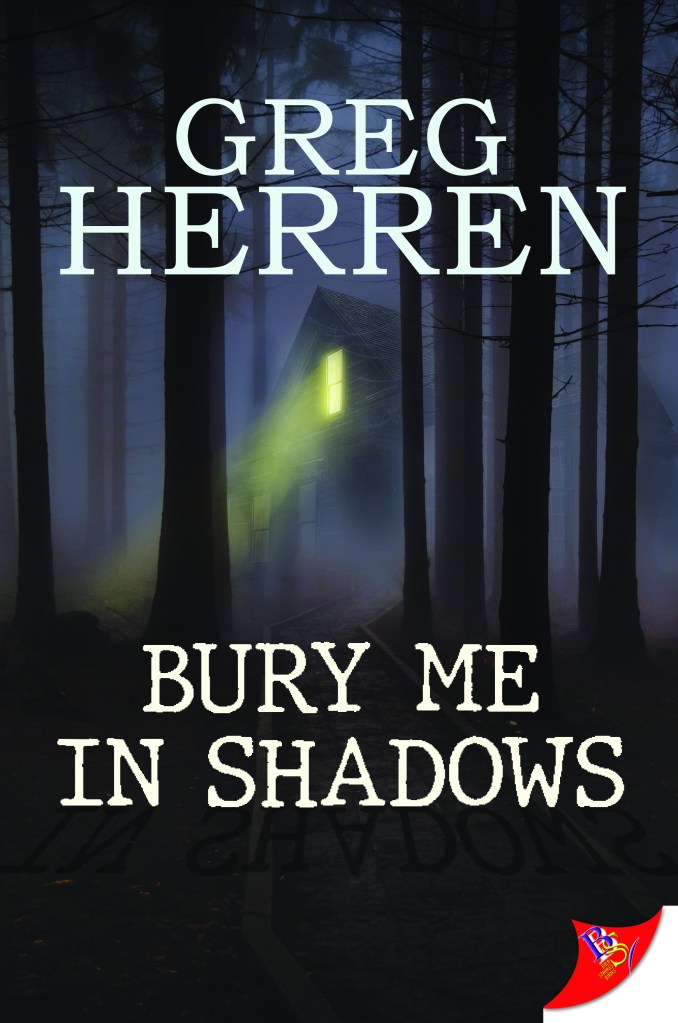
One of the lovely things about driving long trips like this weekend is that my mind wanders and I think about things; the ability to keep up with an audiobook while my mind sifts through problems and unties the Gordian knots of confusion and self-delusion in my mind has been truly wonderful. While in the car this weekend I was thinking back to what all I had gotten done and accomplished since the start of the pandemic disruption (and yes, I know I am not unique and it has happened to everyone), the general sense of “I am not getting anything done” and “when I am writing I’m not enjoying it” which has been unsettling me and keeping me off-balance since March 2020 (hard to believe it’s been almost four years, isn’t it?), but on the other hand, professionally the pandemic was actually very good to me. I got a substantial raise and promotion at my day job; I got nominated for a shit ton of awards over the last couple of years, and sure, I think there was a significant gap in publishing–from Royal Street Reveillon in the fall of 2018 until Bury Me in Shadows was about a three year gap now, wasn’t it? That in and of itself is the longest gap in my publishing career, but then I came on like gangbusters in 2022 with #shedeservedit, A Streetcar Named Murder, and Land of 10000 Thrills (Bouchercon anthology), and of course have two back-to-back releases this fall with Mississippi River Mischief and Death Drop. I was also publishing short stories during the 2018-2021 interregnum, and I was working on a multitude of other writing projects during that time in addition to the books that wound up being released in fits and spurts since 2021; I still find it hard to believe I went that long between books–maybe I’m forgetting something? But I don’t think I actually am; I am terrible about remembering everything I’ve written and published, and always forget things. But at first I was disappointed in myself to think I’d gone that long between books before silencing that negativity, and then I nipped that in the bud. There’s no disgrace in admitting that the pandemic knocked me for a loop and off-balance; I’m not the only person this happened to, and it takes a massive life disruption to slow down my writing–which is pretty impressive.

It’s hard to stay positive as it goes against my brain’s wiring, but I am getting better.

And on that note, I am heading into the spice mines. May your Monday be just as lovely as you are, Constant Reader, and I’ll probably be back later.

Biggest Part of Me

Well, I am not going to get my dentures until Monday; they just called and the dentist isn’t in today, so I can’t get them until Monday morning, which makes this weekend a bit more difficult–sigh, eating will be a bit of a challenge for me this weekend in Panama City Beach, but at least I get them Monday morning–which means I can get groceries and start eating normally again on Monday; which is fantastic and makes me incredibly happy. I think I can probably chew if I take the uppers out, but I hardly would want to be doing that in public. But Monday I can eat normally again, although I still have a lot of the softer food to get rid of without wasting. I’ve actually liked some of these options I’ve adapted to–who knew hot and spicy ramen would be so fucking good?–and I will miss the ice cream of course, but I didn’t really lose a lot of weight while on this diet (my body always adjusts very quickly) but I am hopeful that will become more of a reality for me (actual weight loss) once the teeth are done and the surgeries are over and I’ve recovered. The weather has become cool enough for me to take walks when I get home from work; I’ve just been so focused on bonding with li’l Tug that I’ve not really made use of the time as productively as perhaps I should have.

Tug is becoming more and more at home, and showing more and more Big Kitten Energy every day. When I got home from work there was a trail of…well, I won’t say destruction because that wasn’t what I found; but there was a lot more stuff on the floor when I got home than was there when I had left. Last night he slept a lot in my lap, but then would get the “wanna play!” zoomies, where he was running around knocking things off and playing with everything and chasing things. I read some more of Riley Sager’s Final Girls, which is quite interesting and holding my attention, and then switched over to some Youtube videos. I watched another old episode of Friday the 13th the Series, which is fun, as always; it also occurred to me that I’ve basically given a sort of the same set-up backstory to A Streetcar Named Murder that the show had; my main character inherited an antique shop from an old uncle of her husband’s she didn’t know, the first case involved an item from the store, etc. etc. etc. (I just last night put that together–there truly are no new stories under the sun, are there? This is what I mean when I say things like I have so many influences I can’t possibly list or remember them all–pretty much anything I’ve ever read and any movie/television show I’ve seen has influenced me in some way.) Paul had a meeting last night so he wasn’t home before I started falling asleep in my easy chair; Tug and I repaired to bed before Paul got home around ten and I slept until eight this morning; ten hours! That never happens, Constant Reader, and it felt great. I feel very rested and relaxed this morning before I dive into my work-at-home duties, of which there are quite a bit today. I also have some errands to run late this afternoon after work, and of course tomorrow mornign I have to get up early and get the oil changed–which means more of the Riley Sager. I’m also a little excited to listen to Stephen Graham Jones’ The Only Good Indians on the way over and back, and I want to finish the Sager this weekend so I can reread The Haunting of Hill House and The Dead Zone before moving on to Elizabeth Hand’s A Hanunting on the Hill–although I’ll reread the King before the Jackson, because it just makes more sense to pair the Jackson with Hand’s retelling of the same tale, doesn’t it?

The switch from blast-furnace summer heat to the coolness (relatively speaking) of fall has been wonderful, and I hope my Entergy bill reflects the cooling of the weather. The kitchen is a mess, as always on Friday mornings, so of course I have some things to do around here before I get started on my work-at-home chores or do some writing or reading or whatever I need to get done here around the house. The new season of Our Flag Means Death dropped last night, as well as other new episodes of our shows (Ahsoka, Only Murders in the Building, among others) and we also want to start The Changeling, based on Victor Lavalle’s superb novel.

So I am hoping for nice productive day at home. I feel rested and relaxed–always a plus–and maybe not as motivated as I would like, but hey, that’s on me and the coffee I have yet to finish consuming. I’m going to finish off my morning with a cup of cacao, because I am trying to get used to it and it would be great to wean myself entirely off coffee, but the cacao is taking some getting used to–it doesn’t really have the bitter bite of coffee, which is the part of the taste I prefer. Cacao is more like unsweetened hot chocolate–and it’s probably the real chocolate taste, as opposed to the insanely sweetened version Americans are used to. I’ll have to get up early tomorrow to get the oil changed in the car–since I’ll be on the West Bank, I should probably go ahead and grocery shop while I’m over there, and then I won’t have to worry about it when I get back on Sunday night, which does make the most sense.

And so, on a more cheery note than usual lately, I am going to take this chance to head into the spice mines. I may be back before tomorrow morning’s before the oil change at the crack of dawn, but one never can be sure. At any rate, have a lovely Friday, Constant Reader, and I’ll talk to you again soon.

NOLier Than Thou

(NOTE: I started writing this post back in January, after I’d returned to New Orleans from my last Mystery Writers of America board meeting–this is to give context to the opening paragraph– as you are no doubt well aware, Constant Reader, that I’ve not been back to New York since January; so this is that same trip where this happened and I started thinking about these things, which have never been far out of the forefront of my mind since then.)

While I was in New York recently, walking around to and fro, here and there, hither and yon, I was always checking my phone (and yes, I hate that I’ve become one of those people) and then shoving it back into my pants pocket without putting it to sleep first or closing the app that was open. As I walked around, of course this led to my phone doing all kinds of weird things –closing an app and opening another, etc.; but at least there were no butt dials, right? At one point, when I pulled out my phone as I took a seat on the subway, somehow what was open on the screen was a google search for my book A Streetcar Named Murder–and when I went to close that screen I touched one of the images by mistake, which took me to the Goodreads page for the book. Bear in mind, I never look at Goodreads for any of my books, let alone Amazon–the temptations to start reading the bad reviews is too great, and while I can usually laugh them off, occasionally–and it depends entirely on my mood, of course–one will get under my skin and it will annoy me, and that’s not good for anyone.

This particular day on the subway the Goodreads page opened to the bad reviews first–its average is four stars, which I will always take because I am not Lauren Hough–and the very first one made me laugh out loud on the subway. Paraphrased, it was basically someone taking umbrage at “someone who doesn’t live here or know the first thing about New Orleans” writing a book about New Orleans. The reason they had come to this conclusion was because Valerie referred to Mardi Gras as “Fat Tuesday”, and according to this one-star reviewer, no one from New Orleans would ever say Fat Tuesday instead of Mardi Gras.

Well, I’ve lived here for twenty-seven years and I have heard any number of locals say Fat Tuesday rather than Mardi Gras, and so of course I had to click on the reviewer’s profile…and grinned to myself when I saw that they actually live in Metairie, not New Orleans…which to locals is a bigger crime than getting something wrong about New Orleans: claiming to be from New Orleans when you actually live in Metairie. (the rejoinder is usually along the lines of “bitch, you live in Metairie.”)

It was also kind of fun to be accused of inauthenticity when it comes to writing about New Orleans, because I personally have never claimed to be an expert on anything New Orleans (others have said that about me, and I always am very quick to reply not even close); the more I learn about the city the more I realize how little I actually know about the city. There’s an extremely rich (and often incredibly dark) history here; it’s hard for me to wrap my mind around the fact that the New Basin canal was there as long as it was, or that there were several train stations around the French Quarter (including one that essentially was in Storyville–rather convenient for the whores and pimps, right?), or that where UNO is now used to be the lake shore resort of Milneburg, or that the only way across the river or the lake was by ferry until Huey Long built a bridge at the Rigolets (the narrow inlet between lakes Pontchartrain and Borgne).

I was on a panel once at the Tennessee Williams Festival with Bill Loefhelm (if you’re not reading Bill’s books, shame on you and correct that immediately) and the question of New Orleans authenticity came up, and Bill’s response (paraphrasing) was that New Orleanians have a tendency to play a game called “NOLier than Thou,” in which they try to one-up each other to see who the true New Orleanian actually is–which is, of course, gatekeeping. (And yes, I immediately turned to him and said, “I like that and am going to steal it” SO CONSIDER IT STOLEN.)

It does bother me somewhat when I read books set in New Orleans written by people who have never lived here; you can tell, but I also get over it pretty quickly; who is to say who can and can’t write about a place? There’s a significant difference between visiting and living here, which I realized almost immediately after we moved here, and that also becomes very apparent in fiction. I had started writing the book that would become Murder in the Rue Dauphine before I moved here, and I realized, once I did live here, that everything I’d written about New Orleans was completely wrong. I didn’t work on the book for another two years; and even then I wasn’t entirely sure I’d lived here long enough to write about the city. So…I kind of cheated by making Chanse MacLeod not a native either; he’d moved to New Orleans after getting his degree in Criminology from LSU, and had been here about six or seven years when the story opened. So he was an outsider, too; so his views on the city and how things work around here were from an outsider’s perspective, like mine; that was easier. With Bourbon Street Blues, I decided that Scotty was not only a native but came from two old-line society families, from the Garden District and Uptown. One of the greatest joys of my publishing career was having the Times-Picayune’s mystery reviewer, as well as the Books Editor, both say repeatedly that I got New Orleans right in my books. (Thanks again as always for all of your support, Diana Pinckley and Susan Larson!)

And I never really worried about it too much from then on. I wrote about New Orleans as I saw it–the potholes, the cracked sidewalks, the leaning houses, flooding streets, oppressive weather and hurricanes. As the years passed, I became more and more aware that my New Orleans writing was primarily confined to the Quarter, the Marigny, the CBD, the Lower Garden District, the Garden District, and Uptown–a very narrow slice of the city, but those were also my slices of the city, so that’s I wrote about. Sometimes I’d venture into another neighborhood–Lakeview, the Irish Channel, English Turn–and sometimes the story would take the characters to another part of Louisiana–the bayou and river parishes, the Maurepas swamp, the Atchafalaya Swamp, Baton Rouge–which, oddly enough, I had no qualms about fictionalizing. I’ve created numerous fictional towns and parishes surrounding New Orleans; I’ve even invented a sleazy gay bar in the Quarter (the Brass Rail).

So, was I doing New Orleans (and Louisiana) right by making stuff up, inventing places like the Royal Aquitaine Hotel, the Brass Rail, Bodytech Health Club, Riverview Fitness, etc.? Sometimes you have to fictionalize things, even if they are based on something that really exists. I never really thought much about it; I felt like I was getting the feel of New Orleans right, that my characters talked the way people in New Orleans do and react the way people here do, and that I was putting enough reality into the books for them to ring true to locals, natives, and tourists. Sometimes the cases are based on, in or around something that actually happened or exist; like the Cabildo Fire, the Fire at the Upstairs Lounge, Hurricane Katrina and the ensuing flood; termite swarms; Huey Long’s deduct box; and even the court case in, I think, Murder in the Irish Channel that triggered the murders was actually based on a civil trial I served as a juror on.

When I started writing A Streetcar Named Murder, I realized a lot of things I was writing about had to be fictionalized; I couldn’t set a murder at a Mardi Gras krewe ball and use an actual krewe that exists in real life, for one thing (like I had to invent a French Quarter hotel for a couple of murders to occur in) and while I didn’t want to use the cheat that Valerie had moved here again, like I did with Chanse, I wanted her to be of New Orleans but not be of New Orleans…so her parents are from Georgia and moved here after college and marriage, so Valerie was born here, went to school here, met and fell in love with and married her husband here–but her roots aren’t very deep, so she is both insider and outsider at the same time. I liked that idea; like how I am of the South but not of the South, she was of New Orleans but not of New Orleans at the same time. When creating Jem Richard in Death Drop, again, he’s a recent transplant to the city but his father is from New Orleans but relocated to Dallas, where Jem was born and raised. Jem spent a lot of his summers in New Orleans when he was growing up with his paternal grandmother, so he too is of New Orleans but not of New Orleans; which I am really liking as a method of storytelling about the city. I also moved Jem to a different part of the city; he lives in the 7th ward, on St. Roch Avenue in what is known as the St. Roch neighborhood (aka what realtors are trying to redefine and rename as the “new Marigny”, in order to raise prices) which is also very close to my office. Part of this was to move the action out of the neighborhoods I usually write about (although he does wind up in both Uptown and the Quarter) and so I could explore another neighborhood/part of the city than what I usually write about.

I also had recently–prior to the pandemic–started feeling more disconnected from the city than I ever had before. Primarily I think this was due to my office moving; we had been on Frenchmen Street in the Marigny, one block from the Quarter and where Scotty lives, so whenever I needed some Scotty inspiration I could walk a block, stand under the balconies of his building and just look around, drinking in the sights and sounds and smells of the block. To get past this, I started joining New Orleans history pages on Facebook, like Ain’t Dere No Mo New Orleans or the HNOC page and various others–you do occasionally run into Confederate apologists and racists there (they usually cry about the “crime” in New Orleans–you know, the usual dog-whistles from the white flight racists who fled to Jefferson Parish or the North Shore to escape desegregation of the public schools) and reading more histories of the city, state, and region–which are incredibly fascinating. That reading/research helped me write my historical Sherlock in New Orleans short story, “The Affair of the Purloined Rentboy”–but I have also since realized I got some things wrong in the story too, but there is just so much to know. I set the story in 1916 for example….without knowing New Orleans was hit by a MAJOR hurricane in 1915 that wiped out any number of settlements and villages around the lakes and the bay shores (that will turn up in a story sometime; the destruction of the lake front village of Freniere is just begging to be fictionalized and written about). When I mentioned this to another writer, who primarily does historicals, she snorted. “It’s impossible to know everything, and would people in 1916 still be talking about a hurricane from 1915?”

Probably, but if it doesn’t have anything to do with the story being told, why would I mention it?

A very valuable lesson, to be sure.

So, yes, lady from Metairie: you caught me. I’m not from New Orleans, you’re correct. But I’ve also published over twenty novels and umpteen short stories set here, and have even won awards for doing it.

And I’ll call it Fat Tuesday if I fucking want to.

The Huey P. Long Bridge at sunset, photo credit Marco Rasi

Coming Up

I always say my first identity is reader; I was a voracious reader long before I realized that loving to read and loving books predestined me to become an author, a teller of tales. Certainly author is my primary, preferred identity; sometimes I worry that my identity is entirely too wrapped up in being an author. But trying not to worry and be anxious about anything and everything in my life is my new mantra.

Anyway, I had the great pleasure of meeting S. A. (Shawn) Cosby at Bouchercon in St. Petersburg. I don’t really remember much of the weekend–I met a lot of people and I drank way too much–but I know I met and liked him enough to get a copy of his debut novel, My Darkest Prayer. I loved the book, and saw in its pages an incredible talent, for character and place and dialogue and language, and when I reviewed it on here I predicted an incredibly bright future for him as a crime writer.

I was right,

Titus woke up five minutes before his alarm went off at 7:00 A. M. and made himself a cup of coffee in the Keurig Darlene had gotten him last Christmas. At the time she’d given it he’d thought it was an expensive gift for a relationship that was barely four months old. These days, Titus had to admit it was a damn good gift he was grateful to have.

He’d gotten her a bottle of perfume.

He almost winced thinking back on it If knowing your lover was a competition, Darlene was a gold medalist. Titus didn’t even qualify for the bronze. Over the last ten months he’d forced himself to get exponentially better in the gift-giving department.

Titus sipped his coffee.

His last girlfriend before Darlene has said he was a great boyfriend but was awful at relationships. He didn’t dispute that assessment.

Titus took another sip.

All the Sinners Bleed is Shawn’s fourth novel (as a solo author–he also co-wrote a book with Questlove). In the wake of My Darkest Prayer, he released two novels to extraordinary success and acclaim, Blacktop Wasteland and Razorblade Tears. Both were amazing, and somehow each book is somehow better than the preceding one–which is really saying something; I’d happily retire if I ever reached anything comparable to those two with any two of my own.

But they were just warm-up acts for this incredible new novel.

Something that has always interested me over the years is the integration of American police forces on every level. How do, for example, Black and/or Latinx/Hispanic cops feel when their fellow officers commit racially driven police brutality? How does it feel to be a part of a police force–particularly in the deep South, but also in places like Los Angeles–that has always been historically racist and oppressive to non-whites? For that matter, how does it feel to be a queer police officer?

All the Sinners Bleed takes on that question with our main character, Titus Crown, the recently elected first-ever Black sheriff in a pretty racist little corner of southeastern Virginia. Titus was born and raised there; his father and brother live there, and he returns to his hometown after a stint with the FBI. He ran for sheriff not expecting to win, but to try to break the stranglehold of power always held by money and white supremacy there. (I have another essay or entry to write about small Southern counties/parishes, and how they all too frequently are run like corrupt authoritarian dictatorships with the power being passed down within a few families, sometimes only one. Exhibit A: the Murtaughs in the South Carolina low country.) As the first Black sheriff of Charon County, he has to uphold the law–which he intends to do to the best of his abilities.

The book opens with a shooting at the local high school; this was hard for me to read and part of the reason it took me so long to get into it; I thought this was going to be a school shooting novel and I wasn’t sure if I wanted to read that. But I was wrong; yes, there was a shooting at the school and yes, that shooting was pivotal to the plot, but it wasn’t a mass shooting: a young Black man goes to the school and murders one of the teachers, and on his way out he is shot and killed by the cops when he won’t drop his weapon. Why would Latrell Macdonald shoot Mr. Spearman, a very popular teacher? As Titus starts looking into the strange shooting, he discovers another level of horror going on in Charon County, and once the story gets moving, it’s hard to put the book down.

Over the course of this all-too-short novel, Cosby tackles a lot of issues without either being preachy or over-the-top. Confederate monuments, the Daughters of the Confederacy, racism, white supremacy, the cruelty of poverty, police brutality, and the hard, cruel kind of Christianity practiced in poor, remote rural regions of the South. But the most powerful aspect of the book is how it handles grief; the three Crown men dealing with the loss of wife and mother, a wound that never heals–and the guilt that comes with moving on from such a loss. Cosby had a lot to say in just over three hundred pages; the fact that he said it all, and powerfully, by using character, place and story to get his messages across is testament to his great skil.

And this book is bound to piss off white supremacists. It will make a great Christmas gift for any in your family.

One More Time

I”m up earlier than usual on a Friday because I have to go to the dentist’s office this morning to get fitted for my new dentures. I don’t know when they’re going to be ready, and I know it’s too much to hope for that I would get temporary ones today so I can start eating normally again, but an old gay man can dream, can’t he? I left work yesterday to go meet with the cardiologist, to be cleared for my surgery as well as to check and see if i also have the same congenital heart issue that eventually killed Mom (her father died in his sleep in his forties; there’s a concern that it’s not only congenital but genetic); good news is my heart is strong and functioning completely the way it’s supposed to; no concerns there, with a sonogram scheduled to see if my arteries are normal or I have the same issue Mom had. He also changed my cholesterol medicine (giving me something stronger), and i need to have another blood draw done. Yay? My schedule between now and the surgery looks to be filled with appointments for tests and things. Heavy heaving sigh.

I slept really well last night. Paul was late getting home–we watched Only Murders in the Building–and I did some chores. I took the evening off from writing and tried to do chores mostly. I watched a documentary on Youtube about Charles VI of France–aka Charles the Mad, the king who lost France to Henry V of England–and the “glass delusion,” which the King suffered from as did many others during the time period; the belief that he was made of glass and would shatter. I had wanted at one point to write a story about the glass delusion (because it absolutely fascinates me), but am not sure how to do it or whether Iwant to write about the king himself or come up with someone new to have the delusion. He was an interesting person, had an interesting and tumultuous reign–whichof course indirectly led to the rise of Joan of Arc, which really is fascinating. St. Joan and her voices have always struck my curiosity–more on that at another time, anyway. So, yes, I went down a wormhole on Youtube on the Hundred Years’ War, the madness of King Charles, and the fifteenth century. The fifteenth was also a calamitous century, to use the language Barbara Tuchman used to describe the fourteenth in her book A Distant Mirror (which may be my favorite history book of all time). I don’t want to write about the fifteenth the same way I want to write about the sixteenth, because it would have to cover the Hundred Years’ War but also the Wars of the Roses, and those have been written about already endlessly so I have no desire to write about either of them.

But my sixteenth century and women ruling Europe book is something I would still like to do.

Okay, so now I am home again and irritated. I stopped to make a few groceries on the way home from the dentist, and apparently left one of my bags in the shopping cart, which is super annoying–especially since that was the bag that had the stuff I specifically stopped for; all the rest was just lagniappe I picked up because I was there already. Heavy sigh. Ah well, I can go back later on–probably will, because I do need those things–but still irritating to just throw money away like that. Ah, well. I’ll be getting my new temporaries in about a week or so; which is the best news, really, and I also have to get my checkbook register caught up and all my new follow-up appointments put onto my calendar.

And of course, this afternoon we’re going to the SPCA on the west bank to get a cat. YAY! (Maybe I can pick up the stuff I need on the West Bank before we go look at the kitties.) I am not going to stress about it, nor am I going to get anxious about it, either.

So I have some work-at-home duties to take care of this morning before we head across the river to adopt a cat (I’m a little excited but trying really hard to contain myself). I also have laundry and dishes and other tedious chores around here to get done over the weekend. Tomorrow I’m going to take the books to the library sale and see if I can get my vaccinations that I need at CVS; worst case scenario I can’t get it there and will have to wait some more. I’d like to have it before I see my elderly relative next weekend in Panama City Beach, for obvious reasons; I’d feel terrible if I gave any of them COVID at their ages. (Dad is the youngest at nearly eighty-two.) It’s just a quick trip, over on Saturday and back on Sunday, but since I won’t be able to head up north for the holidays I don’t want to miss a chance of seeing Dad when he’s that close, and I can finish Carol Goodman’s marvelous The Drowning Tree in the car.

And on that note, I should probably head into the spice mines and take care of my work-at-home duties before Paul gets up. Have a lovely Friday, Constant Reader, and I am sure there will be a picture of my new kitty to post later on.