Ah, being a teenager. A lot of people look back on their teen years through rose-colored glasses, always smiling wistfully about the ‘best times’ of their lives. This always makes me reel back from the screen; it’s unfathomable to me that people miss being in high school. I made the best of high school, as I always try to make the best of every situation I find myself in, willingly or no; but you do eventually reach the point where you are so sick of the bullshit and the bullies and the assholes that it can’t end soon enough. I managed to make the best of high school all the way up until the second semester of my senior year, when I just reached the breaking point and just didn’t fucking care anymore–about my classmates, the other kids, the teachers, everything. I kept making the best of Kansas for another year or so–and when my parents were transferred while I was in college to California, I didn’t even think twice about deciding to leave Kansas in my rear view mirror.(I’ve also never been back since that snowy February night when I boarded Amtrak and headed west, either, other than in my fiction.) So, you’re probably wondering why I write about Kansas; why I dig into all those unpleasant memories and the horrible way I used to feel every day. In some ways, I suppose, it’s therapeutic; dealing with the memories and processing them now that I’m older, more centered and stable, and no longer hate myself. But…those are the important memories for writing about teenagers, which I do fairly regularly.
It’s always important to process your traumas by writing about them, I suppose.
It’s work-at-home Friday and Gregalicious slept a little late this morning. I was very tired last night–even fell asleep in my easy chair around ten, woke up just before eleven, and then proceeded home. I was too tired after work to get much done around here, or to do any writing, so I will definitely have to make up for that today and this weekend, once the work duties are done. I also have to get to the gym this morning to get back to the working out. After the Festivals and Paul got sick, my hands were a bit full and working out after being pronounced healed just wasn’t possible. Now I have to get back into it, adding a couple of back and chest exercises into the mix, and even having an official Leg Day work out, so as I get my strength and stamina back I can start using heavier weights and gradually get myself back to the point where I can workout the way I used to, before all the injuries and depression and so forth all kicked me off the gym wagon; hopefully by the summer I’ll be able to get myself back into some semblance of good physical condition again.
I suspect the tired thing will never go away.
We started watching Ripley last night around the Fayetteville Regional for NCAA Gymnastics, which LSU won while not having their best night, and I have to say I am enjoying it thus far. It’s a slow burn, but it’s incredibly stylish, and the black-and-white cinematography is terrific. The shots are amazing, and Andrew Scott manages to give Tom an air of menace, a kind of emotional flatness Matt Damon couldn’t have pulled off in the Minghella film version. I think part of the reason for the steady slow burn of the plot is because there’s not a lot of material…the book is actually very short (Highsmith was never wordy and rarely wasted time on back story), and my sense is that Scott’s Tom is much more like Highsmith’s ideation than the Minghella film. With all the comparisons made of Saltburn to Ripley, I’ve been thinking about the book and the Minghella film again, and this Netflix version seems like the Ripley Hitchcock would have made, which makes it more interesting to me. At first I was a little bummed not to see the Amalfi Coast in color; Italy is so beautiful, after all, but the black and white gives it a more pristine and polished look that is beautiful in an entirely different way. I’m looking forward to watching the rest of the show to see how it flows and develops–as well as comparing it to the book, the Matt Damon film, and Saltburn. It actually has made me rather happy that I haven’t finished my essay on Saltburn yet.
And on that note, I am heading into the spice mines for the day. Have a lovely Friday, and I may check in again later.
Thursday morning last day in the office for the week blog post, and I am pretty pleased, overall, with how the week turned out. It was hard to get back on the horse after the drama of the weekend, and recovering from that was a thing. One of the things about being older is you do really have to be more selective about what you spend your energy on…and I wished I’d realized that “saving my energy for things that matter” was probably a lifestyle choice I should have made when I was in my forties, at the latest.
It’s very weird how my body has adjusted now to getting up early. I used to be fine early in the week and gradually grew more tired as the week went on, until Thursday morning when I got up I was so groggy I could barely focus on anything. Now, I am tired and groggy early in the week and as the week goes on, I sleep better and wake up more easily later in the week. I feel a bit stiff this morning, but that’s all right. My coffee is tasting good and hitting the spot, and I just have to get through today before my work-at-home day tomorrow. We have a department meeting tomorrow morning at nine, but I can sleep a bit later and head downtown for that–and then run some errands on the way home. I was a bit fatigued last night, but managed to get almost two thousand words down before my brain fizzled out, after which we finished watching Apples Never Fall (enormously disappointing final episode) and got caught up on Will Trent, which we really are enjoying more than I thought we would. Not sure why I thought we wouldn’t like it, but I was wrong and glad we finally started watching. Tonight LSU competes in the regional gymnastics championships with a very good shot at making it all the way to the national finals. GEAUX TIGERS!
I finished listening to Cowboy Carter in the car on the way home from work yesterday, and I really enjoyed it. There’s not a bad song on the record, really, and some serious jams. And yes, it is a country album no matter what the racists in that genre want to believe. Oh no, a BLACK woman recorded one of the best country albums of the century! Cue white outrage! Seriously, people, if you’re not aware that ALL modern American music comes from jazz and blues (two forms of music created by Black people) then have all the fucking seats, trashbag. Country is more blues than jazz, and the lines definitely get blurred sometime, but face it: every song on Cowboy Carter could be a hit single. Every. Last. One. Of. Them. When was the last time any country artist could say the same? Shania Twain at the turn of the century, maybe? The fragility of white people, and their constant need to be the victims, is so fucking tired already. Get over yourselves, seriously. I can’t imagine living life with braces on my brain, can you?
And this morning when I synced my phone with the car, surprise! Spotify started automatically playing the new Pet Shop Boys album, Dancing Star, and it’s also a banger so far. I love me some Pet Shop Boys, and their music never seems dated, old or tired. Can’t wait to get back in the car to go home tonight so I can listen to some more of it. The Pet Shop Boys always take me back to when I was younger and basically living in gay bars on the weekends; they were kind of the soundtrack of my gay adulthood, really…and listening to their music from any year always puts me into the mindset where I want to work on “Never Kiss a Stranger,” which may actually be a novel and not a novella; that could the reason why I can never finish the story is because it could easily be longer. Maybe what I should do is just work on it and see where it goes and how long it lasts.
And on that note, I am heading into the spice mines so I can get this last day of work in the office for the week over and done with. I may be back later and I may not; one never knows. But have a lovely Friday Eve, everyone.
Monday morning and it’s back to the office with me. The weekend was a bit of a bust; I did get some things done but zero writing. I missed the deadline for the anthology I was trying to write a story for, but despite a good start yesterday fatigue set in fairly early and I wound up spending most of the day in my chair, Sparky in my lap, while we continued watching Will Trent, which we are both enjoying. Today is also April Fool’s Day (does the apostrophe go before or after the s? I can never remember if it’s fool or fools), which is a kids’ thing, really. I don’t feel exhausted this morning, but I do feel like I could have certainly slept for longer.
This week I have to get back on track after last week was essentially a big loss for me, alas. I did get some things done last week, but it was derailed and then the weekend was also a complete loss. It was incredibly poor timing, of course, but sometimes life does happen–and it’s been happening to me a lot since January 2023 (really, you can even go back as far as the summer of 2022, when I got COVID), which kind of sucks. But that’s what life is, really; one long series of traumas with pleasant interruptions in between until you die. Well, that sure sounded pessimistic, didn’t it? It’s very easy to get caught up in the negative side of life and focus merely on that while not paying attention to the good things that go on in your life, especially when you keep getting derailed. (The anxiety side of my brain is trying really hard to send me into a depressive spiral here, but I am successfully holding it off this morning…so far.)
So, this is going to have to count as my reentry into my life after the festivals since last week was simply a holding pattern; Paul and I even talked about that last night between episodes of the show. Last week was simply a lost week during which I was able to get some things done on and around everything else that was going on. But it’s also a new month today, so I am going to try to get everything together this week and get my life back together. I’ll be going to visit Dad the first week or so of May, which will also be an interruption, but despite the lengthy drive there and back (I’m meeting him in Alabama first for the First Sunday in May, and then we’re driving north) I am kind of looking forward to it. I’ve got lots of books and stories to listen to on Audible (yay!) and of course, I always get inspired whenever I go to Alabama (or through Alabama). I do think I have my writing for the year figured out as well; I am going to finish the current one, finish everything I have unfinished on hand, and then I am going to write an entirely new project; and I know what the next two new ones are going to be. I do want to revise the story I didn’t finish and turn in for the anthology yesterday; it needs a strong rewrite, and I can also throw it into my short story collection, which will also then be finished and ready to go.
Progress, and getting back into a good headspace, is always a plus.
I did read some more of Last Summer yesterday, and that sense of foreboding just continues to grow with every page. I am enjoying the ride, and I know the book ends with tragedy; I do remember how this one and its sequel end, but I am still not entirely sure whether I am remembering the ending of the book from reading it before or from having seen the movie, which I also don’t remember much about, so can’t swear to having seen it. And also now that I am in the second half of the book closing in on the ending, I also see what Hunter had done with the two parts and it’s masterful yet chilling at the same time. It’s definitely a novel for adults, but it has teen protagonists; so is it young adult fiction? I am hoping to get it finished this week so I can move on to the Michael Koryta.
And on that note, I am bringing this to a close. Happy Monday and April Fool’s Day, Constant Reader, and have a lovely day.
Easter, which really should be the highest holy day of Christianity–but it’s not. That would be Christmas, which again–really doesn’t make sense. But at least the date of Jesus’ birth is fixed–as opposed to how the day of his death floats.
I overslept again this morning and I suspect my exhaustion–which carried me through yesterday as well–has everything to do with the situation on Friday. Yes, I know I am being vague, but I also never am sure about crossing a privacy line for someone else. Essentially, I lost the entire day, and let’s just say that I am glad I am on anxiety medication because my mind would have exploded this past week, probably. But it was exhausting and draining, both emotionally and physically, and that all kind of caught up with me yesterday. I did get some things done–laundry and I did run an errand–but was completely worn out yesterday and had excessive fatigue. I feel better this morning than I did yesterday, but I also have a lot to do today and hope that I can manage somehow. I feel motivated today, which I didn’t have the energy for yesterday, and as soon as I finish this I am going to get cleaned up and finish cleaning the kitchen and dive into my day.
Sounds good, anyway.
It’s also a very bright and cheery day out there–it’s been cold since around the festivals–and I am hoping to cook out today, too. We spent most of the day relaxing with the television on. I did read some of Last Summer, too, which I am really getting into, and I think my next read will be an old Michael Koryta, The Cypress House. He really is one of my favorite writers, and I need to read more of his backlist as well as get caught up on recent releases. I pruned the books a very little yesterday, and we did watch some great stuff yesterday. We watched Quiet on Set Friday night, which was grim and creepy and horrifying, and then yesterday we watched Thanksgiving and moved onto Will Trent, which we’d been meaning to get around to but kept forgetting–it’s quite good. Thanksgiving was another holiday slasher movie, kind of clever and didn’t take itself too seriously (always a plus in a slasher movie) and I enjoyed–but it didn’t say anything new or do anything wildly clever or original. Quiet on Set, on the other hand, was deeply disturbing–which brings me to another point about the falsity of the right and it’s anti-queer lies about grooming and pedophilia. Every day I see pieces posted on social media about another male (sometimes with a female accomplice) convicted of raping and/or sexually abusing children…and getting off with thirty days in prison, or three months, or suspended sentences.
Where is all the outrage about THAT? Judges and juries giving light sentences for raping children? That’s how I know the right is all smoke and mirrors when it comes to these issues. They chose to attack a small minority and accuse them of not being safe around children, but where is there concern about all these religious figures, church leaders, your counselors, and COPS who are getting away with destroying children? Watching Quiet on Set made me aware just how hypocritical they are. If they really cared about children and keeping them safe, they’d go after actual people who, you know, commit the crimes and the disgusting sentences they get for said crimes. It’s hard to take any country seriously who doesn’t punish actual perpetrators of crimes against children, but instead accuses innocent parties while looking the other way when the criminals don’t fit their narrative.
I’m tired of liars using children as a bait-and-switch to come for queer people.
Sigh. It’s easy to get frustrated and fearful these days with the world in the state it is currently in; I take no pleasure in seeing my predictions about the rise of modern American fascism, made in the early 1990s, coming true in my twilight years. You see, I recognized the rhetoric of the right, and how they were using queer people as scapegoats for everything, in the decade as the same language and dialogues that Germans used on Jews and queers in the 1930’s, and I also saw, with the rise of Fox News, the further decline of the American system and way of life. We’ve never really achieved, as a country, the democratic utopia the founders strove for–but it seems like a significant portion of the country no longer sees patriotism as country over party anymore. The Divine Right of Republicans to run the country was part of the unholy marriage of conservatives and evangelicals that Reagan fostered as a Machiavellian scheme to retain power. The right has been smearing the left as communists since the fall of the Tsar in 1917–it’s still a slur they sneer today (communist, commies, socialists) while painting themselves, quite offensively, as the real patriotic Americans.
Sometimes I think I am thinking overly optimistic and that more and more Americans are beginning to see the tin god as precisely that; a golden calf they worship despite their Holy Book’s continued warnings about false gods, false witness, and liars.
And for the record, I have always believed that faith in religion should be shown by works, not words. Anyone can say they are a Christian and they love Jesus–it’s their behavior and what they do that truly matters.
And on that note, I am heading into the spice mines. Have a happy Easter, Constant Reader, and I may be back later.
Saturday morning and I slept late, and feel a bit fatigued. I graduated from PT yesterday, which was awesome–but I’ll miss going. I really liked my therapist.
I headed down to the Quarter in a Lyft yesterday after finishing my work-at-home duties, and didn’t have time to write yesterday, which I hope to do this morning. We (Paul) have that lovely suite up on the fourteenth floor of the Monteleone again–but of course I come home every night to take care of Sparky (who was waiting in the window when I got home). I went to the opening reception at the Keyes House in the Quarter (it’s called BK House now instead of its old name; in which the B stands for the general who started the Civil War–he was from New Orleans), which is an absolutely beautiful space, and I just realized I didn’t take any pictures, which I should do more of today and tonight. After the reception, where I ran into any number of delightful people (namedropping here–but amongst those I ran into were Rob Byrnes, Carol Rosenfeld, Amie Evans, Eric Andrews-Katz, Susan Larson, Trebor Healey, and Margot Douaihy), I went to eat (well, to watch them eat) with Steven Reigns, Karl (K. M.) Soehnlein, Marco Carocari, his husband Mark, and Trebor Healey. We went to that bar that used to be Yo Mama’s but has a different name now. It was lovely going down memory lane with Steven over all the years of Saints & Sinners, and remembering how it all happened in the first place all those years ago. Twenty-one years now, which is pretty amazing for a queer lit fest.
Then again, I married a pretty remarkable person.
I have to read today, and I think I have settled on my story from School of Hard Knox, “The Ditch,” because it’s an Alabama story and I can pull out my accent for it. Maybe not at first, but as I get into the story more, absolutely. I’ll also need to rehearse a bit this afternoon before I head down there again. I think today I’ll wear more sensible shoes than I did yesterday, so I can take the streetcar down and walk home at the end of the evening. It’s a lovely walk and the evenings are so cool and temperate…I really wanted to walk home last night rather than taking a Lyft home, but my shoes–I was wearing my new black-and-white saddle shoes, and I worried about walking all that way in them. Not that they would be uncomfortable, but the wear-and-tear on them for that long of a walk–that’s what my Adidas are for. I also noticed on the way to the Quarter in a Lyft (thanks, Tedzin, for the ride) that the Appellate Court building on Camp Street was named for John Minor Wisdom, who’d served there with distinction for over twenty years; it just struck me as funny yesterday that a Federal Appellate court building was named minor wisdom, which I am going to have to use in a book sometime.
I also did some chores and filing and straightening up around here yesterday, so the workspace is a lot less cluttered and a lot more functional now. I’ve also decided on a major project for this summer–getting rid of paper files. I don’t need a paper file for anything that isn’t really something in progress right now, but it’s also a massive undertaking that would require going through all the files…and there are so many files…but condensing them and cleaning out the files that I don’t really need much anymore would also make the workspace more functional and the apartment far less cluttered looking. I have so many ideas I won’t be able to write them all unless I not only live to well over a hundred but don’t get any NEW ideas for the rest of my life.
I think it’s safe to assume that’s never going to happen.
Sigh, I also have to start pulling my taxes together for my accountant. Sigh. What an odious chore, but like I’ve always said–there’s nothing more patriotic than paying your taxes so the country continues to be funded. That doesn’t mean I don’t take every deduction I can and try to get the bill down as much as possible, but I don’t ever complain about paying taxes. I kind of like paved roads and infrastructure and so forth. Call me a libtard; I wear it as a badge of honor–unlike the con(servative) artists out there, or the cosplay Christians who missed all the important messages of their religion to be better people.
And on that note, I think I am going to go sit and read for a bit before I amp up for writing. Have a great day, Constant Reader–I doubt I’ll be back later, but stranger things have happened.
Paul moved into the Monteleone yesterday for the weekend, so I find myself home alone with Sparky, who either feels needy when there’s only one of us here, or gives me a lot more attention when Paul’s not home to make me feel less lonely. I’ll be spending most of my weekend down there myself–although I am hoping to get some writing done every morning before I head down there for the panels and parties and things. A boy can dream, at any rate. Sparky was pretty needy after I got home from work, and spent most of the night either sleeping in my lap, following me around, or riding on my shoulders.
I did spend some time going down an Internet research rabbit-hole for the new book I am looking forward to writing later this year, The Summer of Lost Boys. I found a Facebook page for the suburb we lived in that is going to be the basis for the story (the same suburb the main character of Lake Thirteen was from), and spent some time between clients going down memory lane and remembering people, places and things I’d forgotten in the ensuing fifty years or so since we lived there. (FIFTY YEARS???) Most of the members of the group are people I didn’t know or don’t remember, but there were certainly some familiar names there–including some of my bullies. Charming, but glad to see they don’t look so great now. It was a strange suburb, really. When we moved out there it really wasn’t much of a town or anything; it was mostly subdivisions that were going up very rapidly. The town (or village; it’s still called The Village of Bolingbrook) started developing more after we moved out there…the end of the street we lived on was a field about a block away from our hose…within a few years, the Ivanhoe subdivision went up in that field. We got our own high school in 1974; I was going to be in the first graduating class for BHS that had gone to BHS all four years; the older grades has spent some years attending Romeoville High in the next town over. I am going to try to immerse myself in the period–culturally, politically, and so forth–which should make the book more interesting, or at least to people my age. I’m kind of excited about it, to tell you the truth. (And yes, some of my earliest post-pubescent crushes are also there. Also didn’t age well, but hey, we’re all in our sixties now.)
I’ve also picked out the other stories I want to use to fill out my next short story collection. Those two stories need a bit of work, but I hope I can get this whole thing finished relatively soon, so I can move on to the novellas I want to finish, the two books already in progress, and then this new one I want to do. See? I’m feeling ambitious and driven again, which is lovely. I wrote some more last night, and it was good work; revising the second chapter and pulling the story and everything together, and I’ve found the voice again, which is so crucial and was part of the problem I was having before.
I also spent some more time with Taylor Swift: The Eras Tour (Taylor’s Version) last night and realized…I’ve liked every song thus far, and I am well into the second hour of the film. I will undoubtedly write about it once I’ve finished watching, but it’s an excellent way to hear her music–some of it for the first time–and think, I really need to listen to her albums in the car and this is why she’s the biggest star in the world right now. It’s also a pretty amazing show; the girl knows how to please an audience and make them happy.
And on that note, I am heading into the spice mines. Have a lovely Thursday, Constant Reader, and I’ll be back probably at some point later today.
Tuesday morning and the temperature dropped over night, so I had to turn on the heat once I got up. I was exhausted yesterday when i got home from having a drink with a friend, and was nodding off in my easy chair by eight o’clock, finally deciding to just go ahead and go to bed early. Maybe it was the alcohol? But I slept deeply and well, and because of the cold (and a cuddling purring kitten) I really didn’t want to get out of the bed. But I was wide awake and the day wouldn’t be denied, so I went ahead and got up to feed Sparky, threw on my sweats, and started getting the day going.
The short story is now about four thousand words, and nearing it’s completed first draft. I am hoping to get it finished tonight once and for all, so I can get back to writing the book without any distractions. I am feeling more determined than I have in a long time, and while I am sure my mind will still wander and I’ll still get sidetracked easily, but this morning? I feel like I’m a writer again, which is odd but nice. Maybe the feeling will fade eventually as the day gets underway, but it’s nice to feel like this again. It was probably talking about writing last night with my friend? Which is funny, because talking about writing and publishing and so forth last night made me feel like an outsider…because I’ve not felt part of that world in a very long time. Given the tumultuous upsets of last year, it’s not really surprising. I was coping with a lot last year and my focus went away from not only writing but reading as well. I am still reading at a much slower pace than I used to, and I don’t write as fast as I used to either–but I also flipped out of the right mindset dealing with everything from last year, and I’m still dealing with some of it even now, despite it getting a bit easier every day. I also realize this morning that despite my intent to be kinder to myself, I slipped into that incorrect mindset and have been beating myself up over not reading or writing faster, and feeling shame about it, which is insane. I had a major surgery in November, and the recovery after; of course that’s going to affect my creativity and my ability to focus.
I am actually really grateful that I changed medications to something that actually handles the problem rather than the symptoms, otherwise the post-surgery months would have been horrible, much worse than it was. Almost my entire life my focus has been on books–either reading or writing them–and I either wanted to be a writer, or was one; my identity has always involved writing in some form or another. Not being able to focus enough to write since having a cadaver tendon sewn into my arm (it sounds so much worse when it’s put that way, doesn’t it? It also sounds like something out of those horror comics I used to read when I was a kid, where it would have inevitably turned out to be from a serial killer and it’s possessed or something) would have been peak anxiety for me, but fortunately while I still had those thoughts (who am I if I can’t write anymore?), I was properly medicated so it didn’t turn into an anxiety spiral. I am also very impatient, and always want to be done with the healing/recovery as quickly as I can. I am healing physically much faster than anyone could have anticipated (had another new PT on Friday and she was constantly commenting in shock and awe at “how advanced I was”) but the mental recovery has clearly not been as fast, which then becomes a concern, and then so on and on and on.
I really don’t miss the spirals at all.
And I think I’ve decided that my next new novel (the next one after I finish everything on hand that isn’t) is going to be The Summer of Lost Boys. I can’t stop thinking about it, even though I need to put it aside and focus on everything else before I get to it–but I may start the prologue because that’s what I can’t get out of my head. And yes, this morning I am starting to feel excited about writing again…maybe all it took was a martini with another writer.
And on that note, I am heading into the spice mines. Have a lovely day, Constant Reader, I may or may not be here again later–one never truly knows, does on?
Monday morning and back to the office blog. I did write some yesterday–not nearly enough–and I did get some things done this weekend. I bought blinds for the breakfast nook, but I think they are too small; I may have to exchange them for another, larger set. Which is okay; I can do it after work one night as the Lowe’s is just up Elysian Fields. Tonight after work I have to go to the gym to do PT, and then I’m coming home to do some more writing and cleaning. Paul’s moving into the Monteleone on Wednesday, which means I’ll be here alone with the Sparkster, and also means Sparky will be very needy. He loves the cat treats I got him this weekend, no surprise there, and so I will continue to dole them out for good behavior. I feel rested this morning, which is different from most usual Monday mornings, but I think that has to do with making myself get up early Sunday morning and not sleeping late again the way I did Saturday morning.
Still, that felt amazing.
I feel pretty good this morning, too. The temperature dropped again over night, so there is a bit of a chill in the air this morning. I need to actually look at the program for S&S this weekend so I can put the stuff I am doing on my calendar and can start planning for the weekend. It’ll be weird being home alone for the long weekend (Wednesday thru Monday), but I’ve been a Festival widow since January anyway, so it probably won’t even be noticeable. I’ve also taken Monday off, as it’s always brutal getting up at six in the morning after the Festivals have concluded. It was a little odd this morning, though; Sparky usually comes and starts smacking me in the face with his paw just before the alarm goes off, and continues to do so while purring and cuddling until I get up. He didn’t come out from under the bed until I actually got out of bed, and just followed me downstairs instead of insisting on food immediately. His bowl was completely empty this morning, too.
I did write about a thousand new words on the short story yesterday, but my mind kept wandering and I got up to do something and just never went back. I also edited the 2000 words or so I had already done, so I think it was probably more new words than merely a thousand. It still feels a little rusty for me when I’m writing, but the best way to get past that is to keep writing until it starts to feel natural again and my mind stops wandering when I am writing. That’s the weirdest part. Usually when I write I shut out everything and am laser-focused, that’s not the case anymore and that’s fine.
My mind is still bouncing all over the place, too. It’s trying to spike my anxiety, too, but I just take some deep breaths and calm down, which is a lot easier to do with the new medications.
I did finish reading The Cook by Harry Kressing, which was an interesting and short read. It was a black comedy of sorts, more of a Kafka-esque fable than anything else, but in all honesty I enjoyed the movie version (Something for Everyone) a lot more than I did the book; in the book Conrad seduces everyone with his incredible food and force of will; in the movie, he’s played by a stunningly beautiful young Michael York who actually sexually seduces his prey until he gets what he wants. I will do a more in-depth review of the book at some point, but it does play into my thoughts that Saltburn owes more to that movie than it does The Talented Mr. Ripley or Brideshead Revisited.
We also finished watching season two of The Tourist, which was twisty and clever and fun and we really enjoyed it and are really looking forward to the third season–the second ended with a terrific cliffhanger twist that definitely will make for a fascinating and exciting third season. Plus, Jamie Dornan and Danielle Macdonald have some amazing chemistry together.
I also watched some documentaries last night about Jayne Mansfield, who I’ve been thinking about a lot lately. I’m not entirely sure what triggered me to thinking about her again. I first read about her in Earl Wilson’s The Show Business Nobody Knows when I was a teenager, and from there went on to read May Mann’s biography of her, Jayne Mansfield. She was very interesting to me, and was thrilled when her daughter began her career as an actress. I remember thinking Mariska Hargitay? She must be Jayne Mansfield’s daughter because what are the odds of there being two Mariska Hargitays? and watched her for years on Law and Order: SVU. Oh, now I do remember. I bought a copy of the Wilson off ebay because I thought it might be helpful with Chlorine, to give me an idea of what it was like to be in show business in the 1950’s, and of course, he devoted a chapter to her. I bought another bio of her off eBay recently, and she is very interesting, as she always has been to me. I’ve only seen one film of hers, Will Success Spoil Rock Hunter, which I thought was hilarious and she was fantastic in it. Benjamin Dreyer brought her up on one of the social media channels this weekend, and so I thought I’d find what I could of her on Youtube. Her story was actually perfect for someone like Jackie Collins or Jacqueline Susann to have written a huge trashy novel about, I’ve always thought. I also loved that she was actually–despite her image as a sexy dumb blonde–incredibly smart, almost genius level. And she only worked in show business for about ten years–while having four children, too, and keeping that incredible figure.
It’s funny; I’m not sure if you’ve ever noticed, Constant Reader, but I generally use song titles for my blog posts. About twelve years ago it was getting harder and harder to think up song titles organically, so I started using themes–Stevie Nicks songs, Pet Shop Boys songs, top 100 hits of 1977, that sort of thing. I can’t remember now which years I’ve used so I recently went back to the top 100 of 1959, I think; it’s interesting how many titles and songs have to do with teenagers; clearly, modern songwriters don’t have to write about teenage heartbreak anymore to appeal to young listeners. I also started watching Eras: The Taylor Swift Concert Movie, and I have to say I am very impressed. I can’t dedicate three and a half hours to watching it, but putting it on and listening while doing chores is terrific. Her show is amazing–I still have over an hour to watch (and am bummed she didn’t do “Red”) and I am actually looking forward to it. I also love how much right-wingers hate her.
And on that note, I am heading into the spice mines. Have a lovely day Constant Reader, and I may be back later, you never can be sure. I’m tricky that way!
Friday morning work at home and up early for PT blog. I slept very well last night, but didn’t get much of anything done when I got home from work. I wasn’t super tired or anything, but Scooter was feeling needy and the next thing i knew it was time for bedand I’d wasted the entire evening. But that’s okay. I’m not sure why he’s been so needy when I get home the last two nights, but he has been and I don’t mind letting him sleep in my lap so he feels loved. He’s such a darling. He also was cuddling with me in the bed this morning after the alarm started going off. Much as I miss Scooter, I’m glad we rescued this sweet playful boy.
I’ve picked out my next read, and it’s a short one, The Cook by Harry Kressing, which is the book the film Something for Everyone was based on. I think I am getting to the point where I am ready to finish my long-overdue post about Saltburn, and reading the book potentially could be a help on that score. I also want to read some of the other short books I have on hand, and hopefully that will get me deep into reading again. It would be great to spend an hour a day at least reading; the days when I used to compulsively read, and get so involved in a book that I’d blow off everything else I had to do in order to finish it. Heavy sigh. I don’t know why I’m having so much difficulty reading these days; and I do strongly suspect that the two things–inability to read and inability to write much–are very linked together. Something for me to work on this weekend, at any rate.
I had a breakthrough on the story I’ve been struggling to finish writing, and so I am hopeful that today, once I am done with work-at-home duties, will be able to dive right in and get this draft finished. I’d like to edit “When I Die” tonight as well; Lord knows I’ve printed enough hard copies of that damned story in order to get it edited easily enough soon, sheesh. I am debating changing the story a bit–why would they go out into the swamp that night, I am not convinced the reason I gave them in the original draft is good enough–and I am considering changing the make-up of the cast as well; instead of two guys and two girls, maybe three or four guys instead? A fraternity hazing ritual or something? That might be more compelling than what I had written already. I don’t know, really. I guess rereading the story will make a difference, and then start picking it apart.
I also have errands to run this weekend as well, and definitely need to wash the car again. What a glamorous life, right? But the festivals are next weekend, and I won’t be staying in the Quarter because of Sparky–who will definitely be needy–so I am not sure how much I am going to be able to get done then. Heavy heaving sigh.
I do love my new saddle shoes. I wore them to work the other day to break them in (so I can wear them next weekend) and they are so comfortable. I think maybe I am going to try to develop, this late in life, my own sense of style and start wearing the types of clothes I’ve always wanted to. I kind of want a cape coat, like the ones Barnabas wore on the original Dark Shadows, which I’ve always thought looked cool and always wanted. I am also thinking about getting a walking stick for dressier occasions, too. I’ve never really been much into clothes, primarily because I’ve always felt like men’s clothes were always too staid and patriarchal for me, so I never cared. But now that men’s clothes are getting more stylish? Sign me up. I think I want a cape, too, and a denim duster. I love the way younger male celebrities are mixing things up with their formal wear, and trying new styles and looks and I think it’s wonderful; definitely one of the best outcomes from more gender fluidity in society–and really, it’s all just drag, isn’t it?
And I kind of need to be more serious about everything to do with my career. I need to get that website finished, I need to get new author photos done, and of course all kinds of work that needs to be done on the house.
At least I’m thinking about making improvements to my life and everything, right, rather than just coasting along again and letting life happen to me?
So on that note, I am heading into the spice mines. Have a lovely Friday, and I may be back later; stranger things have happened.
TRIGGER WARNING: Racism, homophobia, and archaic racist terms.
I learned long ago that the best way to deal with assholes was to develop a razor-sharp quick wit. I don’t know how I trained myself to be snarky and fast with my sense of humor, but at some point in my teens—in college, I think—I realized that not being filtered, and not being able to recognize most social cues, could actually prove to be a powerful defensive tool, if controlled. It has worked marvelously for me ever since. I also learned that a really good thing to do was say things to people I disliked that could be taken as either a compliment or shade, leaving it up to them to decide what I meant.
A few years ago, I had an experience at Left Coast Crime in Albuquerque where my usual biting sense of humor deserted me when I really needed it the most. I’ve grown used to dealing with homophobes and contemptuously cutting them off at the knees; I even relish doing it at times. But this? I’d never dealt with this kind of bigotry before, and my only excuse is that I was caught completely off-guard. I’ve also turned what happened over and over again in my mind in the time since, wondering how I should feel about it. It still hasn’t finished processing yet, and I’ll probably keep processing it for a few more years.
This was my first (and so far, only) time attending Left Coast Crime (unrelated; I want to go again but it just hasn’t worked out). I had always heard wonderful things about it, but the timing was always difficult for me to actually attend; all too frequently it is around the time of the Festivals here. I’d come home to the locks changed, methinks, were I to go away at that time.
At the time, I was still serving as Executive Vice-President of Mystery Writers of America. It was 2021, we hadn’t had any kind of crime publishing events since March 2020, and the events were just starting to slowly to come back. MWA had signed on to sponsor the Lefty banquet, and I felt someone should be there to rep the org at the event, and it wound up being me. I felt a bit uncomfortableabout registering and agreeing to do panels; we were a sponsor, and I didn’t want Programming to feel pressured to give me anything because of that (I tried very hard not to use the position to promote myself; I may have been a bit over-zealous on that score, but better safe than sorry). I arrived in Albuquerque on Thursday, had a quiet dinner with a friend, and the next day I went to panels, ran into people, and had a lovely time. I also had dinner plans for Friday that I was excited about–I was having dinner with Marco Carocari, whom I had just met at Saints and Sinners; John Copenhaver, whom I was starting to get to know better; Oline Cogdill, a dear friend of well over a decade; Mia Manansala, whom I met at New Orleans Bouchercon before she was published and I’ve always felt a bit protective of her (my neuroses, not hers) and someone new to me–Wanda Morris, whom I had neither read nor met before.1
Constant Reader, that was such a fun dinner, the kind I always dreamed of being a part of when I was that lonely kid in Kansas wondering what his future would be. We talked about books, writing, gossip, and I believe everyone, other than Oline and I, was up for a Lefty. We toasted their nominations, and when we headed back to the hotel I felt marvelous; giddy almost. I was having a good time and was excited to be around writers again, and I wanted it to keep going. I didn’t want the evening to end…
Little did I know what I was in for as we walked back into the hotel lobby, and we three gays decided to go have a drink at the bar, while the women wisely all went up to bed.
It started with a chair.
So innocuous, so nothing, just a little thing that happens in hotel bars all the time; you join a table without enough chairs so you grab a free one from the next table…but this time? Very different.
Basically, we had decided to join friends at a high-top table with room for eight, with all the chairs already taken and some others pulled up. There was a tall bar chair standing at the next table–a low table, so it didn’t really belong there in the first place–and several people were sitting around that table. I smiled, said, “is anyone using this?” and one of the three people shook their head no, so I took the chair…which bothered the woman who was sitting closest to me and who decided, in her inebriation, that I shouldn’t have the chair.
DRUNK WHITE WOMAN (Henceforth, DWW): You can’t take that chair because you have to sit here and talk to me.
I’d never seen her before in my life, but I’ve also been drunk in public before, so I just smiled as I sat down at the other table, and said politely, with no idea of what I was letting myself in for: “Can’t you talk to me if I sit here?”
DWW: Great!
I nodded to her, hoping that was the end of the interaction. I’d had two drinks at dinner, but wasn’t even slightly buzzed. I had a glass of Pinot Grigio in my clutches, I’d had a marvelous evening already, and I was looking forward to catching up with the others at the table. I started to turn back to the table to talk to my friends, when…she leaned towards me, narrowing her eyes, and saying, in a very low tone, “Are you a mulatto?”2
Needless to say, I was taken aback–not by the assumption, but the language.
I literally thought, are we really still using that word in this year of our Lord 2022?
I didn’t know what to say, I was so stunned and shocked that my ability to lobby back an icy, conversation ending retort, something of which I was so so proud, had deserted me. I just smiled and said, “no,” which she countered with a scoff, “Well, you’re at least a quadroon.3“
And rubbed each side of her nose with an index finger, adding with a knowing smirk, “Especially with that nose.”
I said, rather sharply, “I know who all my grandparents were, so no.”
Again, it wasn’t the racial profiling that bothered me, but it was the entitlement and the language she was using.
First and foremost, my racial heritage–anyone’s, really–is no one’s business.
She was being racist to me, but even as I floundered, I couldn’t figure out why I was so flustered and having trouble figuring out what to say next. It didn’t bother me in the least that she thought I was part Black (more on that later), but she was using racist language to inquire, which I was offendedby, and I was more than a little insulted by her condescending assumption that I’d lie about it? And again, what business was it of hers if I was or wasn’t? (I’m still not sure how to wrap my mind around this; two years later I am blogging about it in order to process it in my brain.)
DWW: (waving her hand, poo-pooing me) Oh, everyone’s mixed there.
Hoping this ordeal was over and still in shock, I turned back to my friends…only to hear her voice loudly asking me, “Are you gay?” I confirmed that yes, I was–and then she went on a long, incredibly tiresome (and repetitive) monologue about how she’s always been good with the “L and the G and the B and the T”, tried bonding with me over hot male asses (in horrific terms: think locker room talk), and just kept on until finally I was able to finally excuse myself. I got up and left my friends, never to return. Definitely made me uncomfortable, so yeah, it also counts as sexual harassment–what I do or don’t do in my bedroom, DWW, is none of your fucking business.
I still can’t believe that happened, that someone felt comfortable using that kind of language to, and about, me about my racial heritage (when I was a child in the 1960’s I knew you don’t use those words, and they usually only appeared in old racist books, like Gone with the Wind), not to mention trying to get into my bedroom and what I do there. It’s not okay for anyone to use those horrible, archaic old terms that were humiliating and degrading even when they were in common use…and I also felt like I’d failed. I should have stopped her, I should have called her out for using racist and homophobic language, not to mention the fact that she felt, in her drunken stupor, perfectly okay to treat me not as a person but as a thing.
That is the real shame I feel. Not that she used such language to me, but I allowed it. I have to do better than that. My silence was complicity.
And yes, I should have filed a complaint with the conference. I’m still ashamed that I didn’t correct her or say anything before I made my escape. But I sensed it also wouldn’t do any good. Alcohol brings your barriers down, after all.
It also wasn’t the first time this has happened–but at least the first time, it wasn’t so offensive.
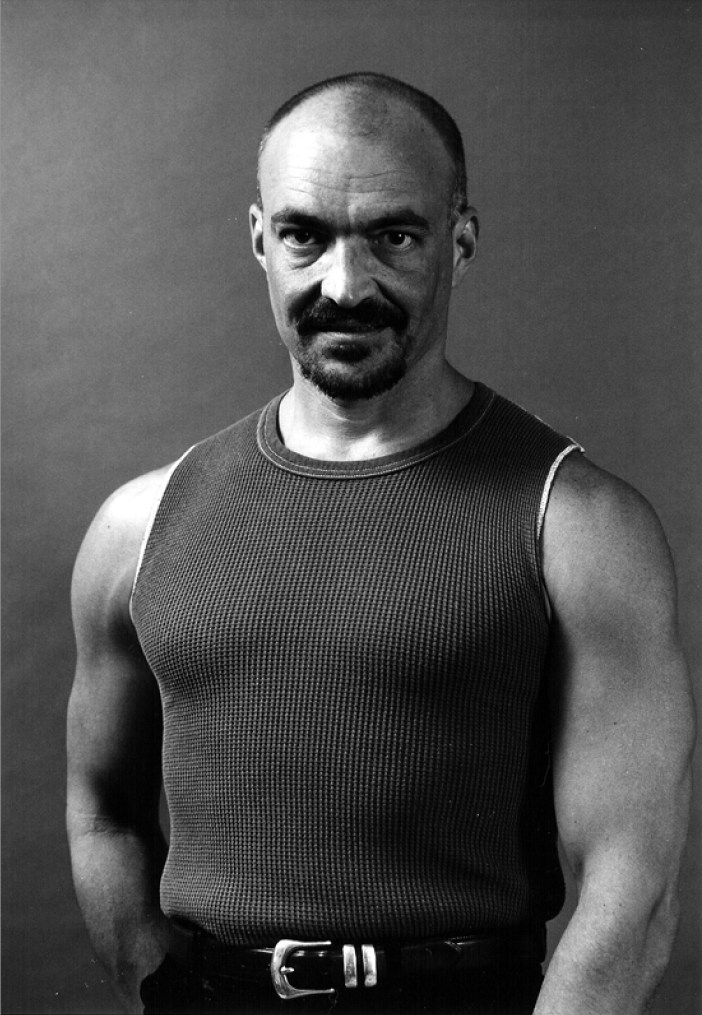
This, for an illustration, was my second author photo.
Taken by Sylvester Q, a photographer in New York, he also loaned me the shirt and some other clothes for the shoot. It was my first professional author photo shoot, and this was the best image, in my opinion, to come out of the session. I used it for Jackson Square Jazz (when I got the book down to reread it for the new edit for the 20-year anniversary edition, I noticed the picture) and for several other books. I don’t remember which image I used to replace this one–I think it’s the black and white one of me sitting and hugging my knees–but I am very well aware that I need new author photos. The one I just referenced was taken in either 2008 or 2009; the one of me with my stack of books is from around 2013 or 2014 (and yes, old age has hit me very hard since those last ones were taken). I did a shoot at Sleuthfest with Morgan Sophia in the summer of 2022; the pictures look like me but I don’t like the way I look in them, so I’ve not really used them.
Anyway, this was the image I provided to the Louisiana Book Festival when I was on a New Orleans Noir panel for their program in 2007 (I think). I don’t remember everyone else that was on it, other than editor/moderator Julie Smith and the person I am about to mention.
I was a little taken aback when said contributor sat down next to me, and exclaimed after we were officially introduced, “But I thought you were Black!”
She’d only seen my photograph in the program.
I was more amused than anything else, and perplexed. But when I looked at my image in the program later, it had printed even darker than the image above, which was already pretty dark. I think it had to do with how the shot was lit more than anything else. It was kind of funny, and it became a story that I told sometimes over drinks.
That wasn’t the first time my genetic heritage has been questioned by someone.
White people have this strange curiosity thing about people’s backgrounds, always trying to figure out where you’re from. “Are you German?” “Are you Italian?” That sort of thing. I will comment on a name–“oh, is that French/Spanish/German etc.”–but I would never ask anyone what are you?
I’d never really thought about it before the LCC incident, but people have very often wondered–and asked–what I am.
And in all honesty, I’ve never liked being asked, mainly because I wasn’t entirely sure.
I guess I am what is I’ve sometimes seen referred to as “ethnically ambiguous5“; in other words, had I been a movie star in Hollywood back in the golden age I probably would have been cast in roles that today would be considered offensive for me to play. People have often–again, this weird thing white people have about trying to figure out “what” I am–taken me for everything from Greek to Italian to indigenous to Syrian to Persian to Latino. I’ve never given it much thought, and I don’t really see it. My skin tone is what is called olive, and I’ve always tanned easily, a very dark brown with some red mixed into it (I’ve only been sunburned twice in my life). My facial features are a curious mix of my family; I look like both my parents, and my nose was broken in high school, with the cartilage never reattaching to the bone. I also shave my head, which apparently adds to the confusion.
Almost all of the ancestors (that I’m aware of, but I only know my father’s side, and there’s not anyone left on Mom’s side who’d know more) were British (Scots, Irish, English and possibly some Welsh) but white people have this weird need to classify people. I don’t know if it’s an American thing, or what, but it happens. Not so much anymore as it used to–maybe people are finally starting to realize that it’s offensive or that it doesn’t matter or some combination of the two.
But still. Basically, the woman in Albuquerque othered me. She looked at me and was confused, so she just had to find out what I was.
What I am. “What ARE you?”
And for the record, what happened to me at Left Coast is the kind of horrifically racist and offensive behavior that racialized people have to deal with multiple times every damned day. In some ways I’m glad it happened; that I got to experience racism targeted directly at me, but at the same time…it shouldn’t happen. To anyone, regardless of who they are or how they identify. It also made me very aware of my own privilege, which is something I do need a reminder about periodically; I get so wrapped up in being marginalized as a gay man that I forget how horrible it is to be a person of color in this racialized country and society and culture.
And ultimately, white people? It’s really none of your fucking business in the first place!
And would people have considered me white in the antebellum South? is a question we might have to revisit at another time.
Part of the struggle in writing this all down and sharing it with you, Constant Reader, comes from not wanting to make myself seem like either a martyr or center the conversation about racist bigotry on me. Unsettling as this all was–the privilege on display, the language used, the shame in not putting her in her place–it was momentary, something that didn’t impact or effect my life in any way; another anecdote for cocktail parties or dinner conversation. The sexual harassment aspect of it, had that been all there was (oh yes, during the ass conversation she also talked about mine), would have merely been something I would have laughed about with friends later, but the racial component was horrible. All I could think about was, really, how lucky she was that I wasn’t biracial.
Which makes me squirm more for not reporting it to the conference–what if she does this to authors or readers of color at one of these events? Was I coward for not only not stopping her but not reporting her? It’s been two years now, and I still am not entirely sure what I think or feel about this, which is very unusual for me; it’s very rare that I am unsettled this way.
But putting it all down has helped somewhat. I probably should have written this years ago.
I did buy her book that weekend, and once I read it became a fan. ↩︎
If you aren’t aware of this word, it’s an old, ugly, and pejorative term used for biracial people during the human trafficking era and the Jim Crow time that came after it. I’ve not heard anyone say the word aloud in at least fifty or so years. AT LEAST. If you want to understand just how offensive it is, it’s root word is mule–the product of interspecies breeding. Go fuck yourself, you horrible racist. ↩︎
Again an archaic deeply problematic word that actually comes from antebellum New Orleans, indicating how much Black blood someone had. These were the days of the “one drop” rule, which meant any Black ancestry, no matter how remote, made you Black in the eyes of the state and the law. Quadroon means one quarter, so the person had a single Black grandparent, the “roon” comes from “maroon”, which is another old and archaic racist term for Black people. Despicable, really. ↩︎
Credit where it’s due, she was using racist language that originated in New Orleans. ↩︎