Under the Boardwalk

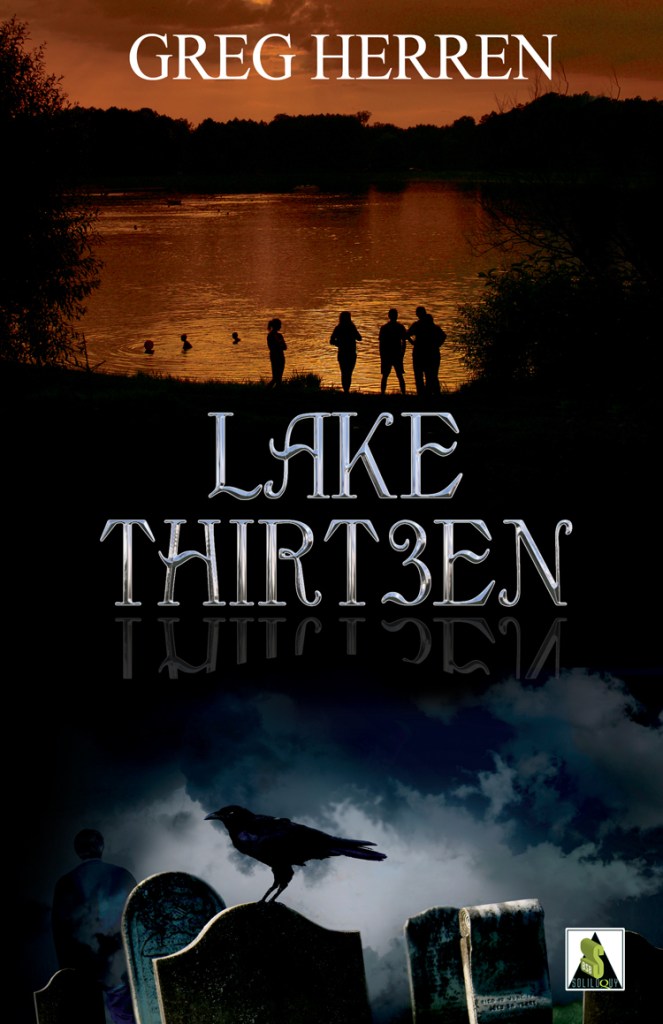
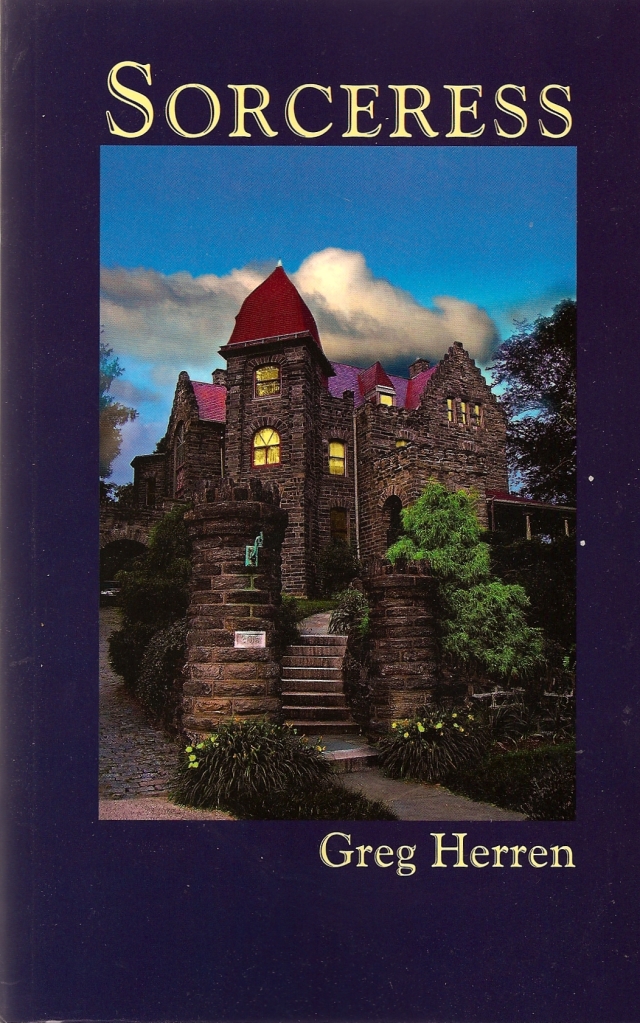
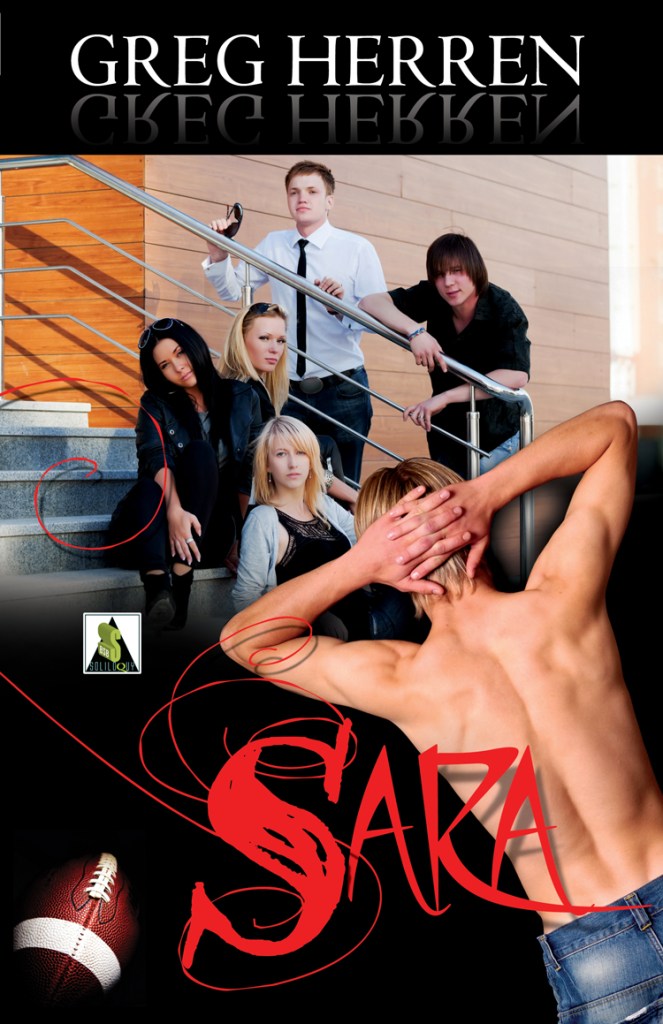
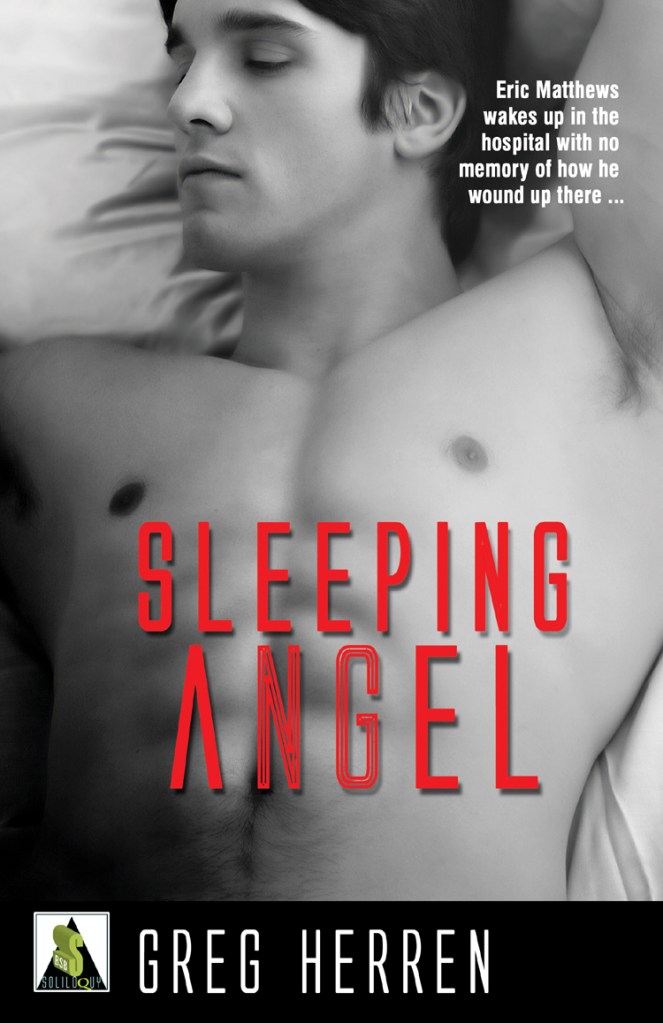
I hadn’t been sure that I would keep writing young adult novels after I revised, rewrote and published the first three (Sorceress, Sleeping Angel, and Sara) I didn’t know if it was a direction I wanted to keep going in. I knew I wanted to do stand-alones–always have wanted to do stand-alones–and I also like writing about teenagers and young adults.

You may remember (doubtful) me talking about a horror novel a while ago that I started writing in the 1980’s called The Enchantress that I only got about three or four chapters into before abandoning (because I didn’t know where to go next with it; and the first chapter I specifically remember rereading at some point in the decades since and shuddering in horror at how badly it was written), but one of the places in the book really stuck in my head–an old family-owned hotel called Mermaid Inn, which sat on the shores of Tuscadega Bay (which was my stand-in for Choctawhatchee Bay–my grandparents retired to a house on that bay and I’d always wanted to write about that area; still do–it’s where “Cold Beer No Flies” was set). After shelving The Enchantress (which I do think about from time to time, and wonder if I should revisit the idea) I kept thinking, you should write a book and call it Mermaid Inn because that is a great title!

I made a folder for it, wrote a few sketchy notes, and then… it sat in my files for a very long time.

If you will remember, I had originally planned to write an entire series of interconnected young adult novels, a la the Fear Street series by R. L. Stine, and one of the varied locations they would be spread out over would be Tuscadega, Florida, in the panhandle on a fictional bay. That was part of the note I scribbled for the folder–set this in the panhandle of Florida, and somehow connect it to the fictional Alabama county you’re going to write about someday.

I decided to write Mermaid Inn sometime after Hurricane Katrina, when I discovered yet again my own ignorance of geography. I was beginning to realize that the panhandle wasn’t the right setting for this book and decided to set it on the Alabama Gulf Coast, which made me realize I had absolutely no clue about that part of Alabama’s geography. I’d just never really given it much thought, to be honest; I knew Mobile was on the bay, and I knew that when you drive on I-10 through Mobile you have to take a tunnel below the Mobile River. I just had always assumed there was nothing south of Mobile in Alabama–I mean, it’s ON the water–and figured that those lower prongs of Alabama that reach down along the sides of the bay were uninhabitable wetlands. I discovered this to not be the case when visiting friends for the first time who lived in Alabama south of Mobile. They told me to take an exit off I-10 and drive south, which I didn’t think was possible.

Turns out it was–and I realized…this will work for my book! So I filed it away and forgot about it again.

I don’t remember precisely why I decided to write Mermaid Inn, but I did, and set in a small town on the prongs, south of Mobile; my friend Carolyn Haines helped me with some background and I know she told me some stories about closeted society men in Mobile and their hijinks and I thought, I could use this for the book and I think that may have been the impetus? And then I created my character, Ricky Hackworth, from Corinth, Alabama–po’ white trash who needs a swimming scholarship to attend the University of Alabama. (Sidebar: alert readers will recognize that Beau’s last name in Bury Me in Shadows–and at one point in the story he mentions he’s only the second Hackworth to go to college; “besides my cousin who got a swimming scholarship.”)

Bold Strokes didn’t like the title, and for perhaps maybe the fourth or fifth time in my career my original/working title didn’t make it on the cover. They recommended Dark Tide, which I really liked because it gave the sense of the book’s mood and tone and voice…and darkness.
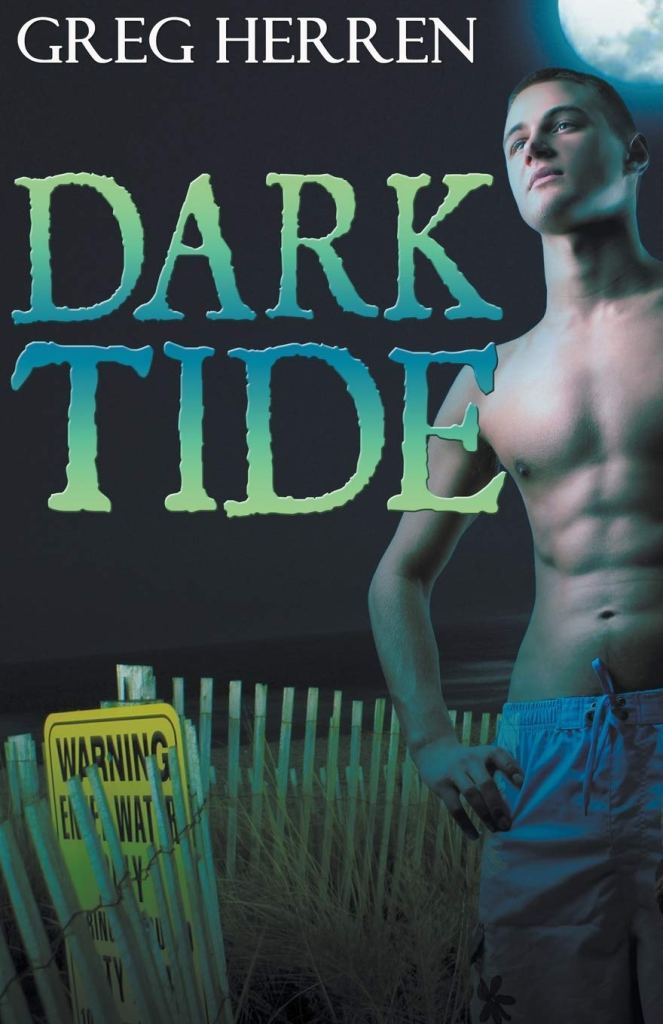
The engine of my pickup truck made a weird coughing noise just as I came around a curve in the highway on the Alabama Gulf Coast and I saw Mermaid Inn for the first time.

My heart sank.

That’s not good, I thought, gritting my teeth. I looked down at the control panel. None of the dummy lights had come on. I still had about a half tank of gas. I switched off the air conditioning and the stereo. I turned into the long sloping parking lot of the Inn, pulling into the first parking spot. I listened to the engine. Nothing odd. It was now running smooth like it had the entire drive down. I shut the car off and kept listening. There was nothing but the tick of the engine as it started cooling.

Maybe I just imagined it.

Hope springs eternal.

The last thing I needed was to spend money on getting the stupid old truck fixed. Maybe it just needed a tune-up. I couldn’t remember the last time it had one.

Dad gave me the truck when I turned sixteen. It had been his work truck since before i was born–it was two years older than I was. He’d finally broken down and bought himself a new one. This old one was dependable and had almost two hundred thousand miles on it. Dad had taken good care of it. He’d babied it, gotten an oil change every three thousand miles without fail, and I could count on one hand the number of times it had been in the shop to be repaired.

It still had the original transmission.

It might not have been the nicest or prettiest car in my high school parking lot, but it got me where I needed to go and got good gas mileage. Since I was saving every cent I could for college, that was a lot more important than horsepower and cosmetics and a loud stereo that rattled your back teeth. The swimming scholarship I’d accepted from the University of Alabama wasn’t going to remotely cover anything close to the lowest estimate of what my expenses might be, but it was the best offer I’d gotten.

And I was grateful to have it. If they hadn’t offered, I wouldn’t be going at all.

Swimming was my ticket out of Corinth, Alabama.

That opening scene!

Dark Tide was probably my most hard-boiled young adult title published to that point. It was a dark story, and Ricky was poor–an economic condition I’d touched on with Sara, and something I generally try to avoid when writing. I’ve been poor, and I know how it feels; I don’t like remembering those days of checkbook mistakes and bounced checks and not having enough money from one paycheck to another. Ricky has taken a summer job as the lifeguard at Mermaid Inn in Latona, Alabama (Latona is another name for Daphne, which is actually a town on the prongs below Mobile), to save money to pay for college expenses his swimming scholarship to the University of Alabama wasn’t going to cover, and the water being there meant he could continue training. Once he arrives and is shown to his room on the uppermost floor of the building and meets the owner’s daughter, he learns that his predecessor from the summer before had simply disappeared–and young teenaged boys disappear with an alarming regularity over the past few years. He starts asking questions, mostly out of curiosity, and also starts having horrible dreams, about vicious mermaids beneath the water, and there are a lot of stories about killer mermaids from the days of the indigenous people and the Spanish. I wrote some terrific scenes in this book that I was really proud of–one particular dream sequence was especially chilling–and I was also trying something with the rhythm of the words, which I hadn’t done in a very long time, and I think it worked.

Writing Dark Tide was important to me because this was the book that reminded me again that I was writing stand-alones to help keep the series books fresher, more creative, and less paint by the numbers, too.
Oh Very Young

So, are you ready for some MORE blatant self-promotion?

During the Bold Strokes Book-a-thon, the other panel I was on had to do with writing young adult fiction (the other panelists were amazing, I might add), and once again, I am answering the questions sent to us by the moderator to turn into an interview with JUST me (because it’s all about ME ME ME) but I do urge you to seek out the video of the panel. It was terrific, and I was definitely the most uninteresting person on the panel, seriously; this is NOT self-deprecation. (I bought everyone’s books during the panel, I might add; definitely check out Lauren Melissa Ellzey.)

What is the definition of Young Adult? How does it differ from other genres?

I think it’s primarily an age distinction, to be honest, which is something that always makes me uncomfortable. Growing up I read far above my age level; when I was in seventh grade I was reading at a college level, per the tests and so forth. I mean, I did read The Godfather when I was ten; my parents, despite their conservative religious beliefs and values, let me read whatever I wanted without having to ask permission–I think when I asked Mom if I could read something the last time she replied “Read whatever you want, I don’t care” and after that I never asked again. When I was a kid, there was no such thing as young adult; everything was either for adults or “juvenile.” The juvenile category contained multitudes, beginning with the Little Golden Books and picture books to kids’ mysteries to Judy Blume. I think sometime in the 1980’s the genre was separated into “juvenile” for kids 8-12 and “young adult” for 12-18.

But there are kids like me, who can read above their age/class level and others who can’t read at their age/class level, and I think in some ways that differential could be harmful for those who are below-average readers–reading is the most crucial aspect of education, because if you can’t read…and no matter how many ways they try to make the language around slower readers more accepting and less stigmatizing…it doesn’t really help kids to be told they’re below average or not as smart or quick as the other students. (One of my primary problems throughout my education is I would understand something the first time, while others inevitably didn’t, and as the teacher explained for a second or third or more time, my ADD would kick in and my mind would wander because I didn’t need to listen and then wouldn’t be listening when the teacher moved on.

Ah, well. 

Oh, and all subgenres of fiction also have the middle grade/juvenile and young adult sub-sub-genres.

Why or how did YOU choose YA?

I don’t know that I chose y/a so much as it chose me.

I started writing when I was a child (all my childish scribblings are lost to moves and time passing), and I wrote about kids my age. My first attempts at writing were always some kind of kids’ mystery series, a la The Hardy Boys and The Three Investigators (I’d still like to do this, frankly), and when I became a teenager, I started writing about teenagers. I wrote a bunch of short stories while in high school about the same group of kids going to the same high school. Those stories slowly but surely grew into a sprawling, handwritten novel about the county with plots and subplots and main characters and minor characters and all of this history; a “Peyton Place in Kansas kind of thing”. I worked on it for like five years, and eventually had this enormous sprawling mess that needed to be revised and rewritten and typed…and since I didn’t know how to type, made that part of it a problem. So I shoved it into a drawer and started pulling from it rather than revising it; taking out plots and characters and using them in other books and other stories.

After I finished that, I spent the next five years mostly working on short stories. I started another book, more horror than anything else, but never got further than the third chapter. I finally decided to write a horror novel built from my old manuscript and those short stories from high school. I was about three chapters into it when I discovered two things: there was a big market in y/a horror at the time (Christopher Pike and R. L. Stine were HUGE during this period) and so I bought some of them. When I finished, I thought, “You know, I should turn Sara into a y/a novel” (because I thought somehow that would be easier? Foolish, foolish rookie) and so… I did. I was right in that thinking of it in those terms made it possible for me to finish a draft, but I wasn’t very happy with it so I put it aside and started writing another one, Sorceress, which was also horror but also had some strong Gothic moments in it. When I finished that one, again I wasn’t pleased with it so I started another–Sleeping Angel–which was the one I thought really had potential. I never finished that draft–by this time I’d discovered that gay fiction and nonfiction existed, so I started reading that and trying to write about gay characters instead.

Those manuscripts remained in my drawer for well over a decade, until a friend of mine took a job as a young adult acquisitions editor, and she wanted to work with me. I told her I’d written three (although it was technically two and a half), and gave her a brief synopsis of them. She liked Sorceress the best, so I started revising and editing it and turning it into something publishable. Once it was all done, she’d left that publisher, but started her own small press for y/a books for underrepresented teens, and she wanted to launch the press with Sorceress. I said “okay” and we were off. I eventually realized I needed to let Bold Strokes know, and when I did, I got an email back saying you know we do y/a, too? And so I sold the other two to them, and have never looked back since then.

Are there specific rules for writing YA (things you can’t do)?  Does Bold Strokes add on or impose specific or additional rules?

I don’t pay too much attention to rules, frankly. There’s no graphic sex in my books, but it’s hinted at. I also try to swear less in young adult books than I do in adult fiction, which is probably not as big of a deal as I think it is? The society I grew up in was a lot more puritanical–believe it or not–that the one we live in today. So I always default to that setting, and then have to shake it off. Swearing isn’t as big of a deal as it used to be. No one thinks they’re marrying a virgin anymore, and on and on. And having been attacked for daring to accept an invitation to speak to queer high school students, I tend to tread softly. There have been a couple of times where I’ve had to change language, or how a scene went, because my editor thought it might be problematic; and frankly, I never want to be offensive, so I have no problem with it. I don’t see it as a free speech issue the way so many intentionally offensive writers claim it is. I shouldn’t take offense to someone calling me a faggot? Grow the fuck up. The so-called free speech “crusaders” are always defending hate speech as well as trying to shut up the people who find it objectionable. You do not have a constitutional freedom from consequences or getting a negative response to things you say and do, period. It’s really not hard to understand unless you want to be passive/aggressive and childish and a moron.

How do you remember back to these days, specifically how it felt or feels? (this is coming from your moderator who is much older than you are)

Well, for one thing, I’ve always kept a journal and I still have them all. (I was insufferable when I was younger, seriously.)

My sister has a theory that we forget a lot of the pleasant memories from our childhoods, but remember the traumas in great detail. I believe the truth of that, because school was a nightmare for me from the day we moved to the suburbs until I was done with it. I remember how it felt to read Greg Herren sucks cock on a desk at school. I remember how it felt to be mocked, laughed at, and bullied by assholes. I do remember the good things, though I tend to always focus on the bad.

The first thing I always do is abandon whatever “wisdom” about life I’ve theoretically learned since leaving high school, and put myself into the teenager mindset: they think they are the main characters in everyone they know’s story, and everything is the end of the world or their life is ruined and you are the most horrible parent ever! I’m not entirely sure I’ve escaped thinking that way, to be brutally honest: I am horribly selfish.

How do you come up with your characters?  Your stories? 

I am weird in that I inevitably always start with a title. I hear something or read something and think, that would make a good title. The next question is what story would fit that title? And it kind of goes from there. The title may change, the character names and story might change and evolve, but I can’t write anything that doesn’t have a title. Bizarre, I know. Usually with my young adult stuff it’s an idea I’ve had for a number of years and finally decide to explore whether it’s a novel or a short story, and go from there.

Dark Tide was originally called Mermaid Inn, Bury Me in Shadows was originally Ruins, but the others pretty much stayed the same from beginning to end.

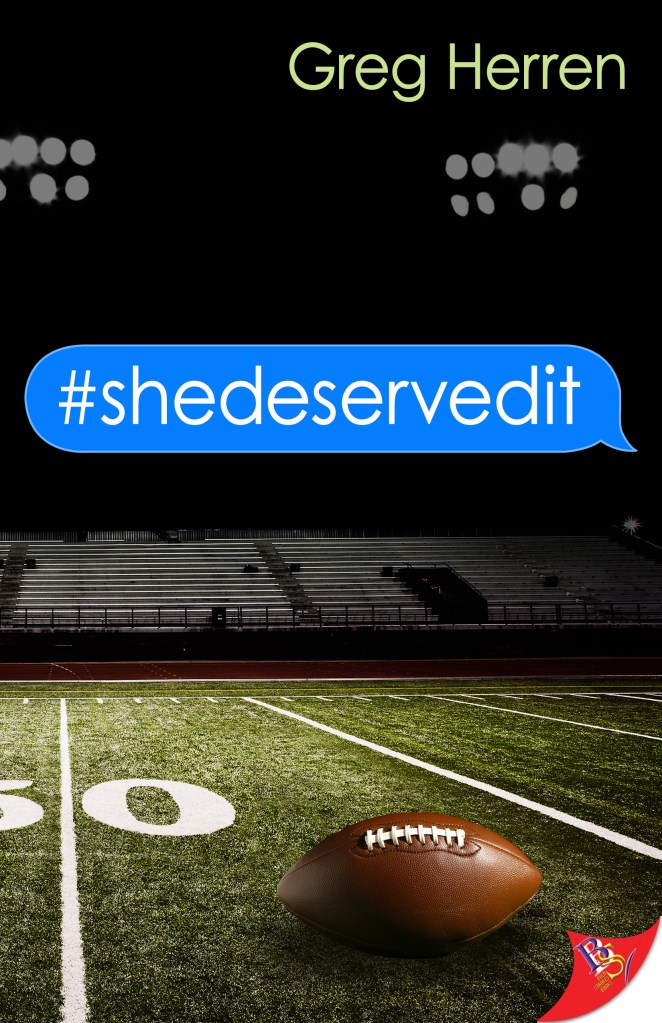
I wrote #shedeservedit because I was angry about the Steubenville/Maryville rape cases, and remembered stories and gossip from when I was in high school and college…and rethinking them through a more evolved brain about women and misogyny… well, it made me angrier. I had already planned on writing a story set in the same town with the same characters and opening with the same murder (I always referred to it as “the Kansas book” for years), but the motive was something I always had trouble grounding in reality. After those cases…it clicked in my head. You need to write this story about small town misogyny, protecting the star jocks from the girls at all cost, and make that the plot. It was easy to write because I was angry. Making it a compelling read was harder, because the subject matter was sickening to me.

I needed to write that book, and I don’t regret doing it, either…but it’s not exactly a feel good story people can escape into, either.

Why do you think YA is so popular?

It’s more accessible, I think. I mentioned reading ability before, and I do think that most readers aren’t into the Great Literary Tomes, hundreds of pages of beautiful writing with no real point or story. People kind of want to escape their cares and worries, and y/a books tend to be really entertaining. We’re competing with phones and tablets and streaming, so we need to write entertaining and engaging books.

Any specific must do-s or must-haves to get your writing each day?

I’m not nearly as anal about that as I used to be, before I returned to work full-time. I am very aware that I have little time to waste when I write, and thus must seize whatever opportunities to write show up. But if pressed, coffee. I can’t write unless I’ve had coffee when I got up.

The Girl Is Mine

I have always loved to read. I always escaped from the world into the pages of books, and quite often thought and/or believed that the world as it appeared in books was a much better place than the world I lived in. Being different from other kids, on top of all the other chemical imbalances and so forth going on in my head (hello anxiety!) left me constantly on edge; never knowing when the next unkindness or disruption to my life was going to happen. My parents worried often that I read too much instead of playing and doing little boy things–which never held much interest for me–but never knew that it was my life, and those societal little boy expectations, that I was trying so hard to withdraw from. I don’t know how old I was when I began realizing that the world was nothing like the books I read; and that interpreting and viewing the world from a perspective primarily gained from the reading of books for children–which were very much about establishing norms and behavioral expectations of kids–was a mistake. Even books for adults–which I started reading when I was about ten years old–didn’t really help me in dealing with the world.

But books were my solace and my job as a child, as a teenager, as a young adult, and even all the way through my thirties. I also drew comfort from rereading favorites over and over again; if I didn’t have the time to start something new I’d just take down an old favorite and reread it again. I recently realized I don’t do that anymore and haven’t in a while; on the rare occasions when I do reread something it’s a choice–“it’s been a while since I reread Rebecca, I should give it another whirl”–and just assumed it was because I have little time to read so I don’t reread anymore. That’s not the actual case; I could reread things instead of going down Youtube wormholes, but I don’t…because my life isn’t so horrible that I need that escape from it anymore and I don’t need the comfort from revisiting the familiar. This is progress, after all, and I am very happy about that realization.

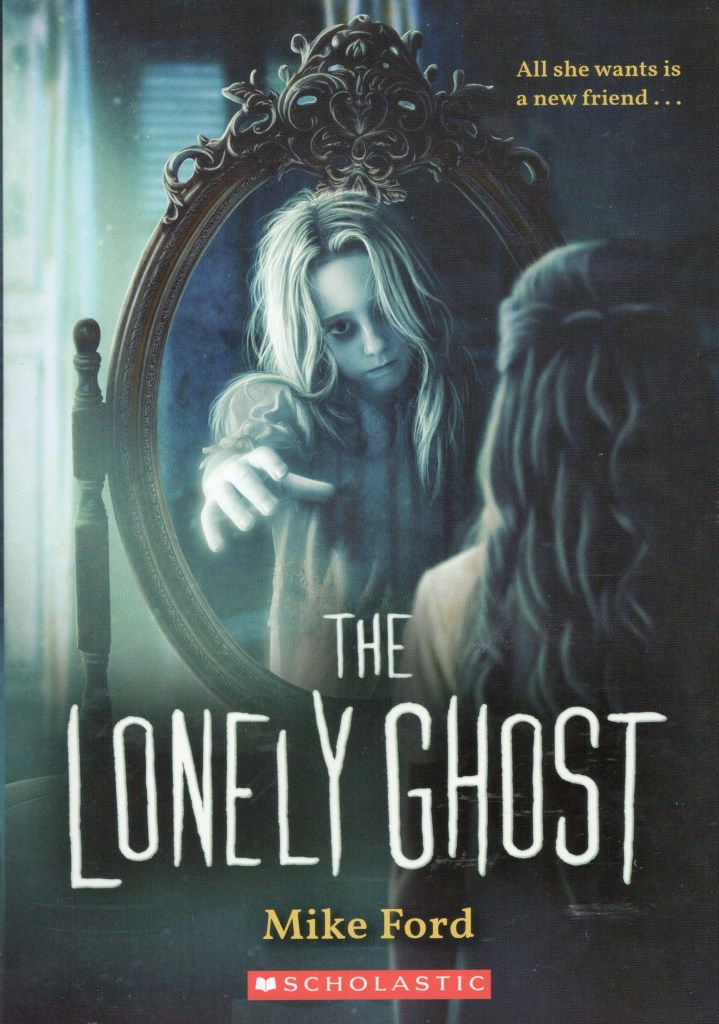
But I digress. I read a middle grade ghost story recently, and it was exactly the kind of book I used to look for at Scholastic Book Fairs and at the library.

“Ouch!”

Ava peered at her fingertip, where a bead of blood was forming. She stuck her finger in her mouth and glared at the rosebush she had been hacking away at with a pair of clippers. Her blood tasted coppery on her tongue and made her feel sick. She took her finger out and pressed her thumb against the spot where the thorn had pricked her. There was a little sliver of black visible beneath the pale pink skin.

“You need to get that out,” Cassie said. “You could get sporotrichosis.”

“Sporowhat?” Ava asked.

Her sister swept her long, dark hair out of her face and tucked it behind her ear. She, of course, was wearing gloves. “An infection caused by the Sporothrix schenskii,” she said. “It’s a fungus that grows on rose thorns. among other places,” she added when Ava stared at her with one eyebrow cocked. “Named after Benjamin Schenck, the medical student who first discovered it, in 1896.”

“Oh, right,” Ava said. “Benjamin Schenck.” She pointed at Cassie with the clippers. “Why do you know these things?”

“I was reading up about roses,” Cassie said. “Because of the garden and the Blackthorn roses. It just came up.”

“Most girls our age read about pop stars,” Ava teased.

I’ve debated about trying to write for middle-grade readers most of my life. While there were books I enjoyed when I was a kid, as I mentioned before, the stuff classified as “juvenile” in those days rarely depicted kids who were anything like kids I knew in real life; often-times the books always featured kids who never broke rules, never got annoyed or frustrated or angry; paragon children that the authors wished real world children would be more like. (The Hardy Boys and Nancy Drew are perfect examples in their revised versions) I enjoyed the mysteries (and the historicals), but never could really relate much to the characters.

The Lonely Ghost isn’t one of those books, and as I mentioned earlier, had Mike Ford been writing these types of books when I was the right age for them, he would have been one of my favorite writers. Look how great that opening scene is–we meet the two sisters, get a sense of who they are and what their relationship is like predicated on how they speak to each other (sisters who love each other and are fond of each other but also are very different). This book follows the classic horror trope of an unsuspecting family moving into a spooky old house–either inherited, or purchased very cheaply–where they hope to make a new life for themselves, only to find the house isn’t what they expected. What we don’t learn about Ava and Cassie in that opening scene is they are fraternal twins–which is also incredibly important to the story. Ava’s more worldly and outgoing, a soccer star; while her sister is quieter, more studious, and into Drama Club, where Ava also ends up because they didn’t get her application for soccer in on time. But there’s something going on in the house that has to do with the previous owner–who also had a fraternal twin–and strange things start happening; and Cassie also starts acting strangely. Ava and her new friends have to get to the bottom of the haunting of Blackthorn House before it actually harms Cassie.

The book flows really well, and the girls–and their friendships–seem absolutely real. It’s been a minute since I’ve read something middle-grade, and aside from language and situations, the primary difference between it and young adult seems to be lower stakes in every way–no murders or sexual assaults or anything that might be too much for younger readers. It’s easy to get lost in the story because of a strong and compelling authorial voice, and the girls are all distinct enough within who they are and what they look like–which isn’t always the case–and it reads very quickly.

Mike Ford is the middle-grade authorial name for my friend Michael Thomas Ford, by the way, and yes, we’ve been friends for a long time but I also believe he is one of the best gay writers of our time and doesn’t nearly get the recognition or rewards that he deserves. I’m looking forward to reading more of these stories!

Southern Nights

I have a confession to make that is more than a little shameful. You see, I occasionally write books that are classified as “young adult fiction” because the protagonists are young; usually high school students, sometimes college. The shameful confession is that I write and publish young adult fiction without reading very much of it. Most of my reading time is devoted to crime novels for adults, the occasional horror novel, lots of history and non-fiction, and the occasional short story. My biggest influences on my y/a are Christopher Pike, R. L. Stine, and Jay Bennett (there will be much more on him at another time); and sometimes I do manage to slide a young adult crime novel into my TBR stack. But outside of crime and/or horror? I don’t read any y/a that can’t be classified as either of those genres.

I’ve also not had the pleasure of reading a great deal of young adult fiction set in New Orleans. The one thing I’ve not actually done–despite writing a lot about New Orleans and a lot of young adult novels–is write a young adult novel set in New Orleans. I read one about a decade ago that I simply loathed; it was a ghost story set around Lafayette #1 in the Garden District, and it just didn’t click with me. I kept thinking the whole time I was reading it, this could have been so much better. It’s not like I don’t have any ideas for young adult fiction set here; I’ve any number of those ideas sitting in my files–everything from Maid of New Orleans to Daughters of Bast, among others–but I think I am resistant to writing New Orleans-based y/a because I didn’t grow up here. It’s hard enough to have Scotty reminiscing about his days at Jesuit High School when I didn’t go there, let alone writing an entire book about a teenager in New Orleans.

So, imagine my delight this past year at Saints and Sinners when I discovered that one of my co-panelists on the y/a panel was a local named Chris Clarkson who’d just published his first young adult novel set in New Orleans. Naturally, I got a copy–I really liked him, and I owe him a text message–and have really looking forward to digging into it.

Constant Reader, it did not disappoint. And it’s neither crime nor horror.

I absolutely loved it.

Solange’s snakeskin pumps were abandoned by the door, one standing proud, and the other playing possum on its side. Beside her, crumpled in a heap of lavender and lace, was the dress we shopped for on Magazine Street last week. The dress she had been so thrilled to find.

“Excuse me, ma’am. You sashayed in here serving body and hair teased to the gods. Why did you change? I demand an encore! Body. Dress. Wig. Grace.” I pointed at the sad taupe button-down shirt she was wearing. “Put your high heels back on and act like you got some common sense.”

Solange wiped at her tears. “Jess, I’m not in the mood to fool with you.”

“Good, I’m not in the mood to fool with you either.” I sank down on the floor beside her. She sniffed and wiped at her nose. “Why’d you change?”

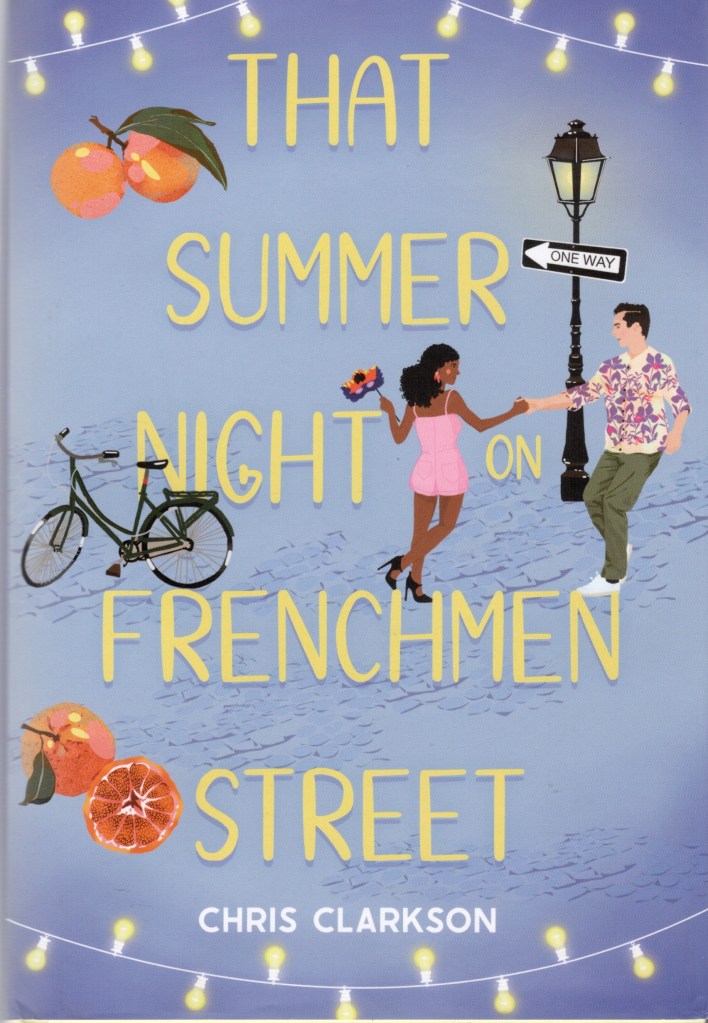
That Summer Night on Frenchmen Street is, of all things for me to read, a romance–on several different levels. Our two main point of view characters are Tennessee and Jessamine–great names for a couple, don’t you think–and they initially are in the same orbit because they are both having meals at Commander’s Palace when the book opens. Tennessee’s full name is Tennessee Rebel Williams, and he’s a child of wealth and privilege from Oxford, Mississippi. His dad is an alcoholic douchebag and his mother is a narcissistic author. The marriage is a non-stop battle royal, with Tennessee doing most of the suffering. His mother has decided she needs to move to New Orleans to finish her next book, and she brought Tennessee with her; they have a big house on St. Charles Avenue, and he’s enrolled in Magnolia Prep–the rich kids’ private school in the book. Tennessee also wants to be a writer but he’s also a bit adrift; getting ready for college but still not mature enough or strong enough to stand up to his awful parents.

Jessamine is a native New Orleanian with a twin brother and a deceased father. Jessamine also has some issues from her own past that are troubling her, making her behave in self-destructive patterns that could affect her future and college choices. She feels drawn to Tennessee–their developing relationship is one of the strongest parts of the book itself–but cannot commit. She cares about him but keeps him at arm’s length because she’s afraid she’ll just end up hurting him. As the story progresses, we slowly become aware that Jessamine suffered a horrific trauma as a child, one that she’s never really confronted or dealt with, and that trauma is the key to her self-destructive behavior. Her twin brother, Joel, is gay but not out yet; he’s not really sure who he is and what his sexuality is, which causes trouble for him and his love interest, a wealthy young Black kid named Saint Baptiste (who deserves a book of his own, really) goes to school with Tennessee and becomes one of his best friends–since they are falling for twins, how could they not?

There’s also a fantastic trans character, Joel and Jessamine’s cousin Solange–who also deserves her own book–that I couldn’t get enough of, either. Clarkson also does an excellent job of exploring–even if casually–the generational divide between the teens and their parents, through Solange’s tradition; the elders still dead name her, and the teens are always pleased whenever one of the older generation gets Solange’s gender and pronouns correct.

All the main characters, despite their faults and flaws and past traumas, are completely likable and people you can’t hope but root for; you want their love to conquer all, get their lives settled, and grow from their traumatic pasts. It was fun seeing New Orleans through teenaged eyes; I’ve always wondered what it would be like to grow up here, where New Orleans is your default to normality.

Highly recommended, and one of my favorite books set in New Orleans.

If Anyone Falls

I absolutely loved the tag line for the marvelous television adaptation of Megan Abbott’s equally brilliant novel Dare Me: “There’s something dangerous about the boredom of teenaged girls.” It’s also incredibly accurate; our teen years often impact and influence who we become and can color the rest of our lives. I loved Dare Me; it was lyrically, hauntingly written, and the story it told, while actually pretty simple, showed how the intricacies of relationships between young girls and authority figures who aren’t much older than they are, can become so complicated and complex; layers of love intermingling with hate and jealousy, the power dynamic shifting and changing as the characters themselves shift, change, and grow from their experiences.

I write, sometimes, books where the main characters are young–teenagers, either in high school or college or having just completed college–and those books are often labeled and marketed as “young adult” fiction, even though I generally just consider them novels about young people. I mean, technically novels about young people are young adult novels, and yet while I am resigned to this marketing label I am never certain if my books truly qualify or not. Perhaps that’s some kind of internalized arrogance and a sense of subconscious superiority to what I consider something lesser; it’s definitely something I should unpack at some point. But I think it is also an interesting starting point for one of my endless essay ideas, and perhaps someday–when I am less scattered, less all-over-the-place mentally and creatively–I’ll be able to sit down and write all those essays I want to write.

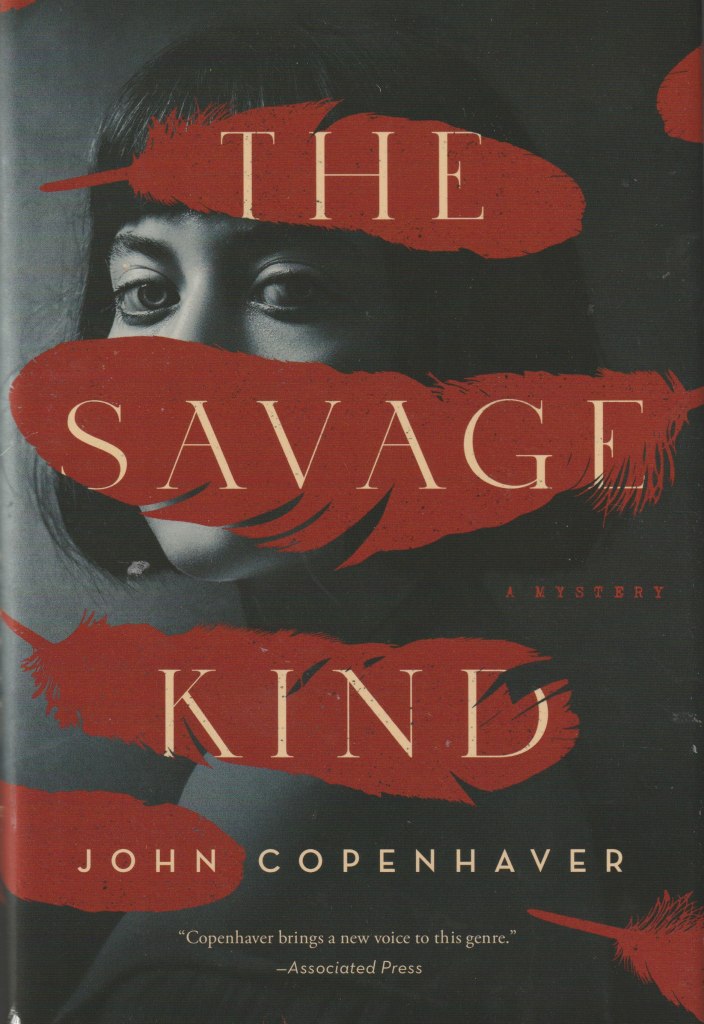
Which brings me to John Copenhaver’s second novel, The Savage Kind, which I just finished reading yesterday.

If I tell you the truth about Judy and Philippa, I’m going to lie. Not because I want to, but because to tell the story right, I have to. As girls, they were avid documentarians, each armed with journals and buckets of pens, convinced that future generations would pour over their words. Everything they did was a performance. Everything they wrote assumed an audience. After all, autobiographers are self-serving, aggrandizing. Memoirists embellish. It’s unavoidable. To write down your memories is an act of invention, to arrange them in the best, most compelling order, a bold gesture. Some of the diary entries that follow are verbatim, lifted directly from the source, but others are enhanced and reshaped. I reserve my right to shade in the empty spaces, to color between the lines, to lie.

You may balk, dear reader, but I don’t care. I need to get this right.

I could take different approaches. I could contrast the teenage girls: the black hat and the white, the harpy and the angel, the cunning vamp and the doe-eyed boob. Or I could draw them together, a single unit: Lucy and Ethel, Antony and Cleopatra, Gertrude and Alice, Holmes and Watson, or even, I dare say, Leopold and Loeb. But neither of those angles would work. The complicated facts are inescapable. These girls are both separate and together, but many times, they followed their own paths and even crossed one another. Things are never that simple, never that black and white, that good or evil, or that true or false. I’m not writing this to assign blame, or to ask forgiveness, or to tie it up in a bow for posterity. It’s not that kind of book.After all, an act of violence committed by one may have originated in the heart of the other. That’s to say, this is a story about sisters, and like many of those dusty and gruesome stories from ancient literature, here sisterhood is sealed in blood.

I should know. I was one of them.

Great opening, right?

John’s debut Dodging and Burning won the Macavity Award*, and was quite the impressive debut. II was completely blown away by the book myself–it showed a maturity and sophistication in theme, writing, and characters that one rarely sees in a debut novel. One of the things I thought was very interesting about the book was that while it did focus on a gay story, the main voices in the book were young straight women; I thought that was a risky thing to try to pull off, but he did a really excellent job.

As good as Dodging and Burning was, I wasn’t prepared for how good The Savage Kind would be.

The heart of the book is the friendship/relationship between two damaged young women in the post-war afterglow of the late 1940’s in Washington DC. (Both of John’s novels are set in the post-war period, when the world was trying to go ‘back to normal’ after the massive paradigm alteration of a global war that left most of Europe and significant parts of Asia in ruins; tens of millions dead, billions in property damage, and the world needed to rebuild from the rubble–and normal was also being redefined; the paradigm shift caused by the war made going back to “the way things used to be” practically impossible–which makes it a very interesting time to write about.) Philippa’s mother died giving birth to her and she has a slightly adversarial relationship with her stepmother, Bonnie. Judy was raised in an orphanage and adopted by a wealthy couple who had lost a daughter in a particularly brutal way–Judy was adopted to replaced their raped and murdered daughter, but her adoptive parents are still too scarred and damaged from the lost of their own child to raise and love another, and this history also colors Judy’s personality and who she is. The two girls find each other and become very close friends; so close that their love for each other might go even deeper than the Platonic ideal of friendship–their teenaged hormones raging out of control, are romantic/sexual feelings also developing between the two of them?

They are also playing girl detectives, trying to get to the bottom of a mystery that they don’t know has anything to do with them beyond the idle curiosity (and their dangerous boredom) but as they look further into the mystery revolving around a classmate, a favorite teacher, and that classmate’s family–as well as their own–they become more and more deeply enmeshed in danger and cling even tighter to each other.

As if that juggling act isn’t tough enough, Copenhaver makes all of these characters realized, fully developed and realistic in their emotions, their feelings, and their reactions. He also tells the story in alternating points of view between the two girls while they are experiencing the events, as well as a narrator voice from the future, telling the story in retrospect as well as talking directly to the reader. This is hard to pull off, particularly the omniscient future narrator–the last time I saw this used so effectvely and memorably was in Thomas Tryon’s The Other (at least, this is the book that popped into my head as I was reading, and it’s a favorite of mine).

The Savage Kind was nominated for a Lefty Award, and it very deservedly won the Lambda for Best Mystery recently. I highly recommend it!

*I may be wrong here, but I think he might be the first openly gay author of a book with gay characters and themes to win the Macavity Award; I know I was nominated once for a short story–but my characters and themes weren’t queer.

Illicit Affairs

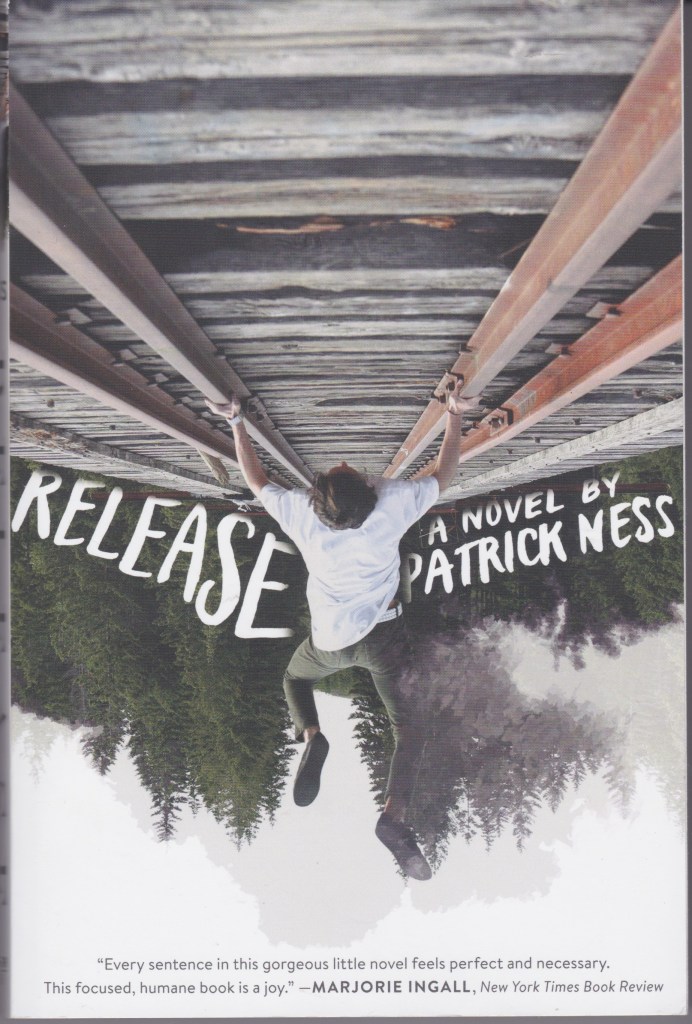
It’s been awhile since I’ve read a young adult novel, and it’s certainly been awhile since I read one that I enjoyed as much as I did Patrick Ness’ Release.

The other day when I finally finished writing and published my blog about writing queer young adult fiction, I reread the articles I linked to in the piece–the ones that triggered me writing it in the first place–and discovered that one of the books considered “problematic” for its depiction of gay teen sexuality was Release by Patrick Ness. I looked it up, and discovered I had already purchased it back when I was originally writing the entry, shelved it, and forgotten about it. It was right there on the top of the first bookcase I went looking for it in, and I took that as a sign that I should go ahead and read it.

I’m really, really glad I decided to go ahead and finish those pending draft entries, because that led me to reading this delightful book.

Adam would have to get the flowers himself.

His mom had enough to do, she said; she needed them this morning, pretty much right now if the day wasn’t going to be a total loss; and in the end, Adam’s attendance at this little “get-together” with his friends tonight may or may not hinge on his willingness/success in picking up the flowers and doing so without complaint.

Adam argued–quite well, he thought, without showing any overt anger–that his older brother, Marty, was the one who’d run over the old flowers; that he, Adam, also had a ton of things to do today; and the new chrysanthemums for the front path weren’t exactly high in the logical criteria for attendance at a get-together he’d already bargained for–because nothing was free with his parents, not ever–by chopping all the winter’s firewood before even the end of August. Nevertheless, she had, in that way of hers, turned it into a decree: he would get the flowers or he wouldn’t go tonight, especially after that girl got killed.

“Your choice,” his mom said, not even looking at him.

Release was, for me, kind of a revelation, and what more can anyone ask for from a novel?

As I mentioned the other day, one of the primary issues I’ve faced–and worried about–in writing queer young adult fiction is the issue of sex and sexuality; times have changed in many (and better) ways since I was a terrified teenager deep in my closet and afraid someone, anyone, might find out my actual truth. There’s also the endlessly cliched trope of the coming out story; there have been many of those stories written and published; what else can you do that’s fresh and new? The trope of the deeply religious parents and their inability to accept and love their child has been done plenty of times; to the point where I’ve really not ever wanted to go near it. Release is yet another one of those, but it’s actually done so well it seems fresh and new; Adam’s dad is an evangelical pastor at a wannabe megachurch, but their church exists in the shadows of a much more successful local one, and so Adam’s family is a bit cash-strapped, particularly since his mother lost her job.

But the most refreshing part of the story is that Adam actually not only thinks about sex, he actually has it. He is currently on his fourth (secret) boyfriend, one of the only out kids at his high school, and still mooning over Enzo, with whom he was involved for fourteen months and then was transitioned into the “friend zone”–while Enzo moved on and went back to dating girls. He still has unresolved feelings for Enzo–what teenager hasn’t been dumped by someone they still love?–that interfere with, and complicate, his relationship with Linus, who actually does love Adam. The “get-together” that night is Enzo’s going away party; he and his family are moving to Atlanta, and this will be the last time Adam will ever see him. It’s teen melodrama, worthy of Gossip Girl or any number of teenage melodramas, but it’s done so well and Ness makes Adam so likable and relatable, you can’t help but root for him to figure it all out and not mess it up.

There’s also an absolutely lovely sex scene between the two of them–Adam and Linus–that, while undoubtedly making certain people uncomfortable (Oh no! Two gay boys in bed together! HAVING THE GAY BUTTSEX!!!!) is actually neither explicit nor graphic, and says a lot by saying very little; which also made me realize that yes, indeed, Greg, there’s a way to write sex scenes so that they are expressions of desire and need, yes, but also of emotion and love. (Mine–when I used to write erotica–were athletic and nasty and passionate.)

I highly enjoyed this book, and while there is a weird subplot story going on at the same time as Adam’s story–one that never really is explained the hows and whys of, or of how these supernatural creatures are somehow connected to Adam–it’s not jarringly off-track, even though possibly unnecessary or connected.

It’s a terrific book. I will definitely read more of Mr. Ness’ work.

The Long Run

Not only do I write two private eye series, erotica, and the occasional stand alone,  I also, sometimes, write what’s classified as young adult fiction. I have not published anything that could remotely be considered y/a in quite a while, and therein lies a tale (I think the last book I published that could be considered “young adult” was Dark Tide; I could be wrong. I no longer remember when and in what order my non-series books came out).

To be clear, the fact that I even call those books “y/a” even though I don’t really think of them as young adult fiction is a marketing thing, really; in my mind, they’re simply novels I wrote about teenagers. I started writing about teenagers when I actually was one; the stories I wrote in high school weren’t bad, for a teenager, and were the first indication–from my fellow classmates, and my English teacher–that I could seriously become a published writer if I chose to try to do so; the utter lack of seriousness my writing aspirations received from my family was kind of soul-crushing. But I always wanted to write about teenagers, from the very beginnings; I wanted to do my own Nancy Drew/Hardy Boys style series, and then progressed to other stories.

I progressed as a reader pretty quickly when I was growing up; I went from the series books, like the Hardy Boys and Nancy Drew, and the Scholastic Book Club mysteries, to Agatha Christie, Charlotte Armstrong, and Ellery Queen when I was around eleven or twelve, if not younger; I know I read both Gone with the Wind and Antonia Fraser’s Mary Queen of Scots when I was ten. The few books I read that were considered “children’s books” (there was no such thing as young adult fiction then) were books like The Outsiders and The Cat Ate My Gymsuit and I did enjoy them; I just didn’t think of them as either being particularly authentic or realistic. Nor did they have any bearing on my life, or the lives of my friends–I viewed them like youth-oriented television shows like The Brady Bunch, existing in some bizarre alternate universe that has no basis in actual reality or what those of us who were that age were actually experiencing. I always thought there was something missing–complicated and authentic books about the lives of real teenagers and the real issues they faced everyday, without getting into the insanity of the preachy-teachy “issue” books that usually wound up as ABC After-school Specials, which I loathed. 

Not all “issue books” were bad, in all fairness; some, like Lisa Bright and Dark, about a girl struggling with mental illness whose parents refused to face their daughter’s reality, so her friends tried to help her by serving as amateur psychologists, and  I Never Promised You a Rose Garden, about a teenaged girl in a mental hospital dealing with her illness were actually quite good. But I loved books like The Cheerleader, about a poor girl in a small New England town with ambitions and dreams that far exceeded those of most of her friends…dealing with issues of popularity, sex, and first love.  David Marlow’s Yearbook was also a favorite, and while not marketed to kids, was about high school, but had some themes and plot-lines considered far too heavy for teens to digest in the 1970’s. You can also see it in the pap that was considered movies for teenagers; G-rated bubble-gum like The Computer Wore Tennis Shoes, and inevitably came from Disney and starred Kurt Russell. (These movies are an interesting time capsule; I did try to watch one of them recently on Disney Plus and didn’t last three minutes in that squeaky clean, sex-free college environment.)

(Also, I would like to point out at this time there were terrific books being published in the 1970’s for teens that dealt with major issues and were groundbreaking; Sandra Scoppetone was writing about queer teens back then, and there were some others doing terrific work at the time–I just wasn’t aware of those books until much later.)

My first three young adult novels–Sorceress, Sleeping Angel, Sara–were written as first drafts in the early 1990’s, put in a drawer, and forgotten about for nearly twenty years. Sorceress  had no queer content in it at all; it was my version of the truly popular trope of romantic/domestic suspense where an orphaned girl goes to live in a spooky mansion far away from her old life (Jane Eyre, Rebecca, almost everything written by Victoria Holt), and slowly becomes aware that everything in the house isn’t as it seems. It was a lot of fun to write–I loved those books and I loved putting a modern spin on them. Sleeping Angel’s first draft was never completed, and the published version is vastly different than what the original first draft contained; there are still some vestiges of the original plot there in the book that are never truly explained, and by the time I realized, after many drafts, that I hadn’t removed those vestiges from the book it was too late to do anything about it other than hope no one noticed. The book did well, won an award or two, and is still a favorite of my readers, according to what I see on social media. One of the things I added to the story was a queer subplot about bullying, which is what I think readers truly responded to, and I also feel like adding that to the story in addition to the other changes I made to it made it a stronger book. Sara was always intended to have gay characters and a gay plot; I originally started writing it as a novel for adults and realized, over the course of writing it, that actually the teenage story was the most interesting part and I could deal with some issues there if I switched the focus of the book to the teenagers. One thing that changed from the 1991 first draft to the draft that was published is that the character I originally had being bullied for being gay, even though he wasn’t (another character, one of the biggest bullies, actually was), was actually not only gay but had come out, and so the book also talked about the reverberations of a popular football coming out, and what impact that had on the school social structure and hierarchy.

Sara, incidentally, is one of my lowest selling titles–which also kind of breaks my heart a little bit.

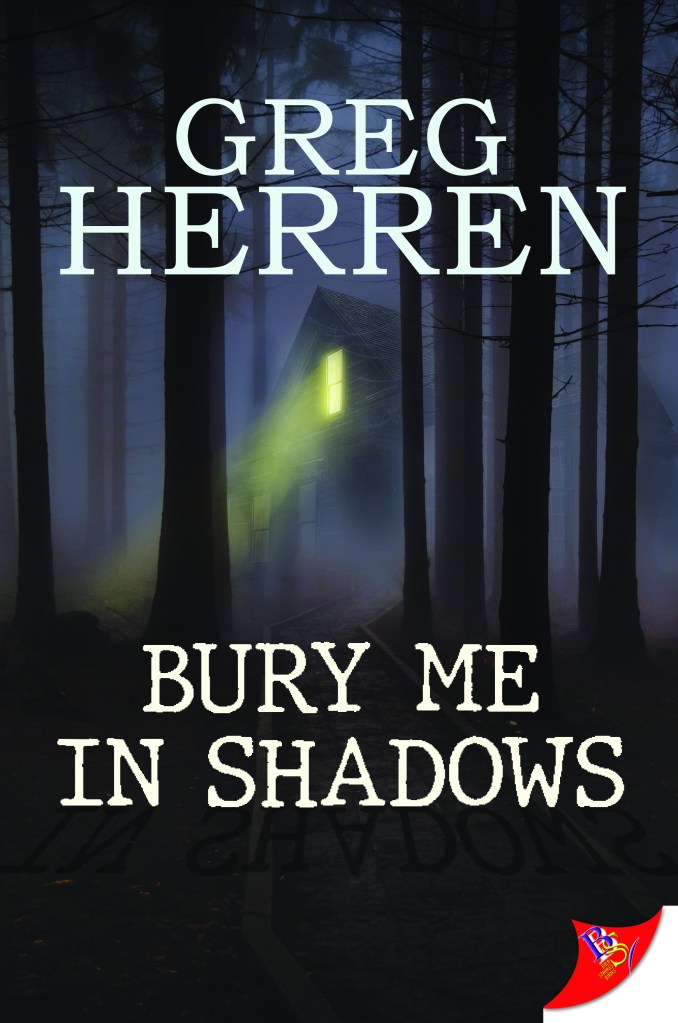
Since those three, there have been others I’ve written–Lake Thirteen, Dark Tide–and I’ve also dabbled in what is called “new adult fiction”–books about college-age or just out of college-age characters–this is where The Orion Mask and Timothy and the current one I’m working on, Bury Me in Shadows, fall on the marketing spectrum.

One of the questions I had to deal with in writing young adult novels with queer content was the question of sex. I had already been through being banned in Virginia because I had written gay erotica (a really long story that I revisited recently with Brad Shreve on his podcast; I really do need to write in depth about the entire experience); what would happen if ‘notorious gay porn writer’ Greg Herren began writing fiction specifically aimed at teenagers? But the truly interesting thing about being used as a political pawn by the right-wing fanatics in the power games they play is that once they’ve made use of you, they forget about you and move on. My young adult fiction was released without a single complaint, protest, or any of the sturm und drang that my speaking at a high school to a group of queer and queer-supportive youth created scant years earlier.

Interesting, isn’t it?

And yet…there is no sex in any of those books. None. I don’t  remember my gay teens even getting a chaste kiss, let alone a sex life, or fantasies, or a boyfriend.

And what about desire?

A couple of years ago someone tagged me on Facebook on an article about just that very subject; that was when I started writing this post (three yeara ago, looks like) but I never finished writing this until this morning.

Go ahead and read it. I’ll wait.

Okay, welcome back. Some interesting points, no?

Now, check out this one. 

I know, it’s a lot of information to process, but it’s something we should all be thinking about, particularly as the calls for diversity in publishing and popular culture continue. Sex is, quite obviously, a touchy subject when it comes to young adult fiction, but when it comes to questions of sexuality and being a sexual minority, what is too much and what is not enough? Even depictions of straight sexuality is frowned on and controversial when it comes to young adult fiction. (For the record, that is also considered the case for crime fiction–no explicit sex scenes–or at least so I was told when I was first getting started; doubly ironic that my mystery series were what the right-wing Virginian fanatics considered porn–I really do need to write about that.)

I also have noticed the elitism evident in hashtags like #ownvoices and #weneeddiversevoices that have come and gone and return periodically on Twitter; those actively involved in promoting those tags, when it comes to queer books, make it abundantly clear they only care about those published by the Big Five in New York–which is a good target, I agree, and they do need to be doing better when it comes to diversity and “own voices” work–but this focus also ignores the small presses, particularly the queer ones, who have been doing this work all along and making sure queer books were still being published for all ages and getting out there and made available to those who want and need them. I am absolutely delighted to see queer books by queers being published by the Big 5, and young adult work in particular…and yet…there are some serious issues still with the Big 5–and with what is called ” young adult Twitter”.

I do find it interesting to see who they decide are the “cool kids” and who they banish to the outer tables with the freaks and geeks.

It’s part of the reason I don’t engage with young adult twitter, to be honest. I really have no desire to return to the high school cafeteria at this point in my life.

And I’ll write about teenagers whenever there’s a story I want to tell involving teenagers–which currently is the Kansas book; I turned my protagonist in Bury Me in Shadows into a college student because it actually works better.

And on that note, tis back to the spice mines with me. (And huzzah for finally finishing this post!)

Superfly

Good morning, everyone, and welcome to Thursday.

I slept rather well last night, which was lovely, and today is one of my short days, which is equally lovely. I made some terrific progress yesterday on Major Project, not so much on the WIP but it’s okay. I’ve made peace with the fact I can’t work as hard in as short a period of time as I used to, and I feel confident that once Major Project is out of the way, I can make some more progress on everything else I need to get done.

I still have short stories I need to write, as well as an essay, and am hopeful that between today and tomorrow and this weekend–plus the long birthday weekend i am treating myself to next week–will give me the time to get all the things done that I want to get done. I haven’t had time to do much reading this week, but I need to get moving on S. A. Cosby’s My Darkest Prayer so I can dive into Laura Lippman’s new Lady in the Lake, which is getting raves everywhere. Again, hopefully, that will come to pass this weekend, and what a lovely birthday gift for myself to spend my birthday long weekend curled up with the new Lippman?

Life rarely gets better than that, seriously.

We finished watching Years and Years last night, and it remained interesting all the way until the end–even if the death of my favorite character kind of cost me some of my emotional investment in the show. I was quite critical of this character death yesterday, yet still held out some hope that the death wasn’t really exploitative and would make sense in the over-all story, once it was finished; you know, the sense that it wasn’t done simply to advance the story and motivate characters to the actions that would move the story to its inevitable end. I think it could have gotten to that inevitable end without this character’s death, frankly, and so it remains another sad example of show business’ favorite gay trope, bury your gays.

Overall, despite this disappointment, I did enjoy the show…although not as much as I did before bury your gays reared its ugly head.

But I am now in the short part of my work week, the two half-days that help me ease my way into my weekend. When I get home from the office late this afternoon, I can do some straightening and cleaning and I can also get back to work on Major Project, or the WIP. Tomorrow I also get off relatively early–one in the afternoon–and it has occurred to me that I could just run to make groceries then and get the mail, negating the need to leave the house over the weekend (running those errands always seems to throw me off every weekend but I need to be more disciplined anyway; soon enough Saturdays will be all about college football and Sunday will be Saints games, so my weekend productivity is about to go into a severe decline (I often read and/or edit while I am watching football games that are neither LSU nor the Saints, so there’s that), so it’s crucial that I start getting things done throughout the rest of this month. I’d like to get all these little things done this month so I can focus in September more clearly on JUST ONE THING for a change.

I’ve slowly been coming to a conclusion about my career, and I actually said it out loud to my friend Laura at lunch on Tuesday, which made it more real, and having said it out loud, it resonated inside my head and the more I think about it, the more sense it makes. Simply put, I don’t think I’m going to write much more young adult fiction, or novels that could be classified that way. Watching y/a Twitter has been horrifying, and that entire world just–yeah, no thank you. I had always wanted to write books for teenagers, going back to discovering Christopher Pike and R. L. Stine and Jay Bennett back in the early 1990’s (Jay Bennett was amazing, absolutely amazing), and it was never about trying to make a lot of money or anything (despite being accused of that any number of times), but simply stories about teens that I wanted to tell. Currently, I have three novels in some sort of progress centering teenagers; I am going to get them finished and then I am going to leave y/a behind (I still have two good ideas for y/a books; I may eventually write them, or I may not).

I’ve been reassessing my career a lot lately–I wish I had a dollar for every time someone told me I should write something more mainstream, so I could make more money….because I would then have so much money I wouldn’t need to write anything at all. There are stories I want to tell–I have ideas coming to me all the time–but I am never going to stop writing stories centering gay men. I’m just not wired that way. I may write things that are more mainstream–a lot of my short fiction isn’t about gay men–but i am never going to stop writing gay stories. I’m just not going to, nor should I have to, and while I understand the good intentions behind people telling me to write something more commercial, I can’t help but wonder if people say that to other minority writers?

I kind of doubt it.

But now I need to get ready to face my day, so it’s off to the spice mines with me. Have an absolutely lovely day, Constant Reader, and I’ll chat with you again tomorrow.

IMG_2083

Crazy for You

Wednesday morning, and I am awake ridiculously early. I actually woke up just before four, but stayed in bed until six–at which point I got out of bed and figured might as well be productive instead of just laying here staring at the alarm clock. It’s also my long day at the office, but c’est la vie. It is what it is. If anything, I should sleep really well tonight, at the very least.

I didn’t read any short stories yesterday, alas, as I spent most of my weekend reading Karen McManus’ One of Us Is Lying, a huge phenomenal bestselling young adult novel that’s being adapted as a TV mini-series, a la Thirteen Reasons Why.

Scan

Bronwyn

Monday, September 24, 2:55 pm.

A sex tape. A pregnancy scare. Two cheating scandals. And that’s just this week’s update. If all you knew of Bayview High was Simon Kelleher’s gossip app, you’d wonder how anyone found time to go to class.

“Old news, Bronwyn,” says a voice over my shoulder. “Wait till you see tomorrow’s post.”

Damn. I hate getting caught reading About That, especially by its creator. I lower my phone and slam my locker shut. “Whose lives are you ruining next, Simon?”

Simon falls into step beside me as I move against the flow of students heading for the exit. “It’s a public service,” he says with a dismissive wave. “You tutor Reggie Crawley, don’t you? Wouldn’t you rather know he has a camera in his bedroom?”

Well, that’s a start, isn’t it?

The book is sort of a Breakfast Club turned on its ear;  if one of the student archetypes from that film had died during detention and all the other kids in there had a reason to want him dead. It’s a clever idea (one I am kicking myself for not thinking of myself), and the story is, above all else, compulsively readable. The book is told in shifting first person point of view; we get inside the heads and see the viewpoint of all four of the kids who are now suspects, which isn’t an easy thing to do McManus not only takes us there, but by seeing their lives through their eyes–their families, their relationships with friends, their ambitions and goals and so forth–we as readers begin to care about them, which makes knowing that one (or more) of them might be a killer even more problematic for the reader because you become emotionally vested.

Like The Breakfast Club, McManus takes the typical student stereotypes–the brain, the jock, the criminal, the beauty, and the outcast–and turns them on their ears.

In the 1980’s, the teen movie was reinvented and made much more real, more relatable, and more fun than what those that had come before. Serious films about teens were usually told from the point of view of the adults (The Blackboard Jungle, Up the Down Staircase) with an occasional exception, like Rebel Without a Cause. The 60’s saw the teen movie evolve into beach and surfing movies, and of course the Disney films like The Computer Wore Tennis Shoes and Now You See Him Now You Don’t–silly comedies that viewed teen life as though it were something frozen in time from the 1950’s (and even that wasn’t particularly realistic–malt shops, sock hops, etc) But beginning with Fast Times at Ridgemont High, the teen films of the 1980’s evolved into something different, something else, and John Hughes was one of the driving factors of that with his films, like Sixteen Candles, The Breakfast Club, and Pretty in Pink, among others (those are the Molly Ringwald trilogy, probably the most famous and best-remembered). In all honesty–and don’t come for me–I never thought The Breakfast Club was that great of a movie; sure, the actors were appealing, there were some great scenes, some funny moments–but the most, to me, honest part of the movie was when they were sitting around talking and Claire said they wouldn’t be friends at school on Monday because that’s what I had  been thinking all along. 

But One of Us Is Lying completely subverts that and turns it  on its head; as it does with a lot of other y/a book tropes, and again, the story moves very well. As someone who has read a lot of crime (and all of Agatha Christie) I was able to figure out who the killer was early on; but most teenagers I suspect would be completely caught unawares.

I really enjoyed this and couldn’t put it down because I wanted to find out what happened to the characters, and I cared about them; and it even ends with a John Hughes moment, which was nice.

To All the Girls I’ve Loved Before

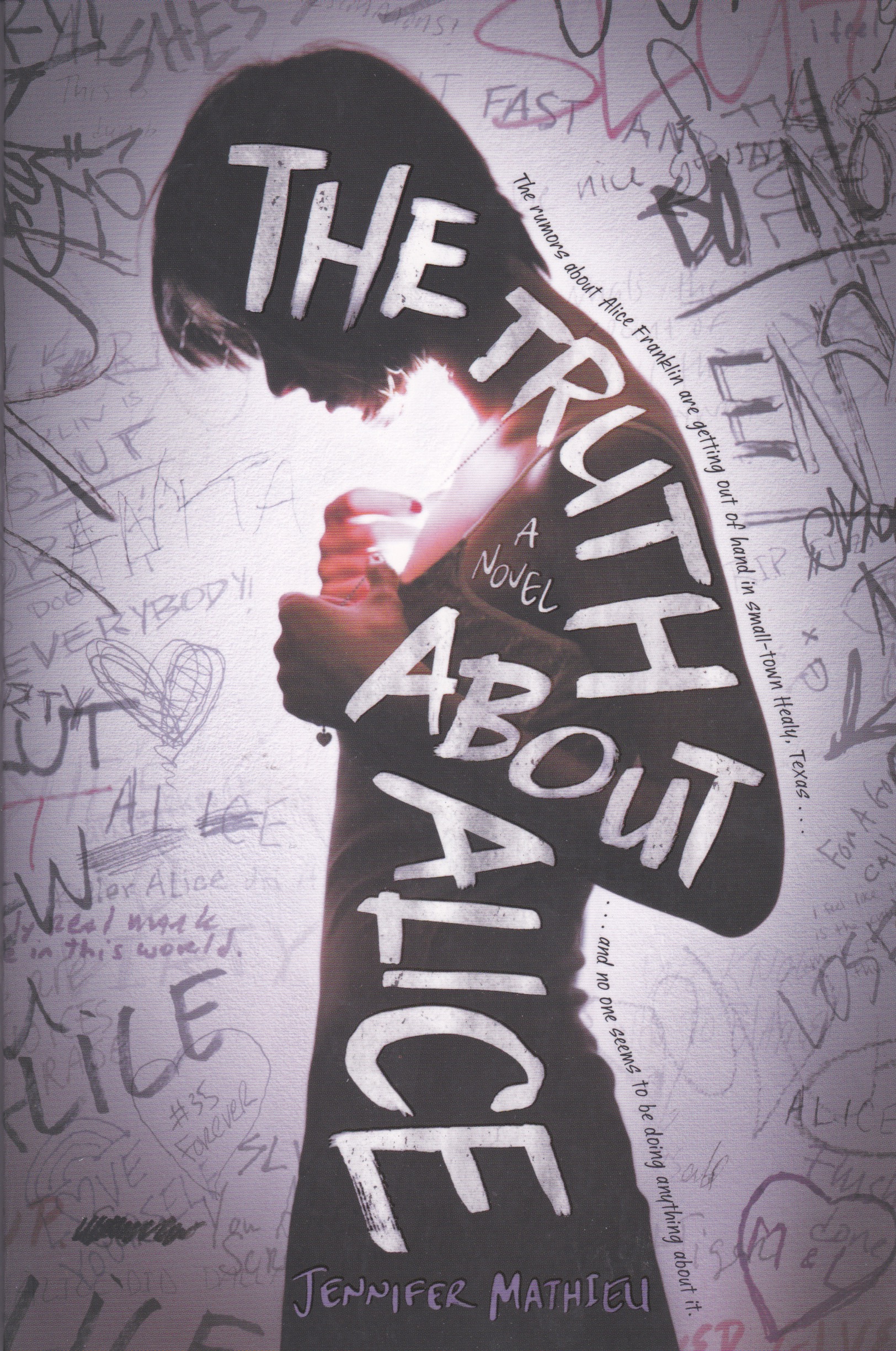
Friday night I also managed to read another book, a young adult novel by Jennifer Mathieu, and it was a most auspicious debut, The Truth About Alice.

It was actually much better than I thought it would be.

the truth about alice

I, Elaine O’Dea, am going to tell you two definite, absolute, indisputable truths.

1. Alice Franklin slept with two guys in the very same night in a bed IN MY HOUSE this past summer, just before the start of junior year. She slept with one and then, like five minutes later, she slept with the other one. Seriously. And everybody knows about it.

2. Two weeks ago–just after Homecoming–one of those guys, Brandon Fitzsimmons (who was crazy super popular and gorgeous and who yours truly messed around with more than once) died in a car accident. And it was all Alice’s fault.

The focus of the book is the story of Alice Franklin, and what she may or may not have done. It’s also the story of how rumors can take on lives of their own, and how they can destroy a person’s reputation and, untimately, their life.

The book is also written in a very clever way; it’s told from multiple first person points of view, so we see the story of Alice as told by some of the kids who know her. This is a difficult feat for an author to pull off, since the voices have to be unique and distinct, but Mathieu managed this very well. She also managed to capture what it’s like to be a teenager.

Before the rumor gets started about Alice’s behavior at Elaine’s party gets started, Alice is relatively popular. She’s pretty, she’s smart, and everyone likes her. Once the rumor starts going around, though, obviously her popularity begins to drop…and then once the story gets out about Alice sexting Brandon while he was driving–drunk, by the way–she is finished in Healey, Texas, the small town where they all live, and she is finished at Healey High. She is ostracized, no one will speak to her, and she loses all of her friends.

In addition to Elaine, the other viewpoint characters are Kelsie, who was Alice’s best friend before all of this got started; Josh, Brandon’s best friend and a fellow football player, who was in the car when the accident happened; and Kurt, the nerdy genius boy who has no friends but doesn’t seem to care because he is really smart, an orphan living with his grandmother, and is kind of socially awkward. He helped Alice once with a math problem, and she was very kind to him…and he remembers how kind she was. He also is kind of in love with her, because she’s perfect and beautiful and kind…and he has observed her “totally in a not-stalker way” for several years. Alice was Kelsie’s first friend when she moved to Healey, and back where she was from, Kelsie was considered a weirdo and had no friends; so she loves being sort of popular. Once the rumors start, Kelsie is invited to become a part of Elaine’s crowd, the most popular kids in Healey–but to do so, she has to jettison Alice. Not wanting to become the friendless kid again, she turns on her former best friend and moves forward with her friends; even starting an even worse rumor about Alice. Josh also regrets blaming Alice for the accident, and it’s never clear why he does in the first place–until later, and then his own guilt and shame also make a lot more sense. Mathieu didn’t quite take the story as far as I thought she was going to–and I think it would have been stronger if she had, frankly, instead of just hinting at it–but it’s still powerful.

Kurt also offers to help Alice with math again, and the two of them start an unlikely friendship as well.

It’s told very well, as I said, and the truths and come-uppances, when they come, might not be as strong as I would have liked them to be, but they were a lot more realistic in their smallness, and satisfying enough. I really enjoyed the book, and will add Mathieu’s other two novels to my TBR pile.

It also made me think about one of my own works-in-progress…and how to make it better. Well done!