Saturday morning and here we are with another golden and exciting day! Sparky let me sleep later this morning, and the bed was most comfortable. I had an excellent night’s sleep, thank you for asking, and feel pretty good this morning. Yesterday was a nice, relaxing day–hopefully today will be similar! There aren’t a lot of good games to watch today, so I am not even sure there’s much point to having the television on at all until the LSU game tonight, which I don’t have very high hopes for, to be honest. I do have some errands and chores to get done today, and I want to read more of The Hunting Wives with an eye to finishing it this weekend. But without any games to really watch…I should be able to get some reading done and write some while putting the finishing touches on the apartment.
As I said, yesterday was a good, relaxing day. After I got my work done for the day, I ensconced myself in the living room to watch some news of the world and read for a bit. I did do some excellent background work for some things I am working on as well, and the next Scotty–Halloween Party Hijinks–is slowly starting to take shape in my head. I also have figured out how to flesh out a young adult horror novel I started writing over a decade ago. Not to worry, I also did some work on Chlorine, and I need to really get that structured and outlined and pulled together. We’re almost to the halfway point of this month and I am no closer to being finished with a first draft than I have been for years. I think it’s more a sense of doubting myself, of not wanting to fail with this book. But the truth is, it’s just a book, and worrying about failing with the book is stupid, because the book’s success is out of my control and all I can concern myself with is writing the best book that I can.
Which is always the only thing I can control with anything I write. Get out of your head, Gregalicious, and out of your own way.
I watched Scream 3 again as a palate cleanser, and I must admit, as much as I have always loved this movie, it’s really not as good as the original. Sure, I love–and have always loved–the meta factor being amped up so much; what better way to do another Scream than having the murders all happen around the cast and filming of Stab 3? And this film has some absolutely brilliant moments–the Carrie Fisher cameo; watching Jenny McCarthy die a brutal death (I enjoyed that more than I have on past watchings for some reason); and Parker Posey’s absolute brilliance as an actress playing Gale Weathers; her scenes with Courtney Cox as Gale Weathers are classic–that make it worth watching.
We watched the ice dancing competition from Skate Japan last night, too–I keep forgetting that the Winter Olympics are next year–mainly to see the US teams competing, and it’s nice to see we have some young up-and-comers in the discipline. Ironically, ice dancing is the discipline the US has seen the most success in this century with–who would have ever thought such a thing was possible back in the 1990s? Certainly not me!
And on that note, I am going to bring this to a close so I can get my day going. I have to run a couple of short errands this morning, and after that I am in for the weekend. Huzzah! Have a great Saturday, Constant Reader, and I’ll be back to talk to you again in the morning.
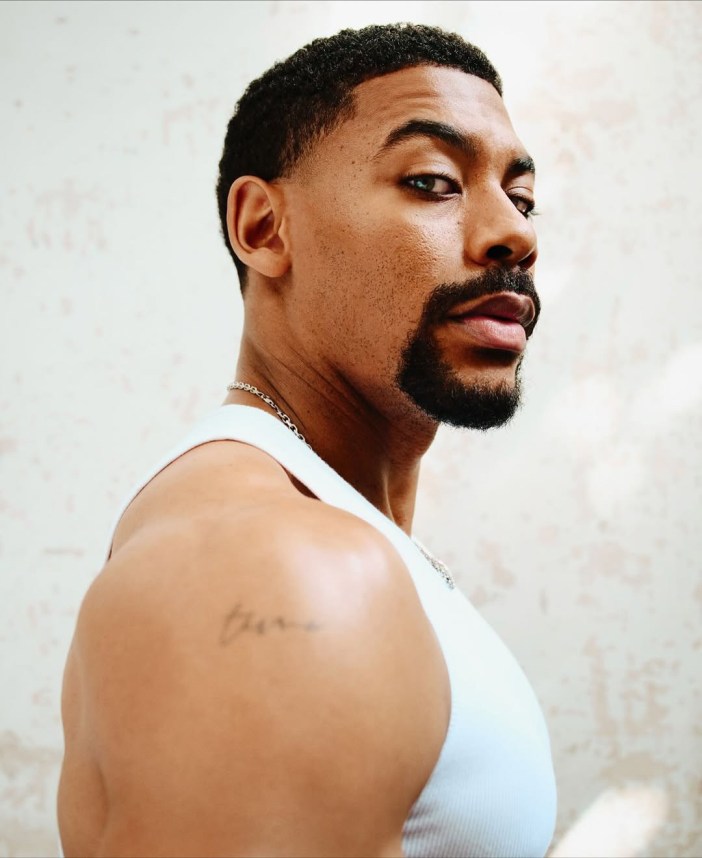
There should be a laws against Aaron Pierre being this beautiful.Those eyes!
Work-at-home Friday, and not a single meeting on my agenda for the day. Huzzah! I really hate meetings; I always have, primarily because so many of them fall into the “this could have been an email” category.
Yesterday was a very good day. Yes, I was alone in the clinic yesterday without a nurse, but we weren’t terribly busy and I was able to get a lot of my Admin duties–the ones that have to be done in the office–finished. I am almost completely caught up on everything, and I have been doing a very good job of keeping up with everything rather than the ever-popular meh, I can do it tomorrow thinking I so often fall into. But I’ve not been tired this week, which probably had to do with the time change and sleeping an hour later (technically) than I was. Once I am used to it, I’ll probably go back to being sleepy and tired all the time again. Something to look forward to?
And in other delightful news, a jury of his peers found Sean Dunn not guilty of a misdemeanor for throwing a Subway sandwich at an ICE agent, or “assault with a deadly sandwich.” This entire case–and that this went to fucking trial–is yet another indicator of the Keystone Cops-like approach to governance in this current “administration” and its authoritarian Fascistic policies. My personal favorite was the “victim” testifying about his PTSD from the sandwich exploding…despite the fact the sandwich can clearly be seen afterward, on the ground, still in its wrapper. I guess Mr. Alpha Male Ice Agent will be forever traumatized by the smell of onions and mustard. Grow a pair, you little bitch–balls or ovaries, I don’t care which. And seriously, everyone–yes, their grasp on power means their idiocy and fascism is scary, but this is yet another example of what whiny cry-babies the right are. Fuck them and forever, seriously. Their posturing has no basis or courage behind it.
As I said, when I got home from work last night, I wasn’t tired or fatigued; my hips didn’t even ache. I didn’t do a whole lot of anything around here, either; I caught up on watching the news and did some organizing of computer files, and I did write for a little while. It was, all in all, a very nice and relaxing evening at home. Before I start my work duties this morning, I am going to make a to-do list and put the dishes away and finish the laundry. I am thinking today is going to be my “don’t leave the house at all” day for the weekend–tomorrow I’ll make a short grocery run and get the mail–and hopefully this day, and the weekend, will be productive as well as relaxing. This morning, Sparky let me sleep in a bit before I finally got up, which was very appreciated. I feel good and rested this morning, and it looks to be a lovely day. This weekend we’re going to have extremely cold temperatures over night–potential freeze, too–so it’s a good “stay in my chair under a blanket” weather. I want to finish reading The Hunting Wives this weekend, and get started on my next book. I am going to go back to the pre-Halloween Horror Month methodology for reading something new to me, rereading something else, and reading a juvenile/young adult novel all at the same time. Maybe I can swap one of those out for nonfiction? I don’t know, we’ll have to see how The Hunting Wives goes this weekend. I’d also like to finish another newsletter essay, whether it’s the one about Boots or the one about going to my dad’s high school homecoming game when I was last in Alabama.
And of course, there’s always computer files to clean up and hard copy filing to do, too. And the chores; but I tried to keep up with them as much as I could this past week, so the downstairs isn’t too terrible.
I also can’t keep horror out of my mind, probably because I immersed myself so thoroughly in the genre for all of October. But watching those podcasts on Youtube about Appalachian/Southern lore and legend has been incredibly inspirational for my own horror writing. I’d also like to get some good foundational work done on Chlorine this weekend, too. I’m also still glowing from the election results from Tuesday; it’s nice to experience the audacity of hope again.
And on that note, I am heading into the spice mines. Have a lovely Friday, Constant Reader, and I’ll be back on the morrow!
So, are you ready for some MORE blatant self-promotion?
During the Bold Strokes Book-a-thon, the other panel I was on had to do with writing young adult fiction (the other panelists were amazing, I might add), and once again, I am answering the questions sent to us by the moderator to turn into an interview with JUST me (because it’s all about ME ME ME) but I do urge you to seek out the video of the panel. It was terrific, and I was definitely the most uninteresting person on the panel, seriously; this is NOT self-deprecation. (I bought everyone’s books during the panel, I might add; definitely check out Lauren Melissa Ellzey.)
What is the definition of Young Adult? How does it differ from other genres?
I think it’s primarily an age distinction, to be honest, which is something that always makes me uncomfortable. Growing up I read far above my age level; when I was in seventh grade I was reading at a college level, per the tests and so forth. I mean, I did read The Godfather when I was ten; my parents, despite their conservative religious beliefs and values, let me read whatever I wanted without having to ask permission–I think when I asked Mom if I could read something the last time she replied “Read whatever you want, I don’t care” and after that I never asked again. When I was a kid, there was no such thing as young adult; everything was either for adults or “juvenile.” The juvenile category contained multitudes, beginning with the Little Golden Books and picture books to kids’ mysteries to Judy Blume. I think sometime in the 1980’s the genre was separated into “juvenile” for kids 8-12 and “young adult” for 12-18.
But there are kids like me, who can read above their age/class level and others who can’t read at their age/class level, and I think in some ways that differential could be harmful for those who are below-average readers–reading is the most crucial aspect of education, because if you can’t read…and no matter how many ways they try to make the language around slower readers more accepting and less stigmatizing…it doesn’t really help kids to be told they’re below average or not as smart or quick as the other students. (One of my primary problems throughout my education is I would understand something the first time, while others inevitably didn’t, and as the teacher explained for a second or third or more time, my ADD would kick in and my mind would wander because I didn’t need to listen and then wouldn’t be listening when the teacher moved on.
Ah, well.
Oh, and all subgenres of fiction also have the middle grade/juvenile and young adult sub-sub-genres.
Why or how did YOU choose YA?
I don’t know that I chose y/a so much as it chose me.
I started writing when I was a child (all my childish scribblings are lost to moves and time passing), and I wrote about kids my age. My first attempts at writing were always some kind of kids’ mystery series, a la The Hardy Boys and The Three Investigators (I’d still like to do this, frankly), and when I became a teenager, I started writing about teenagers. I wrote a bunch of short stories while in high school about the same group of kids going to the same high school. Those stories slowly but surely grew into a sprawling, handwritten novel about the county with plots and subplots and main characters and minor characters and all of this history; a “Peyton Place in Kansas kind of thing”. I worked on it for like five years, and eventually had this enormous sprawling mess that needed to be revised and rewritten and typed…and since I didn’t know how to type, made that part of it a problem. So I shoved it into a drawer and started pulling from it rather than revising it; taking out plots and characters and using them in other books and other stories.
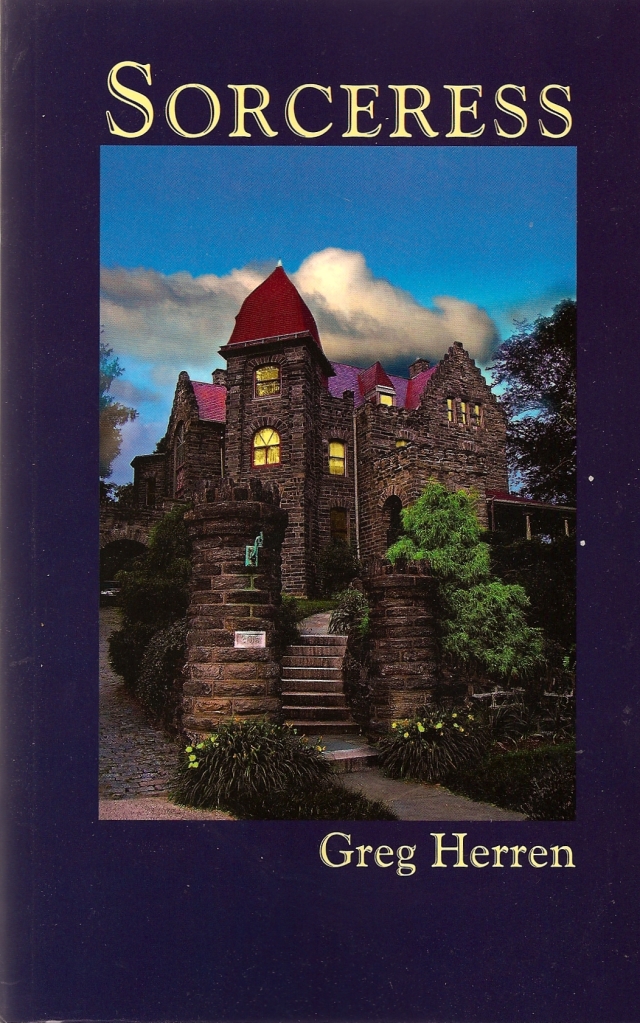
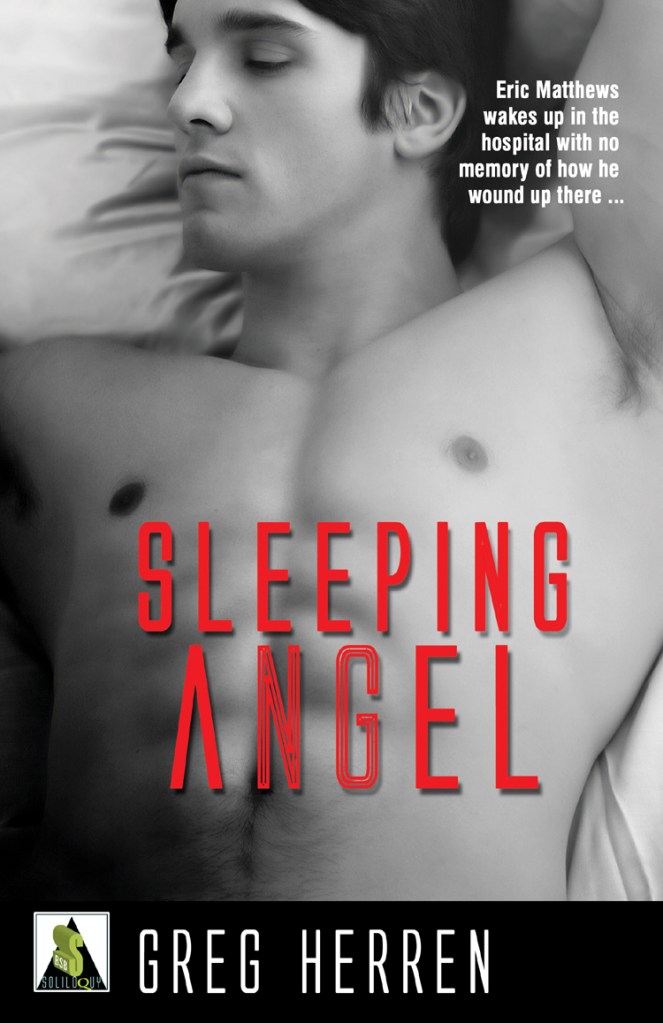
After I finished that, I spent the next five years mostly working on short stories. I started another book, more horror than anything else, but never got further than the third chapter. I finally decided to write a horror novel built from my old manuscript and those short stories from high school. I was about three chapters into it when I discovered two things: there was a big market in y/a horror at the time (Christopher Pike and R. L. Stine were HUGE during this period) and so I bought some of them. When I finished, I thought, “You know, I should turn Sara into a y/a novel” (because I thought somehow that would be easier? Foolish, foolish rookie) and so… I did. I was right in that thinking of it in those terms made it possible for me to finish a draft, but I wasn’t very happy with it so I put it aside and started writing another one, Sorceress, which was also horror but also had some strong Gothic moments in it. When I finished that one, again I wasn’t pleased with it so I started another–Sleeping Angel–which was the one I thought really had potential. I never finished that draft–by this time I’d discovered that gay fiction and nonfiction existed, so I started reading that and trying to write about gay characters instead.
Those manuscripts remained in my drawer for well over a decade, until a friend of mine took a job as a young adult acquisitions editor, and she wanted to work with me. I told her I’d written three (although it was technically two and a half), and gave her a brief synopsis of them. She liked Sorceress the best, so I started revising and editing it and turning it into something publishable. Once it was all done, she’d left that publisher, but started her own small press for y/a books for underrepresented teens, and she wanted to launch the press with Sorceress. I said “okay” and we were off. I eventually realized I needed to let Bold Strokes know, and when I did, I got an email back saying you know we do y/a, too? And so I sold the other two to them, and have never looked back since then.
Are there specific rules for writing YA (things you can’t do)? Does Bold Strokes add on or impose specific or additional rules?
I don’t pay too much attention to rules, frankly. There’s no graphic sex in my books, but it’s hinted at. I also try to swear less in young adult books than I do in adult fiction, which is probably not as big of a deal as I think it is? The society I grew up in was a lot more puritanical–believe it or not–that the one we live in today. So I always default to that setting, and then have to shake it off. Swearing isn’t as big of a deal as it used to be. No one thinks they’re marrying a virgin anymore, and on and on. And having been attacked for daring to accept an invitation to speak to queer high school students, I tend to tread softly. There have been a couple of times where I’ve had to change language, or how a scene went, because my editor thought it might be problematic; and frankly, I never want to be offensive, so I have no problem with it. I don’t see it as a free speech issue the way so many intentionally offensive writers claim it is. I shouldn’t take offense to someone calling me a faggot? Grow the fuck up. The so-called free speech “crusaders” are always defending hate speech as well as trying to shut up the people who find it objectionable. You do not have a constitutional freedom from consequences or getting a negative response to things you say and do, period. It’s really not hard to understand unless you want to be passive/aggressive and childish and a moron.
How do you remember back to these days, specifically how it felt or feels? (this is coming from your moderator who is much older than you are)
Well, for one thing, I’ve always kept a journal and I still have them all. (I was insufferable when I was younger, seriously.)
My sister has a theory that we forget a lot of the pleasant memories from our childhoods, but remember the traumas in great detail. I believe the truth of that, because school was a nightmare for me from the day we moved to the suburbs until I was done with it. I remember how it felt to read Greg Herren sucks cock on a desk at school. I remember how it felt to be mocked, laughed at, and bullied by assholes. I do remember the good things, though I tend to always focus on the bad.
The first thing I always do is abandon whatever “wisdom” about life I’ve theoretically learned since leaving high school, and put myself into the teenager mindset: they think they are the main characters in everyone they know’s story, and everything is the end of the world or their life is ruined and you are the most horrible parent ever! I’m not entirely sure I’ve escaped thinking that way, to be brutally honest: I am horribly selfish.
How do you come up with your characters? Your stories?
I am weird in that I inevitably always start with a title. I hear something or read something and think, that would make a good title. The next question is what story would fit that title? And it kind of goes from there. The title may change, the character names and story might change and evolve, but I can’t write anything that doesn’t have a title. Bizarre, I know. Usually with my young adult stuff it’s an idea I’ve had for a number of years and finally decide to explore whether it’s a novel or a short story, and go from there.
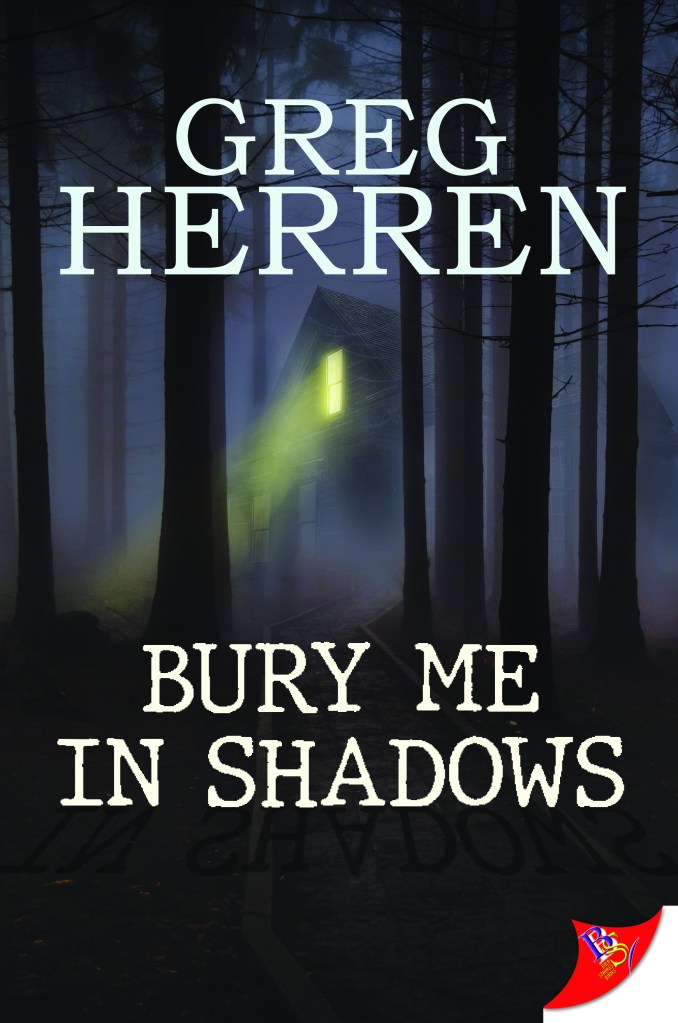
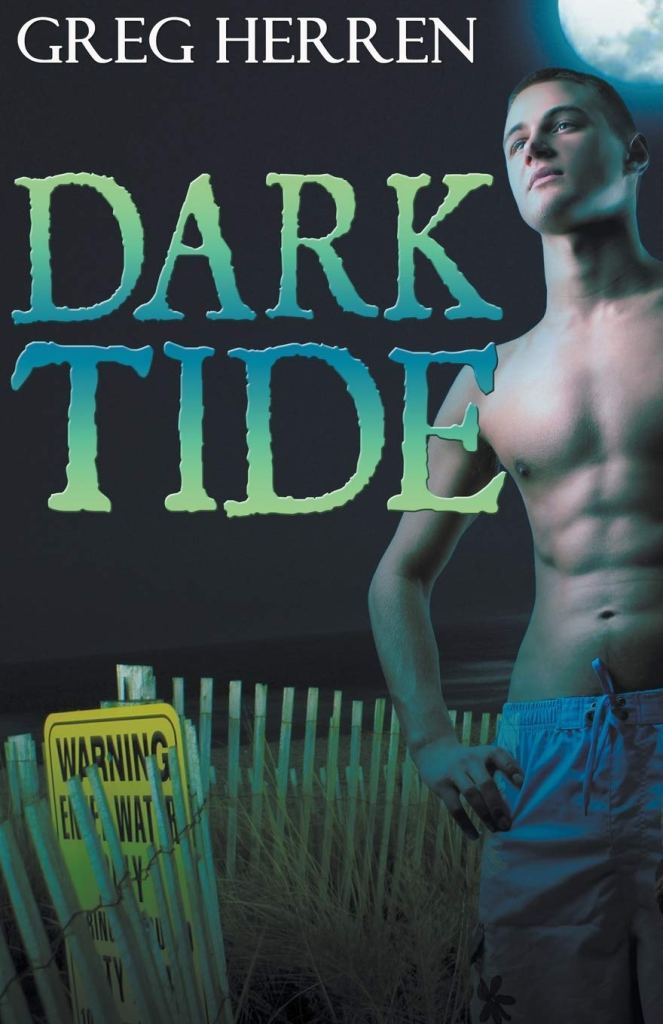
Dark Tide was originally called Mermaid Inn, Bury Me in Shadows was originally Ruins, but the others pretty much stayed the same from beginning to end.
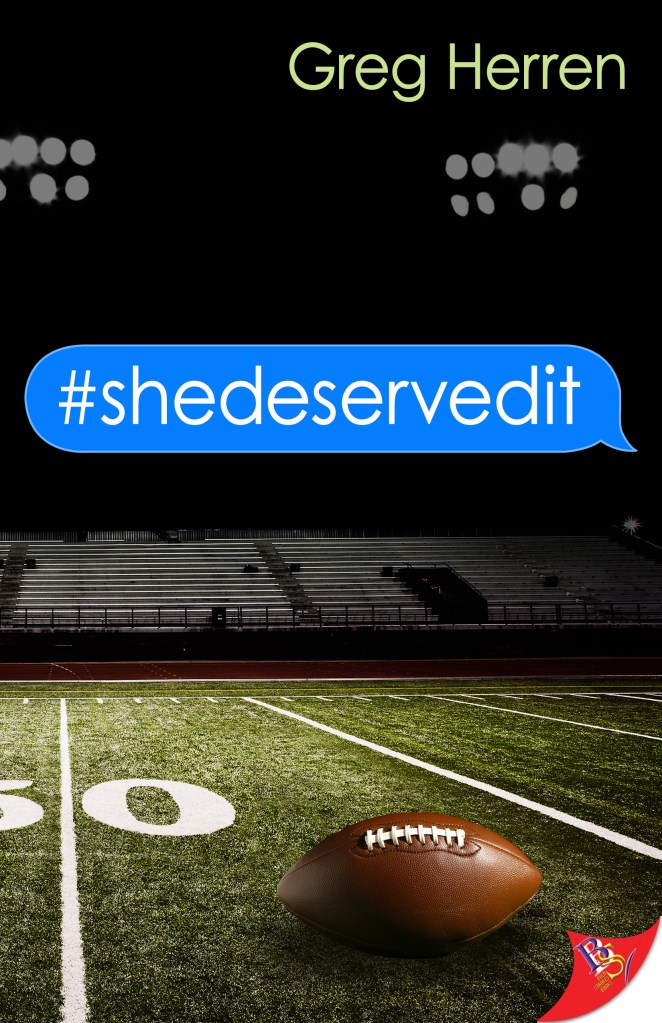
I wrote #shedeservedit because I was angry about the Steubenville/Maryville rape cases, and remembered stories and gossip from when I was in high school and college…and rethinking them through a more evolved brain about women and misogyny… well, it made me angrier. I had already planned on writing a story set in the same town with the same characters and opening with the same murder (I always referred to it as “the Kansas book” for years), but the motive was something I always had trouble grounding in reality. After those cases…it clicked in my head. You need to write this story about small town misogyny, protecting the star jocks from the girls at all cost, and make that the plot. It was easy to write because I was angry. Making it a compelling read was harder, because the subject matter was sickening to me.
I needed to write that book, and I don’t regret doing it, either…but it’s not exactly a feel good story people can escape into, either.
Why do you think YA is so popular?
It’s more accessible, I think. I mentioned reading ability before, and I do think that most readers aren’t into the Great Literary Tomes, hundreds of pages of beautiful writing with no real point or story. People kind of want to escape their cares and worries, and y/a books tend to be really entertaining. We’re competing with phones and tablets and streaming, so we need to write entertaining and engaging books.
Any specific must do-s or must-haves to get your writing each day?
I’m not nearly as anal about that as I used to be, before I returned to work full-time. I am very aware that I have little time to waste when I write, and thus must seize whatever opportunities to write show up. But if pressed, coffee. I can’t write unless I’ve had coffee when I got up.
I think this is all of them, but I could be wrong.
Ah, Monday morning back to work blog today. I have to leave early as I have a PT appointment at four today, but that’s okay. I also have to run errands, and I will already be uptown, which is terrific. (Mail and make a little groceries, for those who are unsure what I mean by errands.) I’m usually in a good mood when I finish PT (it’s the endorphins), so hopefully that will make running the errands in the cold a little easier. It should get up to the sixties by the time I leave the office today. Parades begin next weekend (not this coming one, but the next) and I am not even remotely in the slightest prepared to deal with all the aggravation, exhaustion and fun that comes from living inside the box1, as we call it here. While it does mean having easy access to parades and catching throws, it also makes navigating every day life incredibly difficult.
Sigh.
I feel very rested this morning, after a weekend spent feeling tired most of the time. I managed to do very little this weekend other than rest and cleaning and chores. Maybe the strength PT on Friday wore me out far more than I had originally suspected; after all, it’s the first taxing kind of exercise I’ve done in over a year. (I also have to leave work a little early today as well for a session later this afternoon.) I didn’t get much done this weekend, sadly, but I consider progress on the house to be progress of a kind at any rate. I also started reading Lina Chern’s Play the Fool, which I am enjoying; the voice is quite original and delightful. We also watched another episode of Lupin last night, which is also quite good.
I was struggling there for a moment to remember what precisely I did yesterday while Paul took calls and worked upstairs; I just remembered that I spent most of the day finishing the original BBC series of Brideshead Revisited. I can see why the show was so popular back when it originally aired and why it own so many Emmys–Americans have always thought British productions of anything to be vastly superior to anything produced here–and it did remind me a lot of Downtown Abbey, which also led me to wonder why Americans are so fascinated by the British upper class. I know I certainly used to be, but my lack of knowledge regarding Brideshead seemed like a missing cultural touchstone for me, and now that I’ve seen it–yes, I can see how influential it was. There would be no Downton without Brideshead, but the original is far less soapy than the later show….and of course, Upstairs Downstairs was truly the original Downton, a soapy show about a wealthy family’s ups and downs as well as their servants. I don’t imagine the occasional thoughts I would have while watching–deep criticisms of the class system and the disproportionate division of wealth in British society of the time; how it would have sucked to have been one of their servants–would have occurred to me had I watched when I was younger. I also felt that there was more to the relationship between Charles and Sebastian than mere friendship; which is another thing it has in common with Saltburn; an ambiguous love relationship between two men. I was also rather disappointed that Sebastian disappeared from the show about halfway through so it could focus on Charles and Julia, which I felt was giving Sebastian, whom the show really centered at first, very short shrift indeed. I will go ahead and read the book–my education in Evelyn Waugh was sorely neglected–but I feel that watching the series has given me enough grounding to explore Saltburn again through that experience.
It’s chilly again this morning but nothing terribly unbearable, thank the Lord. I do feel rather good this morning, and hope I can ride that feeling through the work day, into PT and making groceries again after work tonight. This is an actual full work week, of which there have been few for quite some time for me, so we’ll see how I feel when Friday rolls around again, shall we?
It’s been an interesting and slightly uneven January so far, bit of an up and down month, in all honesty. Life is always a rollercoaster, isn’t it? Ups and downs and never certain when the next curve or sudden drop is coming, all at great speeds that sometimes never give you a chance to catch your breath. There’s nothing life can give us that we can’t handle, as Scotty always says, it’s how you handle it that matters. I’ve always found that emotional responses or reactions are often counterproductive and exhausting, and if you can somehow switch the emotional component down or off or mute it so you can engage your logical brain and figure out how to handle it and what you need to do next to start the getting through it process might not be the absolute healthiest way to handle anything, but it has always worked for me and is why people always think I am so good in a crisis–I am very good at ignoring the macro while focusing on the micro. The problem with that, of course, is that you never go back and process the feelings and emotions; they’ve been securely buried for the moment and inevitably, that results in me thinking oh I don’t need to process that after all!
When in fact I really do need to.
That’s been happening a lot for me since the concurrent COVID pandemic/shutdown coupled with me turning sixty and eventually losing my mom. I’ve been thinking about things from my past a lot more than I ever allowed myself to, identifying the lessons I’ve taken from bad experiences and how I turned that into I don’t ever want to feel like this again s so I will never do that again which may not have been exactly healthy. I don’t think I’ve ever gotten over that sense of not belonging anywhere when I was a kid, which was partly being a gay kid (I didn’t know that specifically, but I also knew I was different from the other kids) as well as having some chemical issues in my brain (ADHD, anxiety, etc.), added to the sense of not belonging because I was from Alabama and living in Chicago. New Orleans was, in fact, the first place I’ve ever felt like I belonged, and that’s part of the reason I love it here so much. There wasn’t any single one thing to blame; I always thought it was this or that or the other, but rather the combination of everything that made my childhood so incredibly difficult for me (and pretty much my life until about thirty-three or so).
I think the real reason–I was asked this on the young adult panel this weekend–I write about teenagers is I am still trying to make sense of my own experiences. I also think that my past is also filled with very rich material for my writing. I learned that with both Bury Me in Shadows and #shedeservedit–writing about things that I have had trouble understanding in my own life fictionally has not only made my work better but also has helped me process things in a healthier way than I ever have before.
And on that note, I am heading into the spice mines. Have a lovely Monday, Constant Reader.
“The box” means inside the parade route for Carnival; the box being formed by Canal, Napoleon, St. Charles and Tchoupitoulas. Once parades have started you cannot cross any of those streets, and yes, I live just inside the box on the St. Charles side of the rectangle. ↩︎
It is impossible for me to express how much books have always meant to me, and how grateful I am, to this day, to my parents and grandmother for encouraging me to read. We’ve always been a reading family–but no one ever has read as much, or as often, as I did. One of my aunts called me “the readingest child I’ve ever seen”–and she was a librarian. Books made sense to me; the worlds I escaped into whenever I opened a book made sense to me, and none of the worries or cares of my childhood bothered me when I was lost in a book. I also loved history, and thus read a lot of it when I was a kid; the basic overview history classes I had were pretty easy for me because I already knew the history in greater depth than the textbook provided.
The Scholastic Book Fairs were always my favorite day every month, and I was always so delighted when my mom would let me order a few–never all the ones I wanted, because I really wanted them all–and it was even more exciting when I found one that was also set in a period of American history. Johnny Tremain remains, to this day, one of my all-time favorites, and when I was a kid, I wanted to write both a mystery series (like the Hardy Boys and Nancy Drew) as well as historical fiction.
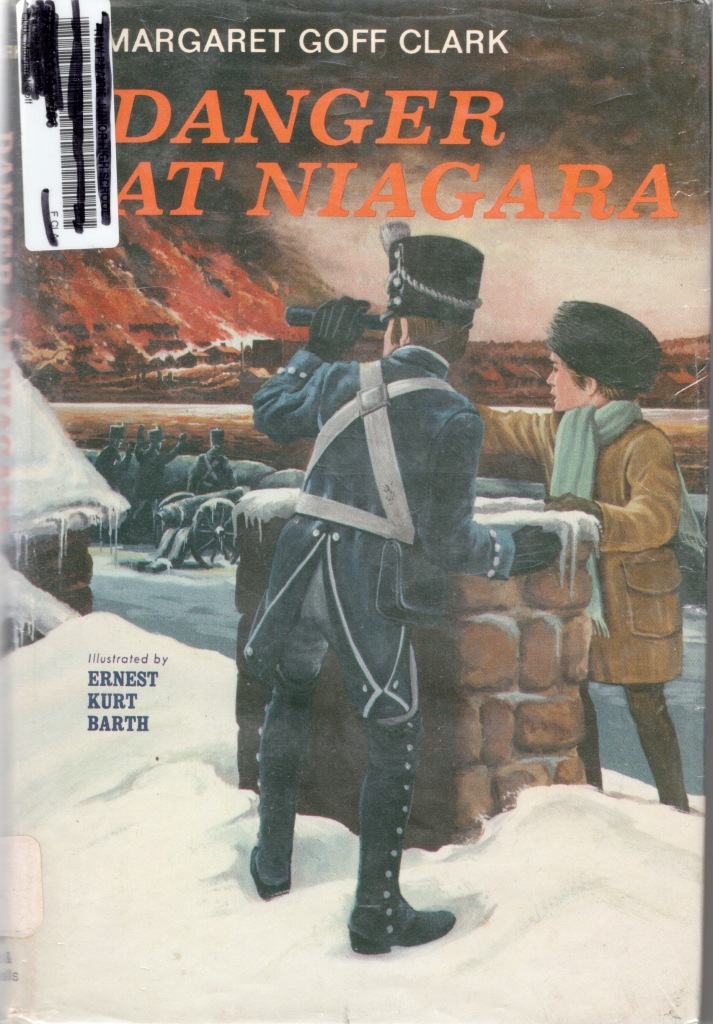
One such book that stuck with me over the years–and didn’t have as big an impact on culture as Johnny Tremain, which won awards and was filmed by Disney–was Margaret Goff Clark’s Danger at Niagara, which was set on the US/Canadian border during the War of 1812 (which few people write about and is mostly forgotten today). A few years ago I was looking for the original hardcover of Johnny Tremain I had read as a child, when a copy of Danger at Niagara was recommended to me by the eBay algorithm. It wasn’t expensive, it was a library remainder, and I thought, what the hell and shelled out the less than five dollars including postage, and the other day while they worked on the ceiling, I reread its 120 pages.
Sorry for the not-clear cover image; my copy is a library discard and there are no clear images of this cover on-line; at least not that I can find.
Exhausted from a day of fruitless hunting, Homan Reed ate a cold supper of cornbread and milk. Hastily he banked the fire and then fell into bed, forgetting his loneliness and the ever-present danger from across the river.
He awoke at dawn, shivering under the heavy quilts, awakened as much by the silence as the cold. He lay still, listening. Gray morning light had come through the small panes of glass Uncle Oliver had carried all the way from Connecticut. A sound that usually penetrated the log walls of the cabin was missing–a sound that was part of the background of his life in this lonely frontier clearing in western New York State.
His hear began to beat too fast, and he sat up in bed, reaching for the buckskin breeches he had laid on top of the quilts. Homan was a good-looking boy, rather small for his almost fifteen years.
There really isn’t much to the story, really. Homan wakes up to realize he has slept through a raid on his little family farm, and their livestock is gone. His uncle brought Homan and his brother up here after their parents died, and his brother is off fighting in the American army in the War of 1812. The Reed place is right across the river from Canada–and of course, at that time Canada was the enemy. Putting myself into Homan’s place was exciting; trying to imagine what it was like to know that not only was the British army capable of crossing the river at any time, their Mohawk allies were also out and about and a constant threat. Shortly after the opening of the book, the American army burns a Canadian town and turns out women, children, the sick and the elderly out into the cold with no shelter or food; to the author’s credit, she makes it clear this is horrible and a war crime; Homan, who witnesses this from inside Fort Niagara (he’s gone looking for his brother and to try to enlist), is horrified and ashamed Americans could do something so heinous–and everyone on the American side of the river knows there will be retaliation and retribution.
As I reread this short book, I paid very close attention to what we now would call propaganda for American supremacy–and there was some, but not as much as I would have thought, and there was less problematic language than I would have expected for the time (it was published in 1967 originally). Yes, Clark refers to the Tuscarora and Mohawk peoples as “Indians,” as do the characters (which is what they would have said at the time, so historically accurate, if offensive) but she treats the natives with respect–no references to them not being human beings, or being savages or uncivilized or anything like that; Homan even has a friend his age from the Tuscarora people. The Mohawks are referred to as the enemy, but in the same way the British are. There are a few mentions of pro-American exceptionalism propaganda–things like “we are a growing power the world needs to respect”, that sort of thing that Americans have always believed and never questioned until the last few decades or so. But Homan is likable enough, and the story itself, of worrying about your safety and losing your home and so forth, resonates still, even if technically Homan and his family were colonizers.
Saturday morning and we’ve at long last made it to the weekend! Huzzah! I have a lot to do this weekend, and I even have to leave the house both nights. This afternoon I am attending a co-worker’s wedding; tomorrow I am having dinner at San Lorenzo with my friend Ellen. Woo-hoo! Yesterday was a good day. I did my work-at-home chores, along with chores, and then ran some errands so I wouldn’t have to do them today–a decision I am very grateful for this morning, believe you me. I then read Angel Luis Colón’s Infested for a while, finished my reread of Death Drop, and watched an episode of Moonlighting. I also rewatched the last two episodes of Our Flag Means Death again–glad I did; I slept through most of them and they were most witty and clever and funny. When Paul got home we started the new season of Elité, but it’s more a habit and completionism to continue watching it at this point. It’s glory days are long past, I barely remember who any of the characters are, and I don’t really remember much of last season, to be honest.
Sigh. But those first three seasons are still epic television. This is kind of what I mean when I talk about shows that keep going because they’re successful when they should have stopped when they were ahead; the season three finale was an excellent stopping place–but at the same time I would have been terribly bummed had the show ended there, too. Be careful what you wish for, right?
The sun was bright and high this morning, just as it was yesterday morning, which leads me to believe the time change should have been this weekend instead of two or three weeks from now. It used to always be in October; and I don’t know why or when it was changed to November, but if we’re going to have to do this every year, can’t we at least have it happen when it always used to happen? I slept really well last night–I’ve been sleeping well all week, actually. I think the change in the weather has helped with that dramatically. I still feel a bit groggy this morning, but that’s okay. I am going to write this and read some more of Infested once it’s posted, and then I have some things to do around here. The wedding window period is from 4-9, with the actual ceremony around five. I am going to try really hard not to be that person who always arrives ahead of the scheduled time and has to sit around waiting for everyone else to show up–the story of my life–and I am quite determined not to even summon a Lyft until four o’clock.
I’m really enjoyed Infested, but I knew I would. I’ve been a long-time admirer of Angel’s work for quite some time now, and his narrative voice is absolutely perfect in this book. I’m not sure if it’s considered middle-grade or y/a–that line is always so blurry–but it’s quite engaging and I really like the main character. I’m also not entirely sure I’ve read a book before that’s set entirely in the Bronx? (And why is it “the Bronx”? It’s not “the Queens” or “the Brooklyn” or “the Manhattan”, but just saying “Bronx” without the article is weird…although I suspect that’s entirely from years of hearing it said with the article.) I am really enjoying it.
I’ve thought about writing for middle grade (I’ve literally thought about writing everything other than fantasy –I even have some science fiction, incredibly bad, in the files) but am not sure if I can do it, which is precisely the reason I should try writing it. I’ve always wanted to do my own kind of Nancy Drew-style series for kids, have wanted to ever since I was a kid reading those books, and I’d really like to at least give it a try at some point before I finally exit the planet or am unable to write anything anymore. Although can I really write for middle-graders when I don’t know any kids that age? Writing is writing, I suppose, and the best thing to do is try it and write the very best book I can with the very best characters I can; I do think two of my strengths as a writer are likable characters and a good narrative style that draws the reader in. Can that translate to middle grade mysteries? I guess I will never know unless I try–and maybe, just maybe, I could write one set in New Orleans?
And on that note, I am heading into the spice mines with my book to read. Have a lovely Saturday; I may be back later; you never know!
On my Agatha Award nominees panel for Best Children’s/Young Adult at Malice Domestic a few (has it been that long already?) weeks ago, moderator Alan Orloff asked me the following: Greg, your book tackles multiple contemporary societal problems. How do you balance writing about such tough topics with ensuring that your work is compelling and hits the right mystery/suspense notes?
It was a great question, and as usual, I hadn’t read the questions before the panel so I answered off-the-cuff (I don’t know why I do this rather than prepare; I guess it’s either a preference to try to think quickly in the moment or sheer laziness or a combination of the two) and while I do like the answer I provided on the panel, the question lodged in my brain and I’ve been thinking about it ever since, and thought, hey, this could make a good blog entry, so here we are.
On the panel, I said something along the lines of how it’s often very difficult for people to understand situations or experiences they haven’t had themselves; which is why it was important to write about these things–so that the reader can see and feel, even if peripherally, what it’s like to go through something incredibly hard and life-changing, and develop empathy and sympathy by being able to put yourself into that moment and situation and wonder how would I handle something awful like this? As much as we like to shield young people and children from problems and suffering and so forth (or at least pay lip service to it; think of the children is far too often used as a cudgel to bludgeon non-conformists with), the reality of life is bad things happen. Never think bad things can’t happen to you because they happen to everyone without rhyme or reason or provocation. If one person reads this book and it makes them change the way they think about the topics covered in it, or enables them to feel sympathy for someone else in that situation, then the book had the effect intended. I have always tried to include social issues in my work because it’s important to me. I write mysteries and crime fiction because I want to see justice in an unjust world–and that hatred of injustice drove me to write this book.
And it isn’t difficult to balance the mystery/suspense notes with a social issue; if you build the crime around the issue, you’re still writing a crime novel, just one illustrating a social issue.
Basically, I wrote this book because I was angry.
The Steubenville rape case–there was a parallel one in Marysville, Missouri, that didn’t get nearly as much attention as the Steubenville story–made me very angry. And the more I read about both cases, the angrier I got. It shames me to admit that it took these two cases to finally break through my own societal grooming as a male to finally understand what it was like to be female in our society. It shames me to admit because it shouldn’t have taken me so long to get it, to understand. It took me a very long time to finally wrap my head around feminism and feminist issues…mainly because I could never understand the mentality that women were somehow lesser than men. Women aren’t another species, after all, and yes, the mores and expectations of our culture and society do shape boys and girls in different ways, marking the differences with sexist and misogynist tropes and ideas. I never understood why a girl who had sex was a slut, while the boy was a stud. I remember when the story about the Spur Posse in the 1990’s (I collected a lot of articles about them; I had wanted to write a book called When Stallions Die based around that case) broke and how that also kind of changed my world-view a little bit. (I often say that I spent most of my adulthood unlearning everything I was taught before I was an adult.) When I was growing up a husband could rape his wife and not be charged; as her husband he had a right to her body, and even rape itself was rarely reported (women didn’t want to be shamed, understandably, and it was always her shame, not the rapist’s), if ever prosecuted. I remember when I was in college there were rumors about a campus rapist–the girls whispered about it amongst themselves, and of course, they talked to me about it–which I also always wanted to write about.
So, in the wake of Steubenville and Marysville, I decided that it was long past time to write about it.
I had been toying with something I called “the Kansas book” for years. I had created this town and these characters when I was actually in high school, and wrote a rambling, disorganized, really bad handwritten first draft between the ages of 16 and 23. When I finished it I knew nothing would ever come of it because it was beyond repair. However, I have borrowed characters, scenes, and storylines from that original manuscript numerous times over the years since; and I had been trying to write a newer, better version of it. I knew I wanted the story to start with the discovery of the dead body of a star football player at the local high school, but I never really could get any traction with it. I kept thinking, this is trite and tired and been done so many times already.
But after Steubenville, while also having conversations with my women friends, it clicked in my head and I knew how to make the story work: rip it from the headlines! And I knew the body was one of the players who’d been involved in the “she deserved it” rape of a cheerleader over the summer. I knew that I wanted to make it damned clear how misogynist and sexist our legal system is, as well as our culture when it comes to protecting young girls and women. I started remembering things from my own past, things that made me embarrassed and ashamed and angry at myself. I had participated in the culture of toxic masculinity myself. I’d indulged in petty gossip about girls, and slut-shamed. I remembered a story I’d been told about how a cheerleader in another town, when I was in high school, had gotten drunk and pulled a “train” on six football players–a story I still remember, over forty years later.
And I wondered about that. That story made the rounds–and I didn’t even go to the same high school. And everyone shook their heads and clucked their tongues in shame at this girl’s slutty behavior. Can you believe what a slut she is?
I started thinking that maybe, just maybe, they had gotten her drunk? Too drunk to resist, too drunk to know what was happening? And I began to think that was probably a much more likely story than the one I’d been told. No seventeen year old high school girl goes to a party thinking “I’m going to take on the football team tonight!”
I think it was 2015 when I decided to change how I wrote. I was on a treadmill back them, book after book after book, deadline after deadline after deadline. It seemed like my life was nothing more than a long series of deadlines, one after the other and I could never relax because I had another deadline. I was tired of the stress involved in producing and the shame of missing deadlines, which meant missing the next and the dominoes would fall, one after the other. I decided I was going to not sign contracts for anything until I had a completed manuscript, so I wasn’t starting from scratch every time I turned something in and started the next one.
And finally, in July of 2015, I sat down and started writing a book I was no longer calling ‘the Kansas book’ in my head, but rather #shedeservedit.
I wrote over 97,000 words in one month–that’s how angry I was–and there wasn’t even a last chapter because I didn’t know how to finish the book. I sat on it for years, pulling it out every now and then, tinkering with it some more, but never really feeling it was ready–and I still didn’t know how to end it. I finally signed a contract for it because otherwise I probably would have never finished it and just kept futzing with it until I died, and I thought it was an important book to get out there. Sure, I went around and around about it; am I the right person to tell this story? Should someone else be writing it? I started reading other y/a novels about sexual assault, but they always left me feeling unsatisfied; the endings never really worked for me, which was the same problem I was having with this book. But I finally decided the best thing for me to do was sign the contract and give my editor a chance to look it over and give me input…and I am incredibly blessed to have an exceptional one in Ruth Sternglantz. The book is much better than it ever could have been without her insights, her vision, and her sensitivity. I was also very proud of this book when it was released, and I still am. I was both honored and shocked when it made the Agatha shortlist; even more so when it made the Anthony as well.
Alex jogs down the gravel path, his rubber cleats making crunching sounds on the shiny, sparkling white stones. The field, still lit up from the game, looks forlorn and lonely. The sod is chewed up from impacts and cleats and falling bodies. Some debris blows around in the slight warm wind, heavy with coming rain—plastic bags, strands from purple and gold pom-pons on a stick, wrappers from cheeseburgers and hot dogs sold at the concession stands. State championship flags snap and crackle on their poles on either side of the scoreboard. The janitorial team works their way up from bottom to top, picking up trash carelessly left behind by the crowd who’d filled the iron rows of seats.
The scoreboard still reads HOME 48 VISITORS 7.
He’s forgotten his arm pads on the sideline by the bench. He took them off when Coach Musson pulled the starters from the game when the fourth quarter started because the game was already won. He didn’t realize he’d left them behind until Coach Musson’s short post-victory pep talk was over and he went to his locker to take off his pads. His mom always says he’d forget his head if it wasn’t attached. Maybe she’s right. He could just get new ones, sure, but he’s superstitious about these arm-pads. He’d worn them all season last year when they’d won State again.
He knows it’s stupid, but why risk jinxing things?
He’s coming down from the adrenaline rush of the game, beginning to feel tired. His arm pads are right where he’d tossed them, underneath the bench where the big orange coolers of Gatorade sit during the game. The pads are just lying there, graying gold, his name written in purple marker on them.
He’s thirsty but wants to just sit for a minute. Let the locker room clear out a bit before he goes back to shower and change.
The wind is picking up. The summer has been long and hot and dry, but it’s supposed to start raining around midnight. There’s a bruise on his right calf, purple outlined in yellow and orange. He doesn’t remember getting hit there. He never remembers the hits. The games go by so fast. He spends every Friday afternoon with his stomach knotted. The pre-game warm-up seems to last forever. But once the whistle blows and the ball is kicked off the tee, time flies. Later his muscles will ache, the bruises will come up, his joints will start hurting.
He knows he can’t sit for long. India, his girlfriend, is waiting for him. He’s hungry—he can never eat before a game. He wants to grab something to eat before he has to be home. He hates his stupid curfew, but as his dad likes to remind him all the damned time: my house, my rules.
This wasn’t the original opening; originally the book opened with the quarterback missing and Alex, his best friend, goes out looking for him only to find his body floating in the river. But my editor recognized that wasn’t where the story began; we needed to see the night before and not in flashback, to set up everything for the rest of the story. (I am very stubborn and often need someone else to say to me, this isn’t working and this is why for me to give up on trying to make something work when it never will no matter how hard I try.)
I’m very proud of this book. I think for once I actually succeeded in what I was trying to do–and that was, of course, thanks to my editor’s wisdom–and while I most likely won’t win the Anthony (a very strong field), I am so pleased that the book got some recognition.
Well, I met quota again last night which was marvelous. It’s still a bit chilly this morning. By the weekend it should be back into the seventies (it was yesterday as I ran my errands after work; it’s sixty-one this morning but it does feel colder outside of my bed and blankets), as the Alabama and Kansas State fans start arriving for the Sugar Bowl. LSU is also playing on New Years’ Day in the Citrus Bowl against Purdue, which will probably be the only game I actually watch that day.
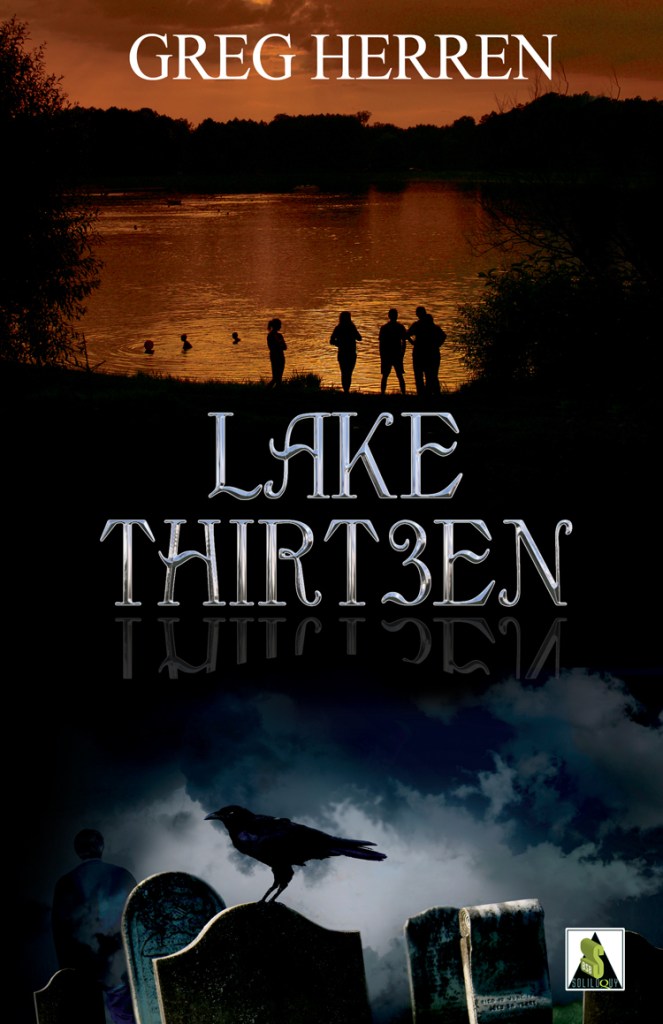
There’s been a conversation going on over at Book Twitter lately that doesn’t really impact me in any way, but it’s been kind of interesting to follow. The conversation has to do with concerns about what is and isn’t considered y/a fiction as well as what is, or should be, considered age-appropriate reading material for teenagers and pre-teens. It doesn’t impact me because no one considers me a young adult writer, for one thing; despite having written numerous books with younger and/or teenaged characters (Sorceress, Sleeping Angel, Sara, Lake Thirteen, Dark Tide, Bury Me in Shadows, #shedeservedit), most people think of me as a gay mystery writer. Everything published under my own name is a mystery novel of some sort, whether it’s one of the series books or one of the stand-alones. I’ve never really marketed myself as a writer of young adult fiction, really; I shy away from that, I think, because of The Virginia Incident and the subconscious fear that one day that controversy might resurrect itself (which is ludicrous, and I know that; it certainly would have by now and it hasn’t, which further proves my belief that The Incident had nothing to do with me or my writing or my career and everything to do with systemic homophobia and othering used for political gain). It just seems weird to me that in less than five years after that happened–when I was deemed a menace to America’s youth–I could publish books for teenagers without a single whiff of complaint or scandal or even the raise of a single eyebrow.
Interesting, isn’t it? Almost like the whole thing was just more smoke and mirrors whose sole intent was to rile the homophobic base.
I just love that my existence is considered by some as a constant and continued threat to children.
One of the things that has always mystified me over the years is what is and isn’t considered age-appropriate. Intellectually I was far more advanced that most of my classmates (my emotional and personal maturity being an entire other subject–I’d say I am still behind on that score) and I started reading early. The library and the Scholastic Book Fairs were my best friends as a child, and I read everything I could get my hands on. I loved history, from which grew an appreciation and love for historical fiction (which I really don’t read much of anymore, which is odd. I really want to read Hilary Mantel’s Cromwell books…) and of course, my grandmother got me interested in “scary” movies and mysteries.
You’d think I’d be a huge fan of historical mysteries, but I actually don’t read many of them. I did love Elizabeth Peters’ Amelia Peabody series, and I’ve become a huge fan of Laurie R. King’s Mary Russell series…I think exploring historical mysteries might be a project for 2023.
But the point was I was reading books far too advanced for most people my age when I was young. I freely will admit that in my first read of Gone with the Wind at age ten I didn’t know Rhett raped Scarlett the night of Ashley’s surprise birthday party–it wasn’t until a reread in my late teens where I thought oh, this isn’t right–let alone that she enjoyed being overpowered and forced. I also read The Godfather when I was ten, and there was no mistaking anything about Sonny Corleone and Lucy Mancini. He had a cock the size of a horse’s and her vagina was apparently the Lincoln Tunnel. (Although the she felt something burning pass between her thighs still mystifies me to this day.) I also read The Exorcist when I was ten and I was also very well aware of what was going on in the crucifix masturbation scene. As a kid, I was fascinated by these sex scenes (aka “the dirty parts”), and it wasn’t until I was older than I began to question the entire Sonny-Lucy thing (and why it was even in the book in the first place); and while the crucifix scene was gross, shocking and basically icky to me at ten–when I reread the book sometime in the past decade it seemed prurient, to be honest–used primarily for shock value and to get people to talk about it.
So, yes, I started reading books for adults when I was around ten. I also read Antonia Fraser’s Mary Queen of Scots and Robert K. Massie’s Nicholas and Alexandra that same year–I remember doing a book report on Mary Queen of Scots and my teacher not believing that I had read the thick volume; he started opening the book at random and asking me questions–which I was able to answer, so he grudgingly accepted the book report and gave me an A. (Teachers have doubted me all of my life; can’t imagine why I am insecure about my intelligence…)
Over the course of my teens I also read books by Harold Robbins, Sidney Sheldon, Jackie Collins, Jacqueline Susann and Gordon Merrick-every last one of them crammed to the gills with racy sex scenes. I was also reading Stephen King, Irving Wallace, Herman Wouk, Agatha Christie, Ellery Queen, Jean Plaidy, Victoria Holt, Phyllis A. Whitney and any number of authors who wrote for adult audiences not teens. Were there things in the books I didn’t understand? Sure there were. Were there things in those books that were probably inappropriate for teenagers? Undoubtedly. (I’ve also never forgotten the scene in Joyce Haber’s The Users where a Liza Minnelli-based character fucked herself with her own Oscar; some images are simply too vivid to forget methinks.)
This is one reason I shy away from calling some of my books with teenagers “young adult” novels. Megan Abbott’s Dare Me centered teenagers, but I would never consider Dare Me a young adult novel. I was thinking about this the other night while watching Sex Lives of College Girls (it’s hilarious, you really should be watching); can I authentically write about teenagers anymore? Have I ever been able to? I don’t speak their language anymore, and I haven’t been one in over forty years (!!!!); I don’t know the technology they use or their slang or what they watch or listen to. I don’t know what today’s teens think about virginity and sexuality these days; do the tired old tropes still exist? Does that whole “good girl/bad girl” dynamic still exist, or are today’s teenaged girls a bit more sophisticated than they were when I was in high school when it comes to sex and sexuality? (Contrasting two high school shows with queer content makes you wonder–there’s the jaded cynicism of the rich kids in Elite vs the wholesome purity and innocence and sweetness of Heartstopper, which also had me wondering–although I feel certain Heartstopper might be closer to reality than Elite…or that’s just my hope?) Of course I have other ideas for more books about young people–I have another in-progress one that’s been sitting around for a very long time that I need to repurpose–and I’d kind of like to write more at some point, but I don’t know. My suburban 70’s serial killer preying on teenaged boys book would be told from the perspective of a twelve year old, but it would definitely not be a young adult novel–but will probably be marketed and sold as one.
And on that note I am heading into the spice mines on my last day in the office for 2022. Check back in with you later, Constant Reader.
I hadn’t been sure that I would keep writing young adult novels after I revised, rewrote and published the first three (Sorceress, Sleeping Angel, and Sara) I didn’t know if it was a direction I wanted to keep going in. I knew I wanted to do stand-alones–always have wanted to do stand-alones–and I also like writing about teenagers and young adults.
If you remember, a few entries back I talked about a horror novel I started writing in the 1980’s called The Enchantress that only got about three or four chapters into before abandoning (because I didn’t know where to go next with it; and the first chapter I specifically remember rereading at some point in the decades since and shuddering in horror at how badly it was written), but one of the places in the book really stuck in my head–an old family owned hotel called Mermaid Inn, which sat on the shores of Tuscadega Bay (which was my stand-in for Choctawhatchee Bay–my grandparents retired to a house on that bay and I’ve always wanted to write about that area). After shelving The Enchantress (which I do think about from time to time, and wonder if I should revisit the idea) I kept thinking, you should write a book and call it Mermaid Inn.
I made a folder for it, wrote a few sketchy notes, and it sat in my files for a very long time.
If you will remember, I had originally planned to write an entire series of interconnected young adult novels, a la the Fear Street series by R. L. Stine, and one of the varied locations they would be spread out over would be Tuscadega, Florida, in the panhandle on a fictional bay. That was part of the note I scribbled for the folder–set this in the panhandle of Florida, and connect it to the fictional Alabama county you’re going to write about somehow.
I decided to write Mermaid Inn sometime after Hurricane Katrina, when I discovered yet again my own ignorance of geography. I’d just never really given it much thought, to be honest; I knew Mobile was on a bay, I knew when you drove on I-10 through Mobile you have to take a tunnel below the Mobile River. I just had always assumed there was nothing south of Mobile in Alabama–I mean, it’s ON water–and figured that those lower prongs of Alabama that reach down along the sides of the bay were uninhabitable wetlands. I discovered this to not be the case when visiting friends for the first time who lived in Alabama south of Mobile. They told me to take an exit off I-10 and drive south, which I didn’t think was possible.
It is.
I don’t remember precisely when or how or why I decided to write Mermaid Inn and set in a small town on the prongs, south of Mobile; I just know now that at some point I decided to do this–and my friend Carolyn Haines might have been involved; I know she told me some stories about closeted society men in Mobile and their hijinks and I thought, I could use this for the book and I think that may have been the impetus? And then I created my character, Ricky Hackworth, from Corinth, Alabama–po’ white trash who needs a swimming scholarship to attend the University of Alabama. (Sidebar: alert readers will recognize that Beau’s last name in Bury Me in Shadows–and at one point in the story he mentions he’s only the second Hackworth to go to college; “besides my cousin who got a swimming scholarship.”)
The engine of my pickup truck made a weird coughing noise just as I came around a curve in the highway on the Alabama Gulf Coast and I saw Mermaid Inn for the first time.
My heart sank.
That’s not good, I thought, gritting my teeth. I looked down at the control panel. None of the dummy lights had come on. I still had about a half tank of gas.I switched off the air conditioning and the stereo. I turned into the long sloping parking lot of the Inn, pulling into the first parking spot. I listened to the engine. Nothing odd. It was now running smooth like it had the entire drive down. I shut the car off and kept listening. There was nothing but the tick of the engine as it started cooling.
Maybe I just imagined it.
Hope springs eternal.
The last thing I needed was to spend money on getting the stupid old truck fixed. Maybe it just needed a tune-up. I couldn’tremember the last time it had one.
Dad gave me the truck when I turned sixteen. It had been his work truck since before i was born–it was two years older than I was. He’d finally broken down and bought himself a new one. This old one was dependable and had almost two hundred thousand miles on it. Dad had taken good care of it. He’d babied it, gotten an oil change every three thousand miles without fail, and I could count on one hand the number of times it had been in the shop to be repaired.
It still had the original transmission.
It might not have been the nicest or prettiest car in my high school parking lot, but it got me where I needed to go and got good gas mileage. Since I was saving every cent I could for college, that was a lot more important than horsepower and cosmetics and a loud stereo that rattled your back teeth. The swimming scholarship I’d accepted from the University of Alabama wasn’t going to remotely cover anything close to the lowest estimate of what my expenses might be, but it was the best offer I’d gotten.
And I was grateful to have it. If they hadn’t offered, I wouldn’t be going at all.
I’m both excited and nervous for the trip, to be honest; nervous about having to speak at the banquet for one thing, excited to be in New York and to see friends for another. Today is going to be, around clients, last minute attempts to get ready for the trip, making a packing list to make sure I don’t run off tomorrow morning to the airport without things packed that i will need once I am there (I forgot something rather important for Alburquerque), and hoping, always hoping, that I will be able to sleep once I am there. I’ve slept well for the last few days, which has been really nice, and fingers crossed that will continue once I travel. The flight is nonstop on the way there; we have to change planes in Nashville on the way back. I always am hopeful that things will go smoothly whenever I travel; there was some delays involved on my last trip but I think everything ran on time the last time I went to New York.
I continue to obsess about both season 5 of Elité as well as Heartstopper. I actually went ahead and got the graphic novels the show (Heartstopper) is based on (more on that to come), and really enjoyed reading them yesterday. I guess I never realized how much I needed to see a sweet young love story between teenagers? I’ve tried reading the big gay y/a novels over the last few years without much luck; I never was able to really connect with the characters or the stories I was trying to read (without much luck) and even some of the films/TV shows based on them, but they didn’t really engage me. I am happy these books and stories and their adaptations exist–representation matters, believe me, it does–but there’s nothing wrong with my not being able to enjoy them, either. I didn’t like much y/a fiction when I was an actual young adult, and maybe I do somewhat try to write the stories that I would have liked to have read when I was that age with my own work–I don’t know if I succeed with that or not; the jury remains out and probably will remain out until long after I die–but I also enjoy writing them. (Not that I am enjoying writing anything these days, but you know what I mean.)
I also continued to work on my CV yesterday–it’s close enough to complete now to turn over to my friend for the favor they asked for, needing a bit of editing and moving things around–but it’s now eleven or twelve pages long, and I could easily (well, not easily; it would require digging through boxes in storage to get all the fitness columns and book reviews and author interviews out that I wrote over the early years in my career) fill up probably another three to four pages. That’s pretty fucking long, really; I am now up to almost forty novels (there, if you count novellas as novels) and I think I need to count my short stories again as well. I also know I have a lot more essays out there somewhere…but as I said, a twelve page CV more than meets the requirements necessary for this current purpose.
Jesus Christ, I’ve written a lot since 1996–and this doesn’t even count all the drafts, unpublished stories, false starts on books that only got a few chapters in before running out of steam, essays, and most important of all–this fucking BLOG. Even if these only average 500 words per (and many of them run much longer), I’ve been doing this almost every day since December 2004. Eighteen fucking years. Assuming that I miss at least forty-five entries per year, I’ve written 103, 680 words (assuming the blogs are all 500 words). That’s fucking insane.
But I think I am going to read Ernest Hemingway’s To Have and Have Not next; I picked it up and opened to the first page yesterday and kind of actually got sucked into it. So I will read that at the airport and on the flight tomorrow and have a back-up in my backpack. I picked out other books to take with me on the trip, of course–and of course, there will be giveaways after the banquet on Thursday night to bring home–so I am all set on that score. And we watched some more of Severance last night (after a really bad gay movie called The Pass with Russell Tovey; I do not recommend it. It’s full of self-loathing and toxic masculinity and while the actors are good… yeah, the story leaves a lot to be desired), which I am really enjoying. I don’t know what’s going on yet–and I doubt very seriously that any of the questions I have are going to be answered in one season (we’re three seasons in on Servant and still have no fucking clue what is really going on in that household).
And on that note, I am heading into the spice mines. Happy Monday of Edgar week, Constant Reader!




 Queer and Loathing in America