So this is Christmas! Hope everyone has the kind of day they desire; as for me, I am staying inside all day and being a lazy slug, which is exactly what I did yesterday, and it was absolutely marvelous. I didn’t even read anything; I wanted my brain turned off completely and didn’t even want to think about anything or everything. It was nice. I feel really rested and relaxed this morning…Sparky started demanding I get up about six, but he’s actually sweet about it. He’ll try for a bit, and when I don’t get up he’ll cuddle for a bit, but every time I move, he’ll try again for a little while before going back to being cuddly. I don’t have the heart to tell him that his being cuddly makes me want to stay in bed all the more…
Cats are marvelous pets, really.
We got very heavily into our binge of Down Cemetery Road, which we are really enjoying. I’m going to have to read the book it was based on, written by Mick Herron–someone I’ve not read yet but is really recommended by almost everyone I know who has read his work. Emma Thompson is terrific, and I hope this gets another season; there are four books in total about Zoë Boehm. She’s going to be a favorite at the Emmys, deservedly so. I also started watching the 1995 Canadian Hardy Boys series, but turned it off after five minutes because it was terrible; the Hardy Boys/juvenile series groups I belong to despise the show, but I wanted to give it a shot, as they tend to not like anything that is even slightly different from the books…but in this instance, they were absolutely correct. I then started a German/South African adaptation of another juvenile series I enjoyed, The Three Investigators and the Secret of Terror Castle, which has a very young Cameron Monaghan playing Bob Andrews, but I didn’t finish it, either–despite a very strong start, I was too fidgety yet to commit to watching anything other than Youtube videos until Paul got home from having his hair colored.
A most exciting Christmas Eve, was it not?
I also did some chores–laundry, dishes, the kitchen–but for the most part, it was exactly the kind of day I wanted and needed, and here’s hoping that today will be the same. I won’t start making the turkey in the slow cooker until noonish, so we can have it for dinner tonight as we finish watching Down Cemetery Road. I’ll probably start making notes for my end of 2025 recap soon, too.
And on that note, I am going to bring this to a close. Have a wonderful day, no matter how you spend it or what you do with it, Constant Reader, and as always, thank you for stopping by!
At a glance this guy reminds me of Pete Buttigieg.
And work-at-home Friday has rolled around again, and I have a lot to do. Nothing I am going to give myself stress over by any chance–nothing is worth stress, especially now that my anxiety is medicated and under control–but I feel pretty good this morning.
Sparky let me sleep a little later this morning, which was lovely. I didn’t sleep great–I woke up a lot, and was often in that halfway asleep halfway awake state. But I do feel good, so it must have been better sleep than I had thought. I need to make a plan for the weekend. I only have two days in the office next week, so am hopeful, very hopeful, that I will utilize that time well. I have a meeting this morning and a lot of Admin work to get done today, before I can return to the comfort of my easy chair and finish reading the Cain novel and a Shirley Jackson short story I saw mentioned on social media the other day. It’s also sunny and bright outside, with a potential high of sixty. It’s also going to keep getting warmer every day until we hit 80 on (sigh) Christmas. Yes, we’ll be running the air conditioning on Christmas. It is interesting, though, isn’t it, how we’ve all been trained to think of Christmas as cold with snow and ice….if the Jesus story is true, it don’t snow much in Israel, so that was a “tradition” that was added much later by Christians. Why shouldn’t it be warm on Christmas?
We started watching season two of Percy Jackson and the Olympians, based on the Rick Riordan series, and it’s very well done. The cast has also grown a bit since the first season, and look like high school kids now; the first season they looked like tweens. I also want to start some of the other shows that have been released that we’ve not started yet–like the Emma Thompson crime show (love her), or various other crime shows that have been uploaded to streaming services. I also want to start my holiday rewatch of The Mummy movies, to go with my essays on Egypt and the deep fascination I’ve had with the ancient civilization since I was a little boy–and the wonderful novels that fed it over the years. It’s also how I discovered the Amelia Peabody series by the magnificent Elizabeth Peters–I always picked up and examined books set in Egypt whenever I visited a bookstore. I was also a little disappointed that neither Nancy Drew nor the Hardy Boys ever visited Egypt or solved a mystery there. As you may have noticed, before December got underway I was alternating the traditional hot guy images for the blog with Egyptian scenes, and will probably go back to that after the new year and Twelfth Night, adding in Greek and Roman images before moving on, at some point, and then Mayan and scenes from European history.
Oh, and we have another episode of Heated Rivalry dropping tonight–I thought they came out on Wednesdays? Must have been wrong–and I also have to figure out the weekend and how I intend to have it play out; what errands to run, what groceries I need, etc. I know there are football games tomorrow, but don’t care terribly much about any of them, honestly, other than Tulane, my favorite long-shot team to make it to the finals. Indiana-Tulane would be amazing, wouldn’t it? Who would have ever thought either team would be in the play-offs, and I can assure two years ago had anyone predicted Indiana would be the number one seed, they would have been laughed at, or placed in a psychiatric hospital for observation.
The Vanity Fair fallout continues, and I was highly amused to see that their subscriptions spiked on the day they released the article and images on-line. I also love how the photographer (whom I hadn’t heard of before) doubled down with his responses to the criticism from the Right who claimed foul. Hey, no one made Karolyin’ Leavitt get the lip injection so close to the shoot, and you know they all thought the images would be filtered and photoshopped and airbrushed to make them look pretty and powerful and impressive…only to be shown exactly how they are: small, petty, cruel, and utterly banal. That close-up of Leavitt deserves a Pulitzer Prize.
And on that note, I am going to head into the spice mines. I know I’ve not been very interesting lately, but hopefully I’ll get more interesting as this dreadful year comes to a close, with no guarantee that next year will be better. Have a lovely Friday before Christmas, and I’ll check in with you again tomorrow.
I really need to write a Christmas story about muscle-daddy Santa.
Sunday morning in the Lost Apartment and I slept late yet again–Sparky tried, but I wasn’t having it until almost eight this morning. I feel very well-rested this morning, which is great, because I do want to get a lot done this morning/afternoon/today. I didn’t do a whole lot yesterday–I ran the errands, ordered groceries for delivery–and then watched the LSU game. I was going to cook out for it, but we had a thunderstorm so that was out; I’ll have to do that today so the fresh meat doesn’t go bad. I did work on my story yesterday but it was kind of like pulling teeth, so didn’t get much of that done…but I did read some yesterday. Incident at Loring Groves, after a slow start, has picked up some; I’ll probably finish it today because it’s short. I did check in with my other books, too–reading a chapter in each.
LSU did win its game against Arkansas 4-1 last night, which was fun to see (we’re also leading the Jello Shot Challenge again, quelle surprise), and plays UCLA on Monday night, and it’s an early start so I should be able to see most of it after work. I have my first infusion tomorrow morning, in Metairie (sigh), and I don’t know what all that will entail, or what I’ll be like afterwards, for that matter. I’ll stop for lunch on my way to the office after I am finished, and then we’ll see, I suppose. I have some trepidation about it, of course, so I should probably read up on it today. We’ll see. (My avoidance of unpleasant things I don’t want to deal with hasn’t, apparently, changed much.)
We also finished watching Caught yesterday, and started The Good Girl’s Guide to Murder, which is interesting and really grabbed our attention. It reminds me some of that Adnan Syed case up in Baltimore, and also is kind of a modern twist on the kids’ series and books I loved reading as a kid; Nancy Drew and the Hardy Boys, for example, never solved a murder case, which always kind of struck me as odd for literary detectives, you know? And yes, watching it made me think about my next attempt at y/a, if I should ever try another one. I may have to read the Good Girl novels by Holly Jackson.
I’ve been overflowing with ideas lately, which is fun, I just need to harness that creative energy and direct it into, you know, actually writing. I hope to get some done this morning while I do the chores and clean up this mess down here. It looks sunny and bright outside, which is also nice–but it’s probably hot and incredibly humid out there. According to Accuweather, today’s thunderstorm won’t arrive until five, so yes, will have to grill burgers in the early afternoon.
This is also a short work week; we have Thursday off, and of course, I work at home on Fridays so I don’t have to go in for four days, which is lovely. Next week I am leaving work after the morning to head to Alabama to meet Dad, so another short week, and I believe the week after that is the 4th? I really do need to get my shit together and start planning. I still need to make a to-do list and I need to update some things and above all else, I need to be writing and editing. Sparky will undoubtedly have some thoughts about that, as he loves to spend the afternoons and evenings in my desk chair, and will annoy me until I finally give up and let him have it. But I can edit and reread in my easy chair, after all; the problem is I always end up turning the television on, which then sucks me into something, usually on Youtube–which is where I check the news, really; I don’t trust many news sources anymore, and even on Youtube there’s a lot of slant to everything. I’ll never trust legacy media again, since the C in their acronyms seems to stand for “collaboration” now.
I really need to make a to-do list, and I need to make it overly ambitious to push myself harder to get things done, you know? I’m still resting, of course, and I need to always prioritize getting healthy again–and not overdoing it because I feel good one day and think oh I am healthy again let’s go only to relapse into exhaustion the following day. I mean, I do feel better for the most part–this morning I feel really good–but there’s a fine line between trying to rest and not overdo it vs. I don’t feel like doing anything today and I DO need rest…as we all know, I will always choose rest over work!
And on that note, I should get to work this morning. This kitchen is disgraceful, and I already have the stories I am working on–as well as my next newsletter essay–queued up, so I literally have no excuse for not getting things done today. I’ll do the dishes and then make a to-do list, as well as prepare some things for the week (making watermelon gazpacho, for one) and hopefully having a terrific and productive day. Have a lovely Father’s Day and/or Sunday, Constant Reader, and I may be back today or tomorrow morning before the infusion.
Who needs tomorrow? Well, it’s Christmas tomorrow, Mr. Seger, so I’d say we could all use a little Christmas this year, couldn’t we?
So it’s Christmas Eve in the Lost Apartment, and Sparky and I are the only things stirring. Paul is sound asleep, and I am going to let him sleep as long as he wants. I am going to order our pizza around twelve, I think, and I am going to go to the gym in a little bit first, methinks. I am going to take today and tomorrow off from anything other than light chores (unless I get a wild hair) and just read and relax and watch things on television and cuddle with Sparky. I can’t think of a better way to spend this holiday, can you? Sparky seems to have that same secret superpower of inducing sleep in us by simply cuddling up and going to sleep on or near either of us that Scooter had. I took two short naps this past weekend, and I blame that entirely on having Sparky sleeping on me–I never take naps! When I got home from work, he’d been cuddling with Paul off and on all day, and he spent the evening going back and forth between us. We finished The Day of the Jackal yesterday night, which was really fun
I was correct about yesterday being an easy day at the office. We were on a skeleton crew, most of the managers and supervisors were out, and thus I was able to focus and get a lot of my work done. It was marvelous. I was able to leave early, and when I got home I even figured out what short story to write for this queer anthology I’ve been invited to participate in, and I’m working on this other one for another anthology I’ve agreed to write for. I am going to take some characters from another project and write a short story about them…I think it’ll work, and then I can just plug the short story into the longer manuscript, which seems rather genius to me. I mean, why not make your work work for you? I’m a firm believer in that–even if I always worry about recycling plots. This morning I am going to clean the kitchen, drink my coffee, and read for a bit. I am intending to have a very relaxing two days off. Maybe I’ll do some work, maybe I won’t. I did finish my Substack essay on the blatant and horrific racism in the original edition of The Hardy Boys adventure The Mark on the Door, too.
The public theater of the Luigi Mangione trial–which is going to be reported on breathlessly by a media completely out of touch with their audience and will probably last throughout 2025, serving as a distraction for the people who cannot with the news from Washington anymore; Romans had their circuses to entertain the populace and keep them from rising; we have our modern media. What’s even odder to me is the disconnect between Luigi’s followers and the vastly smaller amount of law-and-order proponents (mostly in the media, for the record) castigating and moralizing about “condoning murder.” I have never been a fan of scolds or people who primly climb into their saddle atop their moral high horse and lecture everyone else about their moral failings. For the record, I do not respond to being lectured or scolded or condescended to very well–especially by people I do not know on the Internet. I don’t owe you space, I don’t owe you a platform, and you do not know me well enough to talk to me like you’re my mother. She’s dead, for one thing, and I didn’t even let her talk to me like that. You think you matter more to me than my mother? Arrogant much? Maybe have all the seats before coming at me as a fucking straight white woman of a certain age? I blocked two people on Facebook yesterday–one a priggish morally superior straight white woman who came onto my page determined to make the stupid faggot aware of her moral superiority; the other a gay man I’ve never met who did the same. I do my usual test of moral superiority with other strangers that I always do: hmm, what do I think you were doing during the HIV/AIDS crisis when gay men were dying by the thousands? And is you’re so law-and-order, that means you were probably being horrible about ACT UP and all the other in-your-face activism that needed to be done back then, some of which broke laws, which means you folded your arms and scolded rather than actually doing anything while people are dying.
Kind of like you are defending health insurance companies. You cannot be morally superior if you are defending the death panels. To me, that means you’d be a German who turned away during the holocaust and pretended it wasn’t happening, even though you lived in a village near a death camp and could smell it.
Also, slavery was legal in this country until 1865. So you would have supported that? Jim Crow was also the law, Ms. Black-and-White-Binary, and so were the eradication of the natives of this land and the Japanese internment camps in the 1940s and I could go on and on and on. Your lack of nuance is very telling.
And for the record, I never said I condoned or condemned the murder; all I’ve ever said is that I understood the mentality behind it because I have been there myself. I don’t share my own horror stories about health insurance–because all these people do is fold their arms and wrinkle their brows (think Susan Collins) and scold anyway. It’s also amazing to me that people will barge into one of your posts when they do not know you, do not know your situation, do not know your history, to smugly inform you how morally superior they are to you. With that fucking profile picture, bitch? Right before Christmas? Literally, go fuck yourself with barbed wire, skanky bitch, and take the morally superior gay man with you. It’s very easy to judge people (I’m doing it right now) without knowing the full story, but I also shouldn’t have to explain why I feel the way I do in order for other people to consider my opinions valid–that’s dehumanizing, and if you came running up to me at a conference or in a public space and started screaming at me (which is basically what you are doing, dear Ms. Morality), I wouldn’t stand for it, and I will not stand for it on-fucking-line. 1
For me, this case fascinates me, and what is even more fascinating is how this is being reported. There’s definitely been a slant to the coverage of the case, and there has been since it first happened. It was very shocking–a CEO being mowed down like a dog in the street on his way to an investors’ meeting–and very daring, very well-planned. It was, very much, intended as a political assassination; a protest against our incredibly broken health insurance industry. The fact that it was the CEO of United Healthcare immediately raised my eyebrows; they aren’t my insurer, but I work in a clinic for the under or uninsured and believe me, I have never heard a single person with United Healthcare who actually liked their insurance carrier. It’s always horror stories, and believe me, I’ve witnessed some myself. United Healthcare is garbage, it’s expensive, it has high deductibles, and they refuse coverage over 30% of the time.2Their clients have no recourse, either; none of us do when our health insurance companies deny coverage (a favorite of mine is the bait-and-switch; “we’ll cover all of this, no worries” only to find out later that “oh, no, you owe for this and this and this and this.” (That was my experience with my shoulder surgery last year.) I had a surgery that was, over all, about 95% completely covered by my insurance–but that 5% almost bankrupted me. So, miss me with your “sanctity of life” bullshit. Brian Thompson had no concerns about the sanctity of life of his clients, to the tune of billions of dollars of profit last year. I didn’t cry or feel bad when Reagan or Kissinger or Limbaugh died; I won’t feel bad when Anita Bryant or Maggie Gallagher or Donald Wildmon dies. The media also tried to paint Thompson as a “family man”–not that he was estranged from his wife and kids–and couldn’t find any on-line pictures of the family, which is kind of telling. Who doesn’t have at least one family picture on-line?
No one deserves to be murdered in cold blood, but our system is so corrupted and rotten to the core that most people feel helpless in the face of it–that’s the real story no one is reporting in this case, which is also very telling about the news media, how they report stories, and the narratives they try to shape–and feel like they need to step up for the good of everyone. (They were the ones who convicted the Menendez Brothers, after all.) Rather than think pieces and editorials about how “horrible it is that people are cheering for a murderer”–why isn’t anyone exploring or reporting or even considering why people are cheering for a murderer? Everyone was rooting for him before anyone knew what he looked like, and the fact that he turned out to be attractive? Made it a much harder sell for the media, so of course they ran with that–people only support him because he’s attractive, which again, is one-dimensional and offensive to the core. Ever since I walked away from legacy media last July, it’s so much easier to see the narratives and the spins they go for–both sides, really. MSNBC’s breathless reporting, along with their butt-buddy CNN, on the narrative from Fix and OANN and Trump that Biden was senile and dying ensured a Trump election, and I said it at the time and that’s why I walked away from it. The great irony that I agree with the right that it’s all “fake news” has not escaped me. They were right, but only half-right; they think Fox is honest, and they aren’t. The copaganda perp walk? How much money and how many resources did the NYPD waste on their “manhunt,” which accomplished nothing because he was caught by a tip called in? So, that was absolutely copaganda: see how seriously we are taking this, oligarchs? Keep approving our massive budgets which are a waste of money and time. Um, you didn’t fucking catch him, and it’s interesting that the NYPD will mobilize for a rich man’s murder and divert everything to catching the killer, while crimes go unsolved and uncared about on the daily in New York City.
We should be talking about about the health care insurance scandal in this country, and talking about how to fill loopholes and make insurers pay claims, rather than “you only support him because he’s hot.” I’m fucking sixty-three years old. Just because someone is hot doesn’t mean I either like them, support them, or want to fuck them (Zachary Levi? Mark Wahlberg? Nick Bosa?). So stop fucking condescending to me.
And don’t come on my social media scolding me. It won’t end well for you.
And on that note, I am going to get into the holiday spirit by going to my easy chair with Sparky and watching Auntie Mame, my favorite Christmas movie.
The difference between me and so many people is I am exactly who I am on line. It’s not a persona. I don’t reveal everything because I only choose to share certain aspects of my life and who I am, and I don’t have to, either. I am not braver on line than I am in person; if anything, I tolerate more bullshit on line than I ever would in person. ↩︎
How awful for me to empathize with all the people going bankrupt paying for health insurance coverage that doesn’t cover anything! How fucking dare me! That man’s life was sacred.↩︎
Christmas Eve Eve, only day in the office for the week. It’s in the forties here in New Orleans this morning, and it feels every degree of it here in my office nook this morning. I think we’re going to be fairly slow today–although I’ve been wrong about these things before. Cold makes me ache a bit and not want to get up from the bed, but here I am. I can sleep late in my warm bed the next two mornings, after all. Yesterday was nice. I got up and ran my errand, thus remaining ensconced inside for the rest of the day. I worked some, got some chores accomplished, and we watched Alien Romulus (which I enjoyed, but felt derivative) and then went back to The Day of the Jackal, which we’d started the night before. It’s a fun watch, with a little too much extraneous filler (I really do not care about the Jackal’s private life, or that of the MI6 operative trying to catch him), but Eddie Redmayne is pretty good as the Jackal.
Of course, The Day of the Jackal takes me back to the 1970’s, and the search for Carlos, both terrorist and assassin. He got a lot of press back then. Frederick Forsyth wrote the novel The Day of the Jackal, and it was originally made into a film back then. When “Carlos” first emerged, people started calling the assassin/terrorist “the Jackal” because he was similar to the character in the Forsyth novel–already a bestseller, the branding of a real life person as the fictional character drove even more sales of the book. Everyone in the 1970s, it seemed, knew about Carlos; we even did a week on him in my Current Events class in high school. I know I read the book but didn’t see the film; and I’ve essentially forgotten most of it since then. Terrorism was seen as a major issue for the world at the time; and Americans were very smug because there had been no terror attacks inside the United States at the time, so we saw terrorism primarily as a “foreign” problem (until 9/11). Carlos was so known and prevalent that Robert Ludlum created Jason Bourne in The Bourne Identity to fight and either catch/kill Carlos. The 1970s were such a different time, or at least it was for me. I was old enough to be aware of the news and the world, but I wasn’t educated enough to understand what it all meant, what the root causes of international problems actually were, and I was in the midst of my indoctrination into the mythology of American exceptionalism and its equally awful twin, White Supremacy. It wasn’t until the Reagan administration that I began to unlearn everything I was raised to believe and began seeing the reality beneath the propaganda.
Alien Romulus, on the other hand, was quite fun but seemed to me, at least, to be a bit derivative; with scenes that were direct callbacks to the first two movies, with lots of dramatic tension and suspense and more than a few excellent jump scares (although at one point I said aloud, “There’s always at least one more, people”–only to have one appear within seconds. The idea of a soulless corporation looking to use and exploit the incredibly dangerous creature(s) at the cost of any number of human lives certainly resonated, since that’s where we’re at in this country at the moment. I recommend it–I think in the chronology of the movies this one comes after the original–but you don’t really need to have seen any of the earlier films to enjoy this one. They are all linked, of course, but each movie (at least the ones I’ve seen) can stand alone on their own individuality.
I also blame George Lucas for the entire concept of prequels and filming series out of order.
I’m looking forward to the holidays this week primarily because of two days off from work, more than the holiday itself. I don’t feel very Christmas-sy this year, frankly, and I certainly didn’t last year with my arm in a brace and all the irritation that entailed. I’m going to get us a deep dish Chicago-style pizza pie from That’s Amore tomorrow, and on Christmas day we’re planning on seeing Babygirl, which will be our first trip to a movie theater since before the pandemic. I think I have to come into the office on Friday this week–not a big deal, since I have two extra days off this week–to cover for someone for the holidays. I work one day, then am off for two, come in for two more, am out for another two, in for another two and then out for another. Yes, these next two weeks are going to be completely disruptive.
SIgh.
I did start getting back into the Scotty book yesterday, rereading and editing as I go on what is already done on the book and plan out the rest of it. I also have some short stories due that I need to write, too. Yikes, indeed. I have a lot to do, don’t I, and I really need to stop blowing off my free time and getting back to serious work on my writing. This Scotty book is going to be a lot of fun; wild and crazy and endlessly silly and full of “really, Greg?” moments. I love when my mind finally snaps back into Scotty mode; it seems like every time I write one I go into it with an overly serious mindset that needs to be snapped out of somehow. I also worked on one of my essays yesterday, about racism in the original texts of a Hardy Boys mystery (The Mark on the Door) that I am hoping to finish and post this week, as well as a meandering essay about Christmas and the holidays and how easy it is to offend the very weak faith of most Christians. (Or I could finish my lengthy diatribe about being groomed as a Christian–and fuck you in advance if you @ me about this; I don’t want to hear your dismissal of my very real experiences, thank you very much.) Although I do suppose setting a goal of writing a Substack essay every week might be a bit much. I write one of these posts every day, not to mention emails and so forth…so yes, I do already write quite a bit, at least 500-1000 words per day on here (closer to the 500 count, and averaging probably less than that, more like). It is a conceit of mine that I do not consider writing this post every morning as words written for the day; I never have. Perhaps I should start?
And on that note, I am getting cleaned up and putting on some warm clothes to face the day. Have a lovely pre-Christmas Eve, Constant Reader, and I’ll be back at some point, I am sure.
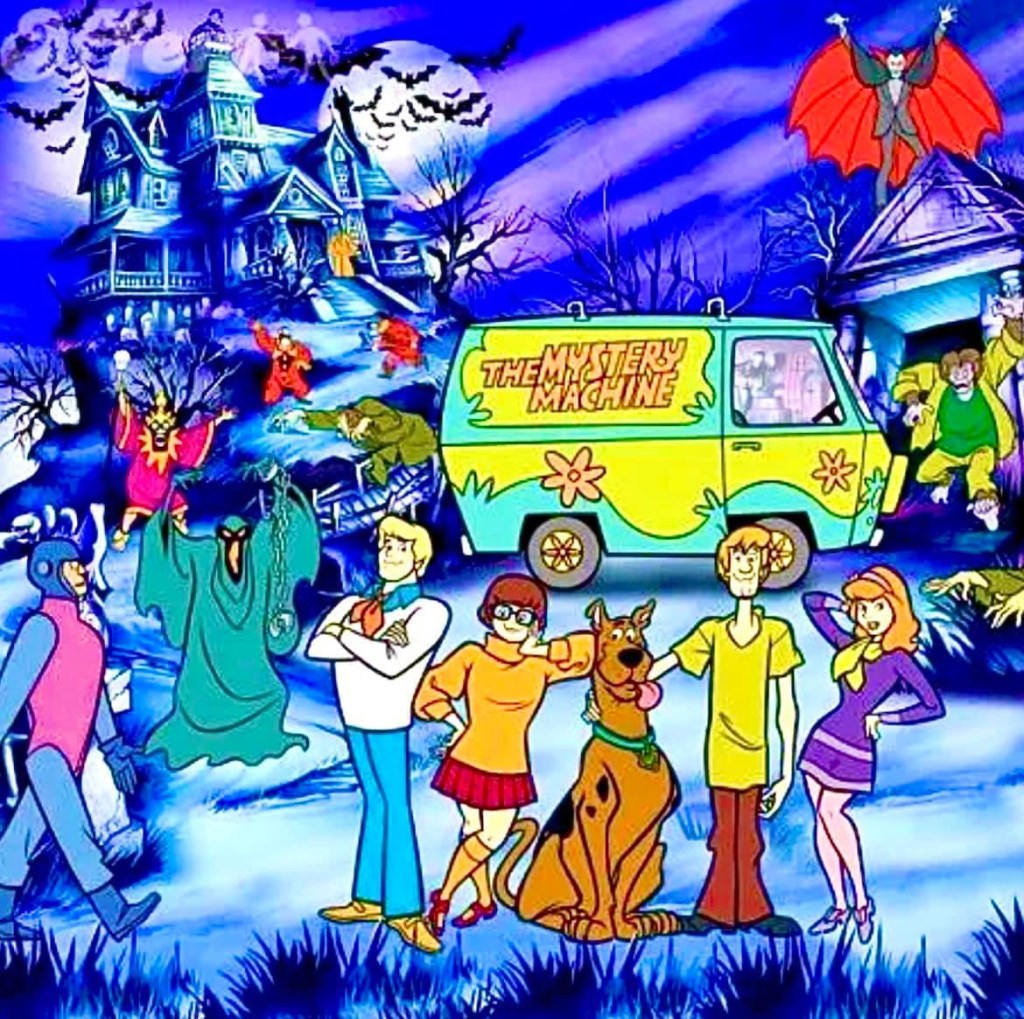
The other day after work I was too tired to write and so I settled into the easy chair with one Sparky for cuddle time, but needed something to watch. I finished burning through the news to get caught up as I do every day, and then started searching for something else to watch when I saw Scooby Doo, Where Are You? in my “Up Next” list as I scrolled through it. It’s always tricky when I need something to watch on my own without Paul–it has to be something he’s not interested in watching–and at some point over the last four years I started revisiting this show from my childhood but never finished the rewatch–mainly because I am now in my sixties; far too old for the audience they were going for.
While I wouldn’t say Scooby Doo Where Are You? was necessarily a huge influence on me and my life, I did love it and watched it every Saturday. It started sometime after Jonny Quest and The Hardy Boys cartoon was cancelled, and a kid who was devouring kids’ series books by the stacks and checking out every book in the school and public library that had the words mystery, secret, clue, haunted, ghost, riddle, or phantom in the title, the adventures of the Scooby gang was usually the highlight of my Saturday morning cartoon experience. I have not been a fan of anything that came in the wake of the original half-hour show (we will never discuss the abomination/hate crime that was Scrappy Doo), and for the purpose of this entry (and really, in my heart and mind) we will pretend that the show was cancelled after the original series run and nothing was rebooted, restarted, revamped, or overhauled in the years since the original Scooby Doo money train was derailed.
But saying Scooby Doo didn’t cement my interest in mysteries wouldn’t be true. The show did, silly as it was (watching as an adult I couldn’t help but wonder, “why would the bad guys go to such extremes to scare people off?”–which also is a contrivance often used in the Nancy Drew/Hardy Boys type books, too), but I watched it every Saturday morning. I kept watching through the next iteration, the hour long show with guest stars, but after that I was too old and had better things to do on Saturday morning than watch cartoons. I’ve always had a soft spot for Scooby, just as I did for the animated Hardy Boys show and Jonny Quest, and unlike many others, I never see reboots or remakes or re-imaginings as “destroying my childhood” because I am not a moron. I can see how the show appealed to kids–you can never go wrong with a sentient Great Dane with limited speaking abilities–and I remember writing Scooby fan-fic when I was young. I started out “novelizing” episodes, and started writing my own. I’d forgotten about that when I was originally rewatching, but in my head the kids’ series I eventually came up with was linked very much, not only to other kids’ series, but Scooby Doo as well.
I don’t want to adapt Scooby or write Scooby books anymore, but I do occasionally want to go back to my kids’ series and think, why don’t you give this a try? Often times, the reason I don’t write things I think might be fun challenges is mostly cowardice and Imposter Syndrome. Can I really write kids’ fiction? Can I really write historicals? However, writing Jonny Quest might be interesting, especially with a reading of the Quests as a queer family.
One of the things about Scooby Doo that always interested me as a kid, and continues to interest me as an adult: Velma. Velma was clearly the smartest of the gang1, which was fun and unusual, and Daphne (‘danger prone Daphne’) wasn’t dumb despite being the pretty one, even though she often needed rescuing. Over the years the character of Velma was really interesting to me–being a brain, of course, meant she had to wear glasses and was hopelessly far-sighted–because she wasn’t easily scared and she was often the one who figured everything out. It was also interesting to me over the years to see many people read Velma as a coded lesbian, which begs the question why? She never has any interest in the opposite sex, but none of them do, really–it’s not that kind of show. We have no background on the gang, either–how are they able to just drive around the country at their age without having to check in with parents, and where does their money come from?
Of course, this is asking a lot out of a children’s cartoon series, which is also why I find it odd to revisit these shows looking for queer coding, and you can usually find it. The all-male environment of Jonny Quest, which is also a kind of “found family” show or Velma not being a late 1960’s/early 1970’s stereotyped girl are good examples of this.
I’ve always wanted to do a reread of all the kids’ series (I still have the books) to reread them for queer coding. I’ve already mentioned before that there was homoeroticism in both the Ken Holt and Rick Brant series–deliberate or not, it’s hard to say–but does this exist in the more popular Nancy Drew and Hardy Boys books. Is tomboy Trixie Belden a budding butch lesbian, with Honey her future femme wife? What about cousins Bess and George in the Nancy Drew series, who are also almost a parody of butch/femme dynamics?
This is the kind of stuff I would love to write–critical queer theory about kids’ mystery series, books, and television programs.
Maybe when I retire.
Calling themselves that also always amused me, since gangs usually are criminals of some sort or another; gang is usually mean that way, even though it’s just a descriptor for a group of people with a similar interest. ↩︎
I’ve always been weird, even when I was a little boy. I was different from other kids. I didn’t want to play outside, I wanted to read or play with my toys and make up stories. My parents were always urging me to go outside to play, so I’d just take a book and go sit on the back stairs of that little apartment on Komensky in Chicago. When I started school, I remember it being a bit of a shock to me. There were other kids in our neighborhood, but I didn’t really play with them much; they were mostly girls and friends of my sister’s, and while she let me tag along a lot (a running theme of her unfortunate childhood–always being saddled with her weird younger brother), I preferred my solitude and a book. School was strange for me; thrust into a world where I was surrounded by kids I didn’t know, and I didn’t understand how they all seemed to know each other and be friends already. I stayed by myself for the most part until someone asked me to join a game or something, and entertained myself for the most part. No one picked on me, no one said anything hateful to me or called me names, and for the most part I got on with my classmates. I got up in the morning, went to school, went to Mrs. Harris our babysitter’s house for lunch, back to school and then finally home. We only lived a block away from my elementary school, which made life ever so much easier for my parents; they didn’t have to worry about us coming and going to school safely. We only had to cross two streets to get there–down one block and across to the other side–and there were crossing guards. I knew instinctively that somehow I was different from the other kids; no one liked to read as much as me1, and only as an adult did I find other people who read as much, if not more so, than I do.
But reading–and watching television and movies–began defining “normal” to me; and I couldn’t understand in my childish brain (so advanced in so many ways but lacking in just as many) why the real world was so different from the fictional realities I lost myself in while consuming media. Riverdale in Archie comics seemed like such a nice place, but that was definitely not my high school experience. Whenever I took a chance on reading something age-appropriate (ah, those Scholastic book fairs!) I generally didn’t like it unless it was a mystery. I read so many of the kids’ series books for many different reasons; ironically liking the two most popular (Nancy Drew and the Hardy Boys) the least (Ken Holt, Judy Bolton, and the Three Investigators were much better).
It was when we moved to the suburbs that I began to realize that I was not only different but I was weird. I was a boy who didn’t care that much about sports, didn’t want to play them, and there was all kinds of stuff messing with my brain. Sixth grade wasn’t too bad, but that was also the first time that other kids began to wonder about my masculinity, but the worst it got was being taunted by other boys as a “sissy,” and then the next day the group of boys in the neighborhood I met through school acted like nothing had happened the day before–which was when I first learned that you couldn’t really trust other people; they would be your friend one day and cruel the next; and then back to being your friend again. (That group did turn on me completely in junior high school one day; it was weirdly coordinated with other kids at school who weren’t in our neighborhood.)
I hated being shamed more than anything else, for something I couldn’t control. It was in junior high also that I began to understand my sexuality at the same time so many kids began understanding mine and laughing and mocking me for it. I was always in fear of violence, and the kids in my middle-class mostly white desegregation-refugee suburb weren’t above ganging up on one person and beating them. (The suburbs, where we moved for “more stability” and “to have our own house” was far more dangerous for me than living in the city.) I ignored it all, but inside I burned with shame and embarrassment because I also knew the other kids were right about me; I did like boys, and how on earth did I ever learn, in a world that in which homosexuality was erased from public view, what men did together sexually? How did I know? I don’t remember reading about it anywhere, and whenever a gay person appeared in any media it was very negative. But there we were.
The irony lies in the fact that I never really cared that much about having friends or being popular–but media convinced me otherwise; that it was important to be liked and popular and have lots of friends. So I would always allow myself to try to imagine what that would be like. So, I kind of made myself miserable as a teenager, more so than I should have been, because it had been made very clear to me that no one could ever find out. I felt like a pariah, and I also felt like the few actual friends I had weren’t really my friends, because if they knew I was gay they wouldn’t like me anymore. It wasn’t even that I really wanted to be popular, but I thought if I was, the cruelty would go away and no one would question my sexuality.
High school and college was more of the same, really. Lonely and wishing I had friends, forgetting that I didn’t need any. I even joined a fraternity, but even that wasn’t enough; some of the brothers were homophobic trash who loved making fun of me and laughing at me behind my back–which is where I also learned the valuable lesson that men are bigger gossips and much crueler about it than women. Such fraternal love, right? But it was in the fraternity that the seeds of not giving a fuck were beginning to be sown. It was a very bad decade, and it was the last decade of darkness controlling my life.
I was tired of being afraid all the time, you know?
I decided, when I was thirty, to leave that closet behind and get on with my life. It took another three years before I started the long reboot of my life, and when I found Paul I realized I don’t need anyone else, do I? I had long thought, for any variety of reasons, I would always be alone for the rest of my life, and once I’d accepted that (also, part of the shame PTSD went along with believing that I wasn’t deserving of someone’s love) I decided to embrace being weird and different from everyone else. The one piece that was still missing was being a writer…and once that really got started, I didn’t need anyone else. I had Paul, and I had my characters, and devoting myself to a writing career made things a lot easier. I mean, I still prefer being liked–who doesn’t–but if people don’t like me, it’s not my problem.
I’m weird that way. I think everyone who is a creative is weird. You have to be disconnected from the main fabric of society in some way to create; I don’t believe you have to suffer in order to create, either; but I’ve done my fair share of suffering over the years. I am always startled to hear how other people view me and my work; I prefer being liked, as I said, but it’s really not essential for me. It makes writing conferences a lot more fun to have friends to hang out with, but I always have my guard rails up.
Being weird, to me, is a good thing. It’s who I am and I don’t want to fight it anymore. I’m not going to worry if people like me or not; and I don’t owe any apologies to anyone. As Bette Davis once said, “other’s people’s opinions of me are none of my business.” I don’t mind being disliked; no one is liked by everyone and there certainly are a lot of people I wouldn’t cross the street for if they were on fire unless I’m carrying a can of gasoline (you know who you are, but you wouldn’t be reading this anyway because you’re sewage).
And people who dismiss me because I’m gay–or whatever surface reasons they may have–aren’t people I want to know in the first place because homophobes are never good people. Homophobia is usually the first step on the ladder to a soul full of bigotry and prejudice, and rarely if ever do homophobes stop with hating queer people.
Who wants to be normal? I saw that as a horrific existence when I was young, and part of my own misery for the first thirty years of my life was from being gaslit so constantly into what I knew would be a hellish adulthood that would most likely end in suicide.
One of the reasons that the MAGAts hate being called weird so much is because their entire identity is vested in being “normal”–it’s everyone else who is weird, strange, and different. But it’s not normal to want to check everyone’s genitals. It’s not normal to interfere in other people’s lives and tell them how they should live. It’s not normal to think you and your fellow believers are the only ones who have it right and everyone else is going to hell. It’s not normal to think skin tone makes a difference to intelligence, ability, and work ethic. It’s not normal to fetishize Israel because of your apocalyptic religious fantasies. It’s not normal to worship guns over other people’s lives. It’s not normal to see attacks on your faith when no one is even thinking about you. It’s not normal to want to regulate and track women’s menstrual cycles and fertility. It’s not normal to prioritize the unborn over the living. It’s not normal to hate your country unless your golden calf is elected. It’s not normal to claim to be religious but not follow the teachings of your holy book.
They’ve never been normal. Never. But they think they are, and it’s really all PTSD from NOT being popular in high school. They weren’t homecoming queens or cheerleaders or football players; and if they were, they peaked then and are still bitter that their personal glory days are far behind them. (Also: not normal.) Being called “weird” in a dismissive, you don’t matter way gets under their skin because they are not used to be questioned. They claimed to be the normal ones, the correct ones, the true American patriots–and we just let them without challenge. They aren’t used to being challenged, and when they are, it just causes them to melt down completely. They wore their hates and prejudices proudly–embracing being racists and homophobes and TERFs and misogynists3—but challenging their normality hits them hard because they know they aren’t really normal deep down inside.
The best way to deal with bullies? Withering scorn and contempt and outright mockery, as well as constant reminders that they aren’t normal and actually have sociopathic tendencies.
And it’s working. They have no response other than “no, you’re weird!” That doesn’t work on me because I am weird and I’ve embraced my individuality rather than being bullied into being like everyone else. I have no desire to go back to some fantasy halcyon past for straight cisgender white men, where everyone else is merely here to be used for their convenience. I’ve lived in that world and I have no desire to go back to it, in any way.
And wanting to? Is very fucking weird.
I also recently realized that the reason I loved to read and watch movies/television is because that was the only time I could get my brain to calm down and focus. So…my bad mental health as a child set me on the path to being a writer, which is also why getting the anxiety under control–which also has helped dramatically with mood swings–has me worried about being able to write again. But again–anxiety. ↩︎
I loved kids’ series when I was, well, a kid. I still have fond memories of reading and collecting as many of the books as I could–I still have all my copies–and while of course times have changed, I feel bad for kids today who don’t have the plethora of series to choose from that I did when I was a kid.
Of course, I chose all of them, pretty much.
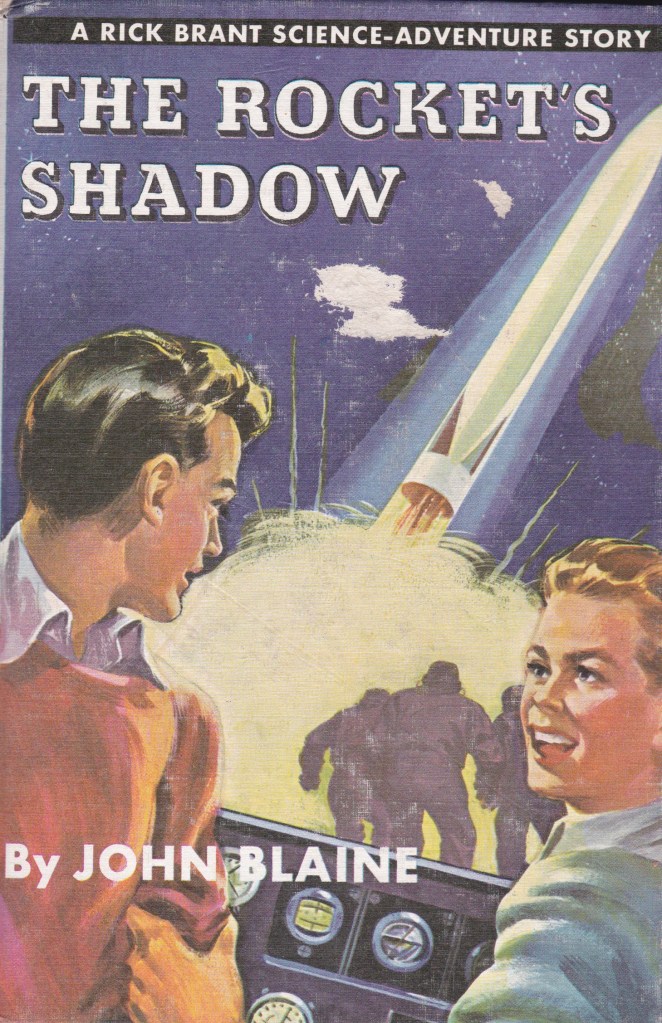
And while the most popular kids’ series were Nancy Drew and the Hardy Boys, my favorites were the ones that weren’t as well known, didn’t last as long, and vanished from print during the late 1960’s and through the 1970’s. I always preferred Judy Bolton, Trixie Belden, and Vicki Barr to Nancy Drew; I enjoyed The Three Investigators, Ken Holt, and Rick Brant far more than I liked the Hardy Boys, but you could get Nancy Drew or Hardy Boys books almost anywhere, whereas the others were incredibly hard to find. Our babysitter used to take us to the Goldblatt’s Department Store on 26th Street in Chicago when she went, pulling her buggy behind her (Dad says Mom used to pull me and my sister in hers to the grocery store, but I don’t remember that). Mom would always give my sister and I two dollars each to spend, and I loved going there because in the basement was the kids’ section, and while my sister was looking at dolls or single records (remember 45’s?) I discovered the remainder table, where Goldblatt’s marked down some of the lesser known Grosset & Dunlap/Stratemeyer Syndicate books on a big table, for like thirty-nine cents, which was a big deal because I could get a lot of books at that price. They were all series books I’d never heard of, but they sounded interesting. It was off that table that I got my first Ken Holt. Rick Brant, and Biff Brewster mysteries. The Biff Brewster books weren’t as good as the other two series, but today I want to talk about Rick Brant, and why I loved the series so much.
Rick Brant, being tall for his age, had no trouble making the final connections on his latest invention. He screwed the bell on solidly, then stepped back to view his handiwork.
The doorbell was now in an unusual position. Instead of being at waist level, it had been moved to the inside of the doorframe and placed up high.
It looked fine. A stranger might have to hunt a little before he saw the push button, but he’d find it all right. Rick went inside and threw the switch that would send electricity into the gadget and went to collect the family.
Mrs. Brant was in the kitchen, supervising the supper preparations for the family and the scientists who made their home on Spindrift Island.
Rick sampled the cake frosting in a nearby bowl and invited, “Can you come out on the porch for a minute, Mom? There’s something I want to show you.”
Mrs. Brant looked up from the roast she was seasoning, a twinkle in her eyes.“What is it now, Rick? Another invention?“
“Wait and see,” he said mysteriously. “I’ll go get Dad and Barby.”
And so opens the first Rick Brant Science Adventure. I bought four Rick Brant books that day (The Rocket’s Shadow, The Egyptian Cat Mystery, The Flying Stingaree, and The Flaming Mountain), all of which had some appeal to me. I wasn’t really that much into science or rocket ships, but I did buy the first because it was, well, the first in the series, and OCD Child Greg had to read the first book. I didn’t have to read the series in order–I did try that with the Hardy Boys, but gave up when it was time for Book 4 and the title, The Missing Chums, didn’t excite me so I got one of the later volumes, The Mystery of the Aztec Warrior instead. There was a pyramid on the cover. I’ve always been a sucker for pyramids–but I always felt obligated to eventually get to the first volume of every series. It wasn’t always necessary, but in some cases–The Three Investigators, Trixie Belden, Judy Bolton–they really did set the stage for the rest of the series and it helped to have read the first one.
I’ll be completely honest here, too: I was never good at science. I don’t know why that was, but I just was never good at any of it–biology, chemistry, physics; math and science were my two Achilles heels. I only read a couple of the Tom Swift books, and even those were because one was reissued in paperback and renamed In the Jungle of the Mayas (the Mayans built pyramids!) but I got the impression the Swift books were more about science than a case or a mystery or anything. The Rick Brant series, on the other hand, while having some insane titles (The Electronic Mind Reader, The Wailing Octopus) like all series did, there were also some that were called “mysteries.” So, yes, science, but also mystery.
I also had no idea it was going to become one of my favorite series.
When I first read The Rocket’s Shadow in the late 1960s/early 1970s, it was already significantly dated. Originally published in either 1946 or 1947, the background to the story was that the scientists on Spindrift Island, off the coast of New Jersey, were trying to build a rocket to send to the moon. Several different groups were trying to accomplish this, and whoever succeeds first was going to get a very lucrative government contract…and their efforts are being sabotaged. Rick’s father, Dr. Hartson Brant, is world-renowned, and of course Rick is very interested in science and is always inventing things to either save time or effort, and they aren’t usually very practical, even though they do work. Rick and his younger sister Barby go to school on the mainland–Spindrift is separated from the coast by tidal flats that are underwater during high tide–but everyone on the island is determined that their rocket will succeed and they’ll catch the saboteurs.
Rick soon figures out a clue and gives chase to some of the saboteurs, who turn on him and attack him–only he is rescued by a blond hitchhiker carrying a military duffle. He and Rick run the attackers off, and then Rick brings his new friend, Don Scott–“Scotty”–home with him because he has no place to go. He’s out of the military and has no family, was just wandering the roads to see where he wound up. The close bond between Rick and Scotty1 resonated with me, especially their sense of camaraderie and affection for each other. They had no girlfriends or even any girls who might be potential dates at first (some were introduced in the series later, Barby growing up for Scotty and a new scientist comes to the island and has a teenaged daughter Jan who is sort of an interest for Rick–but the girls are never more important to them than they are to each other.2
Obviously, by the time I got and read the book we were already into the Apollo space programs from NASA, and we landed on the moon in 1969–so all the science in The Rocket’s Shadow was off and wrong–also the rocket got there in like twenty minutes, not possible even now–and as such, the series could never really be updated and revised like the Hardys and Nancy Drew. The Rocket’s Shadow would have had to have been completely rewritten, and I’m not sure how you could introduce Scotty as a hitchhiker/war vet (he lied about his age) today.
I enjoyed all the books in the series. I did eventually get them all over the years and read them, and many of them are dated. High tech walkie-talkies don’t seem so impressive in a cell phone world, and of course, there are some trips to foreign lands (Asia and Pacific Islands) that are probably more than a little racist and dated now. But I loved The Lost City, where they are off to Tibet to set up a radio receiver on the opposite side of the world from Spindrift to triangulate with the rocket on the moon, and they discover a lost city of Mongols and the tomb of Genghis Khan. They also meet, in that book, an Indian youth named Chahda who helps them out and becomes basically a member of the family, and they take him off the streets of Delhi and pay for him to go to school. Chahda was incredible smart and adventurous too–but not sure how he’d hold up under modern scrutiny in these more evolved times.
And maybe when I’m retired I’ll reread the series critically. The books can be found on ebay and second-hand sites; some are available as ebooks, either on Amazon or Project Gutenberg.
I am even now wondering if this character is why I’ve always liked the name Scotty, and have used it repeatedly for characters of my own creation. ↩︎
I do find in also amusing that my parents–so worried about me reading books about girls instead of boys; did they not understand just how homoerotic the relationships between boys in these books were. This amuses me greatly now. ↩︎
So, are you ready for some MORE blatant self-promotion?
During the Bold Strokes Book-a-thon, the other panel I was on had to do with writing young adult fiction (the other panelists were amazing, I might add), and once again, I am answering the questions sent to us by the moderator to turn into an interview with JUST me (because it’s all about ME ME ME) but I do urge you to seek out the video of the panel. It was terrific, and I was definitely the most uninteresting person on the panel, seriously; this is NOT self-deprecation. (I bought everyone’s books during the panel, I might add; definitely check out Lauren Melissa Ellzey.)
What is the definition of Young Adult? How does it differ from other genres?
I think it’s primarily an age distinction, to be honest, which is something that always makes me uncomfortable. Growing up I read far above my age level; when I was in seventh grade I was reading at a college level, per the tests and so forth. I mean, I did read The Godfather when I was ten; my parents, despite their conservative religious beliefs and values, let me read whatever I wanted without having to ask permission–I think when I asked Mom if I could read something the last time she replied “Read whatever you want, I don’t care” and after that I never asked again. When I was a kid, there was no such thing as young adult; everything was either for adults or “juvenile.” The juvenile category contained multitudes, beginning with the Little Golden Books and picture books to kids’ mysteries to Judy Blume. I think sometime in the 1980’s the genre was separated into “juvenile” for kids 8-12 and “young adult” for 12-18.
But there are kids like me, who can read above their age/class level and others who can’t read at their age/class level, and I think in some ways that differential could be harmful for those who are below-average readers–reading is the most crucial aspect of education, because if you can’t read…and no matter how many ways they try to make the language around slower readers more accepting and less stigmatizing…it doesn’t really help kids to be told they’re below average or not as smart or quick as the other students. (One of my primary problems throughout my education is I would understand something the first time, while others inevitably didn’t, and as the teacher explained for a second or third or more time, my ADD would kick in and my mind would wander because I didn’t need to listen and then wouldn’t be listening when the teacher moved on.
Ah, well.
Oh, and all subgenres of fiction also have the middle grade/juvenile and young adult sub-sub-genres.
Why or how did YOU choose YA?
I don’t know that I chose y/a so much as it chose me.
I started writing when I was a child (all my childish scribblings are lost to moves and time passing), and I wrote about kids my age. My first attempts at writing were always some kind of kids’ mystery series, a la The Hardy Boys and The Three Investigators (I’d still like to do this, frankly), and when I became a teenager, I started writing about teenagers. I wrote a bunch of short stories while in high school about the same group of kids going to the same high school. Those stories slowly but surely grew into a sprawling, handwritten novel about the county with plots and subplots and main characters and minor characters and all of this history; a “Peyton Place in Kansas kind of thing”. I worked on it for like five years, and eventually had this enormous sprawling mess that needed to be revised and rewritten and typed…and since I didn’t know how to type, made that part of it a problem. So I shoved it into a drawer and started pulling from it rather than revising it; taking out plots and characters and using them in other books and other stories.
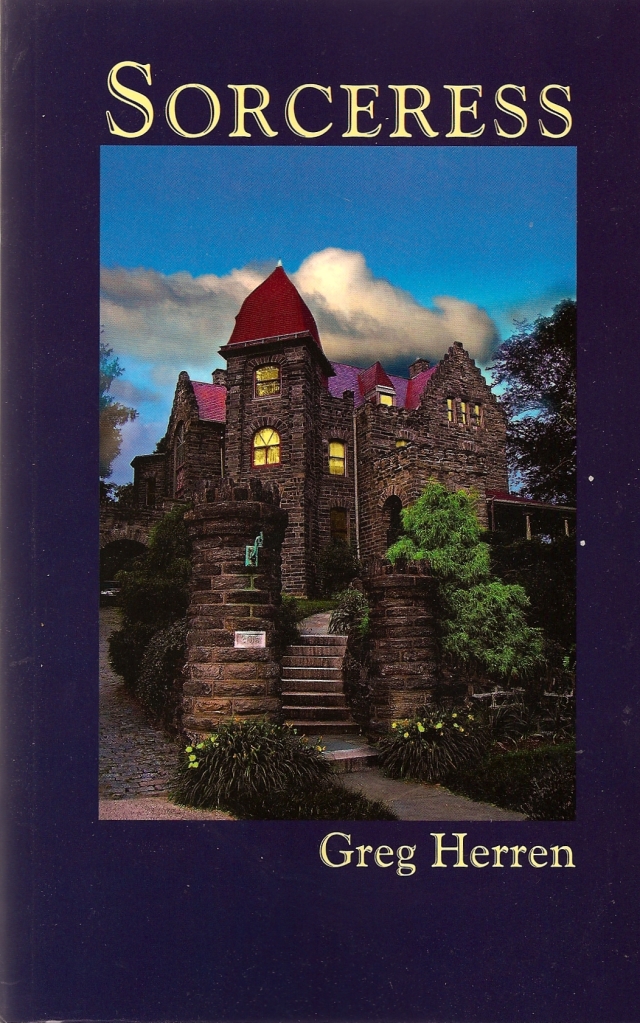
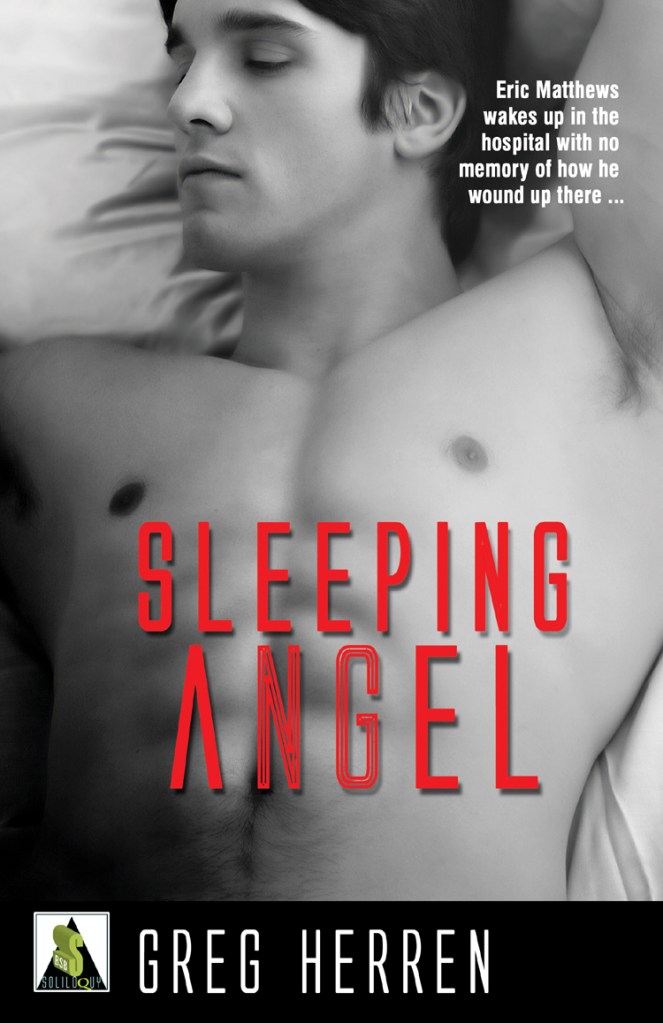
After I finished that, I spent the next five years mostly working on short stories. I started another book, more horror than anything else, but never got further than the third chapter. I finally decided to write a horror novel built from my old manuscript and those short stories from high school. I was about three chapters into it when I discovered two things: there was a big market in y/a horror at the time (Christopher Pike and R. L. Stine were HUGE during this period) and so I bought some of them. When I finished, I thought, “You know, I should turn Sara into a y/a novel” (because I thought somehow that would be easier? Foolish, foolish rookie) and so… I did. I was right in that thinking of it in those terms made it possible for me to finish a draft, but I wasn’t very happy with it so I put it aside and started writing another one, Sorceress, which was also horror but also had some strong Gothic moments in it. When I finished that one, again I wasn’t pleased with it so I started another–Sleeping Angel–which was the one I thought really had potential. I never finished that draft–by this time I’d discovered that gay fiction and nonfiction existed, so I started reading that and trying to write about gay characters instead.
Those manuscripts remained in my drawer for well over a decade, until a friend of mine took a job as a young adult acquisitions editor, and she wanted to work with me. I told her I’d written three (although it was technically two and a half), and gave her a brief synopsis of them. She liked Sorceress the best, so I started revising and editing it and turning it into something publishable. Once it was all done, she’d left that publisher, but started her own small press for y/a books for underrepresented teens, and she wanted to launch the press with Sorceress. I said “okay” and we were off. I eventually realized I needed to let Bold Strokes know, and when I did, I got an email back saying you know we do y/a, too? And so I sold the other two to them, and have never looked back since then.
Are there specific rules for writing YA (things you can’t do)? Does Bold Strokes add on or impose specific or additional rules?
I don’t pay too much attention to rules, frankly. There’s no graphic sex in my books, but it’s hinted at. I also try to swear less in young adult books than I do in adult fiction, which is probably not as big of a deal as I think it is? The society I grew up in was a lot more puritanical–believe it or not–that the one we live in today. So I always default to that setting, and then have to shake it off. Swearing isn’t as big of a deal as it used to be. No one thinks they’re marrying a virgin anymore, and on and on. And having been attacked for daring to accept an invitation to speak to queer high school students, I tend to tread softly. There have been a couple of times where I’ve had to change language, or how a scene went, because my editor thought it might be problematic; and frankly, I never want to be offensive, so I have no problem with it. I don’t see it as a free speech issue the way so many intentionally offensive writers claim it is. I shouldn’t take offense to someone calling me a faggot? Grow the fuck up. The so-called free speech “crusaders” are always defending hate speech as well as trying to shut up the people who find it objectionable. You do not have a constitutional freedom from consequences or getting a negative response to things you say and do, period. It’s really not hard to understand unless you want to be passive/aggressive and childish and a moron.
How do you remember back to these days, specifically how it felt or feels? (this is coming from your moderator who is much older than you are)
Well, for one thing, I’ve always kept a journal and I still have them all. (I was insufferable when I was younger, seriously.)
My sister has a theory that we forget a lot of the pleasant memories from our childhoods, but remember the traumas in great detail. I believe the truth of that, because school was a nightmare for me from the day we moved to the suburbs until I was done with it. I remember how it felt to read Greg Herren sucks cock on a desk at school. I remember how it felt to be mocked, laughed at, and bullied by assholes. I do remember the good things, though I tend to always focus on the bad.
The first thing I always do is abandon whatever “wisdom” about life I’ve theoretically learned since leaving high school, and put myself into the teenager mindset: they think they are the main characters in everyone they know’s story, and everything is the end of the world or their life is ruined and you are the most horrible parent ever! I’m not entirely sure I’ve escaped thinking that way, to be brutally honest: I am horribly selfish.
How do you come up with your characters? Your stories?
I am weird in that I inevitably always start with a title. I hear something or read something and think, that would make a good title. The next question is what story would fit that title? And it kind of goes from there. The title may change, the character names and story might change and evolve, but I can’t write anything that doesn’t have a title. Bizarre, I know. Usually with my young adult stuff it’s an idea I’ve had for a number of years and finally decide to explore whether it’s a novel or a short story, and go from there.
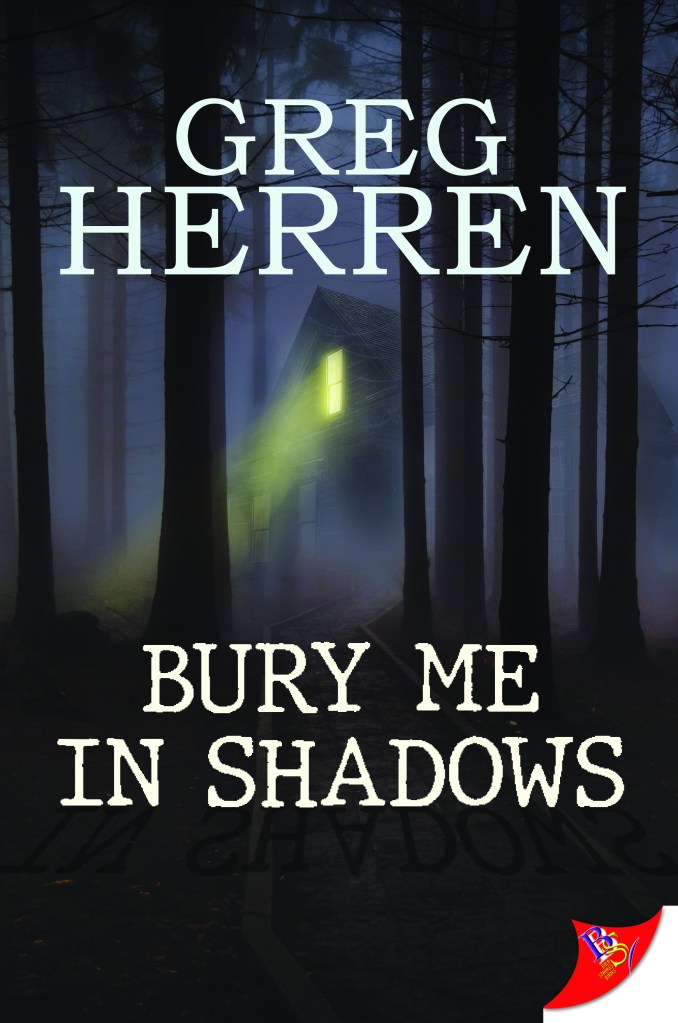
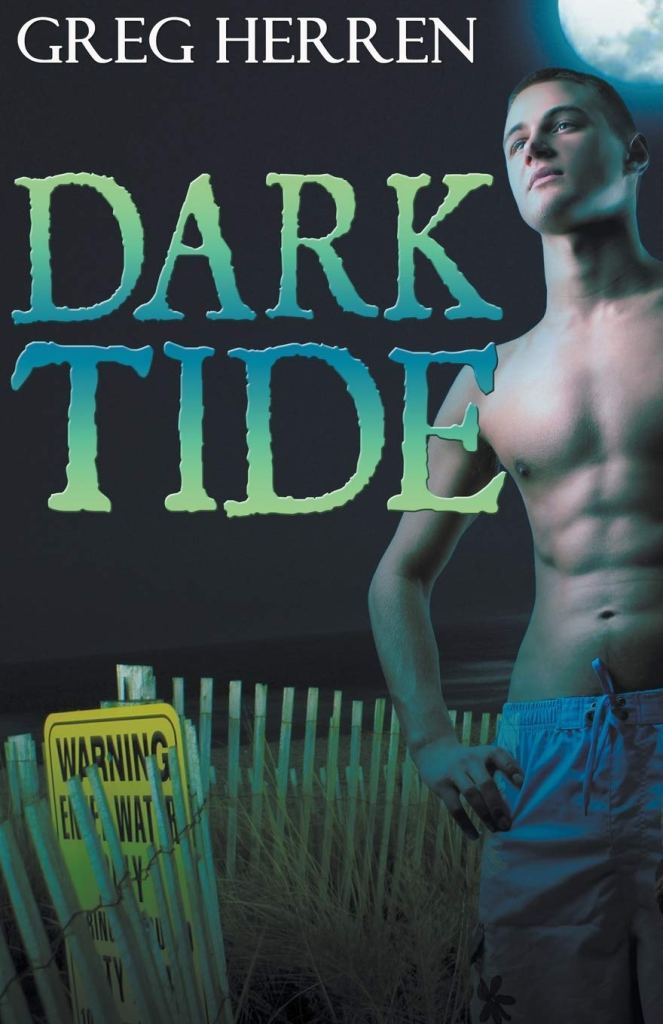
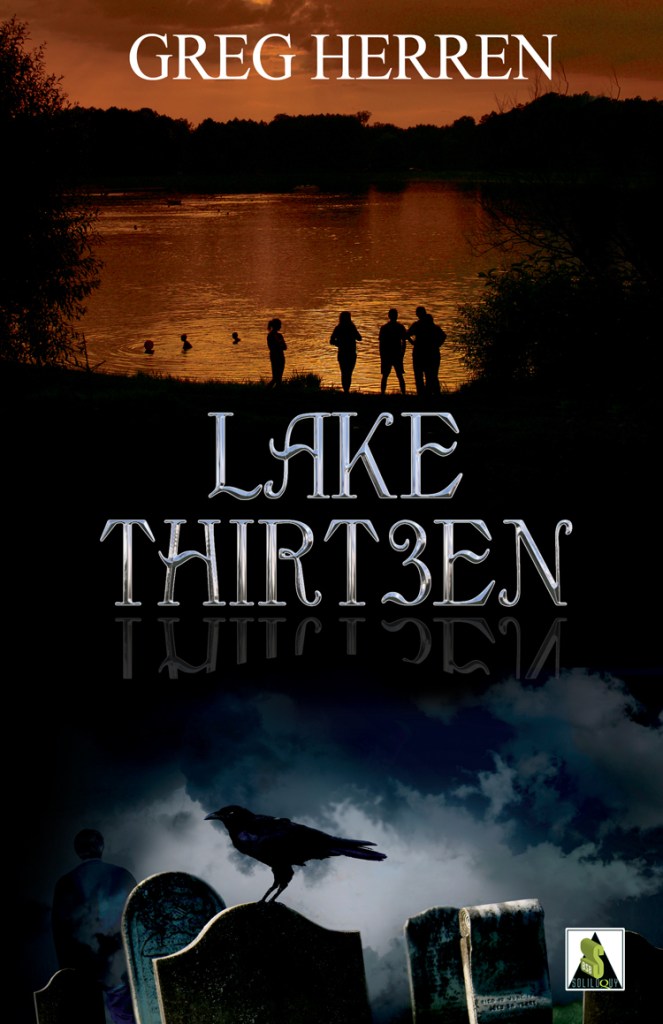
Dark Tide was originally called Mermaid Inn, Bury Me in Shadows was originally Ruins, but the others pretty much stayed the same from beginning to end.
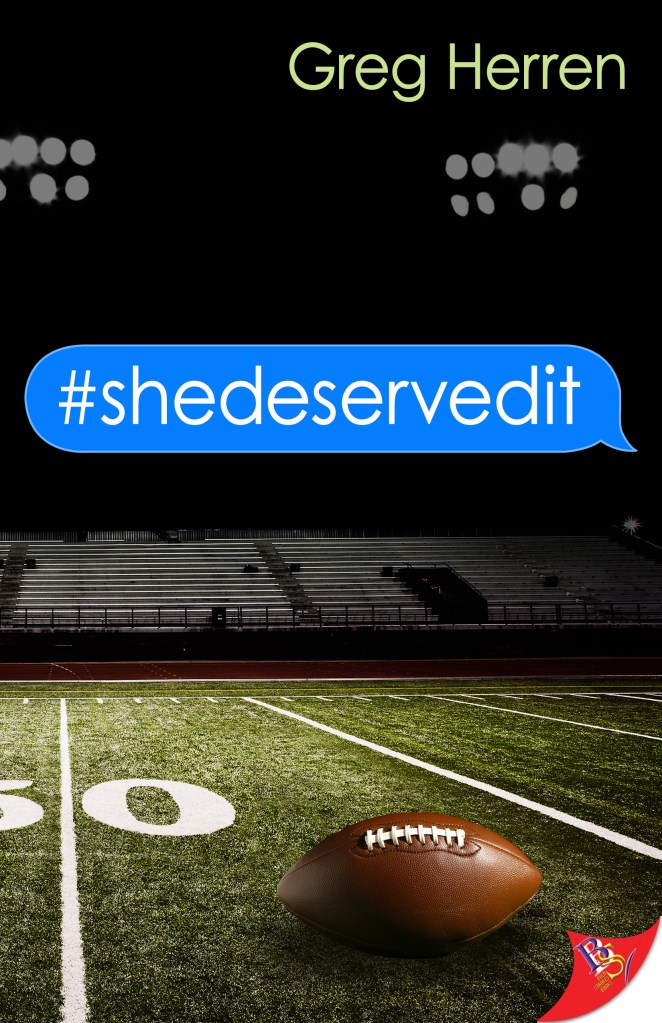
I wrote #shedeservedit because I was angry about the Steubenville/Maryville rape cases, and remembered stories and gossip from when I was in high school and college…and rethinking them through a more evolved brain about women and misogyny… well, it made me angrier. I had already planned on writing a story set in the same town with the same characters and opening with the same murder (I always referred to it as “the Kansas book” for years), but the motive was something I always had trouble grounding in reality. After those cases…it clicked in my head. You need to write this story about small town misogyny, protecting the star jocks from the girls at all cost, and make that the plot. It was easy to write because I was angry. Making it a compelling read was harder, because the subject matter was sickening to me.
I needed to write that book, and I don’t regret doing it, either…but it’s not exactly a feel good story people can escape into, either.
Why do you think YA is so popular?
It’s more accessible, I think. I mentioned reading ability before, and I do think that most readers aren’t into the Great Literary Tomes, hundreds of pages of beautiful writing with no real point or story. People kind of want to escape their cares and worries, and y/a books tend to be really entertaining. We’re competing with phones and tablets and streaming, so we need to write entertaining and engaging books.
Any specific must do-s or must-haves to get your writing each day?
I’m not nearly as anal about that as I used to be, before I returned to work full-time. I am very aware that I have little time to waste when I write, and thus must seize whatever opportunities to write show up. But if pressed, coffee. I can’t write unless I’ve had coffee when I got up.
I think this is all of them, but I could be wrong.
It truly is incredible what a shithole of a site The Site Formerly Known as Twitter has become under the tenure of that brilliant modern thinker Elon Musk (Narrator voice: those adjectives were meant as sarcasm). Every time I go there to cross-post the blog or something, it only takes a moment or two before I am getting the fuck out of that hellish place. I know I should probably just deactivate and be done with it as it fades away into memory like MySpace did once upon a time, but something keeps me there–despite knowing its immoral to even scroll a little bit, and definitely against my own personal ethics–but I think it’s more along the lines of watching a slow-motion disaster movie, frame by frame.
If only it would bankrupt him financially, to go along with his moral and ethical bankruptcies.
Yesterday wasn’t a very good day around the ranch. I was low energy all day, and while i did get all of my work-at-home duties taken care of and handled, after running errands and having a ZOOM call with three very dear friends (who undoubtedly are sick of me talking too much on ZOOM calls), I was just flat out exhausted and simply collapsed into my easy chair with my purr kitty for the evening. I did watch a lengthy documentary about the Eastern Roman Empire, and how the Holy Roman Empire was western Europe’s attempt to recapture and regrasp the legacy of Imperial Rome, to the point of rebranding the real Roman Empire as the Byzantine, or Greek, Empire. (The history of “western” civilization is full of these sorts of reclaimings and rebrandings, as the West sought to basically claim the history of civilization in general.) It just goes to show you–the history we all learned in public school was biased and written to enhance and create a foundation for white supremacy to rest upon. There’s a rather lengthy personal essay to be written about having to relearn everything I learned as a child as an adult because it was all wrong–or people could just read Howard Zinn’s work.
Today I do have some errands to run and vaccines to get injected into my arms; I also have things around the house I need to get done. I am going to make Swedish meatballs today in the slow cooker, I think; that’ll be a nice treat to go along with the LSU game tonight against Georgia State. There really aren’t many great games today–everyone has an “easy” game scheduled for the weekend before the Thanksgiving rivalry games, many of which this is the last go-around for. It’s weird to think LSU won’t be playing their most hated rival, Florida, every year any more (but how delightful to go out with a five game winning streak over them, ha ha ha ha and fuck off, Gators), or that other classic games won’t occur anymore. I don’t know why or when LSU’s Thanksgiving rivalry weekend opponent changed from Arkansas to Texas A&M; that was a fun rivalry with the Razorbacks pulling off some upsets over the years–why is it that everyone plays lights-out when they play LSU?–but that was also a manufactured rivalry that didn’t exist before Arkansas joined the SEC.
I also want to spend some time reading this morning; Lou Berney’s Dark Ride is calling my name and I am really enjoying it. The fun thing about Lou’s work is everything is always different; no two books are ever the same, or even the same kind of voice or style. Every book is an original in every way, and I will go to my grave with The Long and Faraway Gone as one of my favorite crime novels of all time. The one thing I am looking forward to after this surgery is more time to read, and if need be, I can read on my iPad–it’s not like I haven’t downloaded hundreds of books over the years. I’m still enjoying The Rival Queens–man, I love that period of French history–and I think my next read after Lou’s will be Zig Zag, by J. D. O’Brien; since it’s about a weed dispensary heist, coming after Lou’s stoner noir seems like the proper pairing, and then after that I am moving on to the new Angie Kim.
I was exhausted last night so I slept incredibly well. I even slept in this morning, not getting out of bed before eight-thirty like a slag. I feel much more rested and emotionally even this morning, which is a very good thing. I want to get a lot done today–I really need to move furniture and figure out how to make my work station more Big Kitten Energy proof, which is possible but will take some figuring out, and I won’t be able to move anything after Tuesday’s surgery, after all, so I have to get all this stuff done before hand. I don’t feel like I’ve had the chance to think everything through the way it needs to be thought through, nor do I feel like I am prepared for the aftermath and recovery period–which I think was the explanation for yesterday’s low energy; created and maintained completely by my anxiety.
I also want to read this original text version of The Mark on the Door, a Hardy Boys mystery.
We watched Blue Beetle last night, and I really enjoyed it. First, it was lovely seeing a Latinx family centered in a super-hero movie, and to have a super-hero of Mexican ancestry. It had some really funny moments (as well as some that made me go huh?), and as far as DC/Marvel movies go, it was one of the more solid plots and origin stories, but I’m also not terribly familiar with the Blue Beetle character. I primarily remember/knew him from the Justice League comic books of the late 1980’s/early 1990’s, and he was often teamed up with Booster Gold for comedy. I don’t know what has happened to the character with all the reboots since then, but I appreciated seeing something different from a comic book movie. The lead actor, young Xolo Maridueña, was handsome and appealing and charismatic, and the rest of the cast is fine other than the old witch who gave us Presidents Nader and Sanders because she doesn’t vote with her vagina (maybe you should have, you fucking piece of trash, since your mouth and going everywhere all over 24 hour news to trash Hillary helped give us the current Supreme Court, and you should be shunned and forced to take a Game of Thrones walk of shame down Pennsylvania you fucking hateful bitch–I will carry that grudge to the grave, skank). Seeing that fucking trash was in the cast made me seriously reconsider watching, frankly, and her “acting” was a joke and so horrific that Paul and I spent a good hour recasting with actresses who wouldn’t have just cashed the check and phoned it in the way she did.) The movie is actually strongest when it focuses on the Reyes family and their dynamic (Nana is the absolute best), and while it didn’t pull down the kind of financial numbers a movie like this is intended to (and odds that it’ll be blamed by Hollywood on centering a Latinx family are pretty strong), I do think this is one of the movies that in the future will be reclaimed as a classic and one of the best in the field. I hope there will be a sequel, as was teased at the end.
But I think they’re rebooting the movie universe for DC, so who knows.
And on that note, I am heading into the spice mines. Have a marvelous, marvelous Saturday, Constant Reader, and may whatever teams you’re rooting for today have a nice win–unless you’re a Georgia State fan, of course.




 Queer and Loathing in America