Saturday and the cold is coming! It’s going to be in the teens Monday and Tuesday! AIEEEE!!!
Okay, now that I have gotten the expected reaction to cold on its way, it’s not that big of a deal. Yes, it’s going to be unnaturally cold this weekend, starting with rain later on today and working its way down to the painfully cold temperatures we’ll experience tomorrow. I can handle the cold by wearing layers to work or anytime I have to go outside while this abysmally cold weather goes on.
And gloves. Must find my gloves. I am going to attempt to run some errands and make some groceries today–no big deal if it’s insanely crowded and I wind up not wanting to deal with it (one never can be sure how New Orleans will react; the shelves may be empty of things like bread, which I don’t need). If it’s anything like hurricane prep, it could be a nightmare out there today as everyone tries to get everything done today so they don’ have to be out in it tomorrow. There’s a chance of snow or ice, too.
Yesterday was a good day. I got my work duties out of the way, and spent the rest of the day doing laundry and pruning down the books, filling up an insane amount of boxes. You can finally tell that I pruned the books. Anything I’ve already read, gone–unless its nonfiction. If I’ve had it for over ten years–donate it. They were paid for and the authors (or their estates) got their royalty from buying my copy, so I don’t feel as guilty about not reading everything I’ve ever bought. I am not going to feel guilty for not reading everything I’ve bought–the author made money off me, and what more can I do for them? I certainly don’t expect every author I know to buy or read all of my books.
Going through the books was also a trip down memory lane–oh I was on a panel with him or oh I saw this author on a panel and was impressed or oh yes I read one of her books and loved it so I bought all of her books or he was so nice! whatever happened to him?-which was also kind of nice. I’ve met a lot of really talented people over the course of my writing career!
I was also a lot more ruthless this time, and can still be even more ruthless the next time I prune the books. As I was pruning, I marveled at how the urge, the nonsensical need to always be surrounded by books, isn’t as strong as it used to be–so it was due to the anxiety I no longer experience to a such a high degree. I used to think I always wanted to hoard books out of a fear of not having something new to read whenever I was ready to read something. But, as I pruned ruthlessly yesterday, I didn’t agonize over the decisions and was very cut-and-dried with them. I also realized that I had an almost parasocial relationship with books. When I was a kid, I felt disconnected from the world and like I didn’t belong in it and that everyone could tell I was different, and different meant freakish, weird, strange and always just a step away from a total ostracization and complete isolation from other people. Books, and my imagination, were tools for me to escape my existence into somewhere safer, where I wasn’t weird or strange but just normal. Books were always my lifeline, offering not just the escape but comfort, and filled that role my entire life. Shitty job and miserable existence? Oh, there’s a new Stephen King, Sue Grafton, Elizabeth Peters, or Robert Ludlum novel to pick up at the bookstore! (I rarely ever used the library because I preferred to own them; I needed them around me to feel safe and comforted in my amped up anxiety. My dream was always to live somewhere that I could have my own library…I don’t find that to be as important to me anymore, either.) I also used to reread a lot–usually when I didn’t have a lot of time to lose myself in a book, I’d just take down something I’d already read and spend my reading time revisiting something I’d already enjoyed.
I also started work on this version of Chlorine, trying out a new opening that makes a lot more sense to me than the one I was convinced for years was the best way to open the book. We’ll see how it goes, won’t we?
And on that note, I am going to bring this to a close so I can get started on my day. Have a lovely Saturday, stay warm, and I’ll be back to see how you’re doing in the morning, ‘Til then!
Pretty young Hunter Doohan, an out gay actor whose work I’ve enjoyed
It’s always weird for me to talk about my writing and my books and so forth on here; I always worry that I am either contradicting and/or repeating myself. When you’re as self-obsessed as I am, that can be a problem; talking about myself is probably my favorite thing to do–on here, at least. And I feel like I’ve told the story of where Chanse came from and how the series developed from the very beginning many, many times.
It was when I was living in Houston that I rediscovered crime fiction, and the old love was even deeper once it was rediscovered. This was the period when I read most of the Perry Mason novels, discovered Paretsky and Grafton and Muller, and decided to give Travis McGee and John D. MacDonald another try. (I had read The Dreadful Lemon Sky when I was a teenager, but I hadn’t liked it; I was more into the classic detective mystery, with lots of suspects and a denouement with everyone gathered in a drawing room as the identity of the killer was unveiled–the McGee series was definitely not that. But MacDonald had written a superb introduction to Stephen King’s first short story collection, Night Shift, and I had always wanted to give him another chance–pun fully intended.) I devoured the McGee series this time around; and I really admired the character and how fully rounded and developed he was (I should give the series a reread; I’d be curious to see how they hold up now)…and armed with all these new private eye novels and Perry Mason puzzles, so I started coming up with my own version. Even the name was a shout out to McGee. My character was also tall with sandy/dirty blond hair, a former college football player, and he lived in Houston, with an office downtown and a secretary named Clara. The title of the first book was going to be The Body in the Bayou, and I started basing the case on the tragic Joan Robinson Hill case, immortalized in Tommy Thompson’s Blood and Money (the premise of the story was that the character representing Joan’s father hires Chanse after Joan’s death to find dirt on John–and then John is murdered; fictionalized, of course.) I wrote about six or seven really bad chapters long hand before giving up. I didn’t know how to write a novel then nor did I understand the concept of rewrites and revisions and drafts. (My ignorance was truly astounding.) The hurdle I couldn’t clear was typing. I was a terrible typist. I’d had a job in California working for an insurance brokerage that was computerized, and had a word processing program that I used to write short stories on; it made such an incredible difference that I knew I would have a much better shot at actually making my dreams come true if I only had a word processor…
In 1991, after I moved to Tampa, I managed to get a word processor, and that was what I wrote my first two and a half young adult novels on–the original drafts of Sara, Sorceress, and Sleeping Angel–and used it happily for several years until it finally died on me. But by then, I was living with Paul and had swung back around to wanting to write adult crime fiction again, and I wanted to write the Chanse character that I’d already created…so I picked back up on The Body in the Bayou, moved it from Houston to New Orleans, got rid of the office and the secretary, and made Chanse gay. I kept the title, but threw away the story; I wanted it to be a gay story, too. I don’t really remember the plot, but it had to do with the murder of a beautiful boy-toy for a wealthy closeted gay man in New Orleans…and Chanse knew the boy-toy from his days working as an escort before he landed the rich man, I wrote about six or seven chapters of this before we moved to New Orleans….and I realized I’d have to throw it all out again because it was all wrong; I’d made the classic mistake so many writers make when writing about New Orleans: writing about it having never lived here, I only had tourist experiences–which are vastly and dramatically different from the actually “living here” experiences. So, once again, I threw it all out and started over, this time calling it Tricks instead of The Body in the Bayou.
The title morphed again to the less saleable Faggots Die after the first draft; and I remember talking to Felice Picano–he was coming into town for the Tennessee Williams Festival, and I picked him up at the airport. As we drove back into the city from Kenner, we talked about my book and the series, and he nixed the new title as well as the old one. “No one, ” he wisely said, “will pick up a book called Faggots Die, and Tricks sounds like a pornographic memoir of your sex life.” Felice was actually the one who suggested I mimic titles for the series from a classic writer…and we were throwing titles around in the car when I said, “You know, the streets in the Quarter are technically rues–Rue Bourbon, Rue Royale, Rue Dumaine–and the murder happens on Dauphine. Maybe Murder in the Rue Dauphine?”
“That’s perfect,” Felice said, and then we played with Poe titles the rest of the way into the city–incidentally, one of them was The Purloined Rentboy, which became my short story “The Affair of the Purloined Rentboy”, so never throw anything away.
And thus was Murder in the Rue Dauphine titled; and the plan for the series titles was also devised–the branding was changed by the publisher, but I can honestly say my first book was titled by Felice Picano.
Murder in the Rue Dauhoine has had three covers in its 21 years of existence. This center one is the current.
Never come to New Orleans in the summer. It’s hot. It’s humid. It’s sticky. It’s damp. It’s hot. Air conditioners blow on high. Ceiling fans rotate. Nothing helps. The air is thick as syrup. Sweat becomes a given. No antiperspirant works. Aerosols, sticks, powders, and creams all fail. The thick air just hangs there, brooding. The sun shows no mercy. The vegetation grows out of control. Everything’s wet. The buildings perspire. Even a simple task becomes a chore. Taking the garbage out becomes an ordeal. The heat makes the garbage rot faster. The city starts to smell sour. The locals try to mask the smell of sweat with more perfume. Hair spray sales go up. Women turn their hair into lacquered helmets that start to sag after an hour or so.
Even the flies get lazy.
My sinuses were giving me fits as I left the airport and headed into the city. It was only 7 o’clock in the morning but already hotter than hell. The air was thick. I reached for the box of tissue under my seat and blew my nose. The pressure in my ears popped. Blessed relief.
As I drove alongside the runways I could see a Transco Airlines 737 taxiing into takeoff position. I saluted as I drove past, thinking it might be the flight that my current lover was working. Paul looked good in the uniform. It takes a great body to look sexy in polyester. He does.
He’d be gone for four days on this trip. I was at loose ends. I’d wrapped up a security job for Crown Enterprises the previous Wednesday. The big check that I’d banked guaranteed I wouldn’t have to worry about money for a while. I like when money’s not a concern.
And so began a series that lasted for seven titles and about twelve years or so; I don’t remember what year the last book in the series was published. I never expected anyone would publish it; it was intended to be a “practice novel” so I would get used to rejections and learn. It was also the first manuscript I ever wrote that went through multiple drafts before I thought it was finished enough to send out on query. It was supposed to be an exercise in learning humility and getting experience with the business while I wrote the book I did expect to get an agent with and sell–which was what I’d always called “the Kansas book” for over a decade at this point. (It eventually morphed into #shedeservedit.) But you never really learn what you’re supposed to when you’re stubborn, thin-skinned, and used to being demeaned and talked over and not taken seriously, for any number of reasons. I sent the manuscript to three agents: two sent me lovely but form rejections, which was disappointed but not surprising. I took this well, put the manuscripts away to send to three more once the final rejection came.
It came on a Friday, if I recall correctly. I went to pick-up the mail and my manuscript was there. Not a surprise, of course, but still a little disappointing. I went out to my car and opened the package…and paper-clipped to the title page of the rubber-band bound manuscript was a torn piece of used paper, with a note in ink reading I find this manuscriptand characters neither interesting or compelling with the agent’s initials at the bottom.
It was like being slapped in the face.
By the time I got home I was in a raging fury. I was literally shaking with rage when I came inside. How fucking unprofessional, I thought as I sat down at my computer to check my emails, trying to decide how I would enact my vengeance on this rude piece of shit.1 There was an email there from the editor I was working with on an anthology which had taken my first-ever fiction short story and thus would be my first publication. I had never read the signature line–mainly because I was so excited for my first fiction sale (NARRATOR VOICE: it was porn). This day, he concluded his email with Please send us more work. We definitely want to see more from you and as my ego preened, slightly soothed from the insulting agent note from earlier in the day2, I also looked down at the signature line and realized I was communicating with the senior editor at Alyson Books! I immediately wrote him back a very short note: I’ve written a novel with a gay private eye set in New Orleans, would you be interested in that? and before I could talk myself out of it, hit send.
He wrote back immediately and said please send it to me ASAP!
I put the same manuscript back in a new envelope, and drove back to the postal service to get it in the mail before I changed my mind, and breathed a sigh of relief once I got back to the car–and immediately forgot all about it.
Six weeks later I came home to a phone message from the editor. I called him back, he made me an offer, and my career leapt forward much faster than I expected…and it started a roll of good luck and “being in the right place at the right time” that has kept me publishing almost non-stop since Murder in the Rue Dauphine was released in 2002.
It sold really well, got mostly favorable reviews, and scored me my first Lambda Literary Award nomination.
Not bad for a manuscript and characters who were neither interesting or compelling, right?3
It also took me a long time to realize–or rationalize–that the note wasn’t meant for me. (I was most offended that I wasn’t even worthy of an actual form rejection letter; that was the truly insulting part for me.) I realized when telling this story on a panel somewhere, that the note was probably meant for an intern or a secretary or an assistant, who just shoved the whole thing in an envelope to do the rejection and through some wild Lucy-and-Ethel office shenanigans, it went out without the rejection letter and with the note intended for internal eyes only…and made me wonder, how different would my career and life be had that fuck-up not happened?
We’ll never know, I guess.
Not really proud of this reaction, but I did get the last laugh. ↩︎
Said agent died a few years later. I may have smiled and said good, a la Bette Davis vis a vis Joan Crawford’s death. ↩︎
I may be more forgiving about a lot of things these days, but I will always be petty about that hateful agent. ↩︎
Several weekends ago, I did an on-line panel for Outwrite DC. The moderator was John Copenhaver (whom you should already be reading), and my co-panelists were the always delightful and intelligent Kelly J. Ford, Margot Douaihy, Renee James, and Robyn Gigl. The video is actually up on Youtube, if you would like to watch it. John’s questions were insightful and intelligent (as always), and the conversation was marvelous, inspiring, and fun; there’s nothing I love more than communing with other queer crime writers (or any writers, to be certain), and I always try very hard to not monopolize panels because I do have a tendency to talk too much–especially if and when I get going on a topic I am passionate about. So, I thought it might be fun to take John’s questions and turn them into a long form interview, for thoroughly selfish and totally self-promotional reasons.
The panel blurb claims that “queer characters are riveting and necessary material for crime fiction and how those stories can shape (and perhaps reshape) the landscape of contemporary crime fiction.” Do you agree with this statement—and why do the stories of queer characters have the potential to shape crime fiction?
I completely agree with this statement. Queer crime fiction has a very proud history that was never really recognized or appreciated by the mainstream crime writers, readers, organizations, and conferences. That is changing for the better.
New blood is always necessary for any genre–horror, romance, crime, literary fiction–because genres tend to stagnate after a certain period of time. The cultural shifts of the late 1960’s and 1970’s echoed in crime fiction, for example; you couldn’t write crime in those periods without addressing all the cultural and social shifts; Ross Macdonald’s later novels are a good example of this. The 1970’s saw a lot of anti-hero books being written. The private eye sub-genre had grown quite stale by this time, which was when the women really moved in and gave it a shot of adrenaline–Marcia Muller, Sara Paretsky, and Sue Grafton blazed that trail, and revitalized a sub-genre that had kind of lost its way. Queer writers and crime writers of color are currently doing the same to the entire genre. Voices and perspectives we aren’t used to seeing are now getting into print and changing how we see, not only our genre, but each other. Crime fiction has always given voice to societal outsiders and outliers; queer people and people of color are the ultimate outsiders and outliers in this country. Who better to tell stories of societal alienation?
Why did you choose your sub-genre? How do you think the sub-genre has influenced the types of characters you write?
Well, I write in several different ones. Chanse MacLeod was a straight private-eye series; Scotty Bradley was more of an amateur sleuth/humorous series, but he does have a private eye license in Louisiana. A Streetcar Named Murder was a cozy, with an amateur sleuth heroine who gets caught up in a family mystery. I’ve also done young adult and “new adult,” whatever that is (it’s been described as ages 16-25), and Gothics with a touch of the supernatural. I tend to write things that I like to read, and I have a varied reading taste. I started writing the Chanse series because I wanted to do a harder-edged private eye series with a queer twist and set it in New Orleans. I didn’t know about J. M. Redmann’s Micky Knight series when I started writing Chanse; would I have done something different had I known she’d already covered the hardboiled lesbian private eye in New Orleans? We’ll never know, I suppose. Scotty was meant to be a lark; a funny caper novel and a one-off. And here we are nine books later…
As for Streetcar, I had been wanting to try a traditional mystery with a straight woman main character for a long time. When the opportunity presented itself, I jumped in with both feet. I like trying new things and pushing myself. Having to follow the “rules” of a traditional cozy was a challenge–especially because I have such a foul mouth in real life. I love noir so am working on two different gay ones at the moment.
Why do you think amateur detectives are appealing? Do you think there’s a reason queer characters often find themselves in the role of amateur detective?
I think it’s because we all think we’re smarter than the police? We enjoy seeing a character we can identify with figuring things out faster than the cops, especially without access to all the evidence, interviews, and forensics the cops do. Murder She Wrote has been off the air for about thirty years and yet the books based on the show continue coming out every year. If we start out in mysteries reading the juvenile series–Nancy Drew and the Hardy Boys and Judy Bolton and all the rest were amateurs, so we always cut our teeth in the genre with them to begin with. Scotty is basically an amateur, even though he has a private eye license he rarely uses; he and the boys never get hired (although they kind of do in the new one, coming this November.)
Let’s talk about place. Greg, your books take place in the South. Why is place important to the crime novel—why is it especially important to the queer crime novel?
Place shapes who we are–not just as queer people, but as people in general. There are similarities between growing up in a small town in the Midwest and growing up in one in the South, but the differences are very marked. I’ve lived all over the country–pretty much everywhere but New England or the Northwest–and always felt, as a Southerner (despite no accent and not growing up there) like an outsider. Couple that with being gay in a time when it was still considered a mental illness, and you have someone always on the outside looking in. But I have that Southern pull to write about the South–although many would say that writing about New Orleans and writing about the South are not the same; like me, New Orleans both is and isn’t of the South, and I feel that very strongly. I’ve written books set in California and Kansas, even one in upstate New York, but I very much consider myself a Southern writer.
Place is even more important in a queer crime novel because place shapes the queer people so much. As a writer, I think one of my strengths is setting and place, and I think that comes from being very much a fan of Gothics growing up. Gothics are known for place and mood, and I think those are two things I do well.
All of you write wonderfully flawed characters. Sometimes, as LGBTQ+ writers, we feel the burden of representation and the urge to write only positive LGBTQ+ characters as an attempt to undo history’s (the dominant culture’s) demonization of us. Unfortunately, that can be limiting—even flattening. Clearly, you’ve all struck a beautiful balance with your characters. Talk a bit about how you approached this issue.
The flaws, to me, are what make the characters seem real. Nancy Drew and the Hardy Boys always annoyed me because they were so perfect; no one is that perfect, and anyone that close to perfect in real life would be irritating and insufferable. I am am quite aware that I am flawed (one of my biggest flaws is believing I am self-aware because I most definitely am not), but I am not trying to be perfect; I just want to be the best version of myself that I can be. By showing queer people with all their facets and flaws and failures and blind spots, we’re showing the reader that we are human; despite what those who hate us say or claim, we are human beings just like everyone else, just trying to get through life and do the best that we can. The villain in my first book was a gay man–and the entire book was a commentary on how we, as queer people, tend to overlook flaws and red flags from members of our own community. Just because someone is queer doesn’t mean they are a good person–and queers with a criminal bent do exist, and often take advantage of that sense of camaraderie we feel with each other, especially when we don’t know the person well. I tend to trust a queer person more readily than I will a straight person, and that’s wrong–which is why I think we feel so much more hurt when queer people betray us.
Speaking of the demonization of LGBTQ+ folks … Ray Bradbury of Fahrenheit 451 fame said, “There is more than one way to burn a book. And the world is full of people running around with lit matches.” What do you think about the current tactics to ban queer books from schools, libraries, and even bookstores in places like Florida, Arkansas, and Texas? Why are they targeting queer books?
This is, I hope, the last gasp of the homophobes who’ve never updated their hate speech in over fifty years. What the hate group “Moms for Liberty” are doing and saying is no different than what Anita Bryant said and did in the 1970’s, what Maggie Gallagher and her evil co-horts at the National Organization for Marriage repeated, then came the One Million Moms…all too often it’s the cisgender straight white women who are the real foes of progressive politics who fight to uphold a bigoted status quo. They always claim they’re concerned moms worried about their children–but are perfectly fine with them being shot up at school; working in a meat factory on the night shift at thirteen (have fun in hell, Sarah Huckabee Sanders, when you get there and French-kiss your Lord and Master Lucifer); or shouldn’t have the right to vote…they know better than a child’s actual parents, you see, about what the child needs or wants. Maybe they should spend more time with their own children than worrying about everyone else’s? Phyllis Schlafly, queen skank of the conservative right, ignored her own family while she embarked on her crusade to strip women of their rights and autonomy–all the while shrieking like a hyena into any microphone nearby that she was fighting progress to save the American family while selling some Leave it to Beaver-like nonsense as reality. I always felt sorry for her gay son. Imagine that as your mother.
As for why, it’s about control and power. I actually respected Anita Bryant more, because she truly believed all the vile, horrible, unChristian things she said and espoused. Most of the others, including the unspeakably vile and disgusting Moms for Liberty, are working a grift for money, attention and power. Hilariously, they’ve sold their souls in the worst possible way in the guise of family, religion and God; if they’ve ever actually read their Bibles, they need to work on their reading comprehension skills as they are both apostates and blasphemers who will spend eternity doing the breast stroke in the lake of eternal fire. Hope they enjoy it.
Sorry your husbands and children don’t love you, but who can really blame them?
What are you working on next? What’s coming up?
I have a short story in an anthology called School of Hard Knox from Crippen and Landru (and somehow got a co-editor credit for the book with Donna Andrews and Art Taylor); Death Drop, the first in a new series from Golden Notebook press, drops in October; and the ninth Scotty comes out in November, Mississippi River Mischief. I am writing a gay noir, and may be writing second books for the new series I started with Crooked Lane last year as well as a sequel to Death Drop, and have a couple of short stories I want to finish to submit to anthologies I’d love to be in.
My first series will always be special to me, even though I’ve retired Chanse MacLeod…at least for now, at any rate; I’ve learned (sometimes the hard way) that I shouldn’t ever say never when it comes to my writing career. Chanse will always be special for me in that he was the main character in my first book to be published as well as the first series of mine to see print. I originally created Chanse in 1989–can you believe that? Thirteen years from the time I first started constructing the character and him getting into print.
When I left California and moved to Houston that year, I decided to put the miseries of the 1980’s behind me, forget the past, and try to move on to the future I wanted for myself. I still had no idea what I wanted to do to make a living, but I knew I was never going to become a writer unless I actually, you know, wrote. When I moved to Houston, I moved away from reading mostly epic fantasy and horror to reading crime and horror. Sue Grafton’s F is for Fugitive had just been released, and the bookstore–Bookstop?–I frequented in Houston had a store catalogue that had book reviews and author interviews, and Sue Grafton was on the cover. I thought the alphabet titles was a great idea, so I bought the first three and took them home. I loved them, and started diving back into the crime fiction genre headfirst. I also started reading the Erle Stanley Gardner Perry Mason novels again–I’d read some when I was a kid–and I also started reading the rest of the Travis McGee series (I’d read, and not liked, The Dreadful Lemon Sky when I was thirteen; I wasn’t old enough to appreciate the series) and absolutely loved them. I loved McDonald’s writing style more than anything else, and the descriptions of McGee sounded, well, hot.
I started creating Chanse MacLeod as a blend of Kinsey and Travis McGee, really; I was driving to work one day and crossed a bayou. noticing the sign for the first time, and thought “The Body in the Bayou would be a great title for his first book” and so i started constructing the character and his world. He was a former cop turned private eye in Houston; he’d played college football at Auburn but suffered a career-ending injury his senior year and so he went into law enforcement, eventually going out on his own. He had a secretary named Clara that he shared with a couple of lawyers in an office suite in downtown Houston, and most of his work involved trying to get evidence of adultery for wealthy and suspicious spouses. In 1994. after I fell in love with New Orleans, I moved Chanse to New Orleans and his college experience to LSU; I also was discovering gay crime novels around this same time, so I decided to make Chanse a gay man; from a small town in Texas with homophobic parents and family, playing a sport where homophobia is rife, and he too discovered and fell in love with New Orlean…so he became a cop when his football career ended, eventually becoming a private eye. I started rewriting the four or five chapters I’d written with the story set in Houston…but once I moved to New Orleans and began to grasp what it was actually like to live here, I threw the entire thing out and started over.
That manuscript I started over became Murder in the Rue Dauphine, and the first place I submitted it to offered me a contract six weeks after I mailed them the manuscript. Alyson was home for the first five books in the series…before Alyson Books went belly-up, without paying me the advance for the fifth book and no longer paying me royalties on the others (the entire series was still in print when Alyson folded).
Burn in hell, corporate trash who bought Alyson.
(The company had been doomed for a while, and the unfortunate last minute attempt to rescue it failed, which I thought was horrifically unfair to the person who they brought in to save it. The final collapse was hardly his fault; his predecessors had made so many unbelievably stupid mistakes there was no saving the business, really. And ebooks and so forth started eroding away at the reader base, at the same time the business began to crumble. I’ve always felt bad for the poor dude who was the last to hold the title of publisher. I don’t think he had any staff and he was the only person working there by the bitter end.)
But when Alyson went belly-up and chose to stop honoring their contractual obligations to pay their writers, I’d already moved the Scotty series to Bold Strokes Books and was doing not only anthologies for them but also editorial work for them, so moving the Chanse series there was a no-brainer.
The last two books in the series were done with Bold Strokes Books.
As with anything with my career, I had a plan for the Chanse series but of course, man plans and the gods laugh. I had always intended the series to be seven books, from the very beginning, and I had this emotional journey for him all mapped out: the series would chart his progression from lonely, damaged and scarred loner with a snide sense of humor to more centered, more grounded, more mature and more settled into his life. So, when the series opened, he was–against his better judgment–seeing a hot flight attendant, and wondering if he was actually falling in love and had the opportunity to be happy for once in his life. I really did give him a miserable backstory; alcoholic mother, abusive drunk redneck father, grew up living in a trailer park in a snotty small Texas town where no one would let him forget he was trash until he showed some football playing ability–and he was just cynical enough to understand they still considered him trash, but trash with a skill they appreciated. He went to LSU and joined a fraternity in a final attempt to banish the homosexuality from his brain (it didn’t work), and then was injured in a bowl game so his career was over–he’d been considering going for the NFL draft. He was a big man, as such; and spent a lot of time in the gym working out and keeping fit. I also had to make a horrific decision while writing the second book–with every intention of walking that ending back in the third.
And then Katrina happened, and everything changed.
My editor at Alyson Books at the time, Joe Pittman, was new. He had come on board shortly after my previous editor was let go (I had a different editor for each of the first three Chanse books, and in fact had a different for the last two–so the Chanse series went through five editors at Alyson…now I would see that as a sign), and I was assigned to him as a gay mystery writer. He got in touch with me after Katrina to check in on me and of course, to encourage me to write about Katrina, which I did NOT want to do whilst I was in the middle of experiencing the aftermath still. I was still unhoused at the time, staying with my parents in Kentucky, before moving back to Hammond, Louisiana, just before Rita to housesit. Paul and I talked on the phone one morning and suggested we do a fundraising anthology for Katrina victims…but I wasn’t interested. Joe called me that afternoon and with the same suggestion, so I told him Paul wanted to do one and that was how Love, Bourbon Street came to be. Joe also kept insisting to me that I should write a post-Katrina book as the next Chanse book, and despite my reluctance I decided to go ahead and do it. Part of the problem, as I saw it, was, how do you end a book on a hopeful note when the city is still in ruins and most of the population still displaced? Joe kept pushing me, and I finally agreed to write Murder in the Rue Chartres–and I really don’t remember anything about writing the book other than I did actually write it, and it turned out to be one of my best books. It won the Lambda, for one thing, and got great reviews everywhere.
The fourth Chanse novel was, in my opinion, the weakest of the series. They’d fired my editor before I signed a contract for the fourth book, and when that finally happened, they needed me to write in like eight weeks. I asked for a two book contract so I would never have to write another book in eight weeks again (LOL at my naivete), and they were so desperate for the fourth they agreed. (I had already written a Scotty book that was just sitting in a drawer; I turned it into the fourth Chanse and to this day I think it was a mistake.) Of course, they did publish the fifth, but they never paid me a dime for Murder in the Garden District. The only money I’ve made off that book is from the ebook Bold Strokes put up–I gave them the entire Chanse backlist for ebooks, and those Chanse books still sell.
Maybe I shouldn’t have ended the series at seven?
But it felt like the right place to stop. Chanse’s personal story of personal growth and how it happened kind of got lost along the way; he grew and changed as the series progressed, but writing the last two–which I also think are good–felt a little paint-by-the-numbers for me; I felt that writing the sixth and when I felt it again in the seventh, I decided to stop there. I wasn’t getting any satisfaction for writing the books anymore, there was no joy derived from doing them, and since I’d already planned to stop at seven…I stopped at seven.
I still get ideas for Chanse books, of course. I have an LSU fraternity murder that would be a perfect Chanse story–I planned it as a novella–and of course, I’ve always wanted to fictionalize the Jeff Davis Eight murders as a Chanse novel, too. Maybe I could do three Chanse novellas published in one book?
That would make a lot more sense, and could be even more fun to write than one long single story novel.
Or I may not do anything with Chanse at all, and use those stories/plots for something else.
Well, I kind of do every morning, really. It’s kind of hard sometimes to wrap my mind around the fact that next month is our twenty-seventh anniversary. Twenty-seven years. That’s a long time for someone like me, whose prior relationships never lasted much longer than a couple of weeks at best. I was thinking about my past last night, after I got home and collapsed into my easy chair, and thinking again how I could never write a memoir because I really don’t remember what actually happened, and over the years I’ve rewritten things to make me look better in my own mind and memory. We all have, I think, a tendency to see ourselves as always being in the right, and everyone else being wrong…and as more time passes we continue to color those memories and slant them in our minds until the truth, what really happened, what was actually said, have changed completely in our minds and these biased revisions become our truth; which is just one of many reasons I use my past–if and when I do write about my past–I only use it for fiction–because my past as I remember it now is probably mostly fiction.
I had another good night’s sleep last night, which was marvelous and feels great this morning. My muscles feel rested and relaxed as opposed to tight and tired, and my mind feels a bit refreshed. I am not in world-conquering mode quite yet; but I am getting there slowly but surely. I have a lot of work to get done this week and over this weekend; I am going to have to buckle down and force myself to actually get the work done this weekend no matter how badly I want to goof off and relax and do little to nothing–it’s really not an option for me this time around. I have too much to do, and the trip to Kentucky, necessary as it was, really threw me off schedule (which I was already behind, to be fair; the trip made things worse). So I am hoping–with feeling rested and everything today–that I’ll be able to make some serious progress on things, and get to a place where I can unplug for the entire weekend (other than the blog, of course) and avoid everyone and everything until I am completely caught up the way I should be on everything. I doubt that will happen–if anything was proven to me this past weekend on the trip, it’s that I get way too much junk email every day, so not looking at it and not deleting things is really not an option for an entire weekend.
I am also the featured author at Three Rooms Press this month, which is very cool; many thanks to Peter Carlaftes (and Kat Georges) for always being incredibly supportive of me and my career over the years, ever since they published the Florida Happens anthology I edited for St. Petersburg Bouchercon. I was rereading it last night in my chair while I was waiting for Paul to come home (so we could watch another episode of The Little Drummer Girl), and I winced quite a bit, as I always do. The other morning, when I taped the segment for Great Day Louisiana (which, it occurred to me last night, might not air) I was having to talk about writing and again, I think back to the questions asked (Malik, the interviewer, was great–friendly and nice and very high energy) and my responses and wince a little bit. I always feel so pompous and pretentious when I talk about writing, but I try to be as honest as I can. I’m never sure how I come across (and let’s be honest, I am a huge critic of myself), and I want to be practical–I always roll my eyes when I read interviews about writers talking about writing and they turn into this mystical, mysterious thing with muses and Gods of Inspiration and “opening a vein and bleeding on the page” and all of that stuff. Yes, you want emotional honesty in your work, and yes, you want your characters to be realistic and fully developed and well rounded and to have interior lives, but ultimately, at least for me, writing is work. I think about it, I go over it in my head, I sit down and write it and print it and edit it and revise and rewrite it and maybe that can, I suppose, be seen as “bleeding on the page”…but then I remind myself I am not a literary writer and so therefore I don’t go through all the angst and agony they do–I don’t spend hours trying to structure and craft a sentence until it’s perfect and poetry, either.
Then again, I’ve never really fit the mold of what most people think authors are like and I’ve never written the way other people do. And that’s fine; there’s no “one way” to be an author. I always tell people the entire point of writing manuals is to show beginners there are any number of ways to write and be a writer; what works for someone else might not work for you, and the point of the manuals with helpful hints and techniques and methodologies for getting words on the page is for you to try things to see what works best for you, and it may wind up being a combination of Sue Grafton said this and this other writers does this and let me try this thing Michael Connelly does and so on…you have to come up with whatever works for you, and there’s nothing wrong with borrowing bits and pieces of other author’s techniques and honing them into something that works for you.
Which is also why I will never write a How to Be a Writer manual. I could, on the other hand, do something like Stephen King’s On Writing, which is a combination writing memoir/manual, and is the book I recommend to any and every person who wants to write. And then I think, like anyone wants to read your memoir about writing….and didn’t you just say you aren’t sure of your own memories of the past, what’s true and what’s been revised over the years by your ego?
Yes, that would be a problem.
At any rate, it’s time for me to head into the office for another exciting day of STI testing. You have a great day, Constant Reader, and think of me down here in the spice mines.
I was very lucky with my career, in many ways. Having a partner who got a job working for a literary festival–the Tennessee Williams/New Orleans Literary Festival–meant years of volunteering at the event itself: writing panel descriptions, working the check-in desk on-site, and giving authors rides to and from the airport and to various events for the Festival that didn’t take place at any of the French Quarter venues. I was able to meet authors who were personal heroes of mine; some became friends, and all were open to giving advice and tips to a personal trainer in his late thirties with aspirations of being a published writer. (I also met a lot of celebrities who came to the Festival; from Kim Hunter to Alec Baldwin to Patricia Neal to Shirley Knight to Dick Cavett to Rex Reed to Marian Seldes, Frances Sternhagen and Zoë Caldwell–a personal favorite.) One of the biggest thrills was Sue Grafton, who was was more charming and witty and kind than I could have ever hoped. Sue Grafton, of course, was the dream career for a mystery writer: enormous success, both critical and financial; an incredibly original character that became iconic; and crowds of fans eager to meet her. But after meeting her, it was her gracious kindness that I aspired to–I might get books published but that kind of enormous success was an enormous longshot (we all aspire to have a career like that), but being gracious and kind was something I could–with a lot of self-evaluation and work on myself–actually replicate.
But one thing she said to me, with her self-awareness and trademark sense of humor, has always stuck with me. I asked her some innocuous beginner’s question about writing a series character–something she had probably been asked a gazillion times–and she took some time to think before she answered.
“Well,” she said, “One problem with having a popular series is you become a one-trick pony. All anyone ever wants from me is Kinsey–a new book, or a short story, anything, really–and that can be a bit stifling.” Then she grinned, winked, and leaned in close to add, “But you know what? I’m still grateful people want Kinsey from me, and that there are an awful lot of those people.”
The series used to be the thing for mystery writers; very few people had long term careers in the genre without having a series. But over the last twenty years, I’ve watched as series writers began straying away from their series and focusing more on stand-alones; which has not only resulted in some amazing books but extraordinary career growth. Laura Lippman, Harlan Coben, and Dennis Lehane, among many others, switched from enormously popular series to writing stand alone novels that give them more room to breathe and be creative with plot and character and voice.
And now, Kellye Garrett has joined their ranks.
I found out my sister was back in New York from Instagram. I found she’d died from the New York Daily News.
Her post was just as attention seeking as their headline. Hers came at midnight. Look back at it. #birthday #25 #grownfolksbusiness #home #nyc–all over a behind-the-back shot of her in nothing more than a black silk dress and no bra.
The article came less than twelve hours later. FORMER REALITY STAR DESIREE PIERCE FOUND DEAD IN LINGERIE IN BRONX WITH COCAINE AND NO SHOES.
I’d come straight here–to where they found her–as soon as I’d seen it.
Why? I don’t know. Maybe to confirm it was real. Maybe to hope it was not. Maybe to get one last glimpse of her even though I knew her body was long gone. Whatever the reason, I’d arrived at this particular playground in the Bronx on autopilot. The place my sister had come to just hours before. It looked how I felt–all reds and blues and worn down. It would never be accused of being the happiest place on Earth.
FORMER REALITY STAR DESIREE PIERCE FOUND DEAD IN LINGERIE IN BRONX WITH COCAINE AND NO SHOES.
I hated it. For what it said. For what it represented. For what it really meant.
Despite a lot of communication over the years, I don’t recall if I have ever actually met Kellye in person. We’ve been at many of the same events–but I don’t think we’ve ever actually met in person; if we did, it was one of those nights/afternoons in the bar at Bouchercon where alcohol has killed memory cells in my brain. But I read her first novel, Hollywood Homicide, which was the first in a series about Dayna, a struggling actress in Los Angeles who stumbles into a murder investigation. I enjoyed it tremendously; I loved the voice and the character of Dayna as well as her friends; I somehow managed to land an ARC of the sequel, Hollywood Ending, and in my inimitable Greg way, I was saving it for when her next book came out, so I would always have another Kellye Garrett book to read. Then, disaster. Midnight Ink, the publishers of the Dayna series, was sold and shuttered. I knew Kellye was still writing, so I kept holding on to Hollywood Ending, waiting for the new book. Her agent generously sent me a print ARC of her new book, Like A Sister, which I had already pre-ordered; (I entered a Goodreads giveaway Kellye tweeted; I replied “Done! (I never win anything.)” It arrived during a very busy Greg period–finishing my own book, Christmas, MWA board changeover–and so it sat on top of the TBR stacks in the living room, glaring at me when I was too tired in the evening after work to read anything. Then, last week, my preordered copy arrived–and what a gorgeous looking book it is. (Look at that cover up there!)
And yes, sometimes you can judge a book by its cover.
I started reading it this past week after work on Wednesday. Thursday night I was too tired to read; Friday was another busy work-at-home day for me, and so yesterday morning, after finishing my on-line duties for the day, I decided to treat myself to a few hours of the book before moving on to other chores and things that needed doing.
Five hours later I finished the book. It literally was one of those “oh, another half-hour won’t hurt” over and over again until “Well, I might as well finish; there’s only a hundred pages left.”
Wow. What a fun ride this book is, from start to finish. Garrett grabs your attention with that opening above, and never lets go.
The plot focuses on Lena Scott, who lives in the Bronx and is attending Columbia while living in the house she inherited from her grandmother. (Her grandmother’s long time partner also lives there in one of the two apartments inside–more on her later, and yes, I said her.) Her own mother is dead; she is estranged from her music mogul father and his wife; and she has also been estranged from Desiree, her half-sister, for two years. The guilt that she never made up with Desiree before she died eats at Lena, who doesn’t believe for one moment that Desiree overdosed on heroin–she was always afraid of needles–and of course, no one really listens to her, so she starts investigating on her own. There are a lot of twists and turns here, as well as the mystery serving as an self-realization journey for Lena–who begins finding out that a lot of the truths about her family she has always believed aren’t necessarily the truth. Along the way she meets a reporter who may or may not be a love interest; becomes close to one of Desiree’s best friends (the Instagram hashtag #likeasister is where the title of the book comes from); and the incredibly dysfunctional family pieces begin coming back together along the way. I particularly loved the relationship between Lena and her father; Garrett is wonderful at depicting these family relationships and how delicate they can be, and how easy it is for family to fall out and stay apart over misunderstandings.
The pacing of the book is remarkable; you become so deeply vested in the story and the characters you want to keep reading to find out what happens to them. Lena’s voice alone is reason enough to read the book; it’s powerful, vulnerable yet strong at the same time. We understand her, root for her, feel for her, want everything to work out for her, and we also feel her pain–pain born from years of fraught family relationships in a dynamic so complicated and delicate that it’s no wonder it went off the rails. But the writing is also strong and witty; some lines were so clever I shared them on social media, and would have shared even more had I been willing to take the time to put the book down to type on my phone. Character, story, and dialogue are all there at the highest level as well.
And being familiar with her former work, I am even more amazed at how easily Garrett was able to shift from a cozy mystery series into something else; a stand alone crime novel that also explores questions of privilege, celebrity, stardom, and family.
I also loved loved loved that Lena’s closest family attachment is to her grandmother’s widow, Aunt E. I loved that a long-term lesbian relationship was Lena’s only real role model for a successful romantic relationship. I loved that the fact her grandmother had a female partner was portrayed as not a big deal and normal (thank you thank you thank you for this) and that no one had a problem with it within the family. I love that an older lesbian character is the moral compass for the family. This, folks, is a master class on how to include queer characters into your work–and inclusion matters.
I was bummed to see the Dayna series end–but delighted this incredible growth as a writer was the result. I cannot wait to see what Garrett does next, and watching her career grow and develop further is going to be incredibly exciting for me as a reader and a fan.
Highly recommended, everyone. Jump on this one and thank me later.
One of the things I’ve greatly enjoyed over the last few years has been the sea change in how publishing views works by non-white and non-straight authors; the push for more diverse voices in the publishing community has already borne wonderful fruit. I’ve been saying for years that the world of crime fiction was in danger of getting stale again, much as it did in the late 1970’s and early 1980’s; particularly the private eye novel. The arrival of Sara Paretsky, Sue Grafton, and Marcia Muller on the scene shook things up and shook things out; the private eye novel got a much-needed shot in the arm of adrenaline with these three women and the others their work inspired; I strongly believe the move toward diversity is going to bear fruit in much the same manner–and it already has, frankly; the works of diverse writers like S. A. Cosby, Kellye Garrett, Rachel Howzell Hall, Alex Segura, Tracy Clark, Cheryl Head, and so many others have joined the great pioneers like Walter Mosley and the wonderful Barbara Neely to open up new perspectives on crime and crime fiction; our society and world; and again, this was desperately needed–and is necessary every so often, for our genre to refresh and expand and become more inclusive. We’re also seeing more queer books being sent out into the world from the big houses in New York, which is also incredibly exciting (another shout out to Yes Daddy By Jonathan Parks-Ramage and A Beautiful Crime by Christopher Bollen).
It’s a very exciting time to be a fan of crime fiction.
Noir has always been one of my favorite sub-genres of crime fiction, and I always enjoy reading modern takes on it. I want to write more noir, quite frankly; Chlorine would be the first of at least four I want to write, if not more (for now, I have ideas for four of them, with Chlorine being the most full formed). I always enjoy modern takes on noir–Laura Lippman’s Sunburn was quite marvelous, as was Christa Faust’s Money Shot and Choke Hold)–and of course, S. A. Cosby is a master of rural Southern noir; both Blacktop Wasteland and Razorblade Tears are destined to be considered classics, I think.
So, I was very curious to read Silvia Moreno-Garcia’s take on modern noir, Velvet Was the Night. It took me a very long time to finish–which is not indicative of the quality of the book, I hasten to add–because after I read so much during the post-Ida power outage, I kind of broke my brain and thus haven’t been able to really focus as much on reading as I would like; yesterday after the LSU game I sat down and finished it with Georgia-Kentucky on as background noise.
And what a fun ride it was.
He didn’t like beating people.
El Elvis realized this was ironic considering his line of work. Imagine that: a thug who wanted to hold his punches. Then again, life is full of such ironies. Consider Ritchie Valens, who was afraid of flying and died the first time he set foot on an airplane. Damn shame that, and the other dudes who died, Buddy Holly and “The Big Bopper” Richardson; they weren’t half bad either. Or there was that playwright Aeschylus. He was afraid of being killed inside his house, and then he steps outside and wham, an eagle tosses a tortoise at him, cracking his head open. Murdered, right there in the stupidest possible way.
Often life doesn’t make sense, and if Elvis had a motto it was that: life’s a mess.That’s probably why he loved music and factoids. They helped him construct a more organized world. When he wasn’t listening to his records, he was poring over the dictionary, trying to memorize a new word, or plowing through one of those almanacs full of stats.
No, sir. Elvis wasn’t like some of the perverts he worked with, who got excited smashing a dude’s kidneys. He would have been happy solving crosswords and sipping coffee like their boss, El Mago, and maybe one day he would be an accomplished man of that sort, but for now there was work to be done, and this time Elvis was actually eager to beat a few motherfuckers up.
He hadn’t developed a sudden taste for blood and cracking bones, no, but El Güero had been at him again.
The recent rise of Silvia Moreno-Garcia has been meteoric, although I am sure to her it has seemed anything but. I read her terrific vampire novel, Certain Dark Things, a while back, loved it, and have been following her career ever since as she has turned out novels at a terrific rate–Gods of Jade and Shadow, Untamed Shore, Mexican Gothic–all of which have been critically acclaimed and sold very well; I love that she bounces from genre to genre–horror to fantasy to crime; even bouncing around in the sub-categories of the crime genre. This is only my second read of her work–I have them all, of course–and had been meaning to get around to her take on noir with a Mexican flourish for quite some time. (I am really sorry I broke my brain with all the reading I did after the power went out; I greatly enjoyed this book, but it was so hard for me to focus for some reason…but am glad I sat down yesterday with the book, determined to finish it at last.)
One of the things that strikes me about Moreno-Garcia’s work is that I am seeing Mexico, a place I greatly love, through a fresh new perspective; like all Yanquis, I always view Mexico through the prism of a tourist. I’ve always wanted to write about Mexico, and have several short stories in the files that are set there (I did write one erotica story as Todd Gregory set in Acapulco; from the perspective of a tourist, of course: “Oh, What A Friend I Have in Jesus”)…but reading Moreno-Garcia makes me aware of how scant my knowledge of our Southern neighbor is–all of the counties south of the Rio Grande, frankly–which is a stinging indictment of our education system. (Don’t even get me started on the concept of Latin America vs. “America”) I know very little of Mexican history after the Spanish conquest, other than the Mexican War and the French empire set up under a Hapsburg by Napoleon III during our civil war. I know very little history of any of the countries that make up the rest of the American continents, really–and isn’t that more than a little bit disgraceful? I also know very little about their cultures, their politics, and what goes on there; a quick glance through the news also will show very little information or news being reported about those non-United States/Canada American countries, which is really a shame.
Velvet Was the Night is set un 1971, a particularly politically rife period in Mexico. The US was terribly concerned about communism being spread by the Soviets in what has always been considered the American soft underbelly–I mean, look at our reaction to Cuba–and there’s no question that CIA operatives and money were working to subvert Communism while supporting borderline Fascist governments because that was preferable to Washington than another potential Soviet satellite state in our hemisphere. The vast paranoia of that time–which really lasted from 1945-1990, really–cannot be underestimated or understated. By rooting her story in actual events of 1971–the crackdown of the Mexican government on dissidents–Moreno-Garcia slyly gives us a taste of how American foreign policy of the time affected everyone in Mexico, as well as a history lesson. (One of the great modern deceptions of our society is this idea that we always act benevolently as a nation; we’re doing this for your own good.) The book has two point of view characters; one, depicted in the opening above, is “Elvis”, a very young man who works as a thug, basically, for an oppressive group of anti-Communists that try to infiltrate dissident groups and haunt protests in order to make them turn violent, so the military can intervene on behalf of the “people.” Elvis grew up very poor and sometimes imagines what his life would be like if he were able to pursue his primary interests–educating himself and music. He doesn’t know what his future holds but is vaguely aware the path he is on–violence and more violence–will not end well. Over the course of the book he begins to question the values he’s been taught to believe in his gang, and begins to aspire to get out of it.
The other main character is Maite, a legal secretary barely getting by on her low salary and barely able to afford food. Her car has been in the shop unclaimed because she cannot afford the mechanics’ bill. She leads a lonely and solitary life, has a very vivid imagination and fantasy world she prefers to inhabit, colored strongly by her love of romance comic books and the music she likes to listen to. Maite’s lovely neighbor, Leonora, asks her to feed her cat while she is away, and when she agreed, Maite unknowingly enters the world of political struggle and upheaval. The riot depicted in the first chapter, that Elvis helps engineer? A friend of Leonora’s has taken pictures that prove that the riot was started by government forces, and those two rolls of film are the McGuffin everyone in the book is after–except poor innocent Maite, who, like any main character in a great Hitchcock film, becomes involved in something life threatening by simply agreeing to feed a neighbor’s cat–something she resents agreeing to do. When Leonora doesn’t come back, Maite starts looking for her–primarily motivated by the fact she can’t afford to keep feeding the car, and Leonora promised her money for feeding it–money she needs to get her car back. Motivated by her own poverty, Maite finds herself getting involved more and more in this clandestine world, and her own life is in danger soon.
The true strength of the book lies in the careful characterizations of both Elvis and Maite; two desperate people trapped by poverty in lives they want to escape, and the parallel journeys they both follow that lead their paths to cross; and the richness of the reality of what life in Mexico City was like during the turbulent time when the book is set. Moreno-Garcia shows us, as she did in Certain Dark Things, what the reality of life is like in one of the world’s largest cities, the reality the tourists rarely, if ever, get a chance to see. And while the hopelessness of both their situations seem unresolvable at times, the pacing is strong and the story construction so tight, and you the readers finds yourself rooting for them both to get out safely.
I really loved this book, and am sorry my inability to focus forced me to take so long to finish reading it. It’s extraordinary, and I recommend it highly.
One of the challenges of being a writer is keeping your work fresh and new and interesting; it becomes easy -for want of a better phrase–to just phone it in and repeat yourself. This is particularly true for crime writers/writers of series; how do you continue writing about the same base foundation of characters without recycling plots or falling into formulaic structure?
One of the primary reasons I stopped writing my Chanse MacLeod series was precisely because of this; as I was writing the last book (thus far) in the series, Murder in the Arts District, I found myself thinking things like okay now it’s chapter five, I need some action here or I need to have a twist in the story before I get to chapter ten…and so on. I didn’t even think about it as I was writing the story–but when I was doing the revisions and edits, I remembered having those thoughts (I generally don’t have them while writing Scotty, but that’s a story for another time…and of course, as a reader pointed out, how many car accidents has Scotty been in, anyway?), and when I turned the book in, I went back and speed-read the entire series over again, and after about the fourth book, the writing pattern became rather obvious to me; and if it was apparent to me, I would imagine it was also fairly obvious to the readers. So, I decided to either end or take a lengthy break from the series unless another great idea for him jumped out at me; I have had several ideas since then, but the longer I go without writing about Chanse the less likely it becomes that I will write about him again. (Caveat: I have written a Chanse short story and have a novella in progress with him as the main character; I guess it is more accurate to say that I am not done with the character completely, yet I cannot see myself writing another novel with him as the point of view character–and will have to go another step forward with that as well to say at least not one set in New Orleans, as I am toying with an idea for a Chanse case in Louisiana but not New Orleans. Yes, that’s me–definitely not definite.)
I have nothing but the utmost admiration for series writers who manage to keep their series going for decades and dozens of books without writing the same book and structure over and over and over again; Ross Macdonald, Ellery Queen, Sue Grafton, Robert B. Parker, and Sara Parestky are just a few of them I can name, and their achievements have made them legends in the field. But other legends who wrote series took a different approach to their careers. Agatha Christie wrote several series–Poirot, Miss Marple, Tommy and Tuppence–but also wrote a lot of stand-alones over the course of the years. (Seriously, when it comes to crime fiction, Christie did everything first) Dennis Lehane and Harlan Coben started out writing series and moved on to stand-alones; as have numerous other authors.
And then there’s Laura Lippman.
Gerry Andersen‘s new apartment is a topsy-turvy affair–living area on the second floor, bedrooms below. The brochure–it is the kind of apartment that had its own brochure when it went on the market in 2018–boasted of 360-degree views, but that was pure hype. PH 2502 is the middle unit between two other duplex penthouses, one owned by a sheikh, the other by an Olympic swimmer. The three two-story apartments share a common area, a most uncommon common area to be sure, a hallway with a distressed concrete floor, available only to those who have the key that allows one to press PH on the elevator. But not even the sheik and the swimmer have 360-degree views. Nothing means anything anymore, Gerry has decided. No one uses words correctly and if you call them on it, they claim that words are fungible, that it’s oppressive and prissy not to let words mean whatever the speaker wishes them to mean.
Take the name of this building, the Vue at Locust Point. What is a vue? And isn’t the view what one sees from the building, not the building itself? The Vue is the view for people on the other side of the harbor, where, Gerry is told, there is a $12 million apartment on top of the residences connected to the Four Seasons Hotel. A $12 million apartment in Baltimore.
Nothing makes sense anymore.
The apartment cost $1.75 million, which Is about what Gerry cleared when he sold his place in New York City, a two-bedroom he bought in the fall of 2001. How real estate agents had shaken their sleek blond heads over his old-fashioned kitchen, his bidet-less bathrooms, as if his decision not to update them was indicative of a great moral failing. Yet his apartment sold for almost $3 million last fall and, as he understood the current was laws, he needed to put the capital gains, less $250,000, in a new residence. Money goes a long way in Baltimore, and it was a struggle to find a place that could eat up all that capital without being nightmarishly large. So here he is at the Vue, where money seems to be equated with cold, hard things–marble in the kitchen, distressed concrete floors, enormous light fixtures.
I’ve been a fan of Lippman’s since I read her debut, Baltimore Blues, mumbledy-mumble years ago. I absolutely loved it; I loved the character of Tess Monaghan, former reporter turned private eye, and the cast of regular characters who she interacted with on a regular basis throughout her amazing series run. Tess remains one of my all -time favorite series characters; the books were always compelling, interesting, and very hard to put down. Lippman is also that writer who can write short stories that are just as powerful as her novels, and over the last few years she has taken up writing personal essays that are also rather exceptional (her collection, My Life as a Villainess, was a bestseller during the pandemic). Her writing is always whip-smart and intelligent; following her on social media one can see how widely and perceptively she reads. About seven years into her career she took the risk to move from her series to stand-alones; a calculated risk, to be sure–but she then spent the next few years alternating between the series and stand-alones (alas, it’s been a while since the last Tess book, Hush Hush, although she has occasionally made guest appearances in her stand-alones when a character needs assistance from a private eye). Her books have explored themes of motherhood, what it means to be a good girl, and have also paid homage to time-honored sub-genres (Sunburn is one of the best noir novels of this century) and classic novels by either flipping the script (for example. Wilde Lake owes an enormous debt to To Kill a Mockingbird, imagining, really, where the characters and story would be decades later). She has also played with form, tense, and character–Lady in the Lake is almost Faulknerian in its use of point-of-view; I lost track of how many different point of view characters were in this book, and every last one of them rang completely true–and she has become, over the years, a true artist.
In my often-benighted first writing class in college (whose scars I still carry to this day),my incredibly pompous professor once berated one of the students for writing a story about a writer. “It’s the laziest form of writing, and character,” he proclaimed from his lectern at the front of the classroom, “and it tells you more about who the writer is more than the character ever will. If you ever start reading anything where the main character is a writer, you should run from it as fast as you can.”
I guess he wasn’t a fan of Philip Roth. (To be completely fair, neither am I. I’ve tried, but have never really got the magic there, but have always accepted that as my failing as a discerning reader rather than his.)
Stephen King often writes about writers; ‘Salem’s Lot has Ben Mears; The Shining has Jack Torrance (and the most deadly and horrifying case of writer’s block in literary history), It has Bill Denbrough, and on and on–but of course the most famous, and best, example would be Paul Sheldon in Misery. While I always have enjoyed King’s writing, and have gleaned things from his writer characters, Sheldon and Misery, for me, has always been the best. Sheldon was perhaps one of the most realistic and compelling writer characters I’ve ever read about–the man with aspirations to becoming a critically acclaimed literary writer, who yet makes a living by writing a bestselling romance series about a character named Misery Chastain whom he has come to hate and despise even as she makes him enough money to live well and focus on simply being a writer (the dream of all of us, really). He has killed her off finally in his most recent book, ending the series at last and finally taking the leap to write what he thinks will be the game changer for his career–until he has a horrific car accident and is rescued by Misery’s biggest fan.
The parallels between Misery and Dream Girl are there, of course, and easy to spot; Lippman’s character Gerry Andersen is an enormously successful literary writer (a la Updike or Roth) who is also kind of a dick in how he has treated the many women who have come through his life, and of course, his ego justifies all of his bad behavior until he, too, has an accident in his home that winds up with him trapped in a hospital bed in his secluded apartment (despite it being in Baltimore; the appeal of the place is its privacy and seclusion). But while Sheldon is being victimized by his sociopathic fan/caregiver in Misery, what is happening to Gerry is very different; he has his original fall that causes his injury because he receives a weird letter from someone claiming to be the real person whom he based the title character in his biggest success, Dream Girl, on, and she wants financial compensation. In his shock and surprise–people have always wondered, and have always asked him, if she was a real person and he has always said no–he falls down his stairs and busts up his leg. Once he is housebound, he has a night nurse AND his personal assistant there–rarely being ever alone in the apartment–but he starts getting strange phone calls from the woman claiming to be the real ‘dream girl’–but there’s never any record of the calls on his called ID, and the original letter disappeared as well. Is his medication playing tricks on his mind, or is there something more sinister at work in his cold, sterile, remote apartment?
As with so many other things, that writing professor was wrong about writing about writers. I’ve stayed away from it myself for most of my career–as I said, the scars are still very much there–but I have started dabbling into it a bit (my Amazon single, “Quiet Desperation,” is one attempt, and I may go even further; I’ve created a character who’s appeared as a minor character in some of my Scotty books who is a writer). The mystery here is quite compelling, and more than enough to keep me turning the pages to see what happens next. But I was also enjoying the insights into another writer’s life, albeit he was a fictional character; I find it incredibly easy to identify with characters who are writers because despite the fact that all writers have different methods and different careers and different mental processes, there are always those little nuggets of oh yes I know that feeling or I thought I was the only person who experienced this or ah yes this is exactly what it’s like.
Dream Girl is an excellent edition to the Lippman canon.
Monday morning and facing down the three clinic days, which makes me tired to even just think about, honestly. I love working with my clients, though; that’s always a plus, and while my program coordinator is out quarantining (her roommate tested positive for COVID-19 last week), I think I can handle my job without her being there. (This is why I was so concerned about the stomach issues on Saturday; the last thing in the world I need right now it to have to go out on quarantine myself.)
There actually wasn’t a Saints game yesterday; I didn’t realize it was a bye week for the Saints–it was just weird that neither LSU nor the Saints had a game on the same weekend (I looked up the time for the game earlier in the week and didn’t realize it brought up next week’s game instead), and it’s been quite a while since that happened. In fact, I cannot remember the last time bye weeks fell on the same weekend–although to be fair, LSU wasn’t supposed to have a bye.
But still.
We watched the season finale of The Vow last night, and it seemed to wrap up pretty quickly; Paul was very quick to assert, “there’s going to be a second season, clearly” and after looking around on-line this morning a bit, I see that the show has been renewed for a second season. We enjoyed watching the show, despite its deeply uneven story-telling and a sense that it was longer than it needed to be; I also didn’t think compressing everything–from the arrests, etc. to the present day–into the final fifteen minutes of the finale was the best methodology; it really felt rushed, particularly since some previous episodes were obviously dragged out; it could have been six episodes, I think.
We also watched the first episode of the Jude Law mini-series The Third Day, and decided not to continue. It was very well done–some of the images were exceptional–but it was all just very murky and strange and really, you should watch one part of a three-part show and have literally no idea what’s going on, or have no sense of the characters, or why you should give a shit about their story. We won’t be watching more, I think, which is a shame; the previews looked wonderfully creepy and spooky; and while the first episode contributed greatly to the mood of creepy dread, that was about all we came away from it with, other than little to no desire to watch any more of it.
I started going through old journals yesterday–I found the one in which I started keeping the journal again (2017! It’s been three years!)–mainly because I am trying to get back into Bury Me in Shadows again; it’s been weeks since I worked on it, and I was thinking I needed to go through my notes and so forth to make sure everything is going into the story that needs to be in the story. The old journals are fascinating; there’s also the plans and notes for Royal Street Reveillon in them, as well as the birth of short stories that have since been written and even, in some cases, published; there are other story ideas and titles that never were followed up on–some of them are quite good, upon a review with fresh eyes–as well as sketches and ideas for stories that were written but wound up not really working after several drafts were completed (“The Problem with Autofill” is one of those; it’s a great concept but it doesn’t work because the central conceit winds up triggering how can you be so stupid as a reader reaction, which kills the story, frankly). It’s also interesting to see that this particular novel began being titled Bury Me in Satin, which I discarded early on, changing “satin” for “shadows”, which works ever so much better.
I also managed to do some filing and organizing, and I do feel much better about everything I now need to get done–and feel confident I can do it all.
I also read some short stories yesterday.
“Love & Other Crimes” is the title story from Sara Paretsky’s short story collection, and yes, it’s a V. I. Warshawski story. One of the problems I’ve always had with writing crime fiction short stories is the compression of the investigation aspect. I am used to spreading the story out from anywhere from sixty five thousands words to just over a hundred thousand; Royal Street Reveillon was slightly more than a hundred thousand, and is probably my longest novel. I wrote my first ever Chanse short story, “My Brother’s Keeper”, for my own collection Survivor’s Guilt and Other Stories, and I’ve started yet another, “Once a Tiger,” that has stalled, along with a couple of other investigation short stories that have never reached a complete first draft–some Venus stories (“A Little More Jazz for the Axeman,” “Falling Bullets,” and “Stations of the Cross”), and there’s a Jerry Channing story (he has appeared in the Scotty books; he’s a true crime writer) whose title I cannot recall at this moment. I struggle with these stories, obviously; reading Ross MacDonald’s Lew Archer short stories (The Archer Files) helped somewhat, as did reading Sue Grafton’s Kinsey short stories (Kinsey and Me); and it’s really no surprise that Paretsky–MWA Grand Master and crime fiction legend–can also pull off the private eye short story. A kid from the old neighborhood is being framed for murder; his sister rather snottily hired Vic to prove his innocence. She manages to do so–ironically, he was really implicated in another crime, just not the murder–and the success of the story makes me think that I should change the way I write these kinds of stories. I am not much of an outliner anymore–somewhere around Murder in the Rue St. Ann I realized that I never really stuck to the outline so wasn’t really sure I should keep doing them; instead, I either come up with a very loose synopsis–or just know where I am going to end it and start writing in that general direction and see where it goes. But…maybe I should outline the short stories that are investigations rather than just starting to write and seeing where they go; I always stop writing when I get stuck, and who knows if or when I will ever get back to it? But I am also digressing from the point of what a great story Paretsky opens her collection with! I don’t think all of the stories are necessarily Warshawski stories–the next, “Miss Bianca,” doesn’t appear to be–but I am really looking forward to seeing what other magic she hath wrought with her writing.
After reading the Paretsky story, I moved on to the Lawrence Block anthology The Darkling Halls of Ivy–whose theme is crime stories set in academia. The very first story is David Morrell’s “Requiem for a Homecoming,’ and it’s an interesting take on a crime story. A successful screenwriter returns to his alma mater for Homecoming as a special guest, and the story opens with him having a drink in a campus-area pub with an old friend from his college days…and then bringing up a twenty-year old murder that occurred when they were both undergrads. They talk a bit about the murder, and some things that never came out in the investigation all those years ago–including the pov character having gone out on a date with her once, but didn’t come forward because he supplemented his income by dealing drugs–the drug dealer would be an obvious suspect and this could have jeopardized his scholarship to USC for grad work in screenwriting–but there’s also a lot more to this fiendishly clever story. But Lawrence Block’s anthologies never disappoint; my bucket list includes getting to write a story for one of these.
And on that note, it’s off to the spice mines with me. Have a lovely Monday, Constant Reader.
As far as summers go, I’d say this is one of the cruelest of my life thus far. (Nothing, however, including this one, has been as bad as 2005; let me make that very clear–but this one also isn’t over yet and apparently the Saharan dust storm that was hindering the formation of hurricanes is over now. Yay.)
I read an interesting piece on Crimereads about Robert S. Parker and his creation of his iconic character, Spenser, which put me back in mind of how I came to create MY character, Chanse MacLeod–who I have been thinking about lately ( I’ve decided that rather than writing novels about him I’m going to work on some novellas, and then put four of them together as a book; currently the working titles for the first three are “Once a Tiger,” “The Body in the Bayou,” and “The Man in the Velvet Mask”–I still need a fourth, and it’s entirely possible that any of these could turn actually into a novel, and I do have some amorphous ideas about what the fourth one could be), and reading this piece, which is excerpted from a scholarly tome about the genre I would like to read (Detectives in the Shadows: A Hard-boiled History by Susanna Lee), made me start thinking about how I created Chanse, and the entire process that the series actually went through over the years of his development.
It also made me think about looking at Chanse, the series, the characters, and the stories I chose to tell in a more critical, analytic way; I am not sure if I can do this, actually–while I’ve not published a Chanse novel since Murder in the Arts District back on October 14, 2014 (!!! Six years? It’s been six years since I retired the series? WOW)–which means I do have some distance from the books now, I still am the person who wrote them…even though I barely remember any of them now; I cannot recall plot points, or character names, outside of the regulars who populate every one of the books (I also cheated by using some of the same regulars in the Scotty series; Venus Casanova and Blaine Tujague, the police detective partners, appear in both series; and Paige Tourneur, Chanse’s best friend and a reporter, originally for the Times-Picayune who eventually moved on to become editor of Crescent City magazine, also turned up in the Scotty series, in Garden District Gothic and then again in Royal Street Reveillon. Serena Castlemaine, one of the cast members of the Grande Dames of New Orleans, who shows up in the most recent two Scotty books–the same as Paige–is a cousin of the deceased husband of Chanse’s landlady and erstwhile regular employer, Barbara Palmer Castlemaine).
I first created the character of Chanse MacLeod while I was living in Houston in 1989, and the series was intended to be set in Houston as well. I didn’t know of any crime novels or series set in Houston, one of the biggest cities in the country, and I thought that was strange (and probably wrong). Houston seemed like the perfect city for a crime series–huge and sprawling, economically depressed at the time but there was still a lot of oil money and speculators, con artists and crime–and the original story was called The Body in the Bayou (a title of which I am very fond, and is currently back in the running to be the title of a Chanse novella), because Houston also has bayous. I was reading John D. MacDonald’s Travis McGee series at the time, and loving them–I particularly loved the character of Travis McGee–and how twisty and complicated (if sometimes farfetched) the plots of the novels were. I had read The Dreadful Lemon Sky when I was thirteen, and liked it; but promptly forgot about MacDonald and McGee; a Book Stop in Houston that I frequented reminded me of them and I started picking them up. I had also discovered Sue Grafton and Sara Paretsky by this time, and was falling in love with the crime genre all over again, developing a taste for the more hard-boiled side I disliked as a teenager. This was when I decided to try writing in this field again–for most of the 1980’s I was trying to write horror and science fiction (and doing so, very badly).
But coming back to the field that I loved as a kid, tearing through the paperback stand alones from Scholastic Book Club and all the series, from Nancy Drew to the Three Investigators to Trixie Belden before graduating on to Agatha Christie and Ellery Queen and Erle Stanley Gardner, seemed preordained, and also seemed somehow right; writing mysteries, or crime fiction, seemed to me the right path to becoming a published author (turns out, that was the correct assumption for me to make, and one that I have never regretted).
Chanse was originally, as a straight man, a graduate of Texas A&M and a two year veteran of the Houston Oilers; an injury eventually led to early retirement and joining the Houston PD, where he only lasted another three years before quitting and getting a private eye license. He had a secretary, a woman of color named Clara, who was heavyset and in her early fifties. That was about as far as I got; I think I wrote a first draft of a first chapter which established him as having his office near NASA, in Clear Lake (which was near where I lived) and his first case was going to involve a wealthy oil family in River Oaks. Chanse was also six four, dirty blond hair, green eyes, and weighed about two-twenty. When I fell in love with New Orleans four or five years later, I started revising the character and started writing The Body in the Bayou while I lived in Minneapolis. By this time I’d discovered that gay fiction was actually a thing, and that queer mysteries actually existed: Joseph Hanson, Michael Nava, RD Zimmerman, etc. I wanted to write about New Orleans, and I wanted to write a more hard-boiled, MacDonald like hero than what I was reading. (Not that Hanson, Nava, and the rest weren’t doing hard-boiled stuff; they were–I just wanted to subvert the trope of the straight male loner-hero detective.)
Chanse was definitely a loner, and after I moved to New Orleans I once again started revising the manuscript and story that eventually became Murder in the Rue Dauphine. He was cynical about life, love and relationships, even as he was slowly inching his way into a relationship with a flight attendant named Paul Maxwell; he had only two friends, really: Paige Tourneur, who’d been his “beard” while he was at LSU and in a fraternity and was now a reporter for the Times-Picayune; and Blaine Tujague, a former one-night stand and fellow gay man on the NOPD (I changed his backstory to having attended LSU on a football scholarship and a career-ending injury in the Sugar Bowl at the end of his senior year, which led him to joining NOPD, where he lasted for two years before going out on his own). He also lived in a one bedroom apartment on Camp Street, across the street from Coliseum Square in a converted Victorian, the living room also served as his office–and that was the same place where Paul and I lived when we first moved to New Orleans.
The series and the character evolved in ways I didn’t foresee when I first imagined him as that straight private eye in Houston; or even when I rebooted him into a gay one in New Orleans. The original plan was to have him evolve and grow from every case he took on–which would parallel some kind of personal issue and/or crisis he was enduring as he solved the case–the first case was about his concerns about getting involved in a serious relationship as he investigated a case that made him realize he was very lucky to have found someone that he could be with openly; the second case was about investigating someone who wasn’t who they claimed to be while at the same time he was finding out things about Paul’s past that made him uncomfortable. Katrina, of course, came along between book two and book three and changed everything; I know I also wrote another that dealt with the issues between mothers and children which made him reexamine his own relationship with his mother.
The great irony is I probably need to revisit the books to talk about them individually, or to even take a stronger, more in-depth look at the character; maybe that’s something I can do (since I have ebooks of the entire series) when I am too tired to focus on reading something new or to write anything.
And it’s really not a bad idea to reexamine all of my books and short stories at some point, in order to get an idea of what to do (and how to do it) going forward.


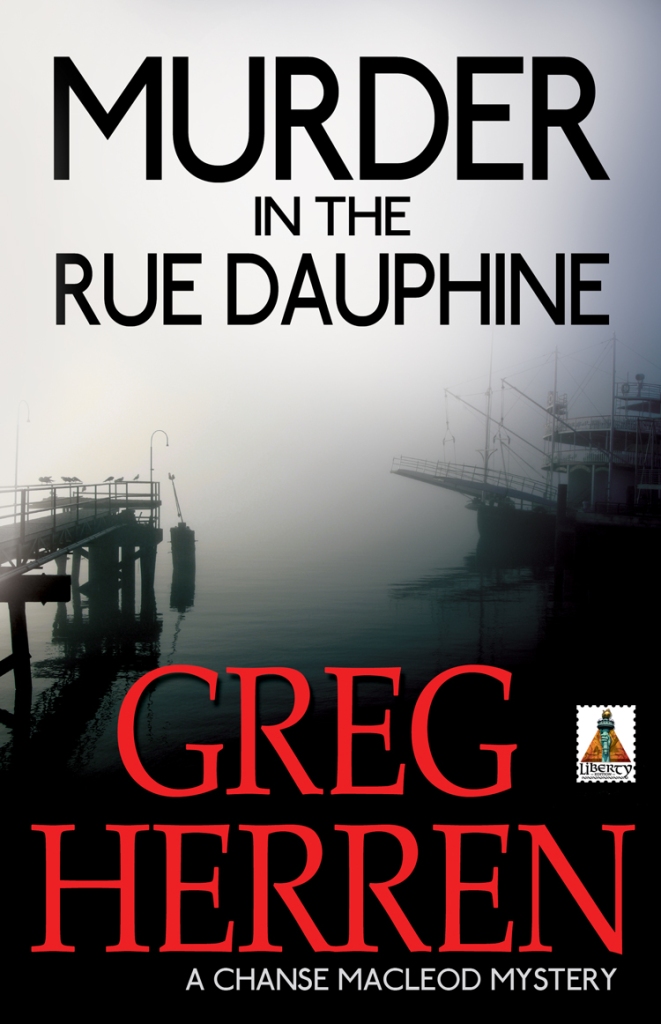
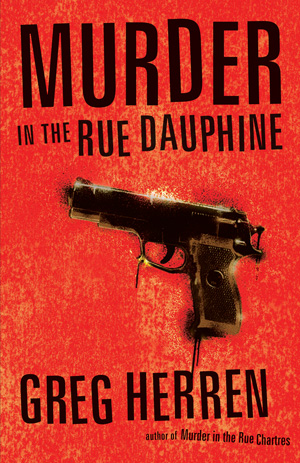

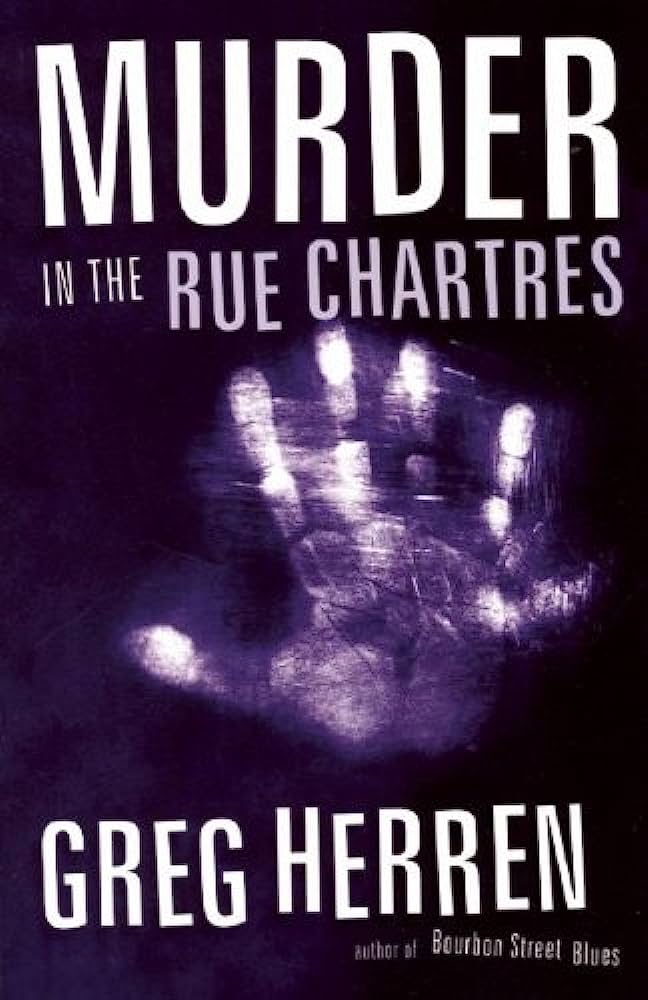


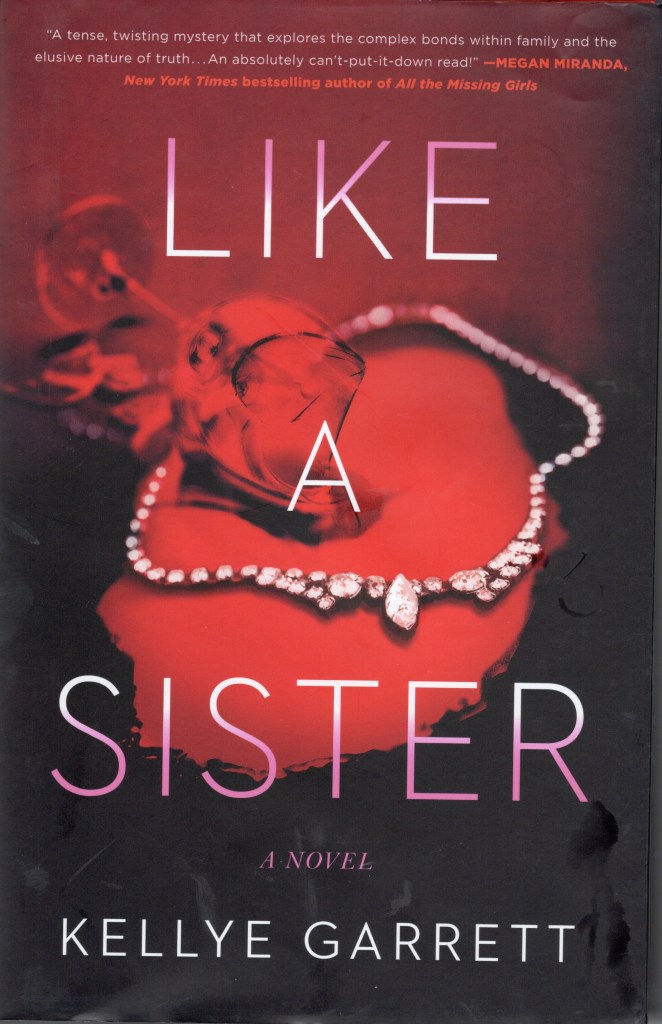
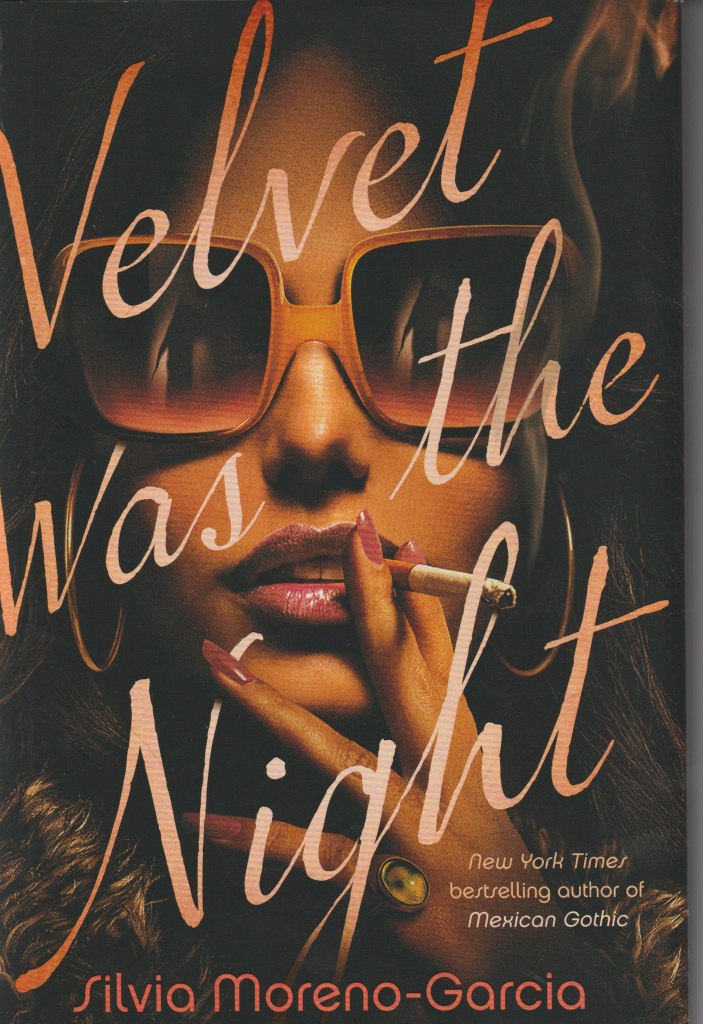
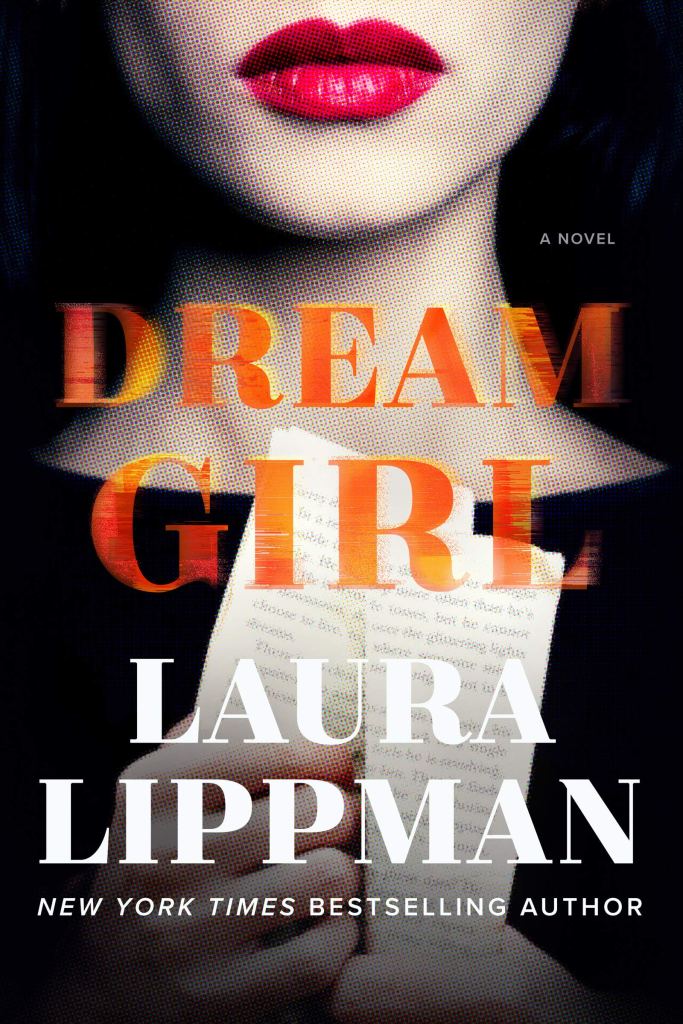


 Queer and Loathing in America