Thursday morning last day in the office until Monday the 12th! GASP. But yes, I am meeting my dad in Alabama this weekend and then Monday the 5th we’re driving back up to Kentucky, from whence I shall drive back to New Orleans on Friday. I was very glad that I figured out that the trip hanging over my head was why I was a bit off this week, which was a very good thing to realize…I was getting worried about why I was off, you know? And at my age, sometimes (usually) it’s something. Sigh.
I went further down the Noah Presgrove mysterious death Internet wormhole, and the story just continues to gnaw at me. I also found a “Justice for Noah” Facebook group that is mostly people from the small town he was from (Comanche, Oklahoma) and the surrounding counties…and what a fucking gold mine that was, seriously. The town is only about 1300 people or so, and it’s a very rural area similar to the one where I grew up in Kansas. It was eye-opening, and a reminder of just how nasty small town/rural areas can be. The page is full of locals snapping and sniping at one another, accusing people of knowing more than they know, and when someone being called out responds to being called out, well, people go apeshit on them. One girl who was there telling people they had things wrong got buried with comments like “you were drunk so we can’t trust your memory” or “you’re in on the cover-up” and it’s wild how all these old hurts and resentments can come to the fore when something like this happens. I had been thinking about writing another book set in small-town Kansas (beyond the ones I’ve already talked about on here) called All Their Guilty Stains, but this story might be better than the one I dreamed up for that title.
That’s the “real America” for you, people. (Peyton Place and Stephen King’s Needful Things are excellent books about how stifling rural small towns can be, and they get the pettiness down perfectly. One of the reasons I love King so much is his ease at creating a realistic town with real people who basically harbor grudges and resentments until everything starts boiling over.)
But I definitely went down the wormhole with Noah’s murder/suspicious death last night; looking up podcasts and videos. And yes, I am well aware that I may not have even been interested in the story had the video that started the whole thing–a Banfield News report–not had a thumbnail of his senior picture and my first thought was that’s a very good-looking young man–he was possibly murdered? And then I went down the wormhole.
And of course, everything on the Facebook page I mentioned? You expect the family to of course talk about how marvelous and wonderful and kind he was, and that’s a lot of the posts on that page, too–basically, he’s been deified, and that American “don’t speak ill of the dead” custom often covers up all kinds of shit, and much as they like to believe they know everything about their kids, most parents don’t and are very surprised–as well as being in denial–about the deceased. I mean, no one is loved by everyone. And a good-looking star athlete in a small Oklahoma town? You can just bet there were kids with grudges and resentments built up over the years.
I felt good yesterday when I got up, as I do this morning, and I got a lot done at the office…but I started feeling tired and sleepy in the late afternoon. I had to also run errands on the way home (Sparky needs his treats!) and picked up my copy of The Dusk, a graphic novel co-written by my friends Elizabeth Little and the wonderful Alex Segura. I also had a royalty check waiting for me (huzzah!) and, of all things, a fan letter forwarded to me from Crooked Lane. I wasn’t really quite sure what to expect–the last time someone wrote me a letter it wasn’t exactly a fan letter, and I’d actually forgotten how nice that feels. I just glanced over it because I wanted to read it sometime when I could savor the ego-boast; which is something I’ve been needing, writing wise, for a long time. And you know what else it did? It kicked my fucking mind into gear. I’ve been struggling with this book I’m writing for a long time now, and it’s certainly taking me longer to write a draft than it usually does. Part of the problem was I couldn’t figure out the over-all point of the book, which I realized last night; there’s always got to be an underlying point to the story that I am trying to illustrate through the main character. It’s a satire of state-sponsored homophobia, and I of course created a homophobic group leading the armies against drag queens, transwomen, and queers. But that wasn’t personal, and that was why I wasn’t having as much fun writing it and why I was having so much trouble with this book. Last night, as I sat in my chair, digesting a gushing fan letter and Noah Presgrove’s murder/suspicious death, I started thinking about this some more and then it hit me: I need to know Jem’s personal story/growth through this book and it punched me right between the eyes–so much so that I scribbled it all down in my journal and hopefully, I can get back to work on this sooner rather than later.
And on that note, I am heading into the spice mines for today. Have a great Thursday and I may be back later.
So, are you ready for some MORE blatant self-promotion?
During the Bold Strokes Book-a-thon, the other panel I was on had to do with writing young adult fiction (the other panelists were amazing, I might add), and once again, I am answering the questions sent to us by the moderator to turn into an interview with JUST me (because it’s all about ME ME ME) but I do urge you to seek out the video of the panel. It was terrific, and I was definitely the most uninteresting person on the panel, seriously; this is NOT self-deprecation. (I bought everyone’s books during the panel, I might add; definitely check out Lauren Melissa Ellzey.)
What is the definition of Young Adult? How does it differ from other genres?
I think it’s primarily an age distinction, to be honest, which is something that always makes me uncomfortable. Growing up I read far above my age level; when I was in seventh grade I was reading at a college level, per the tests and so forth. I mean, I did read The Godfather when I was ten; my parents, despite their conservative religious beliefs and values, let me read whatever I wanted without having to ask permission–I think when I asked Mom if I could read something the last time she replied “Read whatever you want, I don’t care” and after that I never asked again. When I was a kid, there was no such thing as young adult; everything was either for adults or “juvenile.” The juvenile category contained multitudes, beginning with the Little Golden Books and picture books to kids’ mysteries to Judy Blume. I think sometime in the 1980’s the genre was separated into “juvenile” for kids 8-12 and “young adult” for 12-18.
But there are kids like me, who can read above their age/class level and others who can’t read at their age/class level, and I think in some ways that differential could be harmful for those who are below-average readers–reading is the most crucial aspect of education, because if you can’t read…and no matter how many ways they try to make the language around slower readers more accepting and less stigmatizing…it doesn’t really help kids to be told they’re below average or not as smart or quick as the other students. (One of my primary problems throughout my education is I would understand something the first time, while others inevitably didn’t, and as the teacher explained for a second or third or more time, my ADD would kick in and my mind would wander because I didn’t need to listen and then wouldn’t be listening when the teacher moved on.
Ah, well.
Oh, and all subgenres of fiction also have the middle grade/juvenile and young adult sub-sub-genres.
Why or how did YOU choose YA?
I don’t know that I chose y/a so much as it chose me.
I started writing when I was a child (all my childish scribblings are lost to moves and time passing), and I wrote about kids my age. My first attempts at writing were always some kind of kids’ mystery series, a la The Hardy Boys and The Three Investigators (I’d still like to do this, frankly), and when I became a teenager, I started writing about teenagers. I wrote a bunch of short stories while in high school about the same group of kids going to the same high school. Those stories slowly but surely grew into a sprawling, handwritten novel about the county with plots and subplots and main characters and minor characters and all of this history; a “Peyton Place in Kansas kind of thing”. I worked on it for like five years, and eventually had this enormous sprawling mess that needed to be revised and rewritten and typed…and since I didn’t know how to type, made that part of it a problem. So I shoved it into a drawer and started pulling from it rather than revising it; taking out plots and characters and using them in other books and other stories.
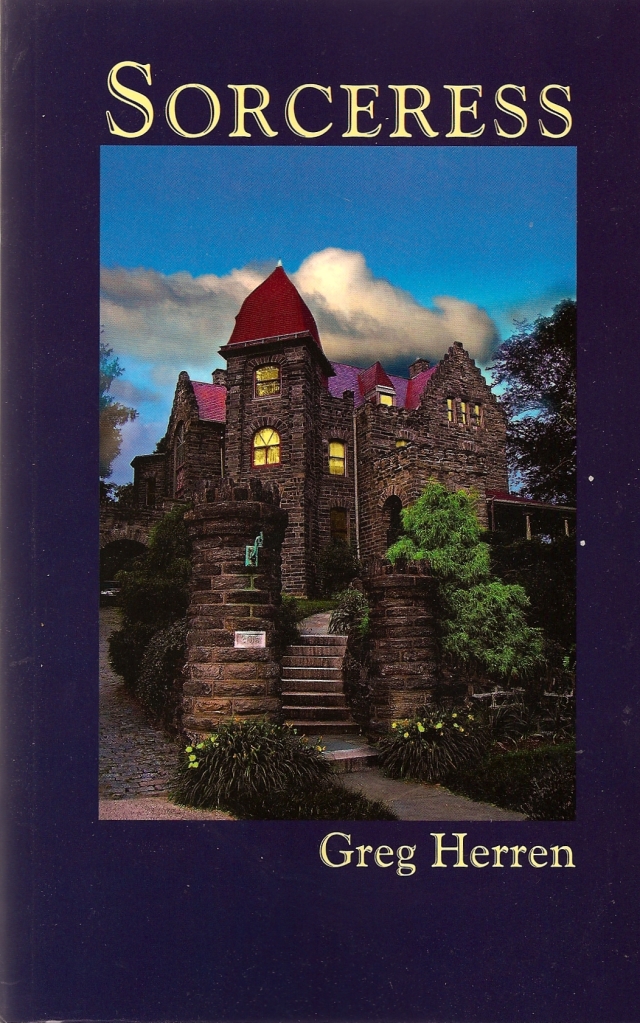
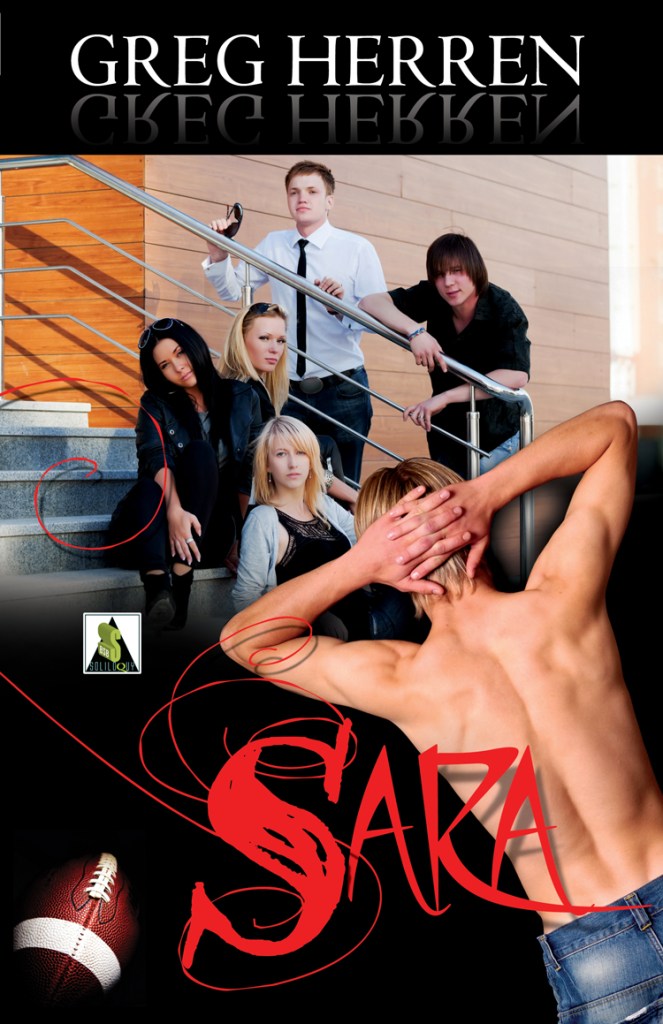
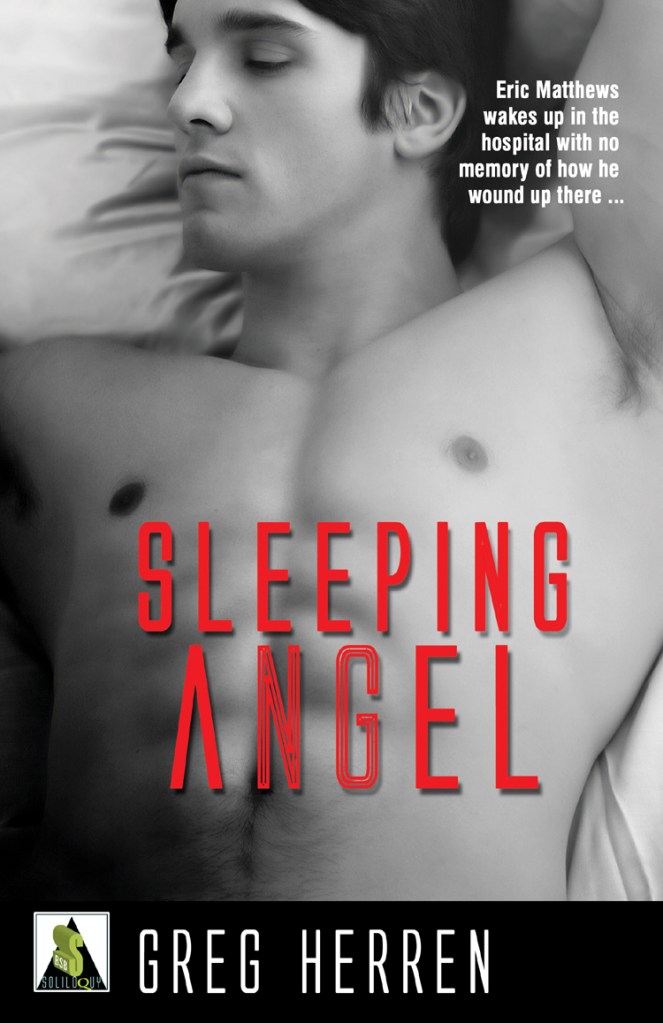
After I finished that, I spent the next five years mostly working on short stories. I started another book, more horror than anything else, but never got further than the third chapter. I finally decided to write a horror novel built from my old manuscript and those short stories from high school. I was about three chapters into it when I discovered two things: there was a big market in y/a horror at the time (Christopher Pike and R. L. Stine were HUGE during this period) and so I bought some of them. When I finished, I thought, “You know, I should turn Sara into a y/a novel” (because I thought somehow that would be easier? Foolish, foolish rookie) and so… I did. I was right in that thinking of it in those terms made it possible for me to finish a draft, but I wasn’t very happy with it so I put it aside and started writing another one, Sorceress, which was also horror but also had some strong Gothic moments in it. When I finished that one, again I wasn’t pleased with it so I started another–Sleeping Angel–which was the one I thought really had potential. I never finished that draft–by this time I’d discovered that gay fiction and nonfiction existed, so I started reading that and trying to write about gay characters instead.
Those manuscripts remained in my drawer for well over a decade, until a friend of mine took a job as a young adult acquisitions editor, and she wanted to work with me. I told her I’d written three (although it was technically two and a half), and gave her a brief synopsis of them. She liked Sorceress the best, so I started revising and editing it and turning it into something publishable. Once it was all done, she’d left that publisher, but started her own small press for y/a books for underrepresented teens, and she wanted to launch the press with Sorceress. I said “okay” and we were off. I eventually realized I needed to let Bold Strokes know, and when I did, I got an email back saying you know we do y/a, too? And so I sold the other two to them, and have never looked back since then.
Are there specific rules for writing YA (things you can’t do)? Does Bold Strokes add on or impose specific or additional rules?
I don’t pay too much attention to rules, frankly. There’s no graphic sex in my books, but it’s hinted at. I also try to swear less in young adult books than I do in adult fiction, which is probably not as big of a deal as I think it is? The society I grew up in was a lot more puritanical–believe it or not–that the one we live in today. So I always default to that setting, and then have to shake it off. Swearing isn’t as big of a deal as it used to be. No one thinks they’re marrying a virgin anymore, and on and on. And having been attacked for daring to accept an invitation to speak to queer high school students, I tend to tread softly. There have been a couple of times where I’ve had to change language, or how a scene went, because my editor thought it might be problematic; and frankly, I never want to be offensive, so I have no problem with it. I don’t see it as a free speech issue the way so many intentionally offensive writers claim it is. I shouldn’t take offense to someone calling me a faggot? Grow the fuck up. The so-called free speech “crusaders” are always defending hate speech as well as trying to shut up the people who find it objectionable. You do not have a constitutional freedom from consequences or getting a negative response to things you say and do, period. It’s really not hard to understand unless you want to be passive/aggressive and childish and a moron.
How do you remember back to these days, specifically how it felt or feels? (this is coming from your moderator who is much older than you are)
Well, for one thing, I’ve always kept a journal and I still have them all. (I was insufferable when I was younger, seriously.)
My sister has a theory that we forget a lot of the pleasant memories from our childhoods, but remember the traumas in great detail. I believe the truth of that, because school was a nightmare for me from the day we moved to the suburbs until I was done with it. I remember how it felt to read Greg Herren sucks cock on a desk at school. I remember how it felt to be mocked, laughed at, and bullied by assholes. I do remember the good things, though I tend to always focus on the bad.
The first thing I always do is abandon whatever “wisdom” about life I’ve theoretically learned since leaving high school, and put myself into the teenager mindset: they think they are the main characters in everyone they know’s story, and everything is the end of the world or their life is ruined and you are the most horrible parent ever! I’m not entirely sure I’ve escaped thinking that way, to be brutally honest: I am horribly selfish.
How do you come up with your characters? Your stories?
I am weird in that I inevitably always start with a title. I hear something or read something and think, that would make a good title. The next question is what story would fit that title? And it kind of goes from there. The title may change, the character names and story might change and evolve, but I can’t write anything that doesn’t have a title. Bizarre, I know. Usually with my young adult stuff it’s an idea I’ve had for a number of years and finally decide to explore whether it’s a novel or a short story, and go from there.
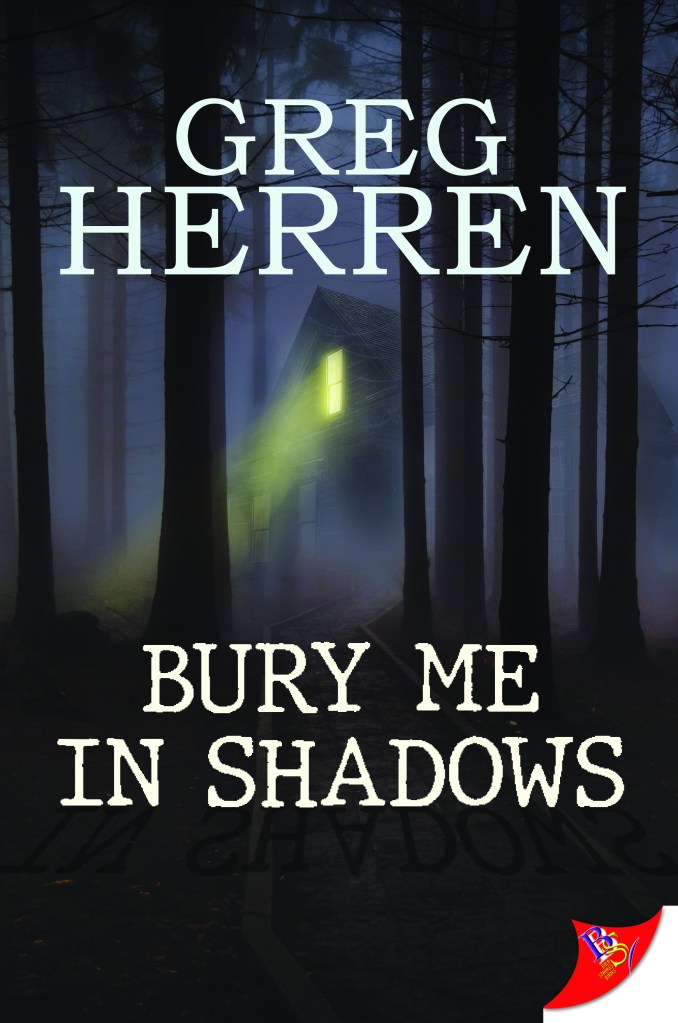
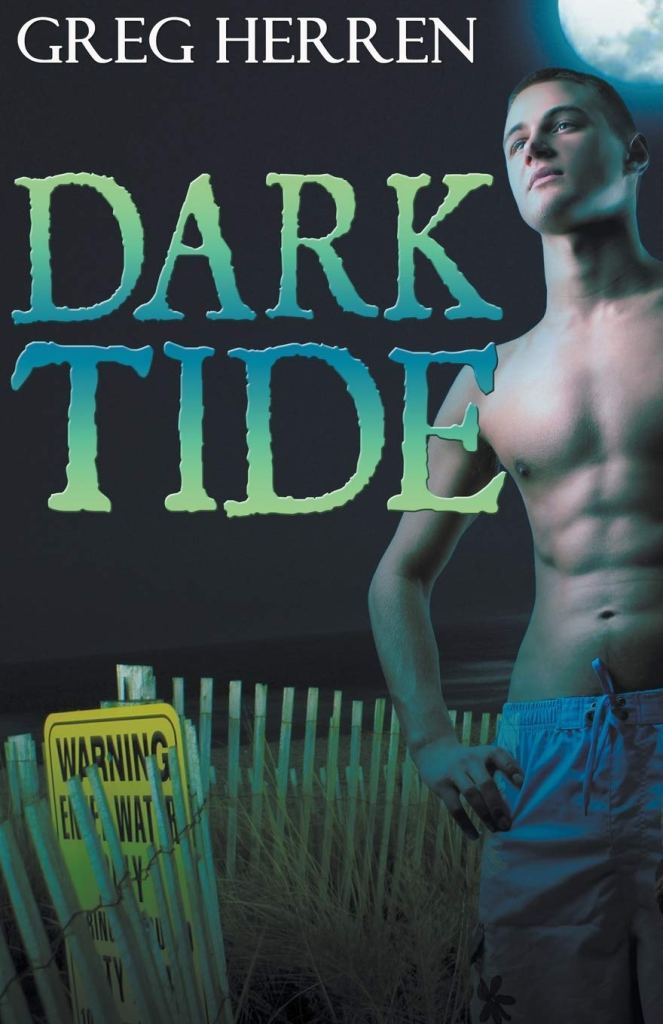
Dark Tide was originally called Mermaid Inn, Bury Me in Shadows was originally Ruins, but the others pretty much stayed the same from beginning to end.
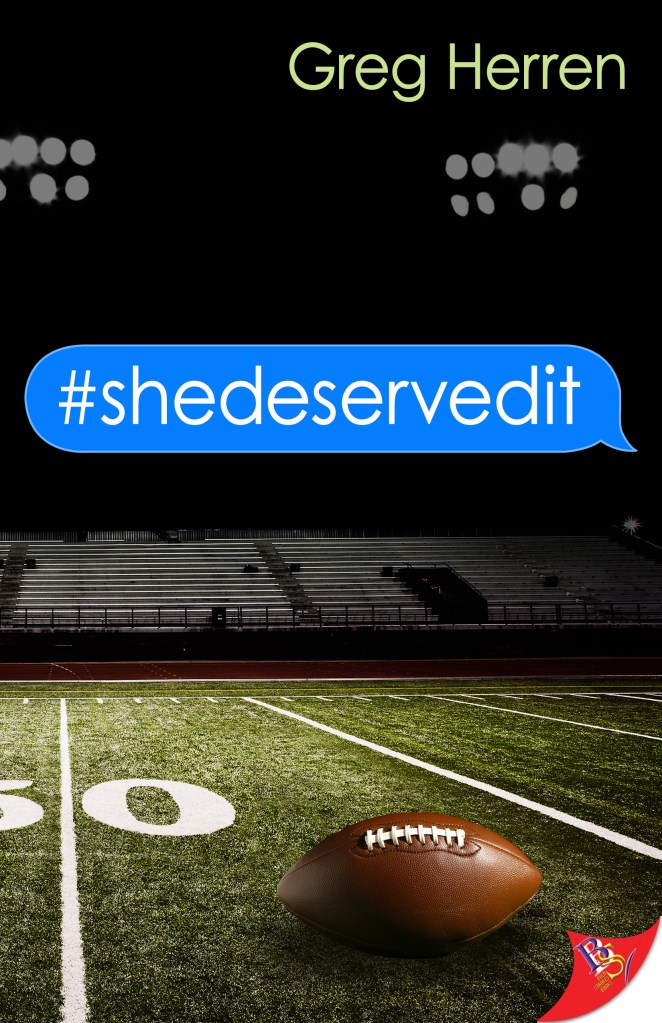
I wrote #shedeservedit because I was angry about the Steubenville/Maryville rape cases, and remembered stories and gossip from when I was in high school and college…and rethinking them through a more evolved brain about women and misogyny… well, it made me angrier. I had already planned on writing a story set in the same town with the same characters and opening with the same murder (I always referred to it as “the Kansas book” for years), but the motive was something I always had trouble grounding in reality. After those cases…it clicked in my head. You need to write this story about small town misogyny, protecting the star jocks from the girls at all cost, and make that the plot. It was easy to write because I was angry. Making it a compelling read was harder, because the subject matter was sickening to me.
I needed to write that book, and I don’t regret doing it, either…but it’s not exactly a feel good story people can escape into, either.
Why do you think YA is so popular?
It’s more accessible, I think. I mentioned reading ability before, and I do think that most readers aren’t into the Great Literary Tomes, hundreds of pages of beautiful writing with no real point or story. People kind of want to escape their cares and worries, and y/a books tend to be really entertaining. We’re competing with phones and tablets and streaming, so we need to write entertaining and engaging books.
Any specific must do-s or must-haves to get your writing each day?
I’m not nearly as anal about that as I used to be, before I returned to work full-time. I am very aware that I have little time to waste when I write, and thus must seize whatever opportunities to write show up. But if pressed, coffee. I can’t write unless I’ve had coffee when I got up.
I think this is all of them, but I could be wrong.
It is very bright and sunny this morning; it was in the seventies yesterday but took an alarming dip over night. It is currently forty-three degrees outside, with a forecast of a high of merely fifty-six. The weather? She is bipolar in New Orleans in the winter, and we never really know what to expect from day to day. I’ve also realized that my mom also became obsessed with the weather when she was older, and I now check it every morning when I never really did before.
I had thought I had more to do today with the Bold Strokes Book-a-thon; but I was wrong–it’s next weekend that I have three panels on Saturday. Today is just a reading, and I’ll be reading from Mississippi River Mischief, of course, since it’s my most recent release from them. Other than that, I’ll be spending the day cleaning up and writing and doing things around here. I did get a lot accomplished yesterday–not as much as I had hoped or wanted, of course, that never happens–but I feel better about things around here now than I did before. I think I still haven’t gotten my stamina back yet, which is going to probably take a hot minute anyway right? I start strength PT on Monday, which should be exhausting. I did sleep really well last night, which was terrific; I really cannot get used to sleeping so well every night. I mean, I can, but feeling so rested when I get up every day rather than tired and groggy has been marvelous.
I spent some time with Tara Laskowski’s marvelous The Weekend Retreat last night and will definitely try to finish it today, if I can. It’s quite excellent, and is kind of a master class in both point of view and how to structure a novel. There are three point of view characters (four, if you count someone who is merely identified as “the weekend guest”), and the three women she uses are very different and the voices she’s created for them are distinct and unique. It’s very well done, and it also follows the structure of four that I’ve often noticed in novels–three that are in the same generation and whose lives are entwined, along with another who is not (Valley of the Dolls, Peyton Place, The Best of Everything, Class Reunion)–the list of books that follow that plot structure are countless, and something I’ve always wanted to write about. Anyway, Tara’s book is terrific and I am looking forward to spending more time with it this weekend.
We also watched this week’s Reacher last night, and we’re both a bit amazed at how different this season is from the first; but the books often were very different from each other. Sometimes they were intimate stories, sometimes they were action-adventure romps with very high stakes. Alan Ritchson is simply perfect as Reacher, and he has a very strong supporting cast in the season, but the dialogue is a bit hackneyed, cheesy, and clichéd at times. The action sequences are fantastically shot and choreographed, though, and the story is pretty good.
I also started watching the original BBC miniseries of Brideshead Revisted, which I’ve never seen, and I also got a copy of the book, which I’ve never read…but have become more interested in them both since watching Saltburn and seeing it compared to Brideshead. I’ve been sorting my thoughts on Saltburn since watching and enjoying it, which means it obviously had an impact on me and stimulated me intellectually. It’s been a long time since I’ve seen a film that has engaged my mind and my knowledge of film and novels so thoroughly.
Sparky also wreaked havoc on the kitchen again last night while I slumbered, so there’s some picking up that needs to be done, and since the kitchen will again be the background for my reading, I should probably work on clearing the counters and the dishes and all that; of course, I imagine Sparky will make an appearance during the reading, too, since he is very determined and doesn’t take no for an answer (at least for the first five or six times he is told no).
I also need to run a couple of errands today so I won’t really have to leave the house again other than PT until Tuesday morning. I love when I don’t have to leave the house, seriously. To me, that’s the real appeal of retiring–not having to leave the house every day.
Hmmm.
And on that note, I am heading into the spice mines. Have a marvelous Saturday, Constant Reader, and check out the Bold Strokes Book-a-thon if you have time!
Thursday, and I am so relieved that the recovery is going well, and that I can actually start fending for myself. The brace isn’t rigidly locked anymore, and I have a lot more freedom of movement–plus I no longer need that wretched sling, which I hated, and I am no longer attached to anything. Granted, I haven’t been since last Friday, when the pain ball1 was removed Later this morning I am calling to make my first PT appointment, and another referral to follow up on as well. I also slept in my bed last night for the first time since the surgery. I was sleeping super-well in my easy chair, and was a little worried about going back to the bed (I will worry about anything, thanks, anxiety!) because I usually sleep on my left side–which is the bad arm–but I fell asleep lying on my back and shifted to the right side and back a couple of times, but other than that, I was dead to the world. I also slept for another ten hours last night, and I am thinking that I need to get this rest. My body is demanding it, and it feels marvelous to sleep so deeply and restfully–this is what I am always longing for most of the time….but I’m not going to start going to bed at eight once I am back to work because yeah, that would be terrible.
I took it easy yesterday after getting home from my appointment and a couple of errands. The temperature has turned cold (for New Orleans, don’t @ me), which always makes the apartment feel a bit more snug. I did some straightening up, took a long hot shower (still not easy, but so much better than before), and then curled up in my chair with Sparky and J. D. O’Brien’s Zig Zag, which I enjoyed very much (more on that later). I’m still trying to figure out a way to comfortably type with the brace, which isn’t as easy as one might expect. because the brace raises the hand so it’s not flush with the keyboard. It just feels awkward and so I need to find a position to type that doesn’t feel awkward–or I need to get used to it. I don’t know that I’ll have the brace on long enough to worry about Carpal tunnel syndrome, but you know me–anxiety always on the starting line waiting for the starting gun. We also finished watching Bodies, which I also highly recommend. It’s extremely well done, and very clever. If you liked Dark, you’ll definitely enjoy Bodies. I haven’t picked out my next read yet, but I have some incredibly delightful options to choose from. Yay! I love having a massive TBR-pile filled with terrific books by great writers. I am leaning towards Christmas Presents by Lisa Unger; I do want to read some holiday themed novels this Christmas season.
Christ, it’s Christmas season already. I may have to have my annual viewing of A Charlie Brown Christmas soon. I feel more like being in the holiday spirit this year. We haven’t decorated in years (and what little decorating we did was kind of half-assed, anyway) because the one thing Scooter would–in his long, comfortable life as a lap cat–actually spring into action against was the tree. That first Scooter Christmas was the last time we decorated, and I feel pretty confident that Sparky would see the tree as an amusement park, since everything is a toy to him and all he wants to do is play. I didn’t notice until the other day–and maybe it’s a recent development–but Sparky has some orange in his coat. It’s more obvious when he’s lying on his back, but we did end up with another orange cat, even though we didn’t realize it! The string of orange babies continues!
I was also thinking some more yesterday about being a writer–and the many different ways there are to be one. What is the difference between an author and a writer? Are authors artists? What is literary art and what is not, and who decides? Can genre fiction be art (of fucking course)? This was triggered by one of those things on one of the social media platforms where you were supposed to “quote text” my favorite books by women, and right off the top of my head I rattled off five great ones…and then I started remembering more, and more, and still more. I’ve read hundreds, if not thousands, of marvelous novels and short stories and essays and columns written by women. Why were those the five that popped up into my brain at first, why are they so implanted on my brain that I would come forth with these titles; any such list from me will always include The Haunting of Hill House by Shirley Jackson and Rebecca by Daphne du Maurier, and I will never apologize for that. Which left me with only four, and there were so many options. My mind immediately defaulted to four women writers I love, and then had to pick which of their canon was the best. Then I remembered a beautiful novel about friendship, love and loss that made me weep (Somewhere Off The Coast of Maine by Ann Hood) and thought, damn it, I loved that book and I want it on my list…and then started remembering all the others, the dozens if not hundreds, of other women writers whose works entertain, enlighten, and edify my life. There are so many great women writers, currently and in the past, who wrote so many amazing books that it would be hard to name them all, and I would certainly always forget scores of them. For some reason yesterday I was thinking about Taylor Caldwell–who used to write massive doorstopper books about rich people and industries, as well as interesting historical fiction. If remembered at all today, it would probably be for Captains and the Kings, but that wasn’t one of my favorites of hers–that would probably be Testimony of Two Men, which was about medicine in the late 1800’s and a courageous doctor who believed in modern breakthroughs rather than “we’ve always done it this way”–so of course the entire medical establishment was trying to ruin him as he bravely stuck to his principles and tried to modernize American medicine. I would probably hate it if I read it today for the first time–my politics, ethics, morals, and tastes have dramatically changed since I was a teenager, which was when I read Caldwell–but I do remember it fondly. And there’s Grace Metalious, who wrote Peyton Place; Jacqueline Susann and Valley of the Dolls; Jackie Collins and Hollywood Wives; any number of Agatha Christie novels–I mean, there have always been so many great women writers around. Does anyone remember Rona Jaffe? I’ve always wanted to reread The Best of Everything, and I think I have a copy of it somewhere. Then there’s the scifi/fantasy writers, too–Anne McCaffrey and The Dragonriders of Pern, Ursula LeGuin and A Wizard of Earthsea, the amazing Octavia Butler….as I said on whatever social media platform that was, I could sit here and name women writers who wrote books that I loved all day. Victoria Holt, Mary Stewart, Phyllis A. Whitney, Dorothy Eden, Susan Howatch…seriously. Maybe I should write a book of essays about women writers that aren’t remembered much today? ANYA SETON! How I loved Anya Seton back in the day–and all the crime women–Margaret Millar, Charlotte Armstrong, Dorothy L. Hughes, Mary Roberts Rhinehart, Helen MacInnes, Patricia Highsmith, and Mignon Eberhard, to start.
I bet no one else remembers Edna Ferber–and if they do, it’s for Giant and it’s because of the movie (many of her books became famous films: Cimarron, Saratoga Trunk, Show Boat, and So Big). Now that I think about it, I think she addressed race issues in both Saratoga Trunk and Show Boat….which may be worth revisiting. She was also a member of the Algonquin Round Table.
This entry sounds and feels more like me than the more recent ones have, doesn’t it? I am itching to dive back into the book this morning, after I pay some bills and do some other aggravating chores. I also have a prescription ready to pick up; so since I have to go to a Midcity pharmacy to get it, I may as well make a grocery run on Carrollton.
I didn’t realize what a difference sleeping in the bed would actually make, really.
And on that note, I am heading into the spice mines for the day. Have a blessed Thursday, Constant Reader, and I’ll check in with you again a little later, as I really need to do a lot more promo. OH! That reminds me, here is a lovely review of Mississippi River Mischief; check it out! That absolutely made my day–and reminded me that I need to do more self-promotion.
I had a contraption attached to my left shoulder that dispensed a nerve-deadener to the arm, so I wouldn’t feel pain. It lasted for 72 hours, and by the time it was empty, I didn’t have any pain, which was great. I also had to carry it around in basically a fanny pack, so it was one more thing I had to drag around those stressful first 72 hours. However, if you are going to have surgery, ask for one. It was amazing. ↩︎
As Constant Reader is aware–because I am nothing if not repetitious–I spent ages two to nineteen in the midwest, and the last five of those in rural Kansas. I’ve blogged endlessly about it, have written several books set there, and often blame (some of) my emotional scarring on the experience. It’s one of the reasons that stupid fucking song from earlier this year (“Try That in a Small Town”) was so ridiculous and offensive; yet another tired round of ammunition from people who equate cities with evil and rural life with purity and goodness–to which I always say “Someone’s never read Peyton Place, let alone lived in a small fucking town.” Big cities certainly don’t corner the market on crime and sin and lawlessness; small rural communities can be just as vile and horrible as any metropolis.
Shirley Jackson didn’t set “The Lottery” in Times Square for a reason.
There’s an entire essay to be written about the moral rot of the Bible Belt and rural America–and make no mistake, rural America is every bit as corrupt, sinfully evil, and dangerous as the worst neighborhood in any big city–but this is not the time, as I am here to talk about this marvelous novel I read very quickly last night.
“Can you see me?” Cole yelled over to them. He was standing on the south shore of the reservoir, barefoot and facing the water. He looked like he was thinking, but Janet knew better. The scrunch in Cole’s expression came from trying to keep his belly in a six-pack.
“I’ve got you,” Victoria yelled back as she framed her brother. She was using his phone and struggling with the device. “How do you zoom on this thing?” she asked as she shuffled to the edge, not looking at her feet and focusing on Cole. Janet could see a pink stamp of tongue at the corner of Victoria’s mouth as she tried her best to get the shot her brother wanted.
“You’ve got to be in portrait mode when you go live.”
Janet meant it as a polite pointer, but as the words came out of her mouth, they sounded like a dig. SHe didn’t mean it to be a dig, but she couldn’t help it, either. Her tone was why people thought she was such a bitch. Her tone and that she kind of was. Whatever–it was fun to watch the sheep quiver.
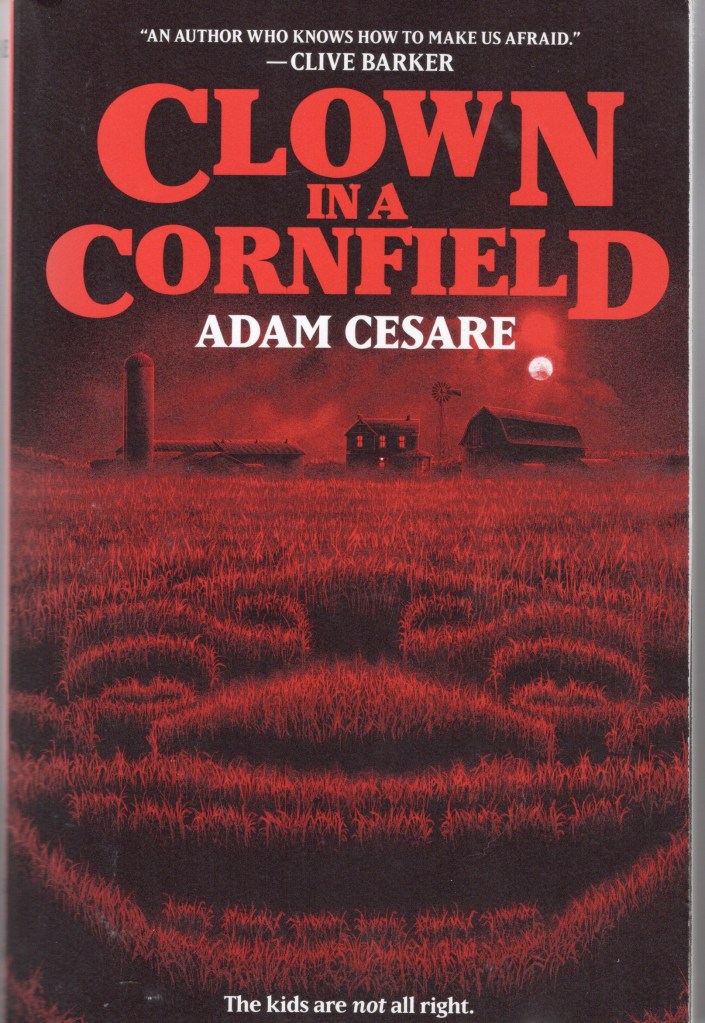
I don’t remember how Adam Cesare and his y/a horror thriller Clown in a Cornfield first came to my attention; if it was a suggestion from a website or if I saw someone talking about it on social media or I don’t know where, but I am very glad it did. The book is absolutely right up my alley–young adults, horror, small town Midwestern America (you know, “the REAL America,” right, Sarah Palin?), and terrifying clowns. I’ve never been afraid of clowns–although many people are, and I can respect that. The white greasepaint, the garish hair and eye make-up, the clothes–it’s not hard to see how something intended to entertain children (remember, fairy tales in their original form are horrifying) can easily become something that is absolutely terrifying. John Wayne Gacy, notorious serial killer who preyed on children, worked as a clown for kids’ parties–which is very unsettling, and of course, who can ever forget Stephen King’s masterclass of clown horror, It? Killer clowns have become kind of a cliché…but they still work.
Clown in a Cornfield works on its basic surface level–it’s a scary story that reads quickly and raises the adrenaline and is chockfull of surprises and twists; like the novel version of a slasher movie. (Something I’ve always wanted to do, frankly.) It takes place over the course of a couple of days, and is set in the small dying town of Kettle Springs, Missouri, where main character Quinn Maybrook and her father have just moved from Philadelphia; it’s hinted early on that the tragic death of her mother is why they moved during her senior year: a fresh start in a wholesome rural small town in the REAL America…which turns out to be all too real. The town is dying because the corn syrup processing plant shut down, and the town is losing population. The above few paragraphs are from the prologue–which sets up the rest of the book. There’s a tragic death at the reservoir that day, which changes the kids and changes the town–as though they’ve finally crossed a line they were dancing very close to the edge of and there isn’t any turning back.
The willful and wild teens of the town have planned a surprise during the Founders’ Day parade which Quinn witnesses when the prank goes haywire, and she learns there’s a lot of anger directed at the town’s teenagers–the kids from above who have a Youtube channel where they film themselves playing pranks on people around town–and the idea is that the pranks have become dangerous and the kids are out of control. The next night there’s a party out in a cornfield, and that’s when the corn syrup company’s mascot, Frendo the Clown, shows up with a crossbow and the body count starts to rise.
I really enjoyed this book. It was well written and works very well on all of its multiple layers, from the basic story which is well paced and exciting, to the layers of social critique, satire, and politics that it also manages to be. I found myself caring about the main characters and rooting for them, and while I saw one major surprise coming way ahead of time, there were a lot of other shocks and surprises along the way that made up for the telegraphing.
There’s also a sequel now, and I am looking forward to the second installment. I think you’ll like it, too, Constant Reader, so give it a whirl–thank me later.
As Banned Books Week comes to a close, it was exponentially more important and timely this year than before–given the Right Wing’s vicious, well-organized and ultimately doomed to failure attempts to control what people are allowed to fucking read in this country (for the record, you shrewish harpy lying “Moms4Liberty”–the First Amendment exists because the Founding Fathers foresaw the rise of people like you, and amended the Constitution to stop your skank, anti-American asses).
I’ve participated in Banned Books Week in the past; I’ve certainly done readings during it (the ones I remember reading from are Annie on My Mind by the late Nancy Garden–which was not only burned but tried for obscenity--and Elmer Gantry by Sinclair Lewis; I should have read from Peyton Place at least once). I’ve not participated in a long time–haven’t been asked, to be honest–and so I don’t know if anything is going on in New Orleans for it, or whether it’s something we no longer do here, or what; but I never get offended when I’m not included. Life’s too short for that–and yes, I am well aware that such a thing used to offend me, which was incredibly stupid. I’m really sorry I spent so much of my life and my time allowing negativity such free rein in my head.
The first time I did Banned Books Night, it was after Hurricane Katrina (at least the first one I remember) and it was at the House of Blues; Poppy Z. Brite also read, and I gave him a ride home afterwards; it was in that car and on that ride that he convinced me I could write another Scotty book despite everything that had happened to New Orleans since I’d written the last one; that’s why Vieux Carré Voodoo was dedicated to him.
He gave me Scotty back after a very difficult time, and I will always be grateful for that,
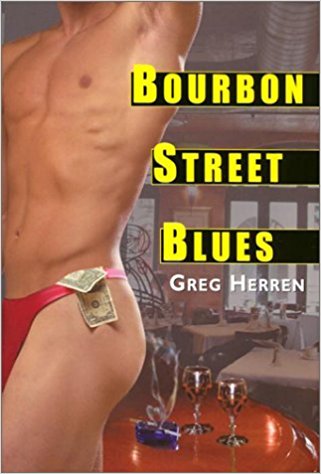
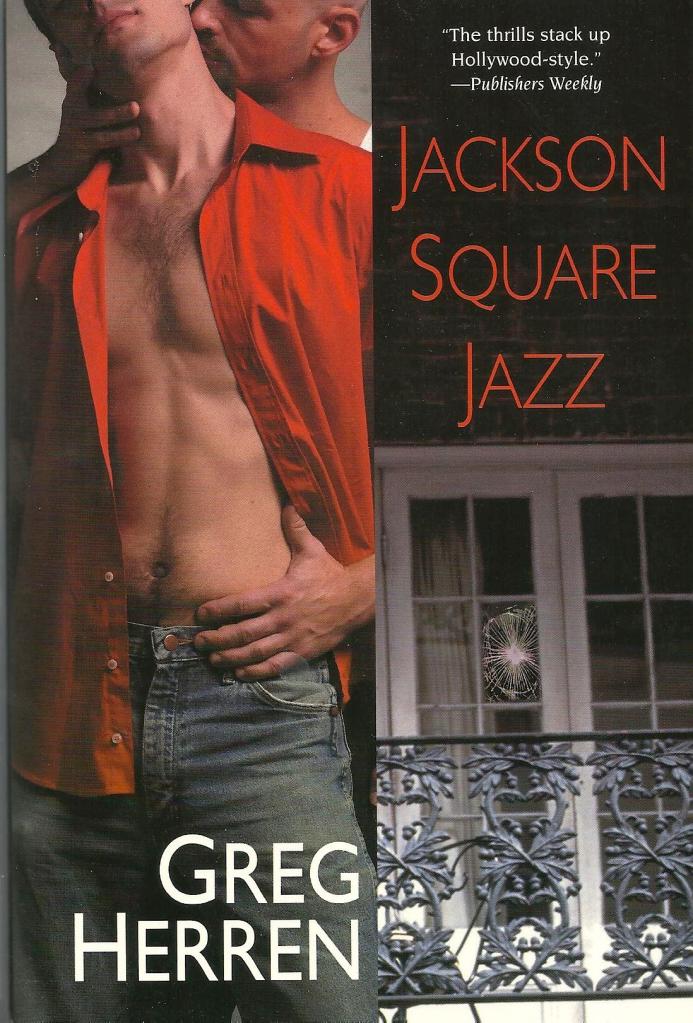
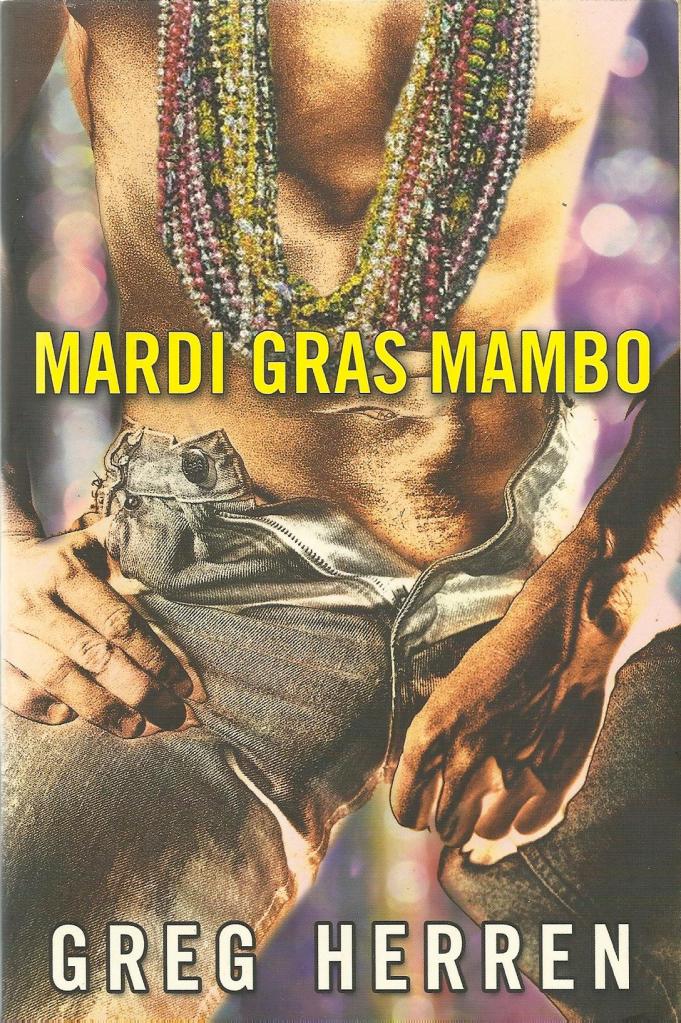
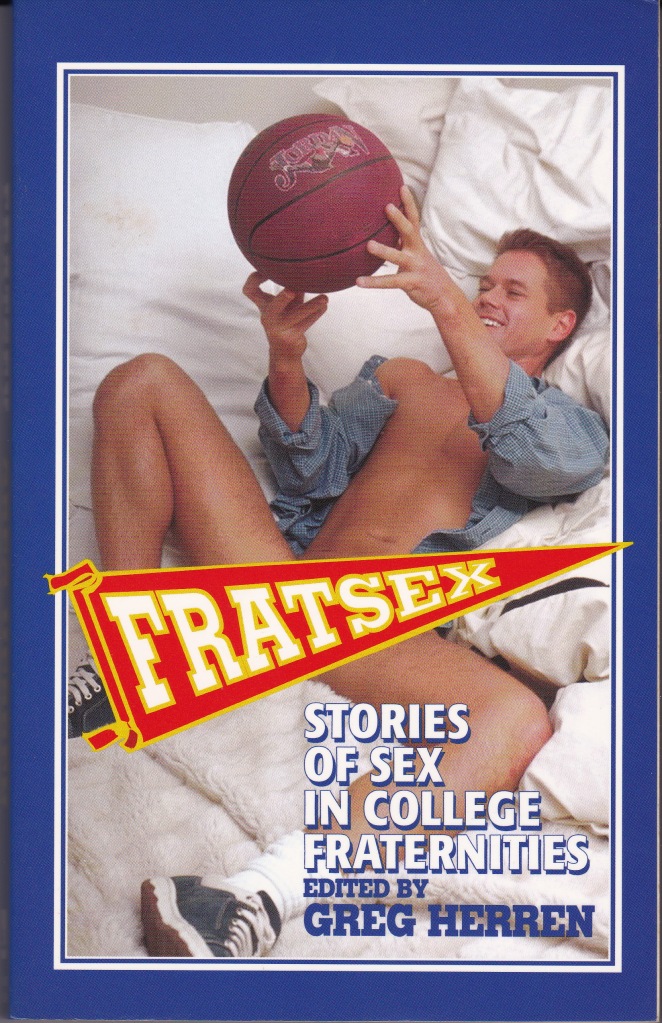
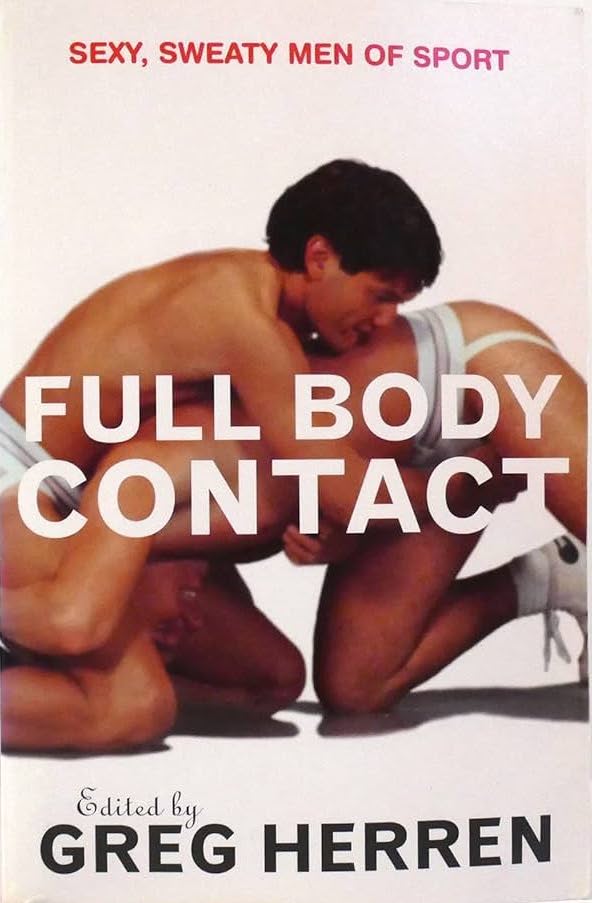
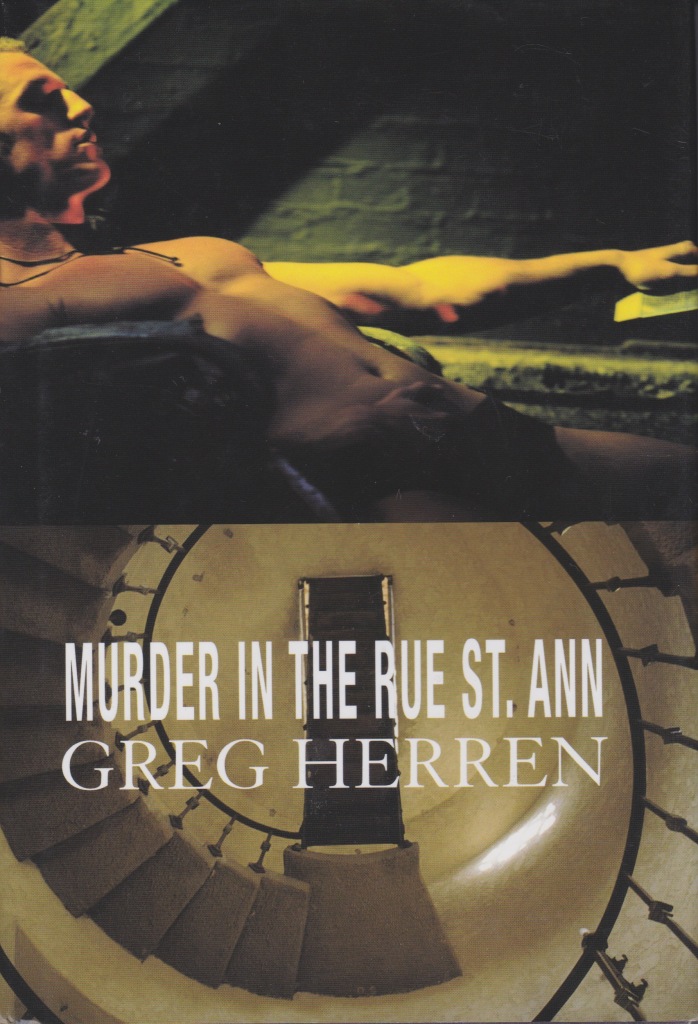
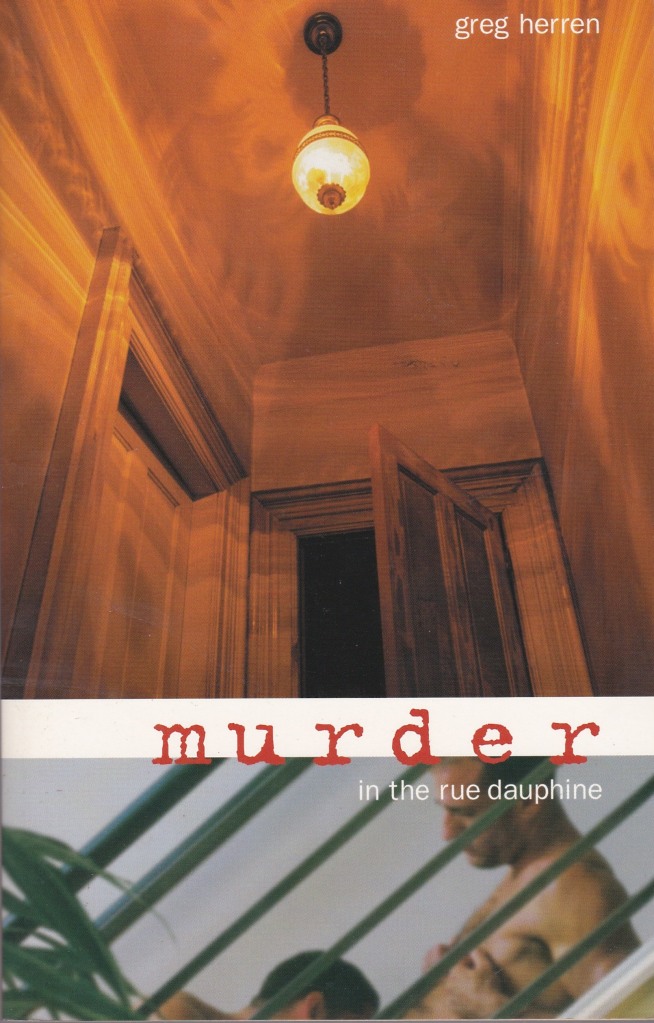
Above are the covers of my seven of my first books. They all look pretty racy, don’t they? But only two of them are actually erotica–Full Body Contact and FRATSEX. Those were the only two erotica anthologies I edited under my own name before switching to Todd Gregory.
The reason I am sharing the covers is because the covers is what the Concerned Women for America, Virginia Chapter, used to get me banned personally (not just my books!) from a high school in suburban Richmond. They used the covers to try to get the Gay-Straight Alliance at a high school shut down, and they used those covers in the House of Burgesses to try to get GSA’s banned at every state-supported school in the state of Virginia.
They came for me based on the covers, not the content–because they had not read the content.
And please, bear in mind, they did not include the erotica anthology covers in their attempts.
In other words, they called me a gay pornographer but didn’t use the actual pornography I actually had done to try to get me banned.
There’s a book in the entire experience at some point for me; I’ve always intended to write a book about the experience called Gay Porn Writer–because that was how they branded me, and the news media, in their attempts to be fair and unbiased, gladly picked up that branding without question or thought or without even looking into me and my writing career in the slightest bit. It was also my first experience with learning that the media cannot be trusted; they are not driven by a desire to print and report the truth; they’re looking for clickbait headlines that drive clicks or people to pick up the paper (print was still very much a thing back then) and which headline would you click on:
Gay author banned from local high school; First Amendment questions raised
or
Gay porn writer’s high school appearance cancelled.
The second one is a lot more enticing, as well as concerning, don’t you think?
That, to me, was the most interesting thing of the entire experience; the perceptions, smears, slanders, and how no one was even the slightest bit interested in the truth. The question that was at the heart of the entire thing is precisely what is driving the bans and book removals and so forth now: how old is old enough to know that queer people exist, that literature and art about us exists, and that we’ve always been here despite being regularly erased from history. It also begged the question we are fighting yet again today: does merely the mention of an alternate sexuality automatically make the book adult content–which really means pornography. We can’t have kids thinking about sex, can we? And we certainly can’t have kids reading a book, recognizing the struggle a character is going through as similar, and feeling less alone, now can we? We’ve got to keep those queer kid suicide rates high!
You see, even the homophobes know the truth that they cannot eradicate our existence, and they also know the truth that the only difference between queer people and straight people is who we are sexually attracted to; ergo, even if you don’t talk about what it means but you have a character who identifies as queer–the “queer” difference means kids will either know that queer people exist (THE HORROR!!!) or think about sex.
And certainly, we cannot have anyone under the age of eighteen thinking about sex, can we? Just because most people become obsessed with it after going through puberty doesn’t mean we should educate them properly. Proper education for teenagers about sex and sexuality would mean a drop in teen pregnancies, teen STI infections, and the need for teen abortions. The spurious argument against sex education for teens has always been we’re just encouraging them to have sex. But that’s stupid; their fucking hormones are encouraging them to have sex, no matter what we teach them, and the more we teach them that sex is bad and wrong will only encourage them to do it more–and once they realize it’s actually a lot of fun and nothing bad immediately happened–they will have more of it.
It’s just basic human psychology. Deny someone something and they will want it all the more even if they weren’t interested in it to begin with. Nothing is more desirable than the forbidden.
The smart thing to do is educate them properly about safety, the risks and hazards of having sex at a young age–and this kind of education will also help teach them about finding the language to get help for sexual abuse they may be experiencing.
But oh no! We don’t want them to have sex! Because not educating them about sex and sexuality has worked so well so far, right? Better they find out by looking stuff up on-line or going to porn sites, right? As a sexual health counselor, I am constantly amazed at the things my clients do not know, or how wrong what they think they know is. Every day I see how our educational system fails to prepare us for one of the most important aspects of our lives.
And learning that queer people exist, can live and love and have happy and fulfilling lives, well, that isn’t what these people want for kids. No, if you’re queer, they want you to be miserable and unhappy and suicidal. What could be more Judeo-Christian than that? The rise in people identifying outside the gender/sexuality binary doesn’t mean that prior generations didn’t have those same people existing in them; just that the world and society wasn’t as accepting and understanding then so they had more to lose by coming out, by talking realistically about who they are and what they feel–and it’s scary, very scary. People who do fall into those binaries, who don’t have to worry about what other people will think about who they are and how they identify, shouldn’t be the ones deciding what is real and what isn’t.
And the sad truth is these people are simply terrified of having a queer child, period. So, they figure if they take away anything that might tell their child it’s okay to be queer and to be yourself, their child will instead choose to live in a closet for the rest of their lives and be completely miserable.
Which tells me all I need to know about what kind of parents these people are.
Their love has conditions, which means it isn’t love at all.
I was always under the impression that parents, first and foremost, want their children to be healthy and happy….which is apparently another myth I’ve been gaslit into believing since childhood. #notallparents
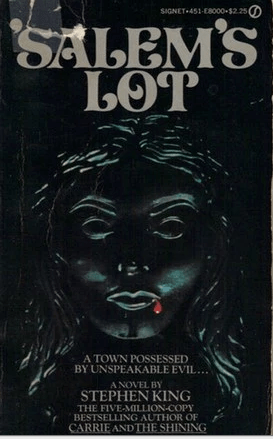
I often refer to ‘salem’s Lot as “Peyton Place, but horror.” Because while Stephen King’s second novel (and still one of my favorites) absolutely does its job as a wrenching piece of horror fiction, it’s also a truly insightful and meaningful look at a small town (population 1300) and how everyone knows everyone, as well as the way their lives intersect and connect and cross intricately; we get to know a lot of the townspeople before they succumb to the horror that is overwhelming their little town. If you took the vampires out of the story, you’d have to replace them with something, as there’s no story without them, but at the same time, this novel along with Needful Things some twenty or so years later, are remain two of the best books about life in small towns that I’ve ever read.
I used to reread old Stephen King novels a lot for comfort, losing myself in the worlds he creates and enjoying the stories, the writing, and the characters. ‘salem’s Lot is definitely one of my favorites of his; definitely always in the Top 5, with perhaps only The Stand outranking it.
Almost everyone thought the man and the boy were father and son.
They crossed the country on a rambling southwest line in an old Citroen sedan, keeping mostly to secondary roads, traveling in fits and starts. They stopped in three places along the way before reaching their final destination: first in Rhode Island, where the tall man with the black hair worked in a textile mill; then in Youngstown, Ohio, where he worked for three months on a tractor assembly line; and finally in a small California town near the Mexican boarder, where he pumped gas and worked at repairing small foreign cars with an amount of success that was, to him, surprising and gratifying.
Wherever they stopped, he got a Maine newspaper called the Portland Press-Herald and watched it for items concerning a small southern Maine town named Jerusalem’s Lot and the surrounding area. There were such items from time to time.
He wrote an outline of a novel in motel rooms before they Central Falls, Rhode Island, and mailed it to his agent. He had been a mildly successful novelist a million years before, in a time when the darkness had not come over his life. The agent took the outline to his last publisher, who expressed polite interest but no inclination to part with any advance money. “Please” and “thank you,” he told the boy as he tore the agent’s letter up, were still free. He said it without too much bitterness and set about the book anyway.
The boy did not speak much. His face retained a perpetual pinched look, and his eyes were dark–as if they always scanned some bleak inner horizon. In the diners and gas stations where they stopped along the way, he was polite and nothing more. He didn’t seem to want the tall man out of his sight, and the boy seemed nervous when the man left him to use the bathroom. He refused to talk about the town of Jerusalem’s Lot, although the tall man tried to raise the topic from time to time, and he would not look at the Portland newspapers the man sometimes deliberately left around.
When the book was written, they were living in a beach cottage off the highway, and they both swam in the Pacific a freat deal. It was warmer than the Atlantic, and friendlier. It held no memories. The boy began to get very brown.
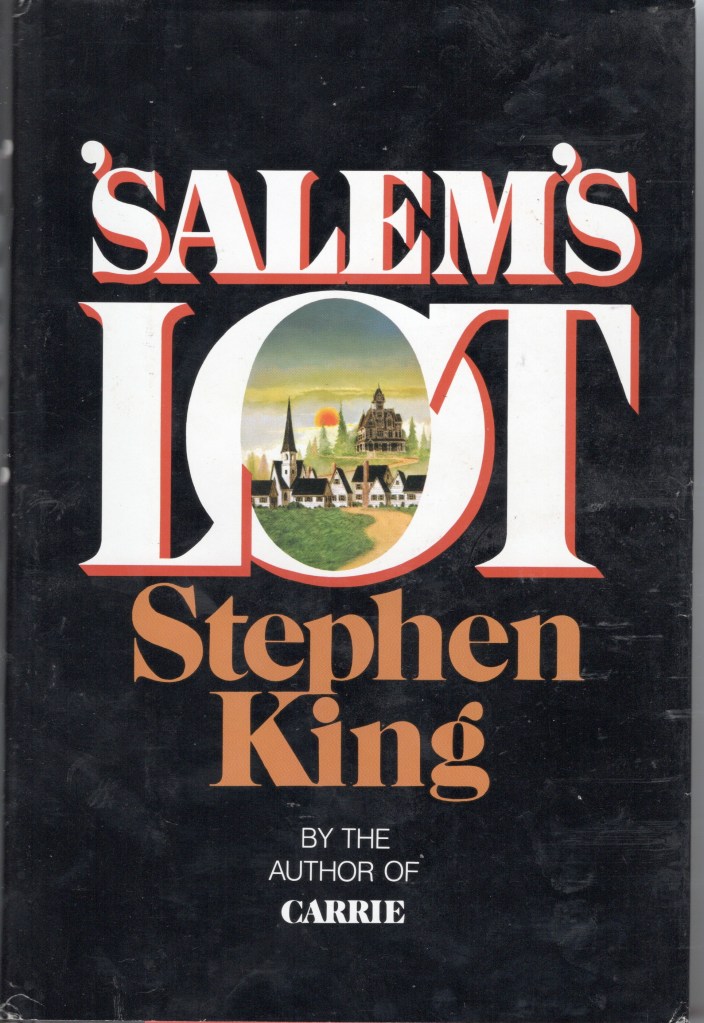
This is the cover of the version I originally read in high school–I bought it off the paperback rack at the Safeway in Emporia, Kansas. I kept that copy for years; eventually replacing it with a hardcover reprint in the 1990′, before finally getting an old copy with the original cover on eBay (which has since turned out to be a first edition; I love finding all the mistakes in it as I reread it).
I had read Carrie in paperback in one night when I’d borrowed it from a friend; it was only in the last decade that I finally acquired a copy of it to keep and reread periodically (I bought it to read the opening shower scene at Banned Books Night; ironically, the objections to the book have nothing to do with explicit talk about menstruation, or bullying, or violence…people object to the book because of its depiction of Christianity, particularly in the case of Carrie’s fanatic mother, Margaret (whom I always see in my head as Piper Laurie, who should have won an Oscar). I don’t think Carrie was the book that made me begin to question Christianity, to be honest; I think I already was questioning it before I read the book, but it was one of the first times I’d see a disparaging representation of someone committing horrifying abuses in the name of Jesus, or how the way the religion viewed sexuality could be taken to such horrific extremes. But I loved the book and became interested in Stephen King as an author. I was aware of ‘salem’s Lot before I found a copy while grocery shopping with my mom; I’d known he’d published a second book because I saw it in the book club ads (Doubleday, Book of the Month, etc.) in magazines. I had no idea what the book was about when I started reading it–I had no clue it was about vampires, and vampires never even crossed my mind when I started reading. It was a Saturday (Mom always drove into Emporia on Saturday to buy groceries), and I repaired to my room with the book (my homework was already done, and whatever college football game was on that Saturday was of no interest to me) and started reading. I finished reading it at around two in the morning, and was completely blown away by it. There was no way I was going to stop reading, and there was no way to stop reading once the big reveal about the vampires happened and the pace picked up.
The book was utterly terrifying, and it started raining later on that day as I read. I was living in a small town (population 973) and my bedroom window looked out at a corn field that was right across the street. I started seeing, as I read, a lot of similarities between Jerusalem’s Lot in the book and my little town–the characters, the interconnectedness of the community, and like Ben Mears, I was still kind of a stranger in the town. I just remember that when I got to the part where Danny Glick comes to Mark Petrie’s window, the storm outside brushed a tree branch against my window and I literally jumped, the book flying out of my hands and landing across the room in the middle of the floor.
It was also the first time I remember reading a book whose main character was a writer–something Stephen King returns to quite regularly, write what you know indeed–which also helped me connect with the book more; Ben Mears was a publisher novelist of minor success, but had published three books already and hadn’t graduated from college. He also seemed like a real person, living and breathing and absolutely real; it wasn’t until this reread that I realized how much physically he’s like King–tall and slender with thick black hair.
But it was also the first time I’d read anything about vampires that was so clearly set in the real world, in the real present, and with real characters I could relate to–which made it even more terrifying. I started thinking about how easy it would be for, say, a vampire to come to our small little town and how quickly people could be turned, primarily because no one would believe it was actually happening until it was too late–which King handled beautifully in the book.
Sunday morning and another good night’s sleep. The bed was enormously comfortable and I didn’t want to get up–knowing how much I had to do today–but c’est la vie; I knew that was going to be the case. I felt unwell most of the day yesterday–slightly feverish, low energy, no appetite–which was probably my usual flu-shot reaction (I know you aren’t supposed to get sick, but I always have a reaction to a flu shot) and I stupidly had them give it to me in the same arm I got my COVID booster injected into, so my left arm was achy and sore all day yesterday. It was okay, I knew I needed to just rest and relax, and fortunately, it was college football Saturday, so I curled up in my chair and started watching college games when the chores I was doing eventually wore me out and I had to retire to my easy chair with ‘salem’s Lot (more on that later) while watching games–and the two I wound up watching (Alabama-Tennessee and LSU-Florida) were pretty epic games.
The Tennessee-Alabama game was amazing, and deepest sympathies to my Tide friends; what a stinging loss, and to a bitter rival–even if it’s one you’ve beaten every year since 2006 (it was Nick Saban’s first loss to Tennessee at Alabama; he also had some pretty memorable wins over them at LSU). 52-49 was the final score, with the Tide missing a last-minute field goal with the Volunteers making theirs to hold off the furious Alabama comeback and capture the biggest win in Knoxville in decades. One thing you have to give Alabama–their losses are almost always incredible games because they never give up.
I didn’t have very high hopes for my Tigers going into the Florida game. Like Alabama-Tennessee, it’s a rivalry game (I don’t know how that happened or came about; maybe it’s because we are both swamp states with a large alligator population? I honestly don’t know, but it’s true) that has mostly been dominated by Florida throughout the series–but LSU has been catching up. The series record is now 33-33-3; tied. LSU has won four in a row against Florida for the first time since 1977-1980 (when Bear Bryant was still at Alabama, Florida had no national titles and LSU only had one), and because it had been so long since LSU won four straight, I figured history would be telling and LSU didn’t have much of a chance. The game was also the first between new coaches for both teams. LSU has won 8 of the last 10 games in the rivalry–losing in 2012, 2016, and 2018–and has won 10 of 13. And for the first time this season LSU looked good; usually this year they’ve fallen behind very quickly in the first half and had to dig their way back out, but not yesterday. Florida’s opening drive last two plays before they went up 7-0 and I thought oh, here we go again but LSU matched every Florida score and then added another just before half-time to take a 28-21 lead; by the end of the third quarter the score was 42-21 and despite a furious Florida comeback in the fourth (similar to Alabama’s, actually), held on to win 45-35. Nerve wracking, but exciting–and it was nice to see LSU finally starting to gel as a team. The schedule doesn’t get easier now–we have Mississippi, a bye, then Alabama followed by Arkansas and Texas A&M–and two of those teams are currently sitting in the Top Ten. LSU and Alabama are tied for second place in the division behind Mississippi, which makes both of those games crucial for all three teams (Mississippi and Alabama have yet to play as well; Alabama also plays LSU and Mississippi back to back) so it’s going to be an interesting November in the SEC West–while the Tennessee-Georgia showdown in the East also looms.
And the sting of the blowout loss to Tennessee at home doesn’t seem quite so horrific now that Tennessee has also beaten Alabama and scored 52 points to do it. I think that’s the most points scored on Nick Saban? It may even be the most points ever scored on Alabama? You just never think of any team ever scoring fifty points on the Tide. It’s definitely a weird season. And of course, Mississippi is coming to Baton Rouge in almost the same position they were in back in 2014, when they were 7-0 and ranked third; LSU won 10-7. This is only the third time Mississippi has started a season 7-0 (the other was 1962). Definitely an interesting season when there’s a chance that the SEC Title game could be between two unbeatens–but instead of Georgia-Alabama, which is what everyone was expecting, it could be Tennessee-Mississippi. How weird would that be? Tennessee hasn’t been in the title game since 2007, and Mississippi never has.
Definitely a weird college season, but very happy with my Tigers. It’s always lovely to beat Florida.
And today the Saints play the Bengals, which brings Joey Burrow and Ja’Marr Chase back to the Superdome for the first time since the 2020 national championship game against Clemson. I think I’ll hav the game on in the background–I can’t root against the Saints under any circumstance, but I also can’t ever root against Joey B and Chase, either.
I did finish reading Interview with the Vampire the other night (I’ll write about it when the TV series is finished), and yesterday I started rereading ‘salem’s Lot, which is one of my favorite novels of all time and was the book that turned me into an unabashed Stephen King fan. I had bought a used hardcover copy on eBay sometime in the past decade (which I also had done with The Shining) and so as I was reading it yesterday I caught a typo–I’d never read this copy of it, and the typo was weird, so I flipped back to the front of the book to discover that it’s a first edition. I don’t think the person selling it knew they could have gotten a lot more for it than I paid for it; it was so inexpensive it never even crossed my mind it was a first edition (I had the same insane luck with a copy of In Cold Blood, getting a hardcover copy off eBay for less than ten bucks, only to have it arrive as a very well-kept first edition…signed by Truman Capote. You never know how lucky you can get on eBay, I guess is the point of this sidebar?) so I was pretty thrilled to see that my copy is actually an undiscovered treasure. Anyway, as I started rereading–and remembering just how great a novel it actually is–I started thinking about length; my longest book is around 100k (I don’t think I’ve ever exceeded 100k in a book, or by much if I did) and the average length for books I am hearing these days is 80k. Out of curiosity, I decided to see how long ‘salem’s Lot is; it’s just over 157k words. As I was rereading it–and enjoying those early chapters again, as King creates the small town of Jerusalem’s Lot so beautifully and perfectly–I also was thinking what would an agent/editor cut out of this to submit it for publication today if this was a first or second time author in modern times? They would cut out a good third of the book, I think; sure, there’s a lot in the story that doesn’t really advance it at all–a lot o the supporting characters and subplots could easily be cut without notice, but at the same time I think that would serve to damage the book and turn it into something else; as I was reading, I kept thinking “this is really just Peyton Place as a horror novel” and that, for me, is one of King’s strengths–the way he writes about small towns, and how interconnected everyone is, and how everyone has dark, dark secrets that aren’t quite as secret as they might prefer. I think when I finish reading this book, I may move on to another King that I’ve not read–there are any number of them in my cabinets; the days when I used to get King on release day (still do that) and then read the entire book within forty-eight hours are long gone, and so many of his book are really long…
And I just checked my email to see that I’ve placed another short story. Woo-hoo! More details on that as they develop.
And now back to the spice mines with me. I am going to have another cup of coffee and go read some more of ‘salem’s Lot before getting cleaned up and getting to work on the book. Have a great Sunday, Constant Reader!
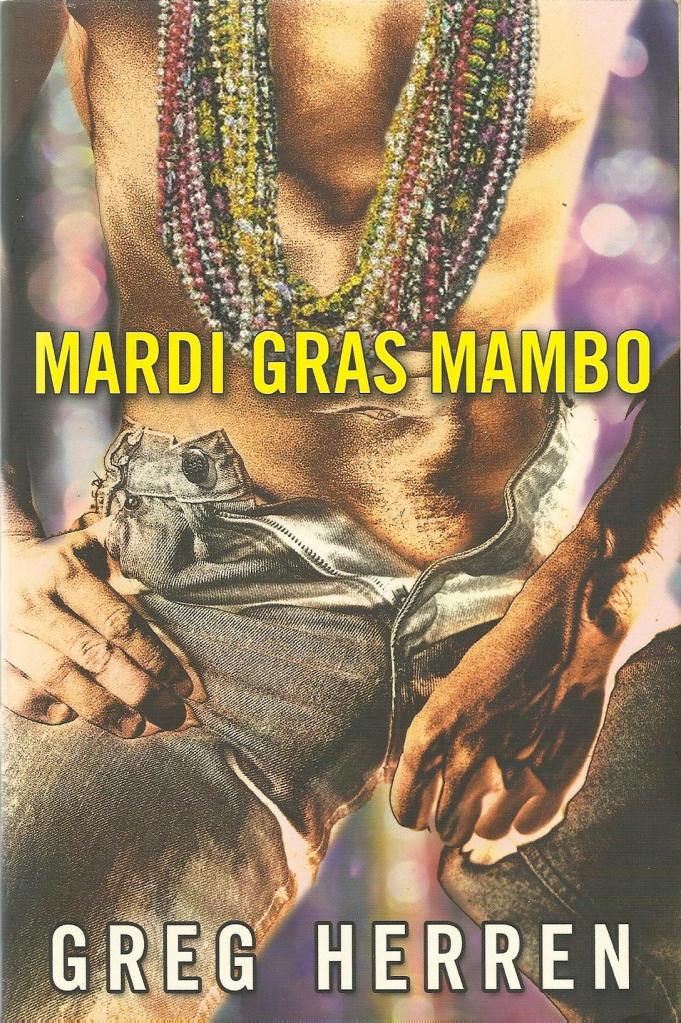
I’ve told this story any number of times; how the writing of the book was derailed by two awful things that happened in my life, and how I finally got back to writing again in the spring of 2005, managing to finish this and turn it into literally two or three weeks before Hurricane Katrina came barreling ashore and changed everything in my life, and the long recovery time from that paradigm shift, trying to adjust to the new reality I was facing every day. It felt weird going over the copy edits, weirder still doing the page proofs (I actually had the incredibly sharp-eyed Becky Cochrane and Timothy J. Lambert do it for me while I was visiting the Compound, thanks again, guys!), and even stranger having to tour and promote a book about New Orleans set before Katrina while still dealing with the recovery.
I’ve told those stories before, and that isn’t really what these entries are about; these entries are about the books themselves and how I came up with the stories and so forth, and the writing of the books. The primary problem, of course, is that I wrote this book between and around tragedies; the two year period I call the Time of Troubles that began on Memorial Day weekend in 2004 and ran through about 2008, really; because that’s about how long it took after all those issues for me to feel like my feet were beneath me again and I once again had a grasp on my life. I don’t remember what the original story was about, other than it centered on the Krewe of Iris, Scotty’s Diderot grandmother’s best friend who’d married a much younger muscle-stud Russian, and that’s really about it. The Russian would have something to do with a Colin case–and it would turn out actually be the case that brought him undercover to New Orleans in the first place during Southern Decadence; in Jackson Square Jazz we find out what Colin’s real job is, and that he was in town originally about the Napoleon death mask–but he was also in town to keep an eye on the young muscle-stud Russian who’d married Scotty’s grandmother’s best friend. It wasn’t really working, and I didn’t much care for the story, to be honest; I’d already asked for an extension before Memorial Day weekend in 2004 when all the shit started happening; after Paul was attacked they took it off the schedule and told me not to worry about it. (I appreciated the courtesy greatly at the time, but at the same time had this sinking feeling in the back of my head uh oh, they may not want another one after this–which turned out to be correct. But I dismissed the fear as part of my on-going struggle with Imposter Syndrome. It took me about six months, more or less, to get back to writing. I started my blog right after Christmas that year, and there I was writing every day again, and by January of 2005 I was ready to get going on this book again. I remember rereading everything I’d already done, not liking it, and deciding to scrap it and start over with the same essential premise: rich older society woman in New Orleans has married a much younger Russian boy-toy; Colin is investigating the boy-toy; and it’s Carnival season. Shortly after getting about halfway into a new first draft, the Virginia thing happened and I was derailed again. After that was over and I went back to the book…once again I didn’t like what was happening in the story and I threw it all out and started over again.
But this time, I hit my stride and four months later I turned the book in at long last, along with a proposal for a fourth, Hurricane Party Hustle, which was going to be set during an evacuation and would wrap up the loose ends left at the end of Mardi Gras Mambo.
And of course, three weeks later Katrina changed everything, and Hurricane Party Hustle went into the drawer.
Last night I dreamed it was Mardi Gras again. It seemed to me I was standing inside an iron gate, watching one of the night parades go by. The sidewalks in front of the gate were crowded with people, all shouting, with their grasping eager hands up in the air. Out beyond the edge of the curb, I could see people sitting in lawn chairs. Still others were up on ladders, with coolers and plastic bags of booty piled around them on the ground. Fathers and mothers were holding up babies, while black kids with the crotches of their pants down around their knees walked behind the crowd, weighted down by the ropes of beads around their necks. Beads were flying through the air, some getting caught and tangled in the branches of the towering gnarled oaks lining the avenue. The heavy upper branches of those oaks also blocked out the glow of the ancient street lamps so the night seemed even darker than it should. I could hear a marching band, playing a recent hip-hop hit, and the strange clicking sound of the baton girls’ tap shoes on the pavement. The air was heavy with the heavy fragrance of hot grease, corn dogs and the strange melted yellowish-orangey substance the vendors put on nachos that purports to be cheese—but no one is really sure what it is. A group of flambeaux carriers were passing by, dancing that odd little circular dance they do, their propane tanks popping and hissing, throwing long and twisted shadows that also danced inside the iron fence I was behind. Right behind them a huge float pulled by a tractor was coming and the crowd’s shouts became louder, more desperate, more pleading. On the float’s front was a huge white clown face, its bright red lips parted in what passed for a smile but seemed to me to be a frightening leer. The masks on the float riders glowed supernaturally at the hordes begging them for generosity in the strange light cast by the moon when it cleared the thick clouds in the cold night sky. I stood inside the black iron fence, my arms wrapped around me against the cold as an increased sense of menace and dread built inside me. Something bad was going to happen—
Oh, get real, Scotty!
If I do have bad dreams, I don’t remember them when I wake up. I’ve certainly never been troubled in my sleep, even though crazy things always seem to happen to me. I’m just one of those people, I guess. For whatever reason, the Goddess has decided to throw some wild stuff at me—she always has, even when I was a kid—and what can you do? I just don’t think I am one of those people who were destined to have a nice, normal, quiet life. Maybe it’s because I was named Milton Bradley at birth. Yes, that’s right. Milton Bradley. My older brother started calling me by my middle name, Scotty, before I started school and thank the Goddess, it stuck. Can you imagine how cruel the kids would have been to someone named Milton, let alone Milton Bradley? And then of course there’s the gay thing. I was lucky—my parents are pretty liberal and were delighted to have a gay son—like it somehow proved how truly cool they really are or something. They are pretty cool, actually.
By now, I’d taken to starting all of my New Orleans novels with a Tennessee Williams quote; for this one I chose a line from Vieux Carré: “You’ve got a lot to learn about life in the Quarter.”
I had opened Bourbon Street Blues with a parody of “The name’s Bond, James Bond” and I’d done something similar with Jackson Square Jazz–“Danger is my middle name”, riffing on Trouble is My Business. I decided to open this book with a parody of the opening line of Rebecca: “Last night I dreamed I went to Mardi Gras again.” But that entire opening paragraph of du Maurier’s is so fucking brilliant, I couldn’t help myself and made my entire first paragraph a parody of that opening. I then decided that from then forward, every Scotty book would have a Williams quote and each prologue–where Scotty introduces himself and his cast of characters and gives backstory so I don’t have to do it in the text of the story itself–would parody the opening paragraph of a famous novel, rather than just the first line (I am actually struggling to find the proper opening to parody to start the prologue for this one. I’ve used Rebecca, Peyton Place, The Haunting of Hill House, and Lolita, among others so far already; I’ve tried with this one to use An American Tragedy, Atlas Shrugged and The Great Gatsby thus far, with no luck. I’ve tried Valley of the Dolls several times for other books in the series already, but I can’t ever get it to work for me).
I do remember that the one thing that didn’t come across in those earlier drafts that I had abandoned was the sense of insanity that Carnival always brings with it; that feeling of “controlled anarchy” we experience those two weeks of parades, of knowing you have to schedule your entire life around a parade schedule–true even for those who do not live inside the box, as we say here; the box being the Uptown parade route–I always have to schedule my job, my trips to run errands uptown, everything, predicated around having to get home at least two hours before the parades start, and am incredibly lucky if I can get a parking spot within three blocks of the Lost Apartment. The thing I kept forgetting in those earlier versions was the books are meant to be fun. Granted, I was hardly in a mental space to write something fun…and of course the decision to really take it completely over the top the way I did was something I still think about to this day and wonder, where on earth did you get the idea for identical triplets?
Which, while crazy, made more sense than the cloning story I tried to write the second time.
Maybe those bad things happened for a reason? Because I couldn’t be more pleased with how the story and the book turned out. I also ran out of room to finish the personal story…but I also was operating on the assumption I’d get a contract for a fourth book. If not for Katrina, Kensington might have made another offer and Hurricane Party Hustle might have been the fourth Scotty than something just sitting in the files.
The book was released on Fat Tuesday, 2006. Paul and I had been out of town–the truncated Carnival/parade season seemed almost too sad to handle, so we’d accepted a gig to speak at the South Carolina Book Festival. We flew back to New Orleans the Sunday morning before Fat Tuesday. I’d checked my email that morning before boarding the flight to Atlanta (we changed planes) and then our cab driver couldn’t get closer to St. Charles than Baronne Street. A parade was going as we got out of the car, and we had to cross the parade (it was in the high seventies and sunny) with our luggage–I’ll never forget looking up as we got ready to cross and catching a bag of beads with my hand just before it connected with my face–and got home. I checked my emails and my word! SO MANY EMAILS.
You see, that day’s edition of the Times-Picayune carried Susan Larson’s review of the book, and it was a rave! Everyone emailed me as soon as they saw it–I still bask in the glory of that review–and I was about to embark on probably the most ambitious book tour of my career.
I just didn’t see, though, how I could write another funny, light book about a city still in ruins whose recovery was still questionable.
The series was, for the moment, over–with the personal story not resolved the way I would have wanted, but it could stand as it was, should there never be another Scotty story.
Rereading it, I couldn’t but laugh at some of the outrageous twists and turns the plot took.
As I mentioned yesterday–these blog post titles taken from the Supremes discography sometimes feel a bit off as I do some Blatant Self-Promotion about my new soon-to-be-released novel #shedeservedit.
I got my first ignorant comment on one of those blog posts yesterday; someone posted a link to a video about “toxic femininity” and how it’s “as bad if not worse” than “toxic masculinity.” Needless to say, I not only didn’t approve the comment but marked it as spam and blocked the user from commenting/reading my blog. For those of you who are new here–I don’t engage with trolls, not do I permit them the energy or the oxygen of allowing their ignorance to be seen by anyone here. This is my blog and I pay for it; therefore I will curate the content here and if you want to troll me, well, it’s just going to earn you a comment marked as spam and get you blocked, so don’t waste your time or energy on me. You may, of course–I cannot stop you, but I won’t engage with you nor will I allow Constant Reader to see your ignorance, so there you have it.
I wrote yesterday, and it felt good to get another chapter down. I only have two more to go and the revisions, and I have to say, pantsing this thing on a tight deadline hasn’t been the easiest way to write this book, but it’s working. I’ve got the plot all worked out now, who the killer is and why, and now all I have to do is cram the resolution into the last two chapters and we are finished, done, ready to go off to the editor with prayers that she likes what I’ve done and doesn’t require a complete overhaul, which is also entirely possible and within the realm of probability–one of the reasons, frankly, that I’ve not signed. a contract to dive straight away into another book when this one is finished; I thought it best to leave my time free just in case. (I am going to start working on Chlorine and Mississsippi River Mischief while waiting for my edits; there’s always something to write, after all–I can also work on the revisions of the novellas in the meantime as well.)
There’s always something…
Today’s BSP is going to focus on writing about small towns, rather than what I’ve been covering (toxic masculinity). The first book I remember reading about a small town that really stands out to me–as an examination of small town dynamics, rather than merely a setting for the story–was Ellery Queen’s Calamity Town, which was, if you are an Ellery Queen fan, the first Wrightsville story. There were several of these novels–the second, I believe, was The Murderer is a Fox–and I enjoyed them all; Queen clearly loved writing about Wrightsville, since he kept returning to the scene of the crimes, as it were, but the best, the true standout for me, was the first: Calamity Town. This book–published well over a decade before Grace Metalious scandalized the world with Peyton Place–also covers the same territory as Peyton Place: scandal and hypocrisy and the paralyzing power of gossip in small town America. Calamity Town remains a favorite mystery novel of mine to this day; I should reread it. It’s plot is ingenious and entirely rooted in human psychology, and it also contains one of the best and most clever misdirections in crime fiction history. It was Calamity Town that made me first start thinking about how small town society is actually a microcosm of American society as a whole, all encapsulated in a small package, and also that made me realize, for the first time, how claustrophobic small towns can be; where everyone knows everyone and you can’t really do anything without someone knowing; and how secrets kept can become very damaging over time. Queen is, at first, struck by the apple-pie Americana of Wrightville…and then he begins peeling back the layers.
Peyton Place, which I found to be far less scandalous than either General Hospital or All My Children by the time I got a copy at a secondhand bookstore in Emporia when I was seventeen or eighteen, also showed me again how claustrophobic small town life could be. Sure, there’s some bad to the point of laughable writing in the book (“your nipples are hard as diamonds”, anyone?) but other than those brief moments, overall it’s a very well-constructed book and a damning indictment on the hypocrisy of American small towns. I also read Sinclair Lewis’ Main Street around the same time for an American Literature class (I still think we should have read Elmer Gantry instead, or It Can’t Happen Here, but I was not in charge of the syllabus), which is also about the falseness of keeping up appearances and worrying what the neighbors think. I find it interesting that “small town American values” are frequently–particularly by conservatives–pointed out as what is the backbone of our country and so on and so forth (part of the entire “cities are BAD” thing we have had going on culturally for decades, if not centuries), but when that veil is peeled back, there is just as much rot and decay as in any “wicked” city. As I pointed out on Susan Larson’s radio show the other day, the vast majority of the soaps were originally set in very small towns, rather than urban centers.
Nobody does small towns quite like Stephen King, and the first time he really addressed small town life was in ‘salem’s Lot–although it can be argued he did a masterwork on small town life with Needful Things–and it was in his tale of small town Maine being overrun by vampires, he also did an incredible job of painting the town, it’s working class citizens and the minutiae of their lives; how circumstances trapped some of them and killed their dreams–and how others never had any dreams to be killed in the first place. The way he interweaves the lives of his small town characters, their relationships and histories and how everything is interconnected is masterful; has anyone ever done a critical analysis of King’s work with small towns? It also falls into this group; what King does with Derry is just as exceptional as his work on Castle Rock and Jerusalem’s Lot in the other works.
I based Liberty Center on Emporia, Kansas, geographically; my town is loosely laid out the same way Emporia is; there’s a small college there, as in Emporia, and there’s a meat packing plant on one side of town that reeks of death and stale blood on the south side of town, and of course, the waterfall on the river on the way out of town heading south and the park that goes with it. Other than that, it’s memory and invention; I’ve not set foot in Emporia in nearly forty years and have no plans to ever do so again. (Likewise, when I write about my fictionalized county in Alabama–it’s loosely based on where my family is from, but I haven’t been there in thirty years and will most likely never go visit again, so it’s all memory and invention for me.) I don’t know if I will write another novel about Kansas–I have some other ideas, of course, don’t I always–but it seems weird to create another fictional small city so similar to Liberty Center, but at the same time it seems even weirder to set another book there after having already done so (although i should probably revisit Sara sometime and see how I did it–and what I called the towns in Kahola County–before deciding one way or the other).
Heavy sigh.
Today I need to write another chapter, and I also need to work on revising a short story as well as writing a promotional article–and of course, there’s the horror that is my email inbox which needs to be dealt with this week once and for all (it’s all relative; answering everything and emptying it out inevitably means generating more emails there; my email responses will trigger emails in response which turns it into a Sisyphean task without end), and today is the men’s US figure skating championships, which naturally I plan to watch so I need to get my writing done before then, don’t I?
So on that note, I head into the spice mines. Have a lovely Sunday, Constant Reader.