Drag is a part of queer culture I’ve always known about but has also been something primarily on the periphery of my gay life and world; I’ve only occasionally ever thought about perhaps doing it–as a gag or as a costume at some point; a very dear friend has always wanted to dress me up as Joan Crawford (narrow waist, big shoulders, enormous eyebrows), which is something I would consider doing if it wasn’t so much work–I am way too lazy to ever do drag properly and respectfully. I did a very poor attempt at drag many years ago, for a Showgirls themed birthday party for a friend; the result was far from pretty. I did sometimes used to use mascara and eye liner when I would go out; it emphasized my enormous and expressive eyes which most people have always considered my best feature (although aging has deprived me of my eyelashes). Drag was just another part of the community and culture, like leathermen, bears, and gym queens–another patch on the quilt that makes up our queer world.
My primary interest in drag has always been historical and cultural; drag culture has always been a part of the gay bar scene, since time immemorial, it seems. I have always been interested in every aspect of gay culture since coming to terms with my own sexuality and recognizing that not coming to terms with it meant a lifetime of guaranteed misery, and shouldn’t I really take a chance on being happy? There was always a lot, for me, of misunderstanding about drag culture and its place in the gay community; but that also primarily came from people outside of the community and therefore didn’t have the slightest grasp of it–i.e. ignorant slurs that all gay men dressed like women whenever they had the chance, you know–not “real men.”
But seriously, who wants to buy into the cult of toxic masculinity? No fucking thanks.
I don’t know the history of drag, but I did know–from the very beginning–that there was a significant difference between drag and the trans experience; there’s definitely crossover, but the Venn diagram of drag and trans is not a complete circle. I understood this always, even when I knew very little of either. This was always the issue I had with To Wong Foo Thanks for Everything Julie Newmar–the queens in the movie didn’t just do drag for performance or pageants, but dressed as women in their everyday life…which made them transwomen who also did drag. The failure of that film to define the difference between the two, I think and believe, has a lot to do with the current-day conflation by the Right of drag queens with transwomen. Likewise, was the Nathan Lane character from The Birdcage (and the French original) a transwoman or a drag queen?
And the fact that I, knowing as little about gay life and culture as I did in 1994, knew that the Wong Foo movie was conflating two completely different things as the same certainly means that other, better-educated people should have, as well.
But it’s also important to remember that the movie wasn’t made for the queer community–no Hollywood studio film with queer characters is intended for a queer audience, and thus there’s a falseness to them that rings hollow to me (don’t even get me started on Philadelphia); what Sarah Schulman once (paraphrasing) described as “the creation of a fake public homosexuality that will play in Peoria.”
There’s an essay in that, methinks.
The first time I went to a gay bar in Houston is my first true memory of seeing someone in drag performing on the bar in person. She was doing Liza as Sally Bowles from Cabaret, and as I walked in the door with some co-workers from That Airline, the first thing I saw was her up on the bar, with a musclebound dancer on either side of her in bikinis or thongs, and I can remember thinking wow this is decadent like Isherwood’s Berlin–but I liked it. I felt at home there, in a way I never did in gay bars in Fresno (or anywhere else I was able to sneak away and visit one), and felt like that night was when my gay life actually began: I was with co-workers, I was going to a gay bar openly, and the co-workers knew I was gay but had never really experienced being gay as anything but misery and depression and a curse. I don’t remember the name of the queen, but ever since then, “Mein Herr” always brings a nostalgic smile to my face.
But again, I didn’t go out much or do much during those two years in Houston as I still wasn’t completely comfortable being totally out. I moved to Tampa in 1991 and started living as an out gay man…and started spending more time in gay bars. A popular night for airline employees as Tuesday Nights at Tracks, where cocktails were only fifty cents and no cover before ten. There was also a drag show at midnight, with an actual stage in a show room, and that was my first real experience watching drag queens perform. There was a gay paper there–I cannot remember what it was called to save my life; I know the one in Texas was This Week in Texas, called TWIT by everyone–but it often had information about performances and other night life ads and so forth. I began to get a better understanding of drag, its place in the community, and its importance to gay culture, period.
And of course, once I moved to New Orleans, there was Bianca del Rio.
The mainstreaming of drag actually began in the early 1990’s, with RuPaul having a surprise hit record out of nowhere, “Supermodel (You Better Work)”, which started exposing more people to drag who ordinarily would have never seen one. RuPaul was everywhere in the early 1990’s, and even had her own talk show on MTV for a while. The Adventures of Priscilla Queen of the Desert and its homogenized American version To Wong Foo, Thanks for Everything, Julie Newmar were both incredibly popular. (I enjoyed Priscilla, and I’ve already touched on my issues with Julie Newmar–which will probably become an essay at another time.)
There were, of course, other successful queens out there before RuPaul’s big breakthrough and later, comeback with Drag Race, but few had as large a profile in the culture as RuPaul. Lady Bunny, Miss Coco Peru, Miss Richfield 1998, and Varla Jean Merman were all making a pretty decent living as performers before the drag explosion that followed the launch of Drag Race.
I’ve met numerous drag queens on the local scene both in and out of drag–I’ve always been fond of Princess Stephaney and Blanche Debris (who is retired now), and the drag community of New Orleans was always incredibly supportive of the NO/AIDS Task Force. I met Bianca out of drag a couple of times, but I doubt he remembers me…but Drag Bingo at Oz on Sundays with Bianca and Blanche (I just realized their first names both translate into English as white) was always a blast–and I made a point of never trying to get Bianca’s attention because she was always quick and that tongue was sharp as a scalpel always.
I also work with several co-workers who either did drag or have started doing it while I’ve known them, which indirectly helped me with the writing of Death Drop and my original story for a drag queen. Jem is sort of patterned in some ways on one of my former co-workers who actually went to a drag school here in New Orleans–and eventually quit his full-time job to do drag full-time. He’s been in Queer as Folk and numerous other shows filmed here, and has been booking gigs all over the country–check out his Instagram, isn’t he fucking gorgeous? So that gave me the idea to make the first book with Jem his drag origin story.
Learning about drag to write this book–and its sequel–has been an enjoyable learning experience for me. At some point I know I am going to have to do a transformation; I need to know how it feels to have the make-up and the padding and the wig and the dress and shoes on. I can imagine it all from doing theater in high school, but it’s not the same.
And yes, I will share the pictures when and if it does happen.
So, Greg, you have a book coming out from a new press in October, and the main character is a drag queen? What the actual hell?
Well, therein lies a tale.
I never thought I would write about a drag queen, in all honesty. It’s not that I’m opposed to drag or anything like that; drag has always been an important part of gay culture (I really wish someone would do a history of drag that’s not academic in tone and therefore accessible to everyone without a PhD) and I’ve always appreciated it as an art form. Yes, some queens are better at it than others, and there are some who are just really tragic…but I admire and respect every single one of them who puts on the dress and wig and heels and make-up and goes out there to perform. My own anxiety manifests itself whenever I have to perform or speak in public (although I managed to successfully control it and get through Boucheron panels swimmingly; I don’t think my stage fright is a thing of the past yet but I’m getting better); I can’t imagine the courage it takes to do drag that first time.
I also never considered doing drag because of my vanity–I wouldn’t look pretty in drag and I would want to be pretty. Shallow, party of one, your table is ready. I’ve seen many performances over the year and even have friends who do it, but my primary interest in drag has always primarily been in it as an art form and political statement critiquing gender roles, masculinity, and femininity; and it holds a very important place in queer culture. I once did drag, for a Showgirls-themed birthday party–I looked like Stockard Channing, which isn’t a bad thing–but it was more of a costume than a real attempt at doing drag. My friend Mark always wanted to make me up for Halloween or Fat Tuesday as Joan Crawford–it was the shoulders, the eyebrows, the narrow hips, and the shape of my face more than any striking resemblance to Ms. Crawford, I think–and while I was interested in being transformed into Ms. Crawford, one of the things I hated the most about doing plays in high school was the make-up. I hated having that shit all over my face, and it never did what it was supposed to in the first place (I inevitably always played old men, so they had to try to age me, and it’s not like we had make-up artists who knew what they were doing in high school.). And the padding? The wig? The dress? Not to mention the lack of pockets and the difficulty in using the bathroom– yeah, not for me. Drag does show up in my work sometimes–not very often–and the most fun thing for me about that is coming up with drag names for the characters. I know I’ve used Floretta Flynn a number of times, to the point where in my New Orleans universe she’s probably one of the bigger and most successful queens in New Orleans. Two of the biggest names in drag came from New Orleans–Varla Jean Merman and Bianca del Rio are both from here. We used to go to Drag Bingo hosted by Bianca and Blanche Debris at Oz on Sundays before she left for New York after Katrina–and Bianca was just as funny and just as big of a bitch then as she is now. She always drew crowds, and of course I met her a few times out of drag (I am quite sure Roy doesn’t remember me).
And believe me, I was very careful not to attract her attention while she was holding a microphone.
I also once wrote a short story that opened with one character saying in the Clover Grill, “You sure see a lot of tragic drag in this town at four a.m.”
Paul and I also were fans of RuPaul’s Drag Race for awhile, too–but like Project Runway, we stopped watching one season when it was obvious that it wasn’t being judged fairly (it was fucking blatantly obvious) and that was it for us. Don’t serve me competition reality when the competition is obviously rigged for a particular competitor. I do love some of the queens we did watch on there–it’s been amazing watching Jinkx Monsoon’s star take flight–and I always liked Tatianna, and just to name a few–Ben de la Creme, Adore Delano, and Manila Luzon are all fabulous. Paul follows a lot of them on Youtube, and of course I do enjoy Trixie and Katya’s We Like to Watch on Netflix.
And naturally, we love Bianca because she’s a New Orleans queen.
But it never crossed my mind to write about one as a main character. It wasn’t my milieu, so to speak (and just typing that made me want to bang my head on my desk. Take risks! I should always take risks in my work!), and so while every once in a while I’d think “maybe I should write a drag queen into this story”, I never did.
Last summer, I am not exactly sure when (2022 was pretty much a blur of misery), I got an email with a request for a ZOOM meeting with two very dear friends, along with another friend of theirs I may have met once over twenty years ago, James Conrad. He wrote Making Love to the Minor Poets of Chicago back in the days when I was a reviewer/worked for Lambda Book Report, and the purpose of the call was they wanted to talk about a possible project for me. You know me, I am always up for a new project and a new possibility…so you can imagine my surprise to find out what they wanted was for me to write a cozy with a drag queen main character. James owns and operates the Golden Notebook bookstore in Woodstock, and decided to start a publishing company through the store and wanted this to be their first venture into crime. I pointed out that I a) knew next to nothing about drag and b) I’m not really a cozy writer (the Scotty series can be classified that way except for a lot of cozy rule-breaking; and yes, I did write A Streetcar Named Murder, which wasn’t out yet and I wasn’t sure if it was even any good), they pointed out that I am a writer who can write anything (this is true, but there are some things I can’t and won’t ever write–and yes, as I typed that I was thinking there you go limiting yourself again–maybe those are the things you should be trying to take on), and then I also remembered a few things–some of my co-workers at the day job do drag, and in fact, my former supervisor had attend a “drag school” here locally, started by a queen who’d retired here from San Francisco after a lengthy and successful career in drag; Paul even knows the queen who runs it. I sent James an early electronic uncorrected proof of Streetcar, so he could get an idea of my writing style, and waited to hear back.
While waiting, I asked some of my co-workers if they’d be okay with me asking them questions–which of course they were more than happy to do–and the more I thought about it, the more it made sense for me to approach this in the same way I approached writing Streetcar–I knew nothing about antiques, so I made my character the same. So, if I am going to write about a drag queen, I needed to write her origin story first–and I decided to make her an accidental drag queen; forced to step in when a queen doesn’t show for a performance. But how would that work? I realized my character had to already know about hair and make-up, so I decided to make him a glam artist, hired to do make-up for women on special occasions and styling them. How did he wind up doing glam? His grandmother, who was from New Orleans, used to have her own Uptown beauty shop on Magazine Street that was frequented by upper class New Orleans women, who would also hire her for special occasions to style them. He spent his childhood summers in New Orleans; his grandmother was the only family member who had no problem with his sexuality, and she taught him all about hair and make-up (and classic Hollywood). He went to cosmetology school instead of college (his grandmother paid for it) and he worked in a high-end salon in Dallas until his grandmother died, leaving him the house and most of her money.
I also had a great idea for the opening, which I quickly wrote up and James liked it…and so we moved forward with the plans for it. I had a Scotty book under contract, and I knew I could juggle the two and get them both done on time.
Of course, I didn’t realize how much work it would be to turn MWA over to my successor, I didn’t know Mom was going to go into the final decline ending with her death during this time, and….well, hindsight is twenty-twenty, isn’t it?
“I don’t know, Jem,” Lauralee Dorgenois said, frowning and raising a perfectly plucked eyebrow as she looked back over her shoulder into the three-way mirror set-up in her dressing room. “You’re sure that this dress doesn’t make my butt look big?”
Okay, I’m going to take a sidebar right here to give y’all some free-of-charge advice that is more than worth its weight in gold. There is only one correct answer to be given without pause or hesitation any time a woman asks you if something she is wearing makes her butt look big: “No.”
You always, always,ALWAYSsay no.
If that is, in fact, a lie—you say “I don’t know if that cut drapes right” or “I don’t like what that color does to your skin”.
There are literally a thousand other options besides making the incredibly foolish mistake of saying ‘yes’ or the seemingly safe, non-comital ‘maybe.’ Marriages, engagements, friendships, and relationships have all ended over this question being answered incorrectly—and no, it’s not a trap question. Women are bombarded from childhood with images of what they are supposed to look like and what they are supposed to wear. They are taught to fear fat cells and fatty foods, spend millions on diets and gym memberships and personal trainers. They are gaslit into thinking that being any size larger than zero and not having big firm breasts and not having a wrinkle-free face aglow with the dewiness of youth means they are doomed to grow old alone and unloved. So, they try to fight aging—and the fear of being traded in for a younger model—by having poison injected into their faces, excess skin surgically removed, and their hair constantly colored and touched up. Centuries of societal and systemic misogyny, of telling women they don’t measure up, echo in those sad, simple words: does it make my butt look big?
My heart breaks a little every time I hear them.
However, I get paid to make them look good. My opinion must be honest, but I still need to be delicate. Why be hurtful when you don’t have to be?
I tilted my head to one side and brought my eyebrows together as I looked her up and down yet again. “You’re curvy, Lauralee,” I replied finally, fluffing the peacock feathers on her shoulders to spread them out further. It was true. Lauralee was about five seven, and maybe could stand to lose a pound here and there. Her hourglass figure had thickened a slight bit once she hit forty, but it was barely noticeable. I’d picked out a green silk dress for her because the color made her green eyes sparkle like emeralds. It clung perfectly to her hips and was cut low in the front to shove off the ample bosom, highlighted by an emerald pendant handing from a gold chain just above the cleavage. I’d braided her long auburn hair into a French braid that dropped about half-way down her back. I’d woven some extra pieces of auburn into the braid to make it thicker. “And there’s nothing wrong with that, you know. We’d put Marilyn Monroe on a diet today.”
Several years ago, I tried writing a third series set in New Orleans with a gay male protagonist. It was a character I had already created; he showed up in a couple of Scotty books: true crime writer Jerry Channing, who’d gotten rich on a true crime novel about a child murder case in the Garden District in the 1990’s called Garden District Gothic, (which also became a Scotty title when he and the boys got sucked into that ancient cold case) and wound up solving it. I had wanted to write a fictional story based on the very real Jeff Davis Eight murders, and thought who better to center in the story than a true crime writer researching the case for an article or perhaps even a follow-up book than Jerry Channing? But as I started developing the character out from the sketchy details provided in earlier Scotty books, I suddenly realized what I was actually doing was combining Chanse and Scotty into a single person, so I shelved the story–or at least, the new series, because if all I was going to do was just merge two previous characters into one, there was no point in bothering. I had then gone on to create a new series with a straight woman as the main character (A Streetcar Named Murder), and I was determined that, with this new potential series set in New Orleans, the last thing I needed was to just rip-off previous characters.
So meet Jem Richard, twenty-something glam artist and New Orleans home owner. Jem lives in the 7th Ward (not far from my day job office, actually; over on St. Roch Avenue between Claiborne and St. Claude), and the house flooded during Katrina–Jem remembers coming down with his family to help work on the house for his grandmother, Mee Maw of sainted memory–and I gave him a pole-dancing roommate who also works at Crescent Care. (Another Easter egg is the book opens with Jem being enormously disappointed to be ghosted by someone with whom he had several dates –a Tulane grad named Tradd. Bury Me in Shadows readers may remember Tradd as the asshole who broke up with Jake and sent him into the alcohol/drug spiral that landed him in the hospital when that story opens. I also want to use Tradd again somewhere else…but that is indeed a tale for another time.) Jem does well for himself, but has no health insurance and never is guaranteed work–but he also really doesn’t want to go back to working in a salon again, either. (He also sometimes books gigs with film, theater and television companies.) He’s kind of a lost soul, not really sure what he wants or what he wants to do with the rest of his life–but he also is lucky: he owns his own home, for one, and has several marketable skills. He kind of feels like he’s been spinning his wheels and not getting anywhere since coming to live in New Orleans. Jem has considered doing drag before–he’s very into costuming, and has won the Bourbon Street Award for Best Drag Costume on Fat Tuesday the previous two Carnivals–but he (like me) is haunted by stage fright. He did a play while in high school and the stage fright was such a horrible experience he gave up his dream of being a performer and started working as the make-up and hair person for the school productions.
So, when he’s hired to be a back-up glam artist for a fashion show at Designs by Marigny, only to find out the models were drag queens. A little taken aback, he rolls with the challenge, and when one doesn’t show, Jem gets pressed into service (he can fit into the dress). The show is being managed by the same person who runs the local drag school–a sweetheart named Ellis, whose drag name is Mary Queen of THOTS. Jem has a bad history with Marigny the fashion designer–she’d hired him todo the make-up for a previous show, and her check bounced–so the friend who recruited him to do the show makes sure he gets paid in advance. Of course, since the models are drag queens, the show attracts anti-drag protestors–there’s a suspicion that the designer, Marigny, deliberately used queens hoping to attract a protest and more publicity. Throughout the course of the evening Jem overhears Marigny arguing with several different people, and the next morning wakes up to the news she’s been murdered–and somehow Jem is not only a suspect but he’s also a target.
But why?
Jem also has a black cat named Shade.
As I said, while it had never occurred to me previously to write a drag queen character, the more I thought about it, the more I wanted to do so. Drag queens are currently under attack by the forces of bigoted evil. Part of this comes from the right-wing demonization of transwomen, spear-headed by hateful bigoted lying trash like Libs of TikTok (if you’ve ever retweeted the Axis Sally of the Proud Boys, know that’s why I blocked you and we will never, ever be friends again) and Moms for Liberty, who are both so fucking ignorant and clouded with hate that they think drag queens and transwomen are the same thing. The idea that children need to be protected from drag queens at all costs because it’s somehow sexualizing them is disgusting and ignorant and offensive on its face; merely rephrasing Anita Bryant’s vile claim that queers need to recruit children, i.e. all queers are pedophiles. They prove they’re liars on a daily basis and that it really has nothing to do with “concern” for children and everything to do with bigotry and hatred, because they never go after religious organizations, youth pastors, Boy Scout troop leaders, and Republicans–you know, the ones who are being convicted of child rape and child porn on a regular, almost daily basis –but only the queers are their primary concern. First off, not all drag queens are transwomen and not all transwomen were drag queens. Yes, some transpeople start their transition by doing drag, to get a better idea of whether or not they are more comfortable as a woman than as a man. I work with a lot of transpeople, and have for quite some time. I’ve witnessed people transition and evolve, and I’ve also seen the change in demeanor, confidence, and emotional well-being when they do.
What better way for a writer to fight back against ignorance than writing about it? And I loved the deliciousness of fighting homophobic and transphobic bigotry by writing a cozy series.
So….the other day on Twitter my friend Jeff asked about the backstory of this picture:
It’s really not a great story, or at least, not to me. It was one of those things where everything aligned and fell into place perfectly to take what–to me–is one of the funniest pictures of me ever taken; one that I have been able to use on social media repeatedly, for any number of responses to any number of tweets and situations, because it works for so many different things: surprise, shock, horror (it’s actually saved as ‘the horror’ on all my computers and devices, so I can access it from anywhere), and on and on. It works for everything, seriously.
It’s also kind of amusing how much people on social media love this picture. One friend replied to it once with yes….whenever this picture shows up I know it’s a good tweet. I even think some people try to prompt me to use it, and when I don’t, will go as far as to tweet insert Greg’s shocked face picture here, and of course, I always oblige.
This picture comes from the years after Hurricane Katrina, if not the year immediately after. I think, this was from 2007 or 2008. The city was still recovering, but we were also getting some time and distance from the trauma. There were so few people in the city in that year–people returning all the time, new people moving in for the first time–that we all clung very tightly to the friends who were actually here. Going out on the weekends no longer seemed like an indulgence I might be getting to the point of aging out of; instead, it became a necessary ritual to go down to the Quarter gay bars and hang out with friends because we were all sharing the traumas and rollercoaster rides that New Orleans was after the disaster. It felt important to keep renewing those bonds every weekend. The day job was still operating at a shell of what it was before; but a lot of us were working out of the Frenchmen Street office and those of us who did, meeting up for Drag Bingo and tea dance on Sundays (we called it “going to gay church”) had become pretty much de rigeur. I didn’t care so much about Drag Bingo, so often drifted between friends at Lafitte’s and co-workers at Drag Bingo up the street at Oz (I never missed the napkin toss for “Love Is In The Air,” though).
And that is where this picture was taken; on some long -forgotten Sunday at Drag Bingo. I had literally just walked into Oz, having left Paul and some other friends at Lafitte’s to go check in with my work friends. As I recall, Josh, the Evil Mark, and some of the others had gathered at that corner of the square first floor bar, and Josh pulled out his camera and said, “let me take your picture, Greggy.” So I looked at him and smiled…
…and just as he was pressing the button on the camera, the Evil Mark showed yet again why I nicknamed him that by saying, “Why? He’ll just look old.”
I turned my head and that was the face I made–which is why I wasn’t looking directly at the camera. It can never be duplicated because it wasn’t posed; it was a candid, honest reaction to someone giving me a good burn from out of nowhere. I didn’t even see the picture until much later, because it was pre-iPhones and people still were using digital cameras. He posted it later that night on Facebook, tagged me with a vile slander (his caption was Greg just saw something, and it wasn’t true) which I corrected; but I also downloaded the picture because it made me laugh. I don’t remember when precisely I started using it as a reaction shot on Facebook or Twitter, but it always makes people laugh.
And I do like making people laugh, so here we are.
Every so often I stop posting it because I figure people are getting tired of it. It had been a hot minute since I’d used it–to the point where I didn’t even think to use it until someone (Jeff) mentioned it again the other day. What’s really funny is when people use it on ME, which has happened. The first time I probably made the same face, because it had never occurred to me that someone would do that and use it on ME. It still doesn’t happen often, but it always makes me laugh when it does. I do remember one day I was going to use a GIF to respond to a tweet and thought oh, you should post The Horror and so I did, amusing myself endlessly. I didn’t expect it to take on a life of its own and become kind of a social media “cult classic.”
I really should have used it for my author picture.
I was tired yesterday. I slept okay Monday night, but not deeply and I did keep waking up so it was a restless night at best–and I sure as hell didn’t want to get up when the alarm went off yesterday morning. I was also behind at the day job when I got there, so had to play catch up a bit between clients. It was all good, but still a bit more stressful than I would prefer; I also kept thinking it was Monday all day which drove me a bit insane.
I also discovered that my insurance actually does not cover hearing aids for adults; I must have missed the part about having to be under eighteen when I looked it up. Which kind of sucks that in order to hear I have to pay for it out of my own pocket. The good news is I’ve made it this far without them, so I guess I can start trying to save up to pay for them somehow, or maybe I can get them financed or something. I’m not entirely sure, but it’s irritating. Our health care system has been fucked up since, well, the Reagan administration (quelle surprise; what modern day horror doesn’t date back to that bastard?), but the decline of the airline industry actually can be dated to Carter; he was the one who deregulated the airlines under the guise of increasing competition so fares would be more competitively priced. We see how well that worked out, haven’t we? American, United, Delta, Southwest and Jetblue are all that are left now from the glory days of air travel–Eastern, Pan Am, TWA, Continental, Northwest and many others having either folded or been taken over by another airline. Glad we have all these choices now, right? (Sorry, I was thinking about how the airline industry has declined over the course of my lifetime while at the airport the other day, and clearly it was still in my subconscious. I love Jimmy Carter, but this was a mistake.)
I slept better last night. I still woke up a couple of times but I feel very much more rested this morning than I did yesterday. I was tired when I got home from the office so immediately put the dishes away and started another load before the fatigue overtook me. I got caught upon Vanderpump Rules–more on that later–and when Paul got home from the gym we watched this week’s Ted Lasso, which was lovely and melancholy at the same time. (My God, how I love Jamie Tartt! Phil Dunster is killing it in the role this season, too. What an incredible character arc–and now we are seeing a lovely redemption for Nate, who disappointed me but we get to see our Nate again this season, which is so nice)
I did manage to work a little on the book yesterday, and it took me a little while to get reacclimated to the story and everything. I think I’ll be back on track with it again today and thru the rest of the week before I leave for Alabama on Saturday morning; and while the drive up there and back over the weekend will probably be tiring, I think I can see the end of the book coming. It might take me awhile to get there, but the end game is there and I need to really focus at some point to get it done. I may have to take a long weekend in mid-May to get there. Heavy heaving sigh. It’s always about time management for me, isn’t it, and being tired? How did I used to do this all the time? Oh yes, I was younger and hadn’t had COVID yet. *shakes fist at universe*
I need to stay away from Twitter more. I get so angry whenever I go there, and am always tempted to say something snarky or in kind to a troll–I don’t always succeed in deleting the tweet before hitting send, either–and while I am not worried about going viral or getting cancelled (if it happens, it happens, you know, and if I fuck up, I kind of deserve it), I am trying not to be that person. I don’t want to troll trolls on-line, nor do I want to get into tweet-fights with anyone. It’s all just a waste of time and energy that can be utilized better elsewhere (I do, however, reserve the right to troll anyone trolling a friend), and does no one any good. Twitter is the worst of us, really; originally intended for people to connect and interact with each other, it basically evolved into a place for people to complain. Oh, someone cut you off in traffic? Tweet angrily about it! You watched a show you didn’t enjoy? Tweet about it! And so on and so on. Twitter can be fun; I’ve certainly had fun there with friends and of course there’s always my “Greg meme” face, which can be used for surprise, shock, or horror (I actually have the picture saved on all devices for easy access and use as “the horror”); for some reason that always makes people laugh. It is a funny photo, and I will always be grateful that Josh Fegley snapped that shot so perfectly timed to get that expression on my face when the Evil Mark said, well, something evil while we were at Drag Bingo at Oz. I’ve tried repeating that photo without success; it was something in and of the moment, I guess.
Or I’m just older and my face sags so much I can’t replicate the expression. One or the other is the most likely, or probably both.
Heavy heaving sigh.
And on that note, I am going to head into the spice mines. Have a lovely day, Constant Reader, and I will check in with you again tomorrow.
I am, and can be, remarkably naïve when it comes to some things. I literally will believe almost everything I am told because my default is never to assume someone is lying (unless they’ve proven themselves to be a liar before), so I actually believed, all those years I was watching The Real World, that the show was “unscripted” and the cast had cameras and microphones on them 24/7.
Then The Real World came to New Orleans–to my neighborhood, in fact–and the “gay one” got a job bar-backing at Oz (one of my favorite gay bars; and autocorrect tried to turn that into “barebacking”, which is an entirely different thing), and it wasn’t long before I realized that The Real World wasn’t, actually, “real.” I saw them any number of times walking from one destination to another to film, the camera crews not filming and just walking behind the cast; I actually watched them set up a scene in Oz and go through several takes, and so yeah, the luster and magic was gone for me. I think I may have watched another season or two after New Orleans, but reality television had also changed dramatically from when the first season of that show aired (and yes, I am aware that PBS’ An American Family was the first real reality-type show) and by the time I stopped watching that it wasn’t about kids learning to get along and learning from each other’s differences as it was about getting wasted, hooking up, and fighting.
You know, the formula Bravo quickly adapted to in Season Two of The Real Housewives of Orange County.
Viewers want conflict.
I never watched the Real Housewives shows, but usually on Sundays when it wasn’t football season Paul would come downstairs and fall asleep on the couch while I would either read or edit in my easy chair. I’d turn on the television for background noise, and it was just easiest to always park the channel on Bravo because they’d marathon something–originally Law & Order, then The West Wing or Inside the Actor’s Studio, which were fun for an occasional distraction but not enough of one to take my interest away from what I was doing. But Bravo changed, and those marathons eventually became one of the Real Housewives shows. I winced a bit, but again, background noise I didn’t need to pay attention to–it all seemed so exploitative and, well, awful–that I couldn’t see myself ever watching regularly. So I began to slowly recognize who they were–all the gossip site pop-ups and so forth on social media also covered them extensively–and even know something about them. I didn’t want to ever become a regular viewer, didn’t think I ever would.
And yet…
I originally tuned into TheReal Housewives of Beverly Hills to see Kim Richards, whom I remembered as a child star when I was a kid–from Nanny and the Professor to Escape to Witch Mountain to Tuff Turf–and was interested to see how she turned out, what happened to her…and just like a soap opera back in the day, I was soon tuning in every week. Some other friends turned out to be big fans of both Orange County and New York, so I started watching New York so we could talk about it (my antipathy to Orange County would be a subject for another essay at some other point), and there was no turning back after that.
I still primarily only watch New York and Beverly Hills with any regularity (although Atlanta is always a favorite), and there have been times when I’ve thrown up my hands in disgust with what was actually going on with the season and stopped watching (I stopped watching Beverly Hills during the “let’s out Denise Richards as bi!” bullshit, for example, and never did finish the season); but I am still absolutely fascinated by the concept behind these shows. Is any of it for real? How much is set up and scripted? It becomes very easy to get sucked into the shows–they are highly addictive; they remind me a lot of soaps as they are very high on petty drama and melodrama, feuds and fights and arguments–and how much of what we see is actually not audience manipulation on the part of production, the network, and the editors. (Women often claim to have “gotten a bad edit”–which always makes me think about The Real World–that show really started everything) I find myself getting emotionally sucked into the petty dramas too–which often spill out into the social media world and the endless blogs that dedicate themselves to reporting on these shows–and there are times when I think, well done, production! I would have never guessed you could ever show me a side of this horrible woman that would make me sympathetic to her.
Because while the women may manipulate and scheme and plan and script things, the primary people being manipulated by production are the audience and the line between reality and “reality” often gets so blurred that it’s hard to tell what is real and what isn’t.
Take, for example, this current rollercoaster of a season of The Real Housewives of Beverly Hills. Before the season started airing there was gossip flying around the Internet about their Aspen trip and a meltdown by a supporting cast member in her second year officially on the show–Kathy Hilton, older sister of OG cast member Kyle Richards–that supposedly went “really dark”…only for the season to start airing and the behavior of other members of the cast (Lisa Rinna, Diana Jenkins, Erica Girardi) being far worse than any of the rumors floated about Kathy’s “meltdown.”
Again, a subject for another time, perhaps once the reunion episodes have aired.
Anyway, I had always thought that a Real Housewives type show, set and filmed in New Orleans, would make the excellent backdrop for a crime story, particularly because of those blurred lines between reality and “reality”…so I used it for one of those e-novellas back in the day. After they were taken off the market, I kept thinking about how I wasted the background of a reality show on a story no one can access anymore and so that original story eventually morphed into Scotty VIII, Royal Street Reveillon.
I fished the last olive out of my almost empty glass and popped it into my mouth. I glanced at my watch as I chewed it, and moaned after swallowing. “There’s nothing like a good martini,” I said, glancing around the bar and getting our server’s attention.
“Do we have time for another?” My nephew Taylor finished the rest of his sazerac and looked at me hopefully.
“I take it you liked it.” I replied, not even trying to hide my smile. “But no time for another unless we want to be late.”
This was Taylor’s first time at the Sazerac Bar. He’d turned twenty-one just a few weeks before Thanksgiving, and since we were going to a party at the Joy Theater, I thought I’d treat him to a sazerac in the bar where they were invented. I personally don’t care for the drink—give me gin or vodka any day of the week—but everyone in New Orleans is required to try a sazerac at least once.
And now I could rest easy, having done not only my civic duty but treated Taylor to a New Orleans rite of passage.
I’d also wanted him to see the Roosevelt Hotel’s Christmas decorations. The Roosevelt was one of the grand old hotels of the city, and their lobby decorations are truly spectacular. Since we were going to a party at the Joy Theater—a mere block or so from the hotel, I thought, why not kill two birds with one stone? This was Taylor’s second Christmas with us, and I wanted to do it right. We’d already done Celebration in the Oaks at City Park, and I’d loved seeing the beautifully decorated ancient live oak trees through a newbie’s eyes.
I know it’s corny, but I love Christmas.
I love everything about it. I love decorating my apartment. I love picking out presents that are one hundred percent perfect for the person and carefully wrapping it up in beautiful paper, topped with a bow and twining ribbons around the box. I love picking out a tree, and the wonderful smell of pine that permeates everything inside once it’s delivered. I love getting the boxes of ornaments down from the storage closet and adorning the branches with them. I love tinsel and opening a new box of icicles for the branches. I love Christmas cookies and cakes and pies and turkey and celebrating and spending time with people I love.
I even love carols—although I do think that September is a bit early to start playing them unless the intent is to drive people to homicide by December.
While I kept the original backstories of the Grande Dames of New Orleans cast as I had in the original, I changed a lot because I didn’t want those few who had read the original to know the ending. I also wanted to do some fun things with the story, adding in another murder that was completely unconnected to the primary story as well as yet another deep personal dilemma for Scotty that doesn’t get resolved in this story, and trying to keep track of all the crazy things I had going on–as well as the complicated and complex backstories and threads of different subplots; I added another murder for the main story and I wanted to make it a bit more topical, so I added an element of “me too” to the story (in all honesty as I write the current one I wish I hadn’t done this because I can’t just drop it, either, like it never happened), and I found myself having fun with it. This was by far the most complicated and layered Scotty book since probably Mardi Gras Mambo, and this was one I felt very contented about when I turned it into the publisher. Even revisiting it now, as part of the prep for the current one, I kind of am proud of myself for it.
I also set it during Christmas season in New Orleans because I love New Orleans at Christmas-time. It’s one of the few times of the year where I don’t mind that it gets dark so fucking early–because New Orleans has put on her Christmas face and it’s absolutely delightful. One of the things I love most about this crazy city is how everyone here takes decorating so seriously–so seriously they decorate their houses and windows for everything. Jackson Square is stunning with the big red bows tied on the lampposts guarding the gates, as you can see in the gorgeous cover my publisher gave my book (and perhaps the thing about it that make me happiest the most is that one of the lamp’s light is out–just like it would be in real life) and the lights and…sighs happily.
I did think, for a time, about ending the series with this one, but I left the personal story hanging yet again which meant there would be another one–and I honestly don’t know what happened that it took me so long to get around to writing another one, but here we are.
It’s probably hard to imagine what Southern Decadence is like unless you’ve actually been to it; even the hundreds of pictures I’ve taken and shared on social media over the years can’t even remotely begin to get the concept of what it’s like across–the same as Carnival, really; it has to be seen and experienced to be truly understood. My first Southern Decadence was in 1995, which was around the twenty-second or third time it was held; my knowledge of Decadence, primarily from urban legend and tales told from one gay to another and passed down over the years, is sketchy and probably untrustworthy (if you’d like the unvarnished truth and read about the history, I highly recommendSouthern Decadence in New Orleans from LSU Press, co-written by Frank Perez and Howard Philips Smith; I have a copy and thoroughly enjoyed reading it. Alas, my memory isn’t what it used to be, but the story is it began as a bar crawl for a friend who was moving away, and grew from those humble beginnings into a massive event that draws queers from all over the world).
That first Decadence I came to was also one of the hottest, temperature wise, or perhaps it was simply because I wasn’t used to the summers in New Orleans yet since I didn’t live here. I just remember being in Oz one afternoon and just soaked in my own sweat, and going down the back staircase from the second floor–the staircase that opens out onto the dance floor–and having to hold onto the railing because the steps were slick and wet. The railing was also wet, and when I touched the walls so were they–all the humidity and body heat and sweat–but at the same time it was so much fun. Gorgeous, flirty and friendly men everywhere, everyone scantily dressed and getting wasted and just having a good time. This was during the height of the circuit parties, most of which have died off over the years–there’s no longer a Hotlanta weekend in Atlanta in mid-August anymore, for example–but back then, it seemed like every month if you had the time and the money there was a circuit party somewhere you could fly off to and be yourself and have fun being in an entirely gay environment for a few days. That was, for me, one of the primary appeals of circuit parties and gay bars–they were safe havens for everyone to be out and proud and loud…and after a few weeks navigating the straight world for work and play and life in general…it was lovely to let loose in, for want of a better word, a safe space.
Circuit parties also had their downsides, don’t get me wrong–Michelangelo Signorile detailed some of those in his book Life Outside, which got taken out of context an awful lot–drug use and rampant sex and bad choices also led to other problems, not to mention the spread of HIV and other STI’s; the very first time I ever went to a circuit party–Halloween in New Orleans, 1995–there was a very Masque of the Red Death feel to it; here were all these gay men crowded into a riverfront warehouse, doing drugs and dancing and having a great time while the plague raged outside the doors. I even wrote about that in my diary on the flight back to Tampa a few days later.
But Decadence was always my favorite, out of all of them, and it was something I looked forward to every year. My workouts were always planned so I would hit peak physical condition for Decadence and maintain through Halloween, before starting to work on the Carnival body. It feels weird to talk about it that way, but that was my mentality and my schedule for years. Bulk up for a couple of months, then lean down leading into the event.
I had always wanted to write about Southern Decadence, and I know I’ve written about how I came up with the idea for the book numerous times; standing on the balcony at the Pub watching one of the strippers fight his way through the mob of gay men to get to the Pub so he could work, Paul saying you really should write a book about Southern Decadence and seeing a scene vividly in my head as I looked down at the sea of sweating gay men. I’ve also written about where the idea for the character and his family came from. So what is there left for me to say about Bourbon Street Blues?
The new cover for the ebook edition.
The name’s Dansoir. Dick Dansoir.
Okay, so that really isn’t my name. It’s my stage name from the days when I was on the go-go boy circuit. I started when I was in college, at Vanderbilt up in Nashville. As with almost everything that goes on in my life, I became a go-go boy on a fluke. The Goddess brings interesting experiences into my life all the time. Sometimes I don’t think it’s all that great, to tell the truth, but she always seems to be watching out for me.
I was working out at my gym one day when this guy came up to me and asked me if I wanted to make some easy money.
Like I hadn’t heard that one before.
I was twenty-one at the time, just turned, but I wasn’t some wide-eyed dopey innocent. I was raised in the French Quarter, after all, and by the time I went off to college at age eighteen I had pretty much seen everything. French Quarter kids have a lot more life experience than other kids their age. You can’t really help it. The French Quarter is like Disneyland for adults, and growing up there, you get used to seeing things that other people can only imagine.
Anyway, this guy said he was a booking agent and scout for this agency that booked dancers in gay bars throughout the deep South. The troupe was called Southern Knights.
“You can make a lot of money this way,” he said to me above the sounds of people grunting and weights clanging. “You’ve got the look we like.”
I looked at myself in one of the mirrors that are everywhere in gyms. I was wearing a white tank top and a pair of black nylon jogging shorts. I was pumped up from lifting, and if I did say so myself, I looked pretty good. I’m only about five-eight—nine if I have thick-soled shoes on. I have curly blond hair that’s darker underneath. The sun does lighten it, but that darkness underneath always makes people think I dye it. I don’t. I have big, round brown eyes. I am also one of those blonds lucky enough to be able to tan. I’d gotten a good tan that summer and it hadn’t faded yet. The white tank top showed the tan off nicely. I also have a high metabolism and can stay lean rather easily.
But scam artists are everywhere. I wasn’t about to fall for a line from some stranger in the gym. For all I knew, it was a trick to get my phone number, or an escort service, or something else I didn’t want to be involved in.
Not that I have anything against escorting. People go to escorts for all kinds of reasons—loneliness, fear of commitment, whatever—but they do fulfill a need in the gay community, and more power to them. I just never saw myself taking money from someone for having sex. I like sex. I enjoy it. So, it just never seemed right for me to tale money for doing something I like.
Besides, taking money for it would make it work. I prefer to keep my status amateur.
I got a copy of the book out yesterday and skimmed/read it again, to get another look and remind myself of Scotty’s roots and beginning. I realized yesterday, as I turned the pages of an ARC (yes, I still have ARC copies of Bourbon Street Blues available), several things: one, that the reason I always hate reading my own work is because my brain is trained to read my work editorially, to fix and edit and correct and look for things needing to be fixed (and I can always find something) and that second, it’s really been so long since the last time I looked at this book–or any of the earlier Scottys–was four years ago, when I was writing Royal Street Reveillon. So, by making the obvious effort to flip the editorial switch off, and having so much distance from the book that it almost seemed like something new to me, I was able to skim/read the entire thing without wincing in horror or pain or embarrassment.
The original cover, which always makes me smile.
Bourbon Street Blues was also the last novel I wrote that didn’t have an epigram of any kind, let alone Tennessee Williams: I started that practice with Jackson Square Jazz with a line from Orpheus Descending: “A good-looking boy like you is always wanted.”
Reading the book took me back to the days when I was writing it. The Greg who wrote Bourbon Street Blues is still here, I’ve just been through quite a bit since then and have changed because of my experiences. There were some sentences in the book I would change now to make better, but there are still some jewels in there, and well, I can kind of understand now why the character is so well-liked. He’s charming and humble and kind; sure he talks about “being irresistible” a lot, but that’s part of the charm. Guys find him attractive. He doesn’t necessarily see it, but is more than willing to accept it and not question it. He enjoys his sexuality and he enjoys having sex. I wanted Scotty to be unabashedly sexual and to have no hang-ups, carrying no stress or issues about being a very sexual gay man.
As I read the book again, I also started seeing something that had been pointed out to me over the years a lot–and began to understand why this was pointed out to me so much; an old dog can learn new tricks, apparently–but I still think other people are wrong. The book isn’t “all about sex,’ as some have said. Rather, Scotty sexualizes men; he sees them as potential partners and appreciates beauty in men. His friend David also loves to get laid, so they cruise a lot–whether they are at the gym (either the weight room or the locker room), a bar, wherever they are–and so people get the idea that the book itself is incredibly sexual, even though there is literally only one sex scene in the entire book and it’s not graphic; Scotty’s weird mish-mash of spirituality and beliefs and values make the act itself a sacred ritual, and that was how I wrote the scene; from a spiritual, commune-with-the-Goddess perspective. It’s also funny in that people are so not used to seeing world through the Gay Male Gaze that it’s jarring, and puts sex and sexuality into the minds of the reader.
The question is, would people think the same if this was done through the Straight Male Gaze, in which women are sexualized? Since this is the default of our society–literature, film, television–is flipping the script to show the Gay Male Gaze so uncommon and so unheard of that it triggers such a reaction from some of the readers?
There’s also so much innocence in the book, and it’s also interesting to see it as a kind of time-capsule: Scotty doesn’t have a computer; his rent (on Decatur Street in the Quarter, with a balcony) is $450 a month (ha ha ha ha, that’s what the condo fee would be now monthly); and he also doesn’t have a cell phone. The whole point of the book was to do a Hitchcockian wrong place/wrong time now you’re in danger kind of story; and that is precisely what Bourbon Street Blues is. I’d forgotten that one of the running gags in the book is that he never gets a chance to sleep much throughout the story so he’s tired all the time and just wants it all to be over so he can go to bed.
Another thing that’s dated: even in 2002, in my naïveté and innocence, the evil politician running for governor–when described by Scotty’s brother Storm as problematic–even he doesn’t support an outright ban on abortion–he wants to ban it but with the rape, incest and health exceptions.
Even in 2002 I couldn’t conceive of anyone running for statewide office calling for an outright ban on abortion.
How things change.
It was also interesting that I got two things very wrong in the book, too: for one, I was thinking for some reason the swamp on the edges of Lake Pontchartrain on the way to Baton Rouge on I-10 was the Atchafalaya (it’s the Manchac/Maurepas), and while I had always remembered I’d given Scotty’s mom a name in this book but forgotten it later when I needed a name for her in a different book–I had the name wrong. I thought I’d called her Marguerite in Bourbon Street Blues then named her Cecile in a later book; I had actually called her Isabelle. (I’ve even told that story–about the names–before on panels and been WRONG ALL THIS TIME!)
It was also interesting and fun to remember–as I read–that Scotty was also not looking for a boyfriend. He was perfectly happy and content being single (which was also something important I wanted to write about–a gay man who didn’t care about finding a life-partner, figuring if it was meant to be it would happen). I also presented him with two potential love interests–Colin the cat burglar and Frank the hot daddy–with that actually being resolved without him having to make a choice between them. I also had the book end with Scotty being slowly persuaded into becoming a private eye.
Originally I had conceived it as a stand alone novel, but the publisher offered me a two-book contract, so when I was writing Bourbon Street Blues I knew there was going to be a sequel. This freed me to leave some personal things open for him; I knew I was going to bring Colin back in the next book so he was going to have to choose between them, and I also knew the personal story needed to be wrapped up by the end of the third book, which was going to be the end of the series with everything resolved. That changed when I wrote Mardi Gras Mambo, but that’s a story for another time.
Bottom line: it’s a good book and I am proud of it. It’s only available now as an ebook from Amazon, but I hope to eventually make it available through every service as well as get a print-on-demand version for those who might want one.
Twenty-eight years ago I came to New Orleans for my birthday weekend, and my life changed completely. Earlier that month I had already taken a cold, hard, long look at my life and I didn’t like what I saw. I had been wrapped in misery for years, wallowing in it, and diving so deep into the misery that I allowed it to erase my dreams and any hopes I had for the future. It was, after all, very easy to blame outside forces for my miserable life, and when you dig deep down into the misery, well, it’s a lot easier to just wrap yourself up in self-pity than take any responsibility for your own happiness; making excuses not to try rather than reasons to better myself. I worked for Continental Airlines at the Tampa airport–most times not a bad job for the most part, but the bad days were horrible–and didn’t make much money. I was broke all the time and yes, I wasted a lot of money treating myself to things–like buying lots and lots of books every payday–in an effort to make me feel better about myself and my miserable life. I was horribly lonely.
A bad experience with someone I was romantically interested in was the impetus for the changes I made to my life, because for whatever reason that night everything just bubbled up to the surface; I hated everything about my life, I hated where I was at, I felt trapped and like nothing good was ever going to happen to me. I stayed up the entire night, feeling sorry for myself and unable to sleep, tossing and turning and occasionally crying. At seven o’clock the next morning (it was a day off) I went into my bathroom and took a long, hard look at myself in the mirror. I never want to feel this way ever again, I thought as I looked at red swollen eyes, the unshaved face. the dark purplish circles under my eyes. I then repeated it out loud. I went back to my desk, sat down and opened my latest journal and wrote the words: I hate my life. I stared at the words for a few moments, and then added, I have no one to blame for this but myself. I am the only person who can change things for me. I want to be a writer. I want to be published, and I don’t want to work for Continental for the rest of my life in this job that makes me miserable. I am lonely and it’s probably too late for me to find a life partner. But I have to stop being afraid of everything, and I can’t go the rest of my life NOT living because I am afraid of dying. Other men are not attracted to me because I am overweight–no one ever looks at me twice when I go to bars. I cannot change my face but I can change my body. I will eat healthy. I will drop some of this extra weight. I will do crunches and push-ups every day from now on, and if by January I have been consistent with the workouts and the diet, I will join a gym. I need to start figuring out who I am and how to get what I want because no one is going to knock on my door and just give it to me. The only person who can change the things in my life is me, and I am going to work on being the best possible me that I can.And that means taking the steps necessary to change who I am and what my life is so I can become a writer.
Three weeks later, my birthday weekend rolled around and I flew to New Orleans with a friend for the weekend. We were staying with his on-again off-again boyfriend–who turned out to be one of the nicest gay men I’ve ever known. I really liked him. thought he was a good person–but once they broke up for good that was the end of that; I guess he associated me with his ex and so couldn’t be bothered anymore (or he did a great job of acting the part of the generous host; I am not sure how the invitation to stay with him came about; all I knew was we were going to New Orleans for my birthday and staying with this guy), which was always a shame. I was always grateful to him–have been for twenty-eight years–because coming to New Orleans that weekend was yet another key piece to the puzzle of Greg’s future, a piece I didn’t even now I needed.
I think at that point I may have lost five pounds or so. My friend was gorgeous; one of those perfect gay men with golden skin and very little–if any–body fat; his boyfriend was his counterpart, only with much bigger muscles, bluish-black hair, and that gorgeous gorgeous olive toned skin darker Italians have. They looked beautiful together, too, and I was in some sense a third wheel that weekend, but it was okay with me. They were totally into each other which left me with time on my own to think and reflect. He picked us up at the airport and took us to his apartment (which was in a complex on Sophie Wright Place that Paul and I eventually moved into when we returned from DC in August 2001), we showered and cleaned up, and headed to the Quarter.
I had been to New Orleans before that particular trip, and while I had always felt drawn in some ways to this city since I was a child, I’d never before felt the sense of belonging I felt that weekend. When we stepped out of the cab that night at the corner of Bourbon and St. Ann, I felt this enormous emotional release, as though tension I didn’t know I. had in my shoulders and brain were suddenly gone and a big burden had been lifted from my shoulders. It was as though my soul was saying at last you’ve come home, and I knew then, before we paid the cover charge to go into the bars there at the corner–Oz and the Pub/Parade–that I was going to someday live in New Orleans…and all of my dreams would come true once I did.
I have never been sure what was different about that trip than previous ones. On my brief, previouos visits to the city before, I’d never gotten a real sense of the city before–we stayed in motels by the airport or on the West Bank–and so it wasn’t really possible to get a sense of New Orleans. Waking up in the spare bedroom in the morning, walking out onto the balcony and looking around at the roofs and unique architecture of the lower Garden District, I felt like I was at home. It was also the first time I’d ever come to New Orleans to hang out with other gay people and in the gay section of the Quarter, and maybe that was the difference? I don’t know for certain, but I do know that was the magical trip when everything coalesced in my head on that trip here. I knew New Orleans was my home, and I needed to live there, and my dreams would finally all come true once I’d moved there.
My friend’s boyfriend was a great host. He made sure to take me to see Anne Rice’s home at First and Chestnut (which was also the home of the Mayfair witches in The Witching Hour, a book I’d loved that had only heightened my sense of need to come to New Orleans), and showed me (us) around the entire weekend; we went to Lafayette Cemetery in the Garden District, ate amazing food, and then at night we’d head down to the Quarter to the bars and danced the night away.
That was also the weekend I did Ecstasy for the first time, but that’s a story for a different time.
The entire weekend was a whirl; I have pictures somewhere (or lost many years ago during the course of a move or something) of all the places we went and things we did; the amazing food, dancing all night and going to the Clover Grill in the morning (or La Peniche, over in the Marigny) and then sleeping before going roaming again throughout the city. I fell for New Orleans hard that weekend, and have never really fallen out of love for the city, really, since. We broke up once (that dreadful year Paul and I spent in DC), but we came back and New Orleans forgave us for our desertion and welcomed us back home.
I don’t remember how old I was when I first heard about New Orleans, but I do remember Nancy Drew came to Carnival (called “the Mardi Gras” in the book, eye roll to infinity) in The Haunted Showboat (she also visited briefly during The Ghost of Blackwood Hall), but I don’t really remember much else. I think everyone in the country has a sense of Carnival/Mardi Gras, and always associates that with New Orleans–but New Orleans, obviously, is so much more than that. I was a kid when I watched the James Bond movie Live and Let Die–which whetted my interest in New Orleans and Louisiana–later movies like The Big Easy and Angel Heart and Tightrope expanded that interest, as did Anne Rice’s novels and the Skip Langdon series by Julie Smith. Whenever I had been to New Orleans previously I hadn’t felt anything but a sense that the city was different than everywhere else, and that difference felt alien to me.
But that entire weekend was different. That weekend in the city changed me and changed my life. I’d never felt like I’d belonged anywhere before–I always had felt out of place wherever I lived; part of it was being gay, part of it was being a creative, and the rest had everything to do with being raised by Southern parents with a Southern mentality but not living in the South (not a complaint, I am very grateful to have not been raised down here)–so New Orleans felt special to me; I’d finally found my place or, to quote Pippin, I’d finally found my corner of the sky.
Within a year I’d met the love of my life–who also was in love with New Orleans and wanted to live there–and on August 1, 1996, I drove the U-haul truck with all of our stuff and towing my old car into the city to start the rest of my life. I had already started dipping into the waters of writing–I got a gig with a gay paper in Minneapolis that actually paid me, and had started writing the book that would eventually become Murder in the Rue Dauphine. Within three years of moving to New Orleans I had a book contract and had sold my first ever short stories. Twenty-eight years to the day of that most important visit to New Orleans, and look at me now.
I live in the city I love with the man I love doing the work I love. I’m glad that I didn’t know at the time how important that weekend was going to prove to be; that it was, indeed, really the first day of the rest of my real life, when I finally stopped just enduring my life and actively started living it. It’s not always been easy to live here and love the city; New Orleans can be a hard place a lot of the time. We’ve endured hurricanes and floods, disease and injury, poverty and horror. But even the bad things are made bearable because we live in New Orleans.
I’ve written millions of words about New Orleans. One of the best compliments I can receive is being told that I’ve depicted the city so vividly and lovingly that it’s a character. I do laugh when people call me a “New Orleans expert”–I am anything but an expert; you could fill the Great Library of Alexandria with what I don’t know about New Orleans; every day I discover something new about this wondrous and bizarre place, the only place on earth I’ve ever felt at home. I will never run out of material to write about this magical city, and every day, more ideas and thoughts for stories and characters and essays about New Orleans comes to me.
So, my favorite part of my birthday is the fact that it is also the anniversary of me finding, at long last, where I belong.
And thank you, New Orleans, for always, no matter what, being New Orleans.
I’ve always rather blasphemously called this statue “Drag Queen Jesus”, for reasons that should be fairly apparent.
As I get ready to write another Scotty book, I am busy making his acquaintance all over again. It might seem strange, but yes, although I’ve written eight books about my ex-go-go boy/personal trainer/private eye, it remains true in this as in all other aspects of my life that my memory is not what it once was; in fact, I don’t think I’ve ever written a Scotty book since the first three without having to go back and revisit the series again. I have made continuity errors over the years (Scotty’s mother’s name changed over the course of the series, from Cecile to Marguerite and back to Cecile again), and I may forget things about his past and things I’ve written in previous books, but the one thing I never ever forget is his voice.
No matter what else is going on in my life, Scotty’s voice is very easy for me to slip back into, like a house shoe, and it somehow always feels like coming home to me in some ways. This is odd–because I would have always thought Chanse was the series character I was more connected to rather than Chanse, but that’s not the case at all. Scotty just won’t go away; but I ended the Chanse series and only every once in a while do I regret it (although I am beginning to suspect that I am going to probably end up writing another Chanse novel at some point in my life; I have two ideas that he’d be perfect for, but it also might be better and more challenging for me to simply come up with a whole new character for those stories rather than resurrecting Chanse); Scotty just won’t ever go away.
The idea for the Scotty series famously came to me during Southern Decadence, 1998.
(Well, I don’t know about famously, but I know I’ve told this story before many, many times. Feel free to skip ahead if you don’t want to see how I remember the birth of the character and the series now)
It was a Sunday afternoon, and Paul and I had somehow managed to get prime balcony standing spots–at the Bourbon Pub/Parade, right at the corner of St. Ann and Bourbon where the railing curves at the corner to head alongside the upper floor down the St. Ann side; so we could look down directly into the roiling mass of sweaty, almost completely naked bodies of hundreds of gay men from all over the country. That was my favorite spot for Decadence sight-seeing (Halloween, too, for that matter), and as I looked down into the crowd, I saw a guy in booty shorts and a very very loose fitting tank top, carrying a bag and trying to get through. I recognized him as one of the out-of-town dancers working at the Pub/Parade that weekend (I may have tipped him the night before) and as I watched in sympathy as he tried to get through that tightly-packed crowd of gays in various stages of being wasted, I closed my eyes and an image of him–or someone like him–fighting his way through the Decadence crowd while being chased by bad guys with shaved heads popped into my head just as Paul said, next to me, “You should really write a story set during Decadence” and then it popped into my head: someone escaping the bad guys has slipped a computer disc into one of the dancers’ boots on Friday night as he danced on the downstairs bar, and the bad guys want the disc back.
I didn’t have any way to write it down, obviously–I was wearing booty shorts, socks, and half-boots that came to my ankles, with nothing underneath the shorts and I had my tank top tucked through a belt loop like a tail in the back–yet even the title popped into my head: Bourbon Street Blues. The idea clearly stuck, because when I got home the next morning at about six or seven, dehydrated, drenched in sweat and having lost the tank top at some point during the night, I remembered it and wrote it down.
At some point over the next two years, I wrote a short story called “Bourbon Street Blues” about my stripper–only instead of being from out of town, I made him a local, filling in for someone booked from out of town for the weekend who had to cancel–and wrote about seven thousand words. It felt very rushed to me–the story–and I kept thinking it’s too long for a short story, it would have to be a novel but I also wasn’t sure there was enough story there for a novel. But I liked the idea, no one (at least, to the best of my knowledge) had written anything like it, and I thought, someday I’ll get a chance to write this story and develop this character.
Flash forward to 2001. This was during the time Paul and I had moved to DC to work for the Lambda Literary Foundation, we were miserable there and wanted to move back to New Orleans but didn’t have the money to do so, and the release of Murder in the Rue Dauphine was still at least a year away. I was talking to an editor on the phone about one of his new gay releases, and out of the blue I just pitched Bourbon Street Blues to him. He loved the idea, and asked me to write a proposal and email it to him. I had never written a proposal before, but I thought what the hell, how hard can it be? and so I wrote a two page proposal for the book. Two months later they made me a two-book offer–and the money was good enough to pay for Paul and I to move back to New Orleans as well as to live on for a while. I had only seen the book as a one-off, but they wanted a series. I needed and wanted the money, so I thought I can figure this out later and signed it.
Three months later, we moved back to New Orleans and I started writing the book.
The original cover is on the left.*
The one thing I wanted to do with Scotty was make him unabashedly, unashamedly, gay. I didn’t want him to have any hang-ups, a sad backstory, or parental issues. I wanted him to be a free spirit who embraces life with both hands, lived in the Quarter, and loved having sex, loved being found desirable, and never really said anything or thought anything mean about anyone else. I made him a personal trainer, and his poverty–he agrees to do the dancing gig for Decadence because he’s behind on his rent and other bills; he teaches aerobics and was a personal trainer–comes from his grandparents freezing his trust funds when he dropped out of college to go to work for a booking agency for male dancers. He has since stopped doing that, but fills in when needed (and when he needs the money) at the Pub/Parade. I also based the shitty politician running for governor–and trying to mount a Christofascist takeover of the state, beginning with an attack on Southern Decadence–on an actual politician who ran for the US Senate shortly after we moved here; we saw him being interviewed on the news and couldn’t believe it wasn’t a joke, some kind of performance art–but forget it Greg, it’s Louisiana.
I also want to let you know that while I was working on this manuscript my first book, Murder in the Rue Dauphine, was released–and I got a “damned with faint praise” review from the Bay Area Reporter, which complained that “it would have been nice to see inside the heads of the other characters”, which took me aback as the book was a first person narrative, which made that impossible. What the reviewer I think was trying to say was that she wished the book had been told in the third person; that to her that would have made the book more interesting to her. But in my baby-author naïveté, all I could think was how can you see inside the heads of other characters in a third person narrative unless the main character was psychic?And the proverbial lightbulb came on over my head. Make Scotty a psychic. This was also an integral key to the puzzle of who Scotty was; the reviewer also yawned over my “gay stereotypes” in Rue Dauphine, so I decided to make Scotty the embodiment of all the worst stereotypes of muscular gay men who worked out and had a lot of sex. Just writing that down now, I realize how incredibly insane it was for me to use my new series book and character to respond to criticism o my debut novel; and when the book came out I braced myself for the inevitable backlash to come.
No one was more surprised than I was at how readers embraced him. The book got great reviews, even from Publishers Weekly and Library Journal (Kirkus, of course, has always pretended I don’t exist). Bourbon Street Blues was even nominated for a Lambda Literary Award for Best Gay Mystery of 2003 (I lost, I think to John Morgan Wilson?) shortly after the sequel, Jackson Square Jazz, was released.
Jackson Square Jazz’s story was actually a recycled idea I had for a spin-off book for Chanse’s best friend Paige. The original concept was that someone would steal the Louisiana Purchase from the Cabildo–and somehow Paige stumbled onto the theft, and knew that the one on display currently there was a copy. (I was calling it, originally enough, Louisiana Purchase.) I decided to make that the basis of the second Scotty book. (This was inspired by a documentary I’d seen about the Cabildo fire of 1989–that may be the wrong date–and how the fire department tried saving everything in the museum before fighting the fire. I remembered how in the documentary they literally were placing historical objects and paintings against the fence at Jackson Square and thinking, anyone could have walked off with something during the fire…and my imagination immediately was off to the races.) Unfortunately, when I met with the museum director–whose actual first day on the job was the day of the fire–I found out that 1) the copy of the Louisiana Purchase at the Cabildo was actually only a replica and the original was stored in the weather-protected underground archive at the Library of Congress and 2) it was more than one page long–I’d imagined it was one large document like the Declaration of Independence; it is not. However–he also suggested I make the MacGuffin the Napoleon death mask–one of the three originals made when Napoleon died–and gave me some great backstory on it as well that I don’t remember if I used in the book or not; but it was a lot of fun talking to him (his name escapes me at the moment, alas) and was a great example of why it is important to actually do research and talk to people.
I also wanted to include figure skating–the working title for the book was Death Spiral, which the publisher made me change, asking for something alliterative, like Bourbon Street Blues–and so I decided to open the book with Scotty having a horrific hangover and then realizing someone was in the bed with him (it’s to this day one of my favorite book openings; what slutty gay man hasn’t been there?)…and then I remembered I’d introduced two love interests for Scotty in book one, and here he was in bed with someone else entirely. (The young man he woke up with was a figure skater in town to compete at Skate America, being held in the Smoothie King Arena.) I loved both of his love interests, and knew I was going to have to bring both of them back somehow, and then I was going to have to figure out which one he’d end up with. (Spoiler: I couldn’t decide, so he wound up with both of them.) I also threw in a ghost, a billionaire artifact collector, and pretty much everything but the kitchen sink. I turned in the book, along with a proposal for Book Three, in which I finally decided I was going to resolve the threeway relationship personal story, and that would be the end of the Scotty trilogy.
Man plans and God laughs. (Jackson Square Jazz was also nominated for a Lambda; I think this was the time I lost to Anthony Bidulka.)
Mardi Gras Mambo turned out to be an entire other kettle of fish.
I’m not entirely sure I remember exactly what the original plot of Mardi Gras Mambo was going to be, but I know it had to do with the Krewe of Iris (Scotty’s sister Rain belongs) and the book opened at the Iris parade on the Saturday morning before Fat Tuesday. It was due in June of 2004, and of course, I wasn’t nearly finished by the time Memorial Day rolled around, and was planning on asking for another month on the manuscript on the Tuesday after. Of course, that was the Memorial Day weekend when Paul was attacked and everything went to hell in my personal life. My publisher was incredibly kind; they took the book off schedule, told me to take care of Paul, and get the book done whenever I got the book done.
I started writing it again in January of 2005, shortly after I began keeping a blog in order to get me writing again. That was when the Christian/Virginia nonsense happened, and everything got derailed again. When I started writing the book again, I threw out everything except that first chapter at the Iris parade–which did wind up in the final book–and I do not recall what the second plot I chose to write was at this time, other than I knew I was bringing in a Russian character, inspired by someone I’d seen around in the bars for years and had always been just awestruck by his body–and yes, that Russian turned out to eventually be Wacky Russian, my personal trainer. I actually kept this as an inspiration–Eclipse used to be the nightlife insert for IMPACT News, a queer newspaper that died out in the early aughts:
Finally, it was April 2005, and I started writing Mardi Gras Mambo again. I had the plot all figured out–it was completely insane–but I also realized I couldn’t end the personal story with Scotty the way I had hoped and wrap it all up with Book Three. There had to be a Book 4, and so when I finished the book at last and turned it in, I included a proposal for a fourth Scotty, Hurricane Party Hustle–which was going to be set during an evacuation for a hurricane that missed New Orleans…I always thought it would be interesting to write a mystery story set during such an evacuation.
Of course, I turned the book into Kensington on August 14th, 2005. Fourteen days later, Paul, Skittle and I fled from New Orleans in the face of Hurricane Katrina.
I wouldn’t come back for good until October 11. Paul didn’t come home until after Thanksgiving.
Of course, I wrote to my editor a day or so after the levee failure to say, well, I don’t think I can write that book I proposed now.
I didn’t see, for a very long time afterwards, how I could write another Scotty book–light, funny, zany–in the aftermath of Hurricane Katrina. Then one day I was walking to work from where I’d parked my car and some people on bicycles came riding toward me. They smiled and waved and I smiled and waved back…and realized oh my God, that was Brad and Anjelina. Their house wasn’t far from my office–in fact, it was quite literally around the block from where Scotty lived–and I thought, you know, Brad kind of looks the way I describe Scotty–wouldn’t it be funny if someone tried to kill Scotty because he looked like a movie star who lived in his neighborhood? The more I thought about it, the funnier it became, and I started writing the proposal for Hollywood South Hustle when I got home from work that night. I was so certain they would take it that I started developing the characters and writing out a detailed synopsis…and they turned it down.
I wasn’t expecting that, but it was a marketing decision. Even if they signed the book immediately, it would still be another year before it would come out, and they felt by then Scotty’s audience was long gone, if it wasn’t already. It was disappointing, but right around the same time Alyson came back to me for a fourth Chanse book but they needed it right away–like within ten weeks–so I turned the Scotty story into Murder in the Rue Ursulines. I finished the book, turned it in, and figured the Scotty series was dead, alas.
Shortly thereafter, during the Gay Easter Parade an idea for a different Scotty book occurred to me . The parade was over and I was walking back to my car to drive home when I walked underneath a balcony…just as they started watering their plants. I got soaked–you can’t get mad, it happens in the Quarter periodically and it’s just one of those New Orleans things–and I thought, you really need to write about this. As I walked to the car, dripping, I pictured Scotty hurrying to catch a ride on his parents’ business’ float for the Easter Parade–and of course, he’d wear a white bikini, rabbit ears, and have a rabbit tail–when the exact same thing happened to him, only his bikini would become see-through when wet. By the time I’d driven home, I’d figured that the person on the balcony would be an old friend of his parents’, he’d invited Scotty in to dry off, and when Scotty was on his way home from the parade, the cops would be there because the friend had been murdered. Using The Moonstone as my inspiration, I came up with another MacGuffin story, a way for Colin to come back and explain everything that happened during Mardi Gras Mambo, and I had the perfect ending to Scotty’s story. I just didn’t have a publisher.
But Bold Strokes Books, a primarily lesbian publisher, had started doing books by and about gay men. I’d taken an erotica anthology to them when it was orphaned by the death of its original publisher, and so I wrote and asked if they wanted a Scotty story. They did, and thus Scotty came back to life one more time…and I figured that was the end of it. I wrapped up the personal story about the three-way relationship in a way that was organic and made sense; and I also added a new wrinkle to Scotty’s personal life: Frank’s late-in-life decision to become a professional wrestler. (One of the things we locals learned from Hurricane Katrina was to not put off following or chasing dreams or goals; my attitude thus became go for it and I started chasing down dreams I’d pushed to the side for years.) Mardi Gras Mambo and Vieux Carré Voodoo were both nominated for Lambdas, but at this point I can’t remember who I lost to in both of those cases–for the record, Lambda has never rewarded a Scotty book with an award–probably because they are inevitably funny and over-the-top, which never wins awards because funny is seen as “not serious,” despite the fact that humor/comedy is much harder than drama/tragedy.
I didn’t think I was going to write another Scotty book then, either. But then something miraculous happened: the New Orleans Saints won the Super Bowl, and I wanted to write about what it was like to live here during that incredible time. It didn’t seem like the right story for another Chanse book, so I thought, well, I can pull Scotty back out and write it from his point of view.
And of course, Who Dat Whodunnit was just sitting there for the title. How could I not write that book?
I had already established over the course of the series that the two sides of his family–the Diderots (maternal) and the Bradleys (paternal) didn’t really get along. The Diderots go back to Iberville and the 1718 settling of New Orleans; the Bradleys were Americans who came after 1803, and thus are not only parvenus to the aristocratic Diderots, but also l’Américains. Perish the thought! We’d also established that the Diderots were not nearly as conservative as their State Street living in-laws, but we’d never actually seen much of the Bradley side of the family, so I thought why not do the Bradleys and let us get to know the other side of Scotty’s family? It was around the same time I started reading about a megachurch out in Kenner (or Metairie? I don’t recall) that was rising to prominence in local politics and was, as you can imagine, homophobic. The same-sex marriage wars were also being fought at this time; and during one of those pageants (Miss America? Miss USA?) the reigning Miss California was asked about same-sex marriage during the question portion by judge Perez Hilton (why was he judging a beauty pageant for women is a mystery for the ages) and she responded that her faith had taught her that marriage was between a man and a woman (the audience started jeering) and she apologized by saying “I’m sorry, but that’s how I was raised!” She wound up as First Runner-Up, and some felt, rightly or wrongly, that her “politically incorrect” answer cost her the title. In some ways, I felt bad for her (although it’s not my fault it’s how I was raised I have always thought was an incredibly stupid thing to say; you have free will, and you should be capable of making up your own mind rather than simply parroting things without question you were raised to believe. So if your parents were racist white supremacists…) but then of course, the Right tried to turn her into a martyr and heroine, and she dove right into that headfirst, erasing any sympathy I might have felt for her (I still think the question was inappropriate for a pageant, as would be anything polarizing–and yes, well aware that same-sex marriage shouldn’t be polarizing, but here we are), and of course, Miss Upright Moral Christian had a bit of a shady past that eventually came out and that was that. I decided to base the murder victim in the book on this girl, and tried to explore the influence of this megachurch on her. I also gave Scotty a first cousin who was the darling of the Bradley grandparents because he was a jock and was on the Saints team as a player–but also a homophobic asshole. The Bradleys were like something out of Tennessee Williams–I think I even named Scotty’s uncle (the football player’s dad) Uncle Skipper as an homage to Cat on a Hot Tin Roof.
There’s a lot of story there left in the Bradley side of the family, now that I think about it–and I’ll be digging into that in the new one, rest assured!
Funny story: After I wrote Who Dat Whodunnit, I decided I was not going to write another Scotty book. This had been Book 5 of what started as a stand-alone and then became a trilogy and yet somehow, I’d kept going on top of that. I kind of felt played out a bit with Scotty, and the longer the series went on, the more problems I was having with things like character ages–Scotty was getting older, which meant his parents were getting older, which meant his grandparents were getting older, too. I didn’t want to deal with the deaths of his grandparents (or Aunt Sylvia, who was his grandmother’s age and had married Uncle Misha), and so I had two options: pretend they weren’t getting older and not talk about their ages, or let the series go. I was still writing Chanse at the time, and I kind of figured that would be the series that went on longer. But I was on a panel at Saints and Sinners and someone from the audience asked me if there would be another Scotty.
GREG: Probably not, but if I can figure out a way to include Mike the Tiger (the live tiger mascot at LSU), Huey Long, and a treasure hunt for Huey’s deduct box, I will.
(I had read T. Harry Williams’ award winning biography Huey Long and had become fascinated completely with him. All I had known about Long going into reading that biography was that he’d been a demagogue (thanks, US History textbook from high school) and Robert Penn Warren’s All the King’s Men had been loosely based on his life and career. Mention Long’s name to anyone and they immediately reply with “oh, he was so corrupt”–which amused me, since every Louisiana politician is corrupt to a degree–and I knew Roosevelt and others had worried about him as a populist politician who reminded them of Hitler (and the way he crushed his opposition in Louisiana and essentially became the state’s dictator, who could blame them?), but what was the real story? And Huey Long made me start to have what was at first a grudging admiration for him which grew into a kind of fandom the more I learned. (There are some similarities–more than one would think–between Long and LBJ in the Caro biographies, as well as with Robert Moses, another Caro biography; which would make for a very interesting comparison/contract essay at some point.) But the more I read about Long, the more I wanted to write about him. He fascinated me, and the fact that his trove of cash–the deduct box–was never recovered after his murder was even more fascinating to me.)
And don’t you know, later that night, it came to me. A few months earlier there had been a bomb threat at the LSU campus, and there had been some controversy about how the administration had handled the situation–they’d evacuated Mike the Tiger off the campus before the mass evacuation call for the students. It made sense to me (but I didn’t blame the students for being upset because it absolutely looked like the administration cared more about the tiger’s safety than the students’)–in the chaos of evacuating the campus, getting the tiger out safely would have been a nightmare, and God forbid something happen and Mike got loose. Then it hit me: what if some animal rights’ activists had staged the bomb threat in order to steal the tiger in order to set him free somewhere? (Mike is a frequent target of PETA, who often calls for him to be released into the wild–not in the US, of course–, or sent to a big cat sanctuary.) So, I had the tiger kidnapped, and since Huey Long was responsible for LSU being what it is today, it only made sense for the treasure hunt to have to do with his missing “deduct box”–Huey always used cash, after his assassination the deduct box containing thousands and thousands of dollars in cash disappeared–and there we had it: a plot involving Mike the Tiger, Huey Long, and the deduct box.
This was also the book where I decided to extend Scotty’s family a bit further by adding a new, younger gay character to the mix: Taylor, Frank’s nephew, disowned by Frank’s sister and her homophobic husband after he comes out to them after a semester in Paris, and so he comes to live with Scotty and the boys in the house on Decatur Street. I wanted to bring in someone younger, and gay, with literally hardly any gay experience in the world to reflect the change between generations of gay men and how they view being gay and the rest of the world.
I also figured this would be the last one, but like I said, Scotty just won’t go away.
SIDENOTE: I had to write to the administrators of the Huey Long website for permission to use some quotes from the site in the book. Needless to say, they were very wary of me when they responded, so I emailed them the chapter where I would use the quotes–Scotty was doing some research on Long, and came across the website. Like me, Scotty had always been told Long was corrupt and a demagogue…but demagogues also don’t get things done, which Long did. Some of Long’s programs–like the Homestead Exemption–still exist as public policy in Louisiana. They wrote me back, granting permission…and that was when I found out the person I was talking to was Long’s great-granddaughter, who was rightfully suspicious of anyone writing about her great-grandfather. I sent her a copy of the book when it was finished, and she sent me a lovely thank you card, which is probably one of my favorite writing souvenirs.
The genesis of Garden District Gothic was weird, but yet serves as yet another example of my adage never throw anything you’ve written away.
I had always wanted to spin Chanse’s best friend, journalist Paige Tourneur, off into her own series. I had always intended to do so; from the first time I thought her up for Murder in the Rue Dauphine I thought, “she’s fun and witty and interesting and that weird name–there’s so much more story there than we can get to as a supporting player in a series about someone else.” I have so much written down about Paige and her origin story; how she came up with that name and why; how she wound up at LSU; and so on and so forth. A friend started an ebook publishing company, and wanted me to write Paige novellas for her; I did two–Fashion Victim and Dead Housewives of New Orleans–but the sales, frankly, weren’t there and I didn’t have the necessary time to put in marketing them to help drive the sales, so even though I’d started a third, The Mad Catter, we agreed to kill the series and pull the first two from availability; ultimately, I was working too hard for too little pay-off. I was disappointed, obviously; Paige was kind of a passion project for me–I’d made any number of false starts writing a series book for her, and it was sad to see that there wasn’t an audience for her after all. But I had about four chapters of The Mad Catter in place, and I didn’t want to waste the time spent on them…so I decided to turn them into a Scotty book, which became Garden District Gothic.
I also brought in a new character–a true crime writer with a shady past of his own–who actually wrote a book, a la Midnight in the Garden of Good and Evil, about the case. The name of his book? Garden District Gothic. I brought him in, thinking I would spin him off into his own book/series–I thought it might be fun to write about a writer…(I thought about using him as the main character in another book based on an actual unsolved string of murders in a rural Louisiana parish, but very quickly realized he was simply an amalgamation of Scotty and Chanse, so that book–The Bodies in the Bayou–went onto the backburner. I think I may have created the character before, in the Chanse series, but I could be remembering that wrong. I also used this book to sort of set up the next; I will explain that further when I am talking about Royal Street Reveillon. I also crossed the character of Paige Tourneur over from the Chanse series into the Scotty series (I loved the character, hated to sideline her after I ended the Chanse series and the novella series didn’t pan out); not that she will be a big part of the Scotty series, but hey, every so often I need a journalist, and why not use a character I am very fond of already and wasn’t ready to stop writing about?
The book was loosely based, obviously, on the Jon-Benet Ramsey case–a decades old notorious murder of a child in the Garden District that was never solved. I wanted to examine and explore issues of class in New Orleans, but I am not entirely sure I pulled off what I intended with the book.
Then again, I think that with every book, don’t I?
And we now come to the (so far) most recent book of the Scotty series, Royal Street Reveillon.
Originally I’d envisioned the Scotty trilogy (when it morphed from a stand-alone) as encompassing the three big gay holidays in New Orleans: Southern Decadence, Halloween, and Mardi Gras. Jackson Square Jazz wound up taking place just before Halloween, alas; Scotty talks about their costumes in the epilogue, but I hit the other two holidays out of the park. When I added a fourth book, I tied it to the Gay Easter Parade–Scotty is on his way to ride on the Devil’s Weed’s float when the book opened–and then of course the next book was sort of Christmas/sort of Mardi Gras/sort of the Super Bowl. Baton Rouge Bingo was the first book that wasn’t tied to a holiday of some sort; neither was Garden District Gothic. But for the next Scotty book, I wanted to do a Christmas book. I’ve never really written much about Christmas, and I do love the season, especially in New Orleans. I wasn’t sure what kind of plot I was going to use, but I knew it was going to be set during Christmas season and I knew I wanted to use reveillon, the Christmas season meal you use to break your fast for Mass, in the title. I had introduced one of the characters from Dead Housewives of New Orleans in Garden District Gothic, so it only made sense to me (or so it seemed at the time) for me to take the framework of Dead Housewives–the entire Real Housewives spoof I wanted to write–and build this new story around it. I changed a lot–made the overarching story much more complicated, and especially complicating the “whodunnit” aspects of the three murders that all occurred within twenty-four hours of the premiere party for Grande Dames of New Orleans.
I also did a couple of horrible things to Scotty and his loved ones over the course of this book…which will have to be dealt with in the new one, alas. I hate when I do this to myself! But with Royal Street Reveillon and its darker themes, I wanted to show how much Scotty has grown and changed over the course of the series; he’s evolved as a person, partly because of the changes to his life and partly because of what he experiences through the murders he finds himself involved in. Do I wish, as I start writing Mississippi River Mischief, that maybe I hadn’t given so many growth opportunities over the years to Scotty and his gang of family and friends? Absolutely. But that’s part of the challenge of writing a series, and what makes it so much fun.
*Funny story about the original cover of Bourbon Street Blues. Back in the day, publishers used to meet with reps from Barnes & Noble and Borders to show them covers and get their input; covers were changed based on those meetings. The Bourbon Street Blues cover was so in-your-face it took me aback when I first saw it; and they had toned the original image down dramatically, mainly smoothing down the bulge so it wasn’t so in-your-face. The Barnes & Noble buyer told them, “he needs a bigger bulge” so they made it bigger–but were still cautious; the image’s original bulge was still bigger. I do think that story is hilarious.
Preparing for a workshop on writing sex scenes is not as easy as one might think. And of course, I have to do it today since the workshop is tomorrow morning, but I am going to have to do it around appointments and driving all over the metropolitan area of the city and it looks like we’re going to be having a shitty weather day on top of it all. Huzzah. I did sleep in this morning–I suspect my Fitbit, which I am not so sure I trust anymore is going to tell me that I didn’t sleep well (oh, there was some thunder!) and in just now checking the weather I see we are going to be having thunderstorms during the entire time I will be out dashing around the city. Huzzah.
Heavy heaving sigh.
Last night after Paul and I got home, I finished (I’d started the night before while I was waiting for Paul to come home) watching the first episode of The Real World New Orleans: Homecoming, or whatever it’s called. We used to watch The Real World religiously; I think we stopped watching during the Austin season, and never went back. But we were very excited back in the day when the New Orleans show was announced, and of course, even in those pre-Internet days stories about the cast and the filming used to break in the newspaper. They also were living in the Belfort mansion, which isn’t far from where we lived then (and now), but in the years since it’s turned into a boutique hotel. (The owner–mentioned but not by name–used to work out at my gym.) I am not sure where the house they are living in for this taping is, but I think it’s on Esplanade Avenue; I don’t recognize it from the exteriors. I never really had put a lot of thought into the shows before it filmed here–but once it started, I started to understand that “reality television” wasn’t really reality. They weren’t on camera 24/7, like the show claimed, and they also set up shots and maybe there wasn’t a script, per se, but it wasn’t “real”–we used to see the cast walking around the neighborhood, followed by a film crew that wasn’t filming them. They also filmed in places we knew; Danny the gay one worked as a bartender in one of the gay bars (I want to say Oz? I could be wrong, it’s been over twenty-odd years), and of course we used to see them and the signs on the doors of businesses announcing that the show would be filming there, the time they would be filming, and being present inside during those times meant consent to being filmed unless you advised the crew otherwise (those people who are pixilated out in background scenes didn’t give consent). The “job” the cast did while here was to produce a talk-type television show on local public access which began airing while they were still filming; Paul and I actually caught it by mistake flipping through the channels, and as we watched it, we both said, “Oh, this isn’t going to go over well here”–they were being hypercritical of the city, and yes, as you can imagine, it didn’t go over well. Places began denying them the right to film there, they were criticized everywhere–from all the local newspapers to all the local media–and they eventually had to apologize in order to get places to let them film. (I actually kind of felt sorry for them–they were kids, for Christ’s sake.) The reunion show is weird to watch–again, they were going to places I recognized (the drag show was at the Bourbon Parade, the dance club above the Pub), but it’s also weird to see how they look now, who they’ve become, and hear their stories about the impact being on the show had on their lives.
Then Paul came back downstairs and we watched the first two episodes of the new Queer as Folk, which was filmed here and is also set here. New Orleans is a beautiful city, and that’s one thing the producers and editors decided to play off; the show is beautifully filmed, and they made sure they showed off the city’s beauty at every opportunity they had. It was kind of choppy at the start–uneven, but first episodes when you’re launching a new series often are; it is the rare show that pulls off the first episode perfectly, especially when there’s a large ensemble cast. I love the cast, by the way; it’s mixed and diverse and displays a broad spectrum of the community, as opposed to the original (with its focus on white cisgender men, with the token lesbian couple thrown in just for fun). Paul and I watched the original primarily to be supportive; we knew it was a groundbreaking show and we needed to support it so networks would see there was value in queer programming, but neither of us were really fans of the show itself. It was very earnest, very ABC Afterschool Special and preachy when it came to important topics; and then would veer off into the ridiculous. For me, it was this weird mix of a Very Special Episode and silliness, and it is virtually impossible to do both. Daytime soaps make it look easy,but it’s not that easy to do–we always kept saying, “they need to either decide if they want to be a serious drama or gay Melrose Place” (obviously, we were hoping they’d go the Melrose Place route), but it seems like this reboot–despite the shaky opening–is off to a good start. We will continue watching, and hoping for the best (my supervisor at my day job filmed with the show; he does drag as Debbie with a “D”–his outfits and lewks are fucking amazing, so I am also hoping to see Debbie on the show)–and as Paul said, (and is why I’ll keep watching that awful Homecoming show) “at the very least, the city looks beautiful.” Babylon, the queer bar in the show, was actually in the neighborhood of my old office; it sits on the corner of Frenchmen Street and Chartres, and that neighborhood you see in the show isn’t the Quarter but the Marigny (I miss my old office on Frenchmen Street). We will probably continue watching it tonight, and I am kind of oddly looking forward to it. I am definitely here for all the queer rep on television lately, even as the trash continues to come for us and our rights.
Yes, I said trash, even though the word hardly expresses my deep, abiding, and utter contempt for those who hate me and my community and wish us dead.
And there’s the rain.
AND the obligatory flash flood warning came right after it started, of course.
Heavy sigh.
I did work on “Never Kiss a Stranger” yesterday some; it’s now about twenty-four thousand words, for those who are keeping track. I am really liking the story and I am really enjoying working on it, for those who were wondering. It’s nice to be writing again and enjoying it–it’s been weird this past year how that has gone; but I’ve also come to recognize that I have had periods of my life where I was going through depression and didn’t realize its extent until it had passed. I feel like I’ve been experiencing at the very least low-key depression since March 2020–the kind where I am tired all the time, not sleeping well, and even when I look back at that period, I’ve either forgotten everything and what I actually can remember…it’s through a bit of fog, with darkness around the edges…and I’ve not really been enjoying writing since March 2020, if I’m going to be honest. I am enjoying it again–good thing, since it’s compulsive for me and I always will do it, regardless of how I feel about it–but my writing has always been a source of joy for me, and having that not be the case has been very unpleasant. I’ve really not been finding much joy in anything since March 2020, but I also feel like I’ve kind of turned a corner, somehow–my brain snapped or something and it snapped back into the place where it should have been all along.
And on that note, best get ready to head out to Metairie in a thunderstorm in flash flood conditions. Woo-hoo!
I did the windows yesterday, and it is literally amazing how I can forget between window cleanings what a difference it makes. It had been so long since I’d done it I need to do them again–it’s never easy getting all that caked on dirt and dust and debris off the glass, even when you do it weekly, as I used to do–but it’s a start.
I woke up early and feeling rested yesterday, which was absolutely lovely–and it was an absolutely lovely day in New Orleans, if a bit warm for mid-November. Did I get as much done as I needed and/or wanted to? Of course not. I did some other cleaning and straightening around the Lost Apartment; made some notes on some projects I am working on, and reread “The Snow Globe” to get a better idea of what I am dealing with on the revision, which I am going to get done today before I go to the gym. I’m also making the week’s to-do list, doing some other chores around the house, and feeling a lot better about things. Yes, I am behind on everything, but a little bit of focus and a little bit of desperation never hurt me, or anything I’ve worked on.
Rereading the story was, actually, something i’d been dreading doing; I always hate to reread something I’ve written, as I always tend to be highly critical and negative, and this story was no exception. I do love the story a lot–it was written to be submitted to a war on Christmas anthology and wasn’t accepted (the anthology never happened, either; long ugly story)–but it definitely needs some work. I originally came up with the story for a Halloween anthology, to be completely honest; there was a call for submissions, I think maybe from the Horror Writers’ Association, for stories with a Halloween theme. I distinctly remember reading the call and then an image popped into my head–me standing on the balcony at the Pub, looking down on Bourbon Street and the front doors of Oz, as a man in a devil costume came out; and he was hot as fuck; perfect body, body paint to make his skin red, and a skimpy red bikini, and thought Satan has a great six-pack, which I then made the opening line of the story. I believe at the time the story was called “All Hallow’s Eve” or something along those lines; but the story never made it past the opening paragraph. When the chance to write a story for the Christmas anthology came along, I remembered that opening and I remembered the joke I made on the Facebook post and thread about Christmas horror stories–I wanted to write about a Satanic snow globe–and immediately saw how to turn my unfinished Halloween story into a Christmas horror story called “The Snow Globe” merely by changing a single letter in the opening line: Santa had a great six-pack.
Voila! And the story began to flow. As I said, it was rejected from the anthology I wrote it for–and in the notes I got from the editors, which was lovely (one rarely gets notes on a rejected story) they basically told me I should have made it more than it was–which I had also thought about doing, but was afraid to–and so naturally, with that confirmation that the initial instincts I’d ignored from lack of confidence were, in fact, correct, I went back to the drawing board and revised it. And clearly, it needed one more revision. I have editorial notes on this story already, which I completely agree with, and I don’t know why–other than utter and sheer laziness–that I have not gone ahead and worked on this story to get it finished and out of the way. That is my goal for this morning–get the damne thing finished and be done with it–and then I can move back on to the book that has been stalled for weeks now.
Last night we watched a few more episodes of Mr. Mercedes, which finally introduced the character of Holly Gibney, who quickly became one of my favorite King characters–which was why I was so delighted she showed up in The Outsider–and so far the character is being played as she was written in the book, which is quite lovely. I think the show has padded/built up some things that I don’t remember from the book–but since I don’t remember them from the book, I am not entirely sure there were changes made. I just know I am deeply enjoying the show–it’s really a shame it hasn’t gotten as much success as it should have. (Maybe it did, I don’t know; but I rarely, if ever, heard anything about the show and there are three seasons…so there wasn’t a lot of social media buzz about it.)
The Saints play this afternoon–I think the game starts around three-ish, if I am not mistaken–and then of course there will be a new episode of The Undoing tonight. That should give me more than enough time to get this story finished, some chores done, and a trip to the gym for a workout. This is my fourth week since we rejoined the gym, and I am eminently proud that I have gone three days a week ever since. I can’t get over how much better I feel physically–the stretching really helps, too–and that correlates with how much better I’ve been sleeping. Who knew that exhaustion would help one sleep? (Sarcasm, don’t @ me)
I also read a few more chapters of The Hot Rock yesterday, which I am enjoying. Westlake’s style in this book is very reminiscent of Rob Byrnes’ brilliant caper novels (Straight Lies, Holy Rollers, Strange Bedfellows)–although since Westlake is the influence here, I should probably say I can see his influence on that unappreciated trilogy; it still kind of amazing to me that I’ve not read more Westlake (or Lawrence Block, for that matter), which is something I am going to need to rectify. (I’ve also never read Ed McBain, but I read some of his Evan Hunter novels.)
As I have often said, my education in crime fiction is a little lacking when it comes to the classics; I’ve not read all of Ross MacDonald or Raymond Chandler, for example, and I’ve also never read a Dick Francis novel either, for that matter. I think I’ve read a Nero Wolfe or two, but not many–although I have thought about using the trope of that series for a book of my own–the brilliant investigative mind who never leaves his/her house so needs a legman, from whose point of view the story is told–and there are any number of other classic crime fiction writers I’ve not cracked a spine on. But with new books I want to read being released all the time and being unable to even keep up with the canon of current writers whose work I love–not to mention all the new-to-me writers I keep discovering–there’s just simply no way I can ever read everything I want to read.
I’ve been doing some more research on Chlorine, recently reading Confidential Confidential, about the scandal rag of the 1950’s, and Montgomery Clift Queer Star, an academic treatise of multiple essays about reading Clift performances and films as queer, which was very interesting. Reading these two books also reminded me of something else that was going on in the time period which I wish to cover–red-baiting and the House Un-American Committee hearings; another period of America not living up to her ideals. It’s probably hard to explain to people who didn’t grow up, or were old enough, to remember the existential threat of the Soviet Union that had Americans seeing Communist spies and Communist infiltration everywhere; without an understanding of the highly paranoid state created by politicians and news outlets, neither the Korean nor Vietnam Wars would have most likely happened. That fear of Communism was also used by conservatives to gin up racial hatred as well as systemic discrimination against people of color and queer people–the queers were considered a national security threat because if you were queer and worked for the government in any capacity, you were thus opened up to blackmail by Communist agents. This was an actual thing, and I all too often see that key element left out of writings about the time, both fiction and non-fiction.
It would thus be wrong to leave Red-baiting out of Chlorine, which will mean more research. Heavy heaving sigh.
And on that note, the dryer just clicked off, so I should fold the clothes and get ready to get back to to work on the story. Have a lovely Sunday, Constant Reader.

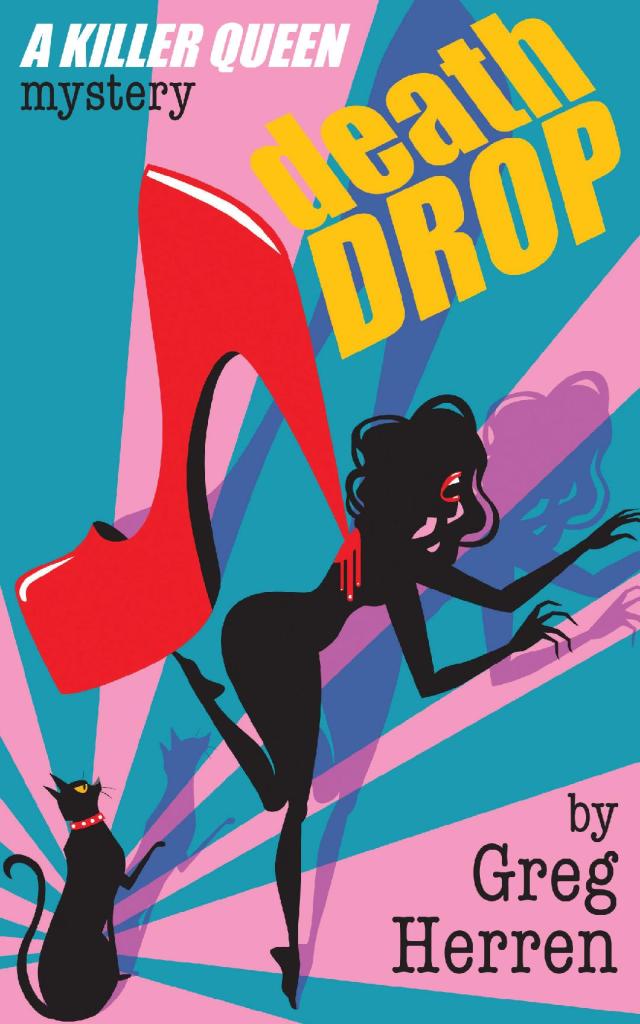


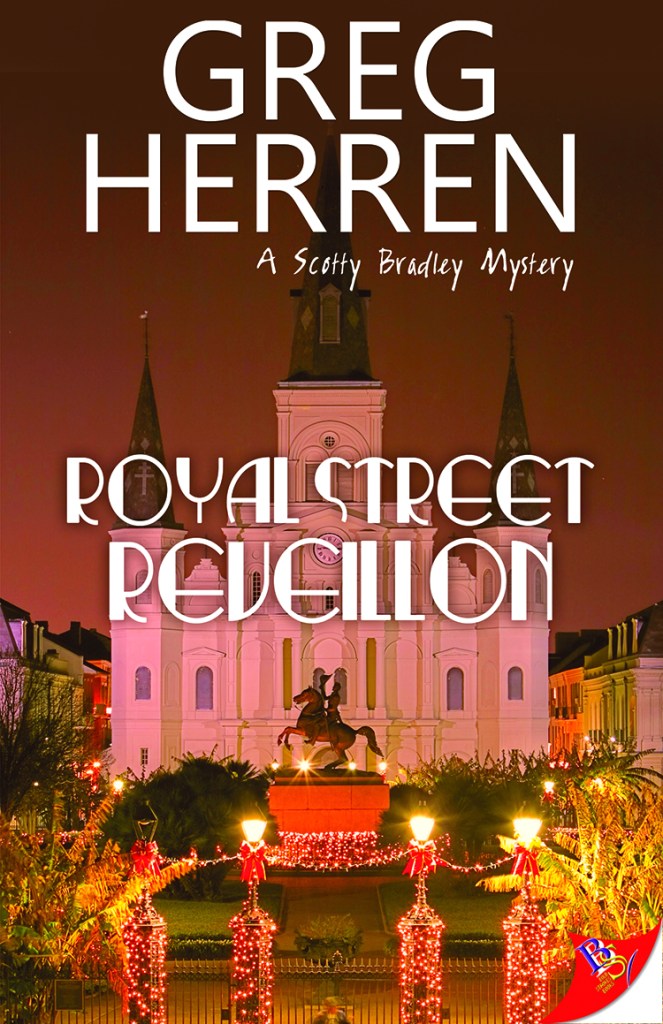


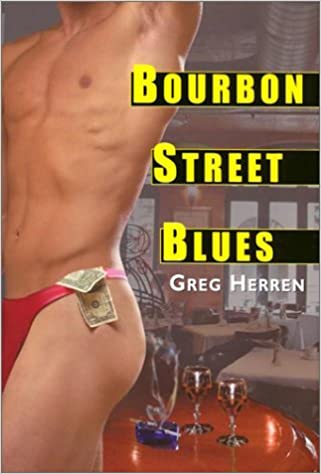
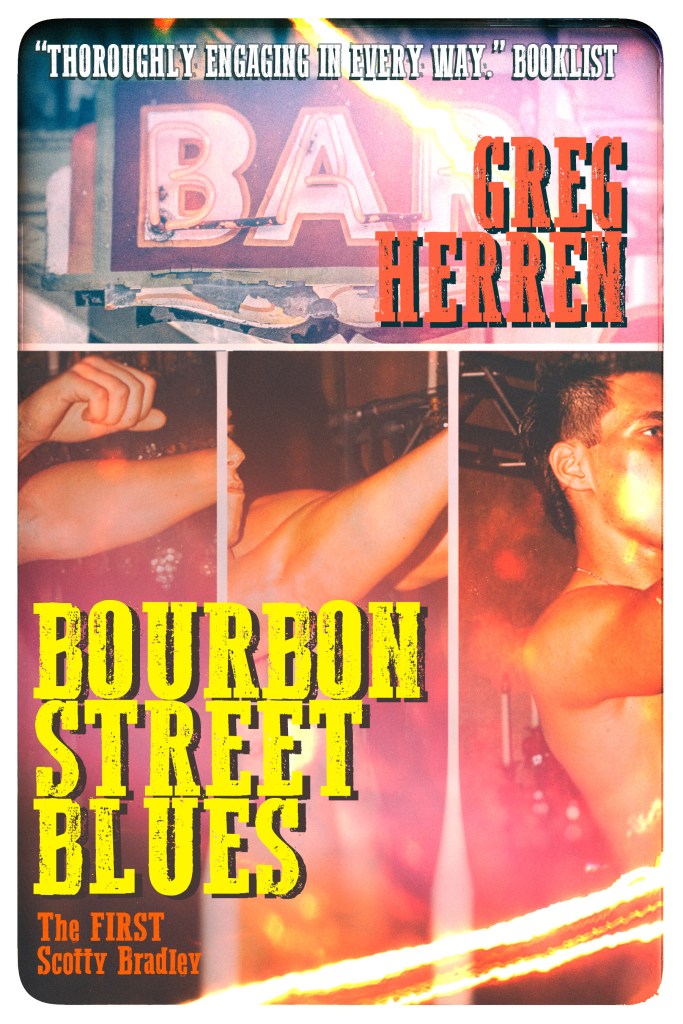
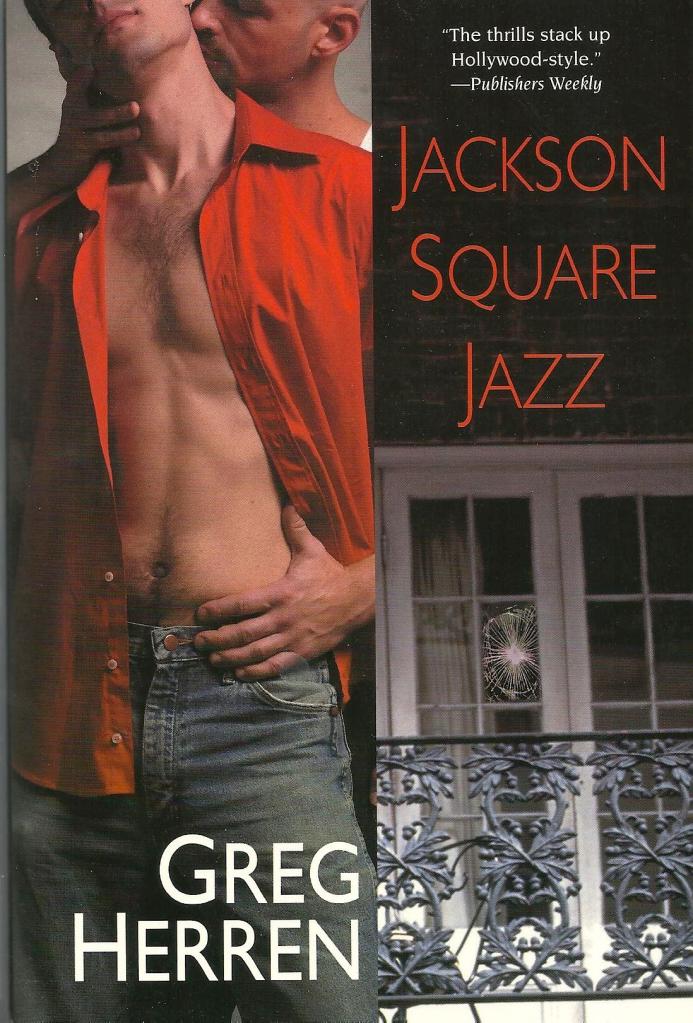
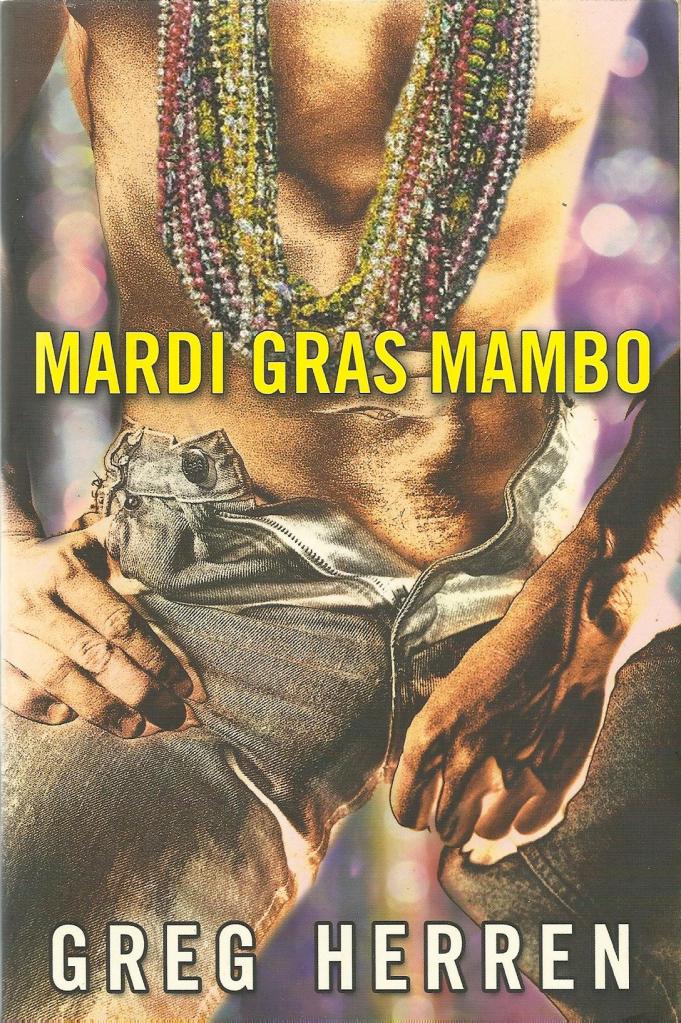
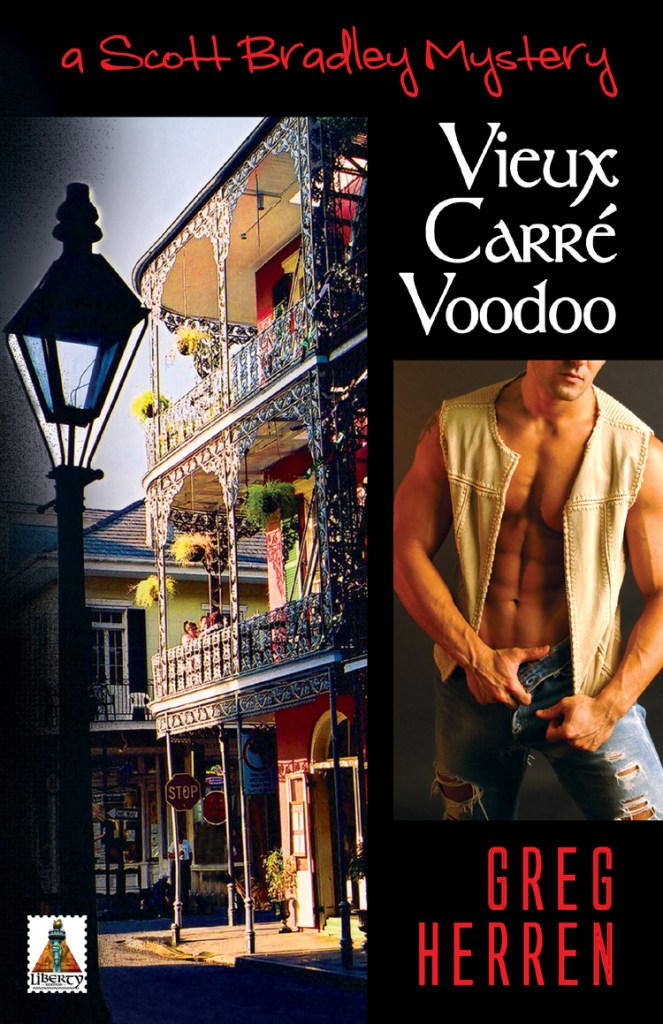
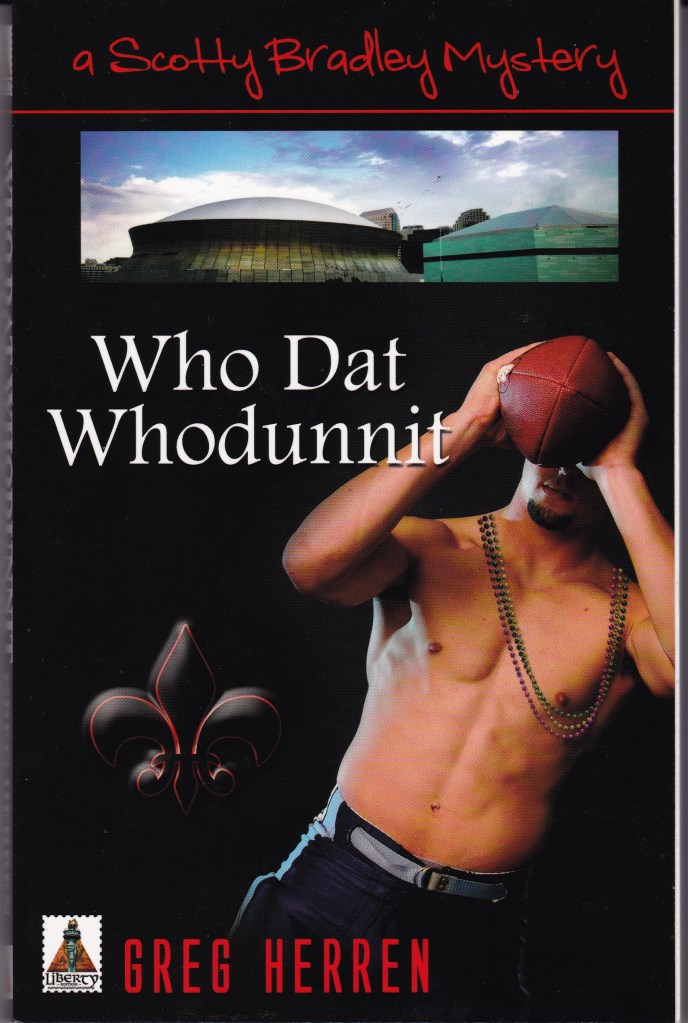
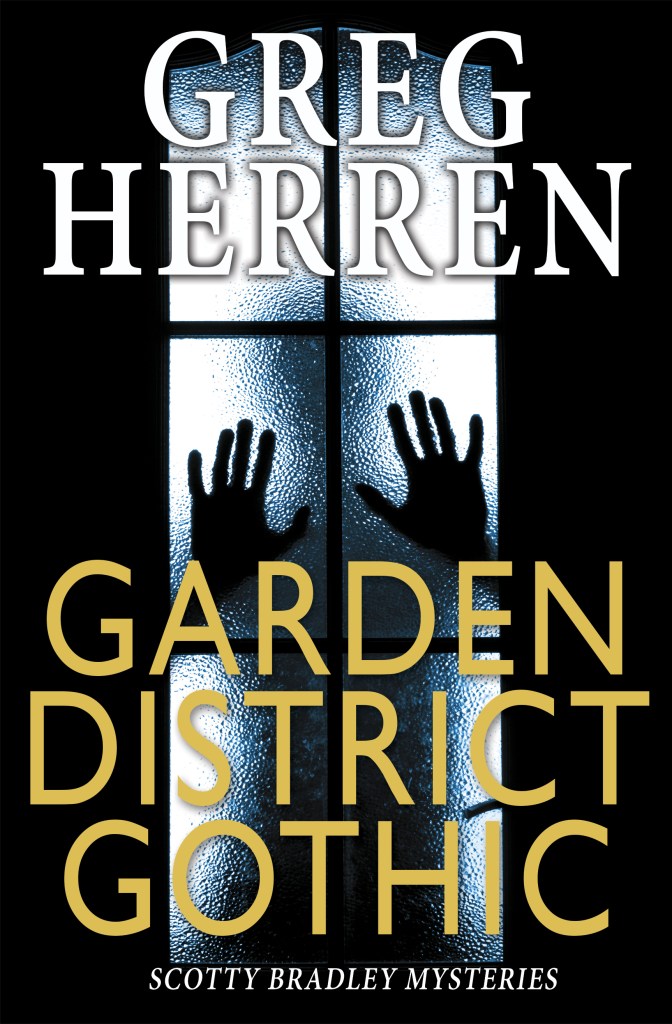
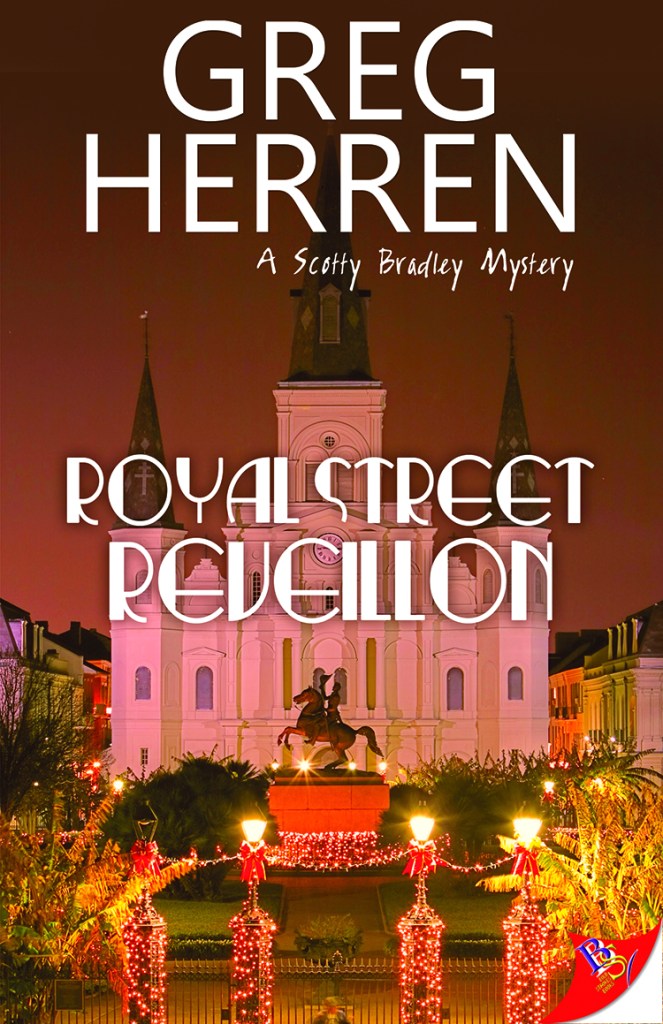
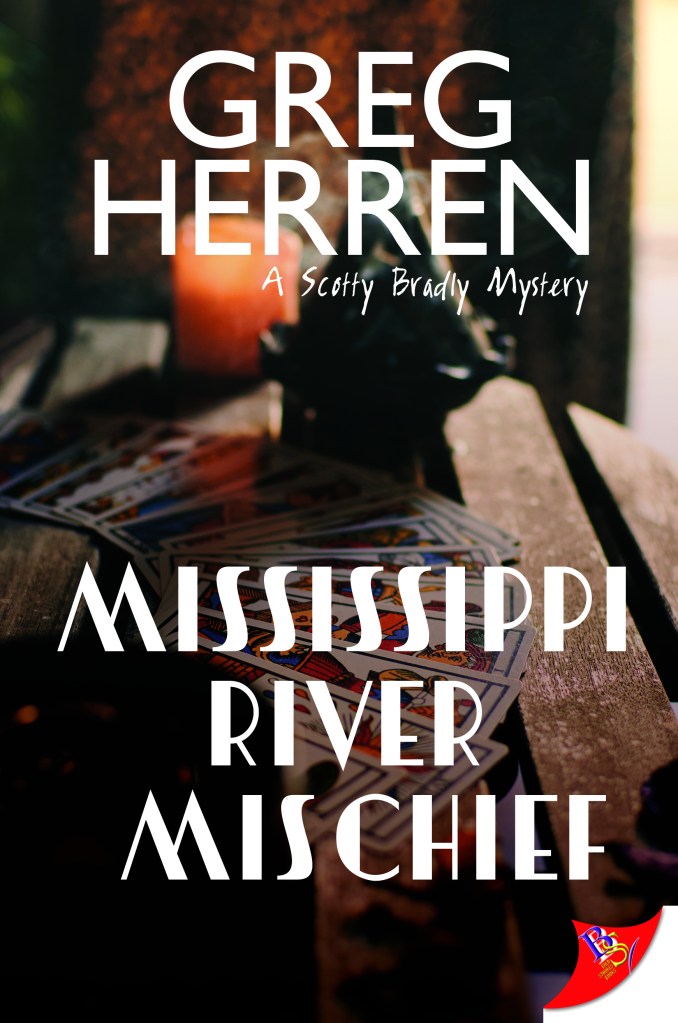

 Queer and Loathing in America