Sunday morning and there’s an LSU game tonight (GEAUX TIGERS!). There’s no way of knowing how good LSU is going to be this year, so I guess tonight’s the night we find out. I watched some of the games yesterday–Georgia certainly looked impressive, and good for Florida and Ohio State winning their big games yesterday, but again, it’s also too early to know anything for sure. Were the two top-ranked teams from the PAC-12 (Oregon and Utah) overrated, or will they rebound (although that shellacking the Ducks got from Georgia had to sting) to make a play-off run after all? The only thing you can ever be sure of in college football is Alabama will be a contender.
Yesterday was a very good day. We had a downpour and flash flood warning for most of the afternoon, but fortunately I had already run the errand I had to run; this morning I have an errand to run as well, and then i am going to come home and order Costco for delivery (just a few things we need) and I intend to spend the day writing. I spent the day organizing and cleaning (which is always an incredibly pleasant way for me to spend the day) and cleaned out kitchen cabinets in order to throw away a lot of items that I had purchased for single, one-time use and had never used again. My cake carrier, for example; I bought that to carry birthday cakes I’d made to work. I used to make our nurse a red velvet cheesecake for his birthday every year–but he’s left the agency and it is highly unlikely I’ll ever make another cake that needs to be transported; if I do, I guess I can just get another one. I also was throwing away things I don’t use but take up space in the kitchen–the big metal salad mixing bowl, the big plastic salad container, muffin tins, etc.–and then reorganized the shelves and made more room for things. I also cleaned things off the tops of the cabinets. It now looks a lot less cluttered in the kitchen and when I open the cabinets.
There’s still some work to be done on the cabinets, but I feel very good about the progress made yesterday. I also did the floors.
I also spent some time revisiting Bourbon Street Blues yesterday. I didn’t give it a thorough read, more of a skim, but it had been a hot minute since I last read the book and…Constant Reader, it wasn’t bad. The book came out nineteen years ago, and I of course wrote it twenty years ago. It’s had to believe it’s been that long, isn’t it? I wrote it when we lived in the apartment on Sophie Wright Place after we moved back to New Orleans in 2001; it’s the only book I wrote there, because I wrote the next two after we moved onto this property and were living in the carriage house. I also realized that the reason I am so hard on myself when I read my own work is primarily because I have trained my mind over the years to read my stuff critically and editorially, with an eye to revision–and that doesn’t change once the book is actually in print. Bourbon Street Blues is not a bad book at all–there’s even some really clever lines in it. Someone had actually responded to one of my blog posts about the stand alone books that they’d like to see me do the same for the series book; I feel like I may have done that already, but it’s not a bad idea. I need to revisit the Scotty series anyway in order to write the new one (which was part of the reason I picked up Bourbon Street Blues yesterday) and since I have trouble focusing enough to read other people’s work at the moment, why not reread the entire series from start to finish? It certainly can’t hurt.
I have been bemoaning how bad the writing is for this new Scotty book I am writing and yesterday, as I cleaned and organized and reread Bourbon Street Blues, I began to see why precisely the work I’ve already done isn’t good and what precisely was/is wrong with what I’ve already done. The bones are there, of course, and it can be saved, which is what I am going to do today. I know precisely know how to make this book work, how to structure it, how to introduce the new characters and the plots for the book, and it’s a marvelous feeling. After I finish this–and then write my entry on Bourbon Street Blues–I am going to go run that errand, come home and get cleaned up, place the Costco order for delivery, and then dig into redoing the initial three chapters of the book and maybe even dive into another. I also am going to spend some time today with Jackson Square Jazz; I may bring the iPad with me so I can keep reading the Scotty series during Bouchercon–but then again, I have other things I am taking with me to read, too. But those are for the airport and the flights primarily; I can lug my iPad around in my backpack and then between panels or when I am sitting alone in the lobby I can pull it out and scan through another Scotty book quickly. It’s also not a bad idea for me to start working on (at last) pulling together the Scotty Bible I’ve always said I needed to pull together. (I also kind of need to pull together all the information on the Gregiverse; the world in which all of my books are actually set, from Alabama to New Orleans to California to Kansas to Chicago’s suburbs…)
I also have a short story submission I need to look over before sending it in for the blind read–next year’s Bouchercon anthology is the market–but I am not sure I’ll have the time or if I know precisely how to fix it.
And on that note, I am going to head into the spice mines. I’d like to have another productive day today, so…lots to do before the LSU game tonight.
Wednesday and the middle of the week and the countdown to Bouchercon continues. I think we leave two weeks from today? I booked my parking at the airport for the trip reservation yesterday, so it’s starting to feel like it’s actually going to happen. I am looking forward to this trip–I can’t believe I’ve not seen some friends since 2018–even though it’s going to be completely and totally exhausting. We have to change planes in Chicago both directions (because that always makes trips more relaxing and less stressful, you know) and then of course there’s the to-and-fro with the airport up there and…no, I am going to focus on the fun aspects of the trip rather than the hassles and irritations that come with traveling (I am also in denial over my usual travel insomnia).
Yesterday was okay. I got tired right around lunch time, and ran my errands on the way home (I did, however, cut one errand out that will have to be run today after work). By the time I got home, my mind wasn’t in a focused place, so rather than trying to read anything I did chores–laundry, dishes, straightening up, filing–and when Paul got home we watched the finale of Only Murders in the Building, which was fun, and the final episode of that Woodstock 99 documentary we’d been watching whose title I can’t recall at the moment (we enjoyed it so much we might actually watch the documentaries about the other shitshow festival, Fyre) but it was enjoyable before we retired for the evening. And it was really nice getting up to a relatively clean kitchen this morning. Hopefully, tonight I’ll have the energy to do the floors before doing some reading and writing.
I realized last night the reason I’ve been so reluctant to go back and revise these first two chapters of Scotty (as well as fix the problems in the four chapters of the other book) has been primarily because I intellectually know that they are terrible and need a lot of work, and I haven’t really been in the mood to examine just how terrible of a writer I can be (hush, you there in the back) when I writing a first draft and the story is still gestating in my head. I also keep defaulting to Mississippi River Bottom as the title of this book, which it’s not–it’s Mississippi River Mischief. Mississippi River Bottom was the working title for Jackson Square Jazz, and that flashed back into my head this morning as I referred to the book as “bottom” rather than “mischief.” In JSJ, Scotty meets the young figure skater at a seedy gay strip club–which I dubbed “the Brass Rail”, and I’ve used ever since as a stand-in whenever I need a seedy gay strip club for either Scotty or Chanse or a short story or anything I am writing where I need a seedy gay strip club. Most people assume “the Brass Rail” is the Corner Pocket, but it wasn’t originally. There used to be a seedy gay strip club in the lower Quarter–I don’t remember exactly where it was–called MRB’s, that had a stage AND a pole, should one of their dancers be so inclined. When I was new to New Orleans, I asked someone what MRB’s stood for, and they replied, “Mississippi River Bottom”–which amused me to no end; what a perfect name for a seedy club! It wasn’t until later that I learned it actually stood for Mr. Boudreaux’, which makes more sense…but in my heart I always kept thinking “it’s Mississippi River Bottom”, and when it came time to write the second Scotty. I decided to use that as a title. My publisher didn’t like it and suggested I do something alliterative, to mirror the first, which is how the Scotty titles began. Most of the book centered on the Cabildo fire on Jackson Square, so Jackson Square Jazz made sense to me as a title, and the publisher loved it. I’ve kept using the Brass Rail since then–it played a pivotal role in Royal Street Reveillon–and it’s going to appear in the new Scotty as well. Continuity alert! When the Brass Rail made its first appearance in my fiction, like MRB’s, it was located in the lower Quarter…however, whenever I’ve used it since it migrated to the Upper Quarter; which, of course, is always possible–businesses in New Orleans change locations quite frequently, and certainly much more frequently than anyone might think. It’s going to remain one of those unremarked-upon continuity errors in the series–why bore the reader by trying to come up with a backstory for the change in location, especially when no one has even noticed?
*eye roll to infinity*
I’m also thinking a lot about the book lately. I have some odds and ends I really need to clear up this week, but I also have been thinking about the book and what its story should be and how to make it all make sense. One of the great stressors of my life is not being able to write as often as I would like; my spare time is becoming more and more limited, and there’s always something else I need to do–that has nothing to do with my writing, which I resent, and I am growing more and more resentful of the time I spend doing things besides writing, which isn’t a good thing.
And on that note, I need to make a to-do list, I need to start getting things done and cleared off my itinerary, so I am going to head into the spice mines. Y’all have a lovely day, okay?
As I get ready to write another Scotty book, I am busy making his acquaintance all over again. It might seem strange, but yes, although I’ve written eight books about my ex-go-go boy/personal trainer/private eye, it remains true in this as in all other aspects of my life that my memory is not what it once was; in fact, I don’t think I’ve ever written a Scotty book since the first three without having to go back and revisit the series again. I have made continuity errors over the years (Scotty’s mother’s name changed over the course of the series, from Cecile to Marguerite and back to Cecile again), and I may forget things about his past and things I’ve written in previous books, but the one thing I never ever forget is his voice.
No matter what else is going on in my life, Scotty’s voice is very easy for me to slip back into, like a house shoe, and it somehow always feels like coming home to me in some ways. This is odd–because I would have always thought Chanse was the series character I was more connected to rather than Chanse, but that’s not the case at all. Scotty just won’t go away; but I ended the Chanse series and only every once in a while do I regret it (although I am beginning to suspect that I am going to probably end up writing another Chanse novel at some point in my life; I have two ideas that he’d be perfect for, but it also might be better and more challenging for me to simply come up with a whole new character for those stories rather than resurrecting Chanse); Scotty just won’t ever go away.
The idea for the Scotty series famously came to me during Southern Decadence, 1998.
(Well, I don’t know about famously, but I know I’ve told this story before many, many times. Feel free to skip ahead if you don’t want to see how I remember the birth of the character and the series now)
It was a Sunday afternoon, and Paul and I had somehow managed to get prime balcony standing spots–at the Bourbon Pub/Parade, right at the corner of St. Ann and Bourbon where the railing curves at the corner to head alongside the upper floor down the St. Ann side; so we could look down directly into the roiling mass of sweaty, almost completely naked bodies of hundreds of gay men from all over the country. That was my favorite spot for Decadence sight-seeing (Halloween, too, for that matter), and as I looked down into the crowd, I saw a guy in booty shorts and a very very loose fitting tank top, carrying a bag and trying to get through. I recognized him as one of the out-of-town dancers working at the Pub/Parade that weekend (I may have tipped him the night before) and as I watched in sympathy as he tried to get through that tightly-packed crowd of gays in various stages of being wasted, I closed my eyes and an image of him–or someone like him–fighting his way through the Decadence crowd while being chased by bad guys with shaved heads popped into my head just as Paul said, next to me, “You should really write a story set during Decadence” and then it popped into my head: someone escaping the bad guys has slipped a computer disc into one of the dancers’ boots on Friday night as he danced on the downstairs bar, and the bad guys want the disc back.
I didn’t have any way to write it down, obviously–I was wearing booty shorts, socks, and half-boots that came to my ankles, with nothing underneath the shorts and I had my tank top tucked through a belt loop like a tail in the back–yet even the title popped into my head: Bourbon Street Blues. The idea clearly stuck, because when I got home the next morning at about six or seven, dehydrated, drenched in sweat and having lost the tank top at some point during the night, I remembered it and wrote it down.
At some point over the next two years, I wrote a short story called “Bourbon Street Blues” about my stripper–only instead of being from out of town, I made him a local, filling in for someone booked from out of town for the weekend who had to cancel–and wrote about seven thousand words. It felt very rushed to me–the story–and I kept thinking it’s too long for a short story, it would have to be a novel but I also wasn’t sure there was enough story there for a novel. But I liked the idea, no one (at least, to the best of my knowledge) had written anything like it, and I thought, someday I’ll get a chance to write this story and develop this character.
Flash forward to 2001. This was during the time Paul and I had moved to DC to work for the Lambda Literary Foundation, we were miserable there and wanted to move back to New Orleans but didn’t have the money to do so, and the release of Murder in the Rue Dauphine was still at least a year away. I was talking to an editor on the phone about one of his new gay releases, and out of the blue I just pitched Bourbon Street Blues to him. He loved the idea, and asked me to write a proposal and email it to him. I had never written a proposal before, but I thought what the hell, how hard can it be? and so I wrote a two page proposal for the book. Two months later they made me a two-book offer–and the money was good enough to pay for Paul and I to move back to New Orleans as well as to live on for a while. I had only seen the book as a one-off, but they wanted a series. I needed and wanted the money, so I thought I can figure this out later and signed it.
Three months later, we moved back to New Orleans and I started writing the book.
The original cover is on the left.*
The one thing I wanted to do with Scotty was make him unabashedly, unashamedly, gay. I didn’t want him to have any hang-ups, a sad backstory, or parental issues. I wanted him to be a free spirit who embraces life with both hands, lived in the Quarter, and loved having sex, loved being found desirable, and never really said anything or thought anything mean about anyone else. I made him a personal trainer, and his poverty–he agrees to do the dancing gig for Decadence because he’s behind on his rent and other bills; he teaches aerobics and was a personal trainer–comes from his grandparents freezing his trust funds when he dropped out of college to go to work for a booking agency for male dancers. He has since stopped doing that, but fills in when needed (and when he needs the money) at the Pub/Parade. I also based the shitty politician running for governor–and trying to mount a Christofascist takeover of the state, beginning with an attack on Southern Decadence–on an actual politician who ran for the US Senate shortly after we moved here; we saw him being interviewed on the news and couldn’t believe it wasn’t a joke, some kind of performance art–but forget it Greg, it’s Louisiana.
I also want to let you know that while I was working on this manuscript my first book, Murder in the Rue Dauphine, was released–and I got a “damned with faint praise” review from the Bay Area Reporter, which complained that “it would have been nice to see inside the heads of the other characters”, which took me aback as the book was a first person narrative, which made that impossible. What the reviewer I think was trying to say was that she wished the book had been told in the third person; that to her that would have made the book more interesting to her. But in my baby-author naïveté, all I could think was how can you see inside the heads of other characters in a third person narrative unless the main character was psychic?And the proverbial lightbulb came on over my head. Make Scotty a psychic. This was also an integral key to the puzzle of who Scotty was; the reviewer also yawned over my “gay stereotypes” in Rue Dauphine, so I decided to make Scotty the embodiment of all the worst stereotypes of muscular gay men who worked out and had a lot of sex. Just writing that down now, I realize how incredibly insane it was for me to use my new series book and character to respond to criticism o my debut novel; and when the book came out I braced myself for the inevitable backlash to come.
No one was more surprised than I was at how readers embraced him. The book got great reviews, even from Publishers Weekly and Library Journal (Kirkus, of course, has always pretended I don’t exist). Bourbon Street Blues was even nominated for a Lambda Literary Award for Best Gay Mystery of 2003 (I lost, I think to John Morgan Wilson?) shortly after the sequel, Jackson Square Jazz, was released.
Jackson Square Jazz’s story was actually a recycled idea I had for a spin-off book for Chanse’s best friend Paige. The original concept was that someone would steal the Louisiana Purchase from the Cabildo–and somehow Paige stumbled onto the theft, and knew that the one on display currently there was a copy. (I was calling it, originally enough, Louisiana Purchase.) I decided to make that the basis of the second Scotty book. (This was inspired by a documentary I’d seen about the Cabildo fire of 1989–that may be the wrong date–and how the fire department tried saving everything in the museum before fighting the fire. I remembered how in the documentary they literally were placing historical objects and paintings against the fence at Jackson Square and thinking, anyone could have walked off with something during the fire…and my imagination immediately was off to the races.) Unfortunately, when I met with the museum director–whose actual first day on the job was the day of the fire–I found out that 1) the copy of the Louisiana Purchase at the Cabildo was actually only a replica and the original was stored in the weather-protected underground archive at the Library of Congress and 2) it was more than one page long–I’d imagined it was one large document like the Declaration of Independence; it is not. However–he also suggested I make the MacGuffin the Napoleon death mask–one of the three originals made when Napoleon died–and gave me some great backstory on it as well that I don’t remember if I used in the book or not; but it was a lot of fun talking to him (his name escapes me at the moment, alas) and was a great example of why it is important to actually do research and talk to people.
I also wanted to include figure skating–the working title for the book was Death Spiral, which the publisher made me change, asking for something alliterative, like Bourbon Street Blues–and so I decided to open the book with Scotty having a horrific hangover and then realizing someone was in the bed with him (it’s to this day one of my favorite book openings; what slutty gay man hasn’t been there?)…and then I remembered I’d introduced two love interests for Scotty in book one, and here he was in bed with someone else entirely. (The young man he woke up with was a figure skater in town to compete at Skate America, being held in the Smoothie King Arena.) I loved both of his love interests, and knew I was going to have to bring both of them back somehow, and then I was going to have to figure out which one he’d end up with. (Spoiler: I couldn’t decide, so he wound up with both of them.) I also threw in a ghost, a billionaire artifact collector, and pretty much everything but the kitchen sink. I turned in the book, along with a proposal for Book Three, in which I finally decided I was going to resolve the threeway relationship personal story, and that would be the end of the Scotty trilogy.
Man plans and God laughs. (Jackson Square Jazz was also nominated for a Lambda; I think this was the time I lost to Anthony Bidulka.)
Mardi Gras Mambo turned out to be an entire other kettle of fish.
I’m not entirely sure I remember exactly what the original plot of Mardi Gras Mambo was going to be, but I know it had to do with the Krewe of Iris (Scotty’s sister Rain belongs) and the book opened at the Iris parade on the Saturday morning before Fat Tuesday. It was due in June of 2004, and of course, I wasn’t nearly finished by the time Memorial Day rolled around, and was planning on asking for another month on the manuscript on the Tuesday after. Of course, that was the Memorial Day weekend when Paul was attacked and everything went to hell in my personal life. My publisher was incredibly kind; they took the book off schedule, told me to take care of Paul, and get the book done whenever I got the book done.
I started writing it again in January of 2005, shortly after I began keeping a blog in order to get me writing again. That was when the Christian/Virginia nonsense happened, and everything got derailed again. When I started writing the book again, I threw out everything except that first chapter at the Iris parade–which did wind up in the final book–and I do not recall what the second plot I chose to write was at this time, other than I knew I was bringing in a Russian character, inspired by someone I’d seen around in the bars for years and had always been just awestruck by his body–and yes, that Russian turned out to eventually be Wacky Russian, my personal trainer. I actually kept this as an inspiration–Eclipse used to be the nightlife insert for IMPACT News, a queer newspaper that died out in the early aughts:
Finally, it was April 2005, and I started writing Mardi Gras Mambo again. I had the plot all figured out–it was completely insane–but I also realized I couldn’t end the personal story with Scotty the way I had hoped and wrap it all up with Book Three. There had to be a Book 4, and so when I finished the book at last and turned it in, I included a proposal for a fourth Scotty, Hurricane Party Hustle–which was going to be set during an evacuation for a hurricane that missed New Orleans…I always thought it would be interesting to write a mystery story set during such an evacuation.
Of course, I turned the book into Kensington on August 14th, 2005. Fourteen days later, Paul, Skittle and I fled from New Orleans in the face of Hurricane Katrina.
I wouldn’t come back for good until October 11. Paul didn’t come home until after Thanksgiving.
Of course, I wrote to my editor a day or so after the levee failure to say, well, I don’t think I can write that book I proposed now.
I didn’t see, for a very long time afterwards, how I could write another Scotty book–light, funny, zany–in the aftermath of Hurricane Katrina. Then one day I was walking to work from where I’d parked my car and some people on bicycles came riding toward me. They smiled and waved and I smiled and waved back…and realized oh my God, that was Brad and Anjelina. Their house wasn’t far from my office–in fact, it was quite literally around the block from where Scotty lived–and I thought, you know, Brad kind of looks the way I describe Scotty–wouldn’t it be funny if someone tried to kill Scotty because he looked like a movie star who lived in his neighborhood? The more I thought about it, the funnier it became, and I started writing the proposal for Hollywood South Hustle when I got home from work that night. I was so certain they would take it that I started developing the characters and writing out a detailed synopsis…and they turned it down.
I wasn’t expecting that, but it was a marketing decision. Even if they signed the book immediately, it would still be another year before it would come out, and they felt by then Scotty’s audience was long gone, if it wasn’t already. It was disappointing, but right around the same time Alyson came back to me for a fourth Chanse book but they needed it right away–like within ten weeks–so I turned the Scotty story into Murder in the Rue Ursulines. I finished the book, turned it in, and figured the Scotty series was dead, alas.
Shortly thereafter, during the Gay Easter Parade an idea for a different Scotty book occurred to me . The parade was over and I was walking back to my car to drive home when I walked underneath a balcony…just as they started watering their plants. I got soaked–you can’t get mad, it happens in the Quarter periodically and it’s just one of those New Orleans things–and I thought, you really need to write about this. As I walked to the car, dripping, I pictured Scotty hurrying to catch a ride on his parents’ business’ float for the Easter Parade–and of course, he’d wear a white bikini, rabbit ears, and have a rabbit tail–when the exact same thing happened to him, only his bikini would become see-through when wet. By the time I’d driven home, I’d figured that the person on the balcony would be an old friend of his parents’, he’d invited Scotty in to dry off, and when Scotty was on his way home from the parade, the cops would be there because the friend had been murdered. Using The Moonstone as my inspiration, I came up with another MacGuffin story, a way for Colin to come back and explain everything that happened during Mardi Gras Mambo, and I had the perfect ending to Scotty’s story. I just didn’t have a publisher.
But Bold Strokes Books, a primarily lesbian publisher, had started doing books by and about gay men. I’d taken an erotica anthology to them when it was orphaned by the death of its original publisher, and so I wrote and asked if they wanted a Scotty story. They did, and thus Scotty came back to life one more time…and I figured that was the end of it. I wrapped up the personal story about the three-way relationship in a way that was organic and made sense; and I also added a new wrinkle to Scotty’s personal life: Frank’s late-in-life decision to become a professional wrestler. (One of the things we locals learned from Hurricane Katrina was to not put off following or chasing dreams or goals; my attitude thus became go for it and I started chasing down dreams I’d pushed to the side for years.) Mardi Gras Mambo and Vieux Carré Voodoo were both nominated for Lambdas, but at this point I can’t remember who I lost to in both of those cases–for the record, Lambda has never rewarded a Scotty book with an award–probably because they are inevitably funny and over-the-top, which never wins awards because funny is seen as “not serious,” despite the fact that humor/comedy is much harder than drama/tragedy.
I didn’t think I was going to write another Scotty book then, either. But then something miraculous happened: the New Orleans Saints won the Super Bowl, and I wanted to write about what it was like to live here during that incredible time. It didn’t seem like the right story for another Chanse book, so I thought, well, I can pull Scotty back out and write it from his point of view.
And of course, Who Dat Whodunnit was just sitting there for the title. How could I not write that book?
I had already established over the course of the series that the two sides of his family–the Diderots (maternal) and the Bradleys (paternal) didn’t really get along. The Diderots go back to Iberville and the 1718 settling of New Orleans; the Bradleys were Americans who came after 1803, and thus are not only parvenus to the aristocratic Diderots, but also l’Américains. Perish the thought! We’d also established that the Diderots were not nearly as conservative as their State Street living in-laws, but we’d never actually seen much of the Bradley side of the family, so I thought why not do the Bradleys and let us get to know the other side of Scotty’s family? It was around the same time I started reading about a megachurch out in Kenner (or Metairie? I don’t recall) that was rising to prominence in local politics and was, as you can imagine, homophobic. The same-sex marriage wars were also being fought at this time; and during one of those pageants (Miss America? Miss USA?) the reigning Miss California was asked about same-sex marriage during the question portion by judge Perez Hilton (why was he judging a beauty pageant for women is a mystery for the ages) and she responded that her faith had taught her that marriage was between a man and a woman (the audience started jeering) and she apologized by saying “I’m sorry, but that’s how I was raised!” She wound up as First Runner-Up, and some felt, rightly or wrongly, that her “politically incorrect” answer cost her the title. In some ways, I felt bad for her (although it’s not my fault it’s how I was raised I have always thought was an incredibly stupid thing to say; you have free will, and you should be capable of making up your own mind rather than simply parroting things without question you were raised to believe. So if your parents were racist white supremacists…) but then of course, the Right tried to turn her into a martyr and heroine, and she dove right into that headfirst, erasing any sympathy I might have felt for her (I still think the question was inappropriate for a pageant, as would be anything polarizing–and yes, well aware that same-sex marriage shouldn’t be polarizing, but here we are), and of course, Miss Upright Moral Christian had a bit of a shady past that eventually came out and that was that. I decided to base the murder victim in the book on this girl, and tried to explore the influence of this megachurch on her. I also gave Scotty a first cousin who was the darling of the Bradley grandparents because he was a jock and was on the Saints team as a player–but also a homophobic asshole. The Bradleys were like something out of Tennessee Williams–I think I even named Scotty’s uncle (the football player’s dad) Uncle Skipper as an homage to Cat on a Hot Tin Roof.
There’s a lot of story there left in the Bradley side of the family, now that I think about it–and I’ll be digging into that in the new one, rest assured!
Funny story: After I wrote Who Dat Whodunnit, I decided I was not going to write another Scotty book. This had been Book 5 of what started as a stand-alone and then became a trilogy and yet somehow, I’d kept going on top of that. I kind of felt played out a bit with Scotty, and the longer the series went on, the more problems I was having with things like character ages–Scotty was getting older, which meant his parents were getting older, which meant his grandparents were getting older, too. I didn’t want to deal with the deaths of his grandparents (or Aunt Sylvia, who was his grandmother’s age and had married Uncle Misha), and so I had two options: pretend they weren’t getting older and not talk about their ages, or let the series go. I was still writing Chanse at the time, and I kind of figured that would be the series that went on longer. But I was on a panel at Saints and Sinners and someone from the audience asked me if there would be another Scotty.
GREG: Probably not, but if I can figure out a way to include Mike the Tiger (the live tiger mascot at LSU), Huey Long, and a treasure hunt for Huey’s deduct box, I will.
(I had read T. Harry Williams’ award winning biography Huey Long and had become fascinated completely with him. All I had known about Long going into reading that biography was that he’d been a demagogue (thanks, US History textbook from high school) and Robert Penn Warren’s All the King’s Men had been loosely based on his life and career. Mention Long’s name to anyone and they immediately reply with “oh, he was so corrupt”–which amused me, since every Louisiana politician is corrupt to a degree–and I knew Roosevelt and others had worried about him as a populist politician who reminded them of Hitler (and the way he crushed his opposition in Louisiana and essentially became the state’s dictator, who could blame them?), but what was the real story? And Huey Long made me start to have what was at first a grudging admiration for him which grew into a kind of fandom the more I learned. (There are some similarities–more than one would think–between Long and LBJ in the Caro biographies, as well as with Robert Moses, another Caro biography; which would make for a very interesting comparison/contract essay at some point.) But the more I read about Long, the more I wanted to write about him. He fascinated me, and the fact that his trove of cash–the deduct box–was never recovered after his murder was even more fascinating to me.)
And don’t you know, later that night, it came to me. A few months earlier there had been a bomb threat at the LSU campus, and there had been some controversy about how the administration had handled the situation–they’d evacuated Mike the Tiger off the campus before the mass evacuation call for the students. It made sense to me (but I didn’t blame the students for being upset because it absolutely looked like the administration cared more about the tiger’s safety than the students’)–in the chaos of evacuating the campus, getting the tiger out safely would have been a nightmare, and God forbid something happen and Mike got loose. Then it hit me: what if some animal rights’ activists had staged the bomb threat in order to steal the tiger in order to set him free somewhere? (Mike is a frequent target of PETA, who often calls for him to be released into the wild–not in the US, of course–, or sent to a big cat sanctuary.) So, I had the tiger kidnapped, and since Huey Long was responsible for LSU being what it is today, it only made sense for the treasure hunt to have to do with his missing “deduct box”–Huey always used cash, after his assassination the deduct box containing thousands and thousands of dollars in cash disappeared–and there we had it: a plot involving Mike the Tiger, Huey Long, and the deduct box.
This was also the book where I decided to extend Scotty’s family a bit further by adding a new, younger gay character to the mix: Taylor, Frank’s nephew, disowned by Frank’s sister and her homophobic husband after he comes out to them after a semester in Paris, and so he comes to live with Scotty and the boys in the house on Decatur Street. I wanted to bring in someone younger, and gay, with literally hardly any gay experience in the world to reflect the change between generations of gay men and how they view being gay and the rest of the world.
I also figured this would be the last one, but like I said, Scotty just won’t go away.
SIDENOTE: I had to write to the administrators of the Huey Long website for permission to use some quotes from the site in the book. Needless to say, they were very wary of me when they responded, so I emailed them the chapter where I would use the quotes–Scotty was doing some research on Long, and came across the website. Like me, Scotty had always been told Long was corrupt and a demagogue…but demagogues also don’t get things done, which Long did. Some of Long’s programs–like the Homestead Exemption–still exist as public policy in Louisiana. They wrote me back, granting permission…and that was when I found out the person I was talking to was Long’s great-granddaughter, who was rightfully suspicious of anyone writing about her great-grandfather. I sent her a copy of the book when it was finished, and she sent me a lovely thank you card, which is probably one of my favorite writing souvenirs.
The genesis of Garden District Gothic was weird, but yet serves as yet another example of my adage never throw anything you’ve written away.
I had always wanted to spin Chanse’s best friend, journalist Paige Tourneur, off into her own series. I had always intended to do so; from the first time I thought her up for Murder in the Rue Dauphine I thought, “she’s fun and witty and interesting and that weird name–there’s so much more story there than we can get to as a supporting player in a series about someone else.” I have so much written down about Paige and her origin story; how she came up with that name and why; how she wound up at LSU; and so on and so forth. A friend started an ebook publishing company, and wanted me to write Paige novellas for her; I did two–Fashion Victim and Dead Housewives of New Orleans–but the sales, frankly, weren’t there and I didn’t have the necessary time to put in marketing them to help drive the sales, so even though I’d started a third, The Mad Catter, we agreed to kill the series and pull the first two from availability; ultimately, I was working too hard for too little pay-off. I was disappointed, obviously; Paige was kind of a passion project for me–I’d made any number of false starts writing a series book for her, and it was sad to see that there wasn’t an audience for her after all. But I had about four chapters of The Mad Catter in place, and I didn’t want to waste the time spent on them…so I decided to turn them into a Scotty book, which became Garden District Gothic.
I also brought in a new character–a true crime writer with a shady past of his own–who actually wrote a book, a la Midnight in the Garden of Good and Evil, about the case. The name of his book? Garden District Gothic. I brought him in, thinking I would spin him off into his own book/series–I thought it might be fun to write about a writer…(I thought about using him as the main character in another book based on an actual unsolved string of murders in a rural Louisiana parish, but very quickly realized he was simply an amalgamation of Scotty and Chanse, so that book–The Bodies in the Bayou–went onto the backburner. I think I may have created the character before, in the Chanse series, but I could be remembering that wrong. I also used this book to sort of set up the next; I will explain that further when I am talking about Royal Street Reveillon. I also crossed the character of Paige Tourneur over from the Chanse series into the Scotty series (I loved the character, hated to sideline her after I ended the Chanse series and the novella series didn’t pan out); not that she will be a big part of the Scotty series, but hey, every so often I need a journalist, and why not use a character I am very fond of already and wasn’t ready to stop writing about?
The book was loosely based, obviously, on the Jon-Benet Ramsey case–a decades old notorious murder of a child in the Garden District that was never solved. I wanted to examine and explore issues of class in New Orleans, but I am not entirely sure I pulled off what I intended with the book.
Then again, I think that with every book, don’t I?
And we now come to the (so far) most recent book of the Scotty series, Royal Street Reveillon.
Originally I’d envisioned the Scotty trilogy (when it morphed from a stand-alone) as encompassing the three big gay holidays in New Orleans: Southern Decadence, Halloween, and Mardi Gras. Jackson Square Jazz wound up taking place just before Halloween, alas; Scotty talks about their costumes in the epilogue, but I hit the other two holidays out of the park. When I added a fourth book, I tied it to the Gay Easter Parade–Scotty is on his way to ride on the Devil’s Weed’s float when the book opened–and then of course the next book was sort of Christmas/sort of Mardi Gras/sort of the Super Bowl. Baton Rouge Bingo was the first book that wasn’t tied to a holiday of some sort; neither was Garden District Gothic. But for the next Scotty book, I wanted to do a Christmas book. I’ve never really written much about Christmas, and I do love the season, especially in New Orleans. I wasn’t sure what kind of plot I was going to use, but I knew it was going to be set during Christmas season and I knew I wanted to use reveillon, the Christmas season meal you use to break your fast for Mass, in the title. I had introduced one of the characters from Dead Housewives of New Orleans in Garden District Gothic, so it only made sense to me (or so it seemed at the time) for me to take the framework of Dead Housewives–the entire Real Housewives spoof I wanted to write–and build this new story around it. I changed a lot–made the overarching story much more complicated, and especially complicating the “whodunnit” aspects of the three murders that all occurred within twenty-four hours of the premiere party for Grande Dames of New Orleans.
I also did a couple of horrible things to Scotty and his loved ones over the course of this book…which will have to be dealt with in the new one, alas. I hate when I do this to myself! But with Royal Street Reveillon and its darker themes, I wanted to show how much Scotty has grown and changed over the course of the series; he’s evolved as a person, partly because of the changes to his life and partly because of what he experiences through the murders he finds himself involved in. Do I wish, as I start writing Mississippi River Mischief, that maybe I hadn’t given so many growth opportunities over the years to Scotty and his gang of family and friends? Absolutely. But that’s part of the challenge of writing a series, and what makes it so much fun.
*Funny story about the original cover of Bourbon Street Blues. Back in the day, publishers used to meet with reps from Barnes & Noble and Borders to show them covers and get their input; covers were changed based on those meetings. The Bourbon Street Blues cover was so in-your-face it took me aback when I first saw it; and they had toned the original image down dramatically, mainly smoothing down the bulge so it wasn’t so in-your-face. The Barnes & Noble buyer told them, “he needs a bigger bulge” so they made it bigger–but were still cautious; the image’s original bulge was still bigger. I do think that story is hilarious.
Monday morning, and the shopping days left till my birthday are slowly but surely getting crossed off my calendar. Yesterday was a lovely relaxing day at home; I did some on-line shopping (ordered a new pair of glasses from Zenni; we’ll see how they work out once they arrive; I may order a few other pairs to be more color-conscious; and yes, I know how weird that is for me–I didn’t get the fashion gene that most gay men seem to be born with, and so I’ve never really cared much about clothes other than their function–especially glasses
) and then spent some time doing the fun part of writing: thinking about the book(s).
I love that part. I actually realized yesterday that I was flying without a navigator (as usual), which is probably a mistake. I hadn’t spent any time really thinking about the story of Mississippi River Mischief and how it would impact the characters and how they interact with each other, etc. I had some basics down; I knew how I was going to start the story and open the book, and what I was going to include in it–I also recognized that another subplot is too big a story to be included in this book, and so I had to put it to the side for now, for use at a later date in a different book. But beyond that I hadn’t really thought much about it, and that was problematic for me and would inevitably cause problems for me down the line as I struggled to write a strong first draft. I also realized that a lot of what I was writing was going to take place outside of New Orleans, and yes, I know it’s anal of me, but my fictional Louisiana was far too amorphous. My work has always centered New Orleans and I’ve always been a stickler about getting that correct–I know I’ve made mistakes, I got Orleans and St. Louis Streets reversed in one book, or example– but over the course of forty-odd books, inevitably parts of some of them had to take place outside New Orleans. (I had, oddly enough, no qualms about completely fictionalizing the entire state of Louisiana for the most part outside of the metro area.) And being anal, I realized I had no real “map” or idea of what fictional parish or city or plantation was where and what names I’d used where and so on and so forth. And yes, I know it probably doesn’t matter–no reader would ever take the time to go through all of my books and try to piece Greg’s fictional Louisiana together and point out contradictions and errors, but it would bother me knowing that it was a mess outside Orleans and Jefferson parishes.
Something clearly had to be done.
So, I spent yesterday afternoon doing Scotty research–namely, checking every book I’ve ever written with scenes that take place outside of the metro area and try to assemble all of those places into a coherent and cogent “world” of Louisiana, strictly of my own making. I did allow myself to get sidetracked a few times with research into other projects, current or upcoming (the Great Hurricane of 1915, and the legend of Julia White were Internet wormholes I happily went down yesterday; I think a story I am going to write for an anthology call will be based in these two events), which is always a delight; Louisiana and New Orleans history are literal treasure troves for thoughts and ideas and so forth (another wormhole: the German Coast of the Mississippi River) and also humbling at the same time, because these wormholes always remind me how little I actually do know and understand about New Orleans and Louisiana.
Revisiting old books–especially Scotty ones–inevitably bring back memories of the time period in which the book was written, where the idea for it came from, what I was trying to do with it, and so on and so forth…not to mention how the character himself has changed and grown along with my writing styles and skills. It also reminds me of other things, too–plans I used to write the books, ideas and thought processes for the characters and their futures, and so on; things I had forgotten over the passage of time. I also sent the pdf of Jackson Square Jazz to my iPad; so I can slowly start copy-editing it so I can put up the ebook on Kindle at long last–there was also a part of that novel, part of Scotty’s long-forgotten past that only appears in this particular book that I want to circle around back to for this one. There are, I suspect, any number of sub-plots and character arcs that have been left hanging within the series over the years, and I don’t think it’s such a bad idea to reread the entire series again from start to finish since I am writing another book in the series. Obviously, I love Scotty and he is a part of me, and I don’t have a hard time slipping into his voice again (one of the things, I think, that makes writing a series a bit easier than writing a stand-alone–or starting a new series–is that ease of finding the character’s voice again. I’ve written eight Scotty books now, it should be easy to find his voice again), but there are a lot of other things I need to revisit and remember from the previous books in the series, so as to avoid continuity issues and things like that which plague me constantly.
For the record, the books I had to consult to map out my fictional Louisiana included not only Scotty books, but Murder in the Arts District (Chanse), The Orion Mask, a pseudonymous book or two, and some short stories. If A Streetcar Named Murder indeed becomes the launch of a new series for me, I’ll need that fictional map of Louisiana for that series as well–I’d already brought up one of my fictional parishes in the text of Streetcar, so…
I also reread the first four chapters of something else that is currently in progress to also kind of sort of make sense of it as well (and a good thing, too–I had two completely different sleazy gay dive hustler bars in the same neighborhood in two different chapters; easy enough to fix of course, and another continuity issue). This is going to sound weird–what else is new with one Gregalicious–but I am writing another book at the same time as this Scotty; I am sending a chapter a week to a friend, kind of like a serial novel, but I had not gone back and reread what I had already written on it (hence the two sleazy gay hustler bars in the same area of the fictional city) and so it went off the rails slightly (I suspected it was doing so and even remarked on it when I sent the email with the most recent chapter attached), and I am going to have to go back and clean that all up before proceeding–because it’s too big of a mistake to leave in the draft for correcting in another, later draft (plus, it will bother me to no end knowing those big mistakes are there), so I think I am going to have to make those fixes before I write Chapter 5–which is a good thing, because I am not really sure how to write chapter 5 or what to do in it; revisiting and fixing the first four chapters is always a good idea in these situations.
The problem with not outlining is because sometimes you get stuck.
We also binged a lot of The Sandman last night. What an extraordinary show–the visuals are absolutely stunning (I keep thinking how visually breathtaking it would be on the big screen), and the costumes, the art and set design, everything is just stunningly perfect, and the stories themselves (as well as the over-arcing storyline) are depicted and acted and written beautifully. This is the adaptation of the series I always wanted to see but never dared dream we would get; Paul and I are both just completely blown away by its brilliance (I also loved that Cain and Abel, from the old comics House of Mystery and House of Secrets, are a part of this universe; I loved those comics back when I was a kid–note to DC: make an anthology series of both of those comics, please.) We only have three episodes left, but by the time we finish this show–probably Wednesday, given how our weekday evenings seem to go–there should be some other amazing shows dropped for us to watch–I am particularly looking forward to The Serpent Queen; I’ve been asking for a Catherine de Medici series for years and now we are getting one that seems to embrace and encompass her manipulation and dedication to the acquisition of power, and of course House of the Dragon looks like it could be very fun, and other shows will be returning soon as well with new episodes.
So, overall it was a great weekend; I cannot complain. It was productive–perhaps not as productive as I would have liked, but I do feel like some seriously good work was done this weekend, and that’s all that matters. I have some work-at-home duties today–trying to decide whether to run errands today or on the way home from work tomorrow (on the way home is currently winning the debate in my head), and about the only real disappointment in the weekend was not being able to make time to read.
And on that note, I am heading into the spice mines. Have a lovely Monday, Constant Reader, and I’ll check in with you again later or tomorrow; depends on when I finish writing these other blog posts that are more essay-driven than the norm.
I originally started writing Sleeping Angel in 1994.
That seems like such a long time ago, too. I hadn’t met Paul yet, was still working for that wretched airline at the airport, was broke broke broke and often ran out of money long before payday, and any kind of decent life for me seemed impossible. It was the next year I decided to snap out of the constant feeling sorry for myself, and instead of waiting for the world to come knocking on my door to make my dreams come true, that the only person who could make my dreams a reality was me, and that I needed to make the changes necessary to my life if I were going to become a writer for real–like stop dreaming about it and writing now and then, and start taking it seriously and writing all the fucking time, and trying to make it happen–which meant sending things out to try to get them published.
It’s weird how you forget things about books you’ve written until something out of left field reminds you of something. Julie Hennrikus, during our Sisters in Crime podcast interview, asked me about writing young adult fiction, and how I came to do that. The story is very simple, really; after discovering Christopher Pike and R. L. Stine and other young adult authors who wrote young adult novels that were either crime or horror or a cross of the two, I decided to take the book I was writing at the time–Sara–and write it as a young adult novel instead of as one for adults. It really didn’t take a lot, to be honest–I removed the framing device that firmly set the book back in the 1970’s–and turned it into a modern day story about teenagers (which it always was). After I finished Sara, I wrote another called Sorceress–and when I finished it, I began writing Sleeping Angel. I still didn’t have a strong grasp of how writing actually worked (which is kind of embarrassing when I remember how naive and stupid I actually was back then, but what did I know. seriously? Very little.) and so I never rewrote anything; I just printed them (I had bought a very inexpensive word processor that I loved, and wrote on) out and saved the originals. I was about half-way through Sleeping Angel when I discovered there was such a thing as queer crime novels…so I abandoned writing young adult fiction and started thinking more in terms of writing a gay private eye series…which eventually became the Chanse MacLeod series and Murder in the Rue Dauphine.
Flash forward another decade or so, and in the spring of 2005 I attended BEA and the Lambda Awards in New York. I lost twice that year (Best Gay Mystery for Jackson Square Jazz and Best Scifi/Fantasy/Horror for Shadows of the Night) and then on Saturday night I attended a cocktail party for the Publishing Triangle. (It was at this party that I met both Tab Hunter and Joyce Dewitt.) I also met a very nice man who was familiar with my work, and asked me if I had ever considered writing young adult fiction with gay characters and themes? I laughed and replied that I had two completed first drafts and a partial for another in a drawer back home; he then gave me a business card and told me he would love to take a look at them with an eye to publishing. I lost the card years ago, probably in the Katrina aftermath, but he was an editor for Simon and Schuster Teen, which was very exciting. I told him I would revise one and send it to him as soon as I finished Mardi Gras Mambo, which was at that point over a year overdue (I didn’t mention that part). This was exciting for me, as one can imagine; another opportunity gained by simply being in the right place at the right time, which has been the story of my career pretty much every step of its way. Once I finished Mardi Gras Mambo that August, I started revising Sara.
And then came Hurricane Katrina, and everything went insane for a few years, and I abandoned the attempt to rewrite Sara. There was just too much going on, I was displaced and finding it hard to get back into writing, and I just wasn’t in the right place emotionally to revise or rewrite a book. I’ve always regretted that last opportunity.
Flash forward another year or so and I casually mentioned to a friend this missed opportunity. What I didn’t know when I mentioned it (bemoaned it, really; I still regret this lost chance) was that she had been working for another publisher as an acquiring editor for young adult/children’s work. “Would you rewrite one of these for me? I’d love to pitch this to the company.” So….rather than Sara, I went with a rewrite of Sorceress, which had a teenaged girl lead character and I didn’t see any place to add queer content (I’d been adding that to the revision of Sara ) and sent it to her. Alas, before she had the opportunity to pitch it the line she acquired for was closed down and that was the end of that….until a few years later when she decided to start her own small press for juvenile/young adult fiction, and wanted Sorceress. I sent it to her, we signed a contract…and then I realized I needed to let Bold Strokes Books know I was doing this. I emailed them, and they replied, “You know we do young adult?”
Well.
I wrote back and mentioned I had two others collecting dust, and so I contracted both Sara and Sleeping Angel with them. I decided to do Sleeping Angel first–which is odd, as I didn’t even have a completed first draft; I don’t remember why I decided to do this, frankly–and so I started writing and revising.
The really funny thing–just looking at the cover for the book–is that the character name “Eric Matthews” was one I came up with when I was in college; I had an idea for a book set in my fraternity, and came up with three names for characters that were pledge brothers and friends: Eric Matthews, Chris Moore, and Blair Blanchard. I used Eric and Chris for Sleeping Angel (completely forgetting that I had already used those names in Every Frat Boy Wants It a few years earlier), so yes, even though the fraternity books I used were by “Todd Gregory”, I accidentally re-used the character names.
Whoops.
The original intent with my young adult fiction was to connect it all together, the way R. L. Stine did with Fear Street, and sort of how all of Stephen King’s work is as well. The three books I started with–Sara, Sorceress, and Sleeping Angel–were connected, and were the springboard from which the others would come–or were supposed to come, from. Sara was set in rural Kansas. The main character of Sorceress moved from rural Kansas to a small town in the mountains in California, Woodbridge, which was also where Sleeping Angel was set. The main character of Sara moved to Kansas from the Chicago suburb where the main character of Lake Thirteen was from, and so on. (Likewise, the main character from Dark Tide was also from the same county in Alabama where Bury Me in Shadows took place, and #shedeservedit was set in the town that was the county seat for that rural Kansas area where Sara was set.) I’d consciously forgotten that, but fortunately my subconscious still holds on to things the forefront of my brain doesn’t.
When I originally envisioned Sleeping Angel back in 1993 (or 1994, I don’t remember which), the concept I wanted to explore was something, a concept, that Dean Koontz had used in his book Hideaway–that someone was in a car accident and died, only to be resuscitated by the EMT’s. But when he came back to life, he brought back something with him from the other side that gave him a psychic connection with a serial killer. It was an interesting idea–I wasn’t using the serial killer thing–but I loved the entire concept of someone being brought back with something extra (which, now that I think about it, is also the entire conceit Stephen King built The Dead Zone around). I decided to keep the car accident to open the book in the new version, but the opening I originally wrote had to be tossed. I also came up with an entirely new concept for the book: what if you were in a bad car accident, but there was a dead body in the car who was NOT killed in the accident but had been shot and was already dead when the car crashed? And if the main character has amnesia….who killed the kid in the back seat?
And away we went.
He was driving too fast, and knew he should ease his foot off the gas pedal, bringing the car down to a safer, more manageable speed.
But he couldn’t bring himself to do it.
“Hang in there, buddy,” he muttered grimly under his breath, taking his eyes off the road for just a moment to glance in the rearview mirror into the backseat. What he saw wasn’t encouraging. Sean’s eyes were closed, and he couldn’t tell if Sean was still breathing.
The blood–there was so much of it, and it was everywhere.
He swallowed and took a deep breath, trying to hold down the panic. He had to stay calm. He couldn’t let the fear take over, he just couldn’t. He had to hold himself together. He had to get to town, to get Sean to the hospital before it was too late–if it wasn’t already too late.
Not a bad beginning, right? Pulls you right into the story.
I don’t remember what–if anything–I was expecting when Sleeping Angel was finally released (it actually wound up coming out before Sorceress, ironically); it had not even been six years since the right-wing homophobes had come for me for daring to accept an invitation to speak to high school students in a Gay-Straight Alliance. And now I’d actually dared to write a book about teenagers, for teenagers. The horror! But the book come out and there wasn’t even the slightest whisper of controversy about the “gay pornographer” writing a y/a book. It got really good reviews for the most part, people really seemed to enjoy it, and it eventually won a gold medal for Outstanding Young Adult Mystery/Horror from the Moonbeam Children’s Book Awards, which I’d never heard of but was kind of a big deal, or so I’m told. The gold medal was nice, too–very pretty (but it’s not the rock from the Shirley Jackson Awards–the smooth polished stone I got for being a finalist may be my favorite thing I ever received as recognition for my writing).
Saturday morning in the Lost Apartment and all seems to be well so far–yet it is still early, nevertheless. Yesterday was an interesting day. I had to go to a training, if you will recall, in the morning–it was okay, as far as trainings go–and then of course I had a shortened day in the office afterwards (I can only do six hours on Fridays because I work extra long on clinic days), after which I headed home for the Lost Apartment. I almost have the Bouchercon anthology completed; and now I have my page proofing for Streetcar to get through this weekend. I also have a short story deadline tomorrow; but I am not really sure if I am going to bother submitting this story to it. I’m not entirely comfortable with it and what it’s about; it may be in questionable taste, and that of course concerns me deeply. If the story is problematic I don’t even want the editors to read it, you know? And I have this feeling–that nagging voice, which is so quick to point out every flaw in my life and writing and so forth, is really having a good time with this right now–that if you’re worried about the story being problematic, then it probably is.
On the other hand, I thought Bury Me in Shadows might be problematic, and it wasn’t. So maybe this story isn’t as bad as I think it might be, who knows? I am often not the best judge of my own work, after all–the lack of confidence in my own writing really is not good for me at all–and who knows if I will ever get the chance to publish it again anywhere other than a collection of my own (where I can count on my publisher saving me from myself if it is problematic?), so maybe–just maybe–after I finish the proofs for Streetcar this weekend, I can give the story another once over, and give it a shot.
I slept really well last night. When I got home from work last night I laundered all the bed linens, did another load of dishes, and then just kind of chilled for the rest of the evening as I was a bit mentally tired. I managed to get all the copy edits back to everyone for the Bouchercon anthology; I’m still waiting to get a few of them back and I can turn the manuscript in. I have a self-care appointment this morning at ten; then I am going to come back home and work on the page proofs and maybe carve out some time to read some more of In the Dark We Forget, which I am really enjoying and would love to finish reading this weekend. I need to make myself read for an hour every night; if I read for an hour every day I will gradually work my way through the TBR pile. I think the next book I am going to read is going to be Curtis Ippolito’s Burying the Newspaper Man, although the new Donna Andrews is probably going to be delivered sometime soon, as well as Gabino Iglesias’ new one. I also want to get some filing and cleaning done today–Paul has to go to the office to meet his tech person because his computer is messed up–and I think I am also going to get a box down from the attic to sort through as well as go through some drawers to throw shirts and shorts and things I never wear out. I also plan on getting through all the emails in my inbox at some point this weekend as well; I am tired of all those goddamned emails being in there, you know what I mean?
It also occurred to me yesterday that I should send the Word file of Jackson Square Jazz to my iPad so I can reread and copy edit it on there. Progress can only be made when you set yourself up to succeed, which sounds like one of those horrible motivational posters that were such a thing sometime in my past–they were in office spaces everywhere and always made me want to roll my eyes whenever I saw one. But I slept really well last night, which was incredibly lovely, and I am looking forward to getting quite a bit done this weekend. I already feel rested, which is really nice, and the Lost Apartment isn’t the usual disaster area it always appears to me when Saturday rolls around again. Sure, there’s stuff I need to clean up and organize and there’s always filing to do–not to mention the computer files that need clearing and cleaning up–but after my self-care and my errands, I should be able to come on home and dig into my work that needs to be done.
And on that note, I can actually get started on that before I get ready to leave for my appointment, so have a lovely Saturday, Constant Reader, and I will check in with you again tomorrow, or perhaps even later again today.
Here we are on a Tuesday morning with the time change coming and the weather shifting into big-time fall. Yesterday was simply beautiful outside; the sky that magnificent shade of cerulean I’ve never seen anywhere else (Italy has the most beautiful skies) and you can go for a walk without getting drenched in sweat. It’s hard to believe Thanksgiving is right around the corner, with Christmas and New Year’s hot on its tail; and whatever Carnival is going to be is right behind.
Yes, it is that time of year again. HOLIDAYS.
Sigh.
I loved the holidays when I was a kid. Christmas meant presents and a tree and turkey and dressing and decorations and candy and no school for at least two weeks. Thanksgiving didn’t mean presents, but I always always loved that meal (we always had turkey and dressing for both Thanksgiving and Christmas, and got to eat the leftovers for days after). As I got older the thrill of the holidays slowly began to wane. By the time I moved in with Paul I was almost completely over them. Almost six years with an airline–which meant working on the holidays if they fell on your scheduled day to work; the airport never closes and neither do the airlines–had kind of robbed the joy from them for me; I could only see family sometime around the holidays, depending on open seats on flights, which were scarce, and spending them with friends wasn’t quite the same thing. We stopped putting up Christmas decorations when we got Scooter–Skittle wasn’t an issue; he’d go knock a ball off the tree, lose interest and go away; Scooter saw Christmas tree and decorations and thought amusement park! And since he loves nothing more than chewing plastic–the first time I caught him trying to chew on a string of lights, that was it for the Christmas decorations. And every time I go up into the attic, I see the box of decorations and think, should I throw them away? We don’t use them, and even–God forbid, knock on wood–when the day comes that we no longer have Scooter with us, will we use them again?
Given our history, it’s very unlikely. And while the Lost Apartment isn’t as festive around the holidays as it could be, as we’ve gotten older it’s just not as important to either of us as it once was. Sure, we enjoy buying each other gifts, and sharing them–Paul always wins Christmas, no matter how hard I try to get him something absolutely perfect, he always gets me something that is so incredibly thoughtful I get teary-eyed–and we enjoy the new traditions that we have come up with together.
And really, the true gift of the holiday is spending it together, unplugging from the world, and just enjoying each other’s company.
But it’s after Halloween now, so the Christmas stuff is coming out in the stores, and the music will start playing everywhere (thank God I don’t listen to the radio anymore). The Christmas specials and movies will start airing again, every television series will have a Christmas episode of some kind (thank you, Ted Lasso, for doing it in the summer time), and advertising will have a distinctive green and red flavor to it. I will inevitably start grumping about the serious overkill–and I am also not looking forward to this year’s noxious and untrue revisitation of the right-wing “war on Christmas” narrative.
My latest Scotty book, Royal Street Reveillon, was an actual Christmas book, set in New Orleans during the Christmas season. One part of Christmas I never get tired of is the way New Orleans dresses herself up for the holiday–and seriously, if you are in town and can get a chance to go look at the lobby of the Roosevelt Hotel, it’s breathtakingly beautiful; which is why I had the book start with Scotty getting Taylor his first sazerac in the Sazerac Bar of the Roosevelt Hotel. I wanted to talk about how beautifully the hotel is decorated, how gorgeous the city is in its Christmas finery, and of course–I got to talk about a particularly New Orleans Christmas tradition–reveillon dinner. It’s funny, because I have tried to write about Christmas before–I do, at heart, love Christmas and everything it is supposed to stand for, even if I get Scrooge-like about the overkill in mid-December–but I’ve never really had much success with writing an actual Christmas story. I tried writing Christmas short stories before, but coming up with something original that is also sweet and about love and kindness is incredibly difficult; it’s like every possible idea has already had every bit of juice squeezed out of it already (how many versions of A Christmas Carol or It’s a Wonderful Life do we really need, anyway?). I wrote three first drafts of Christmas stories–“Silver Bells,” “Silent Night,” and “Reindeer on the Rooftop”–but the first two turned out incredibly sad and depressing and the latter so saccharine sweet it made my teeth ache. I’d always thought of doing a Scotty Christmas book, once I decided to keep the series going past the original three; the original idea of the first trilogy was the gay holidays–Decadence, Halloween, Carnival–and then I thought I would tie all future Scottys around holidays; when I revived the series with Book 4, Vieux CarréVoodoo, opened on Easter Sunday and the end of Lent–which seemed appropriate since the previous book was set during Carnival (I’d actually forgotten about that). Of course, I moved away from that with Who Dat Whodunnit (which was around the Saints Super Bowl win, but also included a Christmas scene with the other side of Scotty’s family, the Bradleys, now that I think about it) and Baton Rouge Bingo…so maybe actually doing a Halloween Scotty book might be in order (I have mentioned this before, of course) since Jackson Square Jazz was set the week before Halloween.
And thinking of the kind of trouble Scotty could get into over Halloween puts a little smile on my face.
I need to buckle down and get to work on my book. It’s due in January and time is slipping into the future…so on that note, dear Constant Reader, I am going to finish this and head into the spice mines. Have a lovely Tuesday!
Well, hello, Wednesday morning, how are you doing? I am at home today because I am doing the prep work necessary for tomorrow morning’s procedure (it’s a colonoscopy; I am not sure why I am being so coy about it. I am over sixty now and this is long overdue; the hurdles I had to clear and hoops I had to jump through to get this thing scheduled….oy. I don’t understand the mentality of the people who defend our health care/insurance system…and sadly, it’s better now than it was when I first got health insurance back in 2006), and the doctor recommended being in close reach of a bathroom for most of the day. I have to get up at midnight to begin Stage II, then I have to get up and be at Touro for the procedure by seven tomorrow morning. I also have to go to Touro later today to get a rapid COVID test to get clearance.
Seriously, with my luck I’ll test positive and then not only have to reschedule the entire thing but have to quarantine for fourteen more days.
That sure took a turn, didn’t it?That should give an indication of my late October mood, though, shouldn’t it? I don’t know, maybe it’s the procedure and having to go underneath anesthetic for the first time in a really long time; or perhaps it’s the whole Halloween thing? Who knows? Halloween is certainly a time for darkness and the macabre; which is interesting, since the name is a contraction of all hallows eve, which means, really, the eve of All Saints Day, which you’d think would be more celebratory? It also occurs to me that I’ve never actually written about Halloween, and given what a popular holiday it is in New Orleans, that’s kind of odd. Jackson Square Jazz is set just before Halloween; I think in the afterward Scotty mentions the costumes he and the boys were to the Halloween Ball? It’s been a hot minute, so I can’t remember…but I know there’s not a Scotty Halloween book, and I know I never did one with Chanse–who couldn’t be bothered to wear a costume; he’d find the whole thing tiresome. But not even a short story! (“The Snow Globe,” in fairness, began as a Halloween story and was originally titled “All Hallows Eve”; obviously I changed that.)
Unfortunately, given the timeline I’ve got going with the Scotty books now, I don’t know that the next one can be a Halloween book. Although I could play with the timeline a little more, I suppose. Royal Street Reveillon was set during the Christmas season, and I’ve always thought of it as Christmas 2019 (which means it became cemented into my brain as set in that year; and my stubborn subconscious never lets it go until my conscious mind realizes how stupid I am actually being)….with a pandemic just around the corner. But the book itself came out in October 2019, so I finished writing it earlier that year so there’s no reason it can’t be 2018…or 2017 for that matter, and I can also go back and put books in between the ones I’ve already published, if I so desire…ah, the Godlike power of being an author! What, though, would be a good Scotty Halloween title? Hmmmm…Halloween Season Hijinks? Halloween Party Horror?
Sigh. This will be in the back of my head now for awhile, which is how this always goes, doesn’t it?
I did sleep very well last night, which was lovely. (I set the alarm of course, reflexively, as I slipped into bed last night) We finished the first season of Only Murders in the Building, which resolved the first season but ended with a cliffhanger setting up Season 2–something I was wondering about–and thoroughly enjoyed it. We also started watching Dopesick, a fictionalized version of how the Sackler family single-handedly created the opioid crisis in this country so they can make billions. It’s very well done–I’d watched the documentary version of this already, whose name I cannot recall–and the acting is stellar. It’s powerful, too; I love that they are showing how this all happened through the eyes of a doctor in Appalachia (played by Michael Keaton), as well as showing the lives of some of his patients and how they got sucked into oxycontin addiction. I don’t know how anyone can watch this (or the original documentary) without burning with rage at the Sackler family and the politicians they fucking bought off so they could exploit the pain of the working class for profit, and what a classic example this is of how an unmonitored and unregulated capitalism–the ideal of the conservatives (let the market decide!)–can not only be damaging but lethal. We are still cleaning up the mess this created, while they sip expensive wine and eat caviar and fly to glamorous places on private jets. (I think the next time someone pulls some of that Ayn Rand libertarian “no regulation” bullshit on me I’m just going to smile and say “Oxycontin and the Sackler family disprove her theories on everything.”)
I also got Dr. Alecia P. Long’s latest book yesterday, Cruising for Conspirators: How a New Orleans DA Prosecuted the Kennedy Assassination as a Sex Crime, which I am really looking forward to reading. This is, of course, about the Clay Shaw trials here in New Orleans, and how Jim Garrison abused his power as district attorney; Oliver Stone based JFK on this, treating Garrison as an unsung American hero when he was anything but that–I’ve not seen the film, nor any other Oliver Stone film since this piece of propaganda and packet of lies was filmed. I also don’t trust anything Stone did, or does, anymore to be honest and truthful and factual. He basically ignored all the evidence–and there was plenty of it–and turned Garrison into some kind of folk-hero when he truly was a corrupt monster who tainted everything he touched and made the Puritans look like sex maniacs. And this country being what it is, the completely fictional film JFK and its conclusions and accusations are now seen by people as being factual. I’ve always been interested in writing about this case fictionally–seriously, the history of New Orleans and Louisiana is so rich and deep and rife with potential for writing, I could never run out of material here–and have done some loose reading up on it…and I’ve never come across anything backing up Garrison or his claims that didn’t originate in some insane right-wing crackpot conspiracy generator. I could be wrong, but I feel Dr. Long–whose The Great Southern Babylon is also a must-read for people interested in New Orleans and her history–is not a Garrison sympathizer; certainly the book’s title implies that; but I also trust Dr. Long, her scholarship, and her dedication to research. This will inevitably prove to be the definitive book on the subject.
I’m also still reading Robert A. Caro’s massive The Power Broker: Bob Moses and the Fall of New York, which, like all of Caro’s work, is exceptional. I’m perhaps about a quarter of the way through the book, but it’s also fascinating; a history of the New York parks and recreational facilities and the building of highways and parkways and roads so that New Yorkers could escape the city and enjoy the outside recreationally on the weekends. The power struggle over making Long Island more accessible to the city dwellers is deeply fascinating, as is watching how another idealistic young man slowly realizes that politics is more about reality and power than ideals, and learns to use politics and power to get what he wants–even if doing so might not be exactly legal. (This was my primary takeaway from Huey Long by Harry Williams.) I hope to read more of Paul Tremblay’s Disappearance at Devil’s Rock with an eye to finishing it, over the course of the next few days and the weekend. Tremblay is becoming one of my favorite horror writers; I’ve certainly loved everything he’s written thus far, and would like to get some more horror read this month before Halloween and we move into the Thanksgiving/Christmas/New Year’s holiday cycle.
And on that note, I am heading into the spice mines. Have a lovely Wednesday, everyone, and I will check in with you again tomorrow after the procedure. (Depending on how it goes and how drugged I am and how quickly the drugs wear off.)
I’ve always been—undoubtedly in part because I love history so much—an enormous fan of books where secrets from the past (even the far distant past) play an enormous part in the present lives of the characters in the story, and that solving those mysteries, learning the truth about the past, is necessary in the present for conflict resolution. As a history buff, the lack of a lengthy history as a nation is something I’ve always thought unfortunate; without ancient buildings and the way that history isn’t sort of always there in our faces the way it is in Italy or other older nations, it’s difficult for many Americans to either grasp, be interested in, or give a shit about our history—we have as a nation the attention span of a goldfish (thanks, Ted Lasso, for that reference).
To make a side by side historical comparison, for example, the Habsburg dynasty dominated central Europe for almost six hundred years, whereas the first European to actually arrive and establish a colony were under the aegis and flag of the Habsburg king of Spain—and that was in the early sixteenth century.
Secrets of the past casting a shadow over the lives of the living is often a theme in Gothics, my favorite style of novel/writing (noir is a close second). Rebecca is of course the master class in secrets of the past; the first Mrs. deWinter might not actually be haunting the halls of Manderley literally, but her ghost is definitely there. Victoria Holt’s romantic suspense novels inevitably were set in some enormous old mansion or castle, with potential ghosts a-plenty everywhere you turn. Phyllis A. Whitney’s one novel set in Britain—Hunter’s Green—also has a classic old British mansion with a potential ghost in it. Maybe it was the childhood interest in kids’ series, with the reliance on secret passages, hidden rooms, and proving that ghosts were frauds; every episode of Scooby Doo Where Are You? had the gang proving something supernatural was quite human in origin.
One of my favorite Nancy Drew books when I was a kid was The Ghost of Blackwood Hall; I don’t really remember much of the story now, other than a fraudulent haunting was involved and a woman—Mrs. Putney—was being swindled by a medium? (Reading the synopses on a Nancy Drew website, apparently part of the story involves Nancy and the gang coming to New Orleans, which I absolutely do not remember; my only Nancy Drew-New Orleans memory is The Haunted Showboat—involving yet another haunting. Interesting.) When I was writing the original short story (“Ruins”) I needed a name for the old burned-out plantation house; I decided to pay homage to Nancy Drew by naming it Blackwood Hall, and naming Jake’s maternal ancestor’s family Blackwood (his grandmother was a Blackwood, married a Donelson; Jake has his father’s last name, which is Chapman). I did think about changing this from time to time during the drafting of Bury Me in Shadows, but finally decided to leave it as it was. It might make Nancy Drew readers smile and wonder, and those who didn’t read Nancy Drew, obviously won’t catch it.
Hey, at least I didn’t call it Hill House.
But writing about ghosts inevitably makes one wonder about the afterlife and how it all works; if there is such a thing as ghosts, ergo it means that we all have souls and spirits that can remain behind or move on after we die. So what does writing about ghosts—or writing a ghost story—mean for the writer as far as their beliefs are concerned?
Religion primarily came into existence because ignorant humans needed an explanation for the world around them, combined with a terror about dying. It is impossible for a human mind to comprehend nothingness (whenever I try, I can’t get past “there has to be something in order for there to be nothing, you cannot have nothing unless you have something” and that just bounces around in my head until it starts to hurt); likewise, whenever I try to imagine even the Big Bang Theory, I can’t get past “but there had to be something to explode” and yeah, my head starts to hurt. Even as a kid in church, studying the Old Testament and Genesis, I could never get past “but where did God come from?” I don’t begrudge anyone anything that gives them comfort—unless it starts to impede on me. I’ve studied religions and myths on my own since I was a kid; the commonalities between them all speak to a common experience and need in humanity, regardless of where in the world those humans evolved; a fear of the unknown, and an attempt to explain those fears away by coming up with a mythology that explains how everything exists, why things happen, and what happens when you die. (I am hardly an expert, but theology is an amateur interest of mine, along with Biblical history, the history of the development of Christianity, and end-times beliefs.)
Ghosts, and spirits, have been used since humanity drew art on cave walls with charcoal to explain mysterious happenings that couldn’t be otherwise explained. I am not as interested in malevolent spirits—ghosts that do harm—as I am in those who, for whatever reason, are trapped on this plane and need to be freed. This was a common theme in Barbara Michaels’ ghost stories (see: Ammie Come Home, House of Many Shadows, Witch, Be Buried in the Rain, The Crying Child) in which the present-day characters must solve the mystery from the past; why is the ghost haunting this house and what happened to them that caused them to remain behind? I used this theme—spirits trapped by violent deaths in this plane whose truth must be uncovered in so they can be put to rest—in Lake Thirteen and returned to it with Bury Me in Shadows. I did, of course, worry that I was simply writing the same book over again; repeating myself is one of my biggest fears (how many car accidents has Scotty been in?), but the two books, I think, are different enough that it’s not the same story.
At least I can convince myself of that, at any rate.
There’s a few more ghost stories I want to write, actually; (it also just occurred to me that there was a ghost in Jackson Square Jazz, the second Scotty book) any number of which come from those legends my grandmother used to tell me as a child. I have this great idea for one I’ve been wanting to write set here in New Orleans for a very long time called “The Weeping Nun;” I have the entire ghost’s story written in my head, I just don’t have a modern story to wrap around it (same issue I have with my New Orleans ghost story book, Voices in an Empty Room) and of course there’s “The Scent of Lilacs in the Rain,” a short story about another Corinth County ghost I started writing and got to about five thousand words before the ghost even made an appearance. That great length is why I shelved the story—and now, of course, I realize I can do it as a novella, which is amazing news and life-changing, really. “Whim of the Wind,” the very first Corinth County story I ever wrote, is also kind of a ghost story, and maybe someday I’ll find the key to making it publishable (although I think I already did figure it out, thanks to the brilliance of an Art Taylor short story).
I’ve always believed part of the reason I was drawn so strongly to New Orleans is because the past is still very much a part of the present here—though not so much as we New Orleanians would like to believe, as several Facebook groups I belong to about the history of New Orleans often show how often and rapidly the cityscape has changed over the years—and you can sometimes even feel here, at times, under the right conditions (fog and/or mist are usually involved) like you’ve gone back in time, through a rip in the time/space continuum; which is something I’d actually like to write someday here—but that’s just an amorphous idea skittering through my brain.
And of course, I have an idea for a paranormal series set in a fictional parish here in Louisiana. I think about it every now and again, but am really not sure how I want to do it. I know doing a paranormal Louisiana town series will get me accused of ripping off Charlaine Harris’ Sookie Stackhouse novels, but that’s fine. I don’t think I would be doing vampire kings or queens or any of the directions Ms. Harris went with her series. (Monsters of Louisiana and Monsters of New Orleans—paranormal/crime short story collections—may also still happen; one never knows, really.)
As hard as it was sometimes to write, I think Bury Me in Shadows turned out better than I could have hoped. I think it captured the mood and atmosphere I was going for; I think I made my narrator just unreliable enough to keep the reader unsure of what’s going on in the story; and I think I managed to tell a Civil War ghost story (it’s more than just that, but that’s how I’ve always thought of it and that’s a very hard, apparently, habit for me to break.
I hope people do read and like it. We shall see how it goes, shall we not?
And now it’s the day after, and you know what? I feel no older, wiser, nor smarter than I do on any given morning. I don’t think I will ever completely grasp why everyone makes such a big deal of birthdays.
I slept very late this morning–past nine, which may be a new record–and I feel very calm, very rested, and very relaxed; an auspicious start to this my sixty-first voyage around the sun. My birthday was actually very chill, and very relaxing. We got up and went to Costco to pick up Paul’s glasses and a few other things (I got a new LSU cap for my birthday–GEAUX TIGERS!!!–and then we went out to Metairie to pick up my amazing deep dish Chicago-style pizza from That’s Amore–jalapeños, hamburger, mushroom, and pepperoni, for those who are wondering–and then came home to have a most relaxing day. I put on last year’s LSU-Florida game for background noise (the Shoe Game, which will never get old or ever stop being funny) and curled up in my chair to finish reading The Other Black Girl, which was amazing–it will be getting its own entry, no worries on that score–and also started reading The Turnout, which of course is the new Megan Abbott. I also watched the season finale of Superman and Lois–seriously, Superman fans, this is the show we’ve been waiting for since Christopher Reeve took off the cape–and then we got caught up on other things, like Ted Lasso, Animal Kingdom, and Titans. We also started watching Nine Perfect Strangers on Hulu; which we’re enjoying, but are there really only three episodes, or did Hulu only drop three to begin with? (A quick google search assures me they only dropped three of eight thus far.)
Overall, I couldn’t have asked for a more delightful birthday. It was exactly what the doctor ordered–no emails, very little social media (trying to like all the happy birthday wishes on Facebook; I’m not sure I succeeded), and no stress at all. It was marvelous, really, and then a wonderful night’s sleep capped off the end of the day. If this is indicative of what my sixties are going to be like, well, then I am ALL about them. Today I am going to run a single errand–picking up the mail–and then I am going to come hide back inside the cool of the Lost Apartment, read more of The Turnout, and then I am going to start working on the edits for #shedeservedit. I also at some point–possibly during the reconfigured Bouchercon vacation–need to do the copy edits on Jackson Square Jazz so I can finally get its ebook up for sale (as well as a print edition, and the print edition of Bourbon Street Blues as well), not to mention work on Chlorine. I also have a contract for an exciting new project to go over before signing and returning it; so my weekend is going to be fairly full this weekend. We’ll probably start on The White Lotus tonight, as well as maybe something else; I’m not sure what, really. I also know there are some absolute classic noirs that have been airing lately I would love to rewatch–I’m looking at you, In a Lonely Place and The Strange Love of Martha Ivers–and as always, there is so little time to get everything finished that one wants to get finished.
But I also have to do some organizing around here as well. I put that off for far too long far too often, and I often, even when I do filing and organizing, inevitably always have some odds and ends I am not quite what to do with; today is the day I am going to do something with those things–or throwing them the fuck out. I also have to figure out what I am going to do with all those boxes of files I moved out from under my desk and scattered discreetly (ha ha ha as if) around the living room; a lot of those files are New Orleans and Louisiana research I may never get to use, or get around to using–and the more you learn about local history here, the more you realize you’ll never really know. That can be daunting, of course, but for me–it just fuels my desire to know, and learn, more.
I’ve been trying to figure out how to make a research trip out to the old guardian forts along the mouths of the Mississippi and near the openings of the lakes–I suspect at some point Scotty is going to wind up left to die in one of those old forts, or something; it’s simply too good of material to just continue to let sit there, mouldering and crumbling in our swamp climate without ever writing about them; just like one of these days I need to write a Scotty book that somehow involves Jean Lafitte and pirate treasure. The next Scotty, Mississippi River Mischief, is very amorphous right now and is going to need some more gelling and planning and pulling together; but I think it’s going to be one of the better Scotty books, I really do.
When I get to it. I do also think I want to get the Scotty Bible written and pulled together–at long last; only in process to write the ninth book in the series, so finally? I also want to catch things from older books that have been left hanging. It’s also occurred to me that I could go back in time and write Scotty adventures–there’s time, after all, between books for other cases to drop into the boys’ laps; and it might be fun to go back and revisit Scotty in the early days of his relationships and his detecting career, such as it is.
I am also thinking about a stand alone book with my true-crime writer, who’s crossed over between both series now, and whose name I cannot think of right now–oh, yes. JERRY. I could write an interesting story about him as well, methinks, although he would be the perfect main character for a novella I am planning to do for Chanse…in fact, I thought about using him as the POV character before realizing it works better as a Chanse novella than as a Jerry story.
And on that note, I am going to go curl up with Megan Abbott for a bit before I can run my errands, while swilling more coffee. Have a lovely Saturday, Constant Reader.


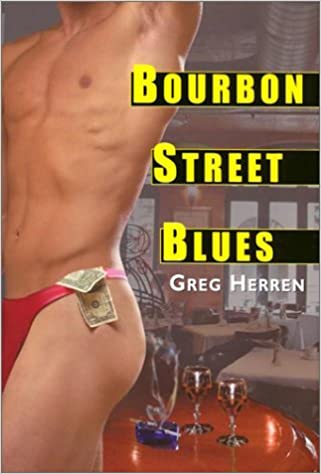
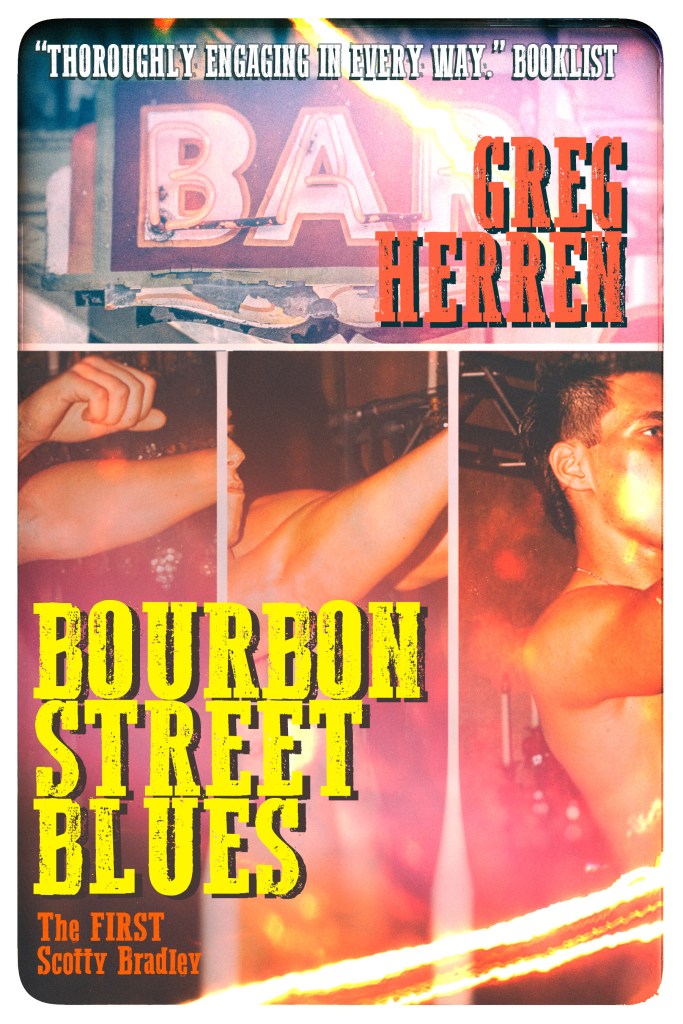
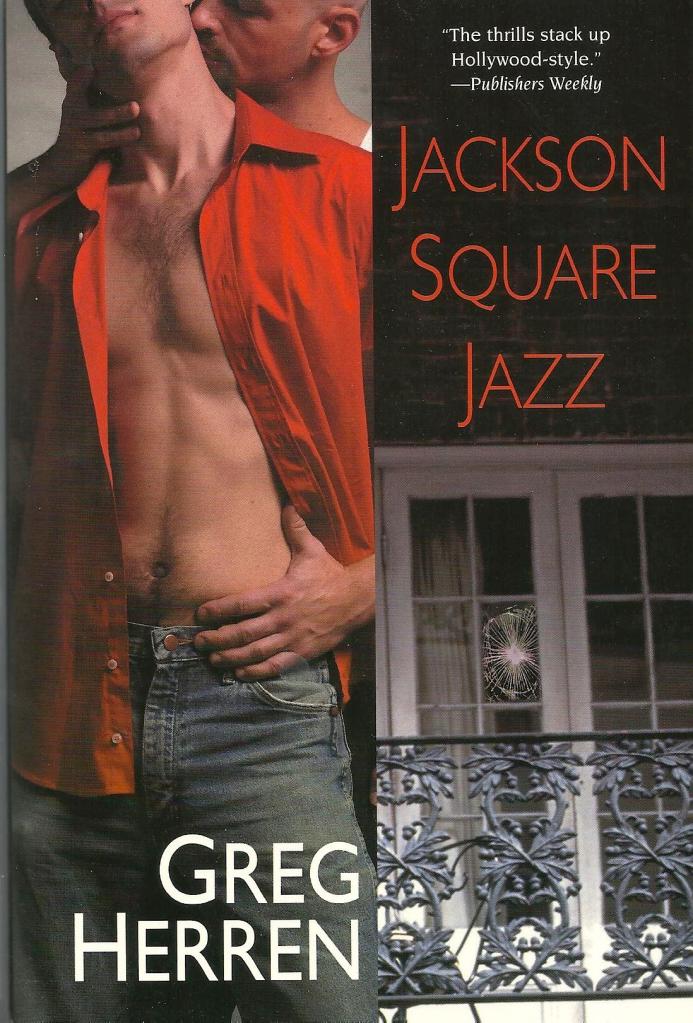
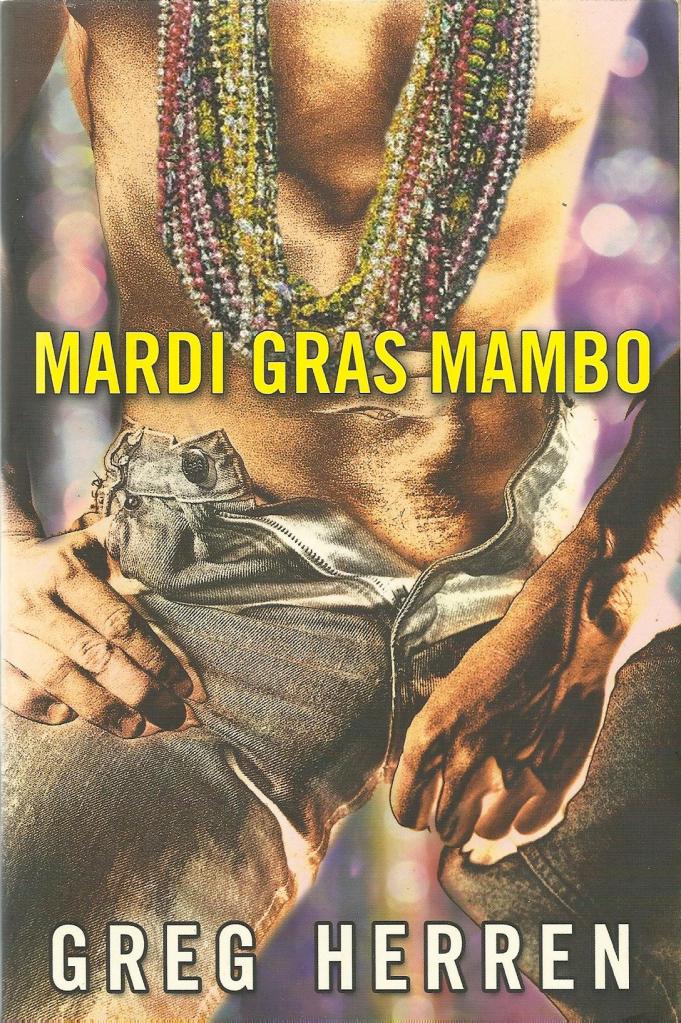
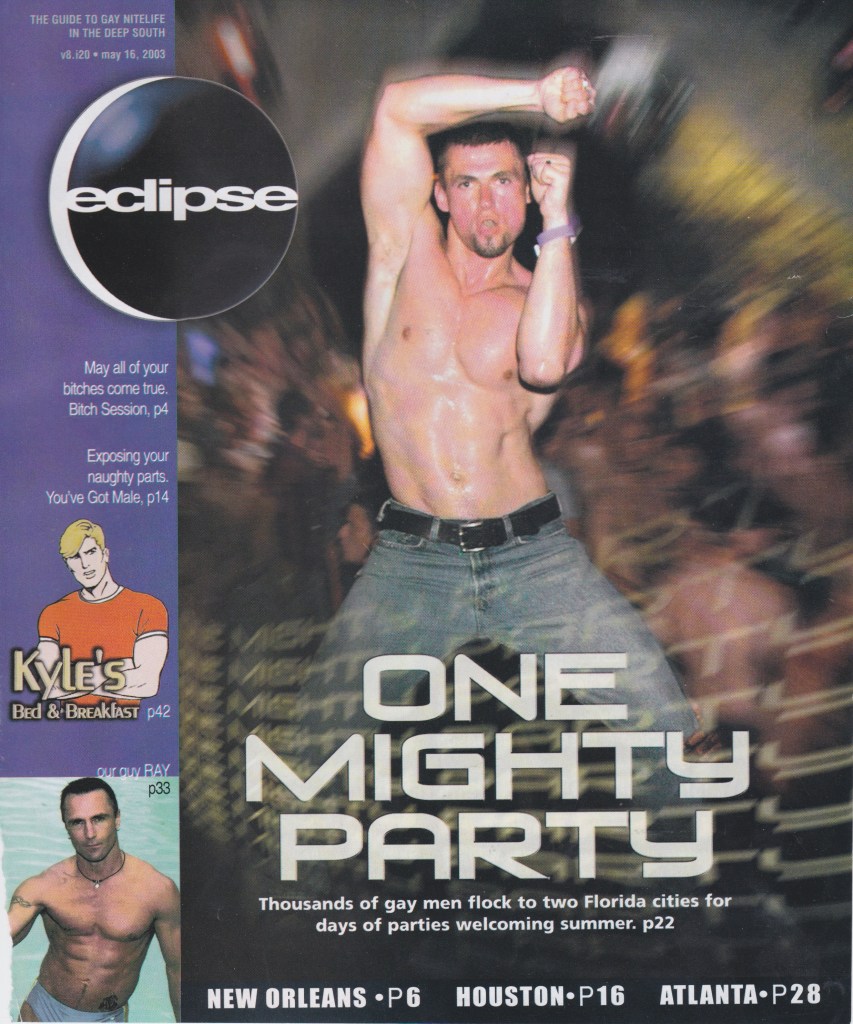
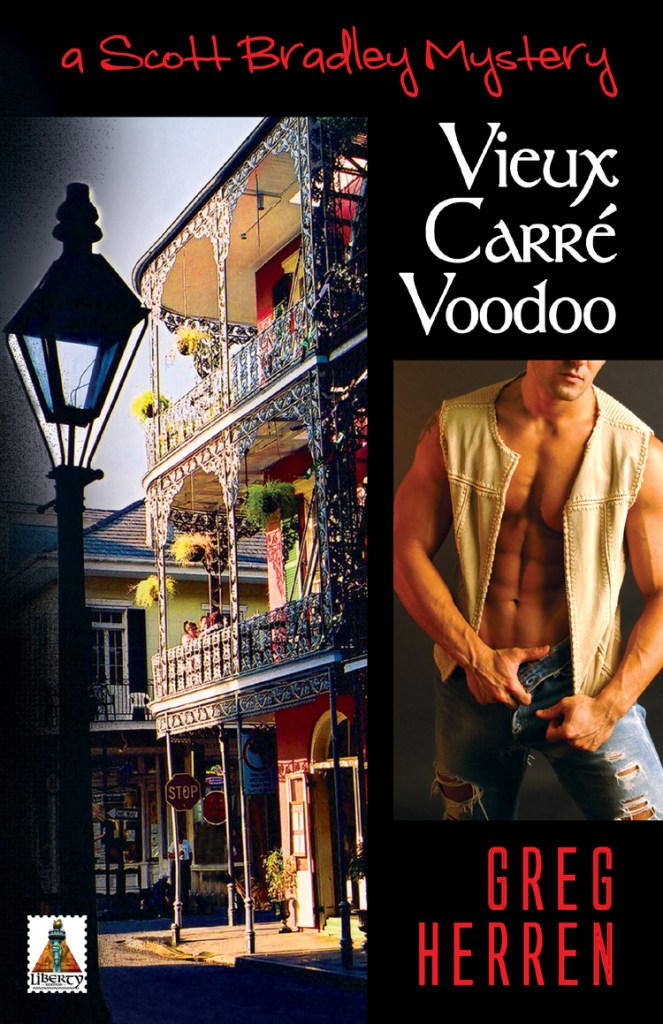
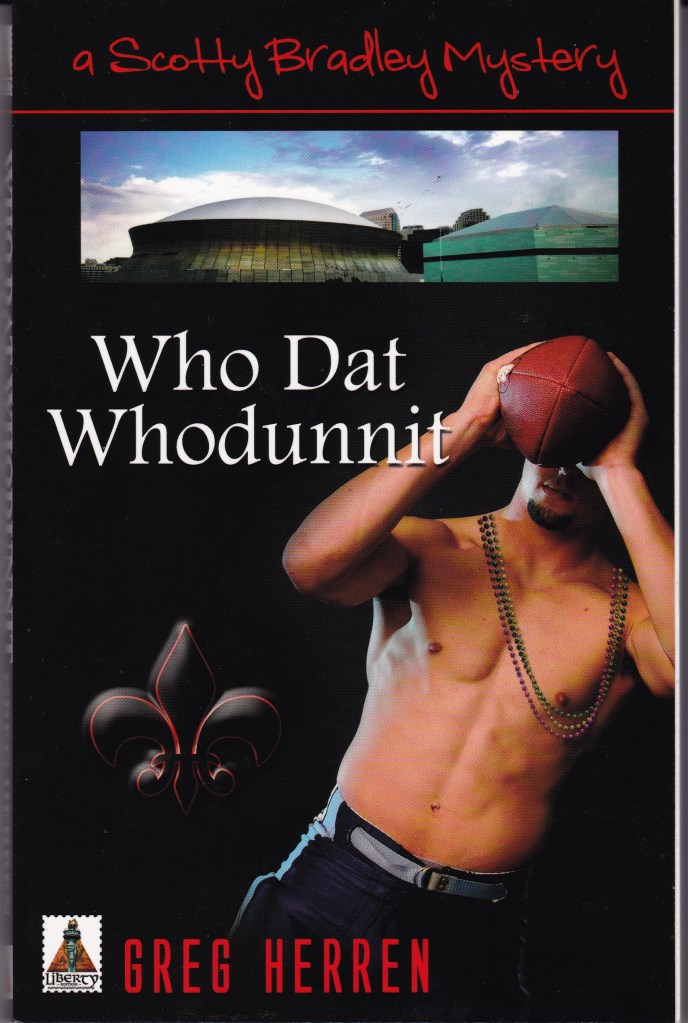
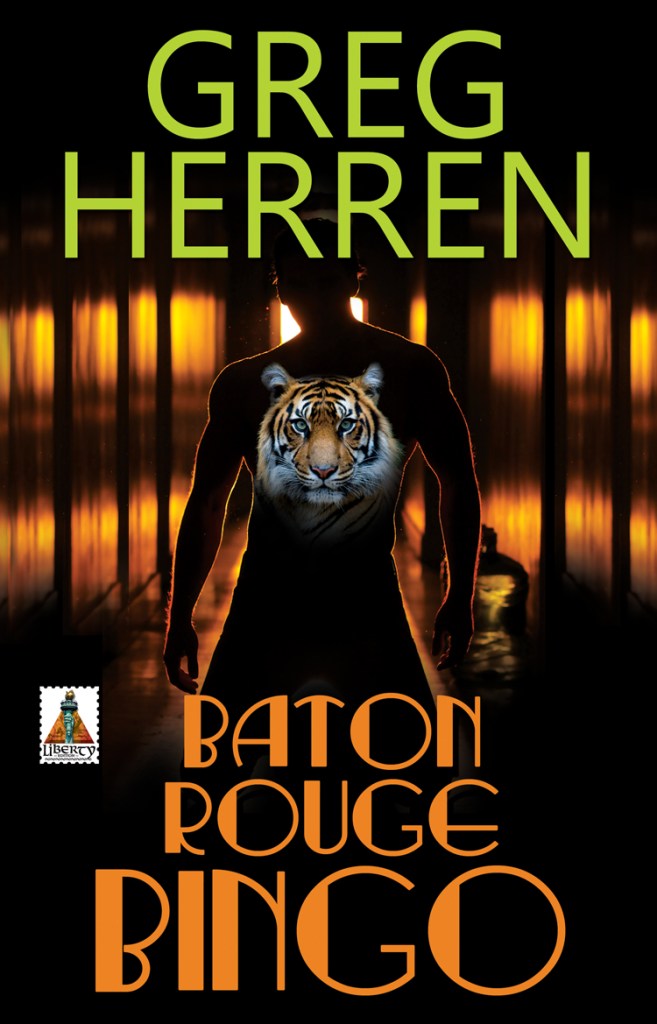
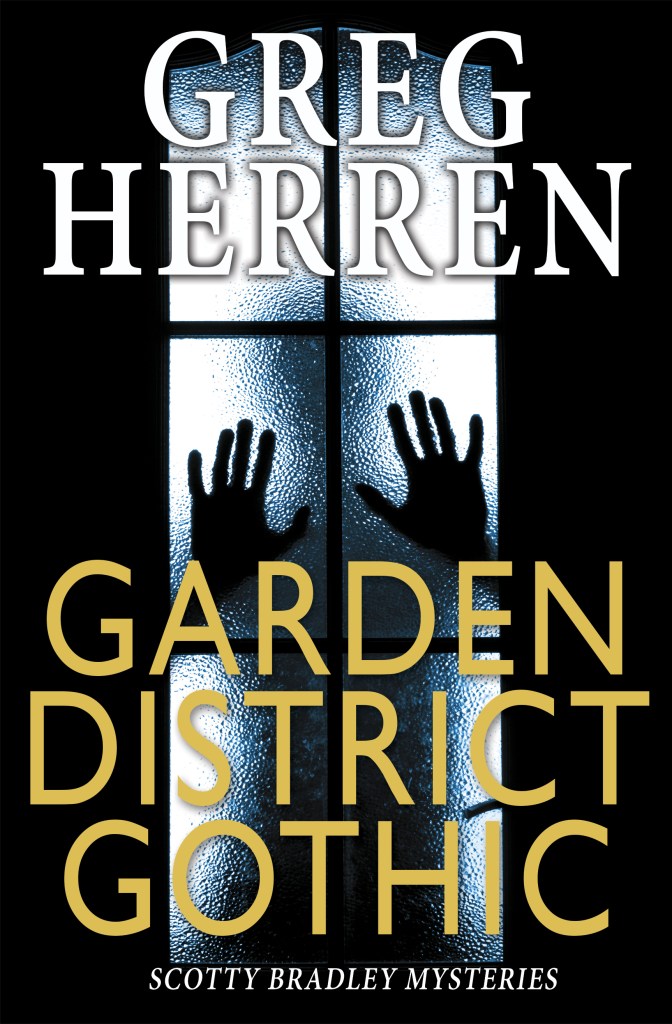
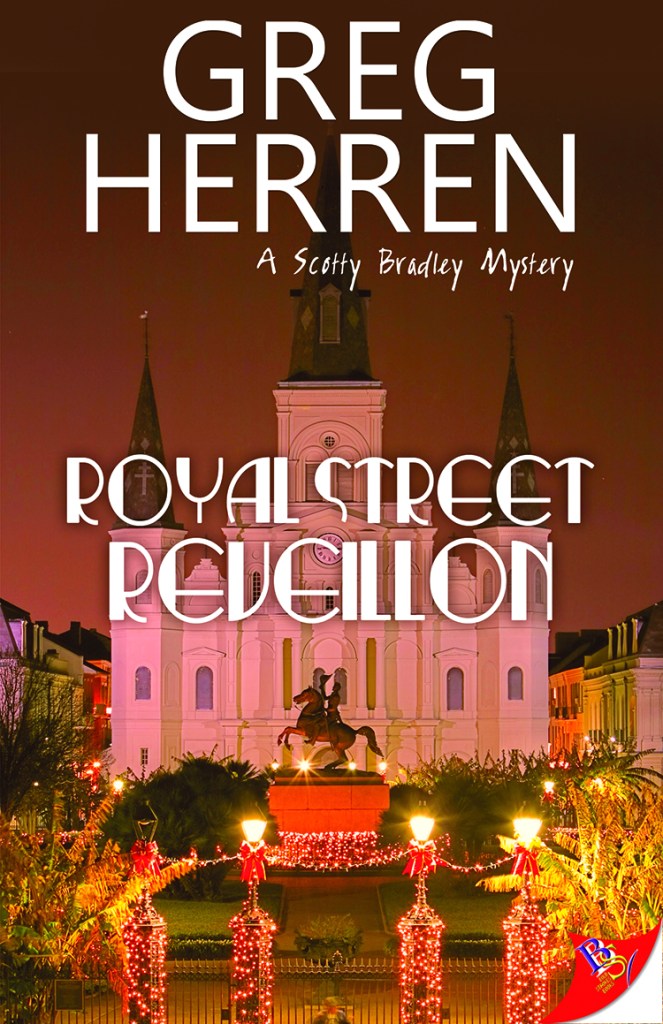
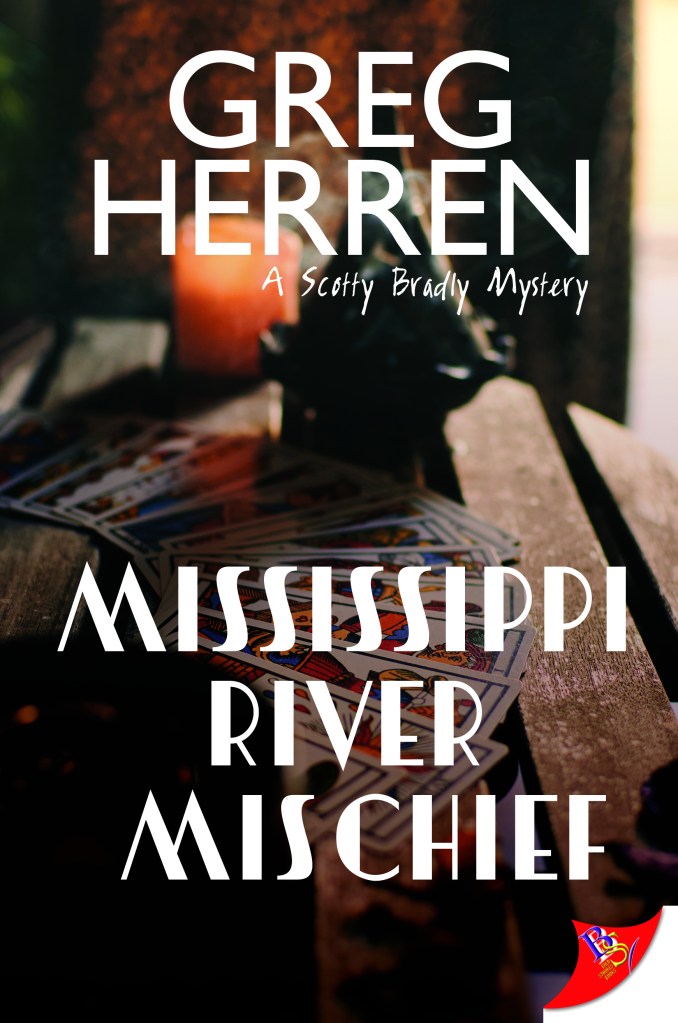

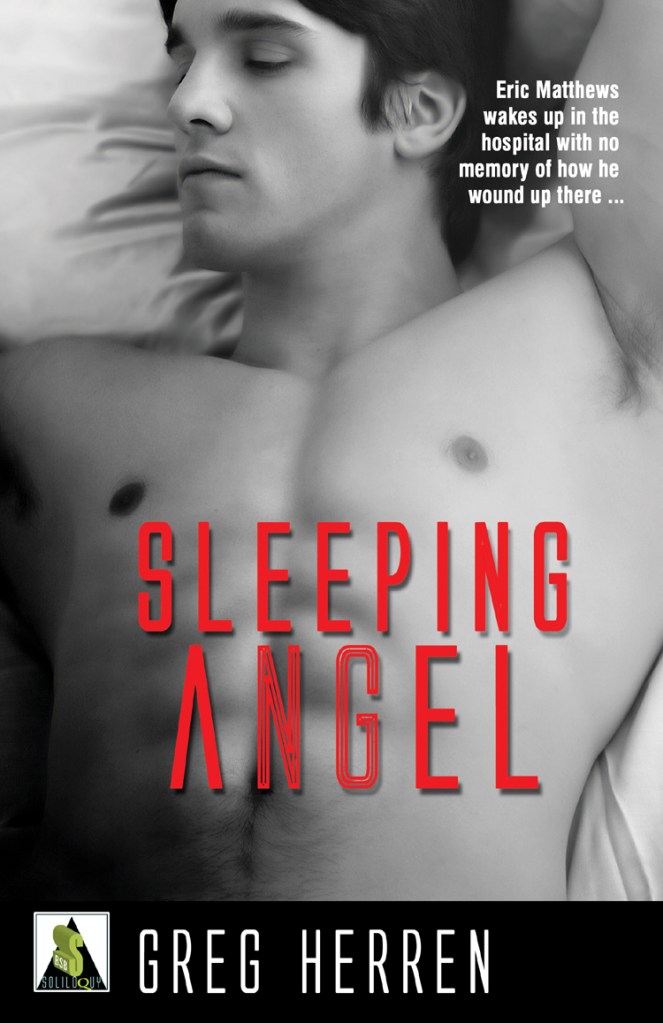





 Queer and Loathing in America