Every once in a while, I need to remind myself of how much I love my home town.
I was thinking about this the other day. I think part of the malaise I’ve been experiencing lately has everything to do with my creative muscles being tight and unexercised for so long–and almost every time I manage to write fiction, it’s so exhausting and draining that I can’t write more, either. Monday got derailed early, and that night we had another torrential, street-flooding thunderstorm…and the kitchen roof started leaking again. I mean, it only does this during that kind of rain; but we have many downpours like that over the course of a year. That kind of kicked the malaise back up into higher gear–I just am so tired of having to deal with things like this over and over when all I really want to do is just go about my day, moving from A to B and getting things done and being productive. It all becomes so much, you know? The rise of queer hate to levels not seen since the 2004 election (may you roast forever on a spit in hell, Karl Rove), and it’s very tiring. It’s also tiring to think that I may be living in the last days of the American experiment with democracy, too–and the fact that far too many of my fellow Americans are just fine with that is kind of upsetting.
Such good Germans.
But I do love New Orleans, even if I have to remind myself of that from time to time. I do; there’s just something about this city that is in my blood, my DNA, and my being; I cannot imagine being happy anywhere else. I could exist somewhere else, of course, but I really don’t want to really just exist anymore. My blog is getting feisty again because I am feeling feisty again and pissed off about a lot of things. I’ve also been immersing myself in gay and queer culture again lately–Capote and Isherwood, anyone?–and remembering how hard life used to be for people like me (see Fellow Travelers and It’s a Sin), it invigorates my senses and intellect against injustice and unfairness as it always does. Recounting stories of my past recently as well as all the introspection I’ve been doing since losing Mom last year (and really, I started thinking about it more during the pandemic, and a lot of it was because of It’s a Sin) has me remembering things, how they used to be, and what New Orleans is like now as opposed to how it was when I first moved here all those years ago, or all the times I came to visit when I worked for Continental. The city is different now than it was then–sleepily crumbling away in the hot sun and heavy wet air–and I’ve been a bit resistant to those changes. I don’t like that it’s insanely expensive to pay rent or buy a home here now–one of the strengths of the city was how many working class people owned homes here, and that seems to be going away as the city continues gentrifying itself.
Monday I also gave a co-worker a ride home from the office, and since it was a torrential rain, I drove her into the Quarter and let her out at her door on St. Ann Street close to the corner at Dauphine. I honestly can’t remember the last time I drove through the Quarter, and I really don’t go down there much anymore other than for the TWFest/S&S. I took Dauphine out of the Quarter, and a lot has changed since the 1990’s, or even the last time I drove through. I think during the festivals this year I am going to explore the Quarter a bit more than I have the last few years, and hopefully drink in some more atmosphere. I’ve kind of felt a little phony writing the Scotty books lately, since I am rarely if ever down there now since my office moved, and have been telling myself I need to explore and take pictures again.
I was thinking Tuesday night when I got home from work that I was becoming as bad as all those locals who look back nostalgically for the past and the way things used to be. I also know I am glossing over what the mid to late 1990’s were really like here, as well as for us. New Orleans has changed and has never remained the same throughout its history, but the foundation of the city remains the same. I want to write about that time in New Orleans (“Never Kiss a Stranger”), so that’s it preserved forever, those days when the sodomy laws hadn’t been overturned yet, and when the gay bars always got raided in the weeks leading up to Decadence so that we knew they were “letting” us have Decadence; the people we thought were insane in state politics in 1996 are now running things and trying their damnedest to turn Louisiana back to 1860 and shoving their religion down everyone’s throats. My primary issue with still writing about the city has nothing to do with how much I love the city, or how I feel about things around here, but mainly because I don’t know what it’s like to go out on the weekends to the bars in the Quarter, or what it’s like for gay men in their forties here now.
So yes, I am looking forward to writing the next Scotty–and revisiting the Chanse series, as I’ve been doing, has me actually considering doing another Chanse story. I have two ideas for him, actually, but am not sure either is going to amount to anything.
Friday work at home day blog, in which I have PT in a little while and all kinds of things on the agenda to get done. I was productive last night, chore wise, and while I still have some chores to do, I am further ahead than I usually am when I wake up on Friday morning. The weather turned cold yesterday afternoon, and I came straight home. Sparky was feeling needy when I got home, so I had to spend some time cuddling and playing with him (he managed to get the hanging mouse toy off it’s string…but this morning he is playing with the string, and the mouse is nowhere to be found). I watched some news–always a downer–and then the Staged Right Youtube channel’s history of Ethel Merman’s career; from which my primary takeaway was Helen Lawson in Valley of the Dolls was so clearly based on Ethel that I can’t believe she didn’t sue…and it made me want to reread the book again. There was a downpour that started right before i went to bed–and it was even colder when I slipped under the covers. Although a quick check tells me it’s 58 outside…sigh.
But I am awake. My arm feels a bit fatigued, but that’s okay, I just need to monitor myself more at PT and at the gym. I am definitely mentioning it this morning, though–even if it makes me feel like a whiner. This is my arm, that had a serious injury and a major surgery, so I need to get past that kind of self-defeating mentality and understand that they need to know if it’s been tired, hurting, fatigued, etc. If I don’t tell them what I am feeling accurately because I want to please them (a problem my entire life, which has created more issues than its resolved, frankly), this could be bad for my arm.
It’s funny, because the other day I was emailing a friend who’d said something kind to me, and one thing I said in response was Oh, good. I always worry that I am a pest or am too much. He replied that he toned himself down sometimes, too, for the same reason: being too much. After I got his response, I started thinking about it, worrying that phrase and that feeling that both of us, gay men in their sixties, have to tone ourselves down because people think we’re “too much”, and parsed it some more during Ethel Merman’s career history and some other Youtube videos last night. Too much. How many times have I been told I am “too much,” that I’m not “masculine” enough1, that I need to change who I was and how other people saw me (narrator voice: you cannot control other people’s perceptions of you. All you can do is hope for the best) and that has impacted how I feel about people and how I act and behave, and how much of myself I reveal and share with them. Sigh. Keep unpacking that shit, Gregalicious, and remember, you are who you are and never let anyone dim your bright queer light.
And remember–no one ever tells a straight man he’s “too much”–even when they sexually assault women, so…maybe fuck all the way off?
All right, I am now home from PT. The sun has come out, but it’s supposed to rain all day and most of the weekend. I’ve decided to wait until Sunday morning to go to the Apple Store in Metairie. I don’t really want to deal with evening traffic to get there and back–traffic back into the city is always a nightmare around that time–and they open later, so I can get up later and go later and not have to worry about traffic and so forth. PT was a bit harder this morning, but some things were easier. I am going to make a to-do list for the weekend, as well as a list of all chores I want/need to get done this weekend, and figure out some other things.
And on that note–several hours later, my bad–I am heading BACK into the spice mines. Have a great Friday!
I am writing another essay–which I hopefully will finish someday–about this very thing; the strait-jacket of toxic masculinity I was raised with and conditioned by education, school, and culture to think and believe was the only “normal” way to be a man. It’s called “Are You Man Enough.” ↩︎
Thursday and my last day in the office for the week. Huzzah. I was tired after work yesterday–I made groceries and went to get the mail–but I did get some things donw last night around the house before collapsing into my easy chair. I watched another one of those “Staged Right” documentaries (this time about Evita), and then Paul came down and we watched another episode of True Detective: Night Country, which really took a turn last night! We’re enjoying the show tremendously, despite all the noise on-line about people hating it…and by people, I mean men. I don’t think I’ve seen a single post trashing the show that wasn’t by a (straight) man? Which sets off my “bullshit misogyny” alarm, frankly.
The weather had turned yesterday by the time I got off work; it had gotten a bit colder and the wind had dramatically picked up. It was also kind of gray, which reminded me of how it is before a flooding rain….borderline tornado weather. It feels cold in the apartment this morning, and the high for today is at about sixty. It may rain today, and there’s a 95% chance of it tomorrow. I have early PT tomorrow morning, and at some point I need to drive to Metairie to return something to the Apple store (I’d ordered a keyboard at long last for my iPad, but it’s the wrong size). Loathe as I am to do that–go out there–it was far too expensive for me to just slide and do nothing about. Heavy heaving sigh. But really, it’s not that big of a hassle, and in going out there, I can actually treat myself to Sonic or Atomic Burger as a treat for having to go to Metairie and deal with Lakeside Mall. Shudder.1
I feel good and rested this morning, which is very unusual for a Thursday. Last Thursday was like this, too–I ended the day feeling energized, and got a lot done when I got home. I hope that will be the case tonight. I have loads of laundry in both washer and dryer that need to be dealt with tonight; I need to empty and reload the dishwasher; the floors are looking horrific; and of course I need to assemble the shower caddy. I also need to redo my to-do list, and perhaps make one just for the weekend. I am going to have to go make groceries at some point this weekend, too. I need to go by Lowe’s at some point, too. We need more filters and I am going to splurge on a new barbecue grill, as the last one is well past its last legs, frankly. I also need to reorganize both the freezer and the refrigerator, as well as get rid of some more boxes of stuff that is no longer needed to be kept.
I love feeling reinvigorated in the mornings, frankly. I don’t know how long this will last, of course, and it’s possible I’ll get tired by the end of my shift, but that’s also okay. I don’t beat myself up over being tired anymore, and maybe the loss of anxiety is making me lean into my own stasis more than I ever have before, but I don’t think my creativity is gone–I’m having too many ideas and thoughts and making too many notes–but I need to refocus it on writing actual words down, rather than just thinking about them. I also need to start reading again. I hate how far behind I’ve fallen on my reading.
I did start listening to podcasts yesterday in the car, which was really cool. I found one called Bad Gays, which is hosted by the author of the book Bad Gays and someone who works at the Gay Museum in Berlin (which, if we ever go to Germany, is something I’d like to see); and I listed to the episode on James I of England (VI of Scotland) and his male favorites. I didn’t see an episode on two historical figures I am fascinated by, Henri III of France, and Louis XIV’s brother, Philippe d’Orleans; Philippe’s lover the Chevalier de Lorraine was the definitive bad gay of Versailles. I should fictionalize the Affair of the Poisons…which would give me an excuse to visit France for research. Plus it’ll give me the excuse to study up on the period more, too. I love seventeenth century France.
I think I am going to watch Christopher and His Kind this weekend, and I may even rewatch Cabaret for good measure. I also found some other gay movies on-line to watch that I’ve never seen, like Another Country and Maurice. I also want to rewatch Saltburn so I can finish my entry on it.
And on that note, I am heading into the spice mines. May your Thursday be wonderful, cheery and bright, and I may be back later–one never knows.
Hilariously, now that my anxiety is under control I’ve realized my hatred of driving and having to go places was always anxiety-based. Always.↩︎
Yesterday was a low-energy day. I felt fine, but not motivated, and that was partly due to feeling more tired than I have in a while. My mind wasn’t foggy and my muscles weren’t fatigued, but at the same time I just felt off-balance and getting things done just wasn’t going to happen. I did my work duties, of course–I always manage to get my work duties done, and I am still ahead of the curve on all of that–but I was more spacy than anything else mentally, having trouble remembering things and so forth, etc. I also managed to run errands on my way home from work, and then went to the gym for PT. It seemed a bit easier this time than it did on Friday, in all honesty. Once I was finished with that, I came home and showered and had a mostly quiet, slow evening. I fell asleep a few times in my chair and finally went to bed early, slept really well, and now feel pretty good this morning. My legs feel a bit fatigued from the walking, but other than that, I feel like today is going to be a good day.
I am completely awake now. This is something I’ve noticed since the change in medications–it doesn’t take long for me to shake off sleep and grogginess and wake up completely. That is something I much prefer to how I used to get up in the morning, to the point where I really don’t dread getting up in the morning so much. It’s also entirely possible that my body has finally completely adjusted to getting up this early every morning. How many years did it take, LOL? But whatever the reason, I am not displeased with this development.
It was a beautiful day yesterday when I set out for the gym to do PT. It wasn’t nearly as difficult walking over there in the late afternoon; I wasn’t feeling tired so I made good time walking. There was also no one there–I’d finally managed to time it so it wasn’t crowded. Several guys came in just as I was finishing up, and escaped. I’ve never felt really comfortable or relaxed at this gym since we joined it all those years ago. I knew everyone who worked at our old gym, I knew a lot of people who worked out there, and it was just a short two block walk up St. Charles. We also belonged to that gym for almost eighteen years or so, and so getting used to a new one was always going to take me a while. I never got used to it before because I never managed to get into a rhythm of going regularly, either. That’s one of the things straight white people get to take for granted, you know? They never have to worry about dealing with any kind of hateful, bigoted reaction to their existence, which can happen at any time, really.
You never get to completely relax when you’re in public.
Which is really a continuation of a theme I started in my “why I am not going to Bouchercon this year” post from yesterday. It’s very hard to ever trust straight people, really; I’ve been burned so many times in the past that you become paranoid and it then spreads from straight people to all people. You never can be sure if the group of people you’re hanging out with in a bar, laughing and having a good time, won’t start talking about you using slurs when you walk away. There are people who realize the optics of homophobia aren’t good, so they are very careful not to give you anything to make hay with in your presence. But that doesn’t mean they aren’t homophobic, it actually means they are worse–they know it’s wrong and socially unacceptable but do it anyway. I will never forget the self-styled Very Important Author who felt it was okay to smugly use “faggy” in casual conversation, while looking at me with a smirk on his face I so badly wanted to punch off it. (He has since outed himself to many others as a garbage human being since then; I just smugly smile when I hear tales about his most recent egregious crime.) It’s hard to explain what that is like, you know, so that people will understand? (And I think it’s also important, while making this point, to defend the other people around when he said it, because he got called out almost immediately. That was a good feeling.)
One last time for the arrogant straight men in the back: there aren’t many gay men who’d be interested, so stop flattering yourself that we are all such deranged cockmonsters that we froth at the mouth over straight guys. We don’t. And I would add further that we would never, unless they collectively start figuring out what anal hygiene is. Hilariously, they always forget that some of us are tops, you know–so if I were to ever sexualize a straight man, I wouldn’t be thinking about him fucking me or me sucking his dick; I’d think about fucking him.
Not something that plays into their disturbing male-on-male sexual fantasies, is it?
And yes, I have been rethinking a lot of things about my past and my life since Mom died. New information always is cause for a good rethink, and again it’s interesting (if sad) to realize how oblivious I inevitably was throughout the majority of my life. Heavy heaving sigh.
And on that glum note, it’s off to the spice mines with me. Hope you have a lovely Tuesday, Constant Reader, and I’ll check in with you again probably later.
I have, after a long internal debate with myself that’s been going on since before my surgery, finally decided not to attend Bouchercon in Nashville. There were still a few things on the plus side for me to go–the proximity to Dad and the ability to visit him on the same trip; seeing friends that I usually only see at Bouchercon–but over the past two weeks the negative side of going has really been brought home to me.
I also realized this weekend that I can just go see Dad anyway, and the truth is that this Bouchercon is already spoiled for me. I just can’t get excited about booking the trip, scheduling how to pay for it, and everything else involved with planning the trip; this year just thinking about it felt like an odious chore that I kept putting off. I keep getting surprise medical bills, too, which also played a part in my decision. I kept pushing back making the decision and figuring out the costs because I didn’t know what else I was going to have to budget for in the meantime.
I want to be clear that not one single negative was enough to break the camel’s back with me, but the accumulation of so many negatives and missteps by this event ultimately was just too much for me. Tennessee’s ban on women’s freedoms and its archaic, hateful anti-trans legislation had already made me wondering about my own safety there1; the recent murder of Nex Benedict2 in a ruby-red state with these exact same kind of laws on the books, along with the very same accompanying dehumanizing rhetoric, was the last straw for me. I just can’t.
It might also be different if the local host committee didn’t make an incredibly egregious error in scheduling a Lifetime Achievement3 winner whose conduct and behavior doesn’t hold up under a closer scrutiny, and his insistence that a deeply problematic person interview him–bound to cause an uproar from the very start–may have been an oversight or something the host committee didn’t think would be a big deal…
NARRATOR VOICE: It was, in fact, a big deal.
I am not going to go into further detail here, nor am I going to mention names–they’re well known enough, and the kerfuffle was kerfuffly enough, for most people to know who I am talking about in the first place.
It also didn’t help matters much that they published the list of categories for this year’s Anthony Awards and ditched the cozy-friendly Best Humorous category, which essentially guarantees most authors who write funny aren’t going to have a chance to be nominated this year. After San Diego created the category last year (and yes, I was a finalist), I had hoped that future local committees would commit to keeping it, making the awards more inclusive and admitting that humor isn’t taken as seriously as darker, heavier books. 4
Just another disappointment to pile onto the others over the years.
NARRATOR VOICE: Humor is seen as lesser because it’s more “frivolous.” But if humor is somehow easier to write, why do so many writers avoid it? If you think writing funny is easy, try doing it some time.
There is a valid point to be made that the only way to effect change you want to see is to get involved and help make that change. It’s why I joined the national board before realizing it would never go anywhere and there wasn’t anyone really vested in change–there are board members now I know are fighting the good fight, but there are also some still mired in the 1980s who think “all change is bad!” No, fixing problems as well as anticipating others is not a bad thing. It never is, and those who are resistant to it should remember that stubborn adherence to antiquated rules, policies and ways of doing things results in stagnation, and the cracks such stagnation creates will soon be too apparent to miss when they start appearing.
NARRATOR VOICE: Change can be scary, but it’s a necessary part of life. This is also true for businesses, non-profits, and events. Not changing and adapting means no room for further growth. I am not the same writer I was twenty years ago, for example. I’ve never wanted my art to stagnate.
There’s also an email circulating containing screen-caps of questionable tweets by other people in the crime fiction community–misogynistic, borderline racist and definitely homophobic–and all the guys posting are people I know and consider friends. It was disheartening, as it always is to see proof of what straight guys will say when they don’t think any gays or women are around. It’s why I can never entirely trust straight people, to be honest. I know that white people will be racist if they think everyone around them is white–and those present who aren’t racist never call them out, just kind of smile uncomfortably. The difference between outright homophobes and those who are just there by defaulting to it is that I appreciate the honesty of the actual outright homophobes more than those who smile in your face and then make horrific gay jokes when I’m not around. This was also a bit disheartening, but while it’s disappointing its a needed reminder of why queer people generally can’t trust the straight ones.
NARRATOR VOICE: Only making homophobic jokes when no queer people are around doesn’t make you an ally–so don’t be surprised when queer people have issues trusting you.
I’ve been around publishing for a lot longer than I like to remember, if I’m being completely honest. I’ve seen a lot, experienced a lot, and all of this sort of bullshit makes me tired. RWA seems to think it’s a great idea to promote using AI to its members. There was another issue with the Hugo Awards that recently, horribly, blew up (John Scalzi did a great write up about the recent Hugo controversy here.). And of course, there’s these latest disappointments from Bouchercon, too.
So, it’s easier for me to bow out entirely and not participate this year. And finally making up my mind one way or the other was such an enormous relief…no regret at all, just relief.
And that’s saying something about how tarnished the brand’s Nashville franchise has become. (A local in Nashville went on a thread about this year’s controversy stating that if queer people don’t feel safe or welcome they should start their own event–which told me exactly what we’d be dealing with should we go. Bouchercon deleted the homophobic trash’s posts, but they were screen-capped, of course.)
I’m not calling for a boycott–that’s not for me to decide, and besides, there are some very valid points about going and establishing a presence at the event. But I am not going, and this is why I decided not to spend my money there.
“But you live in Louisiana and its laws aren’t much better” isn’t the “gotcha” you might think it is, so don’t bother. I am sixty two years old and can’t just uproot myself and Paul to move to a blue state at this point in our lives, without jobs or significant resources to fall back on. I am not encouraging anyone to move here, nor do I tell people to come here, either. Bouchercon is here next year, so I will go for sure, but that doesn’t mean I am okay spending money or time in a state where me or my friends might not feel safe, nor would I presume to tell them it’s okay to come here. ↩︎
You can claim the ME report said their death had nothing to do with their injuries from the beating they received, but I don’t trust anyone in law enforcement or anyone employed by that hate state. Until there’s an independent autopsy, I will not accept the ME’s report, period. ↩︎
He is anti-cancel culture–only dresses it all up in prettier language and what appears to be more nuanced thought. But I’ve never seen any “free speech advocate” who doesn’t also think that racists, misogynists, and homophobes shouldn’t get any pushback or consequence for using hate speech–so that tells me all I needed to know about this person. ↩︎
And don’t @me about how hard it is to run such an event. I know exactly how hard it is to run and plan such an event. It is what my partner does for a living, I’ve been on Bouchercon’s local committee before, I served on the national board, and I helped write the program for Dallas. I also chaired World Horror Con in New Orleans. ↩︎
Let me tell you about the very rich. They are different from you and me.
So F. Scott Fitzgerald wrote in his short story “The Rich Boys,” and he was, of course, very right in that observation, and that hasn’t changed in the hundred years since he typed the sentence.
It’s been very clear, since I started watching Capote v. the Swans, that my ignoring aspects of Truman Capote’s personal life because of my own internal distaste to his effeminacy (due to both internalized homophobia and self-loathing) was probably a mistake, and what I really needed to do was take a long hard look at myself as well as examine his life in more detail–I will read the Gerald Clarke biography at some point over the summer–and as such, while I was slightly aware of what happened between him and his swans, I didn’t know of the Ann Woodward involvement. When I bought the below book, I actually thought it was fiction, not true crime. Once I started watching the show, I decided to find the book and read it.
And I enjoyed it.
If Ann Woodward had resolved to live a quiet life in Europe, where she could mourn her late husband, Billy Woodward, far from the madding crowd of the American press, the town of Saint Moritz, high in the Swiss Alps, was certainly an unusual place to retreat to. Renowned for its winter sports, popular as a spa hamlet, and exclusive as a community where entertainers, celebrities, and assorted socialites gathered, Saint Moritzwas a lesser European sun around which various society moons revolved. While summer tourism was popular, it was in winter that this small city shined. Luminaries descended in head-to-toe furs inthe daytime and flashy jewels at night, their diamonds and bangles competing with the glittering snow. In the fall of 1956, Ann Woodward was once again the center of attention as she sat down for dinner at one of Europe’s most elite restaurants.
Back in the United States, those familiar with Ann Woodward–and lately there were few who had not heard of her, whether over lunch at the Colony on New York’s Upper East Side, or on the front pages of tabloids–believed that she had been banished to Europe by her formidable mother-in-law, Elsie Woodward, and was now likely leading a lonely life, without family or friends, much less a lover, with plenty of time to reflect on the transgressions that had forced her into exile.
But as Truman Capote watched her from a table across the restaurant, he saw that she was not the solitary widow they expected. Capote was not only surprised to see her in this particular location, but astonished to see her in the company of a man, which was cause for raised eyebrows, considering she had entered her widowhood by her own hand not so very long ago. But Ann Woodward did not seem rattled by the patrons staring with obvious disdain as she exchanged languid looks with her companion.
(The man with her was none other than Claus von Bülow, who would have his own notoriety splashed across newspaper headlines for decades, and about whose alleged attempts to murder his wealthy heiress wife, was the basis for the film Reversal of Fortune.)
I knew about the Woodward case before, but as I have mentioned numerous times, I didn’t know about Truman Capote’s role in her life and eventual suicide. I remember when Dominick Dunne published his first novel, The Two Mrs. Grenvilles, which was a huge bestseller and was made into a television film with Ann-Margret and Claudette Colbert. It was mentioned that the book was based on a real case, which I assumed was the murder of Zack Smith Reynolds, and the suspicion that his actress/wife Libby Holman might have done it and the tobacco rich Reynolds family covered it all up. (This was the basis for the Robert Wilder novel Written on the Wind, which was filmed–and altered–with Rock Hudson, Lauren Bacall, Robert Stack and Oscar-winner Dorothy Malone.) A few years later I heard about the Woodward case, and realized that it was the basis for Dunne’s book (all of his novels were based on actual murders; Dunne himself kind of took Capote’s métier after Capote’s death, writing about gossip and murder in the world of the rich and powerful; I could do another entry on Dunne’s work, and probably will. I downloaded the ebook of The Two Mrs. Grenvilles, as well as anthologies collecting his true crime reporting for Vanity Fair.) but still had no idea of the connection between Capote and Woodward.
I greatly enjoyed Montillo’s book. She covers the story of the Woodwards, and then moves onto the feud between Capote and Woodward; opening the book with the confrontation that made Capote viciously turn on her and nickname her “Mrs. Bang Bang,” and always talking about how she got away with murder. It’s well written and moves fast; it’s a marvelous and very quick read. If you’re interested in either true crime, Mrs. Woodward, or Capote, I do recommend it. I enjoyed it very much, and Montillo is kind to both of her main characters.
(While in one of the many Capote wormholes I’ve gone down, I’ve started getting an inkling of why Capote turned on his wealthy swans, writing about them so cruelly and viciously in that short story but the time is not right for this discussion–but I totally understand why he did, in terms of this explanation; whether it was true or not remains to be seen.)
It’s always weird for me to talk about my writing and my books and so forth on here; I always worry that I am either contradicting and/or repeating myself. When you’re as self-obsessed as I am, that can be a problem; talking about myself is probably my favorite thing to do–on here, at least. And I feel like I’ve told the story of where Chanse came from and how the series developed from the very beginning many, many times.
It was when I was living in Houston that I rediscovered crime fiction, and the old love was even deeper once it was rediscovered. This was the period when I read most of the Perry Mason novels, discovered Paretsky and Grafton and Muller, and decided to give Travis McGee and John D. MacDonald another try. (I had read The Dreadful Lemon Sky when I was a teenager, but I hadn’t liked it; I was more into the classic detective mystery, with lots of suspects and a denouement with everyone gathered in a drawing room as the identity of the killer was unveiled–the McGee series was definitely not that. But MacDonald had written a superb introduction to Stephen King’s first short story collection, Night Shift, and I had always wanted to give him another chance–pun fully intended.) I devoured the McGee series this time around; and I really admired the character and how fully rounded and developed he was (I should give the series a reread; I’d be curious to see how they hold up now)…and armed with all these new private eye novels and Perry Mason puzzles, so I started coming up with my own version. Even the name was a shout out to McGee. My character was also tall with sandy/dirty blond hair, a former college football player, and he lived in Houston, with an office downtown and a secretary named Clara. The title of the first book was going to be The Body in the Bayou, and I started basing the case on the tragic Joan Robinson Hill case, immortalized in Tommy Thompson’s Blood and Money (the premise of the story was that the character representing Joan’s father hires Chanse after Joan’s death to find dirt on John–and then John is murdered; fictionalized, of course.) I wrote about six or seven really bad chapters long hand before giving up. I didn’t know how to write a novel then nor did I understand the concept of rewrites and revisions and drafts. (My ignorance was truly astounding.) The hurdle I couldn’t clear was typing. I was a terrible typist. I’d had a job in California working for an insurance brokerage that was computerized, and had a word processing program that I used to write short stories on; it made such an incredible difference that I knew I would have a much better shot at actually making my dreams come true if I only had a word processor…
In 1991, after I moved to Tampa, I managed to get a word processor, and that was what I wrote my first two and a half young adult novels on–the original drafts of Sara, Sorceress, and Sleeping Angel–and used it happily for several years until it finally died on me. But by then, I was living with Paul and had swung back around to wanting to write adult crime fiction again, and I wanted to write the Chanse character that I’d already created…so I picked back up on The Body in the Bayou, moved it from Houston to New Orleans, got rid of the office and the secretary, and made Chanse gay. I kept the title, but threw away the story; I wanted it to be a gay story, too. I don’t really remember the plot, but it had to do with the murder of a beautiful boy-toy for a wealthy closeted gay man in New Orleans…and Chanse knew the boy-toy from his days working as an escort before he landed the rich man, I wrote about six or seven chapters of this before we moved to New Orleans….and I realized I’d have to throw it all out again because it was all wrong; I’d made the classic mistake so many writers make when writing about New Orleans: writing about it having never lived here, I only had tourist experiences–which are vastly and dramatically different from the actually “living here” experiences. So, once again, I threw it all out and started over, this time calling it Tricks instead of The Body in the Bayou.
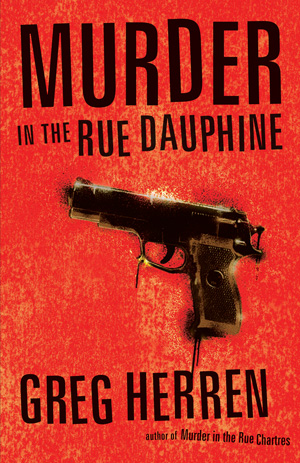
The title morphed again to the less saleable Faggots Die after the first draft; and I remember talking to Felice Picano–he was coming into town for the Tennessee Williams Festival, and I picked him up at the airport. As we drove back into the city from Kenner, we talked about my book and the series, and he nixed the new title as well as the old one. “No one, ” he wisely said, “will pick up a book called Faggots Die, and Tricks sounds like a pornographic memoir of your sex life.” Felice was actually the one who suggested I mimic titles for the series from a classic writer…and we were throwing titles around in the car when I said, “You know, the streets in the Quarter are technically rues–Rue Bourbon, Rue Royale, Rue Dumaine–and the murder happens on Dauphine. Maybe Murder in the Rue Dauphine?”
“That’s perfect,” Felice said, and then we played with Poe titles the rest of the way into the city–incidentally, one of them was The Purloined Rentboy, which became my short story “The Affair of the Purloined Rentboy”, so never throw anything away.
And thus was Murder in the Rue Dauphine titled; and the plan for the series titles was also devised–the branding was changed by the publisher, but I can honestly say my first book was titled by Felice Picano.
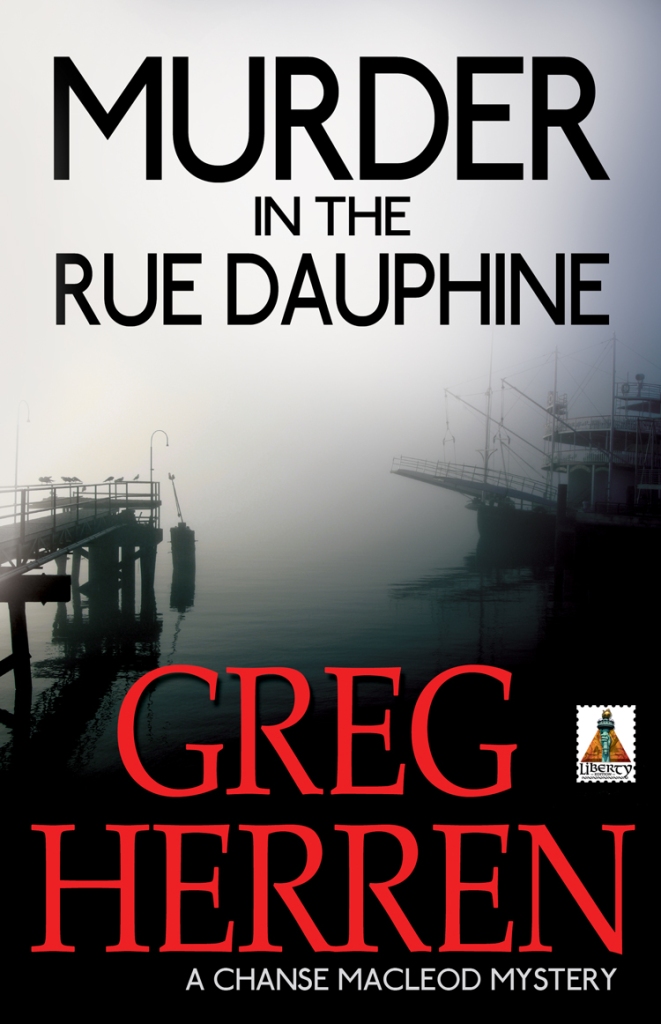
Murder in the Rue Dauhoine has had three covers in its 21 years of existence. This center one is the current.
Never come to New Orleans in the summer. It’s hot. It’s humid. It’s sticky. It’s damp. It’s hot. Air conditioners blow on high. Ceiling fans rotate. Nothing helps. The air is thick as syrup. Sweat becomes a given. No antiperspirant works. Aerosols, sticks, powders, and creams all fail. The thick air just hangs there, brooding. The sun shows no mercy. The vegetation grows out of control. Everything’s wet. The buildings perspire. Even a simple task becomes a chore. Taking the garbage out becomes an ordeal. The heat makes the garbage rot faster. The city starts to smell sour. The locals try to mask the smell of sweat with more perfume. Hair spray sales go up. Women turn their hair into lacquered helmets that start to sag after an hour or so.
Even the flies get lazy.
My sinuses were giving me fits as I left the airport and headed into the city. It was only 7 o’clock in the morning but already hotter than hell. The air was thick. I reached for the box of tissue under my seat and blew my nose. The pressure in my ears popped. Blessed relief.
As I drove alongside the runways I could see a Transco Airlines 737 taxiing into takeoff position. I saluted as I drove past, thinking it might be the flight that my current lover was working. Paul looked good in the uniform. It takes a great body to look sexy in polyester. He does.
He’d be gone for four days on this trip. I was at loose ends. I’d wrapped up a security job for Crown Enterprises the previous Wednesday. The big check that I’d banked guaranteed I wouldn’t have to worry about money for a while. I like when money’s not a concern.
And so began a series that lasted for seven titles and about twelve years or so; I don’t remember what year the last book in the series was published. I never expected anyone would publish it; it was intended to be a “practice novel” so I would get used to rejections and learn. It was also the first manuscript I ever wrote that went through multiple drafts before I thought it was finished enough to send out on query. It was supposed to be an exercise in learning humility and getting experience with the business while I wrote the book I did expect to get an agent with and sell–which was what I’d always called “the Kansas book” for over a decade at this point. (It eventually morphed into #shedeservedit.) But you never really learn what you’re supposed to when you’re stubborn, thin-skinned, and used to being demeaned and talked over and not taken seriously, for any number of reasons. I sent the manuscript to three agents: two sent me lovely but form rejections, which was disappointed but not surprising. I took this well, put the manuscripts away to send to three more once the final rejection came.
It came on a Friday, if I recall correctly. I went to pick-up the mail and my manuscript was there. Not a surprise, of course, but still a little disappointing. I went out to my car and opened the package…and paper-clipped to the title page of the rubber-band bound manuscript was a torn piece of used paper, with a note in ink reading I find this manuscriptand characters neither interesting or compelling with the agent’s initials at the bottom.
It was like being slapped in the face.
By the time I got home I was in a raging fury. I was literally shaking with rage when I came inside. How fucking unprofessional, I thought as I sat down at my computer to check my emails, trying to decide how I would enact my vengeance on this rude piece of shit.1 There was an email there from the editor I was working with on an anthology which had taken my first-ever fiction short story and thus would be my first publication. I had never read the signature line–mainly because I was so excited for my first fiction sale (NARRATOR VOICE: it was porn). This day, he concluded his email with Please send us more work. We definitely want to see more from you and as my ego preened, slightly soothed from the insulting agent note from earlier in the day2, I also looked down at the signature line and realized I was communicating with the senior editor at Alyson Books! I immediately wrote him back a very short note: I’ve written a novel with a gay private eye set in New Orleans, would you be interested in that? and before I could talk myself out of it, hit send.
He wrote back immediately and said please send it to me ASAP!
I put the same manuscript back in a new envelope, and drove back to the postal service to get it in the mail before I changed my mind, and breathed a sigh of relief once I got back to the car–and immediately forgot all about it.
Six weeks later I came home to a phone message from the editor. I called him back, he made me an offer, and my career leapt forward much faster than I expected…and it started a roll of good luck and “being in the right place at the right time” that has kept me publishing almost non-stop since Murder in the Rue Dauphine was released in 2002.
It sold really well, got mostly favorable reviews, and scored me my first Lambda Literary Award nomination.
Not bad for a manuscript and characters who were neither interesting or compelling, right?3
It also took me a long time to realize–or rationalize–that the note wasn’t meant for me. (I was most offended that I wasn’t even worthy of an actual form rejection letter; that was the truly insulting part for me.) I realized when telling this story on a panel somewhere, that the note was probably meant for an intern or a secretary or an assistant, who just shoved the whole thing in an envelope to do the rejection and through some wild Lucy-and-Ethel office shenanigans, it went out without the rejection letter and with the note intended for internal eyes only…and made me wonder, how different would my career and life be had that fuck-up not happened?
We’ll never know, I guess.
Not really proud of this reaction, but I did get the last laugh. ↩︎
Said agent died a few years later. I may have smiled and said good, a la Bette Davis vis a vis Joan Crawford’s death. ↩︎
I may be more forgiving about a lot of things these days, but I will always be petty about that hateful agent. ↩︎
So, are you ready for some MORE blatant self-promotion?
During the Bold Strokes Book-a-thon, the other panel I was on had to do with writing young adult fiction (the other panelists were amazing, I might add), and once again, I am answering the questions sent to us by the moderator to turn into an interview with JUST me (because it’s all about ME ME ME) but I do urge you to seek out the video of the panel. It was terrific, and I was definitely the most uninteresting person on the panel, seriously; this is NOT self-deprecation. (I bought everyone’s books during the panel, I might add; definitely check out Lauren Melissa Ellzey.)
What is the definition of Young Adult? How does it differ from other genres?
I think it’s primarily an age distinction, to be honest, which is something that always makes me uncomfortable. Growing up I read far above my age level; when I was in seventh grade I was reading at a college level, per the tests and so forth. I mean, I did read The Godfather when I was ten; my parents, despite their conservative religious beliefs and values, let me read whatever I wanted without having to ask permission–I think when I asked Mom if I could read something the last time she replied “Read whatever you want, I don’t care” and after that I never asked again. When I was a kid, there was no such thing as young adult; everything was either for adults or “juvenile.” The juvenile category contained multitudes, beginning with the Little Golden Books and picture books to kids’ mysteries to Judy Blume. I think sometime in the 1980’s the genre was separated into “juvenile” for kids 8-12 and “young adult” for 12-18.
But there are kids like me, who can read above their age/class level and others who can’t read at their age/class level, and I think in some ways that differential could be harmful for those who are below-average readers–reading is the most crucial aspect of education, because if you can’t read…and no matter how many ways they try to make the language around slower readers more accepting and less stigmatizing…it doesn’t really help kids to be told they’re below average or not as smart or quick as the other students. (One of my primary problems throughout my education is I would understand something the first time, while others inevitably didn’t, and as the teacher explained for a second or third or more time, my ADD would kick in and my mind would wander because I didn’t need to listen and then wouldn’t be listening when the teacher moved on.
Ah, well.
Oh, and all subgenres of fiction also have the middle grade/juvenile and young adult sub-sub-genres.
Why or how did YOU choose YA?
I don’t know that I chose y/a so much as it chose me.
I started writing when I was a child (all my childish scribblings are lost to moves and time passing), and I wrote about kids my age. My first attempts at writing were always some kind of kids’ mystery series, a la The Hardy Boys and The Three Investigators (I’d still like to do this, frankly), and when I became a teenager, I started writing about teenagers. I wrote a bunch of short stories while in high school about the same group of kids going to the same high school. Those stories slowly but surely grew into a sprawling, handwritten novel about the county with plots and subplots and main characters and minor characters and all of this history; a “Peyton Place in Kansas kind of thing”. I worked on it for like five years, and eventually had this enormous sprawling mess that needed to be revised and rewritten and typed…and since I didn’t know how to type, made that part of it a problem. So I shoved it into a drawer and started pulling from it rather than revising it; taking out plots and characters and using them in other books and other stories.
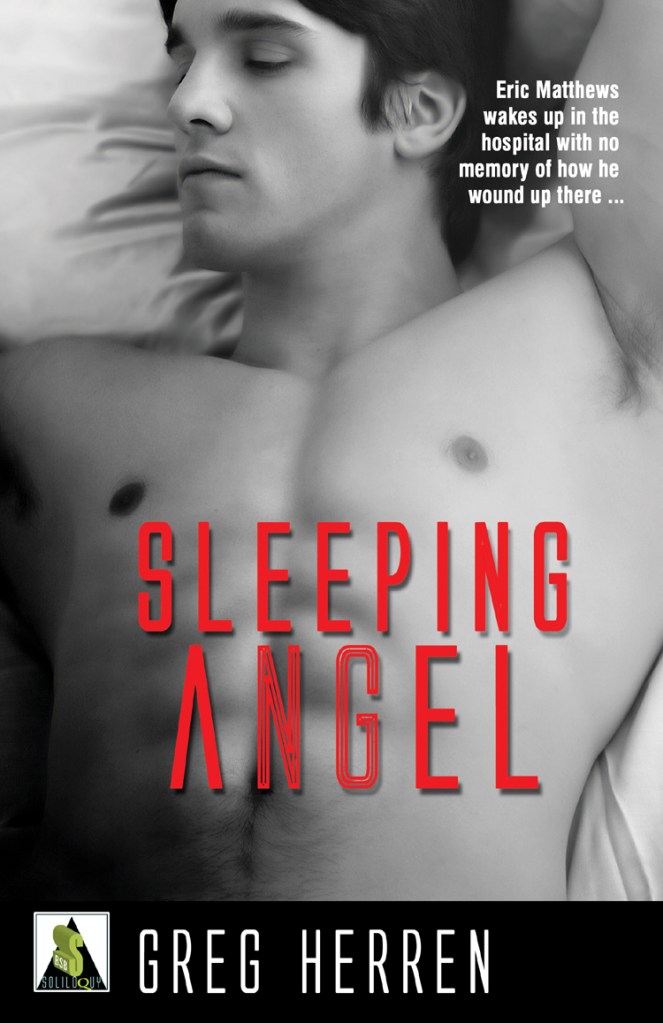
After I finished that, I spent the next five years mostly working on short stories. I started another book, more horror than anything else, but never got further than the third chapter. I finally decided to write a horror novel built from my old manuscript and those short stories from high school. I was about three chapters into it when I discovered two things: there was a big market in y/a horror at the time (Christopher Pike and R. L. Stine were HUGE during this period) and so I bought some of them. When I finished, I thought, “You know, I should turn Sara into a y/a novel” (because I thought somehow that would be easier? Foolish, foolish rookie) and so… I did. I was right in that thinking of it in those terms made it possible for me to finish a draft, but I wasn’t very happy with it so I put it aside and started writing another one, Sorceress, which was also horror but also had some strong Gothic moments in it. When I finished that one, again I wasn’t pleased with it so I started another–Sleeping Angel–which was the one I thought really had potential. I never finished that draft–by this time I’d discovered that gay fiction and nonfiction existed, so I started reading that and trying to write about gay characters instead.
Those manuscripts remained in my drawer for well over a decade, until a friend of mine took a job as a young adult acquisitions editor, and she wanted to work with me. I told her I’d written three (although it was technically two and a half), and gave her a brief synopsis of them. She liked Sorceress the best, so I started revising and editing it and turning it into something publishable. Once it was all done, she’d left that publisher, but started her own small press for y/a books for underrepresented teens, and she wanted to launch the press with Sorceress. I said “okay” and we were off. I eventually realized I needed to let Bold Strokes know, and when I did, I got an email back saying you know we do y/a, too? And so I sold the other two to them, and have never looked back since then.
Are there specific rules for writing YA (things you can’t do)? Does Bold Strokes add on or impose specific or additional rules?
I don’t pay too much attention to rules, frankly. There’s no graphic sex in my books, but it’s hinted at. I also try to swear less in young adult books than I do in adult fiction, which is probably not as big of a deal as I think it is? The society I grew up in was a lot more puritanical–believe it or not–that the one we live in today. So I always default to that setting, and then have to shake it off. Swearing isn’t as big of a deal as it used to be. No one thinks they’re marrying a virgin anymore, and on and on. And having been attacked for daring to accept an invitation to speak to queer high school students, I tend to tread softly. There have been a couple of times where I’ve had to change language, or how a scene went, because my editor thought it might be problematic; and frankly, I never want to be offensive, so I have no problem with it. I don’t see it as a free speech issue the way so many intentionally offensive writers claim it is. I shouldn’t take offense to someone calling me a faggot? Grow the fuck up. The so-called free speech “crusaders” are always defending hate speech as well as trying to shut up the people who find it objectionable. You do not have a constitutional freedom from consequences or getting a negative response to things you say and do, period. It’s really not hard to understand unless you want to be passive/aggressive and childish and a moron.
How do you remember back to these days, specifically how it felt or feels? (this is coming from your moderator who is much older than you are)
Well, for one thing, I’ve always kept a journal and I still have them all. (I was insufferable when I was younger, seriously.)
My sister has a theory that we forget a lot of the pleasant memories from our childhoods, but remember the traumas in great detail. I believe the truth of that, because school was a nightmare for me from the day we moved to the suburbs until I was done with it. I remember how it felt to read Greg Herren sucks cock on a desk at school. I remember how it felt to be mocked, laughed at, and bullied by assholes. I do remember the good things, though I tend to always focus on the bad.
The first thing I always do is abandon whatever “wisdom” about life I’ve theoretically learned since leaving high school, and put myself into the teenager mindset: they think they are the main characters in everyone they know’s story, and everything is the end of the world or their life is ruined and you are the most horrible parent ever! I’m not entirely sure I’ve escaped thinking that way, to be brutally honest: I am horribly selfish.
How do you come up with your characters? Your stories?
I am weird in that I inevitably always start with a title. I hear something or read something and think, that would make a good title. The next question is what story would fit that title? And it kind of goes from there. The title may change, the character names and story might change and evolve, but I can’t write anything that doesn’t have a title. Bizarre, I know. Usually with my young adult stuff it’s an idea I’ve had for a number of years and finally decide to explore whether it’s a novel or a short story, and go from there.
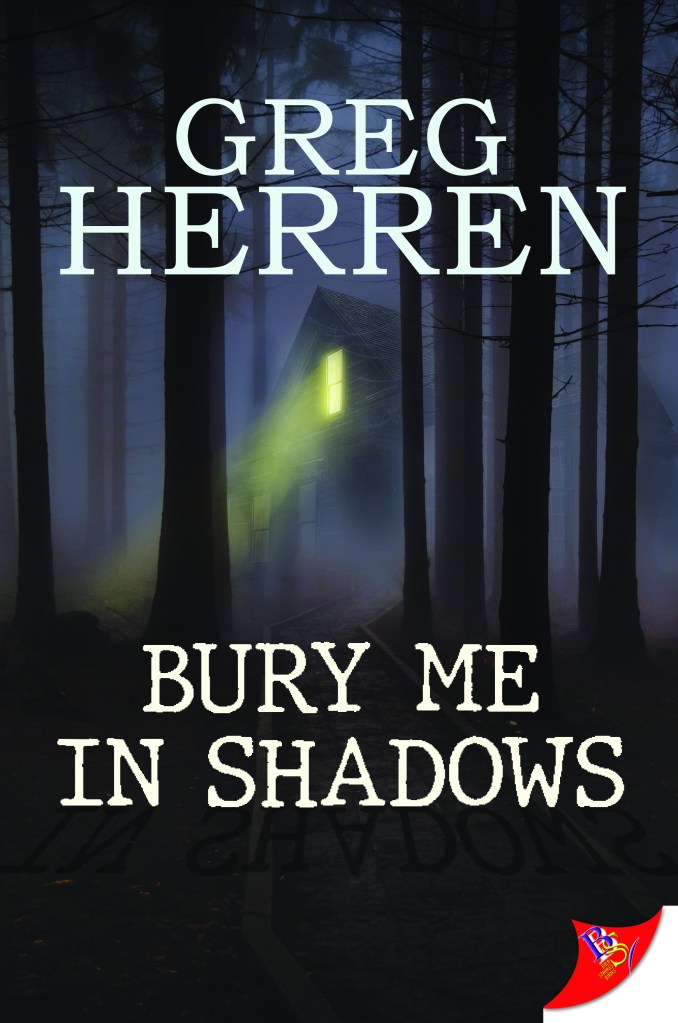
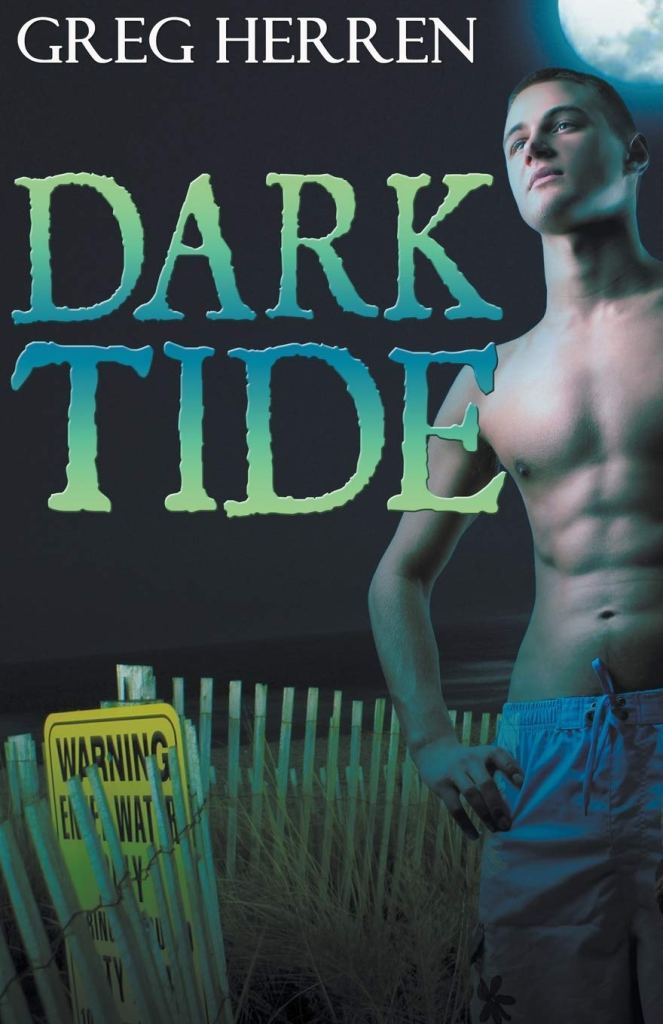
Dark Tide was originally called Mermaid Inn, Bury Me in Shadows was originally Ruins, but the others pretty much stayed the same from beginning to end.
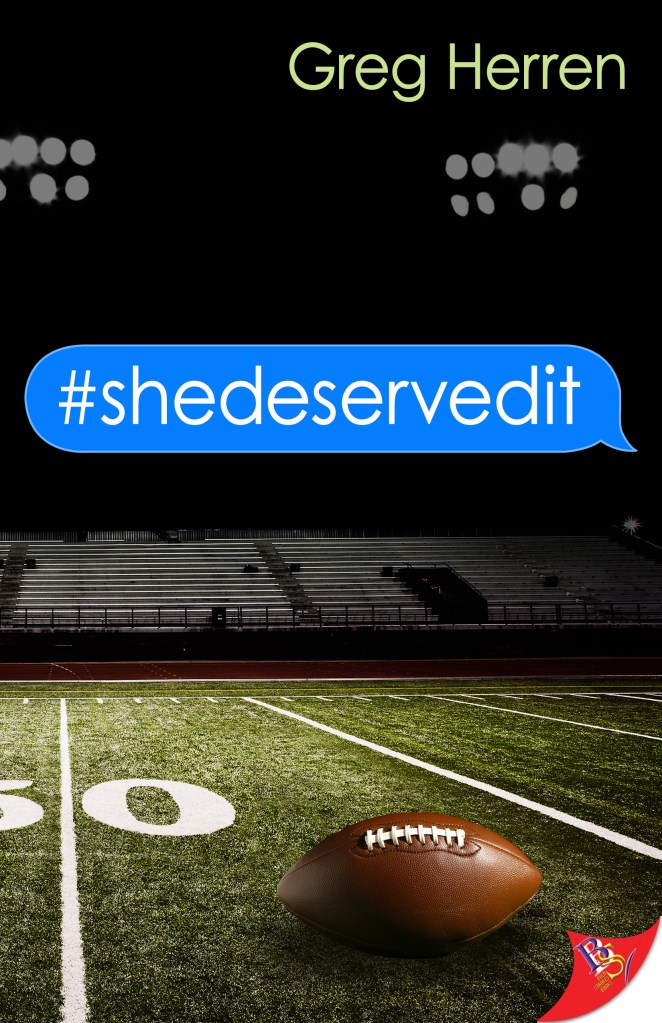
I wrote #shedeservedit because I was angry about the Steubenville/Maryville rape cases, and remembered stories and gossip from when I was in high school and college…and rethinking them through a more evolved brain about women and misogyny… well, it made me angrier. I had already planned on writing a story set in the same town with the same characters and opening with the same murder (I always referred to it as “the Kansas book” for years), but the motive was something I always had trouble grounding in reality. After those cases…it clicked in my head. You need to write this story about small town misogyny, protecting the star jocks from the girls at all cost, and make that the plot. It was easy to write because I was angry. Making it a compelling read was harder, because the subject matter was sickening to me.
I needed to write that book, and I don’t regret doing it, either…but it’s not exactly a feel good story people can escape into, either.
Why do you think YA is so popular?
It’s more accessible, I think. I mentioned reading ability before, and I do think that most readers aren’t into the Great Literary Tomes, hundreds of pages of beautiful writing with no real point or story. People kind of want to escape their cares and worries, and y/a books tend to be really entertaining. We’re competing with phones and tablets and streaming, so we need to write entertaining and engaging books.
Any specific must do-s or must-haves to get your writing each day?
I’m not nearly as anal about that as I used to be, before I returned to work full-time. I am very aware that I have little time to waste when I write, and thus must seize whatever opportunities to write show up. But if pressed, coffee. I can’t write unless I’ve had coffee when I got up.
I think this is all of them, but I could be wrong.
Americans have always been fascinated by rich people.
We all want to be rich, after all; as someone once said, “The United States is a nation of temporarily distressed millionaires.” So, in lieu of actually being rich, we obsess about them. The rich used to be celebrities for no other reason than being rich. It’s always been interesting to me that in our so-called “classless” society (which was part of the point; no class privilege, everyone is the same in the eyes of the law) we obsess about the rich, we want to know everything about them, and we lap up gossip about them like a kitten with a bowl of cream. I am constantly amazed whenever I watch something or read something set in Great Britain, because that whole “royalty and nobility” thing is just so stupid and ludicrous (and indefensible) on its face that I don’t understand why Americans get so into it; the fascination with the not-very-interesting House of Windsor, for one. We fought not just one but two wars to rid ourselves of royalty and nobility…yet we can’t get enough of the British royals, or the so-called American aristocracy. (Generic we there, I could give a rat’s ass about the horse-faced inbred Windsors and their insane wealth, quite frankly.)
I wanted to be rich when I was a kid; I spent a lot of time in my youth fantasizing about being rich and famous and escaping my humdrum, everyday existence and becoming a celebrity of sorts with no idea of how to do so. I was intrigued by the rich and celebrities; I used to read People and Us regularly, always looked at the headlines on the tabloids at the grocery store, and used to always prefer watching movies and television programs about the rich. (Dynasty, anyone?) I loved trashy novels about obscenely wealthy (and inevitably perverted) society types and celebrities–Valley of the Dolls has always been a favorite of mine, along with all the others from that time period–Judith Krantz, Harold Robbins, Jackie Collins, Sidney Sheldon and all the knock-offs. I was a strange child, with all kinds of things going on in my head and so many voices talking to me and my attention definitely had an extraordinary deficit; I always referred to it as the “buzzing.” The only time I could ever truly focus my brain was either reading a book or watching something on television–and even as a child, I often read while I was watching television. (Which is why I read so much, even though that buzzing isn’t there anymore and hasn’t been for decades.)
As I get older and start revisiting my past (its traumas along with its joys) I begin to remember things, little clues and observations that stuck in my head as a lesson and remained there long after the actual inciting incident was long forgotten. I’ve always had a mild loathing for Truman Capote, for example, which really needs to be unpacked. Capote was everywhere when I was a child; there was endless talk shows littering the television schedules those days–Dick Cavett, Merv Griffin, Mike Douglas, John Davidson, and on and on and on–and Capote was always a popular guest on these shows. I wasn’t really sure what he did or who he was, but he was someone famous and he was on television a lot. I saw him in the atrocious film Murder by Death, and I know I knew/had heard that he was a homosexual, a gay; and I also knew I was a gay. It terrified me that I was destined to end up as another Capote–affected high-pitched speech and mannerisms, foppish clothing that just screamed gay at anyone looking; Capote made no bones about who or what he was and refused to hide anything…yet he gained a kind of celebrity and fame and success in that incredibly homophobic time period, and no one had a problem with putting him front and center on television during the day time.
But this isn’t about my own self-loathing as evidenced by my decades of feeling repulsed by Truman Capote; that I will save for when I finish watching Capote v. the Swans.
“Carissimo!” she cried. “You’re just what I’m looking for. A lunch date. The duchess stood me up.”
“Black or white?” I said.
“White,” she said, reversing my direction on the sidewalk.
White is Wallis Windsor, whereas the Black Duchess is what her friends called Perla Apfeldorf, the Brazilian wife of a notoriously racist South African diamond industrialist. As for the lady who knew the distinction, she was indeed a lady–Lady Ina Coolbirth, an American married to a British chemicals tycoon and a lot of woman in every way. Tall, taller than most men, Ina was a big breezy peppy broad, born and raised on a ranch in Montana.
“This is the second time she’s canceled,” Ina Coolbirth continued. “She says she has hives. Or the duke has hives. One or the other.Anyway, I’ve still got a table at Côte Basque. So, shall we? Because I do so need someone to talk to, really. And, thank God, Jonesy, it can be you.”
I do want to be clear that once I started reading Capote, he quickly became a writer whom I admired very much; I don’t think I’ve ever read anything he’s written that didn’t take my breath away with its style and sentence construction and poetry. He truly was a master stylist, and perhaps with a greater output he might have become one of the established masters of American literature, required reading for aspiring writers and students of American literature. In Cold Blood is a masterpiece I go back to again and again; I prefer his novella Breakfast at Tiffany’s to the film without question; and I was blown away by his debut novel, Other Voices Other Rooms, which was one of those books that made me think my childhood, and my being from Alabama, might be worth mining for my work.
I read “La Côte Basque 1965” years ago, and didn’t really remember it very much other than remembering I didn’t care for it very much. I was aware of the scandal that followed its publication and that all of Capote’s carefully cultivated rich society women friends felt betrayed by it and turned on him, which sent him into a decline from which he never recovered, before dying himself. I’ve always seen Capote as an example of wasted talents. Anyway, I read the story but not being familiar with his social set, I didn’t recognize any of the people gossiped about in the story or who the woman he was lunching with represented (Slim Keith, for the record), and so it kind of bored me; it was a short story about someone having lunch and gossiping about people the reader had no way of knowing who they were or anything about. I assumed this was because the story was an excerpt from the novel, and the novel itself would establish who all these women were and their relationships with each other. But I did know it was all thinly veiled gossip about his friends, and they never forgave him for it. (I also didn’t recognize “Ann Hopkins” in the story as Ann Woodward; I hadn’t known until the television series that he was involved in her story. I primarily knew about her from reading The Two Mrs. Grenvilles and articles in Vanity Fair, and I actually thought, when reading that book, that it was based on the Reynolds tobacco heir murder that Robert Wilder based his book Written on the Wind on; it wasn’t until later that I learned about the Woodward incident) so I thought, well, it was an entertaining if confusing read.
It was kind of like listening to two strangers talk in a Starbucks and gossip about people you don’t know; entertaining but nothing serious, not really a story of any kind, and I didn’t at the time see how it would all fit into a novel as a chapter in the first place. What purpose to the overall story did this nasty gossip play? Why was it necessary for Ina to share these stories at this particular lunch (and don’t get me started on White Duchess and Black Duchess)? Were these people she was talking about important to the book as a whole? It was hard for me to tell, and I put it away, thinking at the time probably a good thing he never finished the book.
Watching the show about fallout from the story’s publication, I decided to read the story again.
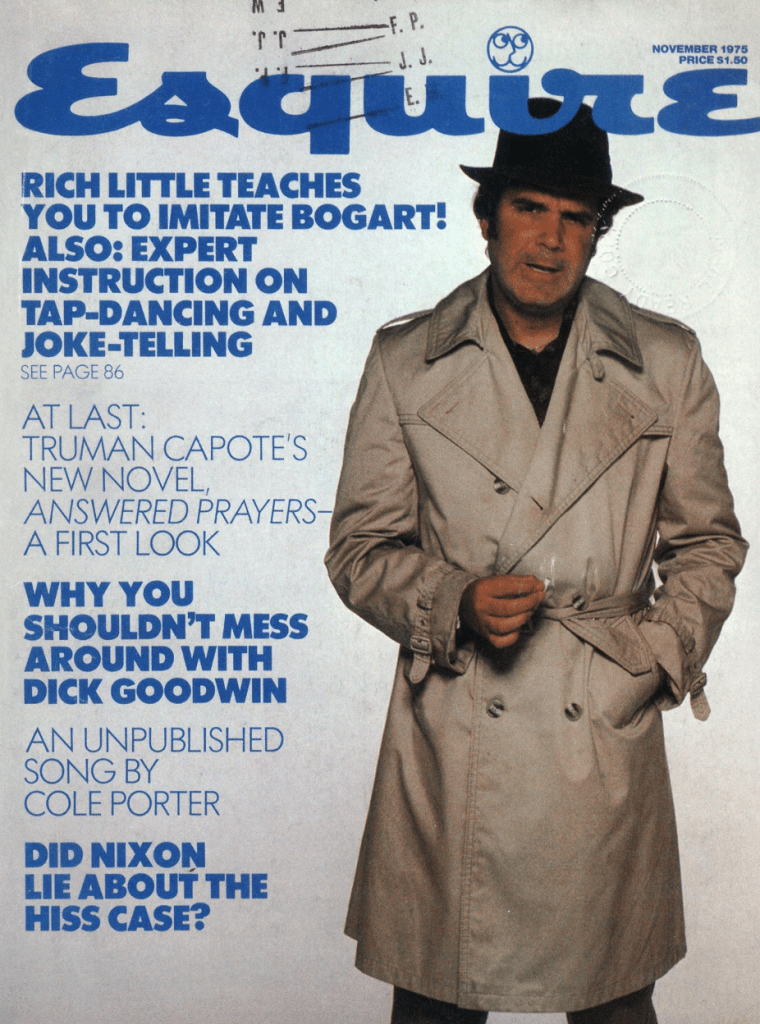
And I still question why Esquire chose to publish it, as well as why Capote thought this chapter was the one to send them. Capote was a genius, of course, and after In Cold Blood was one of the biggest names in American literature (he truly invented the true crime genre); of course they are going to publish whatever he sent them, no matter how bad it was. It wasn’t promoted as a story, after all, it was a novel excerpt.
What I’ve not been able to figure out from any of this is why he thought he could publish this without any fallout from his “swans.” I guess it went to the grave with Capote, who clearly didn’t–and I don’t think ever did–understand why they were so upset with him, which just astonishes me. (Someone once thought I based a character on her–I didn’t–and was very angry with me. I didn’t care, because I neither cared about the person nor her concerns, but I know how careful you have to be as a writer with these sorts of things.)
I wish I could say I liked it better on the reread. I did not. It’s still the same mess it was when I originally read over twenty years ago. It’s just a rich woman being bitchy to her gay friend she feels free to be bitchy about her friends with, and when you have no context (even knowing this time who the actual people were, and yes, he barely disguised them) about the women being discussed or anything about them…it’s just boring, gossip about people you don’t know and you don’t know enough to care about, so it’s just a bitchy little boring lunch. I don’t know what could come before that or after, as an author myself; had I been the fiction editor at Esquire I would have been pissed that was what he sent in, and I would have definitely taken a red pencil to it before I would have published it–and Esquire? Why did Esquire, a men’s lifestyle magazine, publish this when the right place would have been Vogue or Vanity Fair or even The New Yorker. None of it made sense then, none of it makes sense to me now; and if this is the best example we have of Answered Prayers, maybe it’s not such a bad thing that the manuscript–if it ever existed–disappeared.
Sorry, Truman, you were a great writer but this one was a swing-and-a-miss.
Wednesday pay-the-bills day, and I am a bit groggy this morning, but that’s okay, really. I slept well and didn’t want to get up, and there’s nothing wrong with that (why I’ve always felt like not wanting to get out of bed in the morning makes me a lazy slug is something else I clearly need to work on). But the weekend draws nigh, which is always a lovely thing, and of course…parades. Yes, the parades start this weekend, with three on Friday night, six (!!!) on Saturday, and another three on Sunday. It’s also supposed to rain all weekend, so I don’t know how much time I will actually spend out at the corner this weekend risking getting sick and/or tired. I was also very tired last night, to the point that I really didn’t do much of anything once I got home from work yesterday afternoon. I didn’t do any chores, I didn’t run any errands, and I didn’t get the mail.
I did work on the story more and it’s starting to take a better shape than the mess that it originally was. I’m not certain why it’s taking me so long to get this draft finished, but I am instead going to think of it in terms of your writing muscles are as rusty as your actual muscles and so yes, they need to be used a bit more so I can get back into the swing of using those muscles every day. I really should think about writing now as writing therapy; the same mindset as my physical therapy. I am slowly but surely getting back into the spirit of writing after a deeply traumatic year, and the more I do it, the stronger and more lithe those muscles will get–and the less warm-up they will need. Having so many of the conflicting voices in my head stilled at long last also helps me with the focus and stuff; the problem is the lack of use and working out the kinks and the doubts. I think the story is going to make better sense and be much stronger than it was going to originally be in this draft version, and I did think about it a lot last night, too. I have always had a powerful imagination, and so last night I was using it to imagine what it would feel like out in the Manchac Swamp on a night in early October–and the kinds of risks college students will take that older people probably wouldn’t. If it weren’t for the parades–and maybe after the season is over I can do this–I should drive out to the swamp and check it out; there are a lot of places around New Orleans and in Louisiana in general that I really should go visit and experience.
Time, and exhaustion, is always such an issue. I do remember driving somewhere–I’m not sure where or why–that required me to cross the lake to Slidell on my way; I was writing something that required me to take a look at that far reach of New Orleans east that heads out to the bridge over the Rigolets, and so I detoured on my way to get a good look. (I also used that visit to base a scene in Royal Street Reveillon on as well; two for the price of one!) I’ve also noticed that, now that I have take up my proverbial quill again, my process of writing is a little different than it used to be; again, rusty out of use muscles might have something to do with it, but it could also be a change, who knows? My process has evolved and changed so much since Ye Olden Days when I first starting treating writing as a job and a vocation as opposed to a dream. (It’s also why I hate process questions, mine is rarely ever the same, especially when it comes to writing short stories.) I do like this story and like where it’s going; I really like the idea of my four unsuspecting, slightly drunk and high college students out visiting a supposedly haunted location in the Manchac Swamp (putting some of those New Orleans-area history wormholes I’ve gone down since the pandemic started) and I think it could be a terrific (if macabre) little story. And it’s something I am actually writing, not something I’m just thinking about. The story will probably always be special to me for being the first thing I wrote and finished after the surgery.
I’ve also been watching, with no small amount of amusement, as the right wing anger cancellation machine (you know, the thing they bitch about from the left while doing themselves because they are nothing if not the biggest hypocritical pieces of shit in recent American and world history) has decided to come for Taylor Swift and Travis Kelce. I have enjoyed so many cruel laughs at their expense over the last few months! Why stop there? Why not come for Beyonce, too? They never learn, do they? Their refusal to look at factual history–even factual recent history–showed itself when Ron DeSantis chose to follow the Southern Baptist playbook and come for Disney to bolster his dead-before-it-started presidential campaign? The Mouse isundefeated, and remains undefeated. Taylor Swift is the biggest pop culture star in the world right now whose fans absolutely worship her–and her fans are of all ages, and they protect her from scavenging low-life scum whenever and wherever someone tries to come for her. The irony that this romance is actually the culmination of every Taylor Swift longing teenaged love songs–she’s dating the star football player AT LAST–does not Fox or Newsmax in their quest to humble Taylor Swift, who is laughing at them as she sits on her piles of gold and the love and admiration of millions around the globe. I wouldn’t call myself a Swiftie1–I do like her music, and listen to it occasionally, but it’s not my go-to–but I do admire her as an artist, a businesswoman, and a person. She stands up for the underprivileged, she supports queer people and queer rights, and above all else she fights misogyny (which a lot of the right-wing hate is predicated upon) whenever she encounters it, calls it out, and is not afraid to go to court to fight it, either. The way she outsmarted the douche who bought her original masters deserves a five minute standing ovation.
I may not know a lot about Ms. Swift, but I do know better than to fuck with her or activate her fans. And frankly, the profas (if the the left is antifa, then it stands to reason that their position makes the right profa, right?) are soooo stupid and blindly wrapped up in their cult of Golden Calf worship that their rage makes me like her all the more. I listened to her Red album in the car on my way home from the office yesterday and it’s still a banger (“Red” is my favorite Swift song, don’t @ me), and I’ll probably be listening to more of her music in the coming days as well. I also love that the derangement extends to rooting against the Kansas City Chiefs in the upcoming Super Bowl–which means they have to root for San Francisco.
(laughs evilly in gay.)
And on that note, I need to head into the spice mines and start paying the bills. Have a lovely Wednesday and you never know–I may pop in again later.
Although I did start writing an essay during the pandemic that I called “A Sixty-Year Old Swiftie.” ↩︎








 Queer and Loathing in America