Thursday, and my last day in the office for the week. I am feeling so much better than I did over the weekend and the first few days of this work week and also am feeling a bit more centered than I have since that morning last Monday when there was no water pressure and we were in a boil water advisory. I wound up spending all of last week off-balance, got sick over the weekend (I was coming down with it on Friday evening, and it peaked on Sunday and Monday, with some left over on Tuesday when I went back to the office), and now I finally feel more like myself. Thank God, right? It was so lovely waking up this morning without a head full of snot and a sore throat and post-nasal drip *shudder*. Tomorrow morning I have a meeting in the morning and then have doctors’ appointments in the afternoon, and we do need to go to Costco. I’m not sure how this weekend will turn out–productive or restful, or some combination of the two. I’ve not done any chores these past couple of days, and I really should take care of them tonight so I don’t have to come down to a messy kitchen/office space again, and there’s some laundry I should also get done. It’s always so tempting to sit in my chair and catch up on the news before watching more of The Traitors (yes I am obsessed with that show, and I am revisiting things that spark joy in me–anything Alysa Liu or Amber Glenn related, anything Heated Rivalry, anything Ilia Malinin and US women’s hockey, too) with Sparky not helping matters any by sleeping in my lap.
Obviously, it doesn’t take much to kick me off-track, does it? It was lovely to finally feel good again yesterday, and I feel like I should point out that my Achilles tendons are doing much better. The left is fine, but the right is still a bit tender and tight, so will ice it again thoroughly tonight and periodically over the weekend. I want to start stretching again too. The Achilles tendon issue has delayed my return to working out and exercise, but there’s no reason I can’t start stretching again before I feel up to returning to the gym.
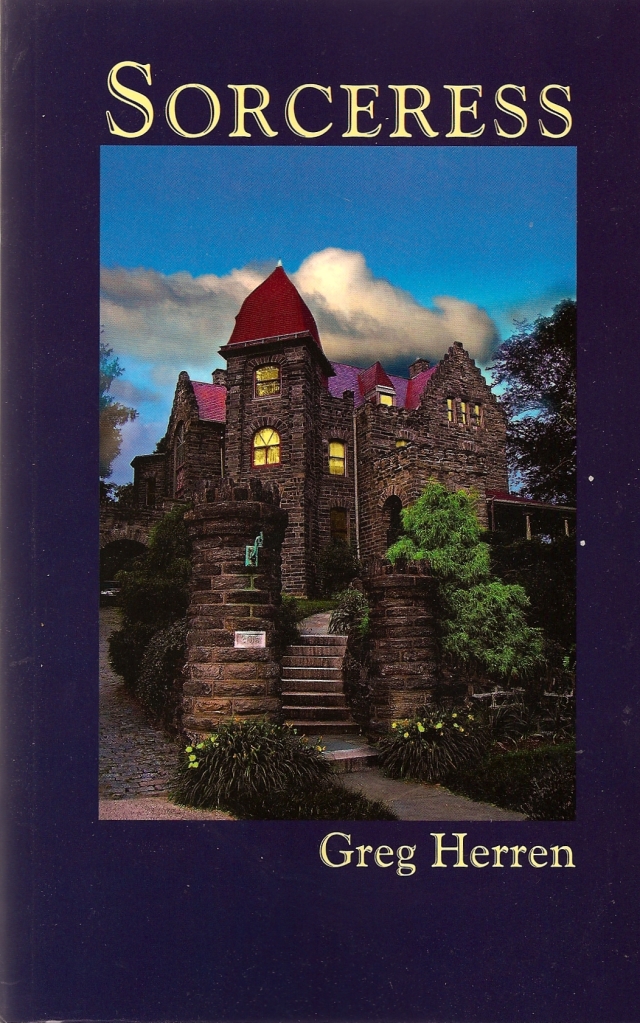
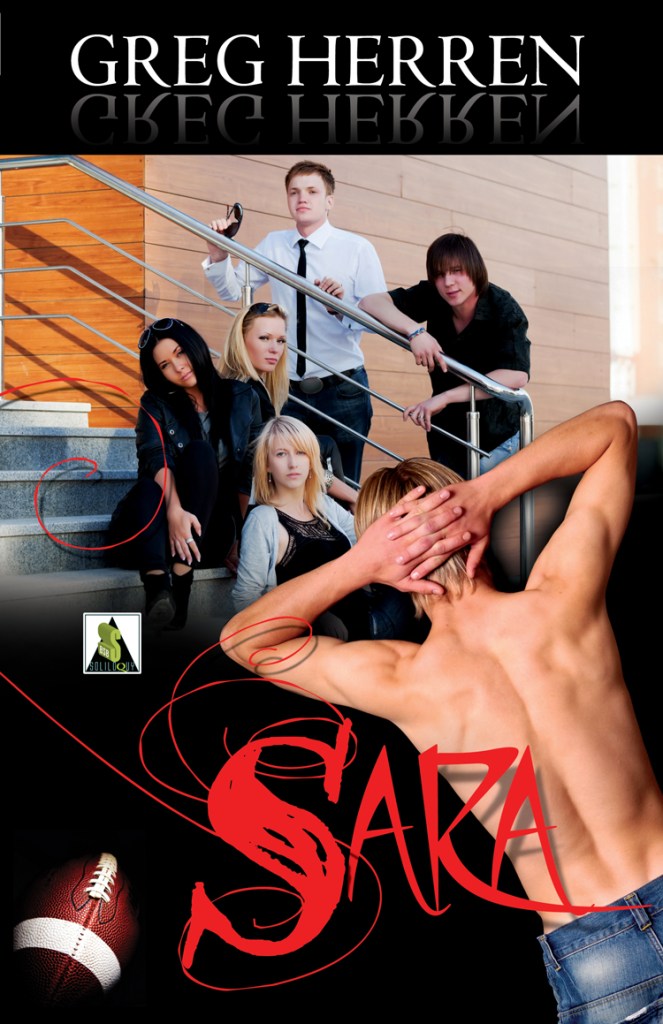
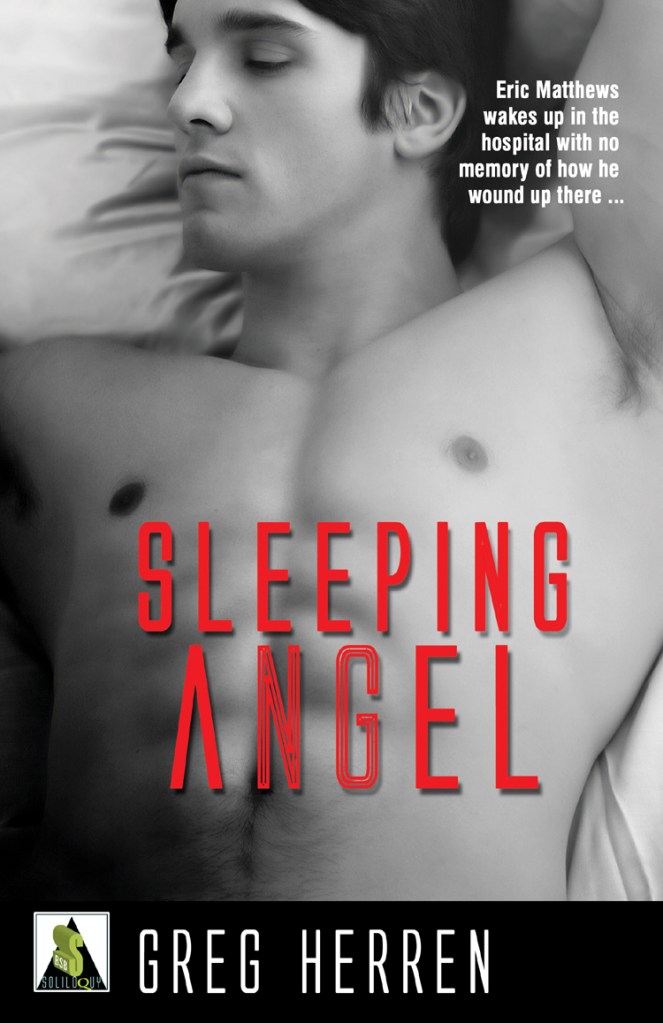
I remembered something over the weekend that I’d completely forgotten about, and once I did, I stewed about it for a few days before deciding what I wanted to do. If you will recall, my close friend Victoria died about a year ago, and she left me a gift in her will, which was an absolute shock. I signed the letter from the probate attorney and forgot about it. His office contacted me on Friday that the estate has been probated and I would be getting the gift in a short amount of time, which was a lovely surprise. But this weekend when I was moving things around I came across copies of a book I wrote that I completely forgot about, which is wild to me. In 2009 or 2010, Victoria decided she wanted to start a small press for diverse children’s and young adult fiction. I wasn’t sure it was a great idea–2009 and 2010 weren’t a good time in publishing; this was during the indy/trad author wars, when ebooks were really changing the entire industry–but she knew I had written a couple of young adult manuscript in the earl 1990s and they were collecting dust in a drawer (we’d talked about this when I met the y/a editor from a major press who was familiar with my work and wanted me to submit a manuscript–but Katrina happened and I let that opportunity slip through my grasp), and she wanted to publish one of them (the other two were Sleeping Angel and Sara, which I sold to Bold Strokes). They weren’t doing anything and I wasn’t doing anything with any of them, so I thought, knowing the odds of me making any money off it were slim to none, but…she was my friend and I wanted to help her out, so I let her publish Sorceress. Like I said, though, it wasn’t a good time to be launching a traditional publishing company (she hated ebooks), and I didn’t worry about it. I promoted the book the best I could, but have no idea how well it sold, if it sold at all, because I never got a sales statement or a royalty check–but I want to be very clear about this: I loved Victoria and I didn’t care. She had wanted me to write a sequel, which I did a first draft of, but never revised or anything. I never brought it up, she never brought it up, and I had no desire to make her feel bad or guilty about it, so why bring it up? People I know who did read it liked it–it was my first real stab at writing Gothic suspense/horror–but like I said, I gave it to her freely with the full expectation of never seeing a cent.
But now that she’s no longer with us (at least once a day I miss her still) I kind of would like to have the rights to it back, and maybe revise it and put it up as an indy book. (I know, I have to get Jackson Square Jazz up and going, too.) And since she left me a gift, why not use that gift to get these two books–and my next short story collection–up independently? But what about the sequel? It’s not necessarily tied to the first book–different characters, for one–but the same California mountain town (same as Sleeping Angel, too). Anyway, it’s something to ponder.
And on that note, I am heading into the spice mines. Have a marvelous Thursday, and I’ll be back in the morning yet again!
Tuesday morning and I didn’t want to get out of bed It’s just so comfortable, you know? I ended up not running errands yesterday on my way home from work (so will have to run them tonight, I reckon). I came home, did some things, and then became a cat bed while I caught up on the world burning to the ground. We started watching Untamed last night on Netflix, which is a crime show set in Yosemite with Eric Bana, and certainly held our interest. There were times when I couldn’t watch–standing on the edge of a cliff, or rapellers, trapped on the side of said cliff face–where the extremity of the straight drop unsettled me (I was also deeply uncomfortable watching that Spider-Man Homecoming scene at the Washington Monument) and so I went into the kitchen until said scenes were over. I thought I might have some of my recurring nightmares about falling from a great height, but thank God, I was spared that horror. But the show also shows off how beautiful Yosemite is; when I lived in California I was only a few hours away and I had friends who grew up in those mountains, so I went up there periodically. (I also fictionalized one of those towns as Woodbridge in Sorceress and Sleeping Angel. I have another partial manuscript set there as well, which I should finish at some point.)
I hate being afraid of heights. It’s been a lifelong thing for me, and it’s unusual in that some things bother me while other things don’t. I love roller coasters, but there’s not enough money in the world to get me on a Ferris wheel. Balconies don’t bother me, but windows where you can look straight down from a great height? No thank you. Looking out an airplane window doesn’t phase me in the least, but ski lifts are terrifying. (I did get a bit uncomfortable during Superman when he went up into space before hurtling back down to earth, too.) I don’t know so much that it’s a fear of heights so much as it is falling from a great height. Or is that the same thing? I don’t know.
We’re also in another heat advisory, through tonight at seven–like every day when the tropical weather isn’t threatening. Our forecast doesn’t show rain again until late tomorrow afternoon, and my sinuses have been behaving, which is a very good sign. I also don’t feel terribly tired and/or worn out this morning, either–despite not wanting to get out of bed, but that’s because I was comfortable and relaxed, more than wanting to sleep later. Don’t get me wrong, I could probably fall asleep again if I went back to bed, but I feel alert this morning more so than I have in a really long time. Maybe that means I can get things done tonight after work instead of being a cat bed for the evening.
And I really do have a lot of work to do at home tonight.
It also seems like the infusions are controlling the ulcerative colitis, for which I am very grateful. I have yet to eat anything that has triggered it back into gear again, and I am also very grateful for that. I also realized yesterday–with my birthday looming–that I am eligible for Medicare next year, so I need to start looking into that as well. I also need to look at the employee handbook to see whether the agency will keep my insurance the way it is, or if I need to go on Medicare after all. Sigh. I hate dealing with this sort of thing, which means I always put it off, scan it when I need to, and never really have a thorough understanding of whatever it is once I am signed up for it–like my current insurances, both health and car.
I also posted a newsletter talking about Superman yesterday; you can read it here. I didn’t say everything I wanted to about the character and how it developed over the years. I didn’t even mention the key element of his personality and who he is: a symbol of hope. Truth be told, I could write about Superman every day for the rest of my life…well, I’d probably have to substitute other super-heroes along the way…but he is an excellent place to start. I hate that my memory has become so bad over the last few years–so much I don’t remember a lot anymore–that I don’t recall everything I’ve read about Superman (and/or DC Comics) over the years.
And on that note, I am going to bring this to a close and head into the spice mines for the day. Have a lovely and happy Tuesday, Constant Reader, and I will check back in with you in the morning tomorrow, okay?
I hadn’t been sure that I would keep writing young adult novels after I revised, rewrote and published the first three (Sorceress, Sleeping Angel, and Sara) I didn’t know if it was a direction I wanted to keep going in. I knew I wanted to do stand-alones–always have wanted to do stand-alones–and I also like writing about teenagers and young adults.
You may remember (doubtful) me talking about a horror novel a while ago that I started writing in the 1980’s called The Enchantress that I only got about three or four chapters into before abandoning (because I didn’t know where to go next with it; and the first chapter I specifically remember rereading at some point in the decades since and shuddering in horror at how badly it was written), but one of the places in the book really stuck in my head–an old family-owned hotel called Mermaid Inn, which sat on the shores of Tuscadega Bay (which was my stand-in for Choctawhatchee Bay–my grandparents retired to a house on that bay and I’d always wanted to write about that area; still do–it’s where “Cold Beer No Flies” was set). After shelving The Enchantress (which I do think about from time to time, and wonder if I should revisit the idea) I kept thinking, you should write a book and call it Mermaid Inn because that is a great title!
I made a folder for it, wrote a few sketchy notes, and then… it sat in my files for a very long time.
If you will remember, I had originally planned to write an entire series of interconnected young adult novels, a la the Fear Street series by R. L. Stine, and one of the varied locations they would be spread out over would be Tuscadega, Florida, in the panhandle on a fictional bay. That was part of the note I scribbled for the folder–set this in the panhandle of Florida, and somehow connect it to the fictional Alabama county you’re going to write about someday.
I decided to write Mermaid Inn sometime after Hurricane Katrina, when I discovered yet again my own ignorance of geography. I was beginning to realize that the panhandle wasn’t the right setting for this book and decided to set it on the Alabama Gulf Coast, which made me realize I had absolutely no clue about that part of Alabama’s geography. I’d just never really given it much thought, to be honest; I knew Mobile was on the bay, and I knew that when you drive on I-10 through Mobile you have to take a tunnel below the Mobile River. I just had always assumed there was nothing south of Mobile in Alabama–I mean, it’s ON the water–and figured that those lower prongs of Alabama that reach down along the sides of the bay were uninhabitable wetlands. I discovered this to not be the case when visiting friends for the first time who lived in Alabama south of Mobile. They told me to take an exit off I-10 and drive south, which I didn’t think was possible.
Turns out it was–and I realized…this will work for my book! So I filed it away and forgot about it again.
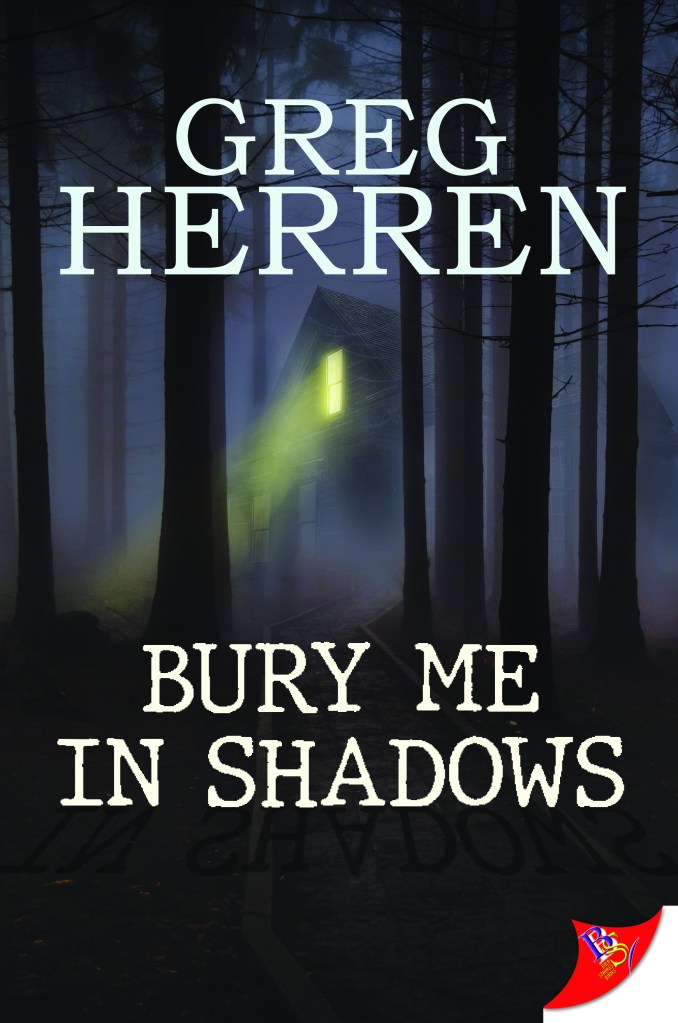
I don’t remember precisely why I decided to write Mermaid Inn, but I did, and set in a small town on the prongs, south of Mobile; my friend Carolyn Haines helped me with some background and I know she told me some stories about closeted society men in Mobile and their hijinks and I thought, I could use this for the book and I think that may have been the impetus? And then I created my character, Ricky Hackworth, from Corinth, Alabama–po’ white trash who needs a swimming scholarship to attend the University of Alabama. (Sidebar: alert readers will recognize that Beau’s last name in Bury Me in Shadows–and at one point in the story he mentions he’s only the second Hackworth to go to college; “besides my cousin who got a swimming scholarship.”)
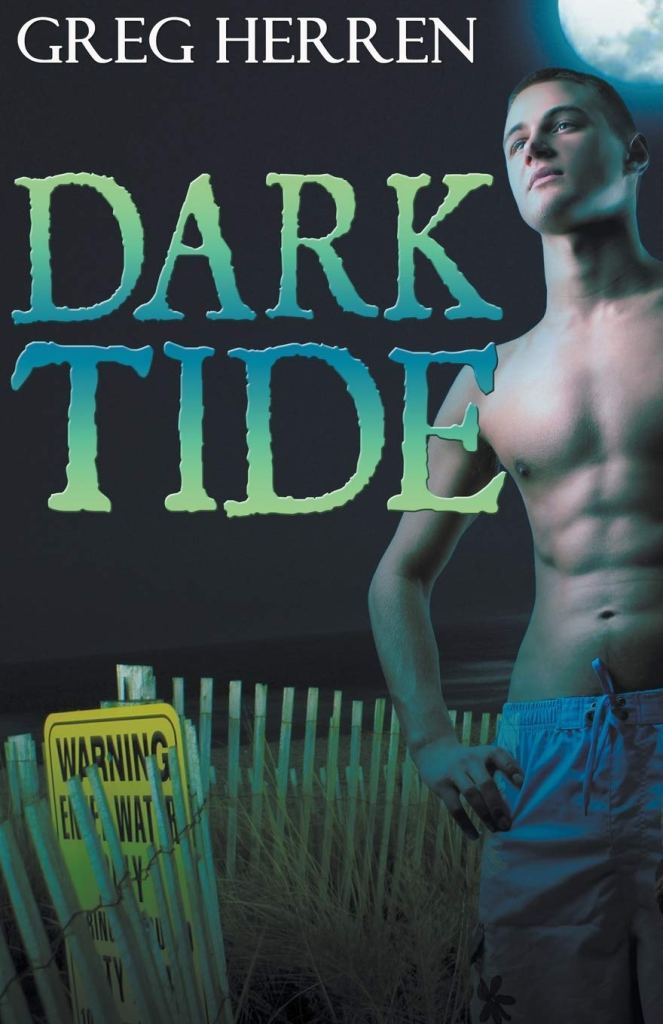
Bold Strokes didn’t like the title, and for perhaps maybe the fourth or fifth time in my career my original/working title didn’t make it on the cover. They recommended Dark Tide, which I really liked because it gave the sense of the book’s mood and tone and voice…and darkness.
The engine of my pickup truck made a weird coughing noise just as I came around a curve in the highway on the Alabama Gulf Coast and I saw Mermaid Inn for the first time.
My heart sank.
That’s not good, I thought, gritting my teeth. I looked down at the control panel. None of the dummy lights had come on. I still had about a half tank of gas.I switched off the air conditioning and the stereo. I turned into the long sloping parking lot of the Inn, pulling into the first parking spot. I listened to the engine. Nothing odd. It was now running smooth like it had the entire drive down. I shut the car off and kept listening. There was nothing but the tick of the engine as it started cooling.
Maybe I just imagined it.
Hope springs eternal.
The last thing I needed was to spend money on getting the stupid old truck fixed. Maybe it just needed a tune-up. I couldn’tremember the last time it had one.
Dad gave me the truck when I turned sixteen. It had been his work truck since before i was born–it was two years older than I was. He’d finally broken down and bought himself a new one. This old one was dependable and had almost two hundred thousand miles on it. Dad had taken good care of it. He’d babied it, gotten an oil change every three thousand miles without fail, and I could count on one hand the number of times it had been in the shop to be repaired.
It still had the original transmission.
It might not have been the nicest or prettiest car in my high school parking lot, but it got me where I needed to go and got good gas mileage. Since I was saving every cent I could for college, that was a lot more important than horsepower and cosmetics and a loud stereo that rattled your back teeth. The swimming scholarship I’d accepted from the University of Alabama wasn’t going to remotely cover anything close to the lowest estimate of what my expenses might be, but it was the best offer I’d gotten.
And I was grateful to have it. If they hadn’t offered, I wouldn’t be going at all.
Swimming was my ticket out of Corinth, Alabama.
That opening scene!
Dark Tide was probably my most hard-boiled young adult title published to that point. It was a dark story, and Ricky was poor–an economic condition I’d touched on with Sara, and something I generally try to avoid when writing. I’ve been poor, and I know how it feels; I don’t like remembering those days of checkbook mistakes and bounced checks and not having enough money from one paycheck to another. Ricky has taken a summer job as the lifeguard at Mermaid Inn in Latona, Alabama (Latona is another name for Daphne, which is actually a town on the prongs below Mobile), to save money to pay for college expenses his swimming scholarship to the University of Alabama wasn’t going to cover, and the water being there meant he could continue training. Once he arrives and is shown to his room on the uppermost floor of the building and meets the owner’s daughter, he learns that his predecessor from the summer before had simply disappeared–and young teenaged boys disappear with an alarming regularity over the past few years. He starts asking questions, mostly out of curiosity, and also starts having horrible dreams, about vicious mermaids beneath the water, and there are a lot of stories about killer mermaids from the days of the indigenous people and the Spanish. I wrote some terrific scenes in this book that I was really proud of–one particular dream sequence was especially chilling–and I was also trying something with the rhythm of the words, which I hadn’t done in a very long time, and I think it worked.
Writing Dark Tide was important to me because this was the book that reminded me again that I was writing stand-alones to help keep the series books fresher, more creative, and less paint by the numbers, too.
It’s always weird for me to talk about my writing and my books and so forth on here; I always worry that I am either contradicting and/or repeating myself. When you’re as self-obsessed as I am, that can be a problem; talking about myself is probably my favorite thing to do–on here, at least. And I feel like I’ve told the story of where Chanse came from and how the series developed from the very beginning many, many times.
It was when I was living in Houston that I rediscovered crime fiction, and the old love was even deeper once it was rediscovered. This was the period when I read most of the Perry Mason novels, discovered Paretsky and Grafton and Muller, and decided to give Travis McGee and John D. MacDonald another try. (I had read The Dreadful Lemon Sky when I was a teenager, but I hadn’t liked it; I was more into the classic detective mystery, with lots of suspects and a denouement with everyone gathered in a drawing room as the identity of the killer was unveiled–the McGee series was definitely not that. But MacDonald had written a superb introduction to Stephen King’s first short story collection, Night Shift, and I had always wanted to give him another chance–pun fully intended.) I devoured the McGee series this time around; and I really admired the character and how fully rounded and developed he was (I should give the series a reread; I’d be curious to see how they hold up now)…and armed with all these new private eye novels and Perry Mason puzzles, so I started coming up with my own version. Even the name was a shout out to McGee. My character was also tall with sandy/dirty blond hair, a former college football player, and he lived in Houston, with an office downtown and a secretary named Clara. The title of the first book was going to be The Body in the Bayou, and I started basing the case on the tragic Joan Robinson Hill case, immortalized in Tommy Thompson’s Blood and Money (the premise of the story was that the character representing Joan’s father hires Chanse after Joan’s death to find dirt on John–and then John is murdered; fictionalized, of course.) I wrote about six or seven really bad chapters long hand before giving up. I didn’t know how to write a novel then nor did I understand the concept of rewrites and revisions and drafts. (My ignorance was truly astounding.) The hurdle I couldn’t clear was typing. I was a terrible typist. I’d had a job in California working for an insurance brokerage that was computerized, and had a word processing program that I used to write short stories on; it made such an incredible difference that I knew I would have a much better shot at actually making my dreams come true if I only had a word processor…
In 1991, after I moved to Tampa, I managed to get a word processor, and that was what I wrote my first two and a half young adult novels on–the original drafts of Sara, Sorceress, and Sleeping Angel–and used it happily for several years until it finally died on me. But by then, I was living with Paul and had swung back around to wanting to write adult crime fiction again, and I wanted to write the Chanse character that I’d already created…so I picked back up on The Body in the Bayou, moved it from Houston to New Orleans, got rid of the office and the secretary, and made Chanse gay. I kept the title, but threw away the story; I wanted it to be a gay story, too. I don’t really remember the plot, but it had to do with the murder of a beautiful boy-toy for a wealthy closeted gay man in New Orleans…and Chanse knew the boy-toy from his days working as an escort before he landed the rich man, I wrote about six or seven chapters of this before we moved to New Orleans….and I realized I’d have to throw it all out again because it was all wrong; I’d made the classic mistake so many writers make when writing about New Orleans: writing about it having never lived here, I only had tourist experiences–which are vastly and dramatically different from the actually “living here” experiences. So, once again, I threw it all out and started over, this time calling it Tricks instead of The Body in the Bayou.
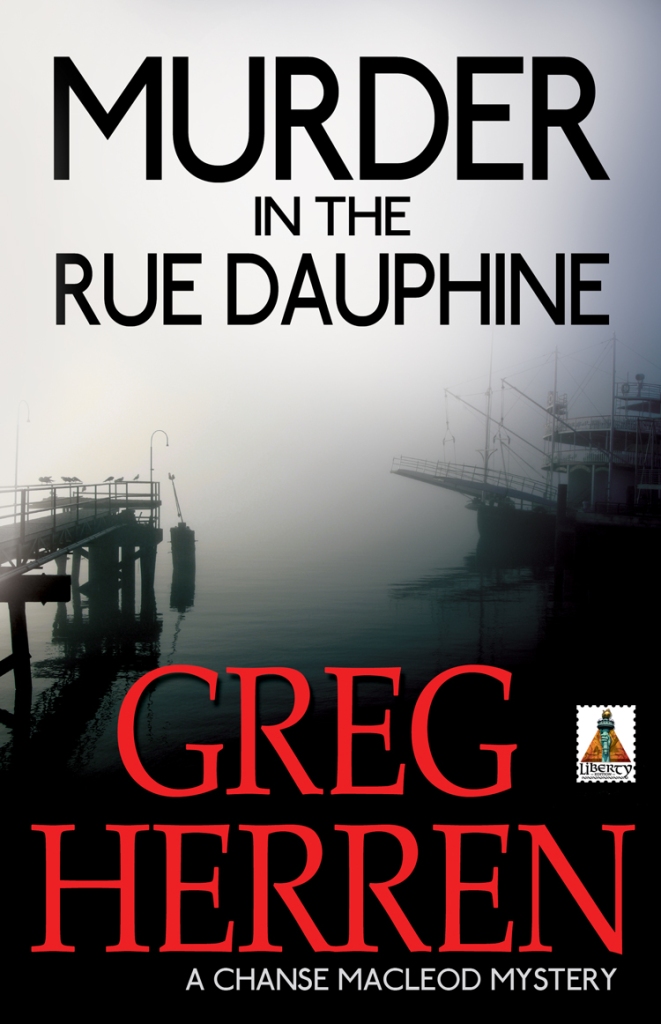
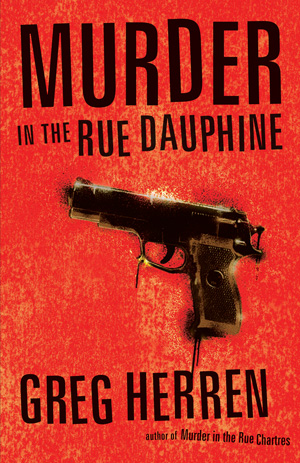
The title morphed again to the less saleable Faggots Die after the first draft; and I remember talking to Felice Picano–he was coming into town for the Tennessee Williams Festival, and I picked him up at the airport. As we drove back into the city from Kenner, we talked about my book and the series, and he nixed the new title as well as the old one. “No one, ” he wisely said, “will pick up a book called Faggots Die, and Tricks sounds like a pornographic memoir of your sex life.” Felice was actually the one who suggested I mimic titles for the series from a classic writer…and we were throwing titles around in the car when I said, “You know, the streets in the Quarter are technically rues–Rue Bourbon, Rue Royale, Rue Dumaine–and the murder happens on Dauphine. Maybe Murder in the Rue Dauphine?”
“That’s perfect,” Felice said, and then we played with Poe titles the rest of the way into the city–incidentally, one of them was The Purloined Rentboy, which became my short story “The Affair of the Purloined Rentboy”, so never throw anything away.
And thus was Murder in the Rue Dauphine titled; and the plan for the series titles was also devised–the branding was changed by the publisher, but I can honestly say my first book was titled by Felice Picano.
Murder in the Rue Dauhoine has had three covers in its 21 years of existence. This center one is the current.
Never come to New Orleans in the summer. It’s hot. It’s humid. It’s sticky. It’s damp. It’s hot. Air conditioners blow on high. Ceiling fans rotate. Nothing helps. The air is thick as syrup. Sweat becomes a given. No antiperspirant works. Aerosols, sticks, powders, and creams all fail. The thick air just hangs there, brooding. The sun shows no mercy. The vegetation grows out of control. Everything’s wet. The buildings perspire. Even a simple task becomes a chore. Taking the garbage out becomes an ordeal. The heat makes the garbage rot faster. The city starts to smell sour. The locals try to mask the smell of sweat with more perfume. Hair spray sales go up. Women turn their hair into lacquered helmets that start to sag after an hour or so.
Even the flies get lazy.
My sinuses were giving me fits as I left the airport and headed into the city. It was only 7 o’clock in the morning but already hotter than hell. The air was thick. I reached for the box of tissue under my seat and blew my nose. The pressure in my ears popped. Blessed relief.
As I drove alongside the runways I could see a Transco Airlines 737 taxiing into takeoff position. I saluted as I drove past, thinking it might be the flight that my current lover was working. Paul looked good in the uniform. It takes a great body to look sexy in polyester. He does.
He’d be gone for four days on this trip. I was at loose ends. I’d wrapped up a security job for Crown Enterprises the previous Wednesday. The big check that I’d banked guaranteed I wouldn’t have to worry about money for a while. I like when money’s not a concern.
And so began a series that lasted for seven titles and about twelve years or so; I don’t remember what year the last book in the series was published. I never expected anyone would publish it; it was intended to be a “practice novel” so I would get used to rejections and learn. It was also the first manuscript I ever wrote that went through multiple drafts before I thought it was finished enough to send out on query. It was supposed to be an exercise in learning humility and getting experience with the business while I wrote the book I did expect to get an agent with and sell–which was what I’d always called “the Kansas book” for over a decade at this point. (It eventually morphed into #shedeservedit.) But you never really learn what you’re supposed to when you’re stubborn, thin-skinned, and used to being demeaned and talked over and not taken seriously, for any number of reasons. I sent the manuscript to three agents: two sent me lovely but form rejections, which was disappointed but not surprising. I took this well, put the manuscripts away to send to three more once the final rejection came.
It came on a Friday, if I recall correctly. I went to pick-up the mail and my manuscript was there. Not a surprise, of course, but still a little disappointing. I went out to my car and opened the package…and paper-clipped to the title page of the rubber-band bound manuscript was a torn piece of used paper, with a note in ink reading I find this manuscriptand characters neither interesting or compelling with the agent’s initials at the bottom.
It was like being slapped in the face.
By the time I got home I was in a raging fury. I was literally shaking with rage when I came inside. How fucking unprofessional, I thought as I sat down at my computer to check my emails, trying to decide how I would enact my vengeance on this rude piece of shit.1 There was an email there from the editor I was working with on an anthology which had taken my first-ever fiction short story and thus would be my first publication. I had never read the signature line–mainly because I was so excited for my first fiction sale (NARRATOR VOICE: it was porn). This day, he concluded his email with Please send us more work. We definitely want to see more from you and as my ego preened, slightly soothed from the insulting agent note from earlier in the day2, I also looked down at the signature line and realized I was communicating with the senior editor at Alyson Books! I immediately wrote him back a very short note: I’ve written a novel with a gay private eye set in New Orleans, would you be interested in that? and before I could talk myself out of it, hit send.
He wrote back immediately and said please send it to me ASAP!
I put the same manuscript back in a new envelope, and drove back to the postal service to get it in the mail before I changed my mind, and breathed a sigh of relief once I got back to the car–and immediately forgot all about it.
Six weeks later I came home to a phone message from the editor. I called him back, he made me an offer, and my career leapt forward much faster than I expected…and it started a roll of good luck and “being in the right place at the right time” that has kept me publishing almost non-stop since Murder in the Rue Dauphine was released in 2002.
It sold really well, got mostly favorable reviews, and scored me my first Lambda Literary Award nomination.
Not bad for a manuscript and characters who were neither interesting or compelling, right?3
It also took me a long time to realize–or rationalize–that the note wasn’t meant for me. (I was most offended that I wasn’t even worthy of an actual form rejection letter; that was the truly insulting part for me.) I realized when telling this story on a panel somewhere, that the note was probably meant for an intern or a secretary or an assistant, who just shoved the whole thing in an envelope to do the rejection and through some wild Lucy-and-Ethel office shenanigans, it went out without the rejection letter and with the note intended for internal eyes only…and made me wonder, how different would my career and life be had that fuck-up not happened?
We’ll never know, I guess.
Not really proud of this reaction, but I did get the last laugh. ↩︎
Said agent died a few years later. I may have smiled and said good, a la Bette Davis vis a vis Joan Crawford’s death. ↩︎
I may be more forgiving about a lot of things these days, but I will always be petty about that hateful agent. ↩︎
So, are you ready for some MORE blatant self-promotion?
During the Bold Strokes Book-a-thon, the other panel I was on had to do with writing young adult fiction (the other panelists were amazing, I might add), and once again, I am answering the questions sent to us by the moderator to turn into an interview with JUST me (because it’s all about ME ME ME) but I do urge you to seek out the video of the panel. It was terrific, and I was definitely the most uninteresting person on the panel, seriously; this is NOT self-deprecation. (I bought everyone’s books during the panel, I might add; definitely check out Lauren Melissa Ellzey.)
What is the definition of Young Adult? How does it differ from other genres?
I think it’s primarily an age distinction, to be honest, which is something that always makes me uncomfortable. Growing up I read far above my age level; when I was in seventh grade I was reading at a college level, per the tests and so forth. I mean, I did read The Godfather when I was ten; my parents, despite their conservative religious beliefs and values, let me read whatever I wanted without having to ask permission–I think when I asked Mom if I could read something the last time she replied “Read whatever you want, I don’t care” and after that I never asked again. When I was a kid, there was no such thing as young adult; everything was either for adults or “juvenile.” The juvenile category contained multitudes, beginning with the Little Golden Books and picture books to kids’ mysteries to Judy Blume. I think sometime in the 1980’s the genre was separated into “juvenile” for kids 8-12 and “young adult” for 12-18.
But there are kids like me, who can read above their age/class level and others who can’t read at their age/class level, and I think in some ways that differential could be harmful for those who are below-average readers–reading is the most crucial aspect of education, because if you can’t read…and no matter how many ways they try to make the language around slower readers more accepting and less stigmatizing…it doesn’t really help kids to be told they’re below average or not as smart or quick as the other students. (One of my primary problems throughout my education is I would understand something the first time, while others inevitably didn’t, and as the teacher explained for a second or third or more time, my ADD would kick in and my mind would wander because I didn’t need to listen and then wouldn’t be listening when the teacher moved on.
Ah, well.
Oh, and all subgenres of fiction also have the middle grade/juvenile and young adult sub-sub-genres.
Why or how did YOU choose YA?
I don’t know that I chose y/a so much as it chose me.
I started writing when I was a child (all my childish scribblings are lost to moves and time passing), and I wrote about kids my age. My first attempts at writing were always some kind of kids’ mystery series, a la The Hardy Boys and The Three Investigators (I’d still like to do this, frankly), and when I became a teenager, I started writing about teenagers. I wrote a bunch of short stories while in high school about the same group of kids going to the same high school. Those stories slowly but surely grew into a sprawling, handwritten novel about the county with plots and subplots and main characters and minor characters and all of this history; a “Peyton Place in Kansas kind of thing”. I worked on it for like five years, and eventually had this enormous sprawling mess that needed to be revised and rewritten and typed…and since I didn’t know how to type, made that part of it a problem. So I shoved it into a drawer and started pulling from it rather than revising it; taking out plots and characters and using them in other books and other stories.
After I finished that, I spent the next five years mostly working on short stories. I started another book, more horror than anything else, but never got further than the third chapter. I finally decided to write a horror novel built from my old manuscript and those short stories from high school. I was about three chapters into it when I discovered two things: there was a big market in y/a horror at the time (Christopher Pike and R. L. Stine were HUGE during this period) and so I bought some of them. When I finished, I thought, “You know, I should turn Sara into a y/a novel” (because I thought somehow that would be easier? Foolish, foolish rookie) and so… I did. I was right in that thinking of it in those terms made it possible for me to finish a draft, but I wasn’t very happy with it so I put it aside and started writing another one, Sorceress, which was also horror but also had some strong Gothic moments in it. When I finished that one, again I wasn’t pleased with it so I started another–Sleeping Angel–which was the one I thought really had potential. I never finished that draft–by this time I’d discovered that gay fiction and nonfiction existed, so I started reading that and trying to write about gay characters instead.
Those manuscripts remained in my drawer for well over a decade, until a friend of mine took a job as a young adult acquisitions editor, and she wanted to work with me. I told her I’d written three (although it was technically two and a half), and gave her a brief synopsis of them. She liked Sorceress the best, so I started revising and editing it and turning it into something publishable. Once it was all done, she’d left that publisher, but started her own small press for y/a books for underrepresented teens, and she wanted to launch the press with Sorceress. I said “okay” and we were off. I eventually realized I needed to let Bold Strokes know, and when I did, I got an email back saying you know we do y/a, too? And so I sold the other two to them, and have never looked back since then.
Are there specific rules for writing YA (things you can’t do)? Does Bold Strokes add on or impose specific or additional rules?
I don’t pay too much attention to rules, frankly. There’s no graphic sex in my books, but it’s hinted at. I also try to swear less in young adult books than I do in adult fiction, which is probably not as big of a deal as I think it is? The society I grew up in was a lot more puritanical–believe it or not–that the one we live in today. So I always default to that setting, and then have to shake it off. Swearing isn’t as big of a deal as it used to be. No one thinks they’re marrying a virgin anymore, and on and on. And having been attacked for daring to accept an invitation to speak to queer high school students, I tend to tread softly. There have been a couple of times where I’ve had to change language, or how a scene went, because my editor thought it might be problematic; and frankly, I never want to be offensive, so I have no problem with it. I don’t see it as a free speech issue the way so many intentionally offensive writers claim it is. I shouldn’t take offense to someone calling me a faggot? Grow the fuck up. The so-called free speech “crusaders” are always defending hate speech as well as trying to shut up the people who find it objectionable. You do not have a constitutional freedom from consequences or getting a negative response to things you say and do, period. It’s really not hard to understand unless you want to be passive/aggressive and childish and a moron.
How do you remember back to these days, specifically how it felt or feels? (this is coming from your moderator who is much older than you are)
Well, for one thing, I’ve always kept a journal and I still have them all. (I was insufferable when I was younger, seriously.)
My sister has a theory that we forget a lot of the pleasant memories from our childhoods, but remember the traumas in great detail. I believe the truth of that, because school was a nightmare for me from the day we moved to the suburbs until I was done with it. I remember how it felt to read Greg Herren sucks cock on a desk at school. I remember how it felt to be mocked, laughed at, and bullied by assholes. I do remember the good things, though I tend to always focus on the bad.
The first thing I always do is abandon whatever “wisdom” about life I’ve theoretically learned since leaving high school, and put myself into the teenager mindset: they think they are the main characters in everyone they know’s story, and everything is the end of the world or their life is ruined and you are the most horrible parent ever! I’m not entirely sure I’ve escaped thinking that way, to be brutally honest: I am horribly selfish.
How do you come up with your characters? Your stories?
I am weird in that I inevitably always start with a title. I hear something or read something and think, that would make a good title. The next question is what story would fit that title? And it kind of goes from there. The title may change, the character names and story might change and evolve, but I can’t write anything that doesn’t have a title. Bizarre, I know. Usually with my young adult stuff it’s an idea I’ve had for a number of years and finally decide to explore whether it’s a novel or a short story, and go from there.
Dark Tide was originally called Mermaid Inn, Bury Me in Shadows was originally Ruins, but the others pretty much stayed the same from beginning to end.
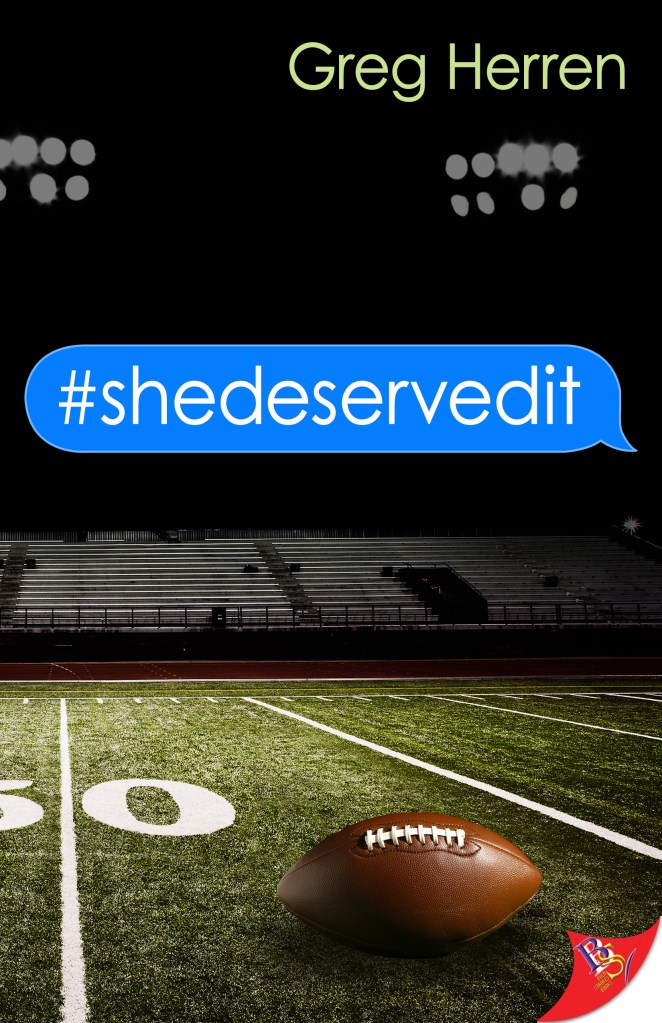
I wrote #shedeservedit because I was angry about the Steubenville/Maryville rape cases, and remembered stories and gossip from when I was in high school and college…and rethinking them through a more evolved brain about women and misogyny… well, it made me angrier. I had already planned on writing a story set in the same town with the same characters and opening with the same murder (I always referred to it as “the Kansas book” for years), but the motive was something I always had trouble grounding in reality. After those cases…it clicked in my head. You need to write this story about small town misogyny, protecting the star jocks from the girls at all cost, and make that the plot. It was easy to write because I was angry. Making it a compelling read was harder, because the subject matter was sickening to me.
I needed to write that book, and I don’t regret doing it, either…but it’s not exactly a feel good story people can escape into, either.
Why do you think YA is so popular?
It’s more accessible, I think. I mentioned reading ability before, and I do think that most readers aren’t into the Great Literary Tomes, hundreds of pages of beautiful writing with no real point or story. People kind of want to escape their cares and worries, and y/a books tend to be really entertaining. We’re competing with phones and tablets and streaming, so we need to write entertaining and engaging books.
Any specific must do-s or must-haves to get your writing each day?
I’m not nearly as anal about that as I used to be, before I returned to work full-time. I am very aware that I have little time to waste when I write, and thus must seize whatever opportunities to write show up. But if pressed, coffee. I can’t write unless I’ve had coffee when I got up.
I think this is all of them, but I could be wrong.
I slept in again this morning, and I feel rested and marvelous–if a bit chilly. (And yes, a quick check of the weather shows that it’s in the fifties this morning, and will dip into the forties overnight.) My plan to not leave the house this entire weekend has hit a snag; I do have to go make groceries this morning because there are a few things that are needed, alas and alack. But my coffee is tasting rather marvelous this morning, and as I said, I feel rested and good. Yesterday was a lazy day in which I didn’t do a whole lot of anything, really. I did some cleaning and laundry and put some things away, but mostly worked on cleaning up computer files (it is horrifying how out of control those all are, really) as well as spending quality time with Sparky. We watched both the ice dance and pairs finals yesterday for the US Figure Skating Championships, and binged Lupin in between. I didn’t stay up much later, and went to bed before ten…which makes the oversleeping particularly curious and interesting. But not complaining here at all. Sure, it would have been nice to get up earlier and get more things done this morning, but part of anxiety-free living very much includes not beating myself up over things I can no longer control. I can’t go back in time and get up earlier, so why feel regret or shame over it?
Constant Reader, I may actually be getting healthier mentally–finally.
So, yes, I do have to leave the house this morning–best to do it early and get it out of the way, right? I think I will also go to Mid-city to make the groceries. I like that I am willing to break routines now, and do things differently than the way I always used to. Does that sound odd or crazy? But I fall into ruts quite easily, partly because of my desire to always maximize efficiency and use my time most effectively. I still do this, of course–that will never change, methinks–I always try to plan how to run errands the most efficient way, but I’m not sure it’s necessary anymore. I find myself with time on my hands to waste these days. My inbox is always crammed full with things I have to at the very least acknowledge and read, and I like that very much; I’m always behind on my emails now because I no longer get as many so I no longer feel the need to answer everything immediately. I also don’t feel the urgency to pick up the mail every day the way I used to, either.
So, unless my plans get derailed this morning, my plan is to write this, answer some emails, do some cleaning around here and work on “When I Die” some more before getting cleaned up and heading for the grocery. I had hoped to finish that story and another this weekend, but Paul/Sparky time yesterday proved too much of a distraction and a necessity; Paul and I generally don’t see each other much during these last few months before the festivals, so when the opportunity presents itself, it becomes my priority and I will never apologize for that. I know I’ll watch the men’s final this afternoon, most likely, so I’ll definitely need to get a move on this morning to get everything accomplished that I want to accomplish before the skating starts. I also want to spend some time with Lina’s book, which I am really enjoying and want to carve out some time to enjoy it as well today. I did rearrange and reorganize the books yesterday–it’s amazing what a difference that makes for the appearance of tidiness in the living room, and hope to do the same for the laundry room shelves at some point; there are also some things stored there–the cake carrier, the brace–that don’t need to be there, which opens up more shelf-space.
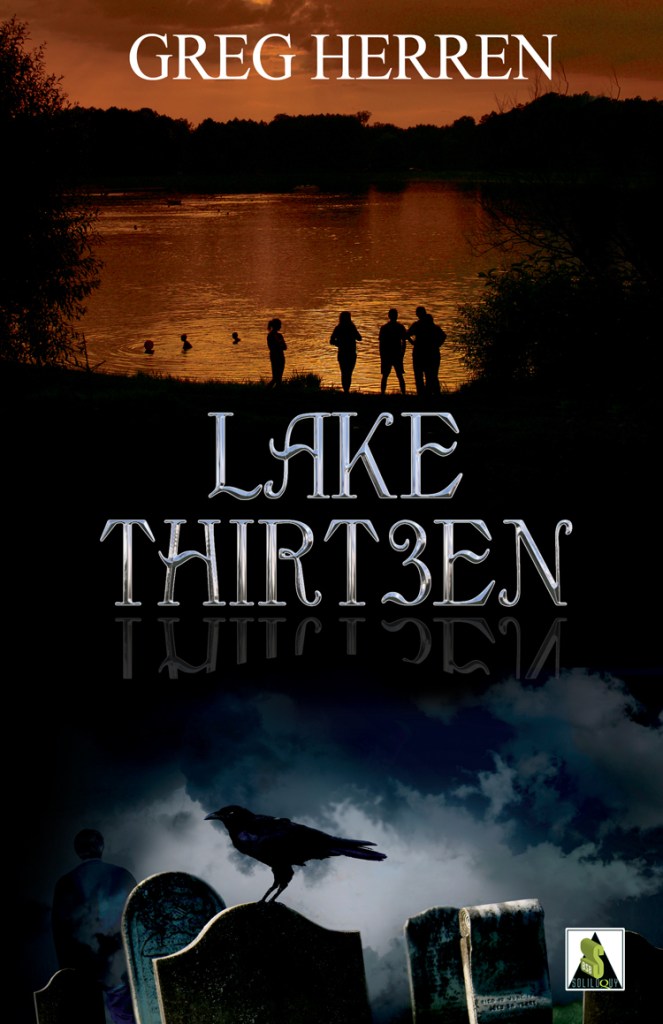
I also got a new set of knives this week. My old set, which I’d bought about eight years ago at Costco, was just getting too dull and had been sharpened too many times, so I broke down and found a nice set of Oster stainless steel knives (dishwasher safe, no less) on-line and ordered them; and wow, I’d forgotten what it was like to actually have sharp knives. The cheese knife slices through block cheese like its warm butter, and when I cut up the rotisserie chicken for chicken salad yesterday I couldn’t believe how easily the knife was dicing the chicken and the celery. Clearly, I’d waited too long to buy a new set of knives, and I do really like them, you know. The block is smaller than the old one so it takes up less counter space, and the stainless steel handles look so modern and stylish–so yes, you could say that I am very pleased with myself regarding the knives. There are some other things I need to get around here to make life easier–blinds for my windows, since the crepe myrtles are gone and not coming back; a medal case for those medals I won for y/a (Sleeping Angel and Lake Thirteen were the books that won–gold and silver); and maybe this rolling cart I saw at Office Depot that can replace this little table next to my desk so that I can keep the office supples and so forth in, emptying out other drawers so I can use them for something else.
New knives, new microwave: who dis? Hell, I even bought more spoons to replace the ones that had gone missing!
I really do like getting better organized, what can I say? It gives me the illusion that my life is somehow ordered and orderly, and so what if it’s a delusion? It makes me feel better, and yeah, that’s probably partly an anxiety issue but it’s not as intense as it used to be and I don’t look at mess in horror anymore, but rather as something that can be tidied, and that is still satisfying for me to do.
And on that note, I think I am going to head into the spice mines. Y’all have a great Sunday now, you hear? And I may be back later; I may not be back until tomorrow morning. Who knows? We shall see how it all turns out, shan’t we?
Saturday in the Lost Apartment, let’s goooooo!!!!!
I slept really well last night and feel good this morning. I had decided already–yesterday morning–that I was going to not do any writing after work yesterday and to take today off as well, and it feels nice. Finishing projects is always lovely, because once you’ve finished them the release of pressure is pretty marvelous. I also had a ZOOM meeting with my Scotty editor yesterday to get the book back on track, and I felt pretty good after that as well. It’s interesting how pressure and stress can affect your brain and your thinking when you are juggling things. But I have no doubt I can get the book done in time for it’s November release (moved back from September) and the release of that particular pressure valve was marvelous. I’m actually looking forward to diving back into the book again headfirst. Today I have a ZOOM thing for Queer Crime Writers at one, and so I am planning on heading out on errands around eleven; so I have time to also make groceries and get back home in time for the ZOOM meeting. After that I am going to probably finish reading Lori Roy’s marvelous Let Me Die in His Footsteps at last, and then I get to choose my next read, which is kind of exciting. I also have to prepare to interview Margot Douaihy for Saints and Sinners’ Pride Month celebration, which I want to do a very good job on because she’s amazing and so is her book.
I also need to take today away from the computer a bit so I can figure out what loose ends are dangling out there that I need to tie up. Not to mention what a mess the Lost Apartment is. I did get caught up on the dishes last night, and the laundry. The kitchen isn’t the mess it was developing into but could use some touching up, which I should try to do today or tomorrow morning. I also need to start brainstorming on some other things that I want to do. I’d like to take the rest of this year (once this one is finished) actually finishing things I’ve not been able to get done and thus off my plate: the short story collection, the novellas, and two in-progress books that I already have started. That’s what I would like to spend the rest of the year doing, frankly; getting that stuff off my plate and out of my hands into the world, so I can start 2024 with a fresh slate and figure out what I want to write that year. Of course, things always change; an opportunity you can’t pass up can come along at any minute, throwing off your plans and schedule (this happens to me a lot more than one might think); I also have some short stories to write and other short stories that need finishing. I’d like to get some more short stories out there in the world, so if anyone reading this is doing an anthology and needs a crime story (preferably queer) let me know because I can always find something for you. It is very rare that I pass up an opportunity to get a story in an anthology or publication of some sort.
It’s really nice to be busy, you know? I complain about it all the time–my freakish productivity and the pressure to keep it up–but I do like accomplishing things. I do need to be kinder to myself and perhaps not be quite so hard on myself as I am used to being; it’s nice to be able to sit around and take stock of your life and your career without it being deemed arrogant. And when I look at things from an outside perspective–someone whose thinking isn’t cluttered up with all my neuroses and self-loathing–it does look kind of impressive. I think I’ve been nominated for a Lammy fourteen or fifteen times? I don’t have the most nominations–that would be Michael Thomas Ford, Ellen Hart, and Lawrence Schimel, and not in that order–but hey, I’m in the top five of most nominations, which isn’t bad. This year’s three Anthony nominations brings me to a total of seven nods there from the Bouchercon membership, which is a lovely pat on the back for a queer author most of them hadn’t heard of even five years ago. I can add Agatha and Lefty finalist to the other awards I’ve gotten a single nomination for–the Shirley Jackson and the Macavity. I won some young adult independent press medals, too, along the way, which was lovely. (I am very happy Sleeping Angel and Lake Thirteen won those medals; I was very proud of both books, frankly.) Forty-three novels, twenty-two anthologies, over fifty short stories, two short story collections, and two novellas–and countless articles, interviews, book reviews and blog posts.
Not bad for someone told by his first creative writing teacher in college he would never be a published author.
There have been plenty of slings and arrows along the way, of course; things that happened so long ago that no one today who knows me and my work may even know about–the Virginia incident, Paul’s bashing, my service with the National Stonewall Democrats–so the rollercoaster of my life has certainly had its highs and lows. It’s been an interesting life, I guess; I’ve certainly met and knew a lot of interesting people and celebrities and authors. I’ve also learned over the years that there’s nothing wrong with ambition; I always am so busy and behind on everything that I forget that sometimes it’s nice to take a break, step away from everything, evaluate the situation as it is currently and make plans on where to go and what to do next. I’m feeling very content this morning, which is a very pleasant (and unusual) thing for me to feel; this brief reflection on my career and where it is now has, for once, brought a sense of satisfaction and pleasure instead of you still have so much more to accomplish! It’s not like I’m going to rest on my accomplishments, take my ball and go home, of course–but it’s very nice to think if my career ended now–for whatever reason–I could walk away from it and be proud.
I’ll never stop writing, of course. I will write until the day I die or can’t sit at the computer or hold a laptop or iPad; as long as I can still scribble in a journal I’ll be writing. I love creating, I love writing, I love telling stories. I love exploring character. I love taking a situation and thinking okay, what has to happen for this to happen, and where is the true starting place for the story? Who are these people and how did they come to be involved in this?
But it is nice every once in a while to stop, take a step back, and see things as they really are, or at least trying to take a look and see what other people see since they aren’t wrapped up in my neuroses.
And there’s nothing wrong with being proud of yourself, which I am. It feels weird, but I am proud of myself. I’m proud of my career and what all I’ve accomplished since moving to New Orleans in 1996.
And on that note, I am heading back into the spice mines. Have a lovely Saturday, Constant Reader–take the day off and rest–and I’ll be back later.
Well, I met quota again last night which was marvelous. It’s still a bit chilly this morning. By the weekend it should be back into the seventies (it was yesterday as I ran my errands after work; it’s sixty-one this morning but it does feel colder outside of my bed and blankets), as the Alabama and Kansas State fans start arriving for the Sugar Bowl. LSU is also playing on New Years’ Day in the Citrus Bowl against Purdue, which will probably be the only game I actually watch that day.
There’s been a conversation going on over at Book Twitter lately that doesn’t really impact me in any way, but it’s been kind of interesting to follow. The conversation has to do with concerns about what is and isn’t considered y/a fiction as well as what is, or should be, considered age-appropriate reading material for teenagers and pre-teens. It doesn’t impact me because no one considers me a young adult writer, for one thing; despite having written numerous books with younger and/or teenaged characters (Sorceress, Sleeping Angel, Sara, Lake Thirteen, Dark Tide, Bury Me in Shadows, #shedeservedit), most people think of me as a gay mystery writer. Everything published under my own name is a mystery novel of some sort, whether it’s one of the series books or one of the stand-alones. I’ve never really marketed myself as a writer of young adult fiction, really; I shy away from that, I think, because of The Virginia Incident and the subconscious fear that one day that controversy might resurrect itself (which is ludicrous, and I know that; it certainly would have by now and it hasn’t, which further proves my belief that The Incident had nothing to do with me or my writing or my career and everything to do with systemic homophobia and othering used for political gain). It just seems weird to me that in less than five years after that happened–when I was deemed a menace to America’s youth–I could publish books for teenagers without a single whiff of complaint or scandal or even the raise of a single eyebrow.
Interesting, isn’t it? Almost like the whole thing was just more smoke and mirrors whose sole intent was to rile the homophobic base.
I just love that my existence is considered by some as a constant and continued threat to children.
One of the things that has always mystified me over the years is what is and isn’t considered age-appropriate. Intellectually I was far more advanced that most of my classmates (my emotional and personal maturity being an entire other subject–I’d say I am still behind on that score) and I started reading early. The library and the Scholastic Book Fairs were my best friends as a child, and I read everything I could get my hands on. I loved history, from which grew an appreciation and love for historical fiction (which I really don’t read much of anymore, which is odd. I really want to read Hilary Mantel’s Cromwell books…) and of course, my grandmother got me interested in “scary” movies and mysteries.
You’d think I’d be a huge fan of historical mysteries, but I actually don’t read many of them. I did love Elizabeth Peters’ Amelia Peabody series, and I’ve become a huge fan of Laurie R. King’s Mary Russell series…I think exploring historical mysteries might be a project for 2023.
But the point was I was reading books far too advanced for most people my age when I was young. I freely will admit that in my first read of Gone with the Wind at age ten I didn’t know Rhett raped Scarlett the night of Ashley’s surprise birthday party–it wasn’t until a reread in my late teens where I thought oh, this isn’t right–let alone that she enjoyed being overpowered and forced. I also read The Godfather when I was ten, and there was no mistaking anything about Sonny Corleone and Lucy Mancini. He had a cock the size of a horse’s and her vagina was apparently the Lincoln Tunnel. (Although the she felt something burning pass between her thighs still mystifies me to this day.) I also read The Exorcist when I was ten and I was also very well aware of what was going on in the crucifix masturbation scene. As a kid, I was fascinated by these sex scenes (aka “the dirty parts”), and it wasn’t until I was older than I began to question the entire Sonny-Lucy thing (and why it was even in the book in the first place); and while the crucifix scene was gross, shocking and basically icky to me at ten–when I reread the book sometime in the past decade it seemed prurient, to be honest–used primarily for shock value and to get people to talk about it.
So, yes, I started reading books for adults when I was around ten. I also read Antonia Fraser’s Mary Queen of Scots and Robert K. Massie’s Nicholas and Alexandra that same year–I remember doing a book report on Mary Queen of Scots and my teacher not believing that I had read the thick volume; he started opening the book at random and asking me questions–which I was able to answer, so he grudgingly accepted the book report and gave me an A. (Teachers have doubted me all of my life; can’t imagine why I am insecure about my intelligence…)
Over the course of my teens I also read books by Harold Robbins, Sidney Sheldon, Jackie Collins, Jacqueline Susann and Gordon Merrick-every last one of them crammed to the gills with racy sex scenes. I was also reading Stephen King, Irving Wallace, Herman Wouk, Agatha Christie, Ellery Queen, Jean Plaidy, Victoria Holt, Phyllis A. Whitney and any number of authors who wrote for adult audiences not teens. Were there things in the books I didn’t understand? Sure there were. Were there things in those books that were probably inappropriate for teenagers? Undoubtedly. (I’ve also never forgotten the scene in Joyce Haber’s The Users where a Liza Minnelli-based character fucked herself with her own Oscar; some images are simply too vivid to forget methinks.)
This is one reason I shy away from calling some of my books with teenagers “young adult” novels. Megan Abbott’s Dare Me centered teenagers, but I would never consider Dare Me a young adult novel. I was thinking about this the other night while watching Sex Lives of College Girls (it’s hilarious, you really should be watching); can I authentically write about teenagers anymore? Have I ever been able to? I don’t speak their language anymore, and I haven’t been one in over forty years (!!!!); I don’t know the technology they use or their slang or what they watch or listen to. I don’t know what today’s teens think about virginity and sexuality these days; do the tired old tropes still exist? Does that whole “good girl/bad girl” dynamic still exist, or are today’s teenaged girls a bit more sophisticated than they were when I was in high school when it comes to sex and sexuality? (Contrasting two high school shows with queer content makes you wonder–there’s the jaded cynicism of the rich kids in Elite vs the wholesome purity and innocence and sweetness of Heartstopper, which also had me wondering–although I feel certain Heartstopper might be closer to reality than Elite…or that’s just my hope?) Of course I have other ideas for more books about young people–I have another in-progress one that’s been sitting around for a very long time that I need to repurpose–and I’d kind of like to write more at some point, but I don’t know. My suburban 70’s serial killer preying on teenaged boys book would be told from the perspective of a twelve year old, but it would definitely not be a young adult novel–but will probably be marketed and sold as one.
And on that note I am heading into the spice mines on my last day in the office for 2022. Check back in with you later, Constant Reader.
I hadn’t been sure that I would keep writing young adult novels after I revised, rewrote and published the first three (Sorceress, Sleeping Angel, and Sara) I didn’t know if it was a direction I wanted to keep going in. I knew I wanted to do stand-alones–always have wanted to do stand-alones–and I also like writing about teenagers and young adults.
If you remember, a few entries back I talked about a horror novel I started writing in the 1980’s called The Enchantress that only got about three or four chapters into before abandoning (because I didn’t know where to go next with it; and the first chapter I specifically remember rereading at some point in the decades since and shuddering in horror at how badly it was written), but one of the places in the book really stuck in my head–an old family owned hotel called Mermaid Inn, which sat on the shores of Tuscadega Bay (which was my stand-in for Choctawhatchee Bay–my grandparents retired to a house on that bay and I’ve always wanted to write about that area). After shelving The Enchantress (which I do think about from time to time, and wonder if I should revisit the idea) I kept thinking, you should write a book and call it Mermaid Inn.
I made a folder for it, wrote a few sketchy notes, and it sat in my files for a very long time.
If you will remember, I had originally planned to write an entire series of interconnected young adult novels, a la the Fear Street series by R. L. Stine, and one of the varied locations they would be spread out over would be Tuscadega, Florida, in the panhandle on a fictional bay. That was part of the note I scribbled for the folder–set this in the panhandle of Florida, and connect it to the fictional Alabama county you’re going to write about somehow.
I decided to write Mermaid Inn sometime after Hurricane Katrina, when I discovered yet again my own ignorance of geography. I’d just never really given it much thought, to be honest; I knew Mobile was on a bay, I knew when you drove on I-10 through Mobile you have to take a tunnel below the Mobile River. I just had always assumed there was nothing south of Mobile in Alabama–I mean, it’s ON water–and figured that those lower prongs of Alabama that reach down along the sides of the bay were uninhabitable wetlands. I discovered this to not be the case when visiting friends for the first time who lived in Alabama south of Mobile. They told me to take an exit off I-10 and drive south, which I didn’t think was possible.
It is.
I don’t remember precisely when or how or why I decided to write Mermaid Inn and set in a small town on the prongs, south of Mobile; I just know now that at some point I decided to do this–and my friend Carolyn Haines might have been involved; I know she told me some stories about closeted society men in Mobile and their hijinks and I thought, I could use this for the book and I think that may have been the impetus? And then I created my character, Ricky Hackworth, from Corinth, Alabama–po’ white trash who needs a swimming scholarship to attend the University of Alabama. (Sidebar: alert readers will recognize that Beau’s last name in Bury Me in Shadows–and at one point in the story he mentions he’s only the second Hackworth to go to college; “besides my cousin who got a swimming scholarship.”)
The engine of my pickup truck made a weird coughing noise just as I came around a curve in the highway on the Alabama Gulf Coast and I saw Mermaid Inn for the first time.
My heart sank.
That’s not good, I thought, gritting my teeth. I looked down at the control panel. None of the dummy lights had come on. I still had about a half tank of gas.I switched off the air conditioning and the stereo. I turned into the long sloping parking lot of the Inn, pulling into the first parking spot. I listened to the engine. Nothing odd. It was now running smooth like it had the entire drive down. I shut the car off and kept listening. There was nothing but the tick of the engine as it started cooling.
Maybe I just imagined it.
Hope springs eternal.
The last thing I needed was to spend money on getting the stupid old truck fixed. Maybe it just needed a tune-up. I couldn’tremember the last time it had one.
Dad gave me the truck when I turned sixteen. It had been his work truck since before i was born–it was two years older than I was. He’d finally broken down and bought himself a new one. This old one was dependable and had almost two hundred thousand miles on it. Dad had taken good care of it. He’d babied it, gotten an oil change every three thousand miles without fail, and I could count on one hand the number of times it had been in the shop to be repaired.
It still had the original transmission.
It might not have been the nicest or prettiest car in my high school parking lot, but it got me where I needed to go and got good gas mileage. Since I was saving every cent I could for college, that was a lot more important than horsepower and cosmetics and a loud stereo that rattled your back teeth. The swimming scholarship I’d accepted from the University of Alabama wasn’t going to remotely cover anything close to the lowest estimate of what my expenses might be, but it was the best offer I’d gotten.
And I was grateful to have it. If they hadn’t offered, I wouldn’t be going at all.
I also love the word “enchantress.” Go figure. Must be something about the sibilant s.
I moved from Kansas to Fresno, California in February of 1981. It was cold and there was snow on the ground when I boarded an Amtrak train at 2 in the morning with my mother. I fell asleep before the train left the station in Emporia; when I woke up it was gray outside and we were in western Kansas. The trip seemed endless, and our train was delayed because of weather crossing the Rocky Mountains; that part was terrifying, honestly. There were times when there was only enough room on the mountain ledges we rode over for the train tracks, and the wind was powerful enough to rock the train. I’ve always been afraid of heights, so obviously this was completely terrifying for me. I had brought books with me to read on the train, but I’d finished them all by the time we reached Barstow, California–missing our connecting train by half an hour–and thus were stuck there for twelve hours until the evening train to Fresno.
You haven’t lived until you’ve spent twelve hours in a train station in Barstow, California.
(Although reading everything in the magazine rack in that train station completely fueled my soap opera obsession–but that’s a story for another time.)
After I finished writing the first draft that became Sara I put the manuscript aside and started working on another one, which I called Sorceress.
Why was the move on Amtrak to California pertinent to the story of Sorceress and how it came to be? Because it’s one of the few books–in fact, the only book–I’ve written under my own name that is set in California (all the Todd Gregory ‘fratboy’ books are set in California).
It was a beautiful day to die.
The sun was shining and she could hear the birds singing in the trees outside. Through the window on the other side of the room she could see a gorgeous blue sky with wisps of white cloud drifting aimlessly. The house was silent around her, and she closed her eyes again, biting her lower lip.
Her throat was sore and she was thirsty.
There was a glass pitcher of water sitting on the nightstand just out of her reach. Drops of condensation glistened in the sunlight as they ran down the sides, pooling on the wood. She licked her lips and dry-swallowed again.
“Please.” She’d intended to shout, but all that came out was a hoarse whisper. Tears of frustration filled her eyes.
This can’t be happening to me, she thought as the tears began to run down her cheeks. She felt the wetness against her lips, flicking her tongue out to catch the moisture.
It might not be much, but it was something.
She tugged at the handcuffs again, and moaned as the raw skin around her wrists rubbed against the metal, dull arrows of pain shooting up her arms.
That isn’t going to work. You’ve got to think of something else. There has to be something.
As if on cue, the phone on the other side of the room began ringing.
If only I could reach the phone!
“If only I weren’t handcuffed to this stupid bed,” she said aloud.
If only, if only, if only.
A grandfather clock began tolling somewhere in the house.
Five o’clock. Maybe four more hours until the sun goes down.
She was safe until the sun went down.
She heard footsteps comingdown the hall towards the closed door.
“I’m thirsty!” she shouted. “Please! I’m so thirsty!”
The footsteps stopped. She was about to shout again when heard the footsteps start again—only now they were moving away from her door.
She closed her eyes.
Not a bad opening, huh?
I started writing the novel Sorceress sometime in 1992 or 1993; I’m not sure which. Sorceress was the easiest of the early manuscripts for me to write, and this was because I knew the story, from start to finish, before I started writing it–which is incredibly rare for me; I even knew the middle, which I always have the most trouble with. I originally wrote Sorceress in the late 1980’s as a novella that originally clocked in at around seventeen thousand words. But even as I wrote that incredibly long short story (at the time all I knew about novellas was that Stephen King sometimes wrote really long stories, like “The Mist”) and had always put it aside, because I knew there was more story there and it needed to be longer–novel length, in fact. So when I finished the first draft of Sara and was ready to move on to something else, I decided to finally expand Sorceress out into a novel.
Fresno wasn’t a pretty city, by any means. It had a desert climate (the entire San Joaquin Valley has a desert climate) that was very dry and climbed to well over 100 degrees in the heart of the summer (sometimes even getting up to over 110) and was all brown, mostly; brown, palm and orange trees, and concrete in the unforgiving sun. My parents bought a house in a subdivision in a city that bordered Fresno yet somehow wasn’t considered a suburb. It had a pool, two orange trees, and several eucalyptus trees. These seemed exotic and cool and fun–until you realized how much fruit one tree, let alone two, could produce, and there was no way to keep up with them, either; inevitably, the back yard was always dank with the sickly-sweet smell of rotting oranges. The eucalyptus trees with their slim, silvery leaves were also a pain in the ass; those leaves would get into the pool, and unless fished out, became water-logged and sank to the bottom, where they would stain and/or discolor the bottom of the pool. It seemed like those little leaves were always fluttering through the air and unerringly landing in the water.
Never again will I live a place where I am responsible for a swimming pool.
But the true beauty of Fresno was its location. It was within a few hours’ drive of many wonderful places: Yosemite, Sierra, and Kings Canyon parks, San Francisco, and Los Angeles. LA was the furthest away–four hours down the Grapevine; and the final descent through the mountains into the plains on the other side was one of the steepest highways I’ve ever driven down–but in college I also made friends with students who came from some of those mountain communities–Sonora, Oakhurst, Coarsegold, Tuolumne–and wound up visiting them at times. I spent most of my time visiting the mounts in either Sonora or Tuolumne. I’d never spent much time in the mountains before or since, and the thing that always stuck in my head was how close the stars in the night sky seemed up there, almost like you could reach up and grab one. I decided to create my own version of these small mountain towns and call it Woodbridge. When I started writing Sorceress as a novel, I set it in the countryside in the mountains outside of “Woodbridge.” By this time, I had already discovered y/a horror, obviously, and so “Woodbridge” was going to be the anchor of all my stories–they were all going to be connected, and in some ways the center of that fictional universe I was building was going to be Woodbridge (Sleeping Angel is also set in Woodbridge). I also put a college there; a campus of the University of California (UC-Woodbridge) which also gave me college students to play with as well as the high school kids. Laura, my main character, was originally from the same area of Kansas where Sara was set; I even mentioned her in passing in Sara, as a friend who’d moved away to California and who had been betrayed after she left by her best friend and her boyfriend…which also figured into the plot of Sorceress.
Sorceress was also the first book I wrote where I followed the Gothic tropes: a young woman all alone in the world after the death of her parents is summoned by an elderly aunt she didn’t know existed to California. The elderly aunt has a huge Victorian mansion in the mountains, a man-servant/housekeeper/butler, and once there Laura begins to suspect that not only are things not the way they seem, but that her own life might be in danger. There’s also a hint of the paranormal here as well…and some of the kids Laura meets in Woodbridge also figured into some of my other books for young adults as well.
When I had the opportunity to write something on spec for Simon and Schuster teen in the summer of 2005, Sorceress was the one I chose to revise and rewrite for them. I felt it was the most complete and needed the least amount of work, plus I loved the entire Gothic mood of the story. Then of course Katrina came along and knocked that right out of my head; I kept trying to revise it but focus was incredibly difficult, and finally I gave up. This is the story I mentioned in conversation with a friend, who was later given a job as an acquisitions editor, and this is the story she wanted me to pitch to her. I did, but they didn’t pick it up, but when she went out on her own later and started her own small press specifically for juvenile and y/a fiction, she wanted Sorceress, so I dragged it back out and went to work on it again. It was released in 2010, I believe; it’s hard to remember dates these days for me. Anyway, this is the book where I told Bold Strokes I was publishing a y/a with a friend’s small press, which got the response “you know, we do y/a too” that led to me giving them both Sara and Sleeping Angel, and led to all the others.
I also wrote another Woodbridge story–a very long novella–that I intend to either revise as a novella or expand out into a novel. This story directly references events in Sorceress and Sleeping Angel, as well as characters…so while it might be entirely too late to release another book in that linked universe I originally intended to create, a good story is a good story. I just am not sure about the ending of that one, which is one of the reasons it remains in the drawer.



 Queer and Loathing in America