Somebody’s Watching Me

A month or so ago, Ira Levin’s A Kiss Before Dying was one of those “special deals for ebooks,” and I can never pass up a classic for a mere $1.99 (I generally replace my hard copy books with ebooks when they are on sale, so I can donate the real book; but Ira Levin novels will never be donated), which put me in mind of him again (the book is a crime fiction classic), and I started thinking about what is the best part of two of my favorites by him, Rosemary’s Baby and The Stepford Wives, which is the slow build of paranoia until the heroines are completely convinced that everyone is in on it and there’s no one she can trust. This is what I consider “women’s noir,” which is books that depict and explore women’s fears (which is why Gothics were so popular, I think; the wife can never trust the husband and always thinks he is trying to kill her–before the real culprit is exposed and they have their happily ever after. This, to me, mimics what it’s like for a woman when she gets married in real life; she wants to believe in her marriage and love, but how many times has that turned to ashes and dust in reality? Husbands kill wives or cheat on them or leave them; all these marriage fears were tentpoles of Gothics). I was going to revisit both novels–I had some other things I wanted to talk about with The Stepford Wives, and its similarities to Rosemary’s Baby, but I couldn’t find my copy of the latter so went with the former.

Since 2015, the term “gaslighting” has come back into vogue, with small wonder. Gaslighting can make you question your own judgment and your grasp on reality1; something many of us have experienced over the past nearly ten years and it isn’t an enjoyable experience.

Paranoia, combined with not being believed, makes for a fantastic novel that is very difficult to pull off; I can think of any number of films and books that use paranoia as a driving theme for their plots, and I always enjoy them. There really is nothing more frustrating than being being not believed about something that’s happened–or is happening–to you. It can make you crazy, make you question yourself and your own grasp of reality. It’s horrible and cruel in reality, and it’s something everyone can relate to because we have all not been believed at some point in our lives. It’s happened to me enough times (including losing jobs) that it certainly resonates with me. (I have an idea for a gaslighting/paranoia short story that I’ve been wanting to write for some time now.)

So, needless to say, I greatly enjoyed reading my advance copy of Alison Gaylin’s upcoming January release, We Are Watching.

It’s been the longest day of Meg Russo’s life, and it isn’t even half over. Her stomach gnaws at her, her hands heavy on the steering wheel. But when she glances at the clock on the dashboard, she sees that it’s a little shy of 11:30 a.m., which means that Meg, her husband, Justin, and their daugheter, Lily, have only been on the road for an hour. They’ve got at least three more hours on the thruway, and then they’ll have to contend with the series of veinlike country roads Meg and Justin haven’t traversed since their own college days. If they don’t hit too much traffic, they should be in Ithaca by five, which now feels like some point in a future so distant, Meg is incapable of envisioning it.

Time is strange that, the past eighteen years zooming by in an instant, all of it leading up to a single day that’s already lasted eons. Meg blames the stress of last night, wanting everything to be perfect for their daughter’s send-off, which led to thoughts of Lily’s first visit home for Thanksgiving break, which in turn made Meg think for the millionth time about how cold their house gets in the fall, and how Lily always complains about it. New windows, Meg had thought, lying in bed with her eyes open, envisioning insulated windows to replace those paper-thin sheets of glass, the same windows that were here when she and Justin bought the place twenty years ago–and it was a fixer-upper then. What if Lily came home to new windows? Meg mused, still awake in the wee hours of the morning. Will she have changed by then? Will she have grown too sophisticated to get excited over a warmer house? And so on, until the sky was pink and it was time to wake up and Meg had barely slept at all.

I’ve enjoyed Alison Gaylin’s work since I first read And She Was back in 2012, and have been a fan ever since, gobbling up each new book as she releases them. She has always been a terrific novelist, but what has been amazing to watch is how she pushes herself to do better with each book, tackling bigger themes and creating believable, relatable characters you can’t help but want to root for. We Are Watching may be her best yet, starting as a slow burn but building into an adrenaline boosting rollercoaster of a thriller.

The book opens with Meg and Justin taking their daughter Lily off to college, with all the emotions and fears and sense of loss that comes with a child leaving home and starting to move into their adulthood. Meg is likable, and so is her family. But as they drive a carload of skinheads pulls up alongside of them and start taking pictures. Meg reacts very strongly–so strongly that even I was like take a chill pill, girl!–which eventually leads to a crash that kills Justin, leaving the two women shattered shells of their previous selves. Lily decides to take time off from college and even Meg becomes housebound, despite needing to run her book store in the small Hudson Valley town they live in.

But things slowly begin closing in on both Meg and Lily; who were those skinheads in the other car? Why are truly strange, cult-like people showing up in the store or in town, chanting weird things at them? As Meg’s paranoia and fear grows, it soon becomes apparent that a religious cult is targeting her and her family, but why? But to find the truth, Meg has to not only survive the cult, which seems determined to kill her and her child, but when she has the time, to dig back into her own past to discover the truth–because the truth is the only thing that can set them free.

This book is fantastic, and I couldn’t put it down. It has all the hallmarks of a great Gaylin novel–a compelling and relatable main character doing the best she can in a terrible situation; a twisty plot full of surprises; and the kind of strong writing that makes her sentences and paragraphs sing.

Preorder it now and thank me in January when you finish reading it.

  1. The film this term comes from, Gaslight, is a great movie and Ingrid Bergman is terrific as the wife who isn’t sure if she is losing her mind; she deserved her Oscar and the film still holds up–and a very young Angela Lansbury makes her screen debut in it. ↩︎

She Called Me Baby

Saturday morning in the Lost Apartment, with a trip to Metairie looming for an eye appointment. Yesterday was a bit more hectic than I would have liked, beginning with having to go in to the office on what is usually my remote day (meetings, mostly, and some catch up on work I didn’t get to on Thursday), and then I had errands to run all afternoon. It was a gloomy, off and on raining kind of day, so when I got home I was very happy to be safely back into the Lost Apartment so I could do my chores and do some work. I was very tired last night when I was finished with everything, so just kind of zonked out in my chair. We spent the last few nights getting caught up on our shows (we’re now watching Agatha All Along, Bad Monkey, Only Murders in the Building, Grotesquerie, English Teacher, and American Sports Story), and I am hoping to get to watch the new ‘salem’s Lot movie aat some point this weekend, and I’d like to watch Fall Guy, too.

And I need to write this weekend, big time.

Thursday night, when I was working on the Scotty Bible and was marking pages in Mississippi River Mischief, I realized the murder victim in the book was a corrupt politician who goes by JD; prescience, perhaps? It also reminded me of something from a book I had read a very long time ago–Sarah Schulman’s Stagestruck. The thesis of the book was about the similarities between a very popular Broadway musical (Rent) and her nove, People in Trouble. Sarah had actually attended and reviewed Rent, and while it seemed familiar to her, she just dismissed it as being inspired by the struggling artist scene in lower Manhattan in the 1980s and thought it played very false, given her own experience; it wasn’t until later when a friend told her you must be so mad about Rent”–and she went back and reread her book. (In all honesty, I went on to read People in Trouble and also watched the film of Rent and I also saw the similarities; she wasn’t inventing anything.) But the point of this particular story is that at the time, as an unpublished aspiring novelist, I found it a bit of a reach that she didn’t remember her own book…but doing the Scotty Bible–and talking with other authors–I realized that not remembering your own book isn’t that much of a stretch, and it does get harder the more book you have; the exponential possibility that you won’t remember your own books grows with each new book you write. that the piece of art basically ripped off her piece of art–and she couldn’t remember much I have been routinely shocked about how much of the Scotty series had slipped from my memory banks as I enter the information from each book into the master document; the huge plot points that are the most memorable things about them…but gone completely. I’d forgotten my villainous politician JD, and I only wrote that book last year. I’d forgotten a lot of the stuff in most of the books. I thought the one I’d really be able to temember was Bourbon Street Blues, and nope. I’d forgotten about the entire sequence in the swamp, the fire, and who the first victim was…and I also was able to remember, while going through it, what I was trying to do with him as a character as more time passed and he gained more experience with criminality and human behavior.

And given all those experiences, it was very important to me to ensure he remained a positive person who prefers to expect the best of people, not the worst, and never become cynical. Cynicism was one of the most powerful traits I wrote into Chanse, and I didn’t want to do that over again.

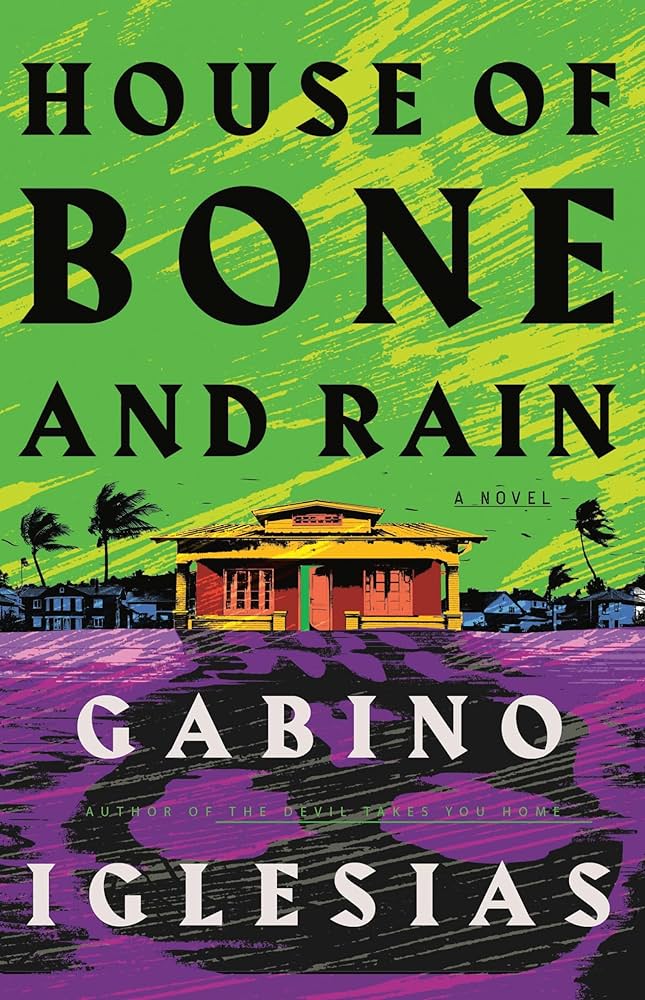
It was also rainy and dreary all day yesterday, and much as I love rain, it can damper your spirits a little especially when you’re already a bit fatigued. But I am feeling good today (I slept really late this morning) and like I can get a lot accomplished. I am going to make groceries on the way home from my eye appointment. I am going to run an errand in my neighborhood on foot when I get back from that, and I am going to try to get the house cleaned up and do some writing this afternoon while football games play in the living room. I also want to read some more of Gabino’s book and get more into it. Tomorrow morning I will run another errand that I don’t want to do much today–Fresh Market is close so it’s an easy thing to do…maybe I can run it later today and get it over with, but I suspect after getting home from the errands today I won’t want to leave the house so much.

And on that note, I am going to get cleaned up so I can get moving on the errands and the other things to get done around the house. Have a lovely Saturday, best of luck to your favorite team, and I am heading into the spice mines. I might be back later; I am itching to finish my review of Monsters, and the Menendez Brothers in general.

Hell is for Children

Hollywood has always been interesting to me, ever since I was a kid. I am not as obsessed with Hollywood and celebrity culture as I used to be; I used to love awards shows but now find them kind of tedious and a lot of to-do about nothing very much. Paul and I used to watch any and every awards show, regardless of what they were for; now it’s just easier to follow live updates and skip the forced, awkward scripted banter and speeches where winners attempt to thank everyone they know before the band starts playing them off.1 That’s always cringey to me–not for the person the band is playing for, but for the event itself. I get that they want it to end on time, but at the same time it seems bad form to celebrate someone and then cut them off as they do celebrate? Your mileage, as they say, may vary.

One thing I did notice when my Hollywood fascination was at its peak was how cleaned up and sanitized Hollywood bios were, as opposed to the fiction written about Hollywood. You’d never know, for example, from reading a biography of Spencer Tracy that he wasn’t just “good friends” with Katharine Hepburn, or that Roddy McDowell never married for a reason, or that some stars may have been forced to have sex with casting directors, agents, and producers to get started. But those marvelous Hollywood novels (dismissed and disdained by critics as trash) were so much fun to read, and they always ended in tragedy. I also always wondered–affairs and divorces were also fairly common amongst Hollywood celebrities–how much truth there was in those stories; often I could identify characters as real people (for some books–cough Valley of the Dolls cough–trying to figure out who the characters were based on was part of the fun of reading them). And of course, the existence of “studio fixers”–yeah, there’s still a bunch of stories from Hollywood’s past we may never know the real story behind, let alone the stuff they buried so completely it’ll never be known–definitely speaks to the need for them, so yeah, Hollywood had a lot of secrets.

And now, knowing what I know about powerful Hollywood figures and how they behave? I’d be more surprised if they didn’t see the contract players as a harem of men and women for them to play games with.

I also have a tendency to avoid highly praised writers and books (and other forms of entertainment, of course), because I always end up disappointed, which is fault of neither author nor their work. Jordan Harper has been praised a lot, so I was hesitant to read him…but having now read Everybody Knows, I don’t regret waiting to read it because I saved a real treat for myself.

For want of a better word, wow.

Los Angeles burns.

Some sicko is torching homeless camps. Tonight they hit a tent city in Los Feliz near the 5. The fire spread to Griffin Park. The smoke makes the sunset unbelievable. The particles in the air slash the light, shift it red. They make the sky a neon wound.

Mae waits outside the secret entrance to the Chateau Marmont. She watches Saturday-night tourists wander Sunset Boulevard, their eyes bloodshot from the smoke. They cough and trade looks. They never thought the Sunset Strip would smell like a campfire.

Mae moves around the sidewalk like a boxer before the fight. Her face is sharp and bookish, framed in a Lulu bob. She wears a vintage floral jumpsuit. She’s got eyes like a wolf on the hunt–she hides them behind chunky oversized glasses. Nobody ever sees her coming.

Jordan Harper is an amazing writer. That’s where we need to start with this book. Yes, the story is compelling and fascinating and dirty and sleazy and makes you kind of want to take a Silkwood shower. The characters–all of them, from the two leads on–are defined and fully dimensional, with interior lives and motivations. Our two main characters, Mae and Chris, are modern-day fixers…but in modern times they’re called “flacks” and work for “p.r. firms”, even if their job is the same as the tough guys who worked for MGM and Warners and Fox back in the day. But the writing is what sold me on book and writer; those opening paragraphs are as fine a series of opening paragraphs I’ve ever read. The dialogue is real, the characters are awful but you understand why they are awful–and both Mae and Chris have seen their fair share of horrific cover-ups and helping their clients get off scot-free every time they get in over their heads. In the very first chapter, Mae is on the job helping a young former child actress transitioning into adult roles out of drug overdose situation in her rooms at the Marmont, and her quick thinking and moving gets the young woman out of there without being seen or caught.

Mae is very good at her job.

Her boss sets up a meeting with her–off the books, away from the office–but on his way to meet her, he is murdered. It’s supposedly a car-jacking go wrong, but Mae has to wonder, is it? He’d seemed like he was about to hit a financial bonanza, but needed her help. Mae decides to look into his murder–which Chris winds up working as well from another direction. Mae and Chris didn’t work out the first time–but they’ve never forgotten each other, and soon join forces. Both were coming to the conclusion that their jobs were sleazy and they were helping bad people get away with doing bad things, and when they realize what is at the root of all the trouble, they see it as an opportunity to make some cash and perhaps do a little good on their way out to retirement.

And what’s going on in Hollywood is something horrible, indeed.

I loved this book, and deeply resented not having the time to read it all the way through in one sitting, so am really glad I made the time to sit down and finish it–in one sitting. I was about forty or fifty pages in, and sat down and didn’t budge till it was done. That authorial voice! The influence of the hardboiled masters is clearly there, but Harper has his own distinctive style and authorial voice that makes him unique in the business–and that’s not an easy thing to do.

I can’t wait to read more of his work.

  1. I do think this aversion, or lack of interest, in awards shows has come from attending so many writing awards banquets, and yes, it’s a lovely problem to have. At some point I will go talk about my antipathy to awards…but must and always will confess to loving being nominated for things. My jones for that itch to be scratched has happened more than I could have ever dreamed. ↩︎

The Second Time Around

…for Chanse, that is.

Oddly enough, the second Chanse was the fourth novel I published, and therein lies a tale.

Funny how with these earlier books there’s always a story, isn’t it?

So, I sold Murder in the Rue Dauphine to Alyson in September of 1999–but the pub date wasn’t until February 2002. I saw no point in writing a sequel to the book immediately; primarily because there was a nearly two and a half year wait between signing the contract and when they were able to schedule me in. So, I figured I had about a year and a half before I needed to get it finished (everyone told me it would be released a year after the first, and in all honesty, what was the point of writing two or three books while waiting for the first to come out so the others could be scheduled?), and so, with time to spare and a lengthy period of time to “waste”, I decided to start thinking about the “what ifs”–what if the book sells super-well and is popular? What if this isn’t just a one-off standalone and could be turned into a series? The more I thought about it, the more I liked the idea and I liked letting my mind roam.

So, what would I do if the series took off and I needed to write more?

Being creative and full of energy in my late thirties, and thrilled to death that now I wouldn’t die without having published a novel, I reread the manuscript and my analysis of who Chanse was and why he was who he was, and I started mapping out a personal journey for him, that lasted several books. He was a cynical loner, with a couple of friends, and he was still really not adjusted to being gay when the first book opens. He was estranged from his immediate family of younger sister and brother and his parents; he never returned to Cottonwood Wells after leaving for LSU. He’s ashamed of his family but he also knows they will never accept his sexuality, either, so it’s very easy for him to cut them off almost entirely. So, his journey was going to be like that of the main characters of the show Moonlighting; each case would teach himself something about life and himself, and he would grow from the lesson learned in each book. Each book going forward would have a life lesson for him (Rue Dauphine did as well; the lesson was ‘you can’t just trust someone automatically because they’re queer.’); and the one he’d learn in the second book would be about love and trust (the third would be about sacrifice, the fourth would deal with his family, the fifth would have him fall in love with someone else, the sixth would deal with him dealing with losing his best friend to her husband and realizing he does need other people, and the seventh, the swan song for the story, would find him ready to finally commit to someone and live with them, so the series would be seven books long).

Shortly after I sold the first book, I again learned that lesson myself–the case in the first book was inspired by a gay con artist who’d gotten involved with a non-profit here in the city and then blew out of town overnight, having stolen/embezzled a shit ton of money and leaving a pile of debts behind. I had written to a local color magazine for the gay community (I can’t remember the name!) about writing for them. I wrote something for them, and they hired me to be editor of the magazine, as the business was expanding and it would free up the founder to focus on the new directions while I ran the magazine. It was fun, I got to work with a lot of fun new friends, and…then it all blew up in our faces. It was very similar to the earlier situation–a gay con artist blows into town, makes a lot of promises, runs up a lot of debt and then it just blew up completely. Turns out the guy was a con artist with a record of credit card fraud, and he was on the FBI watchlist so yes, I did get interviewed several times by the local office of the FBI.

The second book, which had the working title Murder in the Rue Royal, was based on that story, but I had already been playing around with a stalker storyline, and then I realized how I could cross the two stories into one seamlessly and write the book. I managed to get another first draft finished when a two-book deal to write the Scotty series for Kensington and Alyson dropped the option for the second book, saying “two mystery series with a gay main character in the same city by the same author are too similar to each other”–which I took as a challenge to make Bourbon Street Blues and Scotty as different as I possibly could to prove them wrong. So, the manuscript went into a drawer and I started happily working on Scotty instead…and again, it was a stand-alone that morphed into a series.

I took a streetcar named St. Charles down to Canal, crossed the street and walked down to Royal.

It was eleven o’clock in the morning on one of those splendidly sunny September days that makes you glad to be alive. Taking the streetcar had been a good idea. The long heat of summer had broken, and the air was crisp and in the mid-seventies. The sky was that blue unique to New Orleans, with wispy white clouds scattered across its expanse. There was just a hint of cool moisture in the air. There were a lot of people milling around the sidewalks on Canal— a good sign for the tourist season. Canal used to be the main shopping drag of the city, with huge department stores like Maison Blanche and D. H. Holmes. Those were long gone. They had either gone out of business or fled to the suburbs— now it was mostly hotels, fast food, and Foot Lockers.

There were hopes that putting the Canal streetcar line back in place would stimulate a recovery for the street. So far, all the construction work had simply made the Quarter difficult to get to from uptown. Add to that the chore of trying to find a place to park that would get me a ticket in two hours or cost ten dollars, and I was kind of glad I was having car trouble—the streetcar down and a cab home was very simple.

Not that riding the streetcar didn’t bring its own set of aggravations.  If the cars ran on any fixed schedule, I’d never been able to figure it out. You could wait for one for half an hour and then three in a row, all packed to the gills, would show up. The streetcar ostensibly operated as public transportation, but was also a de rigeur tourist attraction. There was no way of telling when you’d be able to catch one with a place to sit. But when you did, it was nice to find  a window seat on a sunny day and enjoy the city clacking by.

So, when Alyson chose to drop the Chanse series after I signed with Kensington, Murder in the Rue Royal went back into a drawer, which was fine–it wasn’t a good book–and I moved on with my life. The advance for signing with Kensington paid for our move back to New Orleans from Washington, and moving back here was absolutely worth ending the Chanse series for, seriously. I still didn’t have an agent, but I’d been signed to book contracts by two publishers already, and I figured it might be easier now. We accomplished the move, get our new apartment set up on Sophie B. Wright Place, and started putting our lives back together. I don’t remember the timeline of how it came to be, but I was still working with Alyson on my first and second erotic anthologies (Full Body Contact and FRATSEX), so I was aware when my editor left and a new person, that I knew slightly, moved from assistant editor to senior editor. We were talking on the phone one day about Full Body Contact and she casually mentioned, “I don’t see your second Chanse book here on the schedule, what’s going on?” and I told her the story, “Oh for fuck’s sake, when can you get it done by?” and that became the second contract for Chanse.

So, after finished Jackson Square Jazz and turning it in, I broke out Murder in the Rue Royal (the title had already been changed on the contract to Murder in the Rue St. Ann; my new editor didn’t like the alliteration) from the drawer, blew the dust off it, and reread the manuscript. I looked at my timeline for the series, and saw that this was the one where he was supposed to fuck up his relationship, but I didn’t see it in the manuscript. I reread the first book, thought long and hard about Chanse and who he was at this point in his life and after several long days of musing it hit me, between the eyes: jealousy. Jealousy would be what fucks up his relationship, and it only made more sense to me that Chanse would be the jealous one. Paul had a loving, accepting family and was more secure in and of himself as a gay man and what he wanted out of life. Paul was considering becoming ground-based at the New Orleans airport so he could settle down and have more of a life with Chanse, which also has Chanse very alarmed and makes the jealousy even more intense….so what would be the thing that would set Chanse’s jealousy off? Something from Paul’s past that Chanse didn’t know but finds out about in the worst possible way?

I had had some issues, believe it or not, with stalkers over the years. I had always wanted to write about a stalker, so what if Paul had a stalker? Why would Paul have a stalker? And then it occurred to me that Paul had a past he wasn’t ashamed of, but had never mentioned to Chanse. Not out of a fear that Chanse wouldn’t understand, but mainly because he had no need to tell him because it wasn’t anything dark. He had done some nude modeling when he was younger and he had also done some soft-core wrestling fetish porn, which is where the stalker came from. And what if I could work the con man he’s been hired by was someone Paul knew from the soft-core fetish porn? What if the guy contacted Paul because he’d been getting threatening notes on top of everything else going on in his life? And what if Chanse ran into Paul when he was leaving the con man’s offices, which brings all this out about Paul’s past? What if it shook a jealous, possessive, insecure Chanse enough for them to fight about it? And what if Paul disappears after the con man is murdered?

That was something I could work with, and so I did.

I’ve always called Murder in the Rue St. Ann my most under-appreciated work. By the time the book had come out, Paul had lost his eye to the muggers and we were in recovery mode. I didn’t do much of anything to promote the book (other than a signing at Outwrite in Atlanta, where I signed all of my books until they closed), and it kind of came and went quickly. I felt it was the most unappreciated of all my books. Jackson Square Jazz had come out earlier in the year before Paul was attacked, and it sucked all the oxygen up that year intended for me–it was the Lambda nominee, not Rue St. Ann–and I didn’t pay much attention to the book after it came out, either. The ‘christians” came for me a few months after the book’s release as well, and then Katrina…so yeah, Rue St. Ann got no press, got no attention, but somehow still managed to sell well.

I did have the next one planned, Murder in the Rue St. Claude, which there was a proposal in for, but Alyson was also going through other, deeply concerning changes that showed how little the higher-ups knew about anything, let alone publishing. But that’s a tale for another time, I think.

Take a Chance On Me

Ah, Murder in the Rue Dauphine.

It’s always weird for me to talk about my writing and my books and so forth on here; I always worry that I am either contradicting and/or repeating myself. When you’re as self-obsessed as I am, that can be a problem; talking about myself is probably my favorite thing to do–on here, at least. And I feel like I’ve told the story of where Chanse came from and how the series developed from the very beginning many, many times.

It was when I was living in Houston that I rediscovered crime fiction, and the old love was even deeper once it was rediscovered. This was the period when I read most of the Perry Mason novels, discovered Paretsky and Grafton and Muller, and decided to give Travis McGee and John D. MacDonald another try. (I had read The Dreadful Lemon Sky when I was a teenager, but I hadn’t liked it; I was more into the classic detective mystery, with lots of suspects and a denouement with everyone gathered in a drawing room as the identity of the killer was unveiled–the McGee series was definitely not that. But MacDonald had written a superb introduction to Stephen King’s first short story collection, Night Shift, and I had always wanted to give him another chance–pun fully intended.) I devoured the McGee series this time around; and I really admired the character and how fully rounded and developed he was (I should give the series a reread; I’d be curious to see how they hold up now)…and armed with all these new private eye novels and Perry Mason puzzles, so I started coming up with my own version. Even the name was a shout out to McGee. My character was also tall with sandy/dirty blond hair, a former college football player, and he lived in Houston, with an office downtown and a secretary named Clara. The title of the first book was going to be The Body in the Bayou, and I started basing the case on the tragic Joan Robinson Hill case, immortalized in Tommy Thompson’s Blood and Money (the premise of the story was that the character representing Joan’s father hires Chanse after Joan’s death to find dirt on John–and then John is murdered; fictionalized, of course.) I wrote about six or seven really bad chapters long hand before giving up. I didn’t know how to write a novel then nor did I understand the concept of rewrites and revisions and drafts. (My ignorance was truly astounding.) The hurdle I couldn’t clear was typing. I was a terrible typist. I’d had a job in California working for an insurance brokerage that was computerized, and had a word processing program that I used to write short stories on; it made such an incredible difference that I knew I would have a much better shot at actually making my dreams come true if I only had a word processor…

In 1991, after I moved to Tampa, I managed to get a word processor, and that was what I wrote my first two and a half young adult novels on–the original drafts of Sara, Sorceress, and Sleeping Angel–and used it happily for several years until it finally died on me. But by then, I was living with Paul and had swung back around to wanting to write adult crime fiction again, and I wanted to write the Chanse character that I’d already created…so I picked back up on The Body in the Bayou, moved it from Houston to New Orleans, got rid of the office and the secretary, and made Chanse gay. I kept the title, but threw away the story; I wanted it to be a gay story, too. I don’t really remember the plot, but it had to do with the murder of a beautiful boy-toy for a wealthy closeted gay man in New Orleans…and Chanse knew the boy-toy from his days working as an escort before he landed the rich man, I wrote about six or seven chapters of this before we moved to New Orleans….and I realized I’d have to throw it all out again because it was all wrong; I’d made the classic mistake so many writers make when writing about New Orleans: writing about it having never lived here, I only had tourist experiences–which are vastly and dramatically different from the actually “living here” experiences. So, once again, I threw it all out and started over, this time calling it Tricks instead of The Body in the Bayou.

The title morphed again to the less saleable Faggots Die after the first draft; and I remember talking to Felice Picano–he was coming into town for the Tennessee Williams Festival, and I picked him up at the airport. As we drove back into the city from Kenner, we talked about my book and the series, and he nixed the new title as well as the old one. “No one, ” he wisely said, “will pick up a book called Faggots Die, and Tricks sounds like a pornographic memoir of your sex life.” Felice was actually the one who suggested I mimic titles for the series from a classic writer…and we were throwing titles around in the car when I said, “You know, the streets in the Quarter are technically rues–Rue Bourbon, Rue Royale, Rue Dumaine–and the murder happens on Dauphine. Maybe Murder in the Rue Dauphine?”

“That’s perfect,” Felice said, and then we played with Poe titles the rest of the way into the city–incidentally, one of them was The Purloined Rentboy, which became my short story “The Affair of the Purloined Rentboy”, so never throw anything away.

And thus was Murder in the Rue Dauphine titled; and the plan for the series titles was also devised–the branding was changed by the publisher, but I can honestly say my first book was titled by Felice Picano.

Never come to New Orleans in the summer. It’s hot. It’s humid. It’s sticky. It’s damp. It’s hot. Air conditioners blow on high. Ceiling fans rotate. Nothing helps. The air is thick as syrup. Sweat becomes a given. No antiperspirant works. Aerosols, sticks, powders, and creams all fail. The thick air just hangs there, brooding. The sun shows no mercy. The vegetation grows out of control. Everything’s wet. The build­ings perspire. Even a simple task becomes a chore. Taking the garbage out becomes an ordeal. The heat makes the garbage rot faster. The city starts to smell sour. The locals try to mask the smell of sweat with more perfume. Hair spray sales go up. Women turn their hair into lacquered helmets that start to sag after an hour or so.

Even the flies get lazy.

My sinuses were giving me fits as I left the airport and headed into the city. It was only 7 o’clock in the morning but already hotter than hell. The air was thick. I reached for the box of tissue under my seat and blew my nose. The pressure in my ears popped. Blessed relief.

As I drove alongside the runways I could see a Transco Airlines 737 taxiing into takeoff position. I saluted as I drove past, thinking it might be the flight that my current lover was working. Paul looked good in the uniform. It takes a great body to look sexy in polyester. He does.

He’d be gone for four days on this trip. I was at loose ends. I’d wrapped up a security job for Crown Enterprises the previous Wednesday. The big check that I’d banked guaranteed I wouldn’t have to worry about money for a while. I like when money’s not a concern.

And so began a series that lasted for seven titles and about twelve years or so; I don’t remember what year the last book in the series was published. I never expected anyone would publish it; it was intended to be a “practice novel” so I would get used to rejections and learn. It was also the first manuscript I ever wrote that went through multiple drafts before I thought it was finished enough to send out on query. It was supposed to be an exercise in learning humility and getting experience with the business while I wrote the book I did expect to get an agent with and sell–which was what I’d always called “the Kansas book” for over a decade at this point. (It eventually morphed into #shedeservedit.) But you never really learn what you’re supposed to when you’re stubborn, thin-skinned, and used to being demeaned and talked over and not taken seriously, for any number of reasons. I sent the manuscript to three agents: two sent me lovely but form rejections, which was disappointed but not surprising. I took this well, put the manuscripts away to send to three more once the final rejection came.

It came on a Friday, if I recall correctly. I went to pick-up the mail and my manuscript was there. Not a surprise, of course, but still a little disappointing. I went out to my car and opened the package…and paper-clipped to the title page of the rubber-band bound manuscript was a torn piece of used paper, with a note in ink reading I find this manuscriptand characters neither interesting or compelling with the agent’s initials at the bottom.

It was like being slapped in the face.

By the time I got home I was in a raging fury. I was literally shaking with rage when I came inside. How fucking unprofessional, I thought as I sat down at my computer to check my emails, trying to decide how I would enact my vengeance on this rude piece of shit.1 There was an email there from the editor I was working with on an anthology which had taken my first-ever fiction short story and thus would be my first publication. I had never read the signature line–mainly because I was so excited for my first fiction sale (NARRATOR VOICE: it was porn). This day, he concluded his email with Please send us more work. We definitely want to see more from you and as my ego preened, slightly soothed from the insulting agent note from earlier in the day2, I also looked down at the signature line and realized I was communicating with the senior editor at Alyson Books! I immediately wrote him back a very short note: I’ve written a novel with a gay private eye set in New Orleans, would you be interested in that? and before I could talk myself out of it, hit send.

He wrote back immediately and said please send it to me ASAP!

I put the same manuscript back in a new envelope, and drove back to the postal service to get it in the mail before I changed my mind, and breathed a sigh of relief once I got back to the car–and immediately forgot all about it.

Six weeks later I came home to a phone message from the editor. I called him back, he made me an offer, and my career leapt forward much faster than I expected…and it started a roll of good luck and “being in the right place at the right time” that has kept me publishing almost non-stop since Murder in the Rue Dauphine was released in 2002.

It sold really well, got mostly favorable reviews, and scored me my first Lambda Literary Award nomination.

Not bad for a manuscript and characters who were neither interesting or compelling, right?3

It also took me a long time to realize–or rationalize–that the note wasn’t meant for me. (I was most offended that I wasn’t even worthy of an actual form rejection letter; that was the truly insulting part for me.) I realized when telling this story on a panel somewhere, that the note was probably meant for an intern or a secretary or an assistant, who just shoved the whole thing in an envelope to do the rejection and through some wild Lucy-and-Ethel office shenanigans, it went out without the rejection letter and with the note intended for internal eyes only…and made me wonder, how different would my career and life be had that fuck-up not happened?

We’ll never know, I guess.

  1. Not really proud of this reaction, but I did get the last laugh. ↩︎
  2. Said agent died a few years later. I may have smiled and said good, a la Bette Davis vis a vis Joan Crawford’s death. ↩︎
  3. I may be more forgiving about a lot of things these days, but I will always be petty about that hateful agent. ↩︎

Oh Very Young

So, are you ready for some MORE blatant self-promotion?

During the Bold Strokes Book-a-thon, the other panel I was on had to do with writing young adult fiction (the other panelists were amazing, I might add), and once again, I am answering the questions sent to us by the moderator to turn into an interview with JUST me (because it’s all about ME ME ME) but I do urge you to seek out the video of the panel. It was terrific, and I was definitely the most uninteresting person on the panel, seriously; this is NOT self-deprecation. (I bought everyone’s books during the panel, I might add; definitely check out Lauren Melissa Ellzey.)

What is the definition of Young Adult? How does it differ from other genres?

I think it’s primarily an age distinction, to be honest, which is something that always makes me uncomfortable. Growing up I read far above my age level; when I was in seventh grade I was reading at a college level, per the tests and so forth. I mean, I did read The Godfather when I was ten; my parents, despite their conservative religious beliefs and values, let me read whatever I wanted without having to ask permission–I think when I asked Mom if I could read something the last time she replied “Read whatever you want, I don’t care” and after that I never asked again. When I was a kid, there was no such thing as young adult; everything was either for adults or “juvenile.” The juvenile category contained multitudes, beginning with the Little Golden Books and picture books to kids’ mysteries to Judy Blume. I think sometime in the 1980’s the genre was separated into “juvenile” for kids 8-12 and “young adult” for 12-18.

But there are kids like me, who can read above their age/class level and others who can’t read at their age/class level, and I think in some ways that differential could be harmful for those who are below-average readers–reading is the most crucial aspect of education, because if you can’t read…and no matter how many ways they try to make the language around slower readers more accepting and less stigmatizing…it doesn’t really help kids to be told they’re below average or not as smart or quick as the other students. (One of my primary problems throughout my education is I would understand something the first time, while others inevitably didn’t, and as the teacher explained for a second or third or more time, my ADD would kick in and my mind would wander because I didn’t need to listen and then wouldn’t be listening when the teacher moved on.

Ah, well. 

Oh, and all subgenres of fiction also have the middle grade/juvenile and young adult sub-sub-genres.

Why or how did YOU choose YA?

I don’t know that I chose y/a so much as it chose me.

I started writing when I was a child (all my childish scribblings are lost to moves and time passing), and I wrote about kids my age. My first attempts at writing were always some kind of kids’ mystery series, a la The Hardy Boys and The Three Investigators (I’d still like to do this, frankly), and when I became a teenager, I started writing about teenagers. I wrote a bunch of short stories while in high school about the same group of kids going to the same high school. Those stories slowly but surely grew into a sprawling, handwritten novel about the county with plots and subplots and main characters and minor characters and all of this history; a “Peyton Place in Kansas kind of thing”. I worked on it for like five years, and eventually had this enormous sprawling mess that needed to be revised and rewritten and typed…and since I didn’t know how to type, made that part of it a problem. So I shoved it into a drawer and started pulling from it rather than revising it; taking out plots and characters and using them in other books and other stories.

After I finished that, I spent the next five years mostly working on short stories. I started another book, more horror than anything else, but never got further than the third chapter. I finally decided to write a horror novel built from my old manuscript and those short stories from high school. I was about three chapters into it when I discovered two things: there was a big market in y/a horror at the time (Christopher Pike and R. L. Stine were HUGE during this period) and so I bought some of them. When I finished, I thought, “You know, I should turn Sara into a y/a novel” (because I thought somehow that would be easier? Foolish, foolish rookie) and so… I did. I was right in that thinking of it in those terms made it possible for me to finish a draft, but I wasn’t very happy with it so I put it aside and started writing another one, Sorceress, which was also horror but also had some strong Gothic moments in it. When I finished that one, again I wasn’t pleased with it so I started another–Sleeping Angel–which was the one I thought really had potential. I never finished that draft–by this time I’d discovered that gay fiction and nonfiction existed, so I started reading that and trying to write about gay characters instead.

Those manuscripts remained in my drawer for well over a decade, until a friend of mine took a job as a young adult acquisitions editor, and she wanted to work with me. I told her I’d written three (although it was technically two and a half), and gave her a brief synopsis of them. She liked Sorceress the best, so I started revising and editing it and turning it into something publishable. Once it was all done, she’d left that publisher, but started her own small press for y/a books for underrepresented teens, and she wanted to launch the press with Sorceress. I said “okay” and we were off. I eventually realized I needed to let Bold Strokes know, and when I did, I got an email back saying you know we do y/a, too? And so I sold the other two to them, and have never looked back since then.

Are there specific rules for writing YA (things you can’t do)?  Does Bold Strokes add on or impose specific or additional rules?

I don’t pay too much attention to rules, frankly. There’s no graphic sex in my books, but it’s hinted at. I also try to swear less in young adult books than I do in adult fiction, which is probably not as big of a deal as I think it is? The society I grew up in was a lot more puritanical–believe it or not–that the one we live in today. So I always default to that setting, and then have to shake it off. Swearing isn’t as big of a deal as it used to be. No one thinks they’re marrying a virgin anymore, and on and on. And having been attacked for daring to accept an invitation to speak to queer high school students, I tend to tread softly. There have been a couple of times where I’ve had to change language, or how a scene went, because my editor thought it might be problematic; and frankly, I never want to be offensive, so I have no problem with it. I don’t see it as a free speech issue the way so many intentionally offensive writers claim it is. I shouldn’t take offense to someone calling me a faggot? Grow the fuck up. The so-called free speech “crusaders” are always defending hate speech as well as trying to shut up the people who find it objectionable. You do not have a constitutional freedom from consequences or getting a negative response to things you say and do, period. It’s really not hard to understand unless you want to be passive/aggressive and childish and a moron.

How do you remember back to these days, specifically how it felt or feels? (this is coming from your moderator who is much older than you are)

Well, for one thing, I’ve always kept a journal and I still have them all. (I was insufferable when I was younger, seriously.)

My sister has a theory that we forget a lot of the pleasant memories from our childhoods, but remember the traumas in great detail. I believe the truth of that, because school was a nightmare for me from the day we moved to the suburbs until I was done with it. I remember how it felt to read Greg Herren sucks cock on a desk at school. I remember how it felt to be mocked, laughed at, and bullied by assholes. I do remember the good things, though I tend to always focus on the bad.

The first thing I always do is abandon whatever “wisdom” about life I’ve theoretically learned since leaving high school, and put myself into the teenager mindset: they think they are the main characters in everyone they know’s story, and everything is the end of the world or their life is ruined and you are the most horrible parent ever! I’m not entirely sure I’ve escaped thinking that way, to be brutally honest: I am horribly selfish.

How do you come up with your characters?  Your stories? 

I am weird in that I inevitably always start with a title. I hear something or read something and think, that would make a good title. The next question is what story would fit that title? And it kind of goes from there. The title may change, the character names and story might change and evolve, but I can’t write anything that doesn’t have a title. Bizarre, I know. Usually with my young adult stuff it’s an idea I’ve had for a number of years and finally decide to explore whether it’s a novel or a short story, and go from there.

Dark Tide was originally called Mermaid Inn, Bury Me in Shadows was originally Ruins, but the others pretty much stayed the same from beginning to end.

I wrote #shedeservedit because I was angry about the Steubenville/Maryville rape cases, and remembered stories and gossip from when I was in high school and college…and rethinking them through a more evolved brain about women and misogyny… well, it made me angrier. I had already planned on writing a story set in the same town with the same characters and opening with the same murder (I always referred to it as “the Kansas book” for years), but the motive was something I always had trouble grounding in reality. After those cases…it clicked in my head. You need to write this story about small town misogyny, protecting the star jocks from the girls at all cost, and make that the plot. It was easy to write because I was angry. Making it a compelling read was harder, because the subject matter was sickening to me.

I needed to write that book, and I don’t regret doing it, either…but it’s not exactly a feel good story people can escape into, either.

Why do you think YA is so popular?

It’s more accessible, I think. I mentioned reading ability before, and I do think that most readers aren’t into the Great Literary Tomes, hundreds of pages of beautiful writing with no real point or story. People kind of want to escape their cares and worries, and y/a books tend to be really entertaining. We’re competing with phones and tablets and streaming, so we need to write entertaining and engaging books.

Any specific must do-s or must-haves to get your writing each day?

I’m not nearly as anal about that as I used to be, before I returned to work full-time. I am very aware that I have little time to waste when I write, and thus must seize whatever opportunities to write show up. But if pressed, coffee. I can’t write unless I’ve had coffee when I got up.

Every Day I Write the Book

Okay, that’s technically not true. I don’t write fiction every day, and I don’t work on a book every day. I generally don’t count the blog as actual writing, but it is writing, I suppose, so I do write that pretty much every day. But I’ve never included the blog in daily word counts or anything; just as I wouldn’t (and didn’t) consider emails, text messages, and social media posts as being part of the daily production output (although I suppose I should; I estimated how many words of blog I’ve done since starting this nineteen years ago–twenty in December–and it was a staggering amount, especially since it was probably dramatically under-counted), and never will.

I do think about writing fiction every day, even the days when I am so exhausted and brain dead I don’t think I’m capable of much of anything creative. I am always thinking, and it’s very rare that the brain turns off, unless I go to sleep (thank you, sleeping pills!); as long as part of my mind is awake and alert my mind will eventually wander into creative thinking. It’s just how my mind works.

During the Bold Strokes Book-a-thon last month, I was on a couple of panels, and as usual have decided to turn the questions sent by the moderators as the basis for self-promotional posts. It has been a hot minute–I’ve not done a hell of a lot of promotion since the surgery knocked me off my tracks for a few months–and while I know many other books have come out since and the Greg has a new book excitement amongst my readers has already died down long since, but what the hell, right? I’m nothing if not a narcissist (or have, at best, some narcissistic traits at any rate), and let’s face it, one of my favorite subjects is ME, so why not? No one has to read these self-promotional posts, either. Just scroll on by, if that’s how you feel; my feelings will not be hurt in the slightest, and I no longer have the anxiety of oh my god no one likes me how can I make everyone like me?

Thank GOD.

This is from the Prolific Authors panel1.

How do you ensure that your latest work is not similar to something you have written before? Can you even remember everything you have written before?

After the eighth (?) Scotty book, someone on social media commented on one of my posts asking how many car accidents has Scotty been in? I’d never really thought much about it, but in that moment I realized quite a fucking lot, and that doesn’t include my other, non-Scotty books, either. I realized that I had been in a car accident in 2008 (the first in decades, and I wasn’t at fault) and my car was totaled. It was so weird, and so different from anything I’d ever imagined being in a serious accident like that would be; it took me days to get the taste of chemicals from the airbag out of my throat and my voice was scratchy and husky for about a week or so after. So, of course, I wrote about it in my next book…and then I think I started having a car accident in a lot more of my books. There was also a car accident in one of the earlier Scotty books–Jackson Square Jazz–and so…I didn’t put one in Mississippi River Mischief.

I had never truly worried about repeating myself until that moment of oh my God do I have a car accident in every book? And so now, I try to be really careful. Am I just rewriting a scene I’ve written before? Scotty is on book nine now; I don’t think it’s feasible for me to sit down and reread the entire series every time I am about to write another one. I have always intended to make a Scotty Bible–what all the regular characters look like, their relationships to each other, where they live, little tidbits I’ve dropped over the years that are clues to their personalities–so that I could verify the information in the series and not have to go looking for it (because I am nothing if not lazy, so I’d put it off and forget it and then realize it’s too late to change that now! FUCK!). I also should go back and outline the books, too–just to have something easy to reference when writing another one.

Since I write more than one series and I also write stand-alone novels, I just realized I should probably do this with all of my books…but I am way too lazy to ever get that done. So I will go on trusting my brain and my memory…which is clearly a mistake!

When naming your characters, do you completely avoid names which you have used in the past or do you feel that the characterization alone is enough to differentiate?

I have names I always fall back on–I also tend to like names that start with L’s and J’s for some reason–so I have to be careful with that. I don’t keep track of all character names I’ve used, and I suppose it’s possible that I could “recreate” a character with a name I’ve used before, and even make them the same…but I also re-use characters; they cross over from series to series and back and then to the stand alones. When I was writing Death Drop, I was originally going to have Blaine and Venus be the cops; they were the cops in both of my previous series with a gay male protagonist, so why not keep expanding my New Orleans universe? I eventually changed my mind–I don’t know why, really, or remember, which is probably a more accurate statement–and changed the names; I think I wanted to differentiate the Killer Queen series and make it more distinct from Chanse and Scotty.

I’m worried more about creating characters that are similar to others I’ve written about more so than the name. I was thinking about starting another series–one with a true crime writer as the main character, and he’s already appeared in both the Scotty and Chanse series; I even had an idea for the story. But when I started creating him, I began to realize he was like a mash-up of Chanse and Scotty, so I abandoned the idea. Now that I am thinking about it again, so what if their backgrounds are similar? He’s nothing like either one of them, and it was a good story idea, so…you never know. I try not to ever conclusively rule anything out. I even think about bringing Chanse back every once in a while.

A question I’m sure most of you have received—do you ever worry that you will run out of ideas?

That’s the least of my concerns. I am more worried I won’t live long enough to write everything I want to.

After all these books, do you still enjoy the writing process?

The primary goal of my life has always been to try to surgically remove anything I don’t enjoy from my existence. I am very blessed in that not only do I get to write and tell my stories and people want to read them but I also have a day job that I enjoy and can feel good about the work I do there. So, the only way I would ever stop writing if I stopped enjoying it, and I can’t ever see that happening. Sure, I’ve had times where I had to step away because of burn out or exhaustion, but I always knew it was a break and I would come back to it again. It’s been difficult for me since my surgery in November to get back into it, but I am making progress. I love writing, and am so grateful this childhood dream came true.

  1. I used to bristle a bit when people called me prolific; I just love to write. But I finally stopped that nonsense and accepted the descriptor when I hit my tenth book…which was over thirty books ago. If that’s not prolific, I don’t know what is. ↩︎

Ladies Who Lunch

Americans have always been fascinated by rich people.

We all want to be rich, after all; as someone once said, “The United States is a nation of temporarily distressed millionaires.” So, in lieu of actually being rich, we obsess about them. The rich used to be celebrities for no other reason than being rich. It’s always been interesting to me that in our so-called “classless” society (which was part of the point; no class privilege, everyone is the same in the eyes of the law) we obsess about the rich, we want to know everything about them, and we lap up gossip about them like a kitten with a bowl of cream. I am constantly amazed whenever I watch something or read something set in Great Britain, because that whole “royalty and nobility” thing is just so stupid and ludicrous (and indefensible) on its face that I don’t understand why Americans get so into it; the fascination with the not-very-interesting House of Windsor, for one. We fought not just one but two wars to rid ourselves of royalty and nobility…yet we can’t get enough of the British royals, or the so-called American aristocracy. (Generic we there, I could give a rat’s ass about the horse-faced inbred Windsors and their insane wealth, quite frankly.)

I wanted to be rich when I was a kid; I spent a lot of time in my youth fantasizing about being rich and famous and escaping my humdrum, everyday existence and becoming a celebrity of sorts with no idea of how to do so. I was intrigued by the rich and celebrities; I used to read People and Us regularly, always looked at the headlines on the tabloids at the grocery store, and used to always prefer watching movies and television programs about the rich. (Dynasty, anyone?) I loved trashy novels about obscenely wealthy (and inevitably perverted) society types and celebrities–Valley of the Dolls has always been a favorite of mine, along with all the others from that time period–Judith Krantz, Harold Robbins, Jackie Collins, Sidney Sheldon and all the knock-offs. I was a strange child, with all kinds of things going on in my head and so many voices talking to me and my attention definitely had an extraordinary deficit; I always referred to it as the “buzzing.” The only time I could ever truly focus my brain was either reading a book or watching something on television–and even as a child, I often read while I was watching television. (Which is why I read so much, even though that buzzing isn’t there anymore and hasn’t been for decades.)

As I get older and start revisiting my past (its traumas along with its joys) I begin to remember things, little clues and observations that stuck in my head as a lesson and remained there long after the actual inciting incident was long forgotten. I’ve always had a mild loathing for Truman Capote, for example, which really needs to be unpacked. Capote was everywhere when I was a child; there was endless talk shows littering the television schedules those days–Dick Cavett, Merv Griffin, Mike Douglas, John Davidson, and on and on and on–and Capote was always a popular guest on these shows. I wasn’t really sure what he did or who he was, but he was someone famous and he was on television a lot. I saw him in the atrocious film Murder by Death, and I know I knew/had heard that he was a homosexual, a gay; and I also knew I was a gay. It terrified me that I was destined to end up as another Capote–affected high-pitched speech and mannerisms, foppish clothing that just screamed gay at anyone looking; Capote made no bones about who or what he was and refused to hide anything…yet he gained a kind of celebrity and fame and success in that incredibly homophobic time period, and no one had a problem with putting him front and center on television during the day time.

But this isn’t about my own self-loathing as evidenced by my decades of feeling repulsed by Truman Capote; that I will save for when I finish watching Capote v. the Swans.

“Carissimo!” she cried. “You’re just what I’m looking for. A lunch date. The duchess stood me up.”

“Black or white?” I said.

“White,” she said, reversing my direction on the sidewalk.

White is Wallis Windsor, whereas the Black Duchess is what her friends called Perla Apfeldorf, the Brazilian wife of a notoriously racist South African diamond industrialist. As for the lady who knew the distinction, she was indeed a lady–Lady Ina Coolbirth, an American married to a British chemicals tycoon and a lot of woman in every way. Tall, taller than most men, Ina was a big breezy peppy broad, born and raised on a ranch in Montana.

“This is the second time she’s canceled,” Ina Coolbirth continued. “She says she has hives. Or the duke has hives. One or the other. Anyway, I’ve still got a table at Côte Basque. So, shall we? Because I do so need someone to talk to, really. And, thank God, Jonesy, it can be you.”

I do want to be clear that once I started reading Capote, he quickly became a writer whom I admired very much; I don’t think I’ve ever read anything he’s written that didn’t take my breath away with its style and sentence construction and poetry. He truly was a master stylist, and perhaps with a greater output he might have become one of the established masters of American literature, required reading for aspiring writers and students of American literature. In Cold Blood is a masterpiece I go back to again and again; I prefer his novella Breakfast at Tiffany’s to the film without question; and I was blown away by his debut novel, Other Voices Other Rooms, which was one of those books that made me think my childhood, and my being from Alabama, might be worth mining for my work.

I read “La Côte Basque 1965” years ago, and didn’t really remember it very much other than remembering I didn’t care for it very much. I was aware of the scandal that followed its publication and that all of Capote’s carefully cultivated rich society women friends felt betrayed by it and turned on him, which sent him into a decline from which he never recovered, before dying himself. I’ve always seen Capote as an example of wasted talents. Anyway, I read the story but not being familiar with his social set, I didn’t recognize any of the people gossiped about in the story or who the woman he was lunching with represented (Slim Keith, for the record), and so it kind of bored me; it was a short story about someone having lunch and gossiping about people the reader had no way of knowing who they were or anything about. I assumed this was because the story was an excerpt from the novel, and the novel itself would establish who all these women were and their relationships with each other. But I did know it was all thinly veiled gossip about his friends, and they never forgave him for it. (I also didn’t recognize “Ann Hopkins” in the story as Ann Woodward; I hadn’t known until the television series that he was involved in her story. I primarily knew about her from reading The Two Mrs. Grenvilles and articles in Vanity Fair, and I actually thought, when reading that book, that it was based on the Reynolds tobacco heir murder that Robert Wilder based his book Written on the Wind on; it wasn’t until later that I learned about the Woodward incident) so I thought, well, it was an entertaining if confusing read.

It was kind of like listening to two strangers talk in a Starbucks and gossip about people you don’t know; entertaining but nothing serious, not really a story of any kind, and I didn’t at the time see how it would all fit into a novel as a chapter in the first place. What purpose to the overall story did this nasty gossip play? Why was it necessary for Ina to share these stories at this particular lunch (and don’t get me started on White Duchess and Black Duchess)? Were these people she was talking about important to the book as a whole? It was hard for me to tell, and I put it away, thinking at the time probably a good thing he never finished the book.

Watching the show about fallout from the story’s publication, I decided to read the story again.

And I still question why Esquire chose to publish it, as well as why Capote thought this chapter was the one to send them. Capote was a genius, of course, and after In Cold Blood was one of the biggest names in American literature (he truly invented the true crime genre); of course they are going to publish whatever he sent them, no matter how bad it was. It wasn’t promoted as a story, after all, it was a novel excerpt.

What I’ve not been able to figure out from any of this is why he thought he could publish this without any fallout from his “swans.” I guess it went to the grave with Capote, who clearly didn’t–and I don’t think ever did–understand why they were so upset with him, which just astonishes me. (Someone once thought I based a character on her–I didn’t–and was very angry with me. I didn’t care, because I neither cared about the person nor her concerns, but I know how careful you have to be as a writer with these sorts of things.)

I wish I could say I liked it better on the reread. I did not. It’s still the same mess it was when I originally read over twenty years ago. It’s just a rich woman being bitchy to her gay friend she feels free to be bitchy about her friends with, and when you have no context (even knowing this time who the actual people were, and yes, he barely disguised them) about the women being discussed or anything about them…it’s just boring, gossip about people you don’t know and you don’t know enough to care about, so it’s just a bitchy little boring lunch. I don’t know what could come before that or after, as an author myself; had I been the fiction editor at Esquire I would have been pissed that was what he sent in, and I would have definitely taken a red pencil to it before I would have published it–and Esquire? Why did Esquire, a men’s lifestyle magazine, publish this when the right place would have been Vogue or Vanity Fair or even The New Yorker. None of it made sense then, none of it makes sense to me now; and if this is the best example we have of Answered Prayers, maybe it’s not such a bad thing that the manuscript–if it ever existed–disappeared.

Sorry, Truman, you were a great writer but this one was a swing-and-a-miss.

Friends

After we moved to the suburbs and had not only a house but a second car, my mother decided that maybe religion was missing from the lives of my sister and I, and began taking us to church–not the Southern Baptist faith she herself was raised in, but the Church of Christ, which was my father’s family’s faith. It wasn’t like my sister and I hadn’t been to church before; whenever we visited relatives in Alabama we were inevitably dragged to church with them, whether we wanted to go or not. It wasn’t even up for debate, so yes, in some ways, my father’s family kind of forced religion on us when we didn’t really go to church at home with our parents. I never knew why Mom decided we needed to start going–she wound up having an off-and-on relationship with the church for the rest of her life–but we did. Dad played golf every Sunday morning and often hit buckets of balls after or maybe went out for lunch with the other players; I don’t know. But not only did we start going to church, she rewarded us by taking us to Ponderosa for lunch (where I first discovered Catalina French salad dressing, a favorite to this day) and then we’d go see a movie. Most of the movies are forgotten now, collecting dust and cobwebs until I think about that movie again and remember it was one Mom took us to.

The Last of Sheila was one of those movies, and I fell in love with it as I watched. It had everything I could possibly want: an incredibly clever murder mystery, a cast of movie stars I recognized, and it was about Hollywood, even though set and shot along the Riviera. It was an inside look at the rich and glamorous–something I felt was like another planet to me in my subdivision house, in my lower middle class existence which was a place where I felt like I didn’t belong.

Shortly after seeing the movie, I was at Zayre’s with a couple of bucks to buy books with, and there were three I wanted–The Last of Sheila and two others, but I could only afford two of them, and I regretfully put The Last of Sheila back because I’d already seen the movie and I could get it the next time.

Constant Reader, it wasn’t there when I went back. I never forget there was a book, either–but I didn’t know whether it was a novelization or an actual book the film had been based on; and I didn’t mind reading novelizations, either. When I rewatched the film again during the pandemic, I remembered there was a book and started looking for it on-line. It was clearly rare and beloved, because whenever a copy would come up for sale on second-hand sites it was always priced anywhere from $150-$300, and I didn’t care about the nostalgic aspects of it that much. Then last summer two popped up on ebay; both more expensive than I would have liked but still–reasonable enough to consider. I put in a bid on one and then realized the other was a “buy it now”, so I went ahead and bought it. A few days later I won the bid–and a little confused, decided to go ahead and honor the bid since I had put one in but simply forgot about it, and I gave the other away to a friend who also loved the movie for Christmas.

And finally, I settled in to read it–after another, recent rewatch.

The Sheila rode at anchor, stern to the quay, stern lines fastened securely over the bollards. The Mediterranean sun glanced off the brightwork and made of the white hull a dazzling blur. Her eighty-seven feet dwarfed the sleek ketch on her port side, a racing vessel owned by the pretender to the Spanish throne, but the Sheila was in her turn outclassed by the ninety-five-footer on her starboard, a powerful yacht owned by a South African diamond billionaire. The Palma marina was, as usual in the summer, crowded with the pleasure craft of the wealthy, berthed as tightly together as possible, their anchor chains frequently fouling.

Lee Parkman swung her long slender legs out of the taxicab and stood somewhat shakily on the quay, shielding her eyes from the too-bright noonday sun that pierced even through the lenses of. her oversized sunglasses. Her legs still felt rubbery from the long, bumpy tide over the dursty roads that led from the Palma Airport to the marina. Mallorca was like that, she thought. The paradox of moderan airport and luxurious anchorage linked by an ancient and ill-kept road.

I don’t know if they still do novelizations of popular films as a merchandising gimmick–the cover of this one has a little admonition to see the film READ THE NOVEL and of course, the ever-popular Now a Major Motion Picture From Warner Brothers. There’s also a lovely cast photo prominently featured on the book cover–with the cast posed together in the same way they are in the photograph in the book, which holds the key to the very clever puzzle at the heart of the book, and what a cast of early 1970’s luminaries it contained! James Mason, Joan Hackett, Dyan Cannon, James Coburn, a gorgeous young Ian McShane, Richard Benjamin, and the fabulous Raquel Welch. All play, in a way, traditional Hollywood archetypes: Mason is the director fallen on hard times; Benjamin the writer who can’t get a script film so works on rewrites of other people’s work; Cannon the blowsy loud shark-like Hollywood agent (based on Sue Mengers, anyone remember her?), Coburn as the asshole abusive producer; Welch playing the stunningly beautiful actress with little talent; McShane as her loser husband/manager; and Hackett as the Hollywood heiress, whose father was a monstrous tyrannical producer like the Coburn character, married to the Benjamin character and the only thing keeping him out of hock.

Coburn’s character, Clinton, invites all the others for a week-long trip along the Riviera on his boat, the Sheila, named after his late wife, killed by a hit and run driver about a year earlier. Sheila was a gossip columnist that Clinton truly loved, but she was also a typical Hollywood rags-to-riches story. She started out as a call girl and worked her way up to gossip columnist and married a rich producer before her tragic death. The driver of the car that killed her was never found. He claims to want to produce a picture, a way to honor his dead wife, called The Last of Sheila, which he wants Benjamin/Tom to write, Mason/Philip to direct, and Welch/Alice to star in. They will also spend the week playing a game–each person is assigned a card, and every night they will get clues they will have to solve to figure out who has the card. Once the person who has the card solves it, the game is over for the night so you have to find out who has the card before the cardholder does to get a point. None of them really want to play–but once the first night gets underway, some of them get into it and some of them don’t. There are also all kinds of clues and hints that something a lot more sinister is going on below the surface, as the guests become uncomfortably aware that the game is really about them and their secrets…and then there’s an attempted murder, and then Clinton himself is murdered on the second night.

It’s a fantastic set-up, and it’s an incredibly clever plot. The film’s screenplay, from which the novelization was adapted, was written by closeted gay actor Anthony Perkins and Stephen Sondheim (yes, that same Stephen Sondheim), which also lends depth and insight into this world of cutthroat behavior, backstabbing, and vengeance. The novelization itself is one of the better ones I’ve ever read; they were usually cranked out quickly by a pseudonymous writer trying to make a quick buck (no harm there; I’d certainly write them if the price was right and they were still a thing) who basically simply turned the screenplay into a book, without getting much into the story or layers or character development. But this one of The Last of Sheila is the rare one that you put down when finished and think, Oh, there was so much more that could have been told there–and it even fleshes the characters and the backstory–and the motives–out even further. It actually helps with your appreciation of the film by giving necessary back story to the relationships between them and their individual motives, and I am very glad that I read it.

The Last of Sheila will always be one of my favorite films, because it remains fresh and interesting and its cleverness never stops amazing me every time I watch it.

And of course, Bette Midler’s “Friends” plays over the closing credits–after the perfect ending–which was also my first real exposure to the Divine Miss M, whose debut album I bought shortly after seeing the film and I’ve been a fan ever since.

How did anyone not know?

Let It Whip

Tuesday, and we survived Monday again! I believe in celebrating even the smallest of achievements, so here we are. I left work early yesterday for PT–I beat the kettlebell this time, and some of the exercises that were dreadful last time were much better this time; still dreadful, but more easily borne than before. I easily could have slept longer this morning, but alas, it was not to be. I also worked on the story some more last night and I was correct; the missing piece of the puzzle I’d worked out over the weekend was exactly what was wrong with the story and why it wasn’t gelling, but the revision is working quite well, which is very pleasing to our eyes. I am slowly waking up–the coffee is quite marvelous this morning and most definitely hitting the spot for sure–and while I didn’t want to get up, I think it’s going to be a terrific day.

The other day I came across something while wandering around on-line which caught me off guard and yet was kind of cool at the same time–Ann Patchett doing a tiktok or a Facebook reel or something like that, in which she was talking about how she’d recently read So Big by Edna Ferber and really enjoyed it. Edna Ferber! I’d had a Ferber phase the last two years of high school, when I read everything I could get my hands on that she’d written–So Big, Come and Get It, Cimarron, Giant, Ice Palace, Saratoga Trunk, Show Boat–and I really enjoyed her work. Ferber was a very successful and very well known writer of the early to mid-twentieth century; many of her books were made into Oscar winning films; and they were mostly Americana, books set in some region of the US during its history and shining a light on the time. She was very well-regarded also as a playwright and short story writer. She was also a member of the Algonquin Round Table. So I thought, “I should reread Saratoga Trunk, which is partly set in New Orleans and I barely remember it” (although I also remember enjoying the film, with Gary Cooper and Ingrid Bergman) so I went on ebay and found a decent old copy.

Because I don’t already have enough to read on my plate, right?

I also met Ann Patchett a very long time ago, before she published Bel Canto and became ANN PATCHETT. She was very kind, very nice, and I liked her an awful lot. I think her only book at the time was The Patron Saint of Liars, which I read and enjoyed. I doubt very seriously she remembers me, of course; she’s become a huge literary star since I met her and I was just another face among many others that she’s met over the year, but I can say that I met and liked Ann Patchett very early in her career. Watching her success explode has also been a pleasure because it’s always lovely when someone super-nice actually finds enormous success. It restores my faith in humanity and the world.

I also started reading something over the past couple of days–exhausted brain, really–that I am enjoying for its bitchy wit but am not quite ready to talk about just yet, but it’s not anything I’ve been talking about reading on here lately. It’s also not that I am not enjoying the book I was reading–which I was, and look forward to diving back into when I can get it my full and not tired attention–but this is an easier read, if that makes sense? I already know the characters and the story because it’s one of my favorite films, and that’s all I will say about it at this time.

I also made the Saltburn connection that I’d been trying to make since seeing the film the first time–everyone keeps talking about it in reference to either The Talented Mr. Ripley or Brideshead Revisited, and while I could see that, there was always a nagging sense that there was another, more obscure film that it was more like than either of its regular comparisons/influences, and then this weekend it hit me between the eyes what film it was–because in rearranging the books, I discovered the book the film was based on, and the proverbial lightbulb went on over my head. Yes, yes, this film is more Saltburn than the others, and I did wonder if Emerald Fennell had seen the bizarre little film I watched during the pandemic while making condom packs and revisiting (or watching for the first time) /classic films from the Cynical 70’s–and now I have the hook for my essay/blog entry on Saltburn, so watch this space because I’ll eventually get around to writing it; I inevitably do, and I do think this conversation about the film is actually timeless, so there you go.

But it’s time to start getting cleaned up, pack my lunch box, and head out on the highway to the office to start my work day. I get to come straight home from work tonight, which is lovely, and maybe can get some chores done as well as some writing before Sparky bonding time. Until my next appearance, have a lovely one, Constant Reader!