Too Late for Goodbyes

Well, we made it to Friday, didn’t we? I do feel sometimes as though wishing for the weekend, or counting the days until payday, is kind of wishing my life away. (My mother used to tell me that when I was younger, and it’s one of those things I’ve never forgotten. Whether or not that’s a good thing, I’m not sure. Most of my mother’s sayings are like that; my favorite being always expect the worst and you’ll never be disappointed. I’m never sure if that means lower your expectations to avoid disappointment, or if it means the opposite–if you always think the worst is going to happen you’ll make it happen? So confusing. But most of these came from her incredibly pragmatic mother, so I tend to think the former rather than the latter in this case.)

I wrote close to three thousand words yesterday; and yet felt disappointed with my output. Two thirds of them were my short story “Burning Crosses,” which I am enjoying but again am struggling to write and the rest were on the next chapter of the Scotty book, which I actually enjoyed writing. I am hoping to get both this story and maybe two chapters of the Scotty finished this weekend; I want to do some cleaning as well (quelle surprise) and I want to finish reading my Bryan Camp novel so I can blog about it before the release next week. It’s really good, and you NEED to preorder it. Seriously.

I’ve gone back to streaming The Shannara Chronicles, and have seriously gotten sucked into the show. I’ve now watched the first episode of Season Two, and am liking the direction it’s taking. I don’t remember the books; I only read the first two–The Sword of Shannara and The Elfstones of Shannara–and I think the show was culled from the second book on. Paul’s back home now, so it’s going to be tricky watching shows he’s not watching; the Festivals are over and he won’t be home late anymore or working on the weekends.

For the Short Story Project, I offer the following two stories:

First up is “Orange is for Anguish, Blue for Insanity” by David Morrell,  from Lawrence Block’s Alive in Shape and Color.

Van Dorn’s work was controversial, of course. The scandal his paintings caused among Parisian artists in the late 1800s provided the stuff of legend. Disdaining conventions, thrusting beyond accepted theories, Van Dorn seized upon the essentials of his craft to which he’d devoted his soul. Color, design, and texture. With those principles in mind, he created portraits and landscapes so different, so innovative, that their subjects seemed merely an excuse for Van Dorn to put paint upon canvas. His brilliant colors, applied in passionate splotches and swirls, often so thick that they projected an eighth of an inch from the canvas in the manner of a bas-relief, so dominated the viewer’s perception that the person or scene depicted seemed secondary to technique.

Impressionism, the prevailing avant-garde theory of the late 1800s, imitated the eye’s tendency to perceive the edges of peripheral objects as blurs. Van Dorn went one step further and so emphasized the lack of distinction among objects that they seemed to melt together, to merge into an interconnected, pantheistic universe of color. The branches of a Van Dorn tree became ectoplasmic tentacles, thrusting toward the sky and the grass, just as tentacles from the sky and the grass thrust toward the tree, all melding together in a radiant swirl. He seemed to address himself not to the illusions of light but to  reality itself, or at least his theory of it. The tree is the sky, his technique asserted. The grass is the tree, and the sky is grass. All is one.

David Morrell is a long time best selling author, and I’ve met him several times; he’s an incredibly nice man. He’ll always be known as the author of First Blood–he calls himself “Rambo’s Father,” but he’s enjoyed a lot of success throughout his career. This story is one of my favorites from this collection, and perhaps one of the top five new stories I’ve read for the Short Story Project. It’s fan-fucking-tastic; a story about art and obsession and madness and genius; I could devote an entire entry to simply unpacking and deconstructing the themes and symbols and metaphors in this fucking brilliant story. Alive in Shape and Color is a fantastic collection, frankly, that if you like short stories you should definitely read; but this story is so good I would tell you this book is worth the cover price in order to read this story alone. I fricking loved it. LOVED it.

Next up was “The Preacher Collects,” By Gail Levin, from Lawrence Block’s In Sunlight and In Shadow:

They call me “Reverend Sanborn.” I was born Arthayet R. Sanborn, Jr., in Manchester, New Hampshire, sone of Arthayer and Annie Quimby Sanborn. I graduated from Gordon College, a good Christian school in Wenham, Massachusetts, and in Woonsocket, Rhode Island, before I went to Nyack, New York, where I led the First Baptist Church, located on North Broadway. My job came with the security of a home, just next to the church, where I lived with my wife, Ruth, and our four children.

Before long I met at church our neighbor and long-time parishioner, Marion Louise Hopper. An aging spinster, she lived alone in her family’s old house next door to the church. She liked to boast that her younger brother, and only sibling, was a famous artist, named Edward. Edward Hopper, however, appeared to want as little as possible to do with Nyack and his sister.

I didn’t care for this story as much as some others, but it’s well written. It’s about a minister who basically robs Edward Hopper’s work from his sister, who still lives in the family home, but we never really get a sense of why he does this, his justifications for it, and it just moves from this to that to there to this to that to there; it was kind of emotionally flat for me. Of course, I also read this right after the Morrell story in the other collection, and it may very well be that affected my perception of this story. I’ll give it another go at some point, which would be only fair.

And now, back to the spice mines.

1e3769b75af0e60ee6016d9974644998

Be Near Me

It’s a gray Monday, and I have a lot to do today before I return to work tomorrow. Yesterday was a complete waste of a day; I did manage to reread the first half of the first draft of the Scotty novel and spent some time reading/editing “Don’t Look Down”; not really sure how it needs to be fixed but am going to try to get that taken care of today. I need to run an errand at some point, and I must go to the gym today. But I need to get past the schedule I always am stubbornly stuck with; I’ve always done errands/gym around elevenish/noon; which is insane. There’s no required schedule as such; I can do errands or go to the gym at any time I please. So, yes, I am going to  work my way through things this morning, and try not to waste my time with social media, the way I always do.

It really is a time suck.

I’m not sure why I had such low energy yesterday; whether it was the gloom or the cold or whatever; but I had intended to go to the gym yesterday and run the errands. Instead I found myself listless and drained of all energy; I had to force myself to make lunch yesterday afternoon. I spent most of the day lying in bed reading–although I did managed to muster the energy to come downstairs and watch The Ritual on Netflix around eight o’clock last night. I feel better today so obviously the low-energy was something my body insisted on; it’s just been a long time since I’ve had such a day where I couldn’t force myself to do anything. I usually just brush all that aside and make myself do things. It didn’t work yesterday, alas.

I suppose the best thing to do is just accept that it was something my body needed and be done with it.

I also read some some short stories yesterday. First up was  “Taking Care of Business,” by Craig Ferguson, In Sunlight or in Shadow

The Reverend Jefferson T. Adams, beloved and respected minister of this parish for over fifty years, pulled deeply on the long fragile Jamaican-style reefer and held the smoke deep in his lungs. There was no sensation of getting high anymore, or indeed panic or paranoia or any of the other unpleasantness. No sensation at all really but he enjoyed the ritual.

He listened to the music from outside the church. It was too nice a day to go inside. Cold and still with a high milky cataract of cloud diffusing the sunlight enough to flatter the landscape, softening the edges and blanching out the imperfections like an old actor’s headshot.

The sea was guilty and quiet, like it had just eaten.

This is a poignant and sad story, about a minister who is dying from cancer and smoking medical marijuana with an old friend every day as his life fades away from him. The two old men talk about things, reveal secrets to each other they’ve kept hidden away from the world their entire lives, and finally, as every story about death must, it ends with the death of the reverend, but it’s not sad, it’s kind of poignant and beautiful. Craig Ferguson is an actor/comedian/writer; he was on The Drew Carey Show and later hosted The Late Show (or something like that); I was pleased to see he is also quite talented as a writer.

Next up was “Guilt-Edged Blonde” by Ross Macdonald, from The Archer Files.

A man was waiting for me at the gate at the edge of the runway. He didn’t look like the man I’d expected to meet. He wore a stained tan windbreaker, baggy slacks, a hat as squashed and dubious as his face. He must have been forty years old, to judge by the gray in his hair and the lines around his eyes. His eyes were dark and evasive, moving here and there as if to avoid getting hurt. He had been hurt often and badly, I guessed.

“You Archer?”

I’d taken a long break from reading Macdonald’s short stories; while I appreciate and quite like his hard-boiled style, sometimes though it becomes a bit much to deal with, and in the short stories, that is particularly obvious and somehow more difficult to deal with. I do love the way the stories twist and turn and become something far different than they start as; this story has Archer hired as a bodyguard, only to arrive to meet with his client who’s already been murdered, and a blonde woman is seen fleeing the scene. The client had basically been a mob accountant and stole money from them; and was worried they were going to come after him. However, the story has nothing to do with how it’s set up, and it’s quite a twisty and strange tale. This is one of the stronger Archer short stories, but…again, a little of that hardbitten, hard-boiled, macho straight man sensibility goes a long way in my book; so it’ll probably be a while before I return to The Archer Files. I don’t to make it sound like I don’t like Macdonald and these stories…I do. Reading a Macdonald novel is a bit different. Most of the Archer novels are short and they move so quickly you’re so wrapped up in the story–and the focus is on the story more so than the style; the short stories, oddly enough, because they are short the style is more apparent than in the novels. I’m not entirely sure if that makes sense, but I think it does, even if I can’t seem to put it into words properly.

tumblr_p2iqqx41tz1sh6rbgo1_540

Misled

Saturday morning, and everything is dripping outside. A thunderstorm woke me up in the middle of the night, but the rain lulled me back to sleep almost immediately. I feel very rested this morning, which is a good thing. Today I am going to write and edit and clean and go to the gym; it’s been a while–I haven’t been to the gym since before the Tennessee Williams Festival, which is not only shocking but scandalous–and I have to make sure this mess of an apartment is under control. I also want to do some reading today; I am rather behind on the Short Story Project, and I really want to finish that Bryan Camp novel. (Preorder it, seriously.)

I reached the halfway point of the Scotty novel yesterday, which was both a relief and a little off-putting. It’s not very good so far, but it’s also a messy first draft; first drafts are supposed to be messy. This weekend i am going to reread it, as well as track the various plots while doing an outline of the first half; this will hopefully help me to catch mistakes and errors, and places where the story may have gotten off track. Sigh. The drudgery that must be done. It’s lovely to not be on a deadline, though, so I don’t that horrible pressure, that sense of time running out. I think that’s all part of the reason I have never felt satisfied with anything I’ve ever published; I always feel like I ran out of time.

So last night I watched the end of Jesus Christ Superstar, and then, bored, scrolled through all of my Apple TV apps until I found Red Dawn–not the remake, but the 1984 original–and thought, Hmmm, I wonder how this holds up, particularly in reading Molly Ringwald’s piece about The Breakfast Club, so I watched that, and have some thoughts. (And yes, I know it was remade recently, and perhaps that might be worth a watch at some point–Chris Hemsworth–but I was more curious to see the 1984 version as a time capsule of its original period).

So, Jesus Christ Superstar. I remember when it originally surfaced in the late 1960’s, a new take on the New Testament and the ubiquitous Christ story. It’s hard for people who weren’t alive during that time to understand how different the world was then than it is now; the changes that the 2016 election was a reaction to were beginning. Christians felt Jesus Christ Superstar was an abomination, a heresy, an attack on their faith; a modern day reinterpretation of the story, an attempt to make all the characters of the New Testament human was seen as an attack on their faith. Telling the story from the viewpoints of Judas and Mary Magdalen was even more offensive; the betrayer and the fallen woman? An attempt to justify and understand Judas, who committed the biggest crime in the history of the Christian faith? And well, the whore?

It was, regardless, incredibly popular; it made Tim Rice and Andrew Lloyd Webber stars (paving the way for everything they’ve done since; so in some ways we can blame Cats on Jesus), and the music was everywhere. “I Don’t Know How To Love Him” and “Superstar” played on Top 40 radio incessantly; even Helen Reddy recorded the former and had a hit with it. Ben Vereen was the original Judas and it made him a star. It was made into a film by Norman Jewison, which sparked more outrage and yet the soundtrack was a huge seller, with Yvonne Elliman playing the Magdalen again, with Carl Anderson as Judas and Ted Neeley as Jesus. I loved the film soundtrack–those vocals by Ted Neeley are intense–and listened to it all the time. I think I know the score by heart; but I also remember being criticized by classmates when I moved to Kansas for loving it so much.

I was rather dreading this live concert staging, to be honest; I like John Legend, but just wasn’t sure he had the vocal power to hit those intense notes. I also liked that they had cast a man of color as Jesus; Judas has always been a role for a man of color, and knowing that Brandon Victor Dixon, who’d played Burr on Broadway in Hamilton and Sara Bareilles was playing the Magdalen was reassuring. I didn’t watch it as it aired; we were watching something else Sunday evening, but I was following the live tweets and Facebooking, and the reviews were definitely mixed. But when I watched it myself, despite my misgivings and how much I associated the roles/vocals as already having been definitely performed, I thought it was very powerful and beautifully done.

Even as a child, certain tenets of Christianity, and the mentalities that went with it, made no logical sense to me (I know, trying to find logic and reason in religion is a fool’s game; which is why it’s called faith). The vilification of Judas, for example, never made sense to me. If Jesus is venerated, not just as the son of God but because his sacrifice made our salvation possible, didn’t it stand to reason that had he not be crucified our salvation through faith and Christ wouldn’t be possible? So, to me, it only made sense that Judas also should be venerated; without his betrayal the rest of it wouldn’t have happened. Likewise, the anti-Semitism reverberating through the century, based in the Jews being Christ-killers; if Christ hadn’t been crucified there would be no Christian faith, and no salvation. 

No one I ever asked these questions of were ever able to give me an answer that made sense to me.

So, my watching Jesus Christ Superstar as an adult who no longer considers himself to be Christian was vastly different from the twelve-year-old who saw the film after church on a Sunday. As I watched this time, I was able to see it from a new perspective, a new appreciation of the story; how would people see something like this happening in their lives, in their reality today? Over the centuries Jesus’ Jewishness has been whitewashed out of him; images of the blond blue-eyed Jesus are everywhere (Ted Neeley in the original film is one of those great examples) and I also realized that all the fiction about the mythology of the Christ (and there are a lot of them, from Ben-Hur to The Robe to Quo Vadis and on and on and on; the enormously successful mid-twentieth century author Taylor Caldwell wrote enormous, bestsellers taken from these stories–Dear and Glorious Physician about Luke, Great Lion of God about Paul of Tarsus, and I, Judas) always played up the supernatural and religious aspects of the story; Jesus Christ Superstar is one of the very few I am aware of that actually tells the story from a human perspective. Who were these human beings, these apostles, who listened to the message of Jesus and saw religion and faith and the world in a new light? Who witnessed the events described in the contradictory gospels of Matthew, Mark, Luke and John?

To me, looking at the story from that perspective–“he’s a man, he’s just a man”–is a lot more interesting, and can provide fresh insight; make it relatable to newer generations. I always thought the resistance of organized Christianity to Jesus Christ Superstar, which made the story more accessible to younger generations, was kind of strange. But times, as I said, have changed. In 1970, the possibility of a live broadcast of Jesus Christ Superstar was unthinkable. And yet here we are today.

Red Dawn, in its 1984 original version, is a whole other ball of wax. And yet, as a historical document, watching it again now was an interesting experience. We forget the paranoia of the Cold War years, and people now in their thirties don’t remember the Cold War, the Soviet Union, the anti-Russia anti-Communist sentiment that was, in truth, the precursor to the prejudices of today. The fall of the Soviet Union and eastern European communism, the fear of world domination by Communism and the end of “Western freedom” as understood by Americans, was a serious thing; and while it heightened after the end of the Second World War, it existed since the Romanovs fell and the old Tsarist Russian empire became the USSR. Cuba was a huge part of that, too, and the anti-Castro hatred; a Soviet outpost just ninety miles from Florida, the fall of Central American countries under the sway of Cuban Communism…the geopolitical world of that time is incredibly hard to imagine today if you didn’t live through it, and even I forget…yet watching Red Dawn brought it all back vividly.

This is not to say it’s a good film, because it’s not. As a film it fails on many levels, not the least of which is acting and the script itself.

At the time of its original release, the movie was a big deal. People my age–early twenties, teenagers–made it into a hit, and also saw themselves as the characters in the movie, which even then I was all, yeah, right. (We always identify with the heroes in movies; we never see ourselves as the quislings.) The movie is about the outbreak of World War III and a Soviet invasion of the United States; it opens with Patrick Swayze dropping off his younger brother (an incredibly young Charlie Sheen) and his best friend (C. Thomas Howell) at the local high school. The score from the last football game is still up on the scoreboard; a loss for the local team, some good natured joshing about how it’s a disgrace and an embarrassment, the usual straight boy ribbing, and then it’s time for school. During History class soldiers start dropping in from the sky; when the African American teacher goes out to see what’s going on, he becomes the first casualty of the invasion (and my first thought was, of course the only black character in the movie is killed in the first five minutes). There is chaos, a group of the boys escape when Swayze comes back for them–why they drive past any number of commandos and soldiers who are killing everyone in sight and blowing shit up and aren’t targeted or killed themselves is move magic) and then rush out to hide out in the nearby mountains and forests, armed and dangerous, with no idea of what’s going on. Eventually two sisters join them–Lea Thompson and Jennifer Grey–and again, there’s really not much development of the characters; ‘something happened’ to the Lea Thompson character which is never discussed, but it’s changed her. Eventually, the kids become the Resistance, calling themselves Wolverines after their high school mascot, fighting back against the invaders.

There’s also a rather telling shot in the opening of the film, where you see the bloodstained back of a pick-up truck, with a close up of the bumper sticker reading You can have my gun when you pry it from my cold dead fingers. The camera then pans down to the dead body holding a gun; a commando reaches down and literally pries the gun from the cold dead fingers.

Eventually, they hook up with an American soldier who teaches them strategy, tactics, and they become an impressive teen fighting unit; he also explains to them how it all happened (paraphrasing): “All our allies in Europe stayed out of it because they’ve forgotten how to fight especially when they’re not the ones being invaded” and “Cubans infiltrated the country, coming in through Mexico pretending to be refugees from Central America or workers, and were able to get into our bases, ready for the signal.”

You can connect all those dots for yourself. All I will say was I sat there, watching and listening to all of this, and was like, really? And they talk about Hollywood’s liberal agenda?

There’s also a scene where the invaders have lined up a bunch of Americans who refuse to be re-educated, to be machine gunned, and they start singing “America the Beautiful” just before the Wolverines take the invaders out.

I also found myself wondering if anyone in 1984 saw this film as problematic, but I also rather doubt it. I know all my friends thought it was amazing, imagined themselves as freedom fighters, etc.

I know I thought about writing a book about an invasion of the United States; a seed of an idea that over the years has encompassed many themes and realities. Rewatching Red Dawn when my imagination had already been triggered by Jesus Christ Superstar  was an interesting experience.

But the most interesting thing was to see how much my own perspectives have changed over the last thirty or so years.

And now, to get some shit done.

IMG_1913

Voices Carry

FRIDAY! Huzzah! MY short day of the work week, and I also took this Monday off because I have things to get done. So, I am on the verge of a three-day weekend, and desperately looking forward to it. I’ve been having a great week of getting things done, frankly–I’ve been killing it on the Scotty book, and hope to be half-way finished the first draft today–getting so ridiculously close it’s not even funny–and I have a lot of cleaning to do around the house as well. I want to finish reading Bryan Camp’s The City of Lost Fortunes this weekend, and I also want to get some final revisions done on some short stories. I have errands to run, places to go, people to meet, things to do….

But Paul is also gone for the weekend, so outside of Scooter’s neediness, I will get a lot done out of, if nothing else, a sense of utter boredom.

I started watching this week’s broadcast of Jesus Christ Superstar last night, and actually was liking it before it was time for me to go read in bed–I got all the way up to the Last Supper, and was actually amazed at how quickly it went past. I have some thoughts about this musical/concert/whatever you want to call  it–particularly about how scandalous it was back when it originally debuted, and how appalled Christians were by it, but it will have to wait until I am actually finished watching it.

I am also thoroughly enjoying The City of Falling Angels; it makes me want to write about Venice, which I fell in love with during our brief twenty-fours there several years ago. Paul wasn’t as crazy for Venice as I was; so getting back there isn’t going to be as easy as I would like, but I do want to return there and spend more time there, especially now that I’ve read more history of the city and know what to look for. Interestingly enough, as I was reading the book last night I thought, you know, I think we actually walked by the Fenice Opera House while we were there, and I just looked on Google Maps and sure enough, we had. (I just knew it was the opera house at the time; I didn’t realize it was the opera house, and that John Berendt had built his entire book about Venice around the fire in 1996 that destroyed it.)

And now I cannot stop thinking about writing the Venice story I’ve been thinking about ever since we visited, “Festival of the Redeemer.”

Heavy sigh.

I’ve also fallen a bit behind on my short story reading–between reading the Bryan Camp novel and all the writing I’ve been doing, I’ve simply not found the time to read stories, so I’ll have to devote some time to that this weekend. I read one last night, but I am not ready to talk about it just yet; as a very stubborn creature of habit, since I don’t have a second one to talk about this morning I can’t seem to bring myself to write about just the one. It’s a good one, though–Gary Phillips is the author, and he’s fantastic–and I am hoping to read some more Shirley Jackson as well as get deeper into Crime Plus Music, which is where the Phillips story is from.

I’ve done quite a bit of Scotty writing this week, which pleases me to no end. I am goingto carve out some time this weekend to read/revise/make notes on the first ten chapters, which will help me envision what is going to happen in the final ten. I have an idea, but I am not sure if it’s a direction I want to take…ugh, this Scotty book has been so difficult.

Ah, well, best to get back to it.

IMG_1096


All Through the Night

Well, I finished an incredibly difficult chapter of the Scotty book last night, and can now move on to the rest of the story. I despise transitional chapters, and this one was particularly painfully hard; it’s why I initially set the manuscript aside to begin with all those weeks ago. But now I am full on into the investigation, and things can really start happening now; the red herrings and the incredible confusion. This book is going to probably wind up having a plot as convulated and confusing as Mardi Gras Mambo was, and I do consider that to be, in fact, a very good thing. I am feeling very ambitious as I return to tackling this manuscript, and it’s been quite a while since I have felt that way.

And, now that I reflect on it, to not feel ambitious as one embarks on a search for a possible agent is quite possibly the stupidest mentality one can have for such a thing; if for no other reason that one is already defeated in spirit. It is so easy to give up, it is so incredibly easy to be defeated in spirit as one pursues a career in writing, that one has to grasp onto ambition with both hands and squeeze the very life out of it. I’m not sure when or where or why I allowed my ambition to fall to the wayside, but not only was it gone but I didn’t miss it. Which is a very strange thing to admit to; but ultimately not surprising. Ambition is one of those traits I was raised to believe was unseemly, unpleasant, and unattractive. I still struggle, to this day, with taking pride in achievements; to accepting compliments without prevaricating or being self-deprecatory in response. Sometimes I hear myself responding to a compliment and hear a tiny, desperate voice wailing from deep within the recesses of my own mind, just accept the fucking compliment.

And how many times has this self-doubt, this insecurity, this self-defeating mentality stopped me from reaching for something I wanted? Stopped me from attempting to write something outside of my comfort zone, something I want desperately to try? Far too many times, I have to admit, much as it pains me to do so.

Confidence is such a funny thing, isn’t it? Even the word–which I use to mean belief in yourself–had another meaning; con comes from confidence… a con man is a confidence man; likewise,  a con artist is a confidence artist.

So is confidence, self-confidence, the art of deluding yourself, conning yourself into a belief that you have more value than you actually do, perhaps?

Although I must say, wrestling that chapter into submission–no matter how bad the writing may be, no matter how bad the chapter might be–has certainly made me feel a lot more confidence in myself; because of course there was the fear that I’d never be able to get this chapter done, that the book would stall out, that I would fail.

But I did it. I worked through it, and I already know how the next chapter is going to go.

And that’s a good thing.

I also read some short stories. First up is “Serial Benefactor” by Jon L. Breen, from Manhattan Mayhem, a Mystery Writers of America anthology edited by Mary Higgins Clark.

To start with, I’m a centenarian, Sebastian Grady by name, and still fully marbled. My current address is Plantain Point, a retirement home on the California coast with a lot of residents from the entertainment world. To give you an idea, the president of our association is called the Top Banana, though most of the vaudevillians have died off.

As you can imagine, I’ve seen many younger generations come of age, and the current lot don’t seem too anxious to make the transition to adulthood. Don’t ask me if I blame them.

Evan is my favorite great-granddaughter.

This story is very clever, and I enjoyed it very much. It concerns a series of murders back in the post-war era; with all the victims being associated with the theater in some way, and all being pains in the ass to everyone who’s ever had to deal with them. There is a conversation at a cocktail/dinner party, and shortly thereafter people start dying. Clues are planted in the newspaper–lines from songs from musicals–and the killer is never caught. Sebastian poses the story to his great-granddaughter Evan to see if she can figure out the clues and how they relate to the murder victims. Sebastian has his own theory about the murders…and while we never are certain who the killer is, we do get a pretty good idea. And there’s a LOVELY twist at the end.

Next up was  “The Blackbird” by Peter Robinson, from Crime Plus Music, edited by Jim Fusilli:

It ended with a head floating down the river. Or is that where it began? You could never be certain with the Blackbird. I should know. I’ve known him for years, and I was with him until the end. Well, almost.

His real name was Tony Foster, and once, quite early in our relationship, I asked him how he had acquired his nickname. Tony drew on his cigarette in that way of his, cupping it in his palm like a soldier in the trenches, as if he believed it would be bad luck to let anyone see the glow. He turned his blue eyes towards me, a hint of a smile lighting them for a moment, then he looked away and told me it came about when he was a teenager growing up in a rundown council estate in the mid-sixties.

This isn’t necessarily a crime story, although there is a crime in it; the crime is how the story ends, but the story isn’t about the commission of the crime or the solving of the crime, but I suppose it is sort of about how the crime effects the narrator of the story. It’s really a sad, bleak tale that leaves the reader full of melancholy when it’s finished; it’s beautifully written and terribly sad. Well done, Mr. Robinson, well done.

IMG_1095

Don’t Lose My Number

Easter! April Fool’s Day!

I ran my errands yesterday and got that over with, did some chores around the house and a little bit of writing–a very little bit, which means I must do a lot today–and then settled in to watch some movies: Office Christmas Party, Atomic Blonde, Five Dances, and Alien: Covenant, which was much better than I’d heard it was, although it didn’t make any sense compared to what I remembered of Prometheus, which it theoretically followed in the series. I also started brainstorming another short story, “Malevolence,” while sitting in my easy chair. I may start writing the story today; or I may not. It’ll depend on how I feel once I get home from the gym this morning, and how much progress I make on the disaster area also known as my kitchen.

I also read more of Jon Ronson’s So You’ve Been Publicly Shamed, which I am really enjoying. I also read some more short stories, but I am also about to start reading Bryan Camp’s debut novel, The City of Lost Fortune, so I can review it around its publication, which is rapidly coming up. I’ve also got ARC’s of Alex Segura’s new novel, and Lori Roy’s. So many riches…and that doesn’t even take into consideration everything else in my TBR pile. Sigh, I am such a lucky bastard.

But…I also need to get some writing done, I need to get some cleaning done, and I need to be productive today. I haven’t been the last two days, despite running errands and doing chores, and so  yes, I really have got to get my act together today. Next week is a normal, five day work-week, and then things will be normal again for a while, until Memorial Day weekend, at least. Heavy heaving sigh.

But as I head back into the spice mines, I am going to share with you the opening of Vieux Carre Voodoo, which was not only the fourth Scotty book, but the comeback Scotty book, after several years away in the wake of Katrina.

vieux carre voodoo 1

One of the rules of walking in the French Quarter when the weather’s warm is always look up when you walk underneath a balcony, or you’ll be sorry.

 You’d think having lived in the Quarter all of my life, looking up would be second nature for me by now. But I was lost in thought as I hurried up Governor Nicholls Street. I was really missing Frank and wishing he were here instead of in Ohio. I was on my way to ride on my parents’ float in the Gay Easter Parade, and it felt really strange to be doing it without Frank. I was debating myself as to whether my relationship had descended into an unhealthy level of co-dependency. I was paying absolutely no attention to my surroundings, other than making sure I wasn’t about to walk into a support post for a balcony. I had just decided here was nothing neurotic in missing your boyfriend, and that I should just relax and enjoy myself. It was a beautiful spring day, after all, and riding in a parade was always fun. I took a deep breath, cleared my head of all negativity, and started walking faster so I wouldn’t be late.

And that was when I was completely drenched by a cascade of cold water from above.

My reaction was reflexive and instinctive. “FUCK!” I screamed at the top of my lungs, which got me a really nasty look from the couple pushing a stroller across the street. I sighed, gave them an apologetic shrug, and their disapproving frowns turned into slight smiles at my expense.

I was soaked. Water was running down my back and chest, dripping out of my hair, and to my horror, I realized the white bikini my mother had so thoughtfully provided for me to wear in the parade apparently became see-through when wet. I immediately dropped my hands to cover my crotch as my eyes darted back and forth, looking for other pedestrians. The couple with the stroller shook their heads, gave each other a look, and started pushing the stroller a lot faster.

Obviously, they were tourists.

I shivered. The cool damp breeze coming from the river was much colder on wet skin. I knew I should’ve worn sweats over the costume.

“Scotty? Is that you? Oh, dear, I’m so sorry!” a familiar voice said from above me. There was apologetic concern tempered by a slight bit of amusement in the tone.

I looked up and my initial irritation faded away to embarrassment. “Oh, it’s okay, Doc.” I called up to the bald older man peering down at me through gold-rimmed spectacles. “I wasn’t looking, like an idiot.” I sluiced water off my arms and shook my head from side to side. Droplets of water flew away from my hair.

“Well, come in and let me give you a towel.” He shook his head. “I’ll buzz you in.” His head vanished for a moment before reappearing almost instantly. “And you can explain to me what you’re doing in that ridiculous get-up.”  His face broke into a wide grin, and I couldn’t help but laugh as I dashed over to the metal gate at the side of the building in time to open it when the buzzer sounded.

Dr. Benjamin Garrett was a friend of my parents. He’d taught them both when they’d attended the University of New Orleans. He had been a full professor in both history and political science, and my mother frequently credited him for ‘opening her eyes to all the injustice in the world.’ We all called him Doc—well, when we were young we’d called him “Uncle Doc” until he asked us to drop the ‘uncle’ because he said it made him sound like a relative of the former dictators of Haiti. He loved to debate politics with my parents into the wee hours of the morning over bourbon; his eyes twinkling as he deliberately took an opposing viewpoint to wind my mother up.  I’d always liked Doc. He was fiercely intelligent, a bit of a curmudgeon, and one of the funniest people I knew.

No matter the situation, he always managed to have the absolutely perfect, droll thing to say on his lips. He was the epitome of the old-style Southern gentleman, and he was always dressed stylishly and appropriately. In the summer, he wore seersucker suits, bow ties and Panama hats. After Labor Day he switched to navy blue suits and dark red ties. He liked his bourbon and cigars, and he always seemed to have a mischievous twinkle in his blue eyes. He walked with a cane now that he was older, and had been completely bald for as long as I could remember.

I paused long enough to take a look at myself in the plate glass window of the candle shop on the first floor of Doc’s building. I’d been working hard at the gym since Frank left. Now that I was in my thirties, my body seemed determined to develop love handles. Frank said he didn’t mind them, but I did. My goal was to be as lean as I’d been when we first met by the time he came home and I was making progress. The wet white bikini was unforgiving, but I didn’t see any pesky fat hanging over the sides. I winked at myself and dashed down the dark passageway alongside the building until I reached the back stairs. Another blast of wind brought up goose bumps on my skin as I climbed the stairs.  Doc was standing in the door to his apartment holding a huge fluffy white towel, which he handed to me. One of his gray eyebrows went up as he peered at me over his round gold spectacles.

 “It’s for the Gay Easter parade,” I explained as I toweled my hair and wrapped the towel around my waist. “I’m riding on the Devil’s Weed float.” The Devil’s Weed was the tobacco shop my parents ran on Royal Street.

 “And your mother decided you should dress up as a gay Easter Bunny,” he nodded as he stepped aside to let me in. “And to her, that means a white bikini with a cottontail and rabbit ears.” His eyes twinkled. “Now slip off that bikini—I’ll throw it in my dryer for a few minutes.”

Smooth Operator

April Fool’s Eve!

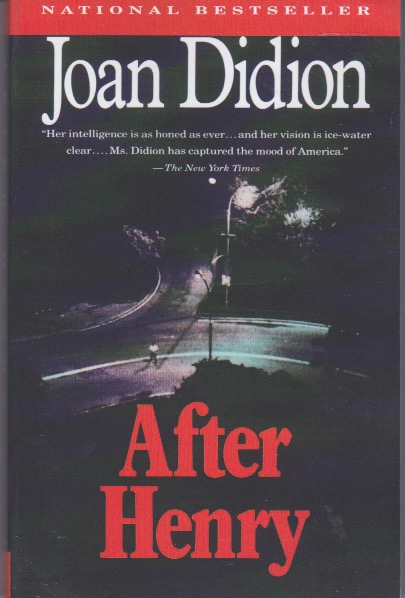
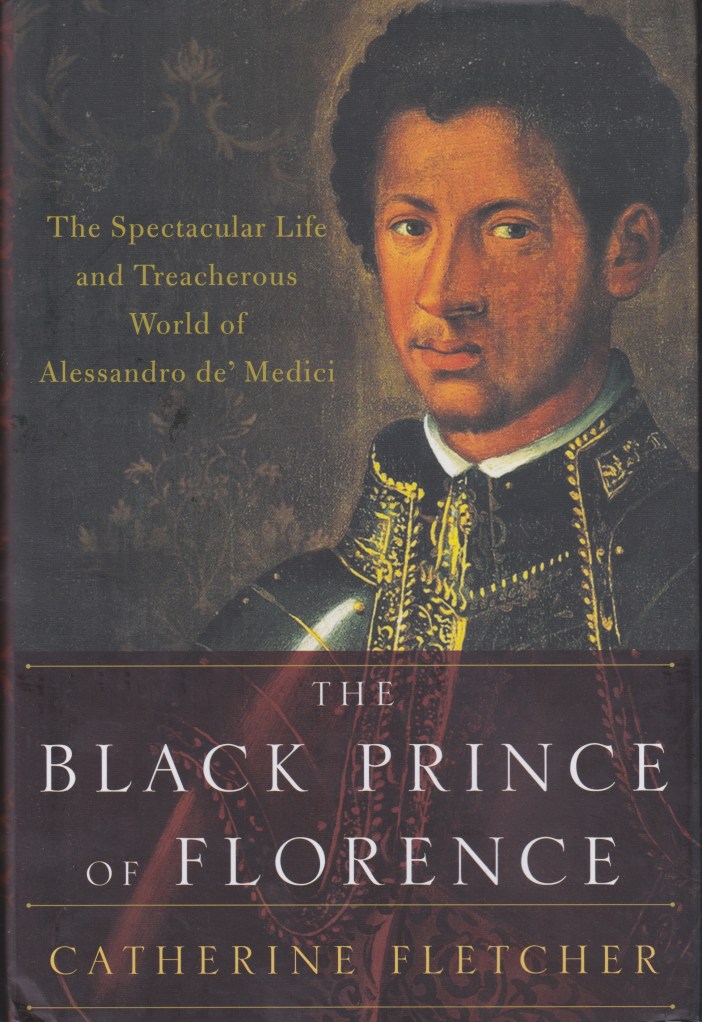
I slept in this morning, after staying up much later than I intended last night. I’d read somewhere that you should stop looking at a screen of any kind–television, computer, phone, iPad–at least half an hour before going to bed to help with sleep, and frankly, I’ll try just about anything that will help in that regard; so I’ve started keeping a non-fiction book on my nightstand, to read for about half an hour every night before attempting sleep. The last two I read were The Black Prince of Florence and Joan Didion’s After Henry; last night I started onJon Ronson’s So You’ve Been Publicly Shamed. I couldn’t stop reading it, of course, and before I knew it, I’d read through the first two people he’d interviewed about their public shamings–Jonah Lehrer and Justine Sacco–and wanted to keep going; but I forced myself to put the book down because it was much later than I wanted to stay up and I was worried about not getting up this morning.

I was right.

It’s kind of interesting to be reading the Ronson book about how public shaming destroyed the lives of two people–one who did something terrible (Lerner) and the other who made a really dumb joke on Twitter that went viral–and Ronson is really a good writer; I actually have some sympathy for the people he is writing about. But this is another, perfect example of why Twitter terrifies and fascinates me at the same time. I can’t imagine how horrible it would be to go viral in such a way on social media, but then again, I try to be very careful with social media. Is that cowardly? Perhaps it is, but i also don’t have time for arguing with people on social media, nor do I have an inclination to do so. I am frequently exposed to different viewpoints on my own social media–but as long as it is couched respectfully and is not in any way nasty or vicious, I like seeing points of view that are different than my own. (Homophobia, misogyny, and racism, however, are always deal-breakers. I never have any sympathy or interest in seeing that point of view.)

As you can tell, I am finding the book to be very interesting.

We also finished watching Season 2 of Santa Clarita Diet, which is hilarious. I highly recommend it. I also got caught up on Krypton and Riverdale yesterday, and did some more writing–not very good writing, mind you; for some reason “Don’t Look Down” is becoming increasingly more and more difficult to write, but I am determined to get that first fucking draft done this weekend. I also want to get some revisions done today. I am going to run some errands and go to the gym in a little bit, and then I am hoping to be able to get home and sit down and just write for the rest of the afternoon, which is going to require me shutting down all social media and closing my web browsers. I think I’ll clean the windows today as well, and maybe do some cleaning…which is the best way to deal with getting stuck on writing.

As I said, I finished reading Joan Didion’s After Henry this week.

after henry

It’s a collections of essays she wrote that were published in various places, and tackle various subjects in that amazing style of writing she had; the way she constructs sentences, and puts words and paragraphs together, is so amazing that it’s hard sometimes to drink in what she is actually saying. These essays, about politics in Los Angeles; natural disasters in southern California; the Central Park jogger case in New York; the political conventions in 1988; the Reagan administration and the face it presented to the world; and several others, are pretty amazing and also serve as a kind of time capsule of recent history. I am really looking forward to reading another non-fiction Didion book, and possibly another of her novels.

I had finished reading The Black Prince of Florence before I took up the Didion.

the black prince of florence.jpeg

As Constant Reader is aware, I am fascinated by the Medici family of Florence, who rose from being merchant class to one of the wealthiest banking families in Europe to popes and queens to royalty in their own right. Alessandro de Medici, the little known subject of this biography, was the first Medici to attain royalty on his own; due to the machinations of his uncle, Pope Clement VII (better known to history as the pope who refused Henry VIII’s request for a divorce from Catherine of Aragon), he became Duke of Florence and the republic came to an end. Alessandro was illegitimate, and there is no proof of whom his mother was; his legitimate sister, Catherine, became queen of France. Fletcher does an excellent job of explaining the tumult of the times; how Italy had been riven by a series of wars between different city-states as well as between France and the Holy Roman Empire, both with extensive claims to various places on the peninsula, along with all the machinations in Rome for the papacy. The question of whether Alessandro’s mother was an African slave, or that was simply a slander to discredit him during his lifetime by his enemies, is one that Fletcher takes up; she also explains the differences between modern day views of race as opposed to those of the sixteenth century. I found the book to be endlessly fascinating, and really helped me get a better grasp of just how the Medici family became royalty. Alessandro’s sister Catherine is probably the most famous (notorious?) member of the family; I have numerous biographies of her on my shelves I look forward to reading.

I’ve also read some more short stories for the Short Story Project. First up is”A Poison That Leaves No Trace” by Sue Grafton, from Kinsey and Me:

The woman was waiting for me outside my office when I arrived that morning. She was short and quite plump, wearing jeans in a size I’ve never seen on the rack. Her blouse was tunic length, ostensibly to disguise her considerable rear end. Someone must have told her never to wear horizontal stripes, so the bold red-and-blue bands ran diagonally across her torso with a dizzying effect. Big red canvas tote, matching canvas wedgies. Her face was round, seamless, and smooth, her hair a uniformly dark shade that suggested a rinse. She might have been any age between forty and sixty. “You’re not Kinsey Millhone,” she said as I approached.

“Actually, I am. Would you like to come in?” I unlocked the door and stepped back so she could pass in front of me. She was giving me the once-over, as if my appearance was as remarkable to her as hers was to me.

This story is kind of clever, with a surprise twist at the end that caught me off guard; a woman hires Kinsey to prove that her niece murdered the woman’s sister for the insurance money. It’s fraud, all right, but not what Kinsey was originally led to believe, and the twists and turns are spooled out very cleverly.

The next up was another Sue Grafton tale from Kinsey and Me, “Full Circle.”

The accident seemed to happen in slow motion–one of those stop-action sequences that seem to go on forever though in tryth no mare than a few seconds have elapsed. It was Friday afternoon, rush hour, Santa Teresa traffic moving at a lively pace, my little VW holding its own despite the fact it’s fifteen years out of date. I was feeling good. I’d just wrapped up a case and I had a check in my handbag for four thousand bucks, not bad considering the fact that I’m a female private eye, self-employed, and subject to the feast-or-famine vagaries of any other freelance work.

I glanced to my left as a young woman, driving a white compact, appeared in my driver’s-side mirror. A bright red Porsche was bearing down on her in the fast lane. I adjust my speed, making room for her, sensing that she meant to cut right in front of me. A navy blue pick-up truck was coming up on my right, each of us jockeying for position as the late afternoon sun washed down out of a cloudless California spring sky. I had glanced in my rearview mirror, checking traffic behind me, when I heard a loud popping noise. I snapped my attention back to the road in front of me. The white compact veered abruptly back into the fast lane, clipped the rear of the red Porsche, then hit the center divider and careened directly into my path. I slammed on my brakes, adrenaline shooting through me as I fought to control the VW’s fishtailing rear end.

This story opens with one of the best descriptions of the slow-motion horror of an accident on the highway; how it happens right before your eyes and how you basically have to rely on instinct and automatic reaction to try to avoid the accident because your brain is so busy processing what it’s seeing. The story is worth reading for that alone, but it turns into a case when the mother of the girl driving the compact, Caroline Spurrier, hires Kinsey because it turns out the accident didn’t kill Caroline; she’d been shot. The man driving the truck also has disappeared. From that point on, it’s a great example of a private eye story.

Sigh. I’m going to miss Sue Grafton.

Axel F

GOOD FRIDAY. I slept in, which was absolutely lovely, and am now enjoying my first cup of coffee this morning. The herd of cats are outside my windows, gathered for their morning feeding, and Scooter is firmly ensconced on my desk–it’s going to be a long day of him needing attention, I suspect–and am looking forward to  my three-day weekend. It looks gorgeous outside, honestly; I think I might clean the windows today, as well as work on cleaning the house. I also need to hit the gym; it’s been well over two weeks at this point, and I’m not going to get leaner sitting on my ass thinking about it, quite frankly.

I am also procrastinating running some errands as well as cleaning. I am also planning on getting some writing done, and some reading. I’ve gotten some fantastic ARC’s this week, and there are a couple of other novels I’ve been meaning to get to  as well; I am hoping to get to one of those this weekend. The primary problem here, of course, is that I can’t decide which to read. I am also almost finished with Joan Didion’s essay collection, After Henry, which, despite its bad name, is quite enjoyable. I am still abstaining from buying new books until I get the TBR more manageable and under control, but am itching to get my hands on another Didion non-fiction.

Yesterday I worked some more on “Don’t Look Down” and another one that’s been languishing, “A Holler Full of Kudzu,” but I also realized yesterday as I looked at the unholy mess that is “Don’t Look Down” that I am going to simply approach these stories as I do a novel; in other words, just write everything as it comes to me, and worry about editing and revising later. That quite often works for me when I am writing a novel, so why not apply it to a short story? I also want to get a final first draft of those stories done this weekend, as well as “Once a Tiger” while also revising and reworking “My Brother’s Keeper”; Sunday is not only Easter but it’s also April 1st, which is when I intended to put all short story work aside and dive back into the novels. (I may use Sunday for the short stories, and move on to Scotty on Monday; I may just use Sunday as a buffer day between them all, who knows? We’ll see, won’t we?)

We are also watching the second season of Santa Clarita Diet, which is just as funny, charming and clever as the first. I have also started watching Krypton, the Superman prequel on Syfy, and I am enjoying it. It’s getting some so-so reviews, but I am enjoying it so far; I’ve always loved the Krypton stories, and John Byrne’s comic book mini-series The World of Krypton from the original DC reboot in the 1980’s is still one of my all-time favorite comics. Some of the elements from that mini-series are showing up in this show–not having followed comics as much over the last twenty years or so has limited my knowledge of things; of what is considered canon now and what is not; but some of the things I am seeing in this show were things I first became aware of in The World of Krypton. I also need to get caught up on Riverdale; at least I have things I can watch while doing cardio at the gym!

I also managed to read some short stories. First up is  “The Downward Path to Wisdom” by Katherine Anne Porter, from The Collected Stories of Katherine Anne Porter.

In the square bedroom with the big window Mama and Papa were lolling back on their pillows handing each other things from the wide black tray on the small table with crossed legs. They were smiling and they smiled even more when the little boy, with the feeling of sleep still in his skin and hair, came in and walked up to the bed. Leaning against it, his bare toes wriggling in the white fur rug, he went on eating peanuts which he took from his pajamas pocket. He was four years old.

“Here’s my baby,” said Mama. “Lift him up, will you?”

This is another one of those Porter stories that just wasn’t for me. I mean, I get what she was doing; the entire story is told from the point of view of a small child, and she manages to really get that way children have no sense of time perfectly. The passage of time either seems incredibly slow and other times is really fast; and the way the child observes the clashes and moodiness and volatility of the adults around him is sort of interesting; but the story itself isn’t interesting at all. Not really for me, I guess; I should just park Ms. Porter’s collection back on the shelf and be done with it, frankly. But I also remember that I had a much greater appreciation of “The Jilting of Granny Weatherall” this time around, and keep thinking, well, maybe I’ll appreciate one of the others in a different way this time.

Yeah, well, it didn’t happen with this story.

Next up was another Sue Grafton story from Kinsey and Me, “Falling off the Roof.”

It was six a.m and I was jogging on the bike path at the beach, trotting three miles in behalf of my sagging rear end. I’m thirty-two years old, weighing in at 118, so you wouldn’t think I’d have to concern myself with such things, but I’m a private eye by trade and I’m single on top of that. Sometimes I end up running for my life, so it will never do to get out of shape.

I had just hit my stride. My breathing was audible but not labored, my shoes chunking rhythmically as the asphalt sped away underneath my feet. What worried me was the sound of someone running behind me, and gaining too. I glanced back casually and felt adrenaline shoot through my heart, jolting it up to jackhammer pace. A man in a black sweat suit was closing ground. I picked up speed, quickly assessing the situation. There wasn’t another soul in sight. No other joggers. None of the usual bums sleeping on the grass.

This story is terrific. Kinsey is hired by a man who thinks his brother brother was murdere; he fell off his roof and the police ruled it an accident. However, he was in a really bad marriage that seemed to suddenly settle down some in the weeks before the death, and the brother suspects the wife had something to do with the death–despite her rigid, airtight alibi. Kinsey starts looking into things, and soon becomes fairly certain that it was a murder; the trick is figuring out how she did it and got away with it…which leads Kinsey to going undercover at a Mystery Book Club. This story is clever, clever, clever, and one of my favorites of the Kinsey short stories.

And on that note, tis back to the spice mines with me.

28947357_10215609280568073_7475821141611561298_o


The Boys of Summer

I finished watching Netflix’ amazing series Seven Seconds last night, and it is some of the best, smartest television I’ve ever seen; it takes on so many issues, and handles them so incredibly brilliantly. The acting and writing is razor sharp; the show is moving and heartbreaking and so incredibly complicated. What is has to say about race and justice and family is just…I will be processing this show for several days. It reminded me very much of American Crime in how it realistically and powerfully presented every side of an issue, and how flawed everyone is, and how it makes you question your own assumptions and thought processes and basically, everything you think and believe. American Crime was an exceptional show; I honestly believe that it was low-rated because it was too complex and real for viewers to handle. Seven Seconds is at that same level of expertise and complexity; it also makes me question what I do within my own work; the layers I don’t peel away, and how my own work might be too simple.

Jean Redmann always says–and I shamelessly steal this at every opportunity–that we become crime writers because we have a desire to find justice in a world where justice isn’t always served, and this, as members of a marginalized community who rarely find justice, makes us want to write stories in which victims find justice–we want to create art in which justice is always served and is an absolute and is available for everyone, accessible, even as we know that it is, in fact, not. I know that I was enormously disappointed by the end of season 2 of American Crime; but it was much more realistic with its ending than it would have been had it been emotionally satisfying. We want to see the bad guys get punished, we want the circle that opened with the commission of the crime to close, be wrapped up and packaged with a neat little bow; we want order to be restored.

But we live in a world, and a society, in which order is an illusion; we pretend, just like we like to pretend we have control over our lives. There’s a wonderful quote which I can’t recall exactly, but it goes something like man  plans and the gods laugh. I know, after the Time of Troubles, I focused on working out and my body; because that was something I had control over. Even now, as I write and plan what I want to do with my career as a writer, I ignore the obvious: I can’t control whether an editor wants to publish my story or whether an agent believes they can sell my manuscript; I can’t control whether someone will buy my books and like them. But thinking about those things is part of what destroyed my will last year; I have to not worry about that, not worry about whether people will get what I am doing or whether I am going to get one-star reviews or whether enough copies of the books will sell so my publisher will continue to invest in my career. I can only do the best that I can and focus on the work itself and push all of that other stuff to the back of my mind. Just like I can’t control whether I am going to be killed in a car accident on the way to the grocery store or any myriad number of other things.

All I can do is make plans and try to control what variables I can. I can drive carefully and pay attention to what I am doing and remain alert to the other drivers and try to anticipate what they are going to do and be prepared for eventualities that I can foresee, while recognizing I cannot foresee everything.

As you can tell, Seven Seconds is a powerful viewing experience.

And Regina King is a goddess.

I think the reason the two stories I am currently failing at telling–“Once a Tiger” and “Don’t Look Down”–are failing because I don’t know the story I am trying to tell nor the characters I am writing about. In both cases, I worry that there’s no market for them; why write them if they have no future? But that’s again out of my control; that’s the kind of second-guessing that is fatal for an author. There are things that are within my control, after all, and my entire career has been guided by choices that I’ve made; I chose to write about gay characters, knowing that made break-out success next to impossible. I don’t regret those choices in any way; there’s no guarantee that writing something more mainstream would have brought greater success. And despite my tendency to overthink and self-deprecate, I am proud of all of my books. Every. Single. One. Of. Them. Some are better than others; some have flaws that I wish I hadn’t missed in the process of writing them. It’s difficult to evaluate one’s own work, no matter how clear-eyed one can be; I tend to always be my own worst critic. And as I get older and my memory begins to fail me more, I don’t remember what I meant to do, what was my goal when I was writing some books–hell, many of them. It never occurred to me, as I was writing the Scotty books, that I was writing a series with what is now called a throuple at the heart of it; that Scotty’s personal story was how a non-monogamous, promiscuous gay man came to be in  a relationship with two men, and how that has changed his life. Now, as I write the eighth in the series, they have gotten older and wiser and even have a young “son”–and not in the sexual way; they all look on Taylor, Frank’s nephew, as their child; kind of like My Three Dads–and I don’t even think about how unusual that is to write about. The series has become about aging as a gay man; moving from being that hot guy everyone wants to have sex with to an older guy not quite as motivated to slut around anymore but to help and mentor a younger gay guy, to make his life and his journey easier. I have to push my worries about these changes in Scotty aside and remember it is the character that people relate to, not him being young and hot and beautiful and going out dancing or doing drugs or picking up strangers; but the fact that he is so unapologetically himself.

And that’s what I’ve forgotten over the last few Scotty books; maybe it’s there, but that sense of who Scotty is as a person is something I feel like I’ve forgotten over time; maybe it’s in my subconscious, but I have to remember that: I need to remember the core of who Scotty is.

Anyway, I should probably get back to the spice mines. I am thinking a lot today, obviously.

IMG_1242

Separate Lives

Well, in typical Greg screw-up fashion, I screwed up this morning. I’d signed up to tour the local FBI office and attend two presentations, all of which I was looking forward to, but I had the time wrong. As Constant Reader knows, I am not good in the mornings. So, I thought I had to be there for nine a.m. No, everything started at nine a.m. I needed to be there for eight thirty. As I was getting ready to shave, I double-checked the address and noticed that on the agenda I needed to be there for eight thirty. It was eight-oh-five; I hadn’t shaved, showered, or dressed, let alone drive across town to the lake front. In other words, I wouldn’t been able, even if I hurried, to leave the house until it was time to be there, and then had to hurry to get there. Sigh. So, I made another cup of coffee and felt like a complete idiot.

And now have my morning free.

And before anyone says anything, no. I won’t show up late. I am not that person. It’s disrespectful to everyone who showed up on time, it’s disrespectful to the FBI, and if they want you to allow half an hour to clear security screening, then I need to be there half an hour ahead of time. Period. Plus, you don’t mess with the FBI. Trust me on this one.

Sigh. I hate when I fuck up. Especially after the chapter went to all the trouble to get this sorted out and put together.

Sigh.

I was really looking forward to it, too.

Anyway.

I finished watching season 2 of Versailles last night, and I have to say, it really ended well. You really can’t go wrong with the Affair of the Poisons and the involvement of the King’s mistress, Madame de Montespan, and her subsequent fall from glory. The show is incredibly well done, and they managed to get the character of the second Duchesse d’Orleans, Elisabeth Charlotte, the Princess Palatine, absolutely correct. Liselotte was always one of my favorite people from this period of French history, and the rapprochement between her and her gay husband, and her gay husband’s lover, was incredibly unique in history. I was worried they’d gloss over it, but no, there it was, front and center. Why no one has done a biography of Monsieur, I’ll never know; I suppose everyone is so dazzled by The Sun King that no one has ever thought that, you know, a view of the French court and Louis XIV through the eyes of his gay brother could be interesting.

Believe me, if I spoke French I’d be all over it.

Then again, were I able to speak French, there are so many things I would have written by now.

Sigh. I often regret my monolinguism.

This weekend I managed to read a lot of short stories, giving me a lot of material for The Short Story Project over the next few days, but the weekend was pretty much a bust for writing. I only managed to eke out slightly over a thousand words on one short story and perhaps one hundred on another, which was, as one would imagine, enormously frustrating for me. I am still choosing to see that as a win; getting closer to being finished and all, but still enormously disappointing. The thousand words or so was basically wheel-spinning, because I don’t know how to end the story yet, and I know I need to go back to the very beginning and start revising it so I can figure that out. It’s so weird; I do this with novels all the time but with short stories, I resist doing it until I’ve got a draft version finished. So incredibly stupid, I know, and yet…here we are.

Heavy sigh.

All right, enough of that nonsense. Here are two of the short stories I read over the weekend, both from Alive in Shape and Color, edited by Lawrence Block.

First up, we have Jeffery Deaver’s “A Significant Find.”

“A crisis of conscience. Pure and simple. What are we going to do?” He poured red wine into her glass. Both sipped.

They were sitting in mismatched armchairs, before an ancient fireplace of stacked stone in the deserted lounge. The inn, probably two hundred years old, was clearly not a tourist destination, at least not in this season, a chilly spring.

He tasted the wine again and turned his gaze from the label of the bottle to the woman’s intense blue eyes, which were cast down at the wormwood floor. Her face was as beautiful as when they’d met, though a little bit more worn, as ten years had passed, many of which had been spent outside under less-than-kind conditions; hats and SPF 30 could only give you so much protection from the sun.

If you’ve not read Jeffery Deaver, you simply must read the Lincoln Rhyme series. I am terribly behind on it, but tore through the available volumes over the course of a month or so when I first discovered him. He’s also a very nice man, and it’s lovely when someone nice enjoys exceptional success.

Anyway, this story is terrific. The couple we see in these paragraphs, whom are the main characters of the story, are an archaeologist team at a conference in France. They, while enormously successful with publications and so forth, have never made what is known in their field as a ‘significant find.’ There’s a very strong possibility that they are about to  make one; based on some information passed on to the husband in casual conversation in the bar; undiscovered cave paintings. It turns out the person passing the information on has his own information, collected from a local boy, wrong; the couple figure out what he had wrong, and are about to go look for the cave. The crisis of conscience is whether or not to share the discovery with the colleague who originally got the information. This is the kind of moral dilemma that characters in Tales from the Crypt episodes find themselves in and almost without fail made the wrong choice; so the story always ends up with their come-uppance. This was what I was expecting out of this story; but Deaver manages some exceptionally clever sleight-of-hand and thus the ending of the story comes out of nowhere and is satisfying in its own way; the pay-off is quite good.

I then moved on to “Charlie the Barber” by Joe R. Lansdale.

Charlie Richards, who thought of himself as a better-than-average barber, was lean and bright-eyed, with a thin smile, his hair showing gray at the temples. He loved to cut hair, and he loved that his daughter, Mildred–Millie to most–worked with him. They were the only father-and-daughter barber team he knew of, and he was proud of that. He was also glad she lived at him with him and her mother, Connie, at least for now.

Next year she was off to the big city, Dallas. Graduated high school a couple years back, hung around, cut hair, but now she was planning to attend some kind of beauty college where she could learn to cut women’s hair as well. Planned to learn cosmetology too. Claimed when she finished schooling she could either fix a woman up for a night out, or spruce up a dead woman for a mortuary production. Charlie had no doubt that would be true. Millie learned quickly and was a hard worker.

This story was inspired by one of those classic Norman Rockwell paintings, with it’s homey, almost propaganda-like charm about American simplicity and virtue. Being a story by Joe R. Lansdale, who is embraced by both the horror and crime writing communities–he won an Edgar for Best Novel, and numerous Stoker Awards–you just know this euphoric American idyll story of a small town barbership in the 1950’s is going to take a truly dark turn. Charlie was a POW during World War II and still suffers from a degree of PTSD; the supply closet in the back of the barn, with its tight, confined space and darkness, always takes him back to the horror of the camp and what he had to do to escape the butchering of the prisoners; he was one of the few survivors. And sure enough, the peaceful charming world of the barbershop is turned upside down just before closing time when something wicked that way came. The story is both horrifying and brilliant; the juxtaposition of the Rockwell Americana painting/world view and the automatic nostalgia the time period conjures, steeped in nostalgia for the 1950’s as a more innocent, charming time (which is completely false), against the horror that walks through the barbershop door and what they have to endure to survive it–the sort of thing that did happen, but without 24 hours news channels and the Internet most people never heard about these things–is stunning. Lansdale is a terrific, terrific writer, and this story is one of the best ones I’ve read thus far in this Short Story Project.

IMG_2254