As Banned Books Week comes to a close, it was exponentially more important and timely this year than before–given the Right Wing’s vicious, well-organized and ultimately doomed to failure attempts to control what people are allowed to fucking read in this country (for the record, you shrewish harpy lying “Moms4Liberty”–the First Amendment exists because the Founding Fathers foresaw the rise of people like you, and amended the Constitution to stop your skank, anti-American asses).
I’ve participated in Banned Books Week in the past; I’ve certainly done readings during it (the ones I remember reading from are Annie on My Mind by the late Nancy Garden–which was not only burned but tried for obscenity--and Elmer Gantry by Sinclair Lewis; I should have read from Peyton Place at least once). I’ve not participated in a long time–haven’t been asked, to be honest–and so I don’t know if anything is going on in New Orleans for it, or whether it’s something we no longer do here, or what; but I never get offended when I’m not included. Life’s too short for that–and yes, I am well aware that such a thing used to offend me, which was incredibly stupid. I’m really sorry I spent so much of my life and my time allowing negativity such free rein in my head.
The first time I did Banned Books Night, it was after Hurricane Katrina (at least the first one I remember) and it was at the House of Blues; Poppy Z. Brite also read, and I gave him a ride home afterwards; it was in that car and on that ride that he convinced me I could write another Scotty book despite everything that had happened to New Orleans since I’d written the last one; that’s why Vieux Carré Voodoo was dedicated to him.
He gave me Scotty back after a very difficult time, and I will always be grateful for that,
Above are the covers of my seven of my first books. They all look pretty racy, don’t they? But only two of them are actually erotica–Full Body Contact and FRATSEX. Those were the only two erotica anthologies I edited under my own name before switching to Todd Gregory.
The reason I am sharing the covers is because the covers is what the Concerned Women for America, Virginia Chapter, used to get me banned personally (not just my books!) from a high school in suburban Richmond. They used the covers to try to get the Gay-Straight Alliance at a high school shut down, and they used those covers in the House of Burgesses to try to get GSA’s banned at every state-supported school in the state of Virginia.
They came for me based on the covers, not the content–because they had not read the content.
And please, bear in mind, they did not include the erotica anthology covers in their attempts.
In other words, they called me a gay pornographer but didn’t use the actual pornography I actually had done to try to get me banned.
There’s a book in the entire experience at some point for me; I’ve always intended to write a book about the experience called Gay Porn Writer–because that was how they branded me, and the news media, in their attempts to be fair and unbiased, gladly picked up that branding without question or thought or without even looking into me and my writing career in the slightest bit. It was also my first experience with learning that the media cannot be trusted; they are not driven by a desire to print and report the truth; they’re looking for clickbait headlines that drive clicks or people to pick up the paper (print was still very much a thing back then) and which headline would you click on:
Gay author banned from local high school; First Amendment questions raised
or
Gay porn writer’s high school appearance cancelled.
The second one is a lot more enticing, as well as concerning, don’t you think?
That, to me, was the most interesting thing of the entire experience; the perceptions, smears, slanders, and how no one was even the slightest bit interested in the truth. The question that was at the heart of the entire thing is precisely what is driving the bans and book removals and so forth now: how old is old enough to know that queer people exist, that literature and art about us exists, and that we’ve always been here despite being regularly erased from history. It also begged the question we are fighting yet again today: does merely the mention of an alternate sexuality automatically make the book adult content–which really means pornography. We can’t have kids thinking about sex, can we? And we certainly can’t have kids reading a book, recognizing the struggle a character is going through as similar, and feeling less alone, now can we? We’ve got to keep those queer kid suicide rates high!
You see, even the homophobes know the truth that they cannot eradicate our existence, and they also know the truth that the only difference between queer people and straight people is who we are sexually attracted to; ergo, even if you don’t talk about what it means but you have a character who identifies as queer–the “queer” difference means kids will either know that queer people exist (THE HORROR!!!) or think about sex.
And certainly, we cannot have anyone under the age of eighteen thinking about sex, can we? Just because most people become obsessed with it after going through puberty doesn’t mean we should educate them properly. Proper education for teenagers about sex and sexuality would mean a drop in teen pregnancies, teen STI infections, and the need for teen abortions. The spurious argument against sex education for teens has always been we’re just encouraging them to have sex. But that’s stupid; their fucking hormones are encouraging them to have sex, no matter what we teach them, and the more we teach them that sex is bad and wrong will only encourage them to do it more–and once they realize it’s actually a lot of fun and nothing bad immediately happened–they will have more of it.
It’s just basic human psychology. Deny someone something and they will want it all the more even if they weren’t interested in it to begin with. Nothing is more desirable than the forbidden.
The smart thing to do is educate them properly about safety, the risks and hazards of having sex at a young age–and this kind of education will also help teach them about finding the language to get help for sexual abuse they may be experiencing.
But oh no! We don’t want them to have sex! Because not educating them about sex and sexuality has worked so well so far, right? Better they find out by looking stuff up on-line or going to porn sites, right? As a sexual health counselor, I am constantly amazed at the things my clients do not know, or how wrong what they think they know is. Every day I see how our educational system fails to prepare us for one of the most important aspects of our lives.
And learning that queer people exist, can live and love and have happy and fulfilling lives, well, that isn’t what these people want for kids. No, if you’re queer, they want you to be miserable and unhappy and suicidal. What could be more Judeo-Christian than that? The rise in people identifying outside the gender/sexuality binary doesn’t mean that prior generations didn’t have those same people existing in them; just that the world and society wasn’t as accepting and understanding then so they had more to lose by coming out, by talking realistically about who they are and what they feel–and it’s scary, very scary. People who do fall into those binaries, who don’t have to worry about what other people will think about who they are and how they identify, shouldn’t be the ones deciding what is real and what isn’t.
And the sad truth is these people are simply terrified of having a queer child, period. So, they figure if they take away anything that might tell their child it’s okay to be queer and to be yourself, their child will instead choose to live in a closet for the rest of their lives and be completely miserable.
Which tells me all I need to know about what kind of parents these people are.
Their love has conditions, which means it isn’t love at all.
I was always under the impression that parents, first and foremost, want their children to be healthy and happy….which is apparently another myth I’ve been gaslit into believing since childhood. #notallparents
I always say my first identity is reader; I was a voracious reader long before I realized that loving to read and loving books predestined me to become an author, a teller of tales. Certainly author is my primary, preferred identity; sometimes I worry that my identity is entirely too wrapped up in being an author. But trying not to worry and be anxious about anything and everything in my life is my new mantra.
Anyway, I had the great pleasure of meeting S. A. (Shawn) Cosby at Bouchercon in St. Petersburg. I don’t really remember much of the weekend–I met a lot of people and I drank way too much–but I know I met and liked him enough to get a copy of his debut novel, My Darkest Prayer. I loved the book, and saw in its pages an incredible talent, for character and place and dialogue and language, and when I reviewed it on here I predicted an incredibly bright future for him as a crime writer.
I was right,
Titus woke up five minutes before his alarm went off at 7:00 A. M. and made himself a cup of coffee in the Keurig Darlene had gotten him last Christmas. At the time she’d given it he’d thought it was an expensive gift for a relationship that was barelyfour months old. These days, Titus had to admit it was a damn good gift he was grateful to have.
He’d gotten her a bottle of perfume.
He almost winced thinking back on it If knowing your lover was a competition, Darlene was a gold medalist. Titus didn’t even qualify for the bronze. Over the last ten months he’d forced himself to get exponentially better in the gift-giving department.
Titus sipped his coffee.
His last girlfriend before Darlene has said he was a great boyfriend but was awful at relationships. He didn’t dispute that assessment.
Titus took another sip.
All the Sinners Bleed is Shawn’s fourth novel (as a solo author–he also co-wrote a book with Questlove). In the wake of My Darkest Prayer, he released two novels to extraordinary success and acclaim, Blacktop Wasteland and Razorblade Tears. Both were amazing, and somehow each book is somehow better than the preceding one–which is really saying something; I’d happily retire if I ever reached anything comparable to those two with any two of my own.
But they were just warm-up acts for this incredible new novel.
Something that has always interested me over the years is the integration of American police forces on every level. How do, for example, Black and/or Latinx/Hispanic cops feel when their fellow officers commit racially driven police brutality? How does it feel to be a part of a police force–particularly in the deep South, but also in places like Los Angeles–that has always been historically racist and oppressive to non-whites? For that matter, how does it feel to be a queer police officer?
All the Sinners Bleed takes on that question with our main character, Titus Crown, the recently elected first-ever Black sheriff in a pretty racist little corner of southeastern Virginia. Titus was born and raised there; his father and brother live there, and he returns to his hometown after a stint with the FBI. He ran for sheriff not expecting to win, but to try to break the stranglehold of power always held by money and white supremacy there. (I have another essay or entry to write about small Southern counties/parishes, and how they all too frequently are run like corrupt authoritarian dictatorships with the power being passed down within a few families, sometimes only one. Exhibit A: the Murtaughs in the South Carolina low country.) As the first Black sheriff of Charon County, he has to uphold the law–which he intends to do to the best of his abilities.
The book opens with a shooting at the local high school; this was hard for me to read and part of the reason it took me so long to get into it; I thought this was going to be a school shooting novel and I wasn’t sure if I wanted to read that. But I was wrong; yes, there was a shooting at the school and yes, that shooting was pivotal to the plot, but it wasn’t a mass shooting: a young Black man goes to the school and murders one of the teachers, and on his way out he is shot and killed by the cops when he won’t drop his weapon. Why would Latrell Macdonald shoot Mr. Spearman, a very popular teacher? As Titus starts looking into the strange shooting, he discovers another level of horror going on in Charon County, and once the story gets moving, it’s hard to put the book down.
Over the course of this all-too-short novel, Cosby tackles a lot of issues without either being preachy or over-the-top. Confederate monuments, the Daughters of the Confederacy, racism, white supremacy, the cruelty of poverty, police brutality, and the hard, cruel kind of Christianity practiced in poor, remote rural regions of the South. But the most powerful aspect of the book is how it handles grief; the three Crown men dealing with the loss of wife and mother, a wound that never heals–and the guilt that comes with moving on from such a loss. Cosby had a lot to say in just over three hundred pages; the fact that he said it all, and powerfully, by using character, place and story to get his messages across is testament to his great skil.
And this book is bound to piss off white supremacists. It will make a great Christmas gift for any in your family.
Yesterday was a bit of an emotionally challenging one at work yesterday, but handling days like yesterday is the most important part of my job, and part of the primary reason I took the job in the first place. It does get to me sometimes; not as often as one might think, but that’s also having years of experience in doing the work, too. I was emotionally and mentally tired when I got off work, decided not to run any errands and just come home to have some time to myself for a little while instead. There were chores that needed doing, of course, so I put on my big boy pants and went to work. Chores are always lovely when you’re processing things, or when you’re writing something. I like how satisfying it feels to be doing something mindless with your hands while your mind works away at something.
I did manage to do some work on the sequel to Death Drop, and got about 1200 words down, so that’s something. It wasn’t as easy as the work was on Sunday, but I was also better rested then and hadn’t already worked a full day when I sat down to work on the first chapter of the new Valerie, too. Both manuscripts are starting to come together in my mind, which is nice–but I am not sure if this “work on one for a chapter and then switch to the other” is going to be productive or help me at all in getting them both done, either. And the chores helped me assess the chapter and come up with the things that need to be said and written in it, which I will do tonight. So yay for the chores again!
I’ve been toying with the idea for a blog entry for several years now that is actually turning into a longer-form essay. (It’s been sitting in my drafts for a very long time here.) It began as a response to a homophobic op/ed run in a college paper at a major Southern university that was so incredibly offensive on every possible level (there wasn’t a homophobic dog-whistle the little bigot writer didn’t blow) that it was hard to believe a college student in this day and age could write, unashamedly and with such great pleasure and glee, such incredibly bigoted rhetoric disguised as “concern” when what was actually written was nothing more than an uninformed, un-researched, and completely emotional rant, entirely based in nothing factual. All it did was merely give the author a chance to expose their anger and feelings of contempt for queer people. That person should never ever be given any kind of platform again under any fucking circumstance–unless she goes to work for the Murdochs. That post then continued growing, until it became something else entirely, eventually consuming another blog post draft I’d been toying with for a very long time about authenticity and #ownvoices and cultural appropriation. It’s a separate piece from the other essay I’ve been developing (“Are You Man Enough?” about masculinity)–apparently, I’m getting into the writing of essays now, even though no one will want to ever publish them–but it’s something I feel strongly about, especially with that recent nonsensical essay making the rounds about gay romance that erases gay writers almost completely. Yes, yes, we get it, you think straight women invented gay romance.
You can say it a million times, you can even believe it–but that still doesn’t make it true.
Erasure of queer people is an ongoing effort.
The water situation in New Orleans–always dire, no matter how you look at it really–is finally getting national attention (which means I’m hearing about it from friends and family), and this is a question/problem that is going to continue, and not just here, either. Florida seems just as determined to make a quick buck at every moment without any concern for their fresh water supply, which is being steadily poisoned by chemicals and other pollutants; I am sure the rise of the seas is going to also gradually impact the Florida aquifer, too, as well as those of cities along rivers on the coasts. Now imagine a major hurricane coming this way and sending a twenty-foot storm surge of saltwater up the river. It was never a concern before…but it is from now on. Yay! Obviously, Louisiana’s environmental issues are something I’ve always been concerned about, but the concern is definitely ratcheting up a lot lately. This brutally hot summer, the drought, the river level being so low for so long…it’s hard not to think about it. It should be our legislature’s primary concern…but they’re too busy legislating against trans people and banning books because, you know, priorities.
I also started watching, while waiting for Paul to come home from work last night, some old episodes of the original Dark Shadows, which I’ve been thinking about a lot lately. The funny thing about the show and my memories of it are that I don’t really remember a lot of the storylines or characters beyond the original; probably because the “Barnabas is a vampire” storyline was also made into a feature film (House of Dark Shadows) and when the series was rebooted in 1989, they started with that same storyline. Prime used to have the individual episodes; now they have them bunched together with titles–I was watching the episodes when Quentin (David Selby) first came on the show; the grouping is called The Haunting of Collinwood, which made it more fun because I don’t know how the storyline runs–although I know Quentin became one of the stars of the show so this evil persona he’s inhabiting here inevitably must be redeemed. I may have to rent House of Dark Shadows to watch again.
As you can see, I am starting to get into the Halloween Horror Month spirit already!
And on that note I am heading into the spice mines. Have a lovely Wednesday (oh! It’s Pay-the-Bills day!) and I’ll talk to you again later.
Years ago, there were things you’d never write about in books for teens and pre-teens. Now, though, many more topics are fair game. BUT are there some things you’d never write about? Because of your own feelings, or because you don’t think your audience is ready for it?
On the panel I said I’d never write about cannibalism, but of course ever since then I can’t stop thinking about cannibalism–and that’s entirely on me. I can’t even imagine writing about that.
I’m not going to say there’s anything I won’t write about because I don’t want to limit myself. If I can think of some way to write about something that isn’t pandering or exploitative or offensive, I will. I was recently reading some of my short stories because I am pulling together another collection and one of the stories–I was like, oh yeah, you can’t publish this without a major revision.
I don’t think I would ever write from the perspective of a person of color or a trans-identified individual because while I know I have a very vivid imagination and am capable of empathy, I am also a sixty-two year white cisgender male. I think I could probably do it, with help from a sensitivity reader and my editor, sure; but we need more trans writers and writers of color, not another old white man writing from their perspective. I will include those characters in my work, but not as point of view characters, because we need to make room for those with the lived experience to write those stories. I may not live long enough to see it, but hopefully in about thirty years we’ll have reached the point where exclusion of non-white non-straight non-cisgender writers will no longer be an issue, and what a wonderful world tht will be.
No offense, but none of you is in your target demographic any longer. What challenges does that present and how do you overcome them? How do you ensure that the language your characters speak is reflective of how teens and pre-teens speak today?
How very dare you! I am still a sprightly young man of…um, sixty-two. Point taken. I try to avoid slang and current language because it becomes dated very quickly; akin to how, when I was a child, I saw books and movies and television shows that tried to appeal to the youth market by trying to use current slang and it never turned out well. I mean, once The Brady Bunch kids are saying “groovy” excitedly every other sentence…it kind of killed the word and I never heard it in real life ever again. The time between when a book is written and when it’s released is long enough for current kids’ language to change. My sister’s grandkids are always saying things I don’t understand…but the next year they are speaking a different language, so I don’t try. It’s hard enough keeping up with technology, which also gets dated very rapidly.
What percentage of your readers do you think are adults? Do you consider these crossover readers when writing?
I honestly don’t know, but I wouldn’t be surprised if mine were primarily adults. I don’t set out to write books for kids, really; I write novels where the characters are teenagers. They get marketed as young adult books, which is something I have no control over. I’d like to think both adults and younger readers can enjoy my books that are so classified. If I think about the audience I am writing for when I am writing, it makes the writing more stressful and harder. I trust my editor to make sure I don’t write anything offensive or way off-base or too adult for a young adult audience–which is where my books would be shelved in the library. No one’s complained about mine yet.
Greg, your book tackles multiple contemporary societal problems. How do you balance writing about such tough topics with ensuring that your work is compelling and hits the right mystery/suspense notes?
The objective, for me, when writing about societal problems and issues is to put a human face on them, by making it personal. Societal problems are easily dismissed or ignored when they are simply abstract principles. If my characters are fully rounded, are relatable and seem real to the reader, then the reader will see, through the characters, what it is like to experience and go through these issues; and to develop a sense of empathy, so we aren’t so quick to judge and blame and not try to understand. #shedeservedit was very important to me, because with the Steubenville/St. Marysville rape cases, it made me look back over the course of my own life and remember situations I witnessed or heard about in a completely different light. For example, one of the cheerleaders at a nearby town had an experience similar to what the girls in Steubenville and St. Marysville went through…but in the 1970s, the blame solely went on the girl. When I heard the story she was a willing participant–the story was told to me in hushed whispers by another girl–and all the elements of the modern stories were there: pretty and popular cheerleader; a party with alcohol and football players; the town football team was successful and beloved in the town; and a bitter ex-boyfriend. As the story was told to me, she got drunk and “pulled a train” (a disgusting phrase, really) with five of the football players, including her ex. I was shocked at the time– to think she’d done this willingly, at a party where it was bound to get around (as it obviously did). But now, looking back–how willing was she, really? But that was how things were back then. I’d like to think things are changing, that we are valuing young girls and women as human beings more now…but are we?
Technology changes very rapidly, and teens—and younger children—are often at the forefront of these changes. How do you handle that in your writing?
Like slang, I try to use as little of it as possible. I do realize everyone is addicted to their phones now, and spend most of their lives texting and facetiming and everything else, but while I will use some basic technology–texting, emails, DM’s–I try not to get into the entire app/social media weeds too much because it may change before the book is published and I don’t want to publish a book that’s already dated. I think that if the reader really cares about your characters and the story…they won’t care so much about the slang and tech.
How has your writing evolved since you first got published? If a reader is new to your work, which book would you recommend starting with?
I’d like to think I am a better writer than I was back then. I know I’m a different writer than I was when I started; more life experience, with the concomitant increased empathy, understanding, and sympathy that comes with it. I try to push myself with every new work; it’s the challenge of doing something new and different I really enjoy.
If we’re talking my y/a, I’d started with the first, Sleeping Angel, and go from there. If we’re talking my career in general, I’d say Bourbon Street Blues or Murder in the Rue Dauphine. It’s always good to start at the beginning. If the length of both series is daunting, try either A Streetcar Named Murder or Death Drop (drops October 31!) and then move into the stand alones.
There are a small number of popular writers who spark controversy in their “real” lives. How do you reconcile a great writer with a bad person? Do you read that writer’s work?
Ah, the old “artist vs their work” question. There are writers with enormous talent whose books I’ve loved that social media has exposed as incredibly horrific people with “values” (I have a hard time using that word in reference to such abhorrent beliefs) and I have stopped reading them. I will never have time to read all the books I want to read, and if I’m able to prune my stack by removing racists and homophobes and misogynists and transphobes? Thank you for making my choices easier. I’ve always believed one should be widely read–I used to read nonfiction books about politics and social issues by conservatives because I thought it was important to listen to and evaluate their positions. After we were lied to as a government and a nation to drive popular support for a war we didn’t need to be fighting in order to drive more profits for military suppliers and oil corporations, I no longer needed those perspectives. I don’t need to read excuses and rationalizations for bigotry and prejudice and other indefensible positions for any human being to hold.
The vast majority of my one-star reviews on-line are from conservatives deeply offended by the “politics” of my books. Yes, because a book about gay men by a gay male author is where you should go to get your bigoted world-view validated. If you want that, read Andrew Sullivan. His nonfiction diatribes about social and political issues is some of the best fantasy being published currently.
Who are some of your biggest writing influences?
God, there are so many. I think my y/a is very strongly influenced by Lois Duncan, Christopher Pike, R. L. Stine, Caroline Cooney, and a long forgotten y/a crime writer named Jay Bennett. He won two Edgars for Juvenile, and was nominated a third time. His work is extraordinary; I’ve not read many other writers with that same extremely tight, terse, and taut style. Jay’s books put teenagers in terrible situations where they had to decide what is right and wrong and what to do. They read very quickly, too. I describe him as the y/a James Cain.
As for adults, everyone I read is an influence; even the books or writing styles I don’t care for, because they make me think how would I have done that differently? But definitely John D. Macdonald, James M. Cain, Charlotte Armstrong, Daphne du Maurier, Phyllis A. Whitney, and the old Alfred Hitchcock Presents anthologies, which I am revisiting. The old Three Investigators and Encyclopedia Brown series for kids, too.
Latest trends in Middle Grade and YA fiction?
Diversity, which is fantastic, and hot social issues!
The Anthony nominees panel for Best Children’s/ Young Adult panel at Bouchercon, with moderator Alan Orloff, Fleur Bradley, your humble author, and Lee Matthew Goldberg.
Well, it’s Thursday and my week at the office–a very shortened one–will be over this afternoon. Yesterday getting back to work was a challenge. I didn’t have a problem getting up in the morning–I didn’t sleep well the night before–but late in the afternoon I started feeling tired; the low energy from not eating real food is also a thing (I’ve literally lost nine pounds since last Thursday, and nine pounds in five days is not good. If I continue to lose weight at this rate, within two more weeks I’d be down to a weight I’ve not seen since the aughts… I do not recommend this diet to anyone), and I think I may go to bed a little earlier than usual tonight. We were busy at work yesterday and I also had to catch up all my work from the days I was out, but I managed to get it all done and it was indeed a lovely thing. I mailed some things at the post office, stopped and made groceries (more ice cream and yogurt), and then came home to a protein shake for dinner. Yay, more soft food.
I cannot wait to go to Five Guys when this is all over. And pizza. Mmmmm.
I slept well last night, certainly more deeply than the night before, so I feel better this morning. Tomorrow is the visit to the Tulane Institute of Sports Medicine (more on this later), and I also have my hearing aids follow-up appointment. We’re going to be busy at the office today, and I have to stay later than I usually do, which will be interesting. I’ve got a to-do list I need to finish, and hopefully I won’t be so tired when I get home from the office tonight; I’m coming straight home after work for a rare change in the routine. I’m still way behind on the housework and I really need to start writing again; outside of the blog (which counts; I no longer pretend it doesn’t count as writing–which is what I always do when I am not writing fiction: “count the blog!”) and emails I’ve not really written much of anything since getting back from Bouchercon. SO much for all that inspiration I had from attending and being in the company of writers! But I think I will be able to get to work on some stories that need finishing this weekend, and some need revision and polishing. I also need to get back to work on Muscles, and writing those proposals that need writing. I don’t have to make a grocery run this weekend, and I am probably going to have to have some things delivered over the weekend, but that’s fine. I paid all the bills yesterday, too. So, it may not have seemed as productive as perhaps I would have preferred yesterday to be, but I did get some things done that needed to be done.
And it would be so lovely to get some more of these short stories done, you know, and out on submission? I only have one story out on sub, and it’s been almost a year since I sent it in to them. I don’t know why it’s taking so long, but that’s also publishing for you. While I do appreciate the convenience of using Submittable, at the same time it makes me wonder how it works on the other side. I was thinking last night, and have been ever since the Anthonys, about writing a post about editing anthologies. I have done over twenty of them at this point–there aren’t many people who can say they’ve done more in the genre, frankly, although they weren’t all crime; most were erotica, and I ain’t apologizing for that. I think only a few were actually crime and/or horror, which is kind of surprising. You’d think I’d have edited more crime anthologies than I have, but that is not the actual case. I think I’ve only done five crime anthologies–the three Bouchercon ones, and the queer noir ones I did with J. M. Redmann (Jean). I also want to do some more self-interviews; I have the questions from two of the other Anthony nominee panels I was on–best children’s/young adult. and the marvelous questions Leslie Karst came up with for the best humorous category–and I can use them to do self-interviews like I did with the queer crime panel John Copenhaver moderated for Outwrite back in August.
I was a little surprised by the positive response to my post about conference homophobia endured and how things have gotten better since the bad old days when I first started going to the mainstream mystery events. I generally don’t bother with paying much attention to response to blog posts, in all honesty; I try not to think about people reading it because I worry that will trigger anxiety and make me think about what I can and cannot say because of worries about giving offense (I never really want to offend anyone accidentally; I do not care about homophobes, misogynists, and racists being offended by my blog because that’s a bonus for writing it. But one core tenet of my life is to never hurt anyone’s feelings through carelessness; I know what that feels like and frankly, carelessness is worse than deliberate offense, I think, because the person puts no thought into being careless, which means you’re not even worth thinking about or your feelings simply are irrelevant; I prefer planned hatefulness because as least thought and effort went into it, if that makes any sense at all. It does in my fevered brain). But it did get a rousing response. Why was it time to write it now? I’d been considering writing that post for a long time. It’s been sitting in my drafts since Pride Month, which was when I wanted to post it, to strike another blow against homophobia and homophobes, but got sidetracked by all the boycott bullshit. Then I was going to post it before Bouchercon–the morning of the trip actually, but couldn’t get it finished before i had to leave the house. Being at Bouchercon–and being around my Queer Crime Writers–made it seem even more important than it was before I left because I do not want my Queer Crime Writers to ever be made to feel the way I felt when I encountered the homophobia at Bouchercon. I do feel very protective and paternal of the group, which I know is infantilizing them; they are adults who’ve faced it before and will face it again, but I want to spare them the ignominy of being belittled and demeaned by colleagues and bigoted programmers. That was what I meant by my presence making a difference at these things over the years–if I was the lightning rod that drew the homophobia out so it made things easier for this new generation of queer writers, I can actually live with that. If some good comes out of my hard times for other people, that’s something I can get on board with, really. I’ve never considered myself a ground breaker; while I think I’ve accomplished some terrific things with my writing over the years, I don’t think future generations will be studying my work for insights into the time in which I lived and what it meant to be queer in the late twentieth/early twenty-first century. You never know, but I think it’s highly unlikely.
And on that note, I am heading into the spice mines. Have a lovely Thursday, Constant Reader, and I’ll check in with you again soon.
I have really come to love Bouchercon, and it’s always a highlight of my year.
Things have seriously changed for the better.
Queer Crime Writers after a dinner out in San Diego, with Marco’s lovely husband Mark Gutkowski
Bouchercon last week was a marvelous, marvelous experience. I had such an amazing time, saw some people I’ve not seen in quite some time (and quickly remembered why I love them so much), and stayed up way later every night than I should have–one of my many neuroses is FOMO, of course; I still regret not going to Dallas in 2019–but I laughed a lot, had some great panels, and made some new friends, too. I ate great meals, had some marvelous cocktails, and I really liked the hotel (once I figured out the shortcuts to the meeting spaces). It also made me think about my own history with the event, how things have changed for the better, and how I hope it keeps changing for the better. There were so few of us queer writers who used to go back in the day; now we have enough of us to have a happy hour where we get together and drink and chat about writing and the business and oh, how we all laugh. It’s wonderful.
When I first got started in this business, publishing was different. I had to explain this recently to someone I am hiring to do the ebook for Jackson Square Jazz for me; why I didn’t have a pdf file, because back then there were no ebooks and you got your page proofs in the mail, as well as your marked up manuscript for the editing process. So all I have on hand is the unedited version of the book I turned in. But what also was nice back then was there was a support system for queer writers that we no longer have–there were queer newspapers, queer magazines, and queer bookstores. We had a queer book of the month club–Insightoutbooks–and their influence in shaping and developing my career cannot be underestimated. After Hurricane Katrina and the six months spent touring for Mardi Gras Mambo, I kind of withdrew back into myself. I don’t remember much of 2006-2008, to be perfectly honest; I just know that I went back to work full time in 2008 and after adjusting my writing/editing schedule to that, it was around 2009 or 2010 that I resurfaced and started thinking about promotion and marketing again.
And what I found was that during those lost years (I call it the Hibernation) everything had changed. The queer newspapers and bookstores were mostly gone. ISO shut down. And I realized, with a sinking heart, that I was going to have to start going to mainstream conferences to promote myself. After working so hard in the mid to late 1990’s ensuring I could exist in almost entirely queer or queer-friendly places, I found myself having to essentially start over. Queer writers never mattered to the mainstream crime organizations and conferences, and I braced myself, knowing I was going to encounter homophobia yet again.
It didn’t take very long–although in retrospect, I’m actually surprised it took as long as it did.
I joined Mystery Writers of America, and later, Sisters in Crime. I also went to Bouchercon in Indianapolis and San Francisco. I didn’t know more than a handful of people and tended to glom onto the people I did know (sorry about that, guys; social interactions at events where I don’t know anyone ramps up my anxiety, so I glom onto the people I know). Indianapolis I wasn’t in the host hotel, I was across the street–and it was cold. It was the weekend of the Ohio State-Purdue game, I can remember that because my hotel was full of OSU fans, so I found myself mostly hanging out in my hotel room and reading, while braving the cold to go across the street for my panels and events. It was nice, and decided to go to San Francisco for it the next year. There I was in the host hotel and realized oh you really need to stay in the host hotel in the future, because it made everything easier. I was starstruck most of that weekend–I rode in the elevator with S. J. Rozan once and another time with Laurie R. King, which was incredible. I only had one panel, at 4 pm on Friday afternoon that no one came to, but I had a really good time—and even decided to put together a bid to host it in New Orleans (and that is a whole other story), before yet another person decided that it was time for a Bouchercon programmer to put the fag back in his place, letting me know that I and my books weren’t important enough (the exact wording was “surely you have to understand that someone who’s edited a couple of anthologies doesn’t really deserve to be on panels”–despite the fact that my tenth novel had just been released…and of course, the greatest irony of this was that I went on to edit three of their anthologies) to grace any panel, and that any panel I’d been given in the previous two years should be considered a gift.
Should be considered a gift.
A fucking GIFT.
(For the record, Paul is an event planner by trade. He is executive director of both the Tennessee Williams/New Orleans Literary Festival as well as Saints & Sinner, a queer litfest. Just to be certain I wasn’t overreacting and being a diva-bitch, I let him read the email. His response? “If one of my staff, interns or volunteers wrote an email like that to an attending author I would fire them on the spot.” And before anyone starts up with the “programming a Bouchercon is hard” I will remind you that Margery Flax and I wrote over one half of the program for Dallas in three fucking days and contacted everyone with their assignments and then reorganized and redid the program to accommodate schedules and wrong panel assignments for about two weeks before it was done–with the local chair constantly throwing things at us that made us start pulling threads and weaving it back together again….nothing like “oh, sorry, I forgot that I promised these people a panel for this” after you’ve redone it for the fourth time. That happened a lot. And the entire time, we were incredibly polite and friendly and did whatever we could to accommodate people; apologizing and fixing it repeatedly. NOT ONE PERSON RECEIVED A FUCKING EMAIL TELLING THEM TO CONSIDER ANY PANEL THEY GOT AS A GIFT.
But then, I’m not an unprofessional piece of shit whose pathetic ego sees programming as power to abuse, either.
I wasn’t saying (and was very respectful) oh I am such a big deal how could you not give me an assignment, all I asked was hey, I know how hard your job is, but I don’t understand how you get on a panel and what can I do differently in the future to get one? What am I doing wrong? I approached them with kindness and respect for the work they were doing and got bitch-slapped, demeaned, and insulted in response. No author who is paying their own way to a conference and essentially providing the event with free entertainment for its audience should ever be treated so contemptuously by event organizers, period. The fact that when I expressed these concerns to the national board all I got back was mealy-mouthed excuses and “we’re sorry you’re offended” told me everything I needed to know about the organization and its board; the way they were treating me about the New Orleans bid (I had planned on having Susan Larsen–former chair of the National Books Critic Circle, chair of the Pulitzer Prize for fiction twice, long time programmer for the TW Fest and a nationally respected book reviewer–help out along with Pat Brady, long time publications chair of the Historic New Orleans Collection, huge mystery fan, and also a long time programmer for TWFest only to be told their vast knowledge and experience wasn’t “good enough” and I needed to get the homophobic trash who told me I was nothing to program New Orleans–yeah, like that was ever going to happen) was also egregiously horrible, condescending, insulting, and unprofessional.
Needless to say I cancelled my trip to St. Louis and never considered attending Cleveland; I tend to not go where I am not welcome. I am not taking my hard-earned money from my “nothing career” and giving it to a homophobic organization, where I then get to beg for scraps and get treated like shit. I have better ways to spend my money, thank you. (And yes, I know who the programmers were and yes, I will carry that grudge to the grave.)
I withdrew my bid to host for New Orleans, and I washed my hands of the mainstream mystery community. Who needs it? They were never going to accept me or my work, they were never going to read my work, they didn’t give a shit about me, and it was pretty clear they never would. I was kind of at sea for a few years, there. There were no more queer newspapers, no more queer bookstores, no more gay Insightoutbooks.com book club, nothing. Outside of the TWFest and Saints & Sinners, I had no conference outlets to promote myself and my work. The mainstream mystery world clearly wanted no part of me, so what was I supposed to do? So, I just kept writing. I operated my social media pages as a promotional outlet for my work, and I kept writing this blog. I did finally return to Bouchercon when it went to Albany; friends convinced me to go, and one powerful friend requested me for a panel she assembled–and it came through. Having friends made a huge difference, really, and through my friends I met and made more friends, and Bouchercon slowly became a must-go event for me every year…eventually reaching the point where I never had to be concerned about getting on a panel, while at the same time no longer caring whether I did or not. It became more about seeing my friends and being around other writers than a work/promotional thing for me. Ironically, once I no longer cared or worried so much about being on things…I started getting put on more and more things, with bigger and increasingly more important co-panelists (I still can’t get over the fact that I was on a panel with ATTICA LOCKE in Minneapolis. I was too nervous to say anything to her; I spent that entire panel looking at my co-panelists and listening to them speak and wondering why the fuck I was on that panel).
And now, of course, we have a group: the Queer Crime Writers, and a core group of us have been showing up together at conferences ever since we bonded at Left Coast last year (and bonded even more with more of us at Bouchercon Minneapolis last year): John Copenhaver, Marco Carocari, Kelly J. Ford, and Robyn Gigl–who’ve all become very dear to me over the last year or so. Teresa Cain/Carsen Taite joined us in San Diego, and became my con-wife; what a great time we had!
And somehow, I am getting nominated for mainstream awards, an outcome I could have never predicted. I won the Anthony for Best Anthology for editing Blood on the Bayou, and was nominated for Best Short Story at the Dallas event for “Cold Beer No Flies” (I lost to S. A. Cosby, no disgrace there). Last year Bury Me in Shadows was nominated for Best Paperback Original (losing to Jess Lourey) and Best Children’s/Young Adult (losing to Alan Orloff); neither of those losses were devastating because Jess and Alan are also friends of mine, and I couldn’t have been happier for them both. This year I had three nominations in three categories for three different books–Best Anthology for Land of 10000 Thrills (losing to S. J. Rozan for MWA’s Crime Hits Home); Best Children’s/Young Adult (losing to Nancy Springer for the latest Enola Holmes, hello, no disgrace there); and Best Humorous for A Streetcar Named Murder (losing to Catriona McPherson for Scot in a Trap)–again, with the exception of Springer, I lost to very talented friends I like very much (I’ve not met Springer). That’s seven Anthony nominations in total, to go along with the Macavity, the Agatha, the Lefty, and the Shirley Jackson nominations. Not bad for a queer writer, wouldn’t you say? Ten mainstream award nominations? I certainly never would have dreamed all those years ago when I was told “any panel you get should be considered a gift” by Bouchercon programming.
That doesn’t mean the community is free from homophobia; it’s still there. I have mentioned before the mainstream cisgender male author who is clearly afraid to acknowledge my existence and always beats a hasty retreat whenever I walk up; I find his homophobia amusing. You’re not hurting me, bro, because I don’t want to know you, either. It doesn’t mean that I can’t be sitting in a booth in the hotel bar with a bunch of friends only to have a straight man look at me, smirk and say “faggy” in a sentence, as though daring me to call his ass out because he’s so much more important than I am; no worries, asshole, I don’t even have to repeat the story to anyone because since then you’ve shown all the big names you’re buddies with that you’re actually a piece of shit, and yes, I’ve watched it all with the same fucking smirk you had on your face when you thought you’d pull out your micro-penis and slap it down on the booth table in Toronto, and when I hear stories about you, I am delighted to pull out “Well, I’ve known he was trash since he said faggy in front of me, looking me in the face and smirking as he said it”.
Assholes will always out themselves, at least in my experience–and I’m very patient. I store the receipts and pull them out to corroborate horrific behavior when the timing is right.
I’ll save the racism, sexual harassment, and homophobia I faced in Albuquerque at Left Coast for another time.
I’m very pleased with the progress that has been made in our community over the last five or six years–I mean, the Rainbow Diversity panel about queer crime writing in Toronto was packed, when such panels in the past only drew maybe four or five audience members. Codes of conduct have been implemented to protect attendees from sexual harassment and pervy conduct, as well as racism and homophobia.
Progress is often slow, and it is easy to get impatient. I don’t know if my involvement with Bouchercon has made things better for queer writers there, but I do know the award nominations show other queer writers that such things are possible for them. Nothing says you’re welcome here than seeing members of your community nominated for the awards. The more of us that attend also means that more of us will get nominated, be on panels, and be able to talk about our work to readers who might open their minds and read our books. Being visible at these events is crucial and important.
And like water wearing down a stone, we have to keep relentlessly pushing.
(John, Marco, Kelly, and Rob Osler have all been nominated for mainstream awards over the last year, along with me. Edwin Hill and PJ Vernon have also been recognized for their brilliant work, too. This is so wonderful to see–I’d be delighted even if I weren’t with them in this grouping. And if you’ve not read any of us, there’s not a single person I’ve mentioned by name you can go wrong with. It’s also exciting seeing the new queer talent rising in writers like Margot Douaihy.)
I was torn about going to Nashville next year; their anti-trans and anti-queer laws have me not really wanting to spend my queer money there. But the point was made that going and being very present was an act of defiance…and Lord knows I love defying homophobes, so I guess I am probably going to go. I can visit Dad either before or after, so it actually makes sense for me to go. I’ve decided to write a very gay story to submit to their anthology (which means I need to get back to work on it), and so yeah…I think defiance is the way to go.
Plus….I love my Queer Crime Writers. I can’t imagine not being around them next year, and I would absolutely go nuts from FOMO.
So, in closing, thank you, Queer Crime Writers. I love you all, and thank you for letting me into your group. Let’s keep making a difference, shall we?
As an adult, it has always amused me that historically gay men (or men who were attracted to other men) inevitably became/were artists, and just as inevitably were commissioned to sculpt and paint and create religious art to adorn Catholic cathedrals and the palaces of the church hierarchy. I loved that they used their art and their patron’s money to create images of beautiful men in various stages of undress or nudity, but since it was within the context of a religious scene, it was okay. Even the crucifix inevitably shows Jesus in nothing more than a modesty loincloth, with his lean muscular frame carved lovingly to look beautiful and sexy. The eroticism of classic religious art, that competing duality of religious fervor and sexual ecstasy (look at depictions of the Ecstasy of St. Teresa sometime, if you want to see some straight up erotic imagery; I’ve always wanted to use “The Ecstasy of St. Teresa” as a title sometime), confused me as a child–it wasn’t until much later that I realized most classic and Renaissance religious art could be easily be categorized as “Revenge of the Homosexuals on a Repressive Institution”–but it also interested me. When I was a kid hungering for erotic masculine images, I could never go wrong with religious art.
I mean, this is on the ceiling of the Sistine Chapel:
And don’t even get me started on depictions of St. Sebastian.
I love that they sculpted his pubic hair onto that last statue. Nice authenticity!
Someday I may write about St. Sebastian…or a boarding school named after him, which would be nice imagery for a queer crime/horror y/a set at such a place.
There was also a lot of homoerotic art in depictions of Greek and Roman mythology–the Laöcoön statue is one; and any depictions of Hercules/Heracles, Achilles, Apollo, etc.
And we’ll talk about Ganymede another time.
I was raised as a Christian, of the Church of Christ brand of Protestantism–and a hard, cruel, you’re-going-to-burn-in-hell-for-believing-anything-else faith it is indeed. I can’t speak to what that denomination is like outside of the South, or even Alabama for that matter–I did notice that the version in Kansas wasn’t nearly as hard or unforgiving; but still pretty unforgiving, in comparison to other sects–but I do know that where I am from, the Church of Christ is hard, rough, and sees a lot of stuff as sin. (Southern Churches of Christ are also very argumentative–which hardly seems Christian, does it? Members are always getting up in arms about something and wind up going to another congregation, sometimes having to move churches more than once.
And when I was about eight or nine, my grandmother bought me a copy of The Children’s Bible, which was filled with illustrations (amazing how all those Middle Eastern Israelites were white, and even some had blond hair and blue eyes)…and maybe (probably) it wasn’t the intent of the publisher, but there was some seriously homoerotic imagery in the book. About ten years ago I was thinking about The Children’s Bible and wondering whatever happened to my copy…and remembering some of the illustrations in it, I thought no, you can’t be remembering that correctly and so I went on eBay and bought a used copy.
And when it arrived, my memories were actually correct.
I mean, look at the muscles on Goliath. That image was burned indelibly into my brain, and it’s entirely possible my appreciation of muscles comes from….The Children’s Bible.
Perish the thought!
Grooming!
Indoctrination!
And of course, my favorite story in the book was David and Jonathan.
I mean, look at how they drew David!
I mean, it may not be Michelangelo, but damn.
(I also love that a Bronze Age Middle Eastern Jew somehow had pearly white skin, blonde hair, and blue eyes. Riiiiiiiiiiiiiight.)
Though David has awesome legs in both depictions, seriously.
When I was a kid, I’d always reread the David and Jonathan story (can’t imagine why it was my favorite…). I wanted a best friend like David–I always saw myself as Jonathan, the supporting player, the way I always did–gorgeous and charismatic and beautiful and beloved of God. I would think about the story and while I was too young and innocent to conceive of it as anything other than friendship–the same way I thought of the “friendship” between Achilles and Patroclus in tales of the Trojan War–when I got older, whenever I thought about the story I wondered about how deep that friendship between Prince Jonathan and David son of Jesse was. Why include the story at all? It really doesn’t add a whole lot to the tale of David’s life, and did it really matter for King Saul to have a son who was David’s friend and great love? Jonathan dies–not even the Bible was immune from bury your gays–and David mourned him with a great grief that seemed a bit more than “my best bro died.” I wanted to write the story myself, despite my lack of historical knowledge of the period or even when it was actually set, but I wanted to write about their love, their falling in love–and let’s face it, God didn’t really seem to have a lot of problems with their relationship, did he? He didn’t come to David and tell him to stop giving it to Jonathan; God didn’t curse the two of them or punish Israel for it; and yes, Jonathan is eventually killed…but even then God doesn’t come to David and say, did you not read Leviticus? I could hardly let you go on fucking him forever, you know.
So, I guess I am supposed to read it literally and just think they were best friends and loved each other as brothers. Yeah, no. There’s absolutely no reason for this story to be included in the David story in the Bible; none, unless of course there’s a kernal of truth in the story (don’t come for me, I’ve never bothered to find out if the Bible’s Old Testament kings of Israel were real people; I do know that real people turned up in the Old Testament that existed in history–Babylonians and Assyrians, for example, as well as Egyptians)but the mystery for me of why this story was included, why it was included if its merely legend or why was it included if they were real is the real question. There’s no moral lesson to be learned from the story of their friendship; their love and loyalty to each other was an issue for Jonathan because his friend’s greatest enemy was Jonathan’s own father, a king anointed by God–despite God capriciously turning His back on Saul for really such an insignificant reason that it really just boiled down to God just liked David better; I always felt sorry for Saul–how much would it suck to lose God’s favor for no good reason? Just because God found someone He liked better? (And considering the things God forgave David for, or just overlooked, really makes the hard turn away from Saul that much more petty and bitchy.)
God’s kind of an asshole in the Old Testament, frankly.
But yes, I’d love to write this story sometime. (Because I don’t have enough else to do, right?) I’d also want to write it from Jonathan’s perspective, although the death would be hard to do (Madeline Miller managed it with Song of Achilles quite beautifully) story-wise; but is the kind of challenge I love. Maybe someday, and maybe writing it will help me in my constant and never-ending life quest to come to terms with the religious grooming drilled into my brain as a child. I even have a great title for it, too.
I also have a novel in mind revolving around Michelangelo’s statue of David, too; maybe I could combine research and do them at the same time. THAT would be a challenge, would it not?
So, Greg, you have a book coming out from a new press in October, and the main character is a drag queen? What the actual hell?
Well, therein lies a tale.
I never thought I would write about a drag queen, in all honesty. It’s not that I’m opposed to drag or anything like that; drag has always been an important part of gay culture (I really wish someone would do a history of drag that’s not academic in tone and therefore accessible to everyone without a PhD) and I’ve always appreciated it as an art form. Yes, some queens are better at it than others, and there are some who are just really tragic…but I admire and respect every single one of them who puts on the dress and wig and heels and make-up and goes out there to perform. My own anxiety manifests itself whenever I have to perform or speak in public (although I managed to successfully control it and get through Boucheron panels swimmingly; I don’t think my stage fright is a thing of the past yet but I’m getting better); I can’t imagine the courage it takes to do drag that first time.
I also never considered doing drag because of my vanity–I wouldn’t look pretty in drag and I would want to be pretty. Shallow, party of one, your table is ready. I’ve seen many performances over the year and even have friends who do it, but my primary interest in drag has always primarily been in it as an art form and political statement critiquing gender roles, masculinity, and femininity; and it holds a very important place in queer culture. I once did drag, for a Showgirls-themed birthday party–I looked like Stockard Channing, which isn’t a bad thing–but it was more of a costume than a real attempt at doing drag. My friend Mark always wanted to make me up for Halloween or Fat Tuesday as Joan Crawford–it was the shoulders, the eyebrows, the narrow hips, and the shape of my face more than any striking resemblance to Ms. Crawford, I think–and while I was interested in being transformed into Ms. Crawford, one of the things I hated the most about doing plays in high school was the make-up. I hated having that shit all over my face, and it never did what it was supposed to in the first place (I inevitably always played old men, so they had to try to age me, and it’s not like we had make-up artists who knew what they were doing in high school.). And the padding? The wig? The dress? Not to mention the lack of pockets and the difficulty in using the bathroom– yeah, not for me. Drag does show up in my work sometimes–not very often–and the most fun thing for me about that is coming up with drag names for the characters. I know I’ve used Floretta Flynn a number of times, to the point where in my New Orleans universe she’s probably one of the bigger and most successful queens in New Orleans. Two of the biggest names in drag came from New Orleans–Varla Jean Merman and Bianca del Rio are both from here. We used to go to Drag Bingo hosted by Bianca and Blanche Debris at Oz on Sundays before she left for New York after Katrina–and Bianca was just as funny and just as big of a bitch then as she is now. She always drew crowds, and of course I met her a few times out of drag (I am quite sure Roy doesn’t remember me).
And believe me, I was very careful not to attract her attention while she was holding a microphone.
I also once wrote a short story that opened with one character saying in the Clover Grill, “You sure see a lot of tragic drag in this town at four a.m.”
Paul and I also were fans of RuPaul’s Drag Race for awhile, too–but like Project Runway, we stopped watching one season when it was obvious that it wasn’t being judged fairly (it was fucking blatantly obvious) and that was it for us. Don’t serve me competition reality when the competition is obviously rigged for a particular competitor. I do love some of the queens we did watch on there–it’s been amazing watching Jinkx Monsoon’s star take flight–and I always liked Tatianna, and just to name a few–Ben de la Creme, Adore Delano, and Manila Luzon are all fabulous. Paul follows a lot of them on Youtube, and of course I do enjoy Trixie and Katya’s We Like to Watch on Netflix.
And naturally, we love Bianca because she’s a New Orleans queen.
But it never crossed my mind to write about one as a main character. It wasn’t my milieu, so to speak (and just typing that made me want to bang my head on my desk. Take risks! I should always take risks in my work!), and so while every once in a while I’d think “maybe I should write a drag queen into this story”, I never did.
Last summer, I am not exactly sure when (2022 was pretty much a blur of misery), I got an email with a request for a ZOOM meeting with two very dear friends, along with another friend of theirs I may have met once over twenty years ago, James Conrad. He wrote Making Love to the Minor Poets of Chicago back in the days when I was a reviewer/worked for Lambda Book Report, and the purpose of the call was they wanted to talk about a possible project for me. You know me, I am always up for a new project and a new possibility…so you can imagine my surprise to find out what they wanted was for me to write a cozy with a drag queen main character. James owns and operates the Golden Notebook bookstore in Woodstock, and decided to start a publishing company through the store and wanted this to be their first venture into crime. I pointed out that I a) knew next to nothing about drag and b) I’m not really a cozy writer (the Scotty series can be classified that way except for a lot of cozy rule-breaking; and yes, I did write A Streetcar Named Murder, which wasn’t out yet and I wasn’t sure if it was even any good), they pointed out that I am a writer who can write anything (this is true, but there are some things I can’t and won’t ever write–and yes, as I typed that I was thinking there you go limiting yourself again–maybe those are the things you should be trying to take on), and then I also remembered a few things–some of my co-workers at the day job do drag, and in fact, my former supervisor had attend a “drag school” here locally, started by a queen who’d retired here from San Francisco after a lengthy and successful career in drag; Paul even knows the queen who runs it. I sent James an early electronic uncorrected proof of Streetcar, so he could get an idea of my writing style, and waited to hear back.
While waiting, I asked some of my co-workers if they’d be okay with me asking them questions–which of course they were more than happy to do–and the more I thought about it, the more it made sense for me to approach this in the same way I approached writing Streetcar–I knew nothing about antiques, so I made my character the same. So, if I am going to write about a drag queen, I needed to write her origin story first–and I decided to make her an accidental drag queen; forced to step in when a queen doesn’t show for a performance. But how would that work? I realized my character had to already know about hair and make-up, so I decided to make him a glam artist, hired to do make-up for women on special occasions and styling them. How did he wind up doing glam? His grandmother, who was from New Orleans, used to have her own Uptown beauty shop on Magazine Street that was frequented by upper class New Orleans women, who would also hire her for special occasions to style them. He spent his childhood summers in New Orleans; his grandmother was the only family member who had no problem with his sexuality, and she taught him all about hair and make-up (and classic Hollywood). He went to cosmetology school instead of college (his grandmother paid for it) and he worked in a high-end salon in Dallas until his grandmother died, leaving him the house and most of her money.
I also had a great idea for the opening, which I quickly wrote up and James liked it…and so we moved forward with the plans for it. I had a Scotty book under contract, and I knew I could juggle the two and get them both done on time.
Of course, I didn’t realize how much work it would be to turn MWA over to my successor, I didn’t know Mom was going to go into the final decline ending with her death during this time, and….well, hindsight is twenty-twenty, isn’t it?
“I don’t know, Jem,” Lauralee Dorgenois said, frowning and raising a perfectly plucked eyebrow as she looked back over her shoulder into the three-way mirror set-up in her dressing room. “You’re sure that this dress doesn’t make my butt look big?”
Okay, I’m going to take a sidebar right here to give y’all some free-of-charge advice that is more than worth its weight in gold. There is only one correct answer to be given without pause or hesitation any time a woman asks you if something she is wearing makes her butt look big: “No.”
You always, always,ALWAYSsay no.
If that is, in fact, a lie—you say “I don’t know if that cut drapes right” or “I don’t like what that color does to your skin”.
There are literally a thousand other options besides making the incredibly foolish mistake of saying ‘yes’ or the seemingly safe, non-comital ‘maybe.’ Marriages, engagements, friendships, and relationships have all ended over this question being answered incorrectly—and no, it’s not a trap question. Women are bombarded from childhood with images of what they are supposed to look like and what they are supposed to wear. They are taught to fear fat cells and fatty foods, spend millions on diets and gym memberships and personal trainers. They are gaslit into thinking that being any size larger than zero and not having big firm breasts and not having a wrinkle-free face aglow with the dewiness of youth means they are doomed to grow old alone and unloved. So, they try to fight aging—and the fear of being traded in for a younger model—by having poison injected into their faces, excess skin surgically removed, and their hair constantly colored and touched up. Centuries of societal and systemic misogyny, of telling women they don’t measure up, echo in those sad, simple words: does it make my butt look big?
My heart breaks a little every time I hear them.
However, I get paid to make them look good. My opinion must be honest, but I still need to be delicate. Why be hurtful when you don’t have to be?
I tilted my head to one side and brought my eyebrows together as I looked her up and down yet again. “You’re curvy, Lauralee,” I replied finally, fluffing the peacock feathers on her shoulders to spread them out further. It was true. Lauralee was about five seven, and maybe could stand to lose a pound here and there. Her hourglass figure had thickened a slight bit once she hit forty, but it was barely noticeable. I’d picked out a green silk dress for her because the color made her green eyes sparkle like emeralds. It clung perfectly to her hips and was cut low in the front to shove off the ample bosom, highlighted by an emerald pendant handing from a gold chain just above the cleavage. I’d braided her long auburn hair into a French braid that dropped about half-way down her back. I’d woven some extra pieces of auburn into the braid to make it thicker. “And there’s nothing wrong with that, you know. We’d put Marilyn Monroe on a diet today.”
Several years ago, I tried writing a third series set in New Orleans with a gay male protagonist. It was a character I had already created; he showed up in a couple of Scotty books: true crime writer Jerry Channing, who’d gotten rich on a true crime novel about a child murder case in the Garden District in the 1990’s called Garden District Gothic, (which also became a Scotty title when he and the boys got sucked into that ancient cold case) and wound up solving it. I had wanted to write a fictional story based on the very real Jeff Davis Eight murders, and thought who better to center in the story than a true crime writer researching the case for an article or perhaps even a follow-up book than Jerry Channing? But as I started developing the character out from the sketchy details provided in earlier Scotty books, I suddenly realized what I was actually doing was combining Chanse and Scotty into a single person, so I shelved the story–or at least, the new series, because if all I was going to do was just merge two previous characters into one, there was no point in bothering. I had then gone on to create a new series with a straight woman as the main character (A Streetcar Named Murder), and I was determined that, with this new potential series set in New Orleans, the last thing I needed was to just rip-off previous characters.
So meet Jem Richard, twenty-something glam artist and New Orleans home owner. Jem lives in the 7th Ward (not far from my day job office, actually; over on St. Roch Avenue between Claiborne and St. Claude), and the house flooded during Katrina–Jem remembers coming down with his family to help work on the house for his grandmother, Mee Maw of sainted memory–and I gave him a pole-dancing roommate who also works at Crescent Care. (Another Easter egg is the book opens with Jem being enormously disappointed to be ghosted by someone with whom he had several dates –a Tulane grad named Tradd. Bury Me in Shadows readers may remember Tradd as the asshole who broke up with Jake and sent him into the alcohol/drug spiral that landed him in the hospital when that story opens. I also want to use Tradd again somewhere else…but that is indeed a tale for another time.) Jem does well for himself, but has no health insurance and never is guaranteed work–but he also really doesn’t want to go back to working in a salon again, either. (He also sometimes books gigs with film, theater and television companies.) He’s kind of a lost soul, not really sure what he wants or what he wants to do with the rest of his life–but he also is lucky: he owns his own home, for one, and has several marketable skills. He kind of feels like he’s been spinning his wheels and not getting anywhere since coming to live in New Orleans. Jem has considered doing drag before–he’s very into costuming, and has won the Bourbon Street Award for Best Drag Costume on Fat Tuesday the previous two Carnivals–but he (like me) is haunted by stage fright. He did a play while in high school and the stage fright was such a horrible experience he gave up his dream of being a performer and started working as the make-up and hair person for the school productions.
So, when he’s hired to be a back-up glam artist for a fashion show at Designs by Marigny, only to find out the models were drag queens. A little taken aback, he rolls with the challenge, and when one doesn’t show, Jem gets pressed into service (he can fit into the dress). The show is being managed by the same person who runs the local drag school–a sweetheart named Ellis, whose drag name is Mary Queen of THOTS. Jem has a bad history with Marigny the fashion designer–she’d hired him todo the make-up for a previous show, and her check bounced–so the friend who recruited him to do the show makes sure he gets paid in advance. Of course, since the models are drag queens, the show attracts anti-drag protestors–there’s a suspicion that the designer, Marigny, deliberately used queens hoping to attract a protest and more publicity. Throughout the course of the evening Jem overhears Marigny arguing with several different people, and the next morning wakes up to the news she’s been murdered–and somehow Jem is not only a suspect but he’s also a target.
But why?
Jem also has a black cat named Shade.
As I said, while it had never occurred to me previously to write a drag queen character, the more I thought about it, the more I wanted to do so. Drag queens are currently under attack by the forces of bigoted evil. Part of this comes from the right-wing demonization of transwomen, spear-headed by hateful bigoted lying trash like Libs of TikTok (if you’ve ever retweeted the Axis Sally of the Proud Boys, know that’s why I blocked you and we will never, ever be friends again) and Moms for Liberty, who are both so fucking ignorant and clouded with hate that they think drag queens and transwomen are the same thing. The idea that children need to be protected from drag queens at all costs because it’s somehow sexualizing them is disgusting and ignorant and offensive on its face; merely rephrasing Anita Bryant’s vile claim that queers need to recruit children, i.e. all queers are pedophiles. They prove they’re liars on a daily basis and that it really has nothing to do with “concern” for children and everything to do with bigotry and hatred, because they never go after religious organizations, youth pastors, Boy Scout troop leaders, and Republicans–you know, the ones who are being convicted of child rape and child porn on a regular, almost daily basis –but only the queers are their primary concern. First off, not all drag queens are transwomen and not all transwomen were drag queens. Yes, some transpeople start their transition by doing drag, to get a better idea of whether or not they are more comfortable as a woman than as a man. I work with a lot of transpeople, and have for quite some time. I’ve witnessed people transition and evolve, and I’ve also seen the change in demeanor, confidence, and emotional well-being when they do.
What better way for a writer to fight back against ignorance than writing about it? And I loved the deliciousness of fighting homophobic and transphobic bigotry by writing a cozy series.
First, some preliminary discussion. Since the enormously popular first season dropped last year and turned the cast literally into worldwide stars, the almost constant speculation (and hounding he received) about the sexuality of adorable young Kit Connor, who plays Nick Nelson, forced him to come out publicly as bisexual earlier this year (He came out on Twitter, deleted his account, and hasn’t come back). Shortly after the second season dropped, Joe Locke, who plays Charlie Spring, the other lead and Nick’s love interest, voluntarily came out publicly; he’d been out to family and friends since he was twelve, but finally decided to go public with it. If we take away the sheer adorability factor of a young bisexual man playing a young bisexual male discovering his own sexuality, while playing against an openly gay man playing an openly gay male teenager discovering his own self-worth and value, this kind of visibility–as well as the visibility of the show, and its enormous popularity–is sorely needed and is probably changing lives as I type this. I didn’t know what to expect when I went into season one, and I have to admit the show turned me into an adoring, gushing teenaged girl….so obsessed that I also went ahead and bought the original ebooks of the story and read them all in one afternoon. So, as we go into my thoughts on Season Two and some thoughts about the show’s importance–as well as some of it’s failures (much as I love the show and the characters, I can also see why people would criticize it; I love the show but nothing is above critique.)–bear in mind there are spoilers for both the season and the books contained within.
And while I know Locke is over eighteen, posting sexy-style photos of him just feels kind of wrong. He looks like such a child…but then the entire cast does, which is why the sweetness of the show hits so strong…which brings up another point about queer young adult fiction–or any medium about queer teenagers for that matter: having queer characters in juvenile and young adult fiction is already seen as dangerous by the homophobes (“grooming! grooming!”), so how do you show queer teens wrestling with their sexuality and their identity without triggering the hypocritical pearl-clutching homophobes who want us all gone? Heartstopper danced around this by focusing on identity rather than sexuality; when season one opens everyone already knows Charlie is gay because he was outed the previous year and bullied mercilessly. The bullying has died down–which isn’t often the truth in reality, but will allow it for the sake of the show–and now Charlie, in season one, develops a crush on the school rugby star, Nick Nelson–who sits next to him in form (the UK version of homeroom), and Nick is actually a super sweet, nice guy. They begin to develop a very sweet friendship–Charlie of course develops a bit of a crush, which he knows is hopeless and his very protective friends think is a bad idea…but what nobody knows is that Nick is finding himself attracted to Charlie and drawn to him, which is confusing for him. This first season was all about Nick coming to terms with his attraction and feelings for Charlie–a constant refrain from both of them is “Why am I like this?” And the entire show was incredibly sweet and lovely and very teenaged; the cast were age appropriate as well; sexuality it a topic of discussion but it’s never seen. The boys are incredibly chaste for teenaged boys. There was also a delightful lesbian couple, a wonderful trans girl named Elle, and of course Tao, Charlie’s super-protective friend. (My personal favorite character of the entire cast is Charlie’s Goth sister Tori. I fucking love her.) The season ends with Nick and Charlie becoming “boyfriends” and Nick settling into his own bisexuality, coming out to his mother (the divine Olivia Colman) in the end.
I ain’t gonna lie, I loved season one to the extent that I watched it twice and then bought the books and read them all over the course of a day–graphic novels don’t take as long to read as novels–and loved them, and the characters, all the more.
If the first season serves to introduce us to the primary couple and cast of the show, and is very sweet (other than the homophobic rugby players and Charlie’s wretched ex, Ben), the darker issues that were merely hinted at–you had to pay attention to catch them–come more to the forefront in season two; just as the graphic novels got a bit more serious as they went on. I’m not seeing the same outpouring of love for the second season that the first got, but I may not be paying enough attention and let’s face it, both Facebook and Twitter have circled the drain since the first season aired. So I don’t know if the more serious tone of the second season played well with the audience or not; it’s not all cotton candy sweetness in the second season as we get to know the characters and their personal lives a bit more. Darcy, one of the lesbians, has a homophobic borderline abusive mother; the bullying Charlie dealt with that followed his accidental outing caused some mental health damage that hasn’t been dealt with or handled until Nick begins to notice and suspect something is wrong with the boy he loves; Tao and Elle deal with their feelings of attraction to each other (and he finally cuts off that wretched curly bang thing he had going); and Nick also has to deal with a homophobic older brother and an absent father–and discovers that coming out is actually a never-ending process. The charm and queer joy is still there, of course, but as everyone who has ever had to come out has learned, the joy and relief is all too frequently followed by having to deal with all the problems your concern about coming out pushed to the back of your mind. Coming out is just the start; your world has changed irrevocably and now you have to relearn how to navigate that world as your actual self, and that is hard.
And for me, one of the more interesting aspects of how Alice Oseman chose to tell the story is that we originally see everything from Charlie’s point of view, with some of Nick’s; the point of view shifts to be more from Nick’s point of view than Charlie’s as it moves on. Heartstopper is really Nick’s story, from his first bisexual stirrings to falling in love to coming out to learning more about himself and resolving issues he is facing while being strong and supportive for Charlie.
Spoiler alert for fans of the show who haven’t read the books: the stories will continue getting darker, but that hopeful optimism that underlies both the show and the novels is always there.
And if nothing else, the show’s depiction of queer joy is worth a watch.
Saturday in the Lost Apartment, and I am feeling relaxed and good. I had a nice day yesterday, the apartment got more work done on it, and I managed to get everything done that needed doing yesterday. I didn’t really write much last night, but I did read some marvelously macabre short stories, which was lovely, and then watched a few episodes of a CNN documentary series, The History of Sitcoms, which is interesting enough, and feeds into that nostalgia thing we are so prone to as a society. I’ve witnessed any number of nostalgia booms throughout the course of my many years on this speck of dust under the fingernails of God we call earth, and while I am not entirely immune to the appeal of nostalgia, I also recognize that we inevitably remember those past times fondly and perhaps not as accurately as we may think. The 1950’s nostalgia boom of the 1970s, for example, spawned American Graffiti and Happy Days and Laverne and Shirley and eventually Grease; reignited interest in the music of the time (anyone remember Sha Na Na?); as well as sock hops and poodle skirts and “Ch**ese fire drills”* (which is probably racist, isn’t it?) and all that stuff; like Archie comics were documentaries rather than fictions. But the 1950s weren’t this idyllic time of peace and quiet and prosperity people seem to think it was, brainwashed by decades of sitcom reruns of shows that presented the United States back to itself as a fantasy, a fiction, and created an unrealistic vision and interpretation of what perfection and success were in a land of opportunity–an unrealistic vision that has somehow come to be taken as a reality when it was never anything more than a fantasy. That’s the danger of nostalgia.
It’s not that I oppose nostalgia, or don’t understand it–we always tend to idealize our childhoods, and the time period when we were children. It isn’t that it was actually an easier, simpler time, it’s just that when you’re a child you aren’t worried about or concerned with the things adults are contending with–so you don’t remember those parts. I do remember being a child, with rioting going on and protests and police violence; I remember the murders of RFK, Dr. King, and Malcolm X. I remember the struggle over the Vietnam War. I remember Watergate, and all the scandals of the Reagan administration modern Republicans have completely forgotten about (or if they do remember them, they remember them as “evil liberals conspiring to bring down St. Ronald–who they would calla RINO today. I can’t imagine Reagan being fond of DeSantis, Ted Cruz, or Marco Rubio; but who knows? They remember the 1980s as their ‘golden age,’ so who knows what Reagan would be like today–although I can’t imagine him sucking up to Putin). For me, the 1980’s was about HIV/AIDS and the struggle to come to terms with myself and who I am. The 1980’s also showed me that homophobes literally wanted all queer people to die…and I do not believe the modern day iteration of them is any different than they were thirty or forty years ago. Their messaging is the same, after all–we must save our children from groomers and pedophiles while actually ignoring who the actual grooming pedophiles are–youth ministers, priests, and pastors of their religious faith.
Nostalgia can be incredibly dangerous. Here’s the question I’d like to ask everyone who longs to go back to that “simpler” time of the 1950’s/1960’s: where were all the black people in Mayberry, NORTH CAROLINA? Are we supposed to believe that a small town in the South was entirely white?
Bitch, please.
As I said earlier, I did spend some time last evening reading short stories from my Alfred Hitchcock Presents anthologies. “A Death in the Family” by Miriam Allen deFord was quite macabre and interesting, about a lonely mortician who grew up as a foster child with no family who creates his own, only to be tripped up in his macabre game when a dead kidnapping victim is dumped on the front steps of his mortuary. Very tightly written and composed, I also like the clever way deFord set the story up to deceive the reader until there’s a big reveal. This story was in Stories That Scared Even Me, and I enjoyed it. I also read some more stories in My Favorites in Suspense: “My Unfair Lady” by Guy Cullingford; “New Murders for Old” by Carter Dickson; and “Terrified” by C. B. Gilford. Carter Dickson was a pseudonym for John Dickson Carr, a very prolific and popular crime writer of the mid-twentieth century; I’d seen books by either name on the racks when I was a kid but I’d never read any of his work. I really liked “New Murders for Old,” a clever story about murder for gain with a complicated twist that I greatly enjoyed–but wouldn’t work in the modern day because it was dependent on someone traveling being out of touch with the rest of his world back home. “Terrified” is a chilling tale of the aftermath of a car accident, where the survivors in one car can’t decide whether or not to kill the dying victim who can counter their testimony about who was at fault, and “My Unfair Lady” is a chilling tale of a sociopathic child who witnesses a murder, and whether she will clear the name of the innocent man who found the body and is the leading suspect, a bit reminiscent of The Bad Seed, which of course is a suspense classic.
I didn’t do as much cleaning and organizing as I had hoped to do, but I did launder all the bed linens and finished the dishes. The kitchen still needs some work done on it, which I think I’ll most likely do this morning once I get this finished and posted. I plan on writing and reading and cleaning for most of the day, but I do have to run an errand later this morning–my copy of Angel Luis Colon’s new juvenile horror novel, Infested, was delivered yesterday, and I also need to determine whether or not I need to stop and make groceries as well. I am low on a couple of things, but I don’t think I actually need a whole lot of anything. I have been enjoying yellow-meat watermelons lately; a relic of my childhood summers in rural Alabama that I’ve never really seen out of that context or anywhere else. Rouse’s sells them now–personal sized and seedless–but it’s been my experience that the personal-sized seedless watermelons don’t taste as good as regular watermelons and have very little flavor of any kind. The last time we went to Costco (we need to go again once Paul gets home) we’d bought two of the personal-sized seedless red ones; they come in a net bag in pairs. Those watermelons were two of the best I’d had in I don’t know how long, so this week I took the plunge and bought one of the yellow ones this week. Constant Reader, it was delicious, if not the best watermelon I’ve had in years. I finished it off last night, but had bought another the other day. So, I think one of my chores for this morning is to clean out the kitchen cupboards, and throwing shit away so I can determine what exactly I need and if I do, in fact, need to stop at the grocery store when I go get the mail.
I also binged the second season of Heartstopper, which was absolutely delightful and charming, as I expected, even as it entered the darker territory the books dealt with. It’s still incredibly sweet, and it handles the darker turns much better than I could have hoped; the books certainly did, even as the darker material made you love and root for the characters more, it’s still a bit heartbreaking because I love those kids so much (Nick, Charlie, Tara, Darcy, Elle, Tao, and Isaac) that I want to wrap them up and protect them from the world. As I watch, I sometimes wonder what it would have been like to see a show like Heartstopper when I was a teenager…at what an incredible difference something like this could have made in my life, which is why shows like this are so fucking important. I just hate that they only give us eight short episodes per season–and yes, Olivia Colman is back as Nick’s mom. (One change from the books to the show I don’t like–while I understand it–was the elimination of Charlie and Tori’s younger brother. Sure, he’s not necessary, as the show proves, but I think the way he reacts to Charlie and Nick, and how much he loves them, would be kind of lovely, if not needed.)
I also thought about the book some, as well as reading all those short stories have helped give me some ideas about my own short stories in progress, and how to fix and finish some of them. I would love to get two chapters of the book written this weekend and to finish two short stories, but I don’t know. I’ll probably wind up feeling lazy and spending more time reading than I should, and of course, I have the new iteration of Real Housewives of New York to finish, as well as the third season of Superman and Lois, and My Adventures with Superman, but I am going to try to put off watching television until weeknights, when I am tired from being at work.
And on that note, I am heading into the spice mines. I need another cup of coffee, and I should put the clean dishes away. Have a lovely Saturday, Constant Reader, and I’ll be back at some point!
**It is racist: I checked on wikipedia: “Public use of the phrase has been considered to be offensive and racist. In 2017 a candidate for office in Nova Scotia, Matt Whitman, apologized for using the term in a video and subsequently removed the video.[10] In 2020, Washington state Senator Patty Kuderer made an apology for using the term in a hearing; Linda Yang of Washington Asians for Equality stated that the term was racist and filed a complaint with the state.[11] Kuderer apologized before any formal complaint was filed.” There’s an entire history of how the term began and how it was used, but I have found if a term or a phrase that’s a part of the popular culture references a group of people or an ethnicity or a race, it’s usually not a good thing; in this case, it means something useless–and let’s face it, everyone getting out of the car and running around it while stopped at a red light is pretty stupid and useless.
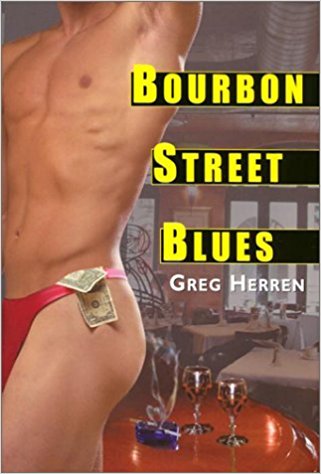
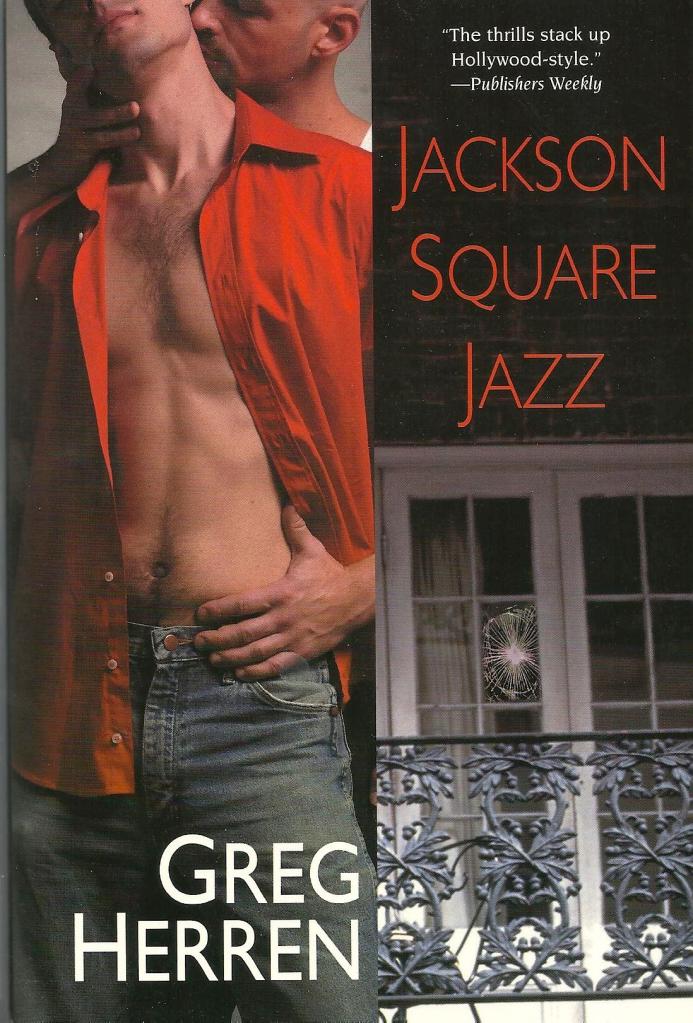
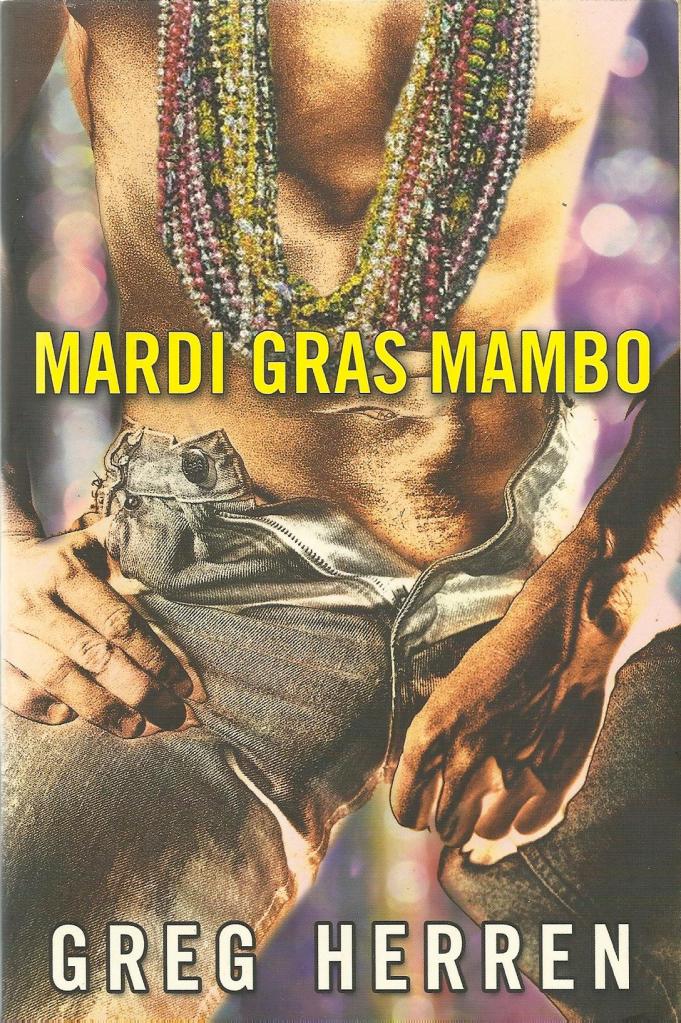
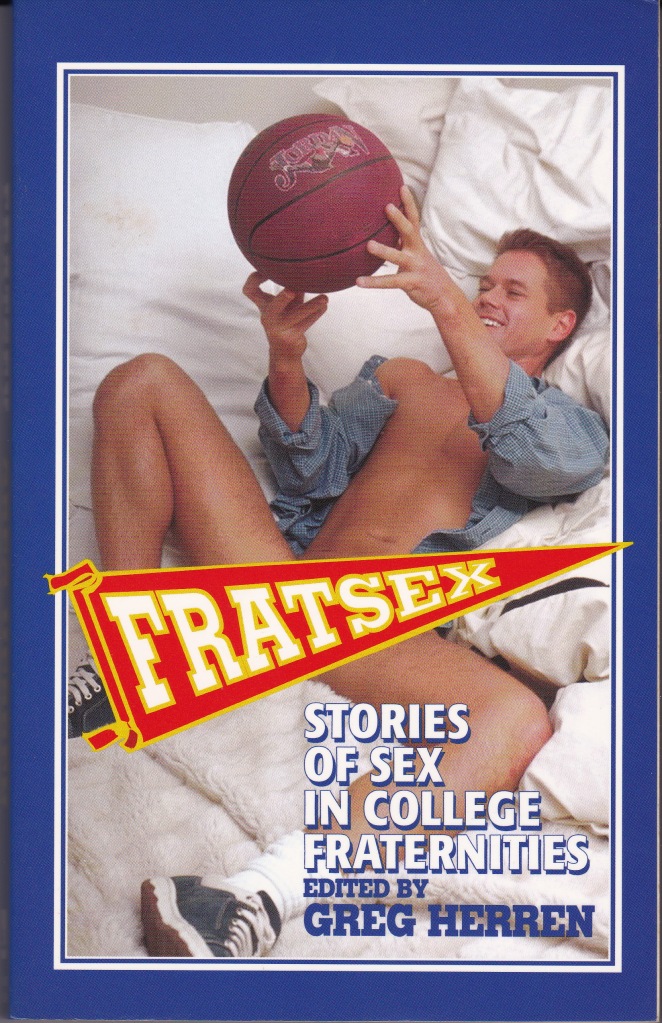
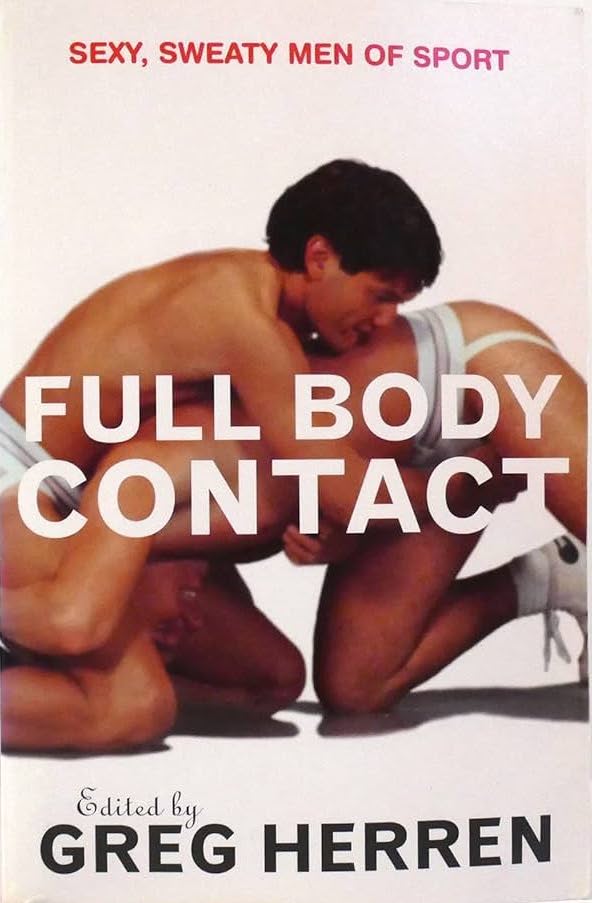
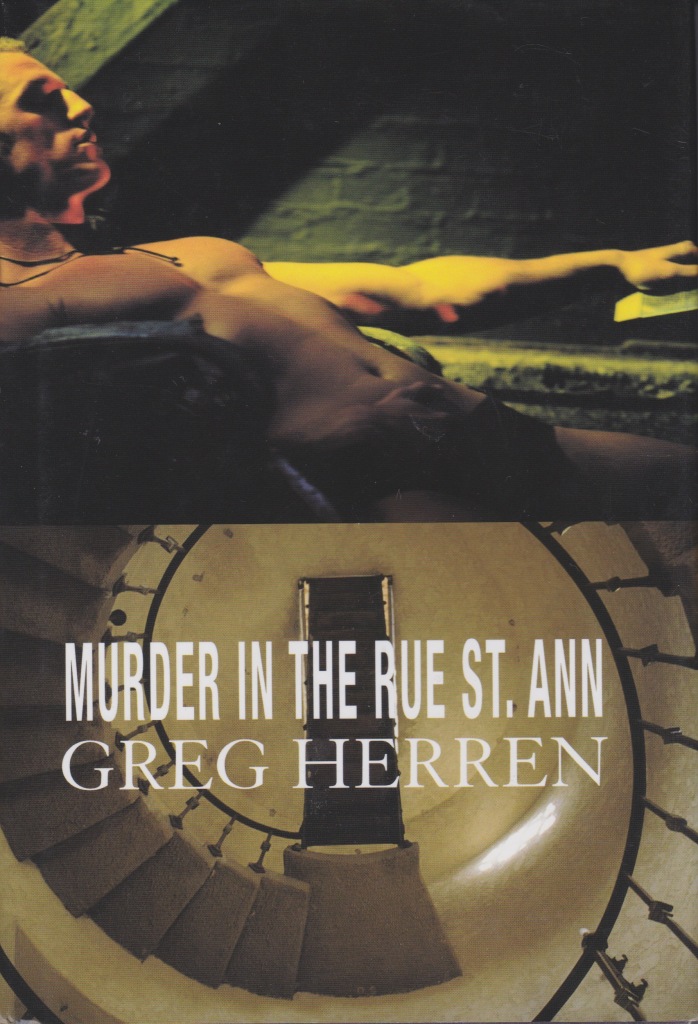
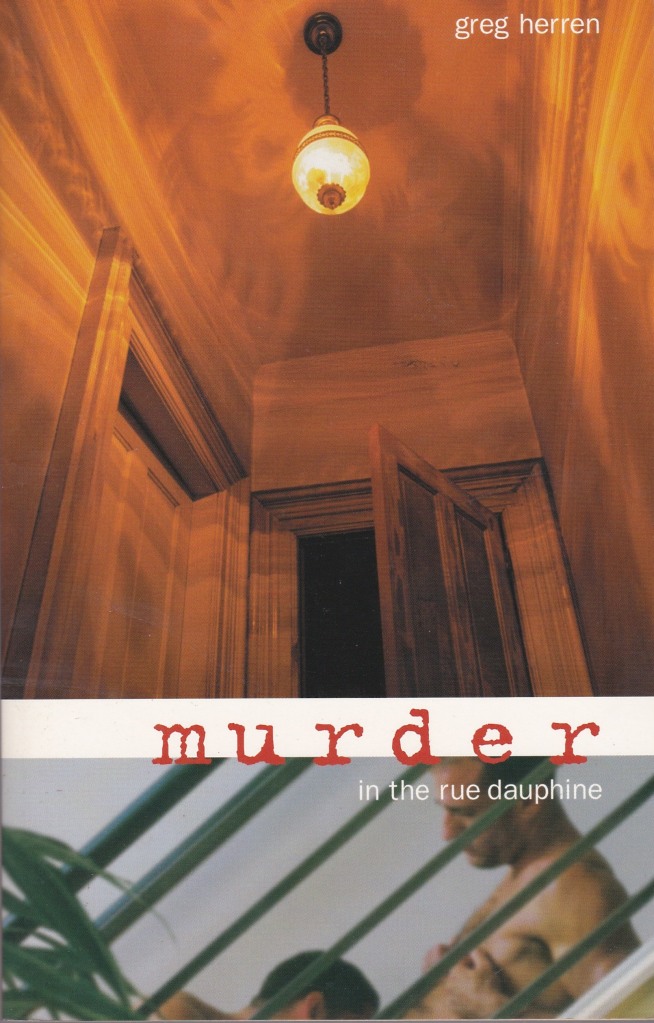
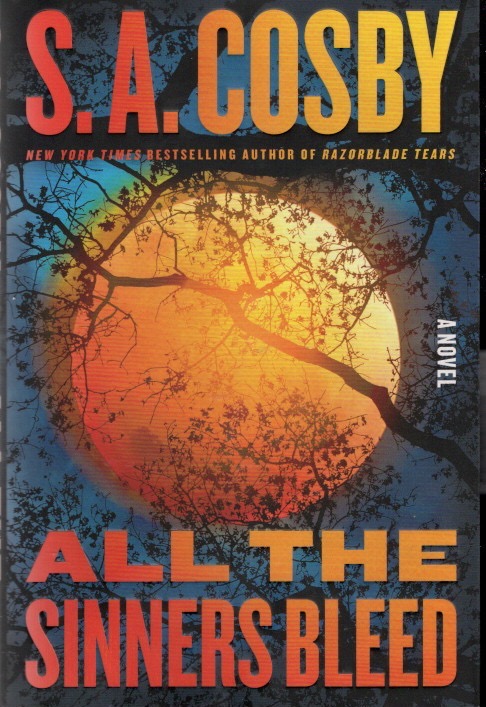
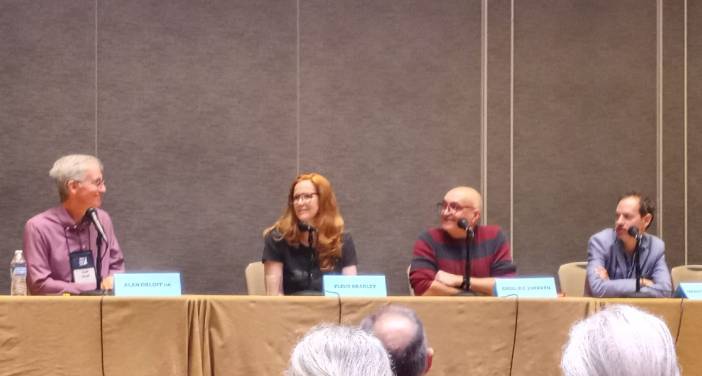


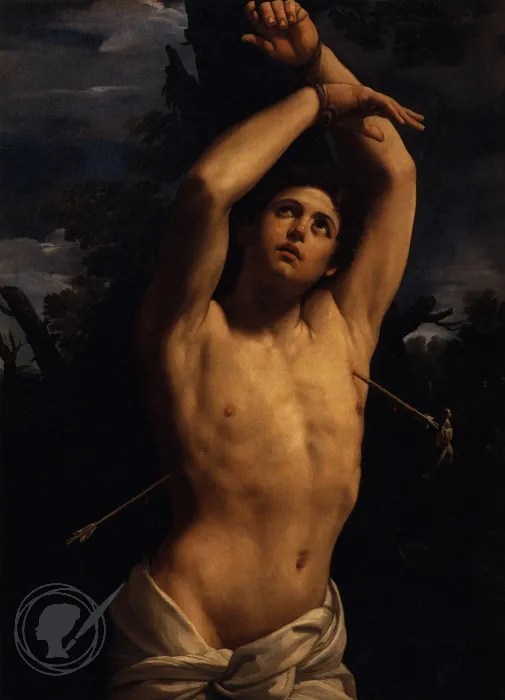
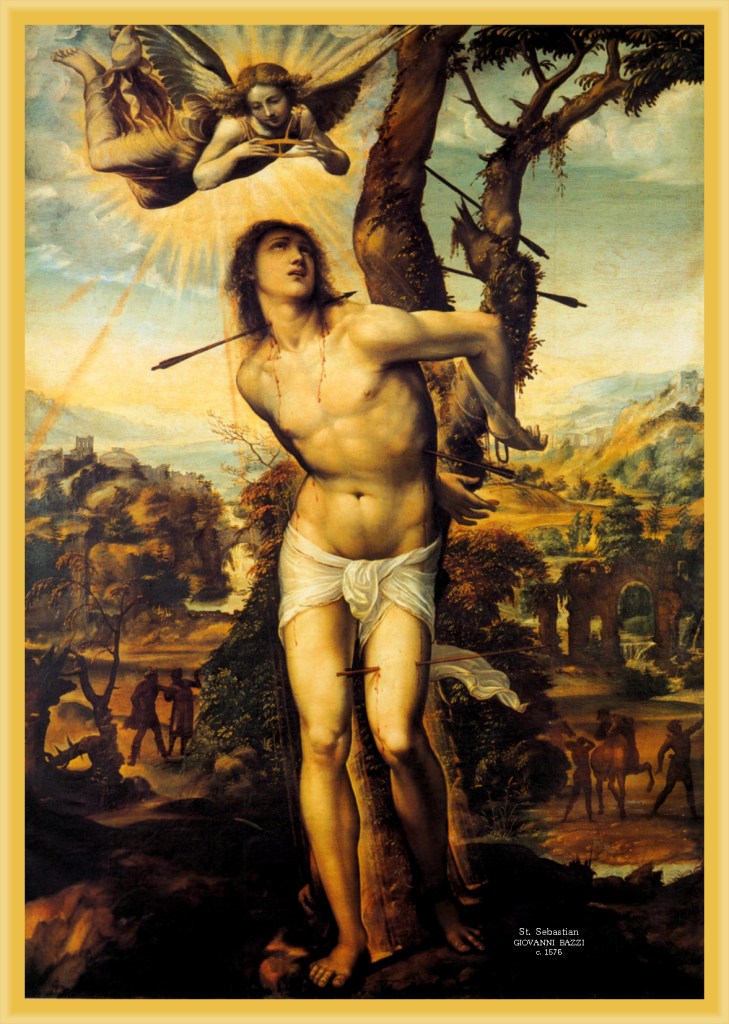
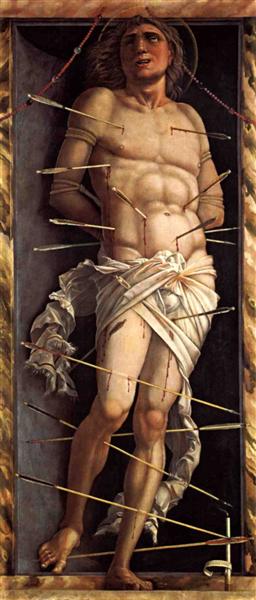
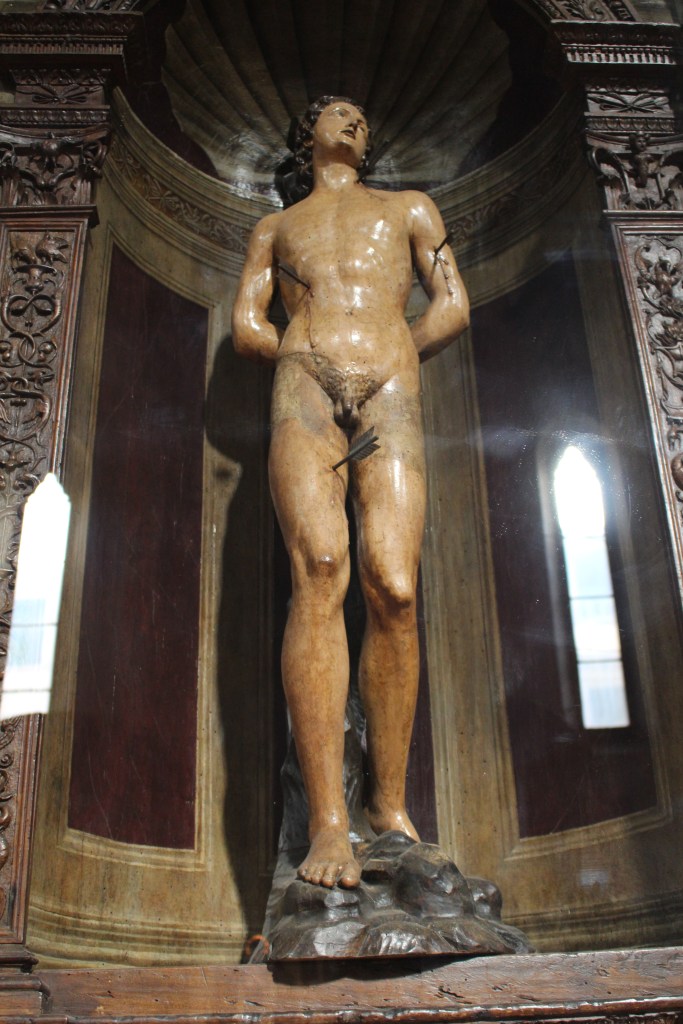
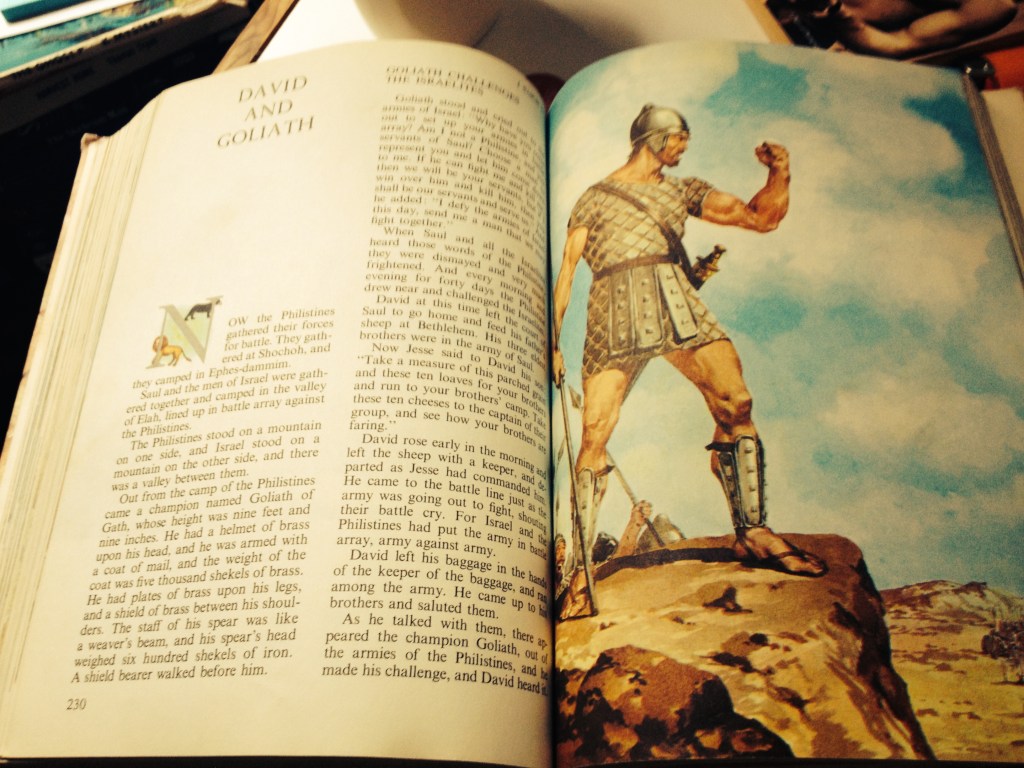
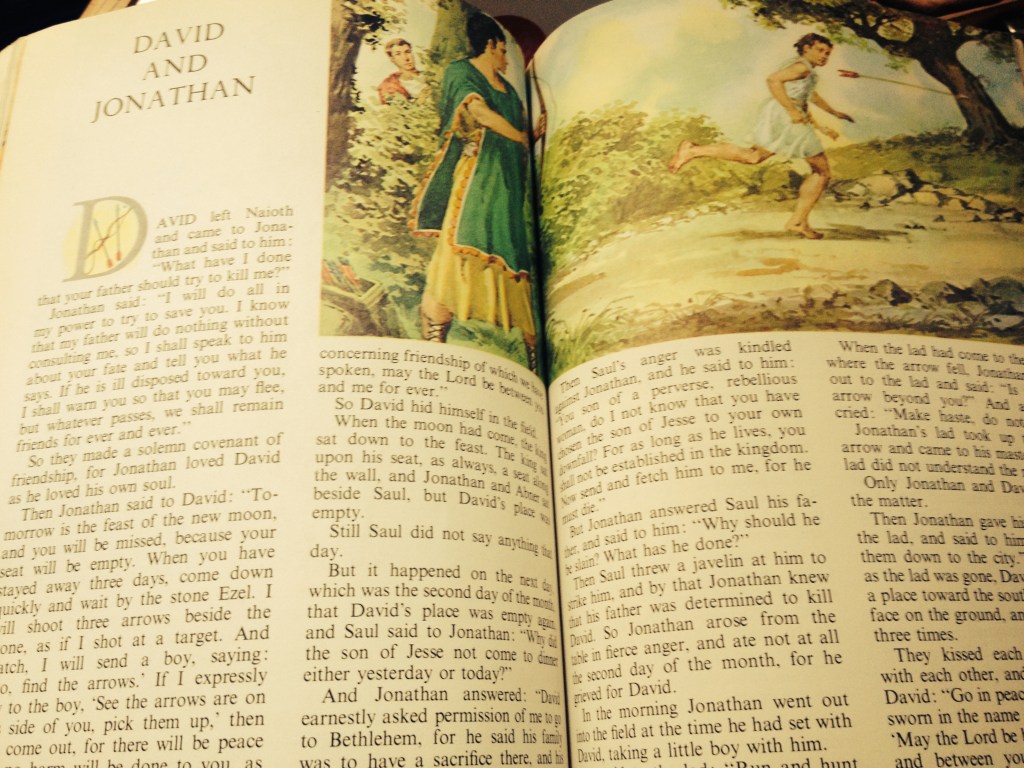
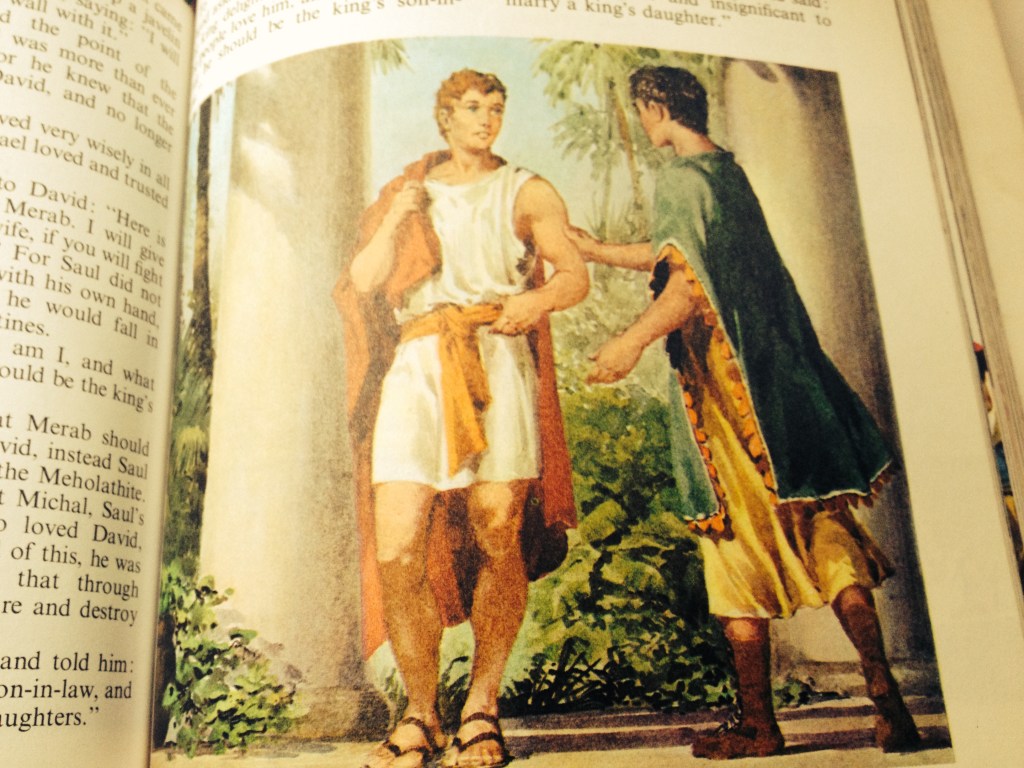

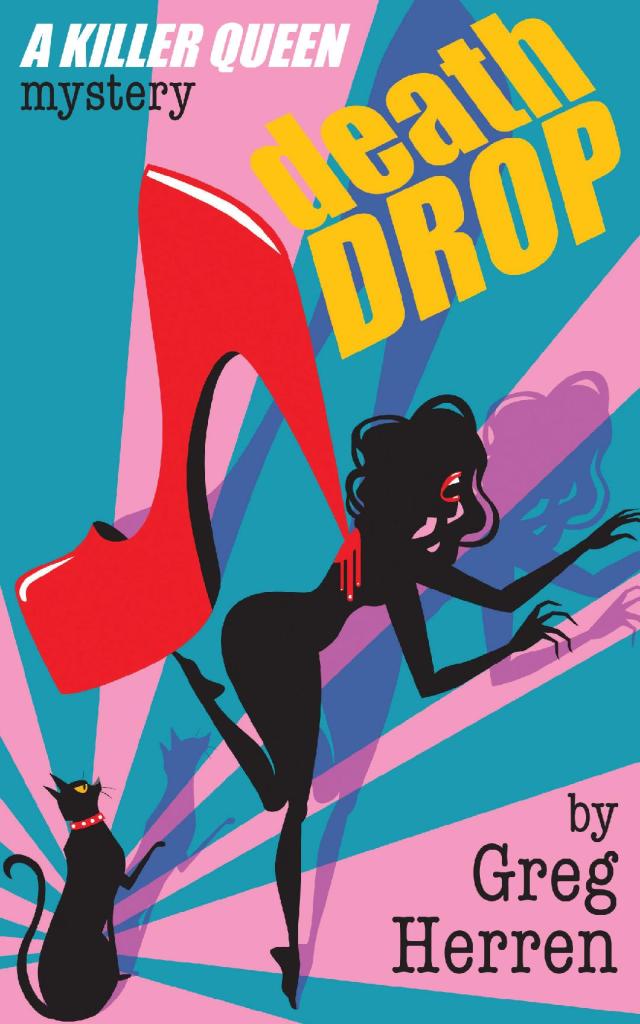


 Queer and Loathing in America