Lady Marmalade

He met Marmalade down in old New Or-leenz, strutting her stuff on the street, she said “hello, hey Joe, you want to give it a go?

That classic song by Labelle came out while I was in high school, during the early to mid-1970’s, and there was a lot of prurient young teenager thrill in knowing that the French lyrics translated to “do you wanna have sex with me tonight?” But the song–essentially about a hooker in New Orleans and a man’s experience with her–was an introduction to another side of New Orleans–one you wouldn’t find in the World Book Encyclopedia.

It was very important to me, for a variety of reasons, to make Scotty someone who embraced his sexual orientation and sexuality. I wanted to write someone who LOVED having sex, loved beautiful men, and felt no Puritan-American based shame about enjoying sex. Those kinds of characters were few and far between in gay fiction, let alone in gay crime fiction. After writing the typical miserable cynical bitter gay man with Chanse, I didn’t want to do that again. I wanted Scotty was to be the obverse of Chanse in everything, except their mutual love of New Orleans.

(This was, in part, in response to being briefly dropped by Alyson when I signed the Scotty series with Kensington, being told “two mystery series set in New Orleans would be too alike.” I took that personally, as an insult to my talent, ambition, creativity, and abilities…and I think I proved my point. Once Murder in the Rue Dauphine and Bourbon Street Blues were released–and Rue Dauphine sold super well for them and was nominated for a Lammy–Alyson changed their minds. I’m still mad at myself for not asking for more money.)

But while Scotty was highly sexually active, he never got paid for it. He also never did porn–although I did consider that at one point as an option; I thought a murder mystery built around a porn shoot would be interesting and kind of fun. And of course, in this book he mentions that he and the guys have recorded themselves having sex, and have sexted each other.

Scotty always preferred to keep his status amateur–but he was a go-go boy (stripper, exotic dancer, dick dancer, whatever you prefer to call the guys who dance for dollars in gay bars wearing various kinds of male undergarments), and he was certainly someone who was not averse to having a sexual encounter with a handsome stranger. (There’s a joke about this in Mississippi River Mischief where Frank comments after they’ve met someone, “I’ve been with you for almost twenty years. If you think I can’t tell by now that you’ve recognized someone but you’re not sure from where, which means you’ve probably slept with them, think again”–a paraphrase, but you get the gist; Scotty is often running into men who look vaguely familiar, and that usually does mean he slept with them a long time ago.)

New Orleans, despite it’s rather prim-and-proper high society set (on the surface, anyway), with the Pickwick Club and the Boston Club and the mysterious Mystick Krewes of Rex and Comus and so on, has always been a city of loose morals and freewheeling attitudes towards sex and sexuality. We had a zone where prostitution was legal for three decades or so (Storyville) and I wouldn’t be surprised if there were several bordellos operating within the city limits as we speak. There was the arrest of the Canal Street madam; and of course local author Chris Wiltz wrote The Last Madam, a biography of notorious Norma Wallace–the last well-known madam in the city. (Which I need to reread…) Bourbon Street was known for its strippers and vice for decades; there are still strip clubs on the infamous strip running from Canal downtown to Esplanade–and there are usually men in bikinis or something equally scanty on the bars of the gay clubs down down around the St. Ann/Bourbon queer nexus of the Quarter. When I was starting my deep dive into New Orleans/Quarter history, I wasn’t surprised to find out there were “stag” bars down along the riverfront along the levee; and if someone at one of the fancy houses in Storyville had a predilection for the Greek vice that needed scratching, the madam would send one of her bouncers down there to find someone willing to turn a trick, with a fair share going to the house, of course.

I think that’s fascinating, really; and something I want to explore in a story. I’ve started the story (it’s “The Blues Before Dawn” which I’ve mentioned from time to time) but can’t quite nail down the crime part of it. The set-up is great, though, he typed modestly.

I didn’t intend for Scotty to wind up in what is now known as a throuple–a three way couple, or a relationship of three people–on purpose. I wanted to create the dynamic of two men being interested in him at the same time, and have some fun with that in the first book. I absolutely did, and when I sent Colin away at the end of the first one, that was deliberate. I couldn’t decide who Scotty should wind up with, and I wanted Frank to be really who he logically should end up with–but this bad boy with a mysterious background who was so hot and sexy? I couldn’t NOT bring him back, and so I decided I had three books to wrap up the romantic dilemma. I wasn’t certain what the backstory of the dilemma would be, or how it would turn out, or how it would go–but when I was writing Jackson Square Jazz I found the perfect place and perfect way to bring Colin back. That book ended with them deciding to try a throuple to see how it works out. It was going pretty well until Mardi Gras Mambo–and I tried really hard with that book to not end the romantic story the way it ended in that book…and finally decided, since the series was actually turning out to be popular, that I would finish it by the end of the fourth book.

I’ve also not talked about it in the books or on this blog at all, but….they also have an open relationship. (Someone asked me about this at some point after the last book came out.) Nothing else would work for Scotty–he may not take advantage of the opportunities that pop up now the way he used to, but that’s because he has the freedom to make that choice. If he was forbidden from outside sexual relationships, he would cheat–and he doesn’t want to do that because that’s hurtful and wrong. He never wants to hurt Frank or Colin–but both of them are also away from New Orleans for long periods of time; Colin off doing his international agent stuff, while Frank is on the wrestling tour doing shows and promo events; so they are on their own a lot and temptation is always there–after all, all three of them are gorgeous–so while it is unspoken on the page, it’s an open throuple. And usually, Scotty finds outside sex to be kind of dull, unemotional, and not nearly as much fun as it is with one or both of the guys. That’s a character development arc. I also don’t show Scotty going out to clubs or waking up with hangovers with a stranger in his bed anymore, either. He does still go out–he loves dancing–but the gay bar scene has changed since he was younger and he doesn’t find it to be nearly as much fun as he used to.

Though he won’t say no to a hit of Ecstasy during Carnival or Decadence.

How subtle are the changes in Scotty as he has grown, aged and evolved? I think they are miniscule, but a revisit of the first two books in the series has shown a lot of change and growth over the years for him. He is definitely not that same flighty twenty-nine year old who booked a gig dancing at Southern Decadence all those years ago to make rent and wound up kidnapped by neo-Nazis deep in a swamp–I think he’s a little less flighty and a lot more responsible than he used to be…though he’s not as responsible as most people his age. Turning him into a property owner in the Quarter from a renter–and letting Millie and Velma ride off into the sunset in Florida as retirees–has also made him grow up, as now taking care of the property is his responsibility.

I will always be fond of my Scotty, though, and hope to keep writing him till I can no longer type into a computer or speak into a word-to-text app.

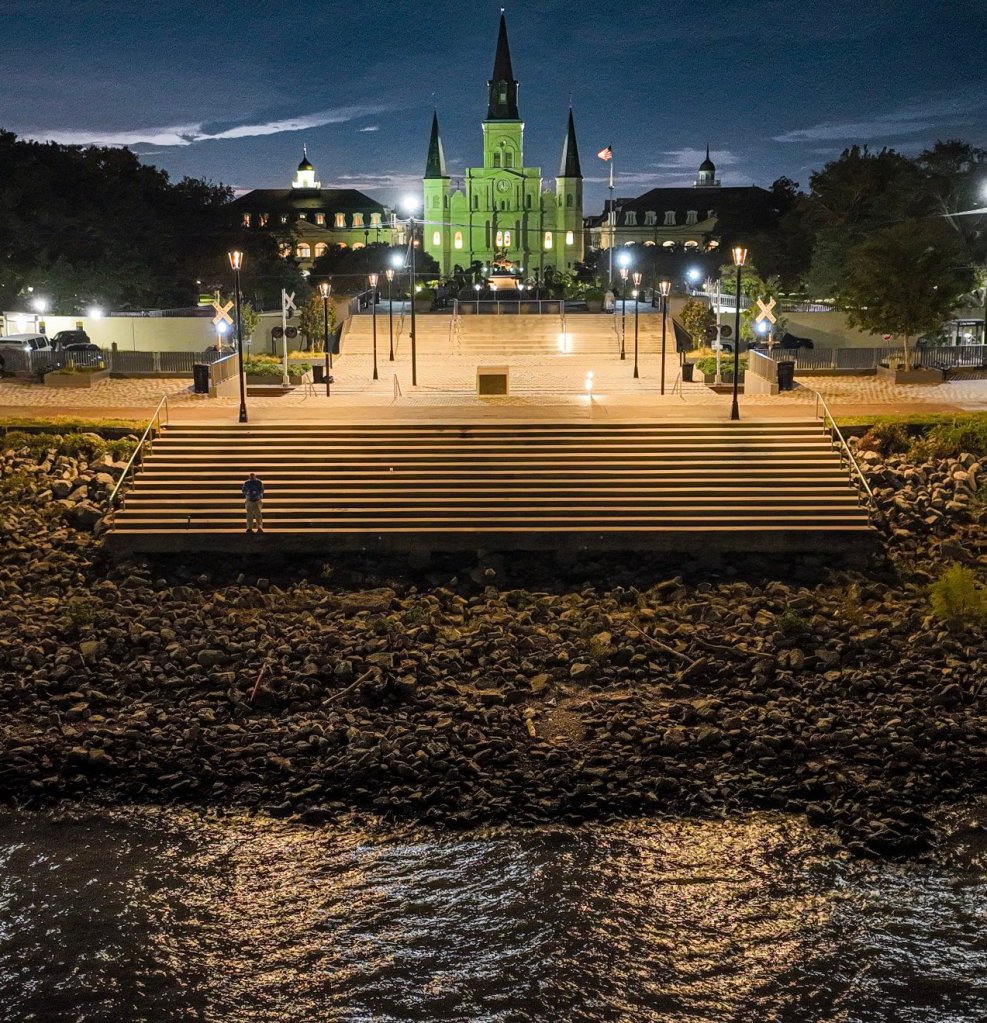
my neighborhood is so beautiful at night, isn’t it?

Born Naked

RuPaul likes to say we’re all born naked–everything else is just drag, and she isn’t wrong here.

Everything we wear is a form of drag. We always try to dress properly for whatever occasion, but yes–there’s work drag and formal drag and casual drag and gym drag and sports drag and around-the-house drag and pretty much any way you want to look at clothing…it’s all kind of a costume, really. And those costumes also depend on the time period.

I used to always think that I had no fashion sense–straight women and other gay men have often been astounded at how little I care about clothes or fashion or style. I have slight color-blindness, too–it’s hard for me to differentiate between darker shades; the darkest shades of blue and purple and brown and gray and green all look black to me. I also have some difficulty determining whether colors actually go together or not–which is why when it comes to formal/dressier clothing I tend to stick to black, white and red; I have so many red dress shirts, Constant Reader, you have no idea–so as I got older, I tend to go with what is easiest and less anxiety-inducing for me.

Of course, I also worked at an airport and had to wear a uniform for over two years: airline work drag. And after years of being a personal trainer, where all I wore was workout clothes or sweats, so yeah–my fashion sense has always been untrained and severely lacking for the most part.

Louis XIV, the Sun King–but those tights! That wig! Those shoes! More like La Reine Soleil, am I right?

I also always used to deplore the fact that men’s clothes gradually became so incredibly boring from the heydays of Beau Brummel-type male fashion icons. Look at the above painting of Louis XIV. Now imagine a man wearing that outfit to an awards show or a film premiere. Even our own Founding Fathers wore tights, powder, wigs, and heeled shoes.

But somehow, those clothing items became feminized and gender swapped–of course, women in the past also wore heeled shoes, wigs, powder and tights beneath their skirts and bustles and hoops. But even in the 1930’s and 1940’s, men’s clothes were far more stylish–trench-coats and linen pants, fedoras and other hats, spats and Oxford shoes, argyle socks. I hated the “traditional” styles of dress for men that developed in the post-war period. and the utter rejection of those same styles in the 60s and 70s. Men’s clothing began to evolve a bit more during this period–and some serious fashion faux-pas were prevalent during the last decades of the century.

As I said the other day (and as so many others have pointed out), men have always dressed as women for one reason or another that had nothing to do with gender expression or identity for years. The Sun King’s gay younger brother (he also had a gay bastard son by Louise de la Valliere; homosexuality was rampant at the Sun King’s court) Philippe duc d’Orleans (whose son was the namesake for New Orleans) had many male lovers and often dressed as a woman for appearances at court. I’ve always wanted to write about Philippe, who has always fascinated me–the young gay bastard son of Louis XIV, who died young, was Louis duc de Valentinois; I’ve also had some minor interest in writing about him as well, or just gay life at Versailles in general.

There is a long-standing drag tradition in New Orleans as well. The Red Dress Run, for example, may not be full drag as we know it, but it’s essentially all about men in red dresses for charity.

One of the things I really enjoy about the modern young generation is they don’t subscribe to the antiquated rules of fashion for men and women. I love seeing young actors and celebrities showing up at red carpet events in daring outfits instead of that tired old tux look. Yes, men look dashing in tuxedos; I’ve always wanted to go full tuxedo with hat, cane, tails and gloves–but again, not the ordinary or expected.

I wore a kilt twice when I went to the Edgars, and wore it again at Bouchercon in Albany for our Real Housewives of Bouchercon panel. I loved wearing it–skirts are sooooo much more comfortable than pants–and it was definitely a fashion risk; people who didn’t know me but saw me wearing it undoubtedly thought ah, that one must be gay. I love the way the Musketeers dressed in The Three Musketeers–I think the seventeenth century was probably my favorite era for men’s clothes; I also love a pirate look from the early eighteenth as well.

One thing I definitely need to explore more with Jem is not only his sense of fashion for his clients, but for himself–both in and out of drag. Those are critical decisions for a queen–because while a particular look or style for a queen can evolve over the years, it’s very unusual for them to do something radically different than their usual; again, it probably has to do with ease more than anything else; it’s much easier to fall back on a regular look and color palette than to reinvent yourself every time or to come up with something new every time. I do think I am going to have Jem do the Madonna constant reinvention thing–mainly because it’s more interesting that way for me–because it is part of who he is as a person; Jem thinks he’s boring but he’s actually quite adventurous. Jem has very little confidence in Death Drop, which is easy for me to write because I know how that feels. One of the goals of the series is to show him develop self-confidence and self-assurance and becoming more comfortable with himself, and part of that is going to come from performing in drag and another part from actually solving crimes…which makes him start believing in himself more.

And that is always fun to write–character growth and development.

Queen of New Orleans

I am always delighted when people think I capture New Orleans perfectly in my work.

I love New Orleans, and while I, along with everyone else who lives here, reserve the right to be irritated, exasperated, and annoyed with the city–God help you if you talk shit about the city if you don’t live here (“bitch, you live in Metairie”) in front of people who do.

Trust me, it won’t end well.

I fell in love with New Orleans officially when I came here to visit for my thirty-third birthday, which was a lot of fun and probably one of the best birthday weekends of my life, if not the best one pre-Paul (we had yet to meet at that time). I do sometimes wonder when I think back to visiting, and then living, in New Orleans in the 1990’s, if there’s nostalgia involved in my memories. That New Orleans no longer exists; the flood waters from the levee failure after Hurricane Katrina ended that time with a very firm line of demarcation so that everything was thus defined ever after as before and after. There were also the post-flood years in which the city was being rebuilt and rescaled and rethought and repopulated, but it’s never been the same as it was before the flood and it never will go back to that. There was a definite sense before that New Orleans was stuck in time and nothing was going to change anything–something drastic was needed to solve all the problems. It was thought at the time that the one positive was that maybe New Orleans would rise from the ashes like the mythological phoenix; a hard reboot that could fix everything.

It didn’t. Some of the old problems remained, some of them were eliminated, and new ones arose. The streets still collapse into potholes and constantly need repair; the sidewalks still tilt and get broken up by ground subsidence and live oak tree roots. There’s always something for the locals to complain about when it comes to life and living here in New Orleans. When Paul and I first moved here all those years ago, we had no idea what we were in for–but the nice thing was it was the first place I’d ever lived where I felt like I chose it; Mom and Dad chose where I lived for most of my life. I chose Tampa over Houston, but it wasn’t from an overwhelming decision that I desperately wanted to live in Florida (I didn’t; I moved for my job). But New Orleans–New Orleans was the first place I ever visited that I wanted to live. It’s really the only place I’ve ever wanted to live, or had an opinion about, or actually felt anything for; I am a New Orleanian, and a Louisianan by extension.

It’s really beautiful here, and I thought so when we moved into this crumbling neighborhood in a decaying city whose best days looked to be past already. In the daylight the city’s scars and wounds and damage is clear; but in the night, with shadows dancing and the light limited, it was still so gorgeous it can steal your breath away–and great apartments were enormous, high-ceilinged, hardwood floored, and cheap.

1996 was a whole different world; Bill Clinton was about to be reelected, gay sex was still a crime, and “don’t ask don’t tell” didn’t solve anything; it just made the realities of being a queer in military service even more difficult. There was still the remains of the Camp Street on-ramp to the Crescent City Connection on the neutral ground on the other side of Martin Luther King Drive; the Coliseum Theater was still there–closed and shuttered, but still existing, and there was this incredibly beautiful old house that was a ruined, crumbling wreck that looked haunted and absolutely fascinated me; I wish I’d taken pictures of it. (It has obviously been renovated.) Paul and I moved into the Lower Garden District right before it’s renaissance and gentrification. We lived on the Square; the park was just outside our front door and down the walk and across the street. Coliseum Square was dark at night then; all the streetlights in the park were either shot out or burned out, and the fountains were dry and rusted. The beautiful, graceful live oaks were there, of course, resting some of their heavy branches on the grass. All the big gorgeous houses around the park were derelict and run down, gorgeous ruins waiting for a buyer with money and a love for old houses. A gay couple bought one of them and spent the next year renovating it; it’s still a stunningly beautiful house. One by one those old houses were bought up and remade–and now Jennifer Coolidge lives in a house fronting the park (she sometimes comes to our corner at St. Charles for parades during Carnival).

I always think of Scotty as kind of a gay personification of New Orleans; the two are always entwined in my brain. Uninhibited, unashamed, unabashed, and always up for a good time–you could say that easily about them both. It’s really funny that back when I created him I didn’t think there was enough story in him to be a series–and here we are, on the eve of the ninth being released. Obviously, people responded to him in the way that I wanted them to; they’ve embraced his weirdness and eccentricity, and that of New Orleans as well. I couldn’t create a character like Scotty who lived anywhere else; anywhere else he wouldn’t work, would be judged harshly and looked down on by people for his hedonistic attempts to suck all the juice out of life as he can.

And I’ll probably still be writing him when I die–which, hopefully, won’t be for a long time yet.

Jealous of My Boogie

Research is always important for a writer, always.

I will generally spend years doing research for books before I start writing them; my scattershot approach to research usually goes something like hey this sounds interesting I should look it up which then takes me down wormholes and I’ll become obsessed with something, I’ll come up with a story idea that I can use the research for, and then it may sit in the files for years, occasionally striking my fancy sometime when I come across something else that might fit in with that, and so on. A lot of my research never makes it onto the pages of my books, either–I could have written chapters on glass-making and the Murano style of Venetian glass in The Orion Mask, but finally decided that, while I thought it was all interesting–Phyllis A. Whitney used to use her books to educate her readers about the area she was writing about, which I loved–but it definitely bogged down the story because there was no way I could figure out to tie the glassmaking to the modern day story.

That was very disappointing, I don’t mind saying.

Likewise, I didn’t have as much time to research drag the way I should have before I started writing Death Drop. Ordinarily, I would have wanted to actually talk to the local who runs the drag school; I would have talked to any number of queens about performing, how they got into it in the first place; and there are so many aspects of drag culture and so many levels and layers to it that it was impossible for me to get the research done and write the book at the same time. Ideally, I would have liked to have actually paid someone–preferably my former supervisor, who went to the drag school and now works full-time in drag as Debbie with a D (check out her Instagram, seriously)–to do the full drag on me–wig, make-up, pads, dress and shoes. (I kind of still need to do this, so I know how it feels; I relied on memories of high school plays for the make-up and wearing a Minuteman costume with real buckled and heeled shoes for walking in heels; I didn’t care for that one bit and have nothing but the deepest sympathies for women or anyone who has to wear any kind of heel on a daily basis. I can still feel how sore my calves were the next day.)

That was part of the reason I made the book an origin story for Jem and “Joan Crawfish,” the drag name he is christened with at the last minute as he sent down the runway at the Designs by Marigny fashion show. I don’t know drag lingo or slang–outside of whatever I’ve picked up from watching RuPauls Drag Race and having co-workers who do drag and the occasional drag show I’ve caught over the years–and so neither does Jem/Joan. And the second book–set in Florida at the Miss Queer America pageant–will include some of that, as it will have to as he’s already finished the drag school he was considering entering at the end of Death Drop.

It doesn’t hurt that my current supervisor does pageants and was even Miss Gay Mississippi USofA; so I have a good source of information that I see at the office every day, which is….kind of cool, actually.

I do feel pressure to drag it up a bit more in this second book (You Gone, Girl) than I did in the first, but the pageant itself makes for a lot of drama and comedy, and that’s not even taking into consideration all the protests and bomb threats and things and other shenanigans that the evil witches from Moms4Freedom are throwing at the pageant.

And I am going to have some serious fucking fun with those Moms4Freedom bitches, believe you me.

Cover Girl

Drag is a part of queer culture I’ve always known about but has also been something primarily on the periphery of my gay life and world; I’ve only occasionally ever thought about perhaps doing it–as a gag or as a costume at some point; a very dear friend has always wanted to dress me up as Joan Crawford (narrow waist, big shoulders, enormous eyebrows), which is something I would consider doing if it wasn’t so much work–I am way too lazy to ever do drag properly and respectfully. I did a very poor attempt at drag many years ago, for a Showgirls themed birthday party for a friend; the result was far from pretty. I did sometimes used to use mascara and eye liner when I would go out; it emphasized my enormous and expressive eyes which most people have always considered my best feature (although aging has deprived me of my eyelashes). Drag was just another part of the community and culture, like leathermen, bears, and gym queens–another patch on the quilt that makes up our queer world.

My primary interest in drag has always been historical and cultural; drag culture has always been a part of the gay bar scene, since time immemorial, it seems. I have always been interested in every aspect of gay culture since coming to terms with my own sexuality and recognizing that not coming to terms with it meant a lifetime of guaranteed misery, and shouldn’t I really take a chance on being happy? There was always a lot, for me, of misunderstanding about drag culture and its place in the gay community; but that also primarily came from people outside of the community and therefore didn’t have the slightest grasp of it–i.e. ignorant slurs that all gay men dressed like women whenever they had the chance, you know–not “real men.”

But seriously, who wants to buy into the cult of toxic masculinity? No fucking thanks.

I don’t know the history of drag, but I did know–from the very beginning–that there was a significant difference between drag and the trans experience; there’s definitely crossover, but the Venn diagram of drag and trans is not a complete circle. I understood this always, even when I knew very little of either. This was always the issue I had with To Wong Foo Thanks for Everything Julie Newmar–the queens in the movie didn’t just do drag for performance or pageants, but dressed as women in their everyday life…which made them transwomen who also did drag. The failure of that film to define the difference between the two, I think and believe, has a lot to do with the current-day conflation by the Right of drag queens with transwomen. Likewise, was the Nathan Lane character from The Birdcage (and the French original) a transwoman or a drag queen?

And the fact that I, knowing as little about gay life and culture as I did in 1994, knew that the Wong Foo movie was conflating two completely different things as the same certainly means that other, better-educated people should have, as well.

But it’s also important to remember that the movie wasn’t made for the queer community–no Hollywood studio film with queer characters is intended for a queer audience, and thus there’s a falseness to them that rings hollow to me (don’t even get me started on Philadelphia); what Sarah Schulman once (paraphrasing) described as “the creation of a fake public homosexuality that will play in Peoria.”

There’s an essay in that, methinks.

The first time I went to a gay bar in Houston is my first true memory of seeing someone in drag performing on the bar in person. She was doing Liza as Sally Bowles from Cabaret, and as I walked in the door with some co-workers from That Airline, the first thing I saw was her up on the bar, with a musclebound dancer on either side of her in bikinis or thongs, and I can remember thinking wow this is decadent like Isherwood’s Berlin–but I liked it. I felt at home there, in a way I never did in gay bars in Fresno (or anywhere else I was able to sneak away and visit one), and felt like that night was when my gay life actually began: I was with co-workers, I was going to a gay bar openly, and the co-workers knew I was gay but had never really experienced being gay as anything but misery and depression and a curse. I don’t remember the name of the queen, but ever since then, “Mein Herr” always brings a nostalgic smile to my face.

But again, I didn’t go out much or do much during those two years in Houston as I still wasn’t completely comfortable being totally out. I moved to Tampa in 1991 and started living as an out gay man…and started spending more time in gay bars. A popular night for airline employees as Tuesday Nights at Tracks, where cocktails were only fifty cents and no cover before ten. There was also a drag show at midnight, with an actual stage in a show room, and that was my first real experience watching drag queens perform. There was a gay paper there–I cannot remember what it was called to save my life; I know the one in Texas was This Week in Texas, called TWIT by everyone–but it often had information about performances and other night life ads and so forth. I began to get a better understanding of drag, its place in the community, and its importance to gay culture, period.

And of course, once I moved to New Orleans, there was Bianca del Rio.

The mainstreaming of drag actually began in the early 1990’s, with RuPaul having a surprise hit record out of nowhere, “Supermodel (You Better Work)”, which started exposing more people to drag who ordinarily would have never seen one. RuPaul was everywhere in the early 1990’s, and even had her own talk show on MTV for a while. The Adventures of Priscilla Queen of the Desert and its homogenized American version To Wong Foo, Thanks for Everything, Julie Newmar were both incredibly popular. (I enjoyed Priscilla, and I’ve already touched on my issues with Julie Newmar–which will probably become an essay at another time.)

There were, of course, other successful queens out there before RuPaul’s big breakthrough and later, comeback with Drag Race, but few had as large a profile in the culture as RuPaul. Lady Bunny, Miss Coco Peru, Miss Richfield 1998, and Varla Jean Merman were all making a pretty decent living as performers before the drag explosion that followed the launch of Drag Race.

I’ve met numerous drag queens on the local scene both in and out of drag–I’ve always been fond of Princess Stephaney and Blanche Debris (who is retired now), and the drag community of New Orleans was always incredibly supportive of the NO/AIDS Task Force. I met Bianca out of drag a couple of times, but I doubt he remembers me…but Drag Bingo at Oz on Sundays with Bianca and Blanche (I just realized their first names both translate into English as white) was always a blast–and I made a point of never trying to get Bianca’s attention because she was always quick and that tongue was sharp as a scalpel always.

I also work with several co-workers who either did drag or have started doing it while I’ve known them, which indirectly helped me with the writing of Death Drop and my original story for a drag queen. Jem is sort of patterned in some ways on one of my former co-workers who actually went to a drag school here in New Orleans–and eventually quit his full-time job to do drag full-time. He’s been in Queer as Folk and numerous other shows filmed here, and has been booking gigs all over the country–check out his Instagram, isn’t he fucking gorgeous? So that gave me the idea to make the first book with Jem his drag origin story.

Learning about drag to write this book–and its sequel–has been an enjoyable learning experience for me. At some point I know I am going to have to do a transformation; I need to know how it feels to have the make-up and the padding and the wig and the dress and shoes on. I can imagine it all from doing theater in high school, but it’s not the same.

And yes, I will share the pictures when and if it does happen.

Born on the Bayou

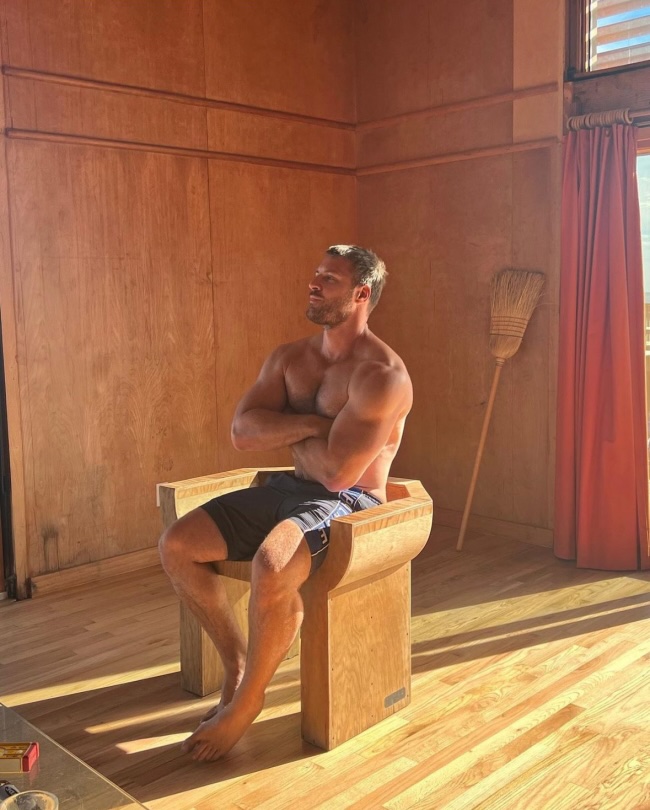
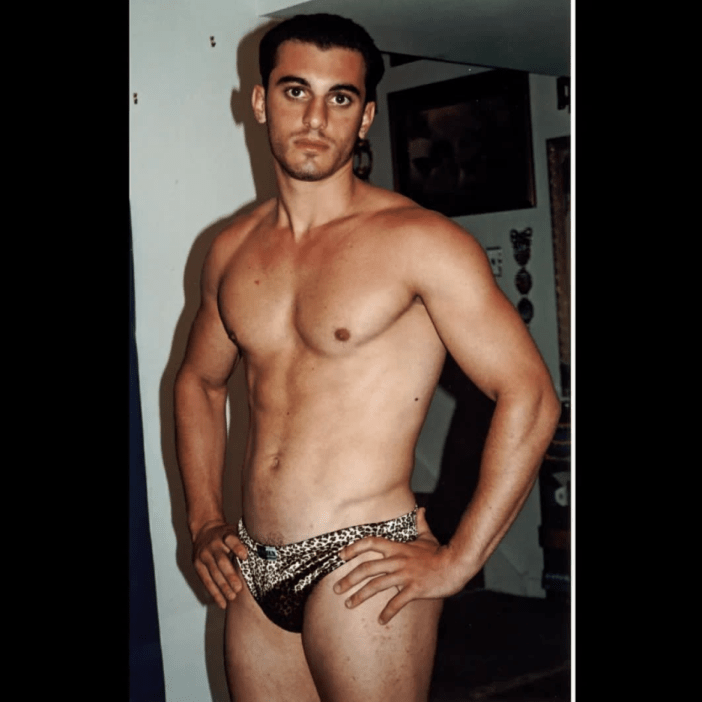
Whenever I am writing or creating a character, the first step I need to accomplish in order to keep going with them is that I need to know what they look like in my head before I can start. The first step is for me to know what they look like. I generally use real people are models for a starting point for my characters–but they do evolve from that initial “how they look” base and extrapolate the rest of their appearance from there. I also don’t base characters on real people, for the record–because you can’t. You can never base a character completely on someone else because you can’t get inside their head or know all of their life experiences and the things that shaped who they are and why they do the things they do.

This is the base-line physical model for Scotty I used when creating him. Scotty’s evolved since then.

This wasn’t the base model for Frank, but you get the idea; he’s pretty close to what I pictured.
And this is where I started from with Colin.

I don’t base characters on real people because it’s impossible to do–you can only base a character on your perceptions of who that person is; you cannot know every experience they’ve had, every trauma, every event that occurred that shaped and changed and evolved them into who they are. This is why people–even ones you think you know really well–will always surprise you at some point. I’ve lived with Paul for twenty-seven years and he still surprises me. I didn’t know any of these men–all models for BGEast.com–at the time and of the three of them, the one I actually know is the one whom I didn’t actually use as the physical model for one of the three, and I didn’t meet him until the first three books were already in print and available.

But when I was creating Scotty, I wanted the readers to have fun with the books. I didn’t want to write anything dark or tragic or heavy; I already had the Chanse series to do that with. Chanse was a six foot four two hundred and twenty pound mass of neuroses, insecurities, cynicism, and bitterness; I really didn’t want to do that again because what would be the point of doing two series that were exactly the same? I wanted them both to capture the feel and spirit of New Orleans, but from very different perspectives. Chanse wasn’t happy about being a gay man; he was still struggling with it in the first book and slowly became resigned to it, rather than embracing it. Once Scotty told his parents and came out to them, he never looked back and started looking for his joy. Scotty’s family loved and embraced him as he was, and other than both sets of grandparents cutting off his access to his trust funds when he flunked out of college–which has nothing to do with him being gay; that was an attempt to get him to go back to school. The trusts were originally set up to become his when he turned thirty anyway, so he never really had to worry about the future–which is an incredible privilege. Even working as a personal trainer and some-time go-go boy for the money wasn’t that big of a deal; his landladies were family friends who’d never evict him in the first place and his parents would always come through for him anyway.

I also made his siblings the same as Chanse’s–I don’t know if that was intentional or not, but while Scotty is the youngest with an older brother and sister, Chanse was the eldest with a younger brother and sister he isn’t close to. Scotty’s family was tight, while Chanse’s was not. Chanse’s sister is married to an accountant for an oil company and lives in Houston; his brother still lives in their hellhole of a small city, Cottonwood Wells (small city, large town; I am never sure which is the right one) and I broached their relationship in the short story “My Brother’s Keeper.”

And I had Scotty live in the French Quarter as opposed to Chanse’s apartment on Coliseum Square; Scotty is that rarity in New Orleans–someone born and raised in the Quarter. Chanse was an import from Texas who moved to New Orleans after graduating from LSU; Scotty has always been here other than the two failed years in Nashville at Vanderbilt.

I wanted him to have absolutely no hang-ups or issues about being a gay man. I wanted him to embrace his sexuality and enjoy his sex life and have that Auntie Mame mentality of “life’s a banquet and most poor suckers are starving to death”; Scotty wants to have fun and enjoy his life. He doesn’t think he’s ever destined to find a boyfriend or life partner in the first book–he’s too unabashed a slut1 who loves getting laid and doesn’t want to tie himself down, plus most men he meets tend to be too serious for him. Scotty has no hang-ups or issues about his body, either. As a wrestler in junior high and high school his body became strong, muscular and lean; he never says whether he thinks he’s attractive or not–he says other people seem to find him irresistible in the first book, and he admits he doesn’t see what others see but they see it so okay. He’s become more serious as he’s gotten older and as he’s dealt with bad things–but he doesn’t go into a depressive state or withdraw from the world when bad things happen; he faces them head-on, and his motto (life doesn’t give you anything you can’t handle–it’s how you handle it that matters) is one we could all aspire to, really.

While taping Susan’s show last week I did say that Scotty was the idealized version of myself and the life I would love to have–sans the murders and kidnappings and shootings, of course–and naturally a lot of his traits have come from within my own mind; but while I find his mentality and life view aspirational, I often fall short. Scotty has a genuine kindness to him as his inner core that I don’t always default to, much as I wish I could and did. I am a lot more like Chanse than Scotty, even if they are kind of different aspects of my personality and who I am.

It’s sometimes hard for me to wrap my mind around the fact that I’ve been writing Scotty now for twenty years. Bourbon Street Blues came out on May 1, 2003. Twenty years of Scotty books, but only nine–like one every other year rather than every year.

And I also sometimes wonder if my subconscious somehow keeps track of Scotty, because I keep discovering things about him that I wrote years ago that were just kind of throwaways that now I can circle back to and create story arcs for these character traits and personal histories for the newer books.

  1. There’s also a scene in Bourbon Street Blues where he proudly states he doesn’t have sex for money because he “prefers to keep (my) amateur status.” ↩︎

Louisiana Moon

As if you weren’t sick of my self-promotion already, now I get to start promoting Mississippi River Mischief!

It’s hard to believe that this is Scotty’s ninth adventure. Not bad for someone who was just supposed to be a one-off, a stand-alone comic madcap adventure that took place during Southern Decadence. The idea for it came to me at Southern Decadence in 1999; on Saturday afternoon I somehow managed to get a prime spot on the balcony at the Parade to watch the massive crowd of sweating shirtless men partying down below at the intersection of Bourbon and St. Ann. I noticed a really hot guy wearing sweats and carrying a gym bag fighting his way through the crowd to get to the Pub downstairs, and I recognized him as one of the dancers for the weekend. In that instant, I had a mental flash of a dancer being chased through a crowd of shirtless sweating men at the corner by bad guys with guns and the dancer only wearing a lime-green thong. I held that idea in my head, and sometime later that weekend Paul said to me, “you know, you should write a book set during Decadence,” and I grinned and replied, “I already have the idea.” I had started writing a short story called “Bourbon Street Blues” a year or so before this; but realized that would make a better title for the stripper crime caper during Southern Decadence, so I made a folder for it and kept it in my files and in the back of my mind. Several years later, when talking with an editor about something else when I worked at Lambda Book Report, I asked if that might be something he’d be interested in. He said send him a proposal, which I did–having no clue what I was doing–and they offered me a two book deal, turning my stand-alone into a series. Having no idea how to write the second book in such a series, the money was too good for me to say no or to quibble, figuring I’ll figure it out when I need to–which is really the motto of my career.

The Scotty series has always had a bit of a “pantser” feel to it for me because I’ve always pantsed it. I knew that the first adventure–Bourbon Street Blues–was going to be that Southern Decadence story, and I also knew I was going to fictionalize a governor race, basing it on a senate race that occurred when we first moved here and we couldn’t believe that one of the candidates was actually a serious candidate (sadly, he was just a harbinger of what was to come in Louisiana; now he’d seem like one of the fucking sane ones), and I kind of borrowed, a bit unconsciously, from the Stephen King character of Greg Stillson from The Dead Zone. Bourbon Street Blues was a prescient novel in so many ways–and I had no idea of that at the time, seriously. There’s a scene where the Goddess shows Scotty the potential flooding of New Orleans after a levee failure (in the book it was deliberate though) and of course I predicted the Right’s move into full-bore hardcore neo-Nazism as well in that book…never dreaming it would become a reality.

Scotty has always been a fly-by-the-seat-of-my-pants series; I’ve never really outlined or planned the books or the series in any way, other than an amorphous idea that the love triangle situation I created in the first book would take three books to resolve. During the course of the third book I realized I needed at least one more book to resolve that story, and so it went from stand-alone to trilogy to quartet…and then Katrina happened. Katrina created an unplanned gap in the series, and I never really knew how to do Katrina from a Scotty perspective. It struck me that they wouldn’t have evacuated, but Scotty wouldn’t have ridden the storm out in his apartment, nor would his parents have done so at their place; they would have all gone to the Garden District where Papa and Maman Diderot have a generator. I just didn’t see how I could write a funny Scotty book about the levee failure and the city’s destruction. Also, we learned something about Scotty in the second book (Jackson Square Jazz) that I meant to deal with in the fourth book. By the time I was ready and able and willing to write that fourth book in the series…well, I forgot that I’d planned on dealing with that issue from Scotty’s past in it, and never did ever circle back around to that resolution of something from his youth.

I did remember when I decided to write Mississippi River Mischief, though. I kind of wrote myself into a corner with Royal Street Reveillon, in which something happened in Scotty’s personal life that was tied into the case, but I couldn’t write another book and pretend that never happened, even though it would be hard to deal with in the text of the book and story. But then, as I was trying to work it out in my head, I realized now you can circle around back to that issue from Scotty’s teen years because this is the right place and time for him to be reminded of it because of what happened to Taylor.

And you know what? I think it made for a better story now than it would have almost fourteen years ago.

Scotty has grown a lot over the twenty or so years (!!!) I’ve been writing him, but who he is at his core has never changed. Scotty is a good person, with a genuine sense of kindness, and is pretty level-headed and never really lets things get to him the way I let things get to me–and God knows, he’s dealt with a lot more shit than I have in life. I like his sense of humor, I like his spirituality, and I like his untrained, he-doesn’t-know-how-it-works psychic abilities, and of course, I love his family. His parents are amazing, his older brother and sister are also pretty cool characters, and of course Frank and Colin are also fun to write. I also never knew how subversive I was being by creating a throuple long before anyone ever talked about these kinds of relationships within the queer community–and it’s lasted all these years. There have been ups and downs, of course, but they always wind up coming back together again no matter what happens–and a lot has happened. Both Scotty and Frank have been shot a few times, not to mention all those car accidents–and he’s also helped cover up a crime (no spoilers here, no worries!).

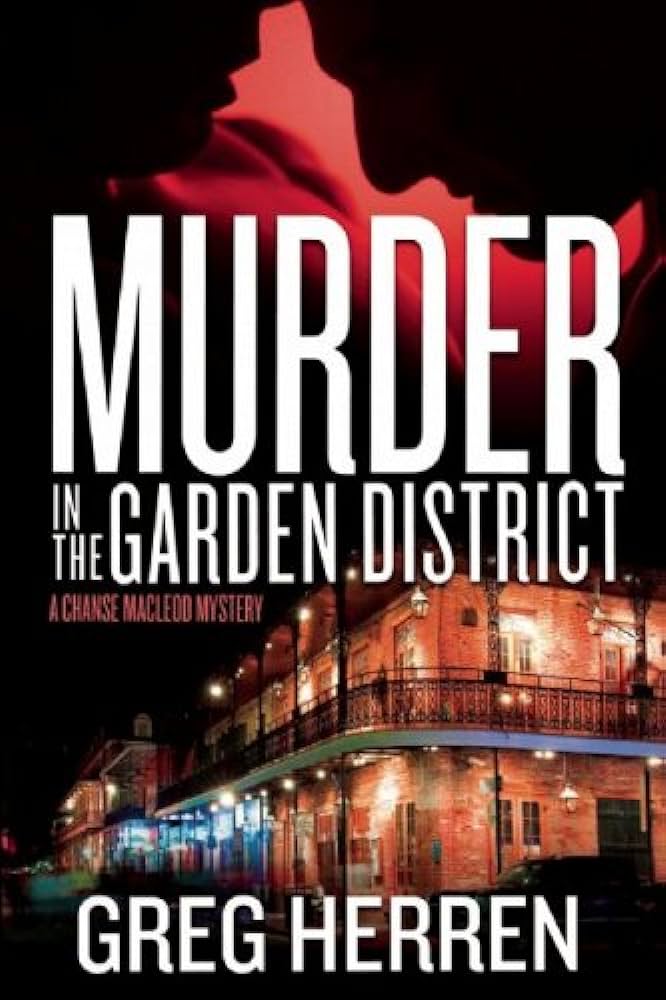
You can order it here, if you were so inclined…

Mickey

Friday morning work-at-home blog, and the weather is supposed to get more back to normal for this time of year—highs during the day anywhere from the lower 70s to the mid 80s, dropping to the 60’s at night. It makes it even harder to get out of bed in the chill of the morning–and my blankets are incredibly warm and comfortable, as is the bed. But li’l Tug expects to get fed every morning around six (and is more than happy to let me know six is nigh by leaping over Paul and landing on me, before curling up next to my head while waiting patiently for me to get up and feed him and give him fresh water), which is going to make the time change this weekend a bit irritating. I also hate going to work and coming home in the dark, which is also soul-destroying because you feel like you’ve lost the entire day at the office.

But I slept well last night and let myself go back to sleep after the daily six a.m. feed-me Tug attack, which felt great. There’s a mail run to do and Tug’s first vet visit to fit into the day, and we’re going to Costco after I finish my work at home chores later. The constant, on-going kitten-proofing of the apartment can also prove challenging because you never know what’s going to catch his inquisitive must-play-with-that eye, and he is very curious and adventurous about anything. Cabinets can’t be left open. He’ll climb into the dishwasher as I am loading it–but no curiosity about the dryer yet. He’s also fascinated by water, like Skittle was–but the shower was uninteresting to him; not the case with Tug. He’ll tightrope around the rim of the tub while I’m showering and also walk between the shower curtain and the liner. He’s adorable and completely in charge around here, if you haven’t figured that out yet.

And I love having a purring kitty donut sleeping in my lap while I watch television or read.

Last night we watched this week’s The Morning Show, which absolutely felt like a season finale; I’m not sure if it was or not but it felt like it. I wasn’t super-tired when I got home, but Tug was especially needy so I repaired to my easy chair where I watched this week’s Real Housewives of Beverly Hills–which was kind of dull; but the fun of watching these shows is watching and reading the reactions of the fans and the recaps and so forth. I was thinking yesterday that these shows create community within their fans, as people want to talk about the cast and what’s going on with them, happily judging their lives, their behavior, their clothes, their make-up, their hair, their homes and their families. I was thinking this was unique to reality shows–remembering how everyone used to talk about Survivor and The Bachelor and American Idol back in the day, similar to how soaps would have group watches on campus where everyone talked about the storylines and the characters and their interactions. But we also did that with Glee and Lost and Desperate Housewives and various other shows. I do wonder what is it about film and television that drives people with the urge and need to talk about it with other people?

Then again, I always wanted to talk about books with other people–so I guess I can get it.

I was realizing the other day that this year in December will mark nineteen years of this blog–first on Livejournal and then moved here when I’d finally had enough of the Russian propaganda and spam over there–which is a longer commitment than most straight relationships and marriages, which is an interesting way to look at it. I started keeping it around Christmas of 2004, while we were still living in the carriage house–we wouldn’t move into the main house until June or July 2005; only to be moved back into the carriage house by Hurricane Katrina later that year. It’s also hard to believe sometimes that Katrina–and the Incident with Paul–was so long ago now; just like the Virginia Incident was a long time ago. Time inevitably passes, and just going through your every day routine living your life as best you can one morning you realize a lot of time has passed. The pandemic shutdown was almost four years ago, for fuck’s sake. We are now in year three going on year four of the COVID-19 pandemic, although no one really talks about it anymore. I am going to write about that whole experience at some point–there are at least three more Scotty books I want and/or need to write, which will take New Orleans through the cursed Carnival of 2020 (and the Hard Rock hotel collapse) and the shutdown and then afterwards. I think that’s been part of the creative malaise lately; knowing that the Scotty series, about to debut its ninth volume, is finally winding down. There are a lot of things I’ve wanted to avoid with these books but with the series continually going, I don’t have a choice. Scotty’s grandparents are all in their nineties by now–so death is going to have to come to the family. On the page or off the page? I do think it might be interesting to explore the Bradley side of the family a bit more; perhaps the death of the Bradley grandparents and a struggle over the will or something could be the basis for a book; perhaps COVID-19 might claim them, I don’t know. But I know I’ve not written about the shutdown or the pandemic, and it feels kind of cowardly to not address it in fiction yet.

Maybe I should finish that pandemic short story I started, “The Flagellants.”

I’m also thinking about getting blinds for the kitchen windows at long last; a do-it-yourself project I think I can handle.

And on that note, I’m getting another cup of coffee and heading into the spice mines. Y’all have a great Friday, and I’ll be back later with more blatant self-promotion.

Nobody

Sunday morning and I managed to get a lot done yesterday while watching games occasionally. I got bored watching Georgia throttle Florida, laughed about the Kansas win over Oklahoma, watched Tulane almost blow a significant lead and lose to Rice, and got bored with Tennessee-Kentucky so switched over to Elité on Netflix–and this seventh season is simply terrible. We have one more episode in this season and it’s over, and I can’t say I’m sorry to see it go.

But I did get a lot done yesterday. I cleaned. I ran errands,,,and I worked on the filing. Yes, there’s still work to be done, but my workspace no longer looks like I need to. just take a flamethrower to it, and even the laundry room is beginning to look like it’s more together than it should be. I do have to do some refiling, but everything is properly sorted and where it needs to be, if not alphabetized properly. I also discovered a lot of duplicate files–I am sure there are even more to be found, once the filing truly starts getting compiled and sorted properly. I also need for some of these files to just go away; I am never going to get to all of these ideas and I am never going to write all these stories and novels or essays and nonfiction books, either. But which ones to keep, which ones to abandon for good? I’ve been saving ideas and files and stories and scenes and characters for well over forty years now; you can only imagine how much I’ve forgotten about that are buried deep within this insane file-hoarding situation; it’s almost as bad as my book situation.

But getting all this clutter and debris sorted and put into a semblance of order also helped me get focused more–I think perhaps that’s been part of the problem with focusing on writing anything, really; knowing how out of control the filing had gotten and not knowing where anything was, or what I was working on could be found, and so forth. I’m going to try to get back to work on my next book today–after I get some more of these blog entry drafts completed and posted–and I am also going to try to work on the files some more. I decided that I am not, after all, going to be able to get my story “The Blues Before Dawn” finished in time to submit to the Bouchercon anthology, so it’ll go back into the files for now for a while. I never could quite get the story write, but that opening–my main character walking home in the misty morning hours of the Quarter while listening to someone playing the blues on a saxophone on a balcony, hidden away in the fog. I love that image, and I know that my main character is an apprentice waiter at Galatoire’s and sometimes turns tricks for money at Ma Butler’s bordello in Storyville; I also know it’s a Sherlock Holmes story from the perspective of someone who has a crush on Mr. Holmes–and now has to depend on Sherlock to save him from wrongly being accused of murder. The rest? Not so much…and it’s due on Tuesday, so that’s not going to happen. A pity, yes, but a Sherlock story from the perspective of a sometime male harlot was a long shot for the Bouchercon anthology anyway.

I did start reading The Lonely Ghost by Mike Ford, which is quite delightful, along with a reread of Ammie Come Home by Barbara Michaels (also one of my favorite books of all time, and definitely one of the greatest ghost stories of all time) when I had a few down moments to spend (I’ll get back to The Lonely Ghost later on this morning), and I also have to make a cheesecake this morning and get the white bean chicken chili started so it’ll be ready for tonight and the rest of the week, of course. Halloween is going to be one of those frantic unsettling days, but that’s okay; I can make it through it all.

I slept really well last night, which was lovely; my sleep lately has been pretty marvelous, honestly. Relaxing in the evenings last week, letting the anxiety not get to me, and getting good night’s sleeps this past week was really kind of lovely and nice. I also slept late this morning, opting to stay in bed later than I usually do because it frankly felt nice, you know? Today I am also planning some self-care and grooming, which will be nice. Maybe even take a walk later in the day, when it starts cooling down? Although without the humidity yesterday’s low eighties felt marvelously and delightfully cool.

And on that note, the spice ain’t gonna mine itself, so off I go. Have a marvelous Sunday, Constant Reader, and I’ll check in with you again.

Heart Attack

Work-at-home Friday and here we are. Tug is still snoozing upstairs, and I have to go to my appointment at the pain management clinic later this morning during a break from work-at-home duties. I managed to somehow make it through the entire week without being completely worn out and exhausted by last night–a first–and I’m not entirely sure what that means? Am I getting used to this schedule? Was going in at eight on Monday better than going in at seven thirty? Maybe, but it may have been the evenings spent with a kitten donut sleeping in my lap while I watch an episode of Moonlighting and reread The Dead Zone. It’s actually been kind of a lovely week, honestly, one of the better ones in recent memory.

Last night’s episode of Moonlighting was “The Dream Sequence Always Rings Twice,” one of the more legendary episodes and one that really made everyone stand up and pay attention to what they were doing. (I’d be curious to know if the guy who created The West Wing was influenced by it as well; while the shows were vastly different they also had a lot of similarities–the rapid fire overlapping dialogue, for one.) It’s a very simple premise; in the course of a job Maddie and David hear a story about an old LA club where a very noirish type murder grew out of a love triangle, in which the band’s singer and the horn player have an affair and eventually her husband is murdered. Naturally, David and Maddie put their own spin on it–Maddie convinced she loved the man who killed her husband and it was all for love, while David is convinced the woman was a Phyllis-type from Double Indemnity type femme fatale who suckered her lover into killing her husband and taking the fall. They argue, go home, and both fall asleep–to dream their own versions of the story. The episode was also introduced by Orson Welles–which I’d forgotten–and this is probably one of the best episodes of television ever produced. (I also realized, while watching “The Lady in the Iron Mask” episode, that the entire plot of my aborted fourth Scotty book, Hurricane Party Hustle, was directly lifted from this episode.)

I have to say, I am enjoying the hell out of my rewatch of this show, which is exceeding my wildest hopes and memories that it was as good and classic as it was when I originally watched and fell in love with it back in the 1980’s when it aired. It’s definitely one of the three most influential television shows on me and my writing–along with Dark Shadows and Scooby Doo Where Are You?–and I am so delighted that it’s streaming at long last.

I also read more of The Dead Zone last night and have reached the third and final act, in which almost all of the storylines introduced throughout the course of the book have wrapped up to set up the final denouement between Johnny Smith and Gregory Stillson, the monstrous populist politician. It’s really remarkable, you know, that King was so amazingly gifted and able to structure a novel so brilliantly so early in his career. I also remember that King wasn’t taken very seriously either by critics or the Academy in the those earlier days of his career; he got roasted pretty regularly by critics even as he was selling books in the millions; horror not being taken seriously as a genre, for one, and the enormous popularity he enjoyed naturally meant “well, he can’t actually be any good, can he?” But he was. Yes, there are some problematic stuff in his earlier work (the depictions of queer people aren’t great–but are there; he seriously has an issue with overweight people; and he does have a tendency to only use people of color as “magical” characters), but the world-building, the character building, the internal monologues of the characters, and the completely realistic way he develops and reveals the characters to the readers all the while telling a very compelling and fast moving story you cannot put down is all there from the very beginning. (Of course, the Straight White Male Literary Icons were the only people getting critical acclaim back then, your John Updikes and Saul Bellows and John Gardners and Philip Roths and William Styrons and so on…and the bestseller lists were peopled with mostly straight white men like Harold Robbins and Sidney Sheldon and Arthur Hailey and Irving Wallace and Herman Wouk–things are better now, I ‘d say) I’ve just finished the second act, in which Johnny is working as a private tutor for Chuck Chatsworth, with the inevitable call back to the lightning rod salesman’s futile foreshadowing attempt to sell the owner of Cathy’s, a steakhouse/hang out that always hosts Chuck’s high school graduation party. Johnny has a vision of the place being struck by lightning and burning rapidly to the ground with celebrating teenagers trapped inside. He tries to convince Chuck not to go, and even Chuck’s father, not quite believing, offers to host everyone at the Chatsworth house instead–getting about half the crowd…and it is during this get-together that Johnny’s horrible vision comes true and the news of the tragedy breaks. It’s really an incredibly powerful, well constructed scene, and the character of John Smith, the victim of fate who never really understands why he has been so cursed, is really one of King’s best.

I wish I could write a novel half as good as this one, which I am looking forward to finishing tonight. I think next up will be Clown in a Cornfield by Adam Cesare.

And on that note, I need to get back to work and. get cleaned up for my appointment. Have a lovely Friday, Constant Reader, and I’ll check in on you again soon.