I Can’t Help It

Yesterday afternoon’s doctor visit went fairly well, all thing considered–I certainly feel much better after that visit than I ever felt after visiting my former primary care physician, who should lose his license (more on that later at another time, but I will share that story at some point not to shame my former physician but as an example of precisely why we have to advocate for ourselves with medical professionals)–and I have to say I am in a good place about everything medical this morning. I don’t have gout (yay!), but rather have psoriatic arthritis in my toe, which isn’t great–but it’s not so painful that I need medication for it. I just know that the toe joint hurts whenever I bend it. Better that than gout, right? And my blood sugar is high, but not quite pre-diabetic, so I do need to cut back on rich and fattening foods (which I should do anyway) and increase my exercise (well, once the arm is healed I will be all over that, thank you very much). On Halloween I have an early fitting at the dentist’s–meaning the day when the soft food diet becomes history and a bitter memory is nigh, and eventually the surgery will be here and then it’ll be recovery time.

Nothing like spending the holidays recovering from a surgery.

I spent some more time with The Dead Zone last night, and got through the part where Johnny’s psychic gift is actually exposed to the world at last, even as he is still recovering and going through horribly expensive surgeries (King was also ahead of the curve in that he was writing about how medical bills can bankrupt people long before it was in the public discourse). This was when he touched his physical therapist and saw that her house was on fire; it was witnessed by several people at the hospital and of course, someone leaks it to the press and reporters descend on his hospital. I am really enjoying this book this time around–I always do–but the days when I could just pick up an old favorite and revisit it are in the past; now I always think about the others in the piles and on the bookshelves that I’ve not gotten to quite yet. I also saw yesterday that rereading books was yet another example of anxiety functioning; drawing comfort from the familiar–you know how the book is going to end already, so the anxiety that comes from not knowing how it will end–which makes me read faster and unable to put a book down–is absent and you can just enjoy it. This is precisely why Paul and I used to always rewatch the rebroadcast of LSU football games on Sunday–so we could actually watch the game without the stress of worrying about the outcome; and there were often things we’d missed in the heat of the moment.

I also watched another episode of Moonlighting, which I am enjoying very much the second time around. It’s held up pretty well, outside of the occasional misogyny; and there’s a lot less of that than you’d think, given it was the 1980’s and misogyny was still rampant everywhere (not that it’s ever stopped, but shockingly things are better now than they were forty years ago). The chemistry between young Bruce Willis and a gorgeous Cybill Shepherd was off the charts–even if her character was a bit over-the-top angry sometimes; it’s easy to see why Addison was a fan favorite, even though she came into the show as the bigger name and no one knew who Willis was. But the show was going for the rapid-fire dialogue of the great screwball romantic comedies of classic Hollywood–His Girl Friday, The Philadelphia Story, Bringing Up Baby, My Man Godfrey–that I absolutely have always loved.

Paul got home after I went to bed, and I was so dead to the world I couldn’t tell you when that was or what time, which is my way of saying I slept super well last night. We have a relatively light schedule at the office today so I should be able to catch up on all my work. Tomorrow I have an appointment at the pain management clinic–more surgery prep–but it’s also my work-at-home day, which means I made it through the week and to the weekend again. There’s also not an LSU game this weekend (it’s the pre-Alabama bye week) and I also looked at what games there are this weekend and yeah–nothing I particularly want to watch, so I should be productive this weekend, even if that means just reading.

I also watched the season premiere of The Real Housewives of Beverly Hills, and doing some more thinking about my reality television viewing and why I am drawn to these shows about horrible people behaving badly. They used to be just a pleasurable, turn my mind off kind of entertainment; much as soaps used to be (and I watched plenty of those back in the day, which is a topic for another time as well) but something’s changed in the last few years, even before the pandemic, really; my mentality about these kinds of people has shifted in some ways that I can’t quite put my finger on. I mean, I know they’ve always been terrible people–even the ones I liked–but I guess before I was able to just see them being horrible to each other and it was entertaining in a weird, performative way–like how you can’t help but look at a car crash when you pass one. The 2016 election and all that followed in its wake made me realize that these are terrible people and that probably spills over into other parts of their lives as well–including things like politics and social justice.

And do I really want to spent my off-time encouraging and feeding into the machine that makes these terrible people famous? And what does it say about me that I watch these shows so I can sit in judgment on them and their behavior and feel morally superior to them? It’s one thing when they’re fictional characters designed specifically to prey on your emotions–judging Monica Quartermaine on General Hospital for bad choices is one thing because she’s fictional. Her trials and tribulations are scripted for maximum drama, nor do they matter outside of the context of the program…it’s not real. It’s an entirely different thing to watch Real Housewives of Beverly Hills and judge Erica Girardi (which I’ve done plenty of, believe you me) when her life and behavior actually have real life consequences. She’s a real person, and what we watch on television is some of her reality but not all of it; we only see what the producers want us to see as they shape her narrative and influence how she is viewed. “Blaming the edit” has become widely mocked–you can’t get a bad edit, really, if you haven’t said or done something that can be used to make you look bad, but the reality is anyone can cherry-pick anything to make someone look bad–Fox, Newsmax, and OANN made a fortune doing that very thing. Don’t get me wrong; I have judged her many times and found her wanting, but at the same time…there is that element of well, she put herself out there to be criticized and judged, but does that make it okay? Does she deserve it?

So sometimes, even as I judge and roll my eyes, I do feel a bit squicky about watching. And that doesn’t even take into consideration the lie that the shows are real. They remind me of professional wrestling before Vince McMahon outed the sport as entertainment with predetermined results (to avoid the federal regulations of actual competitive sport and escape culpability for steroid abuse); fans swore it was absolutely 100% real, when those who weren’t fans could clearly see it was not.

And on that note, I am heading into the spice mines. May your Thursday be as marvelous as you are, Constant Reader, and I’ll check in with you again tomorrow.

Jeopardy

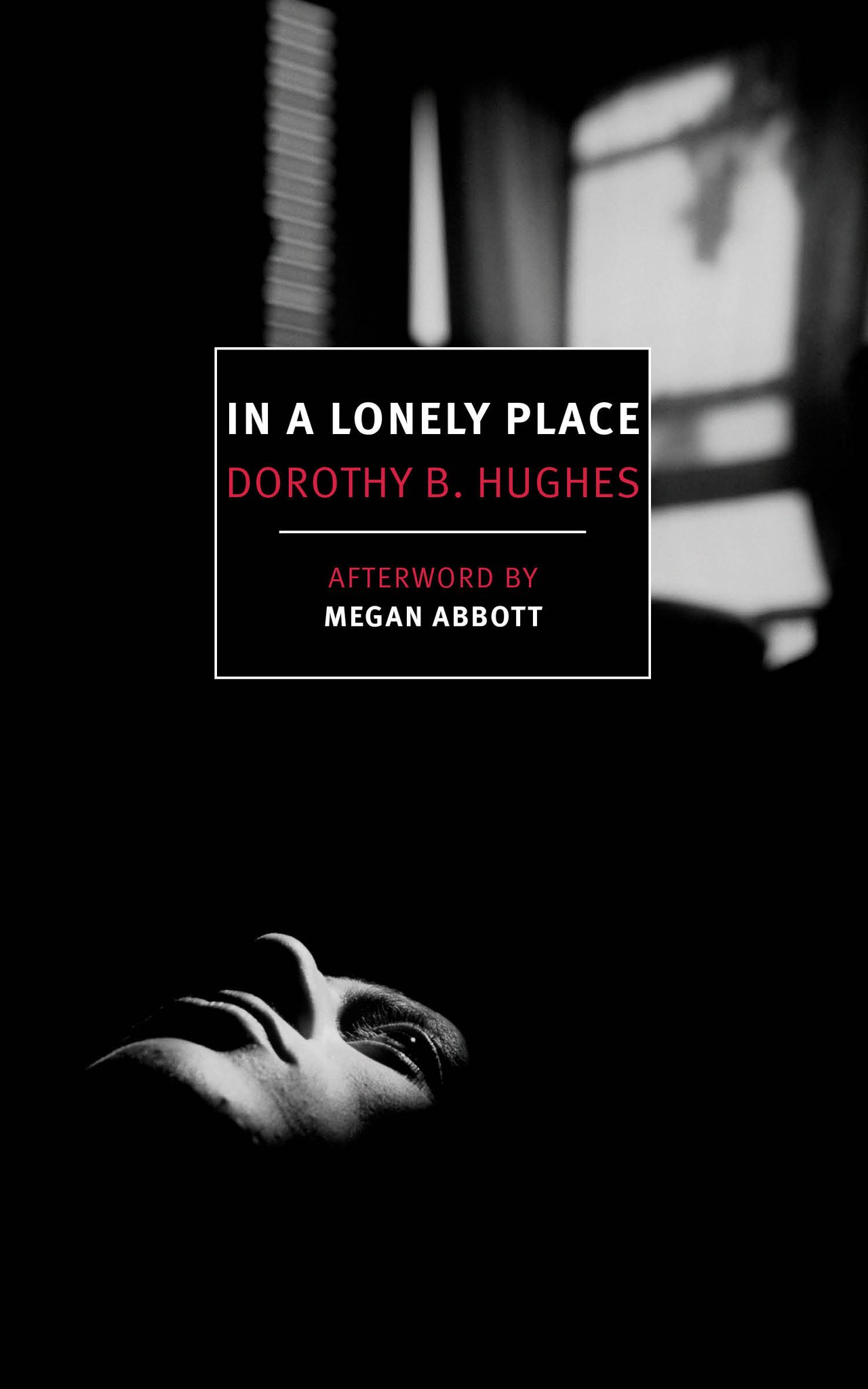
So, yesterday was my birthday. Fifty-six officially; although I always add a year to my age on New Year’s Day for the sake of simplicity. I had some trouble falling asleep on Saturday night; a combination of restlessness and heartburn. I wound up sleeping in till almost ten; which is late for me but since I didn’t really fall asleep until around three in the morning it wasn’t that much sleep. But I had a lovely day, really. I kind of just laid around and reread In a Lonely Place by Dorothy B. Hughes, rewatched The Philadelphia Story on TCM (Katharine Hepburn and Cary Grant were both robbed of Oscars), then watched The Nineties and The History of Comedy on CNN before finally watching last night’s Game of Thrones.  I also thought about the new Scotty some; I have today off from work as my birthday gift to myself, so I plan on doing some writing, line editing, and revising, and thinking about what I’m going to write next before actually sitting down at the computer is always a wise thing to do (although usually I never had the time to do that, thanks to deadlines). There’s a serious moral dilemma coming for Scotty in this book; one that really has been needing to be dealt with in the series for quite some time, but I’ve dodged it and avoided it; this is the book where I am finally going to have to have him face up to it, the way I am bringing it to the forefront so he can no longer avoid it is, if I do say so myself, rather clever.

Or it’s just going to be a steaming pile of shit. There’s no middle ground, really.

It was kind of fun to reread the Hughes novel; it is a masterpiece of noir that has been sadly overlooked for many years. Hughes was an exceptional writer, and I do admit that opinion is based on my having read only two of her novels, this and The Expendable Man (which, sadly, was her last and published in 1962). It’s not easy to find Hughes’ novels. I do feel safe in calling Hughes one of the best writers of her generation, and certainly one of the best noir writers of all time, based on those two books because they are just that good. I do have a copy of her The Blackbirder, which I want to read before the end of the year. In A Lonely Place was also filmed, directed by Nicholas Ray and starring Humphrey Bogart and Gloria Grahame; the film is significantly different from the novel, but it’s also outstanding. The new edition of the novel, from New York Review Books (who also have republished The Expendable Man and The Blackbirder), includes an afterward by the wonderful Megan Abbott, who is not only one of this generations greatest writers but also one of crime fiction’s most knowledgeable critics; her literary criticism is intelligent, thoughtful, incredibly well-written, and certainly puts me in my place whenever I am lucky enough to read some of it; I would love to read her study of literary and film noir, The Street Was Mine. (Whenever I read her criticism, any thoughts I might have about pursuing academic criticism–gay noir, gay representation in crime fiction, the heyday of romantic suspense from the 1950’s till its unfortunate death in the 1980’s–go out the window.)

Her all-too-short essay in the back of this edition alone makes the cover price worthwhile.

hughes.final_hi-res_2048x2048

It was good standing there on the promontory overlooking the evening sea, the fog lifting itself like gauzy veils to touch his face. There was something in it akin to flying; the sense of being lifted high above crawling earth, of being a part of the wildness of air. Something too of being closed within an unknown and strange world of mist and cloud and wind. He’d liked flying at night; he’d missed it after the war had crashed to a finish and dribbled to an end. It wasn’t the same flying a private little crate. He’d tried it; it was like returning to the stone ax after precision tools. He had found nothing yet to take the place of flying wild.

It wasn’t often he could capture any part of that feeling of power and exhilaration and freedom that came with loneness in the sky. There was a touch of it here, looking down at the ocean rolling endlessly in from the horizon; here  high above the beach road with its crawling traffic, its dotting of lights. The outline of beach houses zigzagged against the sky but did not obscure the pale waste of sand, the dark restless waters beyond.

He didn’t know why he hadn’t come out here before. It wasn’t far. He didn’t even know why he’d come tonight. When he got on the bus, he had no destination. Just the restlessness. And the bus brought him here.

Isn’t that an incredible opening?

Not being an expert in crime fiction–there’s so much of it to read, and there’s more new stuff all the time, so it’s hard to keep up with the new let alone trying to read everything already published–I am unable to place In A Lonely Place into any kind of context as far as the history of crime fiction is concerned, but Abbott does this beautifully in her afterward. But it’s very clear in this opening paragraphs that Hughes is addressing alienation in this book, and toxic masculinity, which may have seen its ultimate pinnacle in the second World War (the alienation of returning veterans, and the difficulty of readjusting from war to peace was also being addressed in films like The Best Years of Our Lives) and by having Dix, her main character, pretend to be writing a novel also took on the glut of post-war war novels that so many returning soldiers were writing; novels that continued to proliferate for several decades beyond the war.

The first time I read the book, having already seen the film, I was more focused on the story itself rather than an examination of how deftly Hughes creates her story, the language and imagery she chooses, and the nuanced way she creates her character. On this read, knowing how it’s going to end, I was able to pay more attention to these things, and was able to marvel at how brilliant the entire package is.

A recurring motif in the novel is fog; Hughes uses the fog as a metaphor for the fog in Dix’s brain; and we are never sure when Dix’s mind changed, making him lethal. He was raised by a puritanical uncle, Fergus, who is currently supporting him while he writes his novel–but there is a limit to the support, and while in our time $250 a month may not seem like much, at the time of the novel it was a fortune, just over $2500 in today’s dollars. Dix’s resentment of the uncle–we never learn what precisely happened to his parents–who is rough on him and has always made him work, even when he was in college at Princeton trying to fit in with the idle rich sons of privilege and then goes into detail how humiliating it all was, doing things for them for ‘tips’ until he could manipulate events to make it look as though he were the wealthy one and the sad unfortunate, unpopular boy he used for money were the dolt. In this way, Hughes also makes a sly commentary about class and privilege (which, in my opinion, she does far better than Fitzgerald did in an entire novel with The Great Gatsby, and she does it only in a few pages). So, there was always some kind of a chip on Dix’s shoulder; the war simply gave him a way to channel that anger and discontent and alienation. Now the way is over, and Dix is having to find a new way to channel those diabolical energies–and he does, in committing murder.

The entire tale is told through Dix’s perspective, which also makes him one of the first unreliable narrators in crime fiction. (It was done before, but never quite so lethally.) So, when we see the other characters–and there are only three: his old war buddy Brub, now a police detective; Brub’s wife Sylvia, whom Dix despises on first sightl and of course, the love interest, Laurel Gray–is she the femme fatale he thinks she is, or is that just a product of his own warped sense of right and wrong? Who is Laurel, of the reddish gold hair and the tempting figure? Is she the hard-as-nails user he thinks she is, or is she an entirely different character altogether?

In  A Lonely Place is a masterpiece of noir, and hopefully, this edition will elevate Hughes to the position both she and the book deserve in the annals of our genre.

And now back to the spice mines.