Nothing gives me greater pleasure than flaunting my sin in the face of hypocritical Christians who don’t understand their own holy book. I love using their archaic language on them, too–fornicators, adulterers, heretics, apostates, blasphemers, the Lake of Eternal Fire, etc.–because there’s nothing I despise more than the self-righteous apostates who think they are better than everyone else because “they’re saved.” Are you? Are you so sure?
I’ve always thought the proper response to the question of whether you were going to heaven or not was simply, “I don’t know, that’s God’s decision and so I hope he views me and my life with grace, charity, and compassion.”
And when I was about eight or nine, my grandmother bought me a copy of The Children’s Bible, which was filled with illustrations (amazing how all those Middle Eastern Israelites were white, and even some had blond hair and blue eyes)…and maybe (probably) it wasn’t the intent of the publisher, but there was some seriously homoerotic imagery in the book. About ten years ago I was thinking about The Children’s Bible and wondering whatever happened to my copy…and remembering some of the illustrations in it, I thought no, you can’t be remembering that correctly and so I went on eBay and bought a used copy.
And when it arrived, my memories were actually correct.
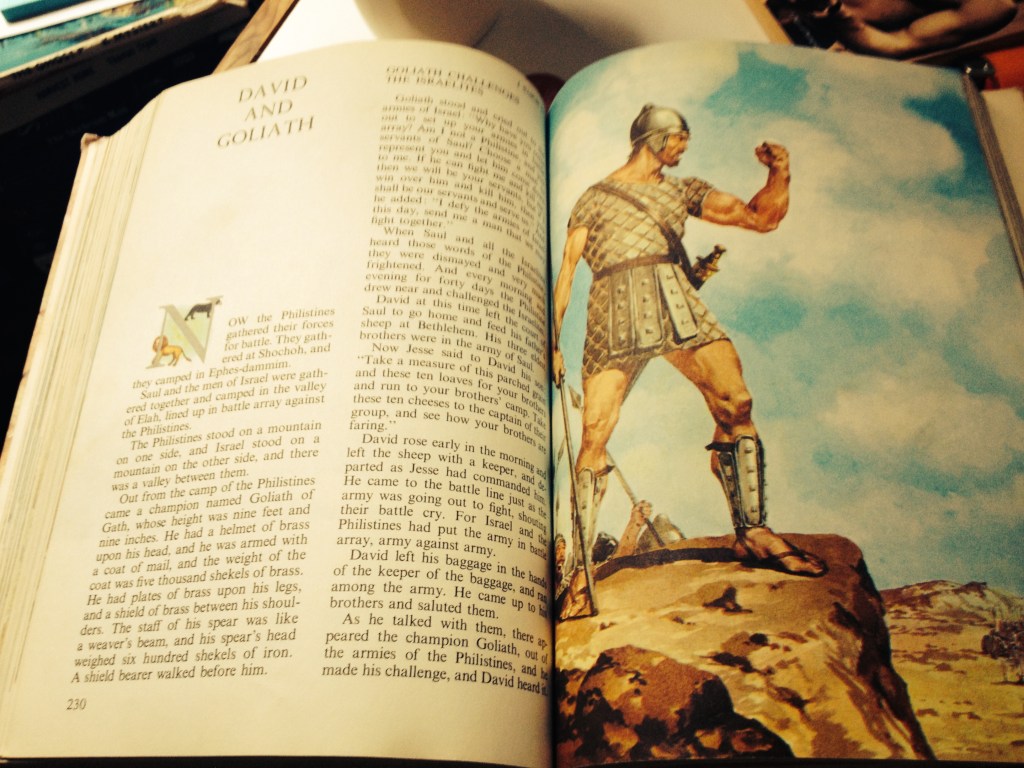
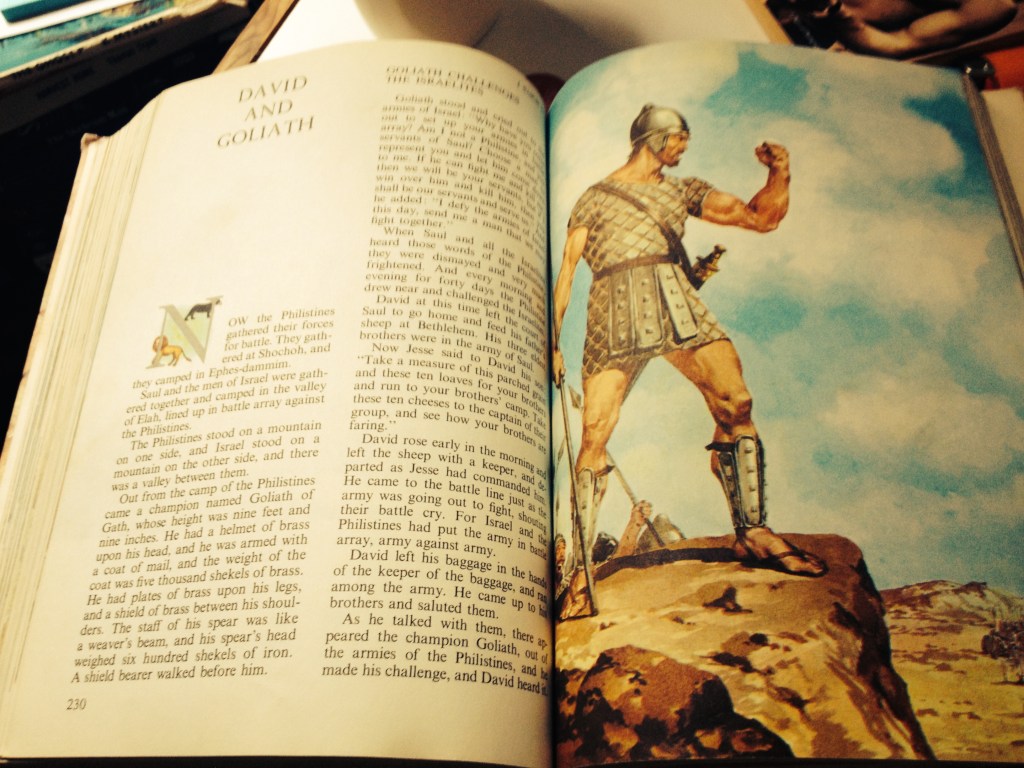
I mean, look at the muscles on Goliath. That image was burned indelibly into my brain, and it’s entirely possible my appreciation of muscles comes from….The Children’s Bible.
Perish the thought!
Grooming!
Indoctrination!
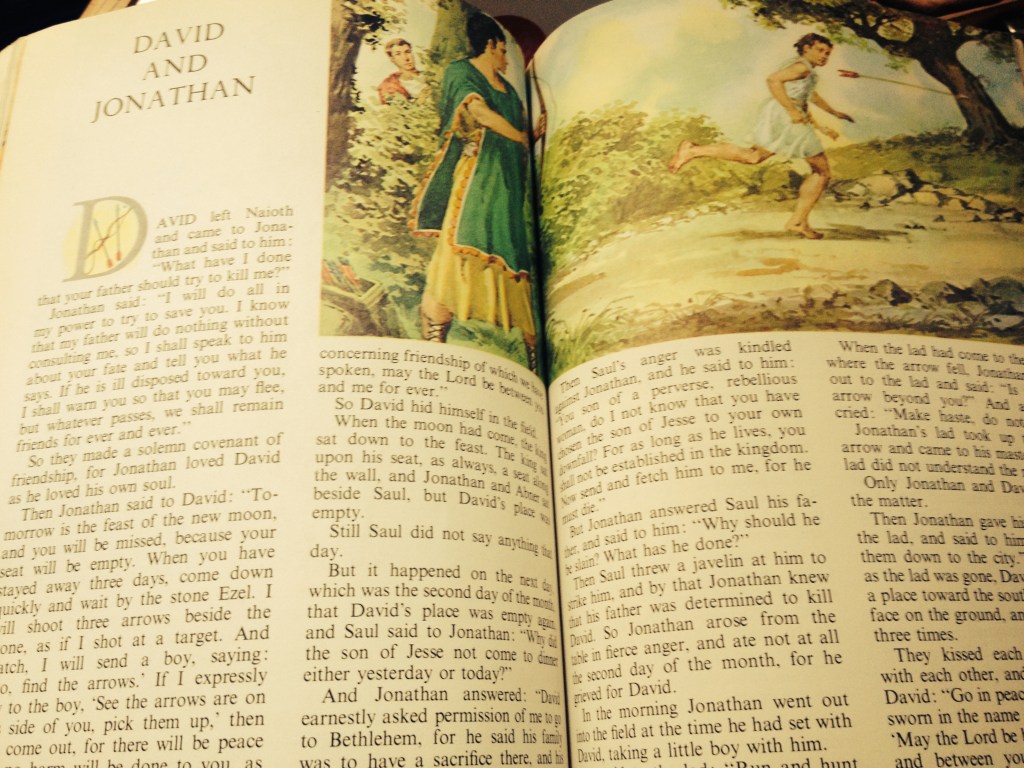
And of course, my favorite story in the book was David and Jonathan.
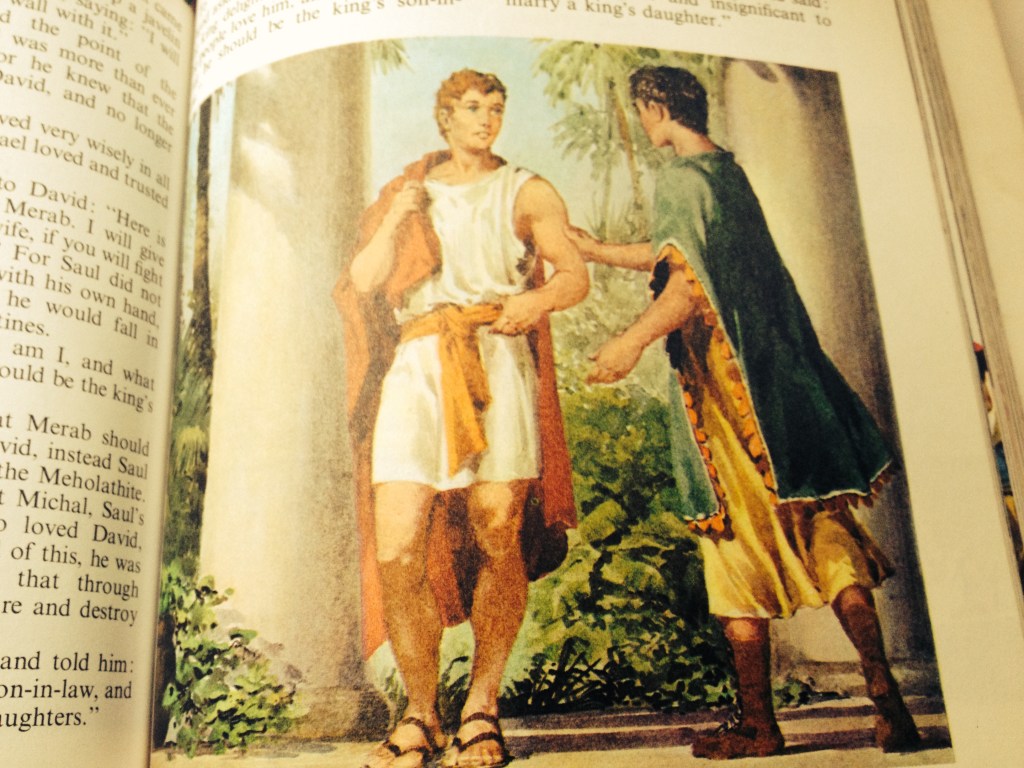
I mean, look at how they drew David!
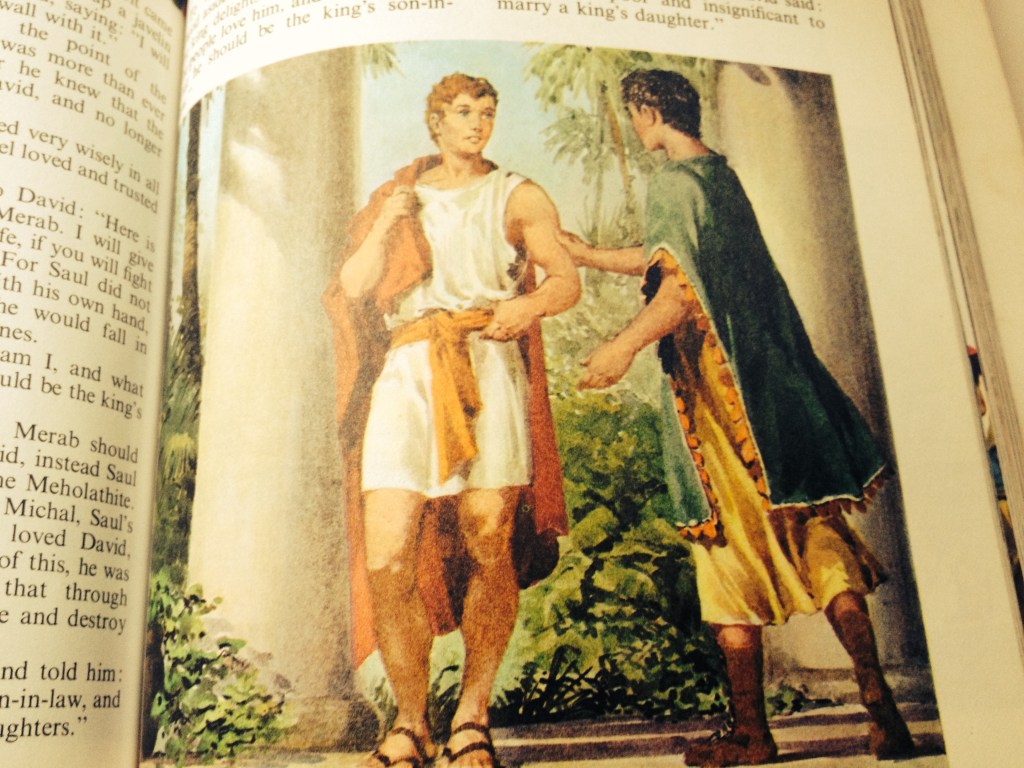
I mean, it may not be Michelangelo, but damn.
(I also love that a Bronze Age Middle Eastern Jew somehow had pearly white skin, blonde hair, and blue eyes. Riiiiiiiiiiiiiight.)
I think my parents really liked that I was so devoted to The Children’s Bible, but they definitely had no idea why I was staring at the pages every day.
When I was a kid, I’d always reread the David and Jonathan story (can’t imagine why it was my favorite…). I wanted a best friend like David–I always saw myself as Jonathan, the supporting player, the way I always did–gorgeous and charismatic and beautiful and beloved of God. I would think about the story and while I was too young and innocent to conceive of it as anything other than friendship–the same way I thought of the “friendship” between Achilles and Patroclus in tales of the Trojan War–when I got older, whenever I thought about the story I wondered about how deep that friendship between Prince Jonathan and David son of Jesse was. Why include the story at all? It really doesn’t add a whole lot to the tale of David’s life, and did it really matter for King Saul to have a son who was David’s friend and great love? Jonathan dies–not even the Bible was immune from bury your gays–and David mourned him with a great grief that seemed a bit more than “my best bro died.” I wanted to write the story myself, despite my lack of historical knowledge of the period or even when it was actually set, but I wanted to write about their love, their falling in love–and let’s face it, God didn’t really seem to have a lot of problems with their relationship, did he? He didn’t come to David and tell him to stop giving it to Jonathan; God didn’t curse the two of them or punish Israel for it; and yes, Jonathan is eventually killed…but even then God doesn’t come to David and say, did you not read Leviticus? I could hardly let you go on fucking him forever, you know.
So, I guess I am supposed to read it literally and just think they were best friends and loved each other as brothers. Yeah, no. There’s absolutely no reason for this story to be included in the David story in the Bible; none, unless of course there’s a kernal of truth in the story (don’t come for me, I’ve never bothered to find out if the Bible’s Old Testament kings of Israel were real people; I do know that real people turned up in the Old Testament that existed in history–Babylonians and Assyrians, for example, as well as Egyptians)but the mystery for me of why this story was included, why it was included if its merely legend or why was it included if they were real is the real question. There’s no moral lesson to be learned from the story of their friendship; their love and loyalty to each other was an issue for Jonathan because his friend’s greatest enemy was Jonathan’s own father, a king anointed by God–despite God capriciously turning His back on Saul for really such an insignificant reason that it really just boiled down to God just liked David better; I always felt sorry for Saul–how much would it suck to lose God’s favor for no good reason? Just because God found someone He liked better? (And considering the things God forgave David for, or just overlooked, really makes the hard turn away from Saul that much more petty and bitchy.)
God’s kind of an asshole in the Old Testament, frankly.
But yes, I’d love to write this story sometime. (Because I don’t have enough else to do, right?) I’d also want to write it from Jonathan’s perspective, although the death would be hard to do (Madeline Miller managed it with Song of Achilles quite beautifully) story-wise; but is the kind of challenge I love. Maybe someday, and maybe writing it will help me in my constant and never-ending life quest to come to terms with the religious grooming drilled into my brain as a child. I even have a great title for it, too.
I also have a novel in mind revolving around Michelangelo’s statue of David, too; maybe I could combine research and do them at the same time. THAT would be a challenge, would it not?
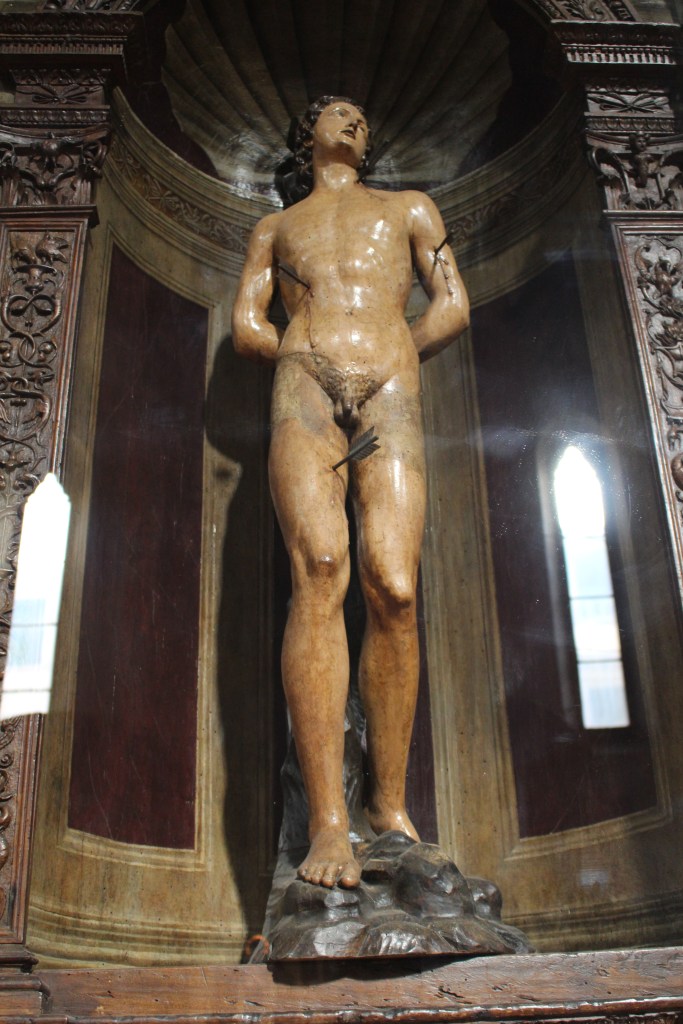
Paging through it again this morning, I see that there are a lot of sexy men in little clothing in the illustrations, so I have to wonder, if like all the statuary and paintings in European churches and cathedrals, the artist was a gay man so he slipped in imagery for the viewing of other gays. Here are some of those images, culled from just flipping through a few pages.
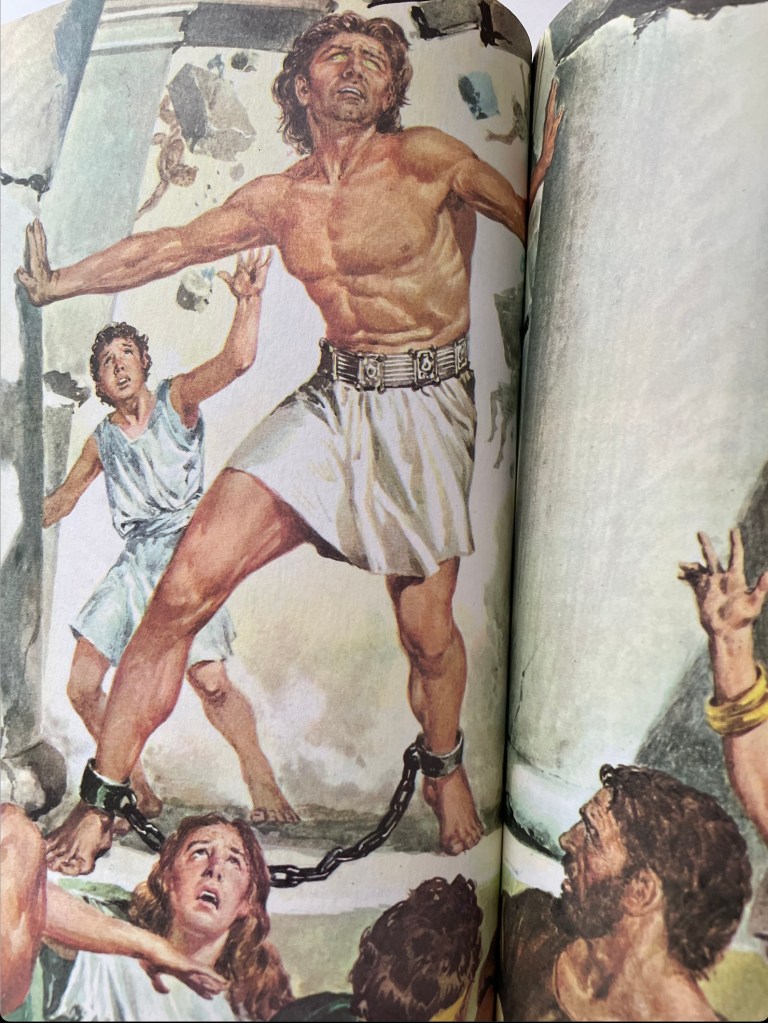
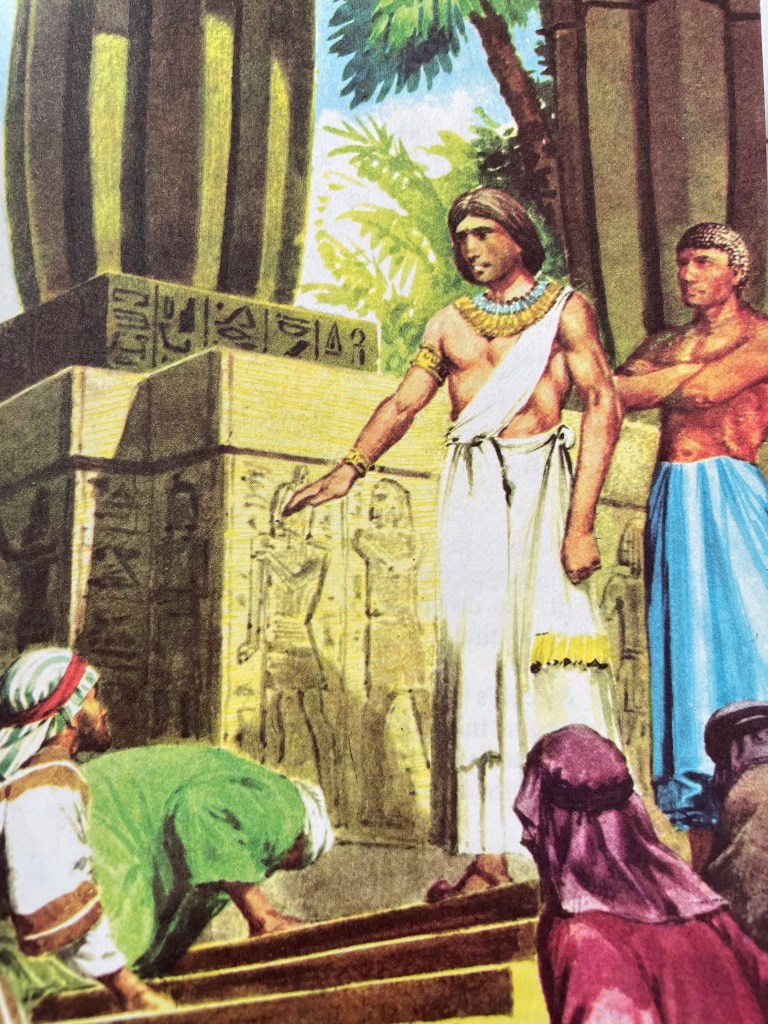
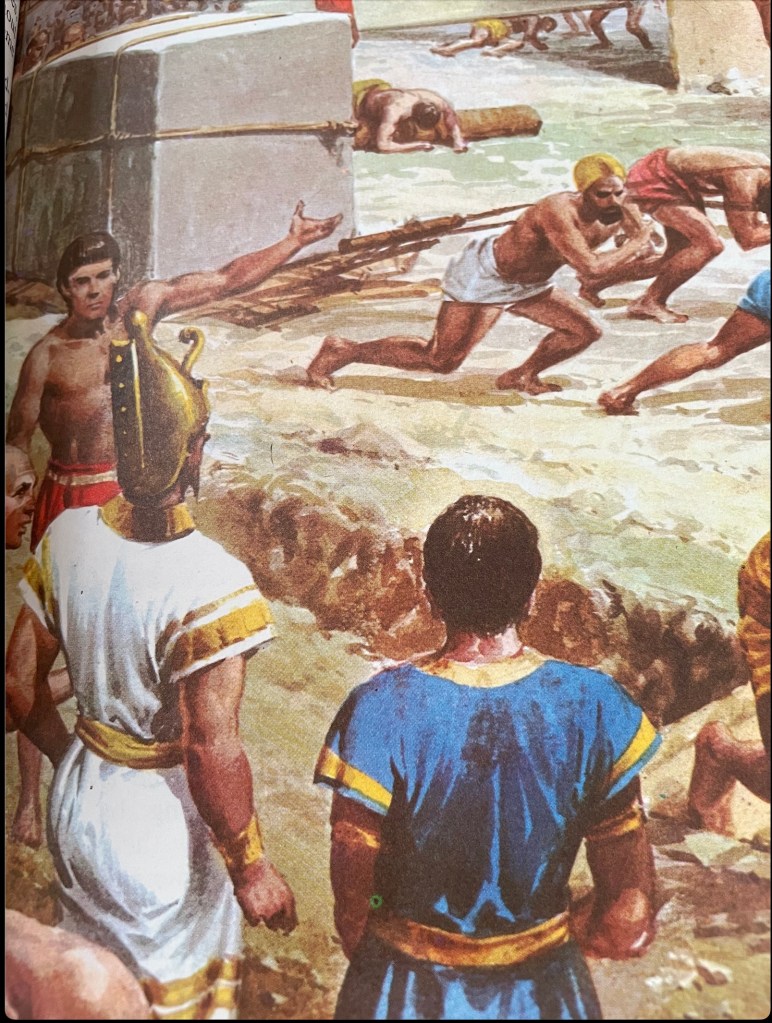

And no need to worry about my blasphemy–“christians’ have told me all of my life that I’m going to hell, so as a friend says, “might as well grease up the hell-slide.”


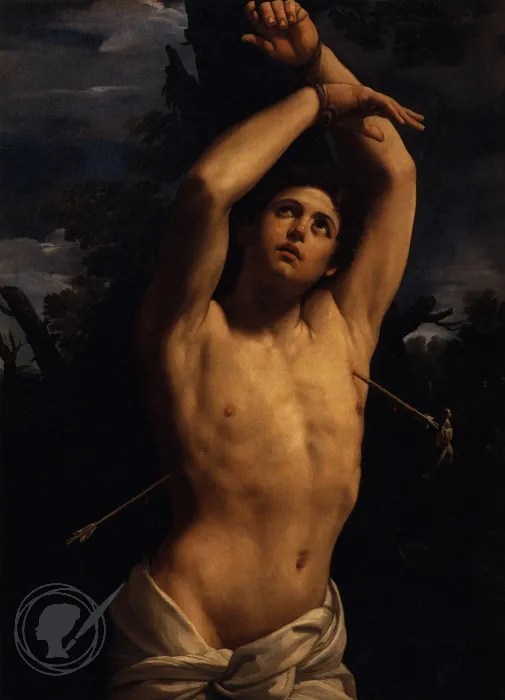
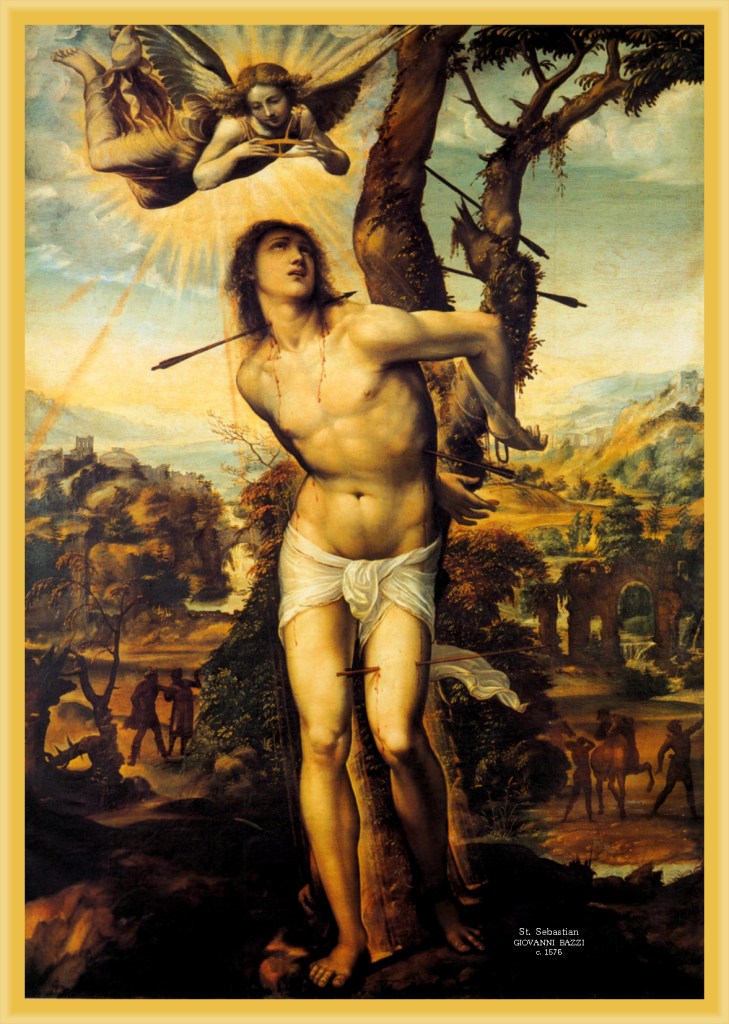
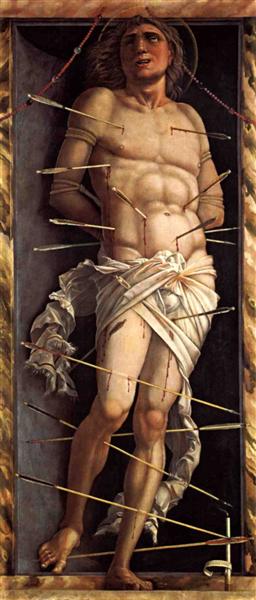

 Queer and Loathing in America