Need

Ah, vampires.

I never really meant to write a vampire story. For one thing, Poppy Z. Brite and Anne Rice had already done the New Orleans vampire story and set the bar super-high for anyone else wishing to write about vampires in New Orleans; Charlaine Harris also kind of cornered the market on Louisiana supernatural novels, too. It really seemed cliché to do New Orleans vampires, and I never would have, had I not been asked, and offered a lot of money, to do so. I make no bones about writing for money; if that renders me an unreadable hack, so be it.

I was initially asked to write a New Orleans vampire novella for a collection of four to be called Midnight Thirsts, which Kensington was publishing. Once I signed the contract and got paid half the advance, I decided to adapt a vampire short story I’d written, probably in or around 1997 or 1998, called “The Nightwatchers”; the main character was a young wannabe actress with a lot of talent but a lot of insecurity, who discovers that the reason she hasn’t been getting good roles in her theater company is because the woman who does is fucking the director. The story wasn’t good–she is easy prey for a vampire looking for a companion, who kills the director and the competition actress before turning her–but there was some lovely stuff about the French Quarter in the fog and her crumbling apartment–this was when you could still get a decent enough apartment in a crumbling old building in the Quarter for a price that seems unbelievable and unrealistic today–that I thought I could use. I also like the title, and as is my wont, when I started world-building and creating, I went overboard on back story. There were two point of view characters; the main, Philip Rutledge, who works as an escort, and his best friend Rachel, an aspiring singer who works in a coffee shop on Frenchmen Street, as well as a third; an older man who is a “nightwatcher,” member of an ancient society that reins in supernatural threats to humanity all the while keeping them in the dark about the reality of supernatural creatures and beings in the world. He has followed a rogue vampire to New Orleans, who has set his sights on Philip. I left the ending open, because I thought there was more story–if not a book, if not an entire series–in this idea. I decided I was going to write the vampire novel after finishing Mardi Gras Mambo…which wound up being delayed over a year. Then Katrina happened, and by the time I was ready to write about vampires again, too much time had gone by, alas. But they were doing another collection of vampire novellas, and asked me to do a Todd Gregory story for them (they had started publishing the Todd Gregory fraternity novels by this time), and that story became the novella “Blood on the Moon.” But rather than starting fresh, I used the same structure and world I’d created with “The Nightwatchers”–and tied it into the fraternity novel world as well, making the main character a member of the fraternity’s University of Mississippi chapter, visiting New Orleans for Carnival and winding up getting turned (it’s a longer, more complicated story than that, but that’s the bottom line). I brought Rachel and the old man from “The Nightwatchers” back–and when I was doing the anthology Blood Sacraments, I wrote a short story “Bloodletting”, that basically picked up where “Blood on the Moon” left off.

So, when Kensington asked for an erotic vampire novel rather than another fraternity book, I decided to use “Bloodletting” as the first chapter and build on the story from there, also using “Blood on the Moon” as the foundational story and the supernatural world I’d created for “The Nightwatchers.” This was to serve as an introductory work to a new supernatural Todd Gregory series.

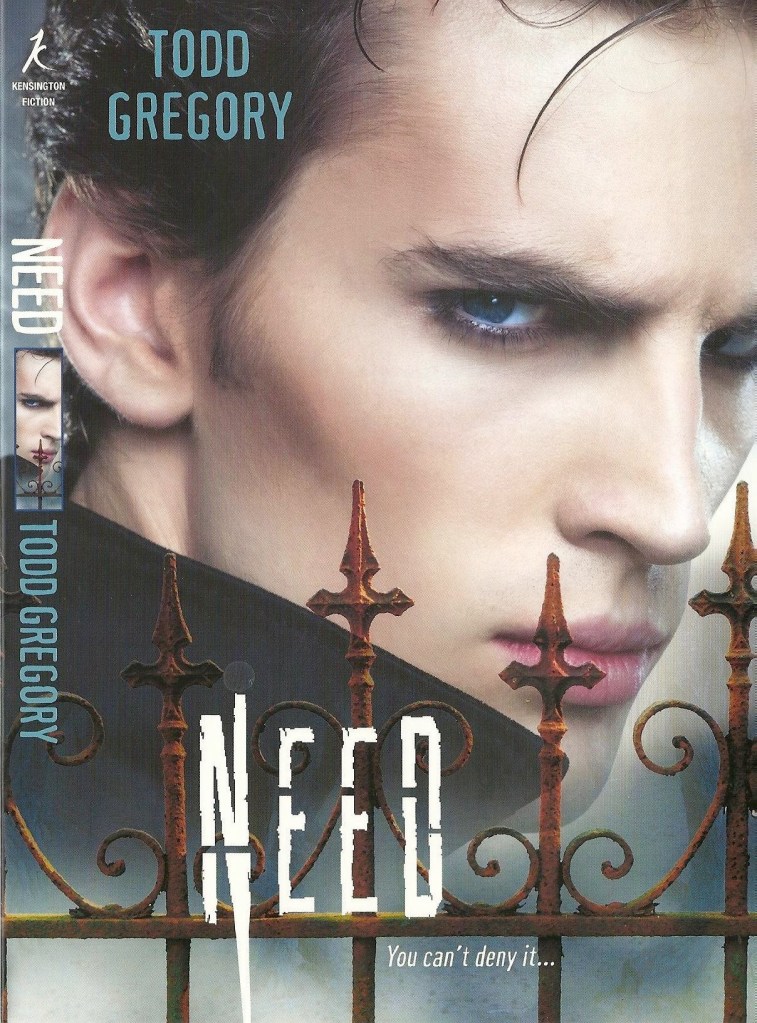
It’s working title was A Vampire’s Heart. The powers that be didn’t like that title, thinking it sounded more like a romance novel title (which wasn’t wrong), and suggested Need, which was a recurring theme in the book.

And I really loved the cover.
The damp air was thick with the scent of blood.

It had been days since I had last fed, and the desire was gnawing at my insides. I stood up, and my eyes focused on a young man walking a bicycle in front of the cathedral. He was talking on a cell phone, his face animated and agitated. He was wearing a T-shirt that read Who Dat Say They Gonna Beat Dem Saints? and a pair of ratty old paint-spattered jeans cut off at the knees. There was a tattoo of Tweetybird on his right calf, and another indistinguishable one on his left forearm. His hair was dark, combed to a peak in the center of his head, and his face was flushed. He stopped walking, his voice getting louder and louder as his face got darker.

I could smell his blood. I could almost hear his beating heart.

I could see the pulsing vein in his neck, beckoning me forward.

The sun was setting, and the lights around Jackson Square were starting to come on. The tarot card readers were folding up their tables, ready to disappear into the night. The band playing in front of the cathedral was putting their instruments away. The artists who hung their work on the iron fence around the park were long gone, as were the living statues. The square, so teeming with life just a short hour earlier, was emptying of people, and the setting sun was taking the warmth with it as it slowly disappeared in the west. The cold breeze coming from the river ruffled my hair a bit as I watched the young man with the bicycle. He started wheeling the bicycle forward again, still talking on the phone. He reached the concrete ramp leading up to Chartres Street. He stopped just as he reached the street, and I focused my hearing as he became more agitated. What do you want me to say? You’re just being a bitch, and anything I say you’re just going to turn around on me.

I felt the burning inside.

Desire was turning into need.

I knew it was best to satisfy the desire before it became need. I could feel the knots of pain from deprivation forming behind each of my temples and knew it was almost too late. I shouldn’t have let it go this long, but I wanted to test my limits, see how long I could put off the hunger. I’d been taught to feed daily, which would keep the hunger under control and keep me out of danger.

Need was dangerous. Need led a vampire to take risks he wouldn’t take ordinarily. And risks could lead to exposure, to a painful death.

You see why they suggested we rename it Need? That opening pretty much says it all.

I had never really put a lot of thought into writing about vampires, in all honesty. To date, I have only published two novellas, one short story, and the novel, of course, but while I was writing Need that world began to expand and grow in my head as I worked on the story. I wanted to tie both “The Nightwatchers” and “Blood on the Moon” together, with Need as the continuation, so I brought back both Rachel and Nigel from the former, while keeping Cord from the latter as the main character. Cord Logan (how is that for a gay porn star name) was, despite being young in terms of being a vampire, quite powerful and growing in his power exponentially by the day. Headstrong, he’d broken away from the coven of vampires that turned him during Carnival, without learning everything he needed to learn first. What he didn’t know–and his former coven also didn’t–was that because of the circumstances involved in his own turning–when a male witch also tried to steal his power from him, he inadvertently wound up transferring his own power to Cord, who was then turned into a vampire to save his own life. This combination of witch/vampire is actually quite dangerous–as are any vampires Cord himself might create, which was the entire problem he faced in the story “Bloodletting” and didn’t understand.

The Supreme Council wants Cord summarily executed, but Nigel wants to keep him alive, to study and learn from, as well as to try teaching him how to control his powers. For me, Need was the introductory tale to a much longer story, where I’d be able to bring in vampires and shifters and witches and faeries and pretty much every kind of supernatural being. The next book was going to be called Desire, and every book was going to have a one-word title. I had a lot of fun with writing Need, and was really getting excited and writing lots of note for Desire…but the book didn’t do very well. It did okay, but not in the kind of numbers that would make a sequel a no-brained, and by then I had already moved on to writing the young adult books. The reviews weren’t great, either–but I never really care or pay much attention to them. The real problem is that there were sex scenes, and I don’t write the kind of gay sex scenes people want to read anymore. Mine are physical, lots of sweats and smells and experiencing how it feels and so on…most people want the sex scenes to be more esoteric and romantic and sweet.

I don’t think I’ve ever had sweet, romantic sex. I’ve certainly never written it.

Every once in a while, when I am writing something more along the lines of horror or with a supernatural tones, I remember my vampires and the world I created for them with a slight ping of sadness.

Maybe someday I’ll write Desire, but it’s highly unlikely at this point.

Sideshow

One of the fun things you get to deal with when you’re a queer mystery writer is the diversity panel.

What, you may well ask, is a diversity panel?

It’s what used to happen back in the day when well-meaning non-minority people realized they had to do something with non-white non-straight mystery writers coming to mystery conventions. What better way than to wash your hands of working for diversity by throwing all of the non-white non-straight writers at a conference onto a “diversity panel”?

Back when I was getting started and still was doing touring for book store events, I used to joke that signings/readings always made me feel like a sideshow freak hawking snake oil; the mass signings at events like BEA (Book Expo America) were the worst for this. I always wound up sitting next to someone enormously popular or famous (when they’re done alphabetically, I always expect to be seated next to Charlaine Harris, which is quite humbling. The most humbling of all was sitting next to Sharyn McCrumb at the South Carolina Book Festival. Her line literally went out of the room and into the hallway….ao I just started opening the books for her to make it run more smoothly. Might as well be useful since I was just sitting there doing nothing.)

But that was years before I was ever put on a diversity panel. Ah, the well-meaning diversity panel. Make no mistake, it’s always meant well–the path to hell and all that–but inevitably these panels would devolve into let me teach you nice straight white cisgender people about homophobia/racism/misogyny. The problem was always not the intention, which was good (inclusivity is never a bad thing), but the mentality that you could throw everyone outside the straight white cisgender class onto that type of panel and not worry about actually putting those authors onto other panels wasn’t the best. Conference diversity was the goal, and tossing out a “diversity panel’ to check off that box…yeah, no thanks.

As if having your entire writing career reduced to, in my case, who I fuck isn’t a bit disheartening, to say the least. It also very clearly sends the message that the only benefit any audience would ever get out of listening to me speak would be my ability to teach them about what it’s like to be a GAY writer. Not a mystery writer, not a writer, but a GAY writer. When I taught the character/stereotype class for SinC into Good Writing at New Orleans Bouchercon, I opened with “I don’t get up in the morning and shut off my gay alarm and go down my gay staircase and make myself a gay cup of coffee. I shut off my alarm, go downstairs and make a cup of coffee like everyone else does.”

I’m a gay man, and I write (mostly) about gay men. I’ve written and centered characters who were gay men before, and will probably do so again. My driving passion, though, is to write about my community and people like me. I long ago accepted I’d never get rich doing so, but I write what interests me and the concerns and plights of gay men are usually at the top of that list. I bristled whenever I was assigned to a queer panel or a diversity panel at a mainstream community event, but I also felt obligated to do the work–and I’ve always (wrongly) believed that complaining sounds like ingratitude. (Ah, that Christian brainwashing!) If I do sit on the panel and talk about the history of queer crime fiction, writers from the past who influenced me but are out of print today, and talk about why I write what I write, maybe some hearts and minds can be changed, or at least influenced to do some reflection and processing that can lead to effective change.

But…I can also talk about writing, and inspiration, and plotting and character development and dialogue and the mechanics of novel/story construction. I can talk about suspense and cliff-hangers, and how to keep the reader turning the page. I can talk about setting and place, scene and mood and voice, first person v. third or present v. past tense. I mean, I get it. If you want someone to talk about gay crime writing, you should get a gay crime writer; every writer can speak to those things, but not every writer can talk about being a gay crime writer. But it’s so nice when I can talk about something else, you know?

The diversity panel all too often would also be the only panel we “others” would get assigned to, because clearly the only interesting thing about us and our work was it didn’t center straight white cisgender people. They were always scheduled at terrible times–either super-early in the morning or late in the afternoon; and inevitably, there would be panels scheduled against packed with superstars everyone wants to hear. If having your work and career distilled down into simply being about you fuck is disheartening, imagine being assigned to a panel at 4 in the afternoon on Friday to talk about how who you fuck makes you different from the majority of authors to the six or seven people who show up for it (if you were lucky).

If signings or readings made me feel like a sideshow freak hawking snake oil, diversity panels tend to make me feel like some exotic creature behind glass in a zoo somewhere. (There is, however, a defense for these panels, in that they do make marginalized writers easier to find for marginalized readers, but that’s an argument for another day.) I made the conscious decision to start refusing to do them quite a while ago, probably after the St. Petersburg Bouchercon. I did agree to do one at Bouchercon in Toronto, and I only agreed to do that one because Kristopher Zgorski was moderating and he pulled the panel together.

But I will say this: the diversity panel in Toronto was very well attended, and I met not only some writers and readers that were new to me, but those folks have become friends in the time since. I was pleasantly surprised that we had a full room; which I took as an incredible sign because it wasn’t an all-encompassing diversity panel but restricted to queer people, and that many people showed up. (I suspect a lot of that had to do with Kristopher’s blog readership more than any of us who were actually on the panel.) I believe the panel was–and forgive me if my faulty memory leaves someone out–Owen Laukkanen, Stephanie Gayle, John Copenhaver, Jessie Chandler, and me. It was great. We had an amazing conversation, I got to meet Stephanie and John for the first time, and it’s always fun hanging with Owen and Jessie. Kristopher asked great questions. When it was over, I was pleasantly surprised. The audience was receptive and also asked great questions.

When I was helping do the program for Dallas Bouchercon, the local committee really wanted a diversity panel. I agreed to put one together on two conditions: 1, that I would be the moderator so could control the topics under discussion* and 2. it would not be the only panel the participants would be assigned to. I made sure that was the case since I was helping write the program, and knowing I had the power to ensure that happened was the only reason I agreed to organize it. I also asked everyone who was on the Dallas panel if they minded being on the panel, and guaranteed them another panel while asking. I also assured them refusing the diversity panel would not affect any decisions about other panels, either–because you have to worry about that, too! I called it “Not a Diversity Panel” and I had planned on not talking about any of us being writers from the perspective of being marginalized, but at most, how being “on the margins” impacted how, what, and who we chose to write about.

Ironically, I wound up not going to Dallas after all; an inner ear infection kept me in New Orleans.

Diversity panels have come a long way from what they used to be, but that danger is still there. I would urge conference programmers to think long and hard before deciding to put together a diversity panel, and why you think it’s necessary to have one. If you do decide that it’s something needed for the program, remember that the authors on it should have a chance to be on a panel where they can be an author, not just a diverse author. Diversity issues and concerns should be discussed, and diversity panels are often the place for those conversations that are so important and necessary to happen. But they can easily can go down the path to the dark side, very easily, in which the panelists are made to feel like zoo animals being poked, prodded, and observed. It’s great that people will show up in droves to these panels now–but that’s why sensitivity and a moderator who has experience with marginalization is essential, to bar a repeat of that horrible diversity panel where a well-respected and lauded editor, about three quarters of the way through the panel where a very great discussion was being had decided to opine, But it has to be about the writing! The writing has to be good!

Because of course diversity is pushing bad work forward? Because work from non-white non-straight writers usually doesn’t measure up? I was horrified, and lost any respect I had for the editor along with any desire to ever work with said editor.

I will forever feel ashamed for not calling out that comment in the moment, but I was so stunned and shocked I didn’t know what to say.

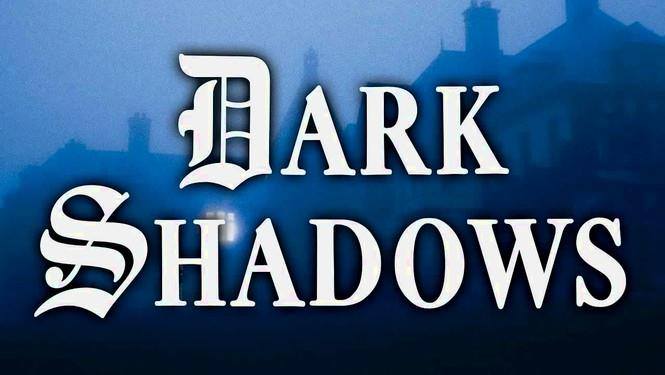
Dark Shadows (Josette’s Theme)

I always forget this when I am asked about major influences on my life, writing, and career–but probably the biggest influence on me was the television soap Dark Shadows.

“My name is Victoria Winters…”

So began the first episode, with young heroine Victoria speaking over some rather spooky music, usually with a background scene of a light in the window at the great house of Collinwood in the fog, or waves crashing against the beach, or the family cemetery, or even the Old House.

Dark Shadows is probably the root or seed from which Bury Me in Shadows was grown from, now that I think about it more. A haunted old house, an even older house in ruins nearby in the woods that was the original family home, ghosts and secrets from the past–oh yes, the framework is absolutely there, and it never even occurred to me.

When my sister and I were kids, we moved to Chicago from Alabama. I was about two years old, give or take; I don’t remember moving up there nor do I remember ever living in Alabama; my sister was two years older. My parents both got jobs–the point of the move was for climbing the economic ladder; they both got really good jobs in factories while my dad finished his degree. But because they both worked (our friends and neighbors all felt sorry for us because our mom had to work; their moms all were housewives), we needed to be watched while they weren’t home. Our landlady recommended a woman down the street–a mother of six whose two youngest were in their last years of high school–and so we started spending our days with Mrs. Harris, who fed us breakfast and lunch, and Mom would pick us up on her way home from the bus stop. When we started school, we went there for breakfast and lunch but came home after school; school let out at 3:15 and Mom was usually home by 3:30. But it was Mrs. Harris–and my grandmother, who worked a night shift–who got me started watching soaps in the first place. One Life to Life and General Hospital sort of held my attention, but it was Dark Shadows I couldn’t wait for. I used to run home from school to try to catch the last five or ten minutes during school; it wasn’t a problem during the summer.

I loved Dark Shadows.

I was crushed when it was canceled.

I mean, look at that house!!!!

The show wasn’t canceled, although the ratings were starting to slide a bit in the later years. The truism that Dark Shadows‘ producers and writers discovered is one that practically every other continuing series having to deal with the supernatural and supernatural creatures has had to deal with: how do you keep topping yourself and raising the stakes? True Blood, Supernatural, The Chilling Adventures of Sabrina, and countless others have all run headfirst into that wall. Once you’ve done time travel and vampires and witches and werewolves and Frankenstein and other dimensions, what is left to do? I admire them for pulling the plug rather than getting more and more desperate to get the ratings up and eventually damaging the legacy of the show.

The show was a phenomenon the likes of which had never really been seen before in daytime–and the lesson learned from its success (go for the young audience!) would soon lead to the creation of youth-oriented shows like All My Children and The Young and the Restless–and of course in the mid-1970’s soaps would be forever changed when General Hospital introduced the character of teenager Laura Webber, played by an actual teenager, Genie Francis–and daytime was never the same. But Dark Shadows managed something that other soaps hadn’t–they created teen idols. Jonathan Frid as Barnabas, David Selby as Quentin, and even David Hennessey as David Collins were often on the covers of teen magazines like Tiger Beat and 16. The show even licensed FAN FICTION–a series of books based on the characters from the show, but thanks to all the fun stuff with time travel and parallel dimensions, Dark Shadows was perfect for spin-off books that took place in other Dark Shadows universe; one could even say Dark Shadows was one of the first shows to make use of a multi-verse.

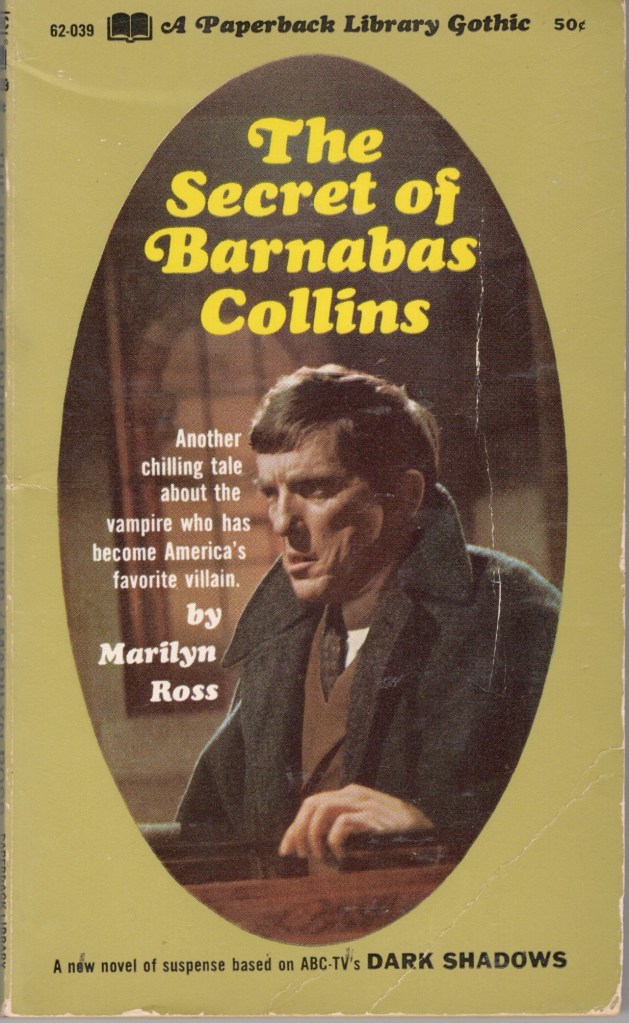
The books were cheap–as you can see in the picture above (a copy sent to me by a friend with whom I bonded over our mutual love of the show) they ran between fifty cents and seventy-five cents a copy; they all had that same gold bordered cover with an oval image of characters from the show, and they were all written by “Marilyn Ross”, which was a pen name for a very prolific Canadian author named  William Edward Daniel Ross; he wrote over three hundred novels during his career, and Marilyn Ross was the name he used for Gothics–and the Dark Shadows books. (He also wrote as Clarissa Ross, and I read some of those novels as well, including The Spectral Mist.) They also weren’t particularly well written, and while they did take place outside the show’s continuity, there were also moments in some of them that didn’t make sense; in one of them, in which Barnabas shows up at Collinwood in the 1910’s, the only son of the family dies in a tragic accident…but if he was the only son, where did the present day Collinses come from? (The earlier books were told from the perspective of Victoria Winters, and in some cases the gimmick was some member of the family was telling Victoria a story about the family history.)

That’s the kind of shit that drives me insane.

But I remember when one of the off-brand television channels in Chicago (not affiliated with a major network) started running repeats of Dark Shadows from the very beginning when we lived in the suburbs in the evenings while the networks ran the evening news–guess what I was watching instead? Yup, Dark Shadows. (I always found it interesting, too, that the young actress who played Victoria Winters originally–Alexandra von Moltke–eventually became infamous as Klaus von Bulow’s mistress Alexandra Isles, who was, in the prosecutor’s theory, the reason Klaus injected Sunny with enough insulin to induce the coma from which she never woke up. But I digress.

I always wanted to write a vampire story similar to that of Barnabas Collins; I have an entire idea for a rural Louisiana version called Bayou Shadows that I’ve tinkered with off and on since the early 1990’s…but then Charlaine Harris started the Sookie Stackhouse series, which was essentially the same thing. I still might write about Bayou Shadows–the town called that has popped up from time to time in my books about New Orleans and Louisiana; most recently in A Streetcar Named Murder, actually–and if people think I’m ripping off Charlaine, so be it.

I’ll know that I’m really ripping off Dark Shadows.

The show also spawned two feature films, Night of Dark Shadows and House of Dark Shadows, each featuring one of the show’s leading men, Jonathan Frid and David Selby, respectively; the first did far better than the second. The show was revived in prime time for a single season in the late 1980’s; I watched it and loved it, of course–even got Paul to watch when it became available on DVD and I rewatched. I wish that show had been given more of a chance, because it was really quite good, and I was curious to see where the story went from that first season. It also had an excellent cast, including Hammer Film star Barbara Steele as Dr. Julia Hoffman. I did watch the Tim Burton film from this century, which had some clever moments but wasn’t quite as good; it went for the silly parody thing The Brady Bunch movies of the 1990’s did, but it didn’t land. The actress who played villainess Angelique in the original series, Lara Parker, has also written some Dark Shadows novels (I have copies but haven’t read them; I really should). Kathryn Leigh Scott, who played the original Maggie Evans on the soap (and in the first film) also has written novels; she was at Long Beach Bouchercon, where I met her and got a signed copy of her book Down and Out in Beverly Heels. She was lovely and couldn’t have been nicer; I really should read that book someday.

I’ve had Dark Shadows on my mind lately because I bonded with Carol Goodman at Bouchercon over our mutual love of Dark Shadows, and the Scotty book still in draft form takes place mostly in a rural parish outside of New Orleans; not the same parish where Bayou Shadows is located, but the next one over.

Sometimes I think it would be fun to reboot the show again, retelling the original story, or picking up from where the television series ended, or even doing a new generation, some forty years later, with David Collins as an adult with children and so forth…Carol and I have joked about coming up with a concept and trying to sell it and be the showrunners…which would be a dream.

Heavenly Action

I’ve always been—undoubtedly in part because I love history so much—an enormous fan of books where secrets from the past (even the far distant past) play an enormous part in the present lives of the characters in the story, and that solving those mysteries, learning the truth about the past, is necessary in the present for conflict resolution. As a history buff, the lack of a lengthy history as a nation is something I’ve always thought unfortunate; without ancient buildings and the way that history isn’t sort of always there in our faces the way it is in Italy or other older nations, it’s difficult for many Americans to either grasp, be interested in, or give a shit about our history—we have as a nation the attention span of a goldfish (thanks, Ted Lasso, for that reference).

To make a side by side historical comparison, for example, the Habsburg dynasty dominated central Europe for almost six hundred years, whereas the first European to actually arrive and establish a colony were under the aegis and flag of the Habsburg king of Spain—and that was in the early sixteenth century.

Secrets of the past casting a shadow over the lives of the living is often a theme in Gothics, my favorite style of novel/writing (noir is a close second). Rebecca is of course the master class in secrets of the past; the first Mrs. deWinter might not actually be haunting the halls of Manderley literally, but her ghost is definitely there. Victoria Holt’s romantic suspense novels inevitably were set in some enormous old mansion or castle, with potential ghosts a-plenty everywhere you turn. Phyllis A. Whitney’s one novel set in Britain—Hunter’s Green—also has a classic old British mansion with a potential ghost in it. Maybe it was the childhood interest in kids’ series, with the reliance on secret passages, hidden rooms, and proving that ghosts were frauds; every episode of Scooby Doo Where Are You? had the gang proving something supernatural was quite human in origin.

One of my favorite Nancy Drew books when I was a kid was The Ghost of Blackwood Hall; I don’t really remember much of the story now, other than a fraudulent haunting was involved and a woman—Mrs. Putney—was being swindled by a medium? (Reading the synopses on a Nancy Drew website, apparently part of the story involves Nancy and the gang coming to New Orleans, which I absolutely do not remember; my only Nancy Drew-New Orleans memory is The Haunted Showboat—involving yet another haunting. Interesting.) When I was writing the original short story (“Ruins”) I needed a name for the old burned-out plantation house; I decided to pay homage to Nancy Drew by naming it Blackwood Hall, and naming Jake’s maternal ancestor’s family Blackwood (his grandmother was a Blackwood, married a Donelson; Jake has his father’s last name, which is Chapman). I did think about changing this from time to time during the drafting of Bury Me in Shadows, but finally decided to leave it as it was. It might make Nancy Drew readers smile and wonder, and those who didn’t read Nancy Drew, obviously won’t catch it.

Hey, at least I didn’t call it Hill House.

But writing about ghosts inevitably makes one wonder about the afterlife and how it all works; if there is such a thing as ghosts, ergo it means that we all have souls and spirits that can remain behind or move on after we die. So what does writing about ghosts—or writing a ghost story—mean for the writer as far as their beliefs are concerned?

Religion primarily came into existence because ignorant humans needed an explanation for the world around them, combined with a terror about dying. It is impossible for a human mind to comprehend nothingness (whenever I try, I can’t get past “there has to be something in order for there to be nothing, you cannot have nothing unless you have something” and that just bounces around in my head until it starts to hurt); likewise, whenever I try to imagine even the Big Bang Theory, I can’t get past “but there had to be something to explode” and yeah, my head starts to hurt. Even as a kid in church, studying the Old Testament and Genesis, I could never get past “but where did God come from?” I don’t begrudge anyone anything that gives them comfort—unless it starts to impede on me. I’ve studied religions and myths on my own since I was a kid; the commonalities between them all speak to a common experience and need in humanity, regardless of where in the world those humans evolved; a fear of the unknown, and an attempt to explain those fears away by coming up with a mythology that explains how everything exists, why things happen, and what happens when you die. (I am hardly an expert, but theology is an amateur interest of mine, along with Biblical history, the history of the development of Christianity, and end-times beliefs.)

Ghosts, and spirits, have been used since humanity drew art on cave walls with charcoal to explain mysterious happenings that couldn’t be otherwise explained. I am not as interested in malevolent spirits—ghosts that do harm—as I am in those who, for whatever reason, are trapped on this plane and need to be freed. This was a common theme in Barbara Michaels’ ghost stories (see: Ammie Come Home, House of Many Shadows, Witch, Be Buried in the Rain, The Crying Child) in which the present-day characters must solve the mystery from the past; why is the ghost haunting this house and what happened to them that caused them to remain behind? I used this theme—spirits trapped by violent deaths in this plane whose truth must be uncovered in so they can be put to rest—in Lake Thirteen and returned to it with Bury Me in Shadows. I did, of course, worry that I was simply writing the same book over again; repeating myself is one of my biggest fears (how many car accidents has Scotty been in?), but the two books, I think, are different enough that it’s not the same story.

At least I can convince myself of that, at any rate.

There’s a few more ghost stories I want to write, actually; (it also just occurred to me that there was a ghost in Jackson Square Jazz, the second Scotty book) any number of which come from those legends my grandmother used to tell me as a child. I have this great idea for one I’ve been wanting to write set here in New Orleans for a very long time called “The Weeping Nun;” I have the entire ghost’s story written in my head, I just don’t have a modern story to wrap around it (same issue I have with my New Orleans ghost story book, Voices in an Empty Room) and of course there’s “The Scent of Lilacs in the Rain,” a short story about another Corinth County ghost I started writing and got to about five thousand words before the ghost even made an appearance. That great length is why I shelved the story—and now, of course, I realize I can do it as a novella, which is amazing news and life-changing, really. “Whim of the Wind,” the very first Corinth County story I ever wrote, is also kind of a ghost story, and maybe someday I’ll find the key to making it publishable (although I think I already did figure it out, thanks to the brilliance of an Art Taylor short story).

I’ve always believed part of the reason I was drawn so strongly to New Orleans is because the past is still very much a part of the present here—though not so much as we New Orleanians would like to believe, as several Facebook groups I belong to about the history of New Orleans often show how often and rapidly the cityscape has changed over the years—and you can sometimes even feel here, at times, under the right conditions (fog and/or mist are usually involved) like you’ve gone back in time, through a rip in the time/space continuum; which is something I’d actually like to write someday here—but that’s just an amorphous idea skittering through my brain.

And of course, I have an idea for a paranormal series set in a fictional parish here in Louisiana. I think about it every now and again, but am really not sure how I want to do it. I know doing a paranormal Louisiana town series will get me accused of ripping off Charlaine Harris’ Sookie Stackhouse novels, but that’s fine. I don’t think I would be doing vampire kings or queens or any of the directions Ms. Harris went with her series. (Monsters of Louisiana and Monsters of New Orleans—paranormal/crime short story collections—may also still happen; one never knows, really.)

As hard as it was sometimes to write, I think Bury Me in Shadows turned out better than I could have hoped. I think it captured the mood and atmosphere I was going for; I think I made my narrator just unreliable enough to keep the reader unsure of what’s going on in the story; and I think I managed to tell a Civil War ghost story (it’s more than just that, but that’s how I’ve always thought of it and that’s a very hard, apparently, habit for me to break.

I hope people do read and like it. We shall see how it goes, shall we not?

Mr. Disco

Ah, Friday, and the weekend looms on the horizon.

Last night was odd; there was some sort of power problem in our neighborhood–a problem I’ve never experienced anything like before. The living room had power; everything in there worked fine. The upstairs lights? Flickering, and out most of the time. Same with the kitchen and the laundry room; the refrigerator was barely on, and the HVAC wasn’t working at all; and this was only affecting our block. So, so weird–and then around eleven thirty we got all the voltage we could possibly want. I’ve never experienced “low” power before; didn’t even know it was a thing, to be honest. But at least nothing in the refrigerator spoiled–always a plus.

The Edgars went smoothly yesterday, and there were some lovely surprises. All the nominees were deserving–they always are–and it’s always fun to see the excitement of those who get the statue. Obviously, it’s way more fun in person–fingers crossed for next year–and yesterday morning as I made condom packs and broke down expired test kits for biohazard disposal (seriously, my life is just a non-stop thrill ride) I remembered past Edgar ceremonies I attended and deeply enjoyed. I inevitably drink too much–it’s the free wine, always a danger for one Gregalicious–but my favorite ceremony remains the very first one I attended, when I wore a kilt and then took the train with friends the following morning to Washington for Malice Domestic. As I have mentioned before, my memory–once sterling and dependable–is now in tatters, so am trying to remember that first ceremony and evening and am finding it difficult, to be completely honest. I think that was the year Charlaine Harris was MWA president, and Carolyn Hart and Robert Crais were named grand masters, but I could be wrong. I also don’t remember which year Stephen King won for best novel–but it was the year Sara Paretsky was president of MWA, because I have a great picture of the two of them together from the cocktail reception before the ceremony. The third and final time I went–I think I’ve only attended three times–was the year my friend William J. Mann won for Best Fact Crime for Tinseltown. I always enjoy the Edgars and Edgar week activities; missing out on a ceremony the last two years was disappointing. I am hopeful next year we will be able to have it in person again.

Fingers crossed!

I also managed to get deeper into the revision of the book last evening before Paul got home and we settled in for three episodes of season 4 of Line of Duty–and Acorn loaded the fifth season yesterday as well.So, that’s the weekend pretty sorted. I also want to spend some time with The Butcher’s Boy, perhaps even finishing it–so I can dive into my next Mary Russell adventure. I am also currently reading Barbara Tuchman’s The Zimmerman Telegram–and it occurs to me that all the espionage and so forth that went on before the American entry into the first World War between the Germans and Mexico (trying to keep the US occupied and distracted from what was going on in Europe, as well as disrupting the supplying of the Allies) could make for a wonderful “Holmes in New Orleans” story. New Orleans was a major port (still is, actually) and fairly close to Mexico…hmmm. I was also thinking about the banana intrigues–seriously, that is one of the most fascinating times in New Orleans history!

We really are enjoying Line of Duty, which is an interesting take on your typical crime show. The heroes of the stories–each season is relatively self-contained, although there was an over-all arc that tied all the first three seasons together–are an anti-corruption division; so the good guys are cops, but so are the bad guys. It is chilling to see how easy it is for the cops (at least in the show; I don’t know enough to comment on reality) to corrupt and divert an investigation; falsify evidence and so forth; with no concept of how deep and how high up the corruption actually runs. Thandie Newton is the dirty cop in season four, and like the previous villains/guest stars of previous seasons, she is terrific in the role. Can’t wait to see how this one turns out.

Yesterday afternoon as I made condom packs, I watched North Dallas Forty. This is a 1979 film starring Nick Note and Mac Davis (!), and was adapted from Peter Gent’s novel. I had read the novel, but had never seen the movie; it came up on Twitter a week or so ago when someone asked people for the best sports movie (I said Brian’s Song, and stand by my answer). Laura Lippman brought up North Dallas Forty, which made me think of Semi-Tough, another pro football novel and movie from the same period (remember? I tried to reread it and the blatant racism was so horrific I put it in the donate box after rereading the first page?). I’d like to reread the Gent novel–it was very dark; painkillers and drugs and alcohol and rapes and sexual assaults and racism and all kinds of horrible behavior–but unlike Semi-Tough, the Gent took those issues seriously and didn’t try to play them for laughs. The movie takes the same tone as the book–dark–and Nolte is really good as the wide receiver whose years playing have battered and broken his body and left him needing painkilling shots to play and swallowing pain killers to get through the day, and the alcohol and drug abuse. Mac Davis is surprisingly good as his best friend, the quarterback–who eventually betrays him in the end to keep his own contract alive. The game scenes are particularly funny; even in the 1970’s professional football stadiums were better than where these scenes were filmed; the “stadiums” they play in look like high school football fields–and not even the better ones. It definitely fits into the Cynical 70’s Film Festival–it exposes the “team as a family” mentality as the crock that it is, and that the players are all just cogs in a money-making machine for the owners, and the coaches don’t give two shits about their players, either.

I still stick with Brian’s Song as the best sports movie, though.

And on that note, this data isn’t going to enter itself nor are these condoms going pack themselves, so it’s off to the spice mines with me.

Breathless

Monday morning and up at the rise of the sun; back to another work week and trying to get caught up on everything.

I really do feel like Sisyphus pushing the rock uphill most days, you know?

But I woke up early yesterday and made progress, which is never a bad thing, and I also made it to the gym for my first workout of week two. I managed to accomplish all three workouts for week one, and so this week entailed an added set of 15 reps at the same weights I used last week. It was more difficult, but not painfully so or so bad that I couldn’t finish both sets–but on some exercises it was much harder than it was on others. That’s fine–I worked up a lovely sweat and my heart rate went up, which was the ultimate goal. I came home–it was really quite a beautiful fall day in New Orleans; sunny and crisp and cool–and had my protein shake before getting cleaned up and diving back into the emails and things I needed to get done.

I did decide what my next read would be: Donald Westlake’s The Hot Rock. My education in Westlake is sorely lacking (as is my education in Lawrence Block, for that matter) although I read one of his Hard Case Crime books, The Comedy is Finished, and I read the first of his Richard Stark novels…but other than that, I have failed miserably in reading Westlake. I remember when The Hot Rock was out in paperback originally; I also remember that it was filmed with Robert Redford (perhaps another film I can add–if I can find it–to the Cynical 70’s Film Festival), and I’ve had a copy of this forever. Rob Byrnes has always spoken highly of Westlake–his own comic caper novels, he claims, owe a huge debt to Westlake, and only three chapters into the book, I can totally see the influence–and I don’t know why it’s taken me so long to get around to reading The Hot Rock, frankly. The edition I have also has an intro from Westlake himself, which sort of explains where the book came from, and I found this very interesting:

One day in 1967 I was wearing my Richard Stark hat, looking for a story to tell about my man Parker, and I thought, he reacts badly to frustration, what if he had to steal the same thing four or five times? I started to work it out, then realized the idea was only comic and Parker wouldn’t stand for it. But I still liked the notion, and even–once it was comic–saw how to make it six thefts of the same elusive item. So I’d do it that way.

But if it wasn’t Parker, who was it? Who was this guy, dogged but doomed, and what was his name? Without a name, I couldn’t see him, and until I could see him I couldn’t write about him.

Wow. He then goes on to talk about how he came up with the name Dortmunder, but it was so weird to see a writer of Westlake’s stature having the same problem I have when writing, or coming up with a new idea: I can’t write about people if they don’t have names, because without names I can’t see them or know enough about them to write about them. I know there are writers who can do this; I am just not one of them, and I always thought it was one of my (many) peculiarities as a writer. Turns out, Westlake was like me, too. Mine goes even further–I can’t write a story without a title, and if the title is wrong, it impedes the story writing even further. I think some of the in-progress unfinished stories I have on hand suffer from this very problem–I know I think “A Dirge in the Dark” isn’t the right title for the story I am writing with that title–but I am hoping I can get it all worked out eventually.

I do hate daylight savings time, quite frankly, but this “gain an hour” nonsense was rejected by my body–which makes getting up earlier much easier than it usually is. I was awake before my alarm went off this morning, I am wide awake as I sip my first cappuccino of the morning, and I feel like it’s going to be, over all, a really great day–for a shitty, unsettling week. Heavy sigh. But I got everything ready last night so I don’t have to pick out clothes or anything this morning; my lunch is ready to go into the lunch box, and my office/kitchen is very neat and organized already–a very good start to the week. LSU has a bye week this coming weekend, and one good thing about LSU having a bad season–I’ve almost completely lost interest in both the conference and national championship races, which means I won’t be watching games other than LSU anymore, thereby freeing up my Saturdays almost completely. The Saints did eke out a win yesterday–although they did everything they possibly could to snatch defeat from the jaws of victory. As Paul said, “this year sucks and we can’t even get solace from football season.”

I did read a Charlaine Harris short story yesterday as well, from the MWA anthology she edited a while back, Crimes by Moonlight, which was, in her own words from her introduction to the piece, “a collection of woo-woo stories.” Her story was set in the Sookie Stackhouse universe she created with her bestselling novels (later adapted into True Blood, one of my favorite television series), and was called “Dahlia Underground.” Dahlia is a nine hundred year old vampire who looks nineteen–sexy and beautiful, she also dresses like a sexy dominatrix (I kept picturing my favorite True Blood character, Pam) who wakes up after an anti-vampire terrorist strike on a hotel. Numerous vampires were killed during the attack, she has to be dug out of the wreckage by a firehouse company, and then the rest of the story is about not only vampiric revenge on the terrorists, but Dahlia essentially adopting the fire company that saved her life. It was well done and enormously satisfying; the next story up in the anthology is by Edgar winner William Kent Krueger, which should also be fun.

My back feels a little sore this morning–not sure what that’s from, but it’s not muscle soreness, so who the fuck knows–so I am going to use the self-massager in a moment to try to loosen whatever it is that is tight back there. I’m having dinner with a writer friend tonight who is in from out of town to visit her daughter, who is currently enrolled at Tulane University, which is lovely–I always tend to avoid such commitments, but when I do agree to them inevitably have a good time–and I just have to be wary of time, since I have to get up early again tomorrow.

We continue to watch The Undoing on HBO, and I am beginning to think I’ve already got this entire thing figured out. I could be wrong–I have been before–and perhaps what I am thinking is too obvious to be the case. If it does turn out to the case, it will be disappointing…but therein lies the rub of being a crime writer who reads a lot of crime novels (and has edited dozens).

I certainly am hoping to get a lot done this week. But I am rested, hopefully there will be no more major life disruptions (he types hopefully the day before a terrifying general election), and if I can remain focused, I can get everything finished that I need to get finished this week.

And on that note, tis back to the spice mines with me. Have a lovely Monday before the election, Constant Reader, and if you haven’t already, VOTE TOMORROW.

Sign o’ the Times

Monday morning rolls around yet again, and a new week dawns. I slept pretty decently again last night, which is unusual. The alarm went off this morning and I hit snooze, despite being awake, because the bed was so comfortable. Sigh.

The Saints won again yesterday, and with the season LSU is also having, it’s been a pretty good football season for Louisiana football fans thus far. LSU undefeated, the Saints with a single loss? The big test for LSU is the Alabama game a week from Saturday–not sure when the Saints will be tested; but the day after the LSU-Alabama game the Saints are playing the hated Atlanta Falcons. So, yeah, that’s kind of a big weekend for both teams, and both have a bye this weekend–so no football in the Lost Apartment this weekend, alas.

We watched the new Meryl Streep movie on Netflix last night, The Laundromat, and weren’t terribly impressed with it. The story rather lacked cohesion, and there were times when I was frankly bored with it. I guess the idea was to expose and talk about the ways companies and the wealthy avoid paying taxes by setting up off-shore trusts and holding companies. but the examples given with how that affects people wasn’t particularly affecting? It was disappointing. Streep was good, but just not given enough to really work with.

I read some more into Certain Dark Things yesterday, which I am also really enjoying now that I’m getting deeper into the story. It’s very well written, and I like the structure of the narrative, as well as the entire mythology of vampires in the new world that Silvia Moreno-Garcia is creating here. It’s pretty good, and I do highly recommend it. I am hoping to get finished reading it sometime this week. I want to read one more horror novel before the end of the month and Halloween; although I’m not certain Moreno-Garcia’s novel really fits into the horror genre. The book isn’t scary, but it is about paranormal creatures, and an entire world and society of them. Similarly to Charlaine Harris’ Sookie Stackhouse novels, she imagines a world where vampires are “out of the coffin,” and people know they exist. The fallout from this has resulted in Mexico City establishing itself not only as an independent city-state, but also as a vampire-free zone. I also like the characters she’s exploring–Atl, the modern-day female vampire, descendant of a line of vampires going back to the Aztecs, and Ana Aguirre, a female police detective in the city investigating a murder obviously committed by a vampire. So in some ways Certain Dark Things can also be considered a crime novel, which is very cool.

I love when the two genres overlap, to be quite honest.

And on that note, tis back to the spice mines with me. Have a lovely Monday, everyone.

12191924_970372776357076_2172431378750923817_n

Get Dancin’

The book is proceeding apace, but I do think this may be my last venture into writing any kind of erotica. I love the story I am writing, and I love the characters, but I am so tired of writing sex scenes. I don’t even want to think about how many sex scenes I’ve written. I never say never, of course–I may write another fratboy book; who knows? But right now I am enjoying writing the story but am having to force myself to put the sex scenes in. I wrote a really nasty poolside one today–it’s not that I can’t write them; like I said, the one I wrote today is hot and nasty; I just don’t find them as much fun to write as I used to.

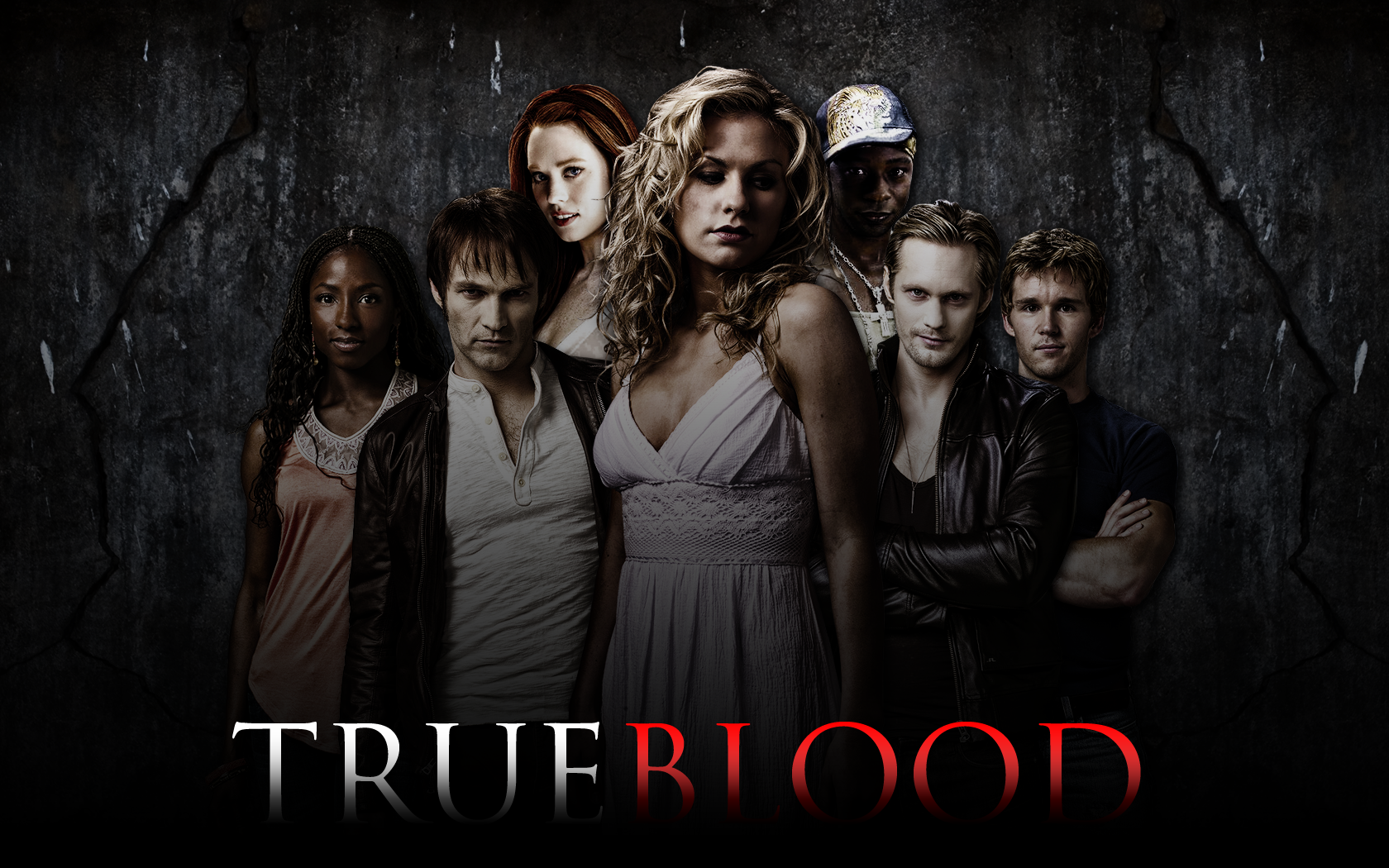
Speaking of sex scenes and nudity (see what I did there?), a few entries back I mentioned how I described the HBO show True Blood as “Dark Shadows with sex, nudity and a lot more blood.” I stand by that description; the show was a serial, just like Dark Shadows, there were a lot of supernatural elements, just like Dark Shadows, and the primary story was a romance between a male vampire and a human woman, and the vampire was originally from the same area where the story was set. Like Maggie Evans, the object of Barnabas Collins’ dark desires, Sookie Stackhouse, our plucky heroine, was also a waitress at a local bar and grill.

1c8f75fdc9a7e2dc37e076b83e9ccc44

Whether True Blood was horror or not, I cannot say. As I said when I embarked on talking about my favorite horror this month, I pointed out that I am not well-read enough in the genre, or know enough about it’s history, to discuss actual aspects of the genre and what qualifies as horror or not. I think, like with ‘mystery,’ ‘horror’ has become a generic umbrella term for vast swatches of work that sometimes have as little in common as a tomato with a watermelon. Is a ghost story like Ammie Come Home horror? The book scared the crap out of me, but it was marketed, really, as romantic suspense with a touch of the paranormal. Are all paranormal novels horror? I am really not qualified to answer that question.

30639d96d82e4aa9772b1d13b7dbdb3f

I guess the best description of the show would be to call it a ‘paranormal soap.’ It had moments of suspense and terror, of course–and gore, and humor, and nudity, and sex. The story was interesting every season (the season about the maenad, not so much; Paul and I both got kind of bored with that season) to me. People often, on social media, talked about not liking the show or liking the show; but I’m not ashamed to say that I pretty much enjoyed it during its entire run. The problem, of course, was that they had to keep upping the stakes (no pun intended).

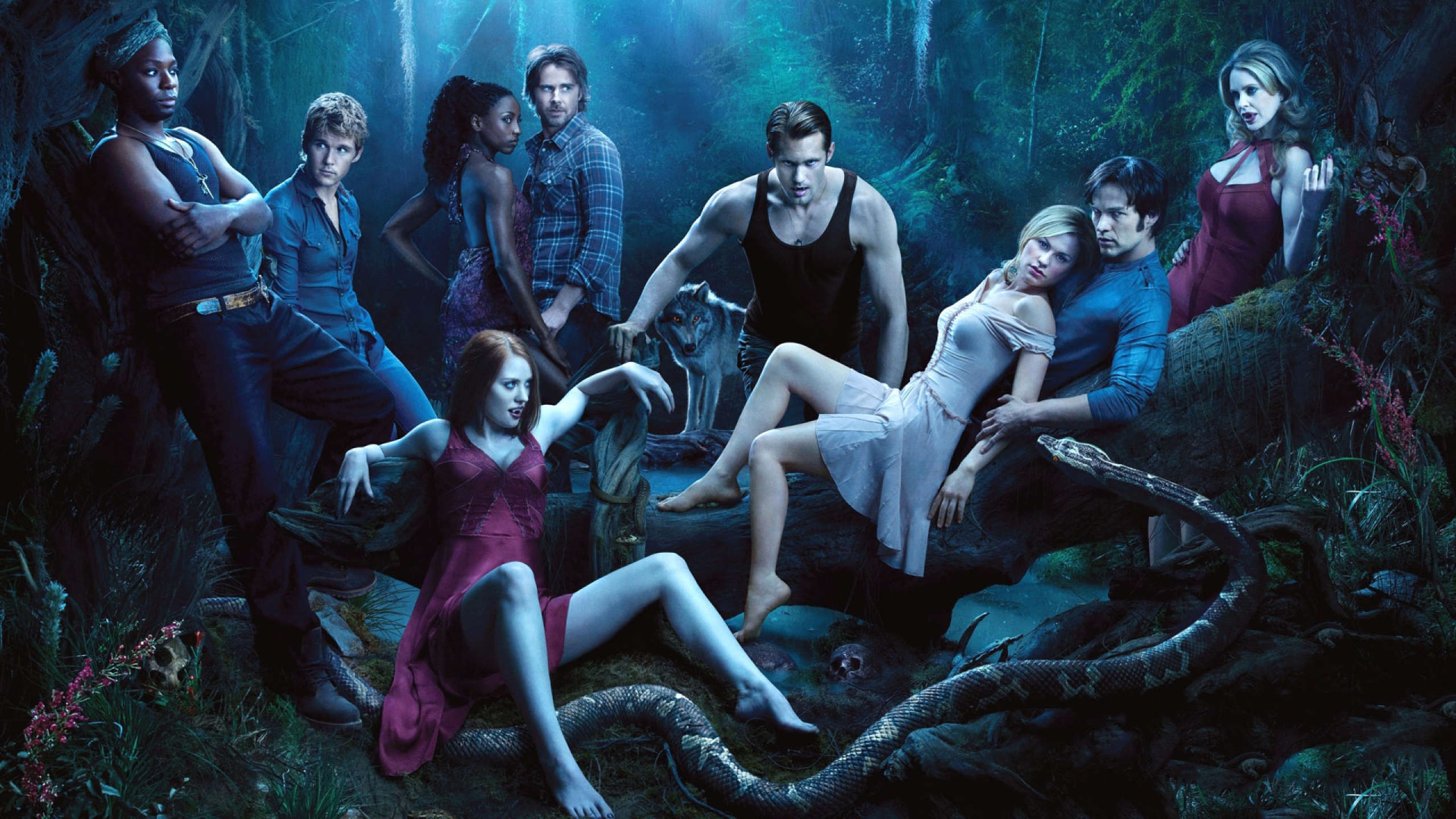
true_blood_sookie_stackhouse_bill_compton_eric_northman_sam_merlotte_jason_stackhouse_tara_thornton_pam_de_beaufort_jessica_hamby_lafayette_reynolds_93690_2560x1440

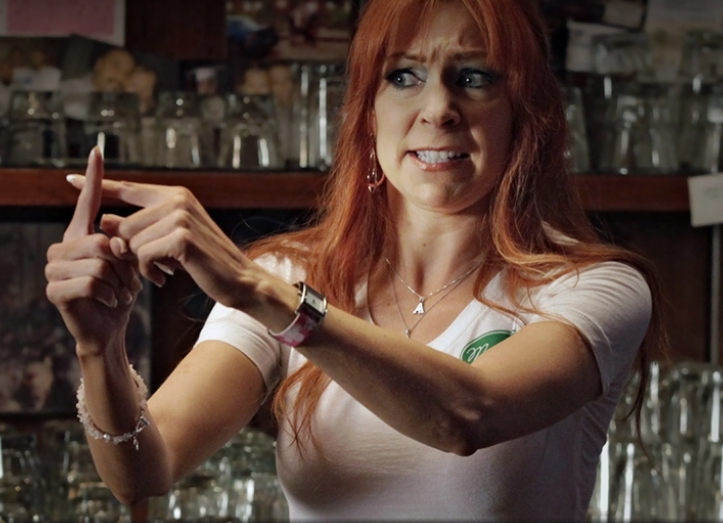
It also had a diverse cast. Many of the characters, in fact, I found a lot more interesting that Sookie the mixed blood fairy and Bill the vampire; and there were some wonderful comedy moments as well–one of my favorites being when Tara is in a moody funk after her boyfriend Eggs turned out to be a serial killer and was killed himself, and Arlene, played brilliantly by Carrie Preston, snaps in exasperation, “So you fell in love with a serial killer? Who here hasn’t?”

arlene-fowler-true-blood-14392869-723-523

If there was any problem with the show’s writing, it seemed like they couldn’t make up their minds what Sookie was; sometimes she was this whiny, passive heroine things happened to; other times she was a badass with a smart mouth who took no shit from anyone.

And of course, my absolute favorite, Pam, never got enough story or scene.

4f5ef85d4fc70318437fe7f3a7201c9d

Even the annoying characters at the beginning eventually were developed into likable characters over the course of the show. Jason Stackhouse went from a self-absorbed young stud who loved and left every women he met, who was estranged from his sister, into a pretty decent guy who tried to do the right thing but just made bad choices. Of course, it didn’t hurt that Ryan Kwanten, who played him, was gorgeous.

1379526-jason13

The first moment I saw him on screen I thought, “That’s who should play Scotty if that series ever is filmed.”

I’ve not read the enormously popular novels the show was based on–not from any sense that I wouldn’t like them; but again, one of those I just don’t have time to read them things. I’ve gone back and forth on that–Charlaine Harris is a terrific writer, and an absolutely lovely person–but maybe if I take another trip to a beach, like the Acapulco trip or Hawaii, I’ll take them with me to go and binge read.

The show was also filmed beautifully; it was filmed in Louisiana, and sometimes they were here in New Orleans filming, and Bon Temps was, like Collinsport in Dark Shadows, a kind of magnet for paranormal creatures and activity. I myself have always wanted to do this type of a series–I came up with an idea a million years ago–and even named my town, Bayou Shadows. My short story “Rougarou” actually took place in Bayou Shadows, Louisiana, and I’d intended for Need to eventually tie into that at some point.

Ah, well.

There was also a lot of homoeroticism in the show, and gay/lesbian/bisexual characters. I loved Lafayette, the gender bending short order cook/drug dealer/hustler who was also a medium.

ea5b241d150b4526

The show was also exceptionally clever, as I am sure the books were as well, about dipping into social issues.

And now back to the spice mines.