So, are you ready for some MORE blatant self-promotion?
During the Bold Strokes Book-a-thon, the other panel I was on had to do with writing young adult fiction (the other panelists were amazing, I might add), and once again, I am answering the questions sent to us by the moderator to turn into an interview with JUST me (because it’s all about ME ME ME) but I do urge you to seek out the video of the panel. It was terrific, and I was definitely the most uninteresting person on the panel, seriously; this is NOT self-deprecation. (I bought everyone’s books during the panel, I might add; definitely check out Lauren Melissa Ellzey.)
What is the definition of Young Adult? How does it differ from other genres?
I think it’s primarily an age distinction, to be honest, which is something that always makes me uncomfortable. Growing up I read far above my age level; when I was in seventh grade I was reading at a college level, per the tests and so forth. I mean, I did read The Godfather when I was ten; my parents, despite their conservative religious beliefs and values, let me read whatever I wanted without having to ask permission–I think when I asked Mom if I could read something the last time she replied “Read whatever you want, I don’t care” and after that I never asked again. When I was a kid, there was no such thing as young adult; everything was either for adults or “juvenile.” The juvenile category contained multitudes, beginning with the Little Golden Books and picture books to kids’ mysteries to Judy Blume. I think sometime in the 1980’s the genre was separated into “juvenile” for kids 8-12 and “young adult” for 12-18.
But there are kids like me, who can read above their age/class level and others who can’t read at their age/class level, and I think in some ways that differential could be harmful for those who are below-average readers–reading is the most crucial aspect of education, because if you can’t read…and no matter how many ways they try to make the language around slower readers more accepting and less stigmatizing…it doesn’t really help kids to be told they’re below average or not as smart or quick as the other students. (One of my primary problems throughout my education is I would understand something the first time, while others inevitably didn’t, and as the teacher explained for a second or third or more time, my ADD would kick in and my mind would wander because I didn’t need to listen and then wouldn’t be listening when the teacher moved on.
Ah, well.
Oh, and all subgenres of fiction also have the middle grade/juvenile and young adult sub-sub-genres.
Why or how did YOU choose YA?
I don’t know that I chose y/a so much as it chose me.
I started writing when I was a child (all my childish scribblings are lost to moves and time passing), and I wrote about kids my age. My first attempts at writing were always some kind of kids’ mystery series, a la The Hardy Boys and The Three Investigators (I’d still like to do this, frankly), and when I became a teenager, I started writing about teenagers. I wrote a bunch of short stories while in high school about the same group of kids going to the same high school. Those stories slowly but surely grew into a sprawling, handwritten novel about the county with plots and subplots and main characters and minor characters and all of this history; a “Peyton Place in Kansas kind of thing”. I worked on it for like five years, and eventually had this enormous sprawling mess that needed to be revised and rewritten and typed…and since I didn’t know how to type, made that part of it a problem. So I shoved it into a drawer and started pulling from it rather than revising it; taking out plots and characters and using them in other books and other stories.
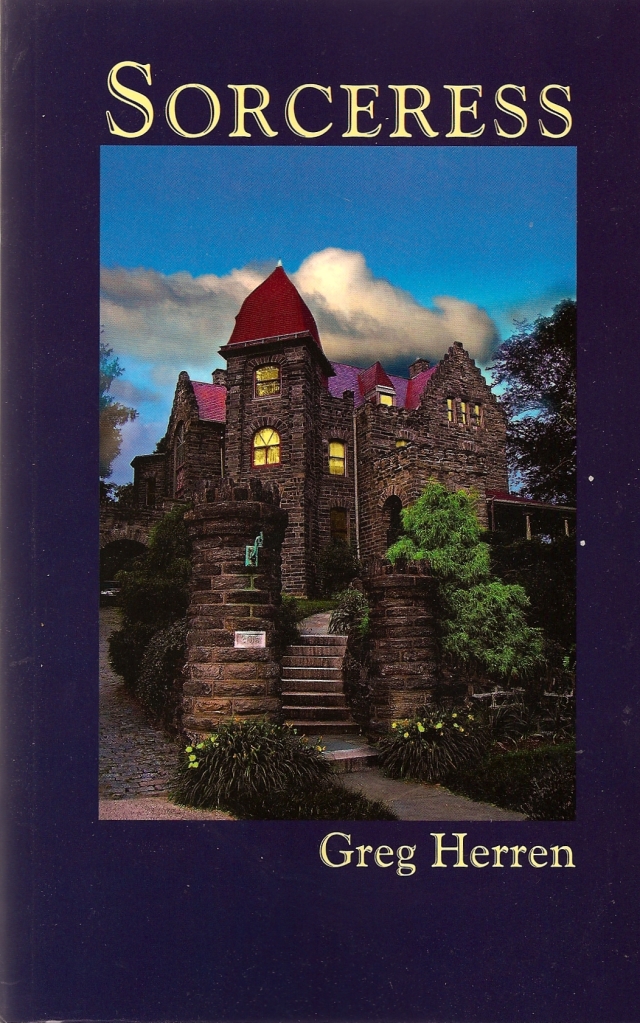
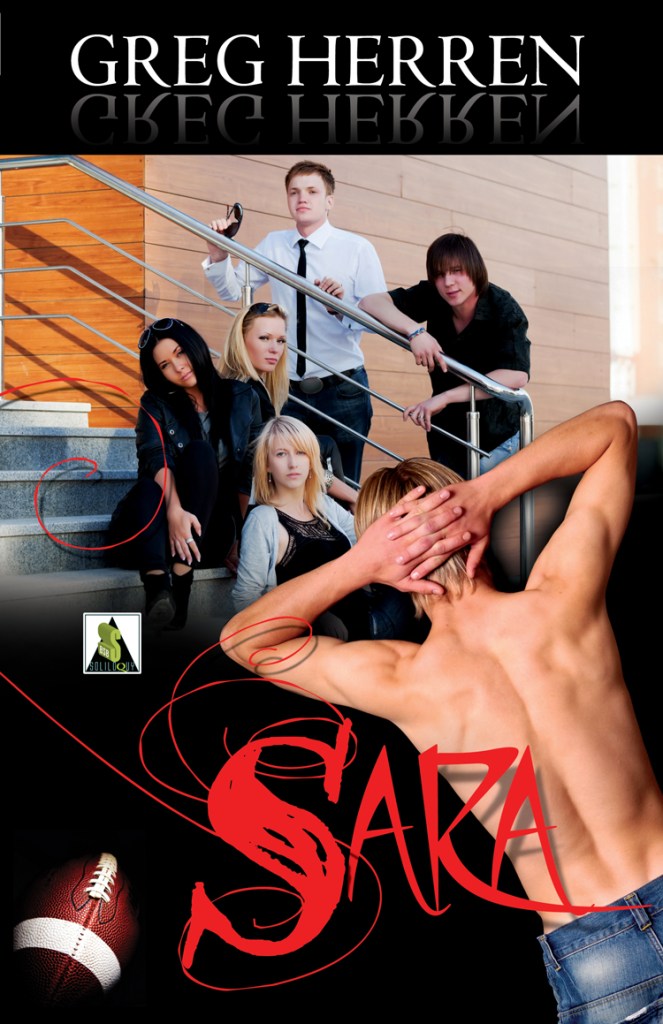
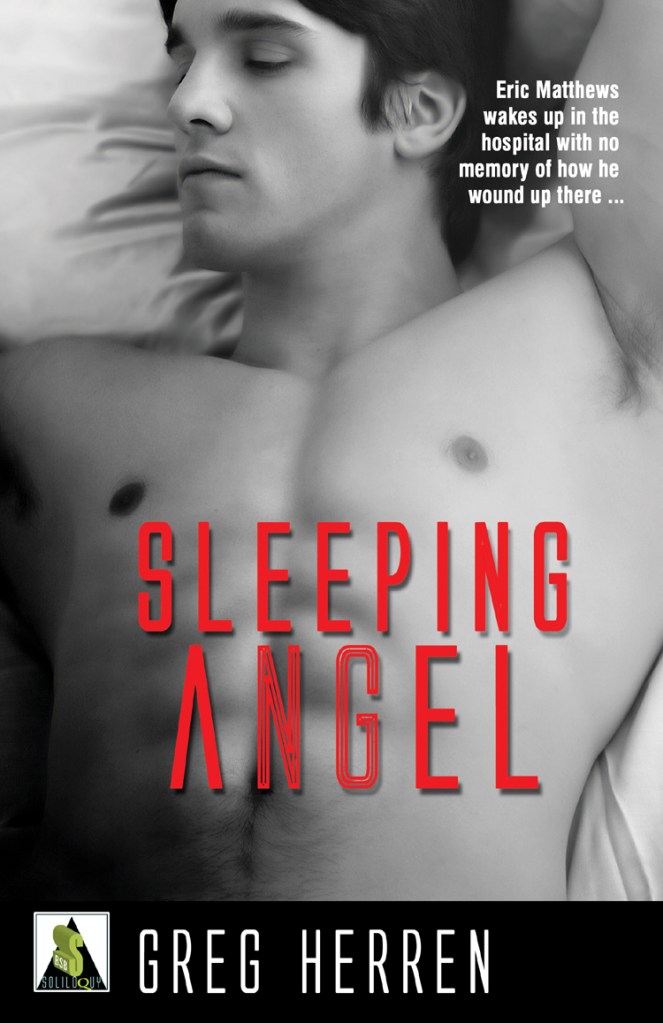
After I finished that, I spent the next five years mostly working on short stories. I started another book, more horror than anything else, but never got further than the third chapter. I finally decided to write a horror novel built from my old manuscript and those short stories from high school. I was about three chapters into it when I discovered two things: there was a big market in y/a horror at the time (Christopher Pike and R. L. Stine were HUGE during this period) and so I bought some of them. When I finished, I thought, “You know, I should turn Sara into a y/a novel” (because I thought somehow that would be easier? Foolish, foolish rookie) and so… I did. I was right in that thinking of it in those terms made it possible for me to finish a draft, but I wasn’t very happy with it so I put it aside and started writing another one, Sorceress, which was also horror but also had some strong Gothic moments in it. When I finished that one, again I wasn’t pleased with it so I started another–Sleeping Angel–which was the one I thought really had potential. I never finished that draft–by this time I’d discovered that gay fiction and nonfiction existed, so I started reading that and trying to write about gay characters instead.
Those manuscripts remained in my drawer for well over a decade, until a friend of mine took a job as a young adult acquisitions editor, and she wanted to work with me. I told her I’d written three (although it was technically two and a half), and gave her a brief synopsis of them. She liked Sorceress the best, so I started revising and editing it and turning it into something publishable. Once it was all done, she’d left that publisher, but started her own small press for y/a books for underrepresented teens, and she wanted to launch the press with Sorceress. I said “okay” and we were off. I eventually realized I needed to let Bold Strokes know, and when I did, I got an email back saying you know we do y/a, too? And so I sold the other two to them, and have never looked back since then.
Are there specific rules for writing YA (things you can’t do)? Does Bold Strokes add on or impose specific or additional rules?
I don’t pay too much attention to rules, frankly. There’s no graphic sex in my books, but it’s hinted at. I also try to swear less in young adult books than I do in adult fiction, which is probably not as big of a deal as I think it is? The society I grew up in was a lot more puritanical–believe it or not–that the one we live in today. So I always default to that setting, and then have to shake it off. Swearing isn’t as big of a deal as it used to be. No one thinks they’re marrying a virgin anymore, and on and on. And having been attacked for daring to accept an invitation to speak to queer high school students, I tend to tread softly. There have been a couple of times where I’ve had to change language, or how a scene went, because my editor thought it might be problematic; and frankly, I never want to be offensive, so I have no problem with it. I don’t see it as a free speech issue the way so many intentionally offensive writers claim it is. I shouldn’t take offense to someone calling me a faggot? Grow the fuck up. The so-called free speech “crusaders” are always defending hate speech as well as trying to shut up the people who find it objectionable. You do not have a constitutional freedom from consequences or getting a negative response to things you say and do, period. It’s really not hard to understand unless you want to be passive/aggressive and childish and a moron.
How do you remember back to these days, specifically how it felt or feels? (this is coming from your moderator who is much older than you are)
Well, for one thing, I’ve always kept a journal and I still have them all. (I was insufferable when I was younger, seriously.)
My sister has a theory that we forget a lot of the pleasant memories from our childhoods, but remember the traumas in great detail. I believe the truth of that, because school was a nightmare for me from the day we moved to the suburbs until I was done with it. I remember how it felt to read Greg Herren sucks cock on a desk at school. I remember how it felt to be mocked, laughed at, and bullied by assholes. I do remember the good things, though I tend to always focus on the bad.
The first thing I always do is abandon whatever “wisdom” about life I’ve theoretically learned since leaving high school, and put myself into the teenager mindset: they think they are the main characters in everyone they know’s story, and everything is the end of the world or their life is ruined and you are the most horrible parent ever! I’m not entirely sure I’ve escaped thinking that way, to be brutally honest: I am horribly selfish.
How do you come up with your characters? Your stories?
I am weird in that I inevitably always start with a title. I hear something or read something and think, that would make a good title. The next question is what story would fit that title? And it kind of goes from there. The title may change, the character names and story might change and evolve, but I can’t write anything that doesn’t have a title. Bizarre, I know. Usually with my young adult stuff it’s an idea I’ve had for a number of years and finally decide to explore whether it’s a novel or a short story, and go from there.
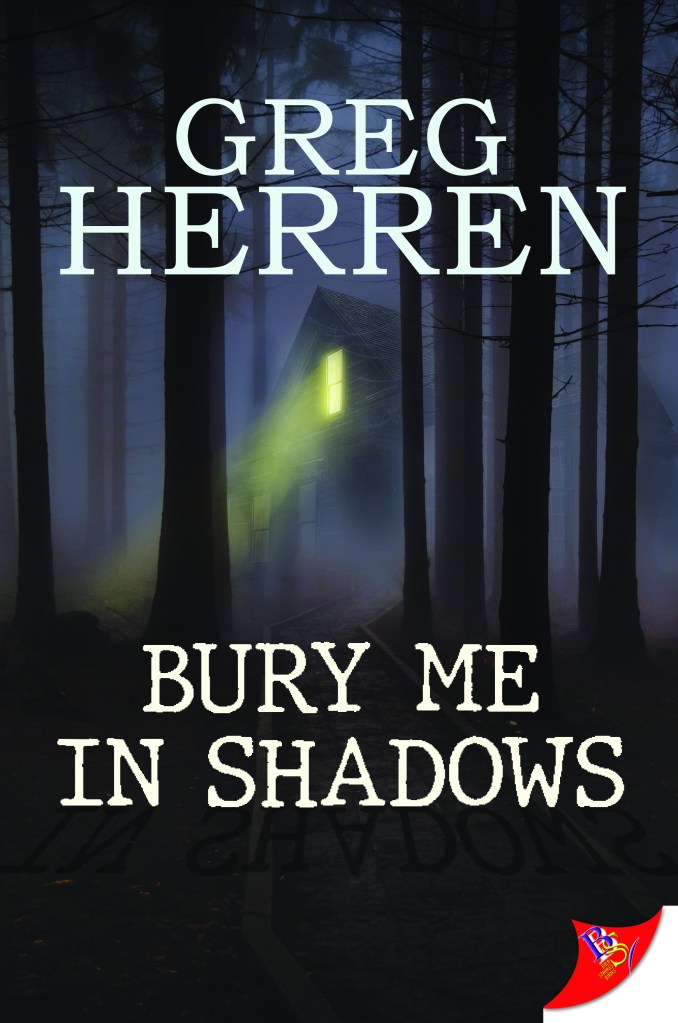
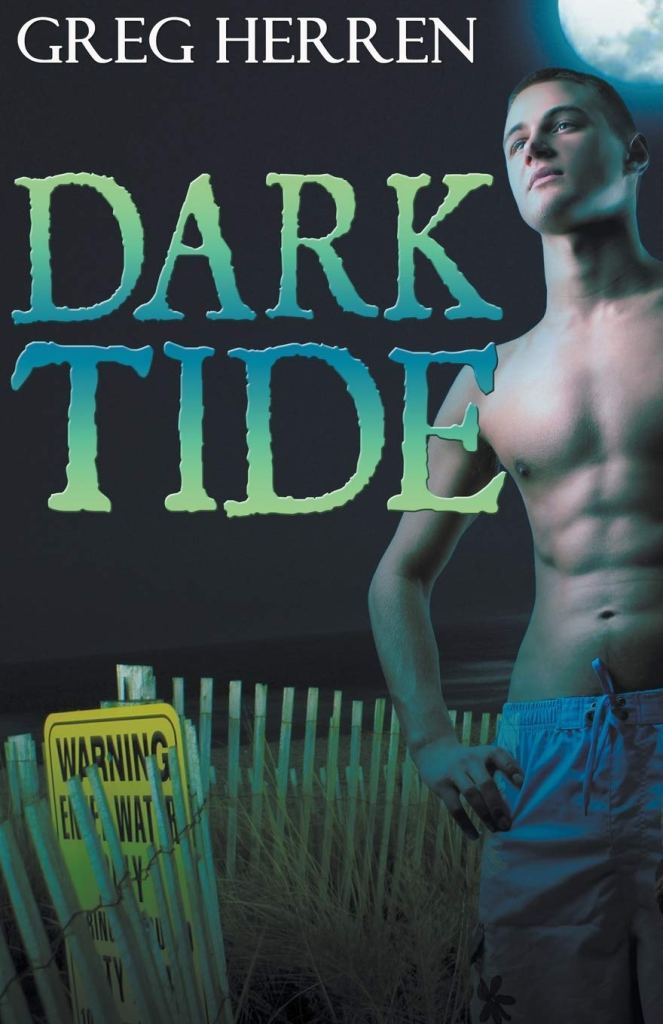
Dark Tide was originally called Mermaid Inn, Bury Me in Shadows was originally Ruins, but the others pretty much stayed the same from beginning to end.
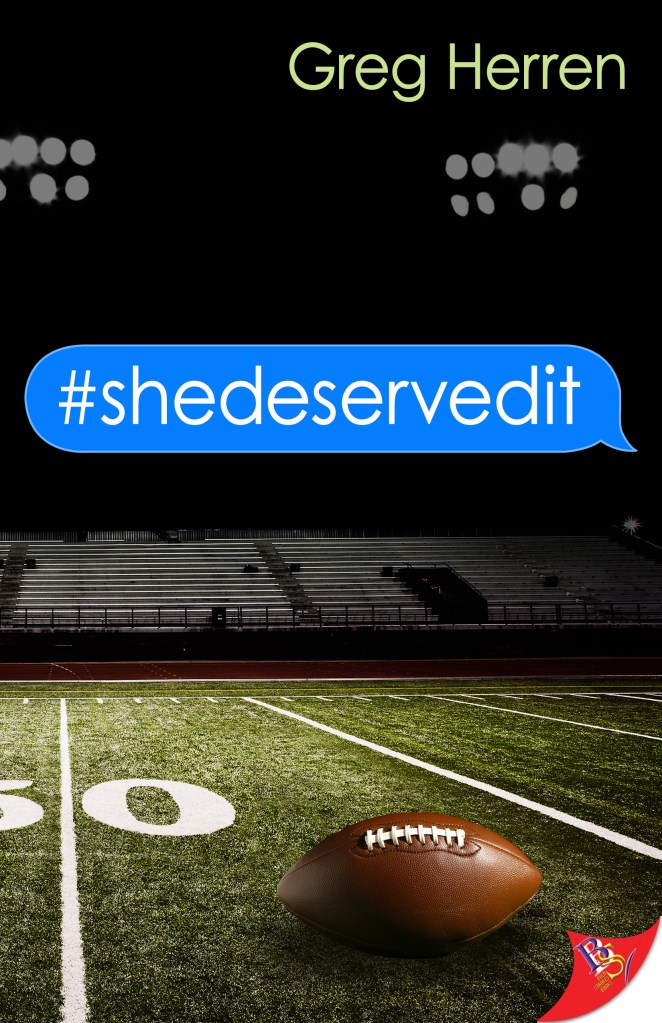
I wrote #shedeservedit because I was angry about the Steubenville/Maryville rape cases, and remembered stories and gossip from when I was in high school and college…and rethinking them through a more evolved brain about women and misogyny… well, it made me angrier. I had already planned on writing a story set in the same town with the same characters and opening with the same murder (I always referred to it as “the Kansas book” for years), but the motive was something I always had trouble grounding in reality. After those cases…it clicked in my head. You need to write this story about small town misogyny, protecting the star jocks from the girls at all cost, and make that the plot. It was easy to write because I was angry. Making it a compelling read was harder, because the subject matter was sickening to me.
I needed to write that book, and I don’t regret doing it, either…but it’s not exactly a feel good story people can escape into, either.
Why do you think YA is so popular?
It’s more accessible, I think. I mentioned reading ability before, and I do think that most readers aren’t into the Great Literary Tomes, hundreds of pages of beautiful writing with no real point or story. People kind of want to escape their cares and worries, and y/a books tend to be really entertaining. We’re competing with phones and tablets and streaming, so we need to write entertaining and engaging books.
Any specific must do-s or must-haves to get your writing each day?
I’m not nearly as anal about that as I used to be, before I returned to work full-time. I am very aware that I have little time to waste when I write, and thus must seize whatever opportunities to write show up. But if pressed, coffee. I can’t write unless I’ve had coffee when I got up.
 Queer and Loathing in America