Well, here we are at home on a Wednesday for a midweek holiday1. Huzzah? It was nice not to set the alarm for this morning (the Sparky alarm never needs setting; but I got up and went back to bed) and I feel very rested and good today. I felt discombobulated all day yesterday, alas; a day off on Wednesday with payday on Tuesday really fucked with my head all day. I made a small grocery run on the way home (still spent $96, though), and now am just going to kick back and relax today. I didn’t really physically write anything last night I did think about structuring the next chapter, and I am looking forward to getting to work on that today. I am also going to read today for a bit and I also intend to clean up a bit. Now that the Florida trip has been canceled, I still have Monday off so I get a stay-at-home long weekend and thus another day to really focus on the apartment, reading, and writing.
My coffee is going down easily and well this morning and is also quite tasty. I had thought about making cappuccinos this morning, as it has been a hot minute, but after I clean up everything I may get the machines out for tomorrow morning. It’s been a long time and I do love my homemade cappuccinos, but this morning I am going to stick to coffee. I have a load of laundry to fold and a dishwasher to unload and reload; and I may even try to fix the garbage disposal. I am going to the gym later to do some more rehab work on my arm, and then of course I will come home to chill out for the rest of the evening and maybe watch a movie or something; that Dev Patel movie is available to stream and I do think he’s marvelous, so that may be on the schedule for this evening. We also need to find another show to stream. Such a tough life, right?
I’ve also been thinking a lot about these pride/Greg’s gay past posts, and some of the ones I’ve been drafting are unnecessary, and still others cross over into more in-depth personal essays for my Substack, which is how I’ve decided to divide things up. This place will be the same as always, and those posts will be both here and Substack. Once the audience at Substack picks up–and it is growing, surprisingly enough–then it will become the place for personal essays that I will share to social media…although I am now wondering if it’s best to start sharing them from Substack to social media to build the audience? You see why I am so bad at this; I can never decide what is the right thing to do because I really have no clue. My career has always been about being in the right place at the right time and blundering my way through the last twenty-two years, which is part of the reason why the Imposter Syndrome hits so hard when it comes. But I’m enjoying myself with Never Kiss a Stranger so far, and it’s very cool to feel that way again, and to even look forward to getting back to work on it rather than seeing it as an odious chore.
I also need to make/update my to-do list since I’ll be home over the weekend and it’s a three day one for me.
Ugh, and the filing. I definitely need to do a deep clean of this messy office space/kitchen. But sitting here wasting time while drinking coffee isn’t going to get me anywhere, so I am going to head into the spice mines, Constant Reader, and I’ll probably be back later. I do have several blog posts to work on and I may post some of them later on today. Have a great Juneteenth, my friend, and I’ll catch you again later.
Juneteenth, and I am delighted that we observe this at work now. I’d say a high percentage of the staff are Black, and if we celebrate independence day for white people, we definitely should celebrate independence day for Black people in this country as it was the closing of one hideously dark chapter in US history…granted, it was the opening of a not quite as dark and hideous chapter, but it was definitely progress. ↩︎
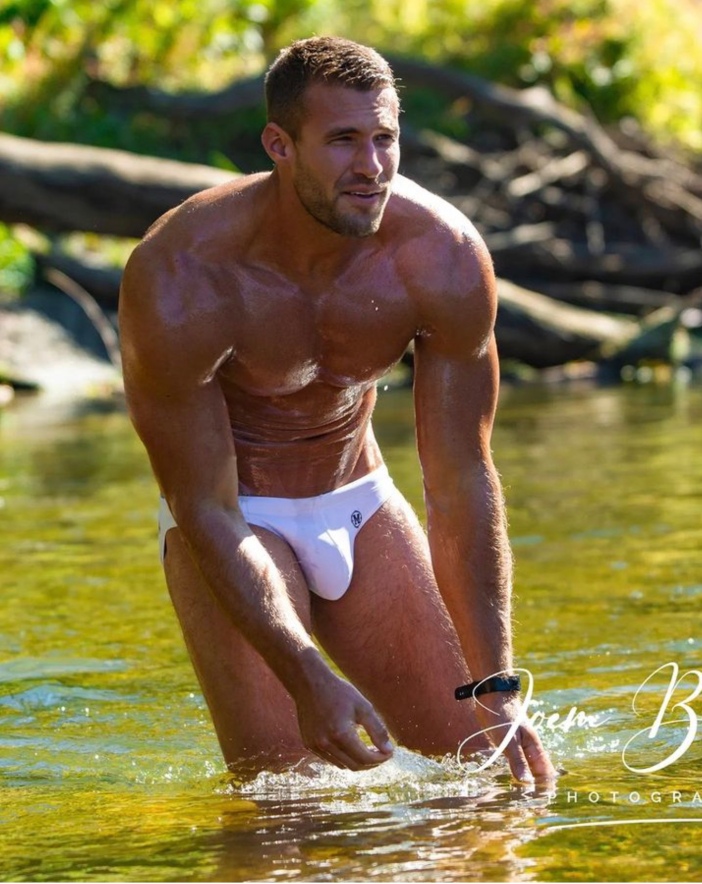
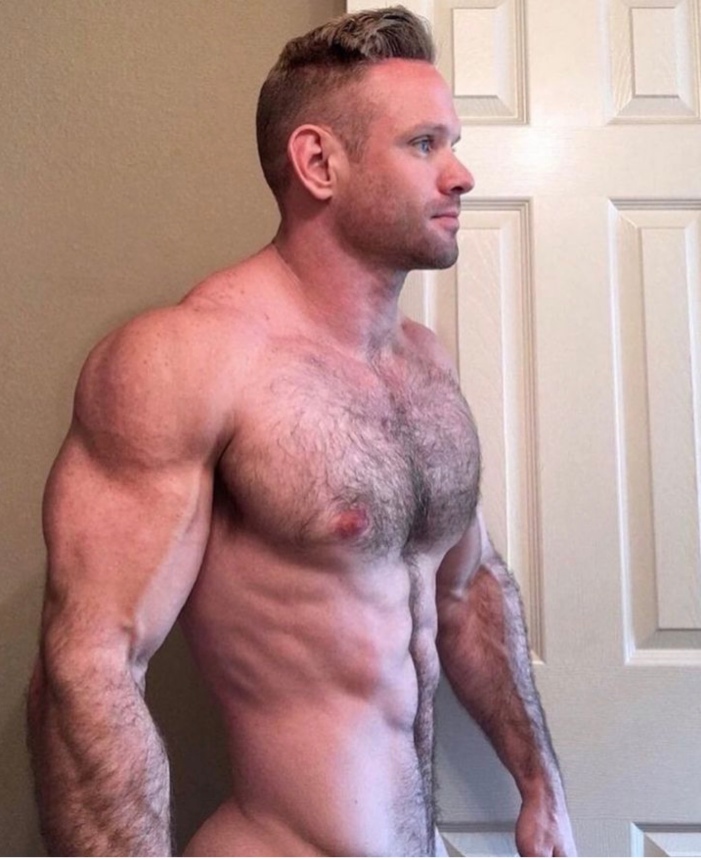
Ah, the gay obsession with muscular bodies. It goes way back into the past; the Greeks always showed men in their art to illustrate perfection—gods and heroes—as muscular and lean and physically proportioned. The emergence of gay artists during the Renaissance sparked a revival of an ideal male form since they took most of their inspiration from the classical art of ancient Greece and Rome (which essentially plagiarized almost everything of Greek culture). Leonardo and Michelangelo and other great artists, regardless of sexual orientation, always somehow got away with depicting nudes etc in art by using Biblical or other mythological sources; the influence of queer artists can be seen in every cathedral in Europe—look for the nudes. (I’ve always loved that Michelangelo painted the ceiling of the Sistine Chapel with hot male nudes depicting Bible scenes.)
And of course, Michelangelo’s David set a standard for male physical beauty for centuries.
I often wonder how much cultural and societal influences impact our own tastes. I’ve often mentioned how I don’t have a type; people always assumed I did, but I never have. I appreciate men I find beautiful, of course, but just because I find aesthetic beauty in someone has never meant I wanted to fuck them. I’ve always been attracted to all different types. My attraction to bears, for example, I know comes from a childhood obsession with professional wrestlers (which will be addressed in another entry, about the evolution of professional wrestlers’ bodies). Anyway, if we are perpetually bombarded images and told this is what is attractive, do we change our tastes?
I’m not going to lie: I have always liked muscles—but they aren’t necessary; no one has to have a perfectly sculpted body with high vascularity for me to find that person attractive. Perfect male physiques have become so ubiquitous now, with OnlyFans and reels and videos and TikToks and so forth; I think it’s great these young men have find a way to make money from their looks, and more power to them…but the more I see those perfect bodies the more humdrum and alike they all start to look, like The Stepford Hunks (which would also make a good title for a satirical story or novel sometime).
And muscles serve mainly as visuals for fucking, anyway.
The year I turned thirty-three was really the pivotal time, a turning point, in my life.
I was thirty-three and still single, and the only gay relationships I’d had at that point weren’t really relationships; they were, actually, borderline abusive and only served to convince me all the more that I was destined to be alone and miserable–that maybe I was actually better off alone. It was time to make changes…the only thing I had control over was myself–I couldn’t make my job better, I couldn’t improve my finances, and if I was weird-looking in the face, I couldn’t do anything about that either. I was losing my hair and I basically thought you’re too old to find a partner now, so you’re just going to be alone for the rest of your life, so make the most of it.
The first thing I looked at was my physical self. I wasn’t in shape and hadn’t been since I stop cheerleading in college. That was something I could change (I also identified several other areas in which I could change–including my attitude, and started working on those), and so I decided I was going to live healthier. I was getting older (laughable now) and I knew the longer I waited, the harder it would be to change my physical self (as I am finding out now for sure). I had joined gyms before but had never stuck with it more than a week or so, paying them for a membership I didn’t use for at least a year before I could quit–which was also a bad financial decision.
So, rather than joining a gym, I decided to be smarter. I got out the Abs of Steel tape I’d bought and never used (it was still shrink-wrapped) and told myself, okay, if you do this workout three times a week and do push-ups with it, and can do that every week until New Year’s, then I will go ahead and invest in joining a gym again. Any exercise was better than none, three times a week was better than two, twice better than once, and once better than none at all. I wrote that in sharpie on a note card and taped it to my bathroom mirror so I had to see it every time I went in there. I changed the way I ate (simplifying my diet to “nothing with three or more grams of fat per serving”, started drinking skim milk, using fat-free everything and eating more salads and vegetables and turkey sandwiches. I had dropped from 210 pounds in August to 170–and the change was not only dramatic (forty pounds is a lot to lose in slightly less than four months) physically but also emotionally.
And so, I joined a gym.
It was a new, gay gym in Tampa at the time, Metroflex, and it was convenient because it was on my way to work. I could take the work uniform with me, workout, shower, change and head to work. It was very convenient, and I worked out three days a week: Mondays, Wednesdays, and Fridays. My trainer, whose name I forget now, was really good and thorough–he explained things, which was something I’d never ever, not even when I was an athlete back in high school, really understood about working out. And…I started getting into the weeds by reading diet and exercise books.
One thing I did notice, though, as I was losing weight was how differently people treated me. I’d never really paid much attention to it before, other than the way guys in bars would avert their eyes when ours met–which I just took to mean as blech gross why are you even here–and it was hard to get a bartender’s attention. I stayed out of bars when I was doing that first diet-and-exercise change that fall, and when I went back I stopped drinking alcohol, sticking to water but eventually going back to Bud Lite, but once I started going again after the weight loss…I never had to wait for a drink because as soon as I walked up to the bar, the bartender was right there. People smiled at me a lot more. I got treated treated better in restaurants and stores by the staff–even passengers at the airport were friendlier and nicer than they used to be.
I found that to be very interesting from a sociological point of view; a little experiment in human behavior, if you will. Other things started happening, too, all of which was very much a boost to my fragile ego.
And thought about writing an essay called Looks Don’t Matter and Other Lies.
I also liked the attention. I liked being flirted with and bought drinks in gay bars. I loved being treated better, but at the same time I had to be careful. I have some obsessive tendencies–part of the faulty brain wiring–and my tendency to judge myself very harshly was a dangerous combination that led to some really unhealthy habits with food and eating–I often will skip eating without a second thought, and often when I travel I forget to eat, and get sick. I also don’t see myself in the mirror the way I actually look; body dysmorphia. I always worried I was overweight, and I also wanted to get bigger–you see how those two positions are diametrically opposed to each other–but it was all a part of the whole parcel of self-examination and evaluation with the intent to make positive change.
But as my life began to change and improve with my new approach to life (I was also writing again), I attributed a lot of it to the changes wrought by my exercise devotion. I was so much happier, had so much more energy, and felt better overall. I also met and fell in love with my life partner…and realized several things: I did not want to work in the heterosexual world anymore nor did I want to spend a lot of time in it; and the best thing for me to do, the thing that made the most sense, was to become a personal trainer to help other people reset their lives and take a holistic approach to working out—mind, body, spirit—that would be more effective, and also I could charge enough per hour being a trainer that I could do it part time and spend the rest of the day writing.
I was a good trainer, too.
So, that’s what I did. I also started writing a fitness column for the local gay paper, and for other national glossies. It wasn’t the kind of writing I wanted to be doing, but getting a clip file was important for writers starting out back then, and I stayed committed to my own workouts, even after I stopped working as a trainer.
I can also happily say that since I left the travel agency here in New Orleans in 1997, I’ve never worked in a hetero business ever again.
Injuries and getting older have messed up my working out since about 2011, but I am hoping that once I get past this rehab of my arm I will be able to do regular, harder workouts again and get back into better shape.
I was really into soaps in the late 1970s and up until the mid 1990s or so. My fandom, how it came to be, and how much of an influence soaps were to me as a writer is a topic for another time, perhaps after Pride Month is over because it’s really not Pride related, except for how they related to me as a gay man. But by the late 70s, I was strictly an ABC guy: All My Children, One Life to Live, General Hospital and Edge of Night, with me having a special attachment to Edge, which will also be a subject for another time. But soaps were strictly a daytime medium for a very long time–at least until Dallas premiered. Originally, each episode was a stand-alone but the show very quickly moved to the serial format, and the ratings went through the roof–and of course, “Who Shot J.R.?” was a global phenomenon (I figured it out early on–when I saw that Mary Crosby was only contracted for four episodes in the following season and the reveal that the shooter’s identity would be revealed in episode 4…it wasn’t too big of a leap from there to “it must have been Kristin”. I was right.), and Dallas ruled the ratings from there on out..
The success of Dallas, of course, lead to copycats from other networks trying to cash in on the new craze; television is nothing if not a place where imitating success is seen as a no-brainer; the irony was that so many of the other soaps that launched at night in the wake of the huge success of Dallas…failed for the most part. The only post-Dallas night time soaps that enjoyed long runs were Knots Landing, Falcon Crest, and Dynasty.
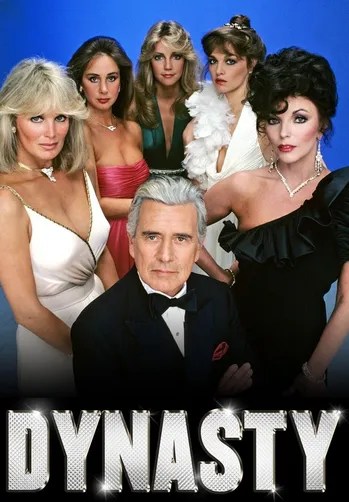
I first learned of Dynasty in a People magazine profile on Linda Evans, who at the time was best known as the woman John Derek left for Bo (who was a huge star at the time), and it mentioned she’d done a two hour pilot for a night time soap called Oil. By the time the fall previews started dropping, the show’s name had been changed to Dynasty, and there was going to be a gay character on the show. Once I read that, I knew I was going to watch. And then the premiere of the show was delayed months because of a strike. The show also had some other cast members I knew of and was interested to see–Wayne Northrop, who’d played Roman on Days of Our Lives; Pamela Sue Martin, of Nancy Drew and The Poseidon Adventure fame; and of course long-time television star John Forsythe as Blake Carrington, the patriarch of the family.
The first season was interesting enough, but the show didn’t really catch fire until the second season, when Joan Collins joined the cast as Blake’s first wife and mother of his children, Alexis. By the end of the season Dynasty had climbed from middling ratings to the Top Five, and it had become must-watch television.
But my primary interest was the character of Steven.
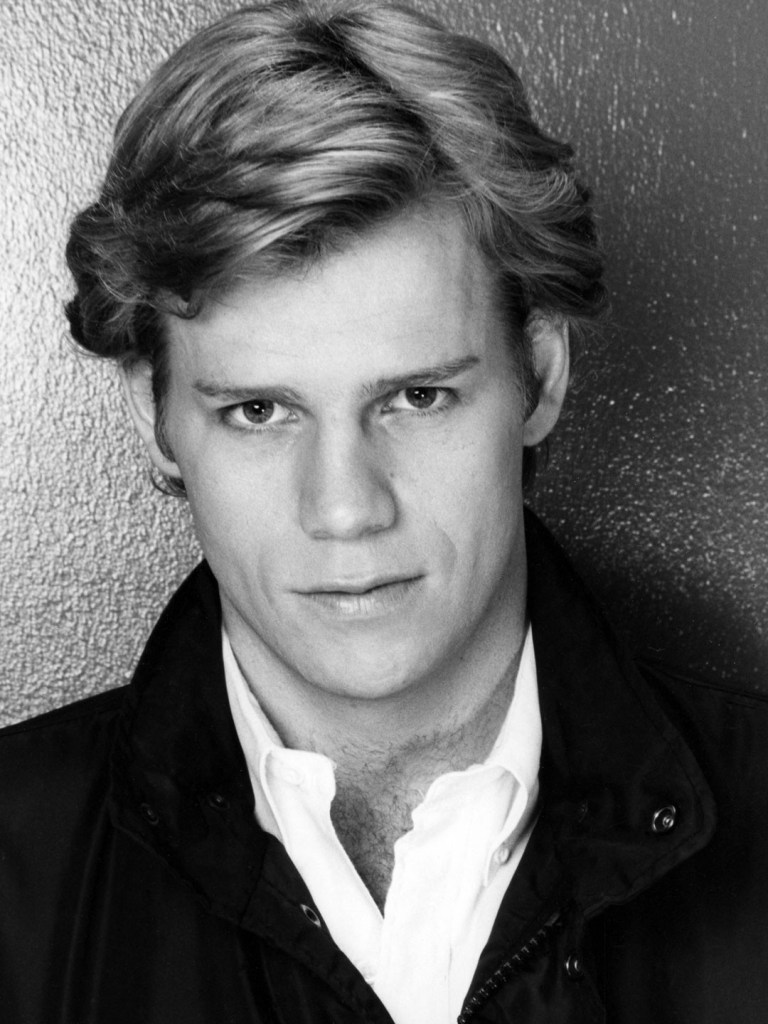
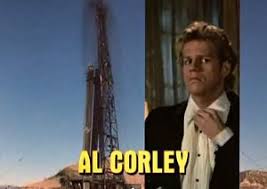
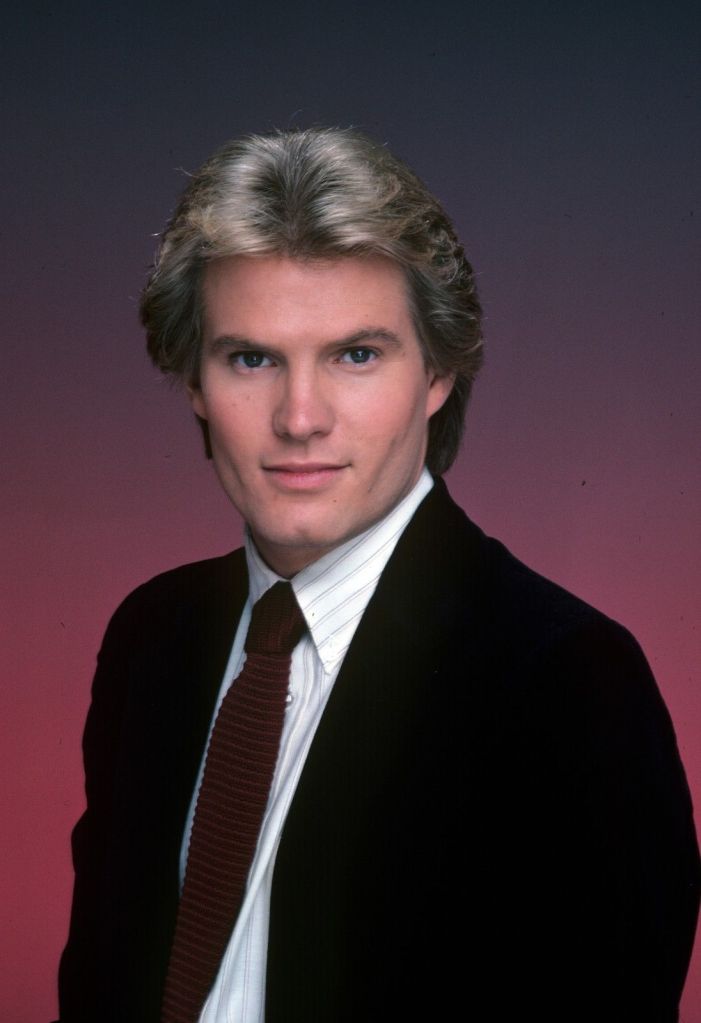
Al Corley as Steven Carrington
Originally played by Al Corley, Steven’s storylines were made clear in the pilot; Steven is coming to terms with his sexuality, coming back to Denver for his father’s wedding despite the fact that Blake is homophobic and he’s been living with a man (Ted Dinard) in New York for the past few years. Steven still isn’t entirely sure of his sexuality (it never occurred to anyone in production that he could be bisexual; he only had a binary choice during the entire run of the show), and decided to go to work on an oil rig to “become a man.” His co-workers pranked and hazed him for being gay at first, and then tried to “straighten” him out by buying him a hooker, which doesn’t go well. He then embarks on an affair with his boss’ wife Claudia (played by Pamela Bellwood, who was probably one of the best actresses in the cast), who was also mentally ill and her sanity wavered throughout the run of the show. Ted comes to Denver to get Steven to come home, but Steven’s decided to stay in Denver and try to get on with his life and ends things with Ted. Unfortunately, Ted comes to the Carrington estate (which was ‘played’ by Filoli, gorgeous place that was also the ‘setting’ for Laurie R. King’s superb Back to the Garden) to say goodbye, Blake comes home already angry, becomes angrier to learn Ted is in the house, rushes upstairs to see them hugging goodbye, and in a homophobic rage pulls Ted off Steven, punches him and knocks him down–only he is killed when he hits his head on a fireplace guardrail–and now Blake has to go on trial for murdering his son’s gay lover; and now the entire world nows.
Alexis returned for the trial, entering the courtroom wearing a veil, and Fallon gasps, “oh my god that’s my mother” setting the stage for season two, and night time television’s greatest villains, Alexis.
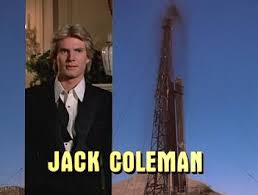
Season 2 was disappointing in terms of Steven as he spent season two trying to be straight, getting involved with and marrying Sammie Jo (Heather Locklear in the role that made her famous), but eventually telling his entire family that he’s gay, he’s tired of trying to be someone he’s not, and leaves Denver. He is reported killed in a oil rig explosion in the south China Sea in season three, which was their way of recasting–“plastic surgery so he doesn’t look the same”–and he was replaced by Jack Coleman (at the time best known for playing a serial killer on Days of Our Lives).
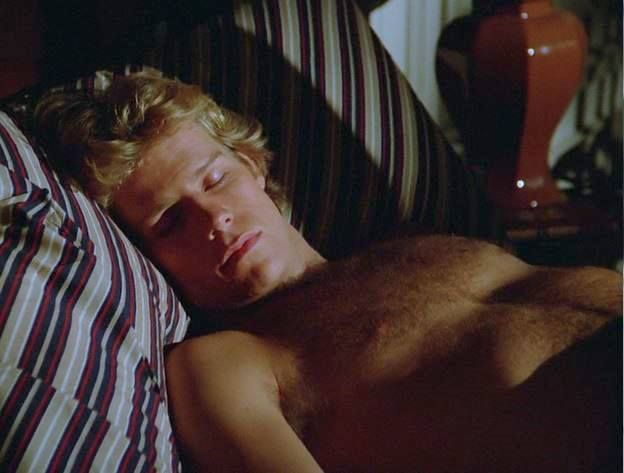
Jack Coleman, the second Steven
Coleman was fine, but he was different, and the character changed to match the actor. His entire storyline for the rest of the series involved him getting married, ruining that by getting involved with another man–before deciding what to do with him again for the sake of storyline; showing how hard it was to actually integrate someone with a same sex attraction into the cast of a soap. Every man he was involved with was a new character, and soaps–whose mainstay bottom line is thwarted romances, marriage and divorce–really didn’t know what to do with a non-straight character, other than throwing him into relationships with women (???) to have them end badly and so on.
When the reunion film was done in the 1990s, Al Corley returned as Steven (no explanation of why he looked the way he did before the surgery) and he’d made peace with his sexuality, again living in New York happily with another man and raising his son (oh yes, the gay character also impregnated one of his ‘women’)…while never once raising the possibility of bisexuality; I guess getting the 1980’s home audience vested in a gay character was risky enough without bringing in bisexuality–which tells you where we were as a country in the 1980’s…and we shouldn’t also overlook the fact that it was Dynasty that brought HIV/AIDS to the forefront of conversations in this country. Rock Hudson’s AIDS diagnosis became public shortly after he appeared on the show, and there was a lot of panic because he’d kissed the Linda Evans character–had he infected her? (We didn’t know as much then as we do now; now that fear is laughable but it was palpable back then because there was so much ignorance about it then, thanks to the Reagan Administration and the deeply embedded homophobia in post-war American culture.)
I started rewatching the original show once it was available for streaming, and that first season really is a slog; Blake was the primary villain in the first season (Alexis took his place, turning him into a more traditional soap hero–flawed but a good person at heart) and he just didn’t have the gravitas to relish being evil the way Joan Collins jumped in with both hands and feet), so while I was enjoying seeing the more honest and realistic to life way Steven and his dilemma was displayed in that first season–even the affair with Claudia made sense the way it was written–they really didn’t know what to do with him after the recast, and he descended from the fully developed realistic character Corley played to the two-dimensional soap hero he devolved into after the recast.
But…it was still pretty daring for the 1980s, and I did appreciate the attempt at representation. I know the reboot, which I didn’t watch, made Steven straight up gay; even gender swapping Sammie Jo by turning her into Sammy Joe. Progress is progress, and we cannot ever dismiss out of hand the brave attempts at using homosexuality and familial homophobia as a source for story; they were fighting the network censors, the right wing, and most of the country was homophobic, too.
They did the best they could and it was important at the time…even if it doesn’t hold up well under modern understanding.
Saturday morning and Sparky flatly refused to let me sleep in this morning, but in fairness, I got a little more than an hour of extra sleep. My back feels a bit stiff this morning, but I do feel rested, and the coffee will most likely clear the cobwebs. I have to run to the grocery store today, and that may be all I need to leave the house for today, which is perfectly fine with me. It looks beautiful outside, but I am sure it is the usual forecast for New Orleans: hot, humid, chance of rain. I haven’t looked at the hurricane center yet to see what’s going on with the tropical systems trying to form, but I’ll most likely do that once I’ve finished this.
Yesterday was a nice work-at-home day. I did pick up the mail (got my copy of James Polchin’s Shadow Men, a queer true crime case from the 1920s, which is all kinds of awesome). After I finished working for the day, Paul and I finished watching season 3 of Bridgerton, which we both greatly enjoyed, before moving on to The Acolyte and the new season of The Boys, which is its last. I did some writing–I started pulling the novella apart, in order to do an outline and get a better idea about how to expand it; I actually want to start writing today, if I could be so lucky, I also intend to spend some time reading today; I need to reread some things I have in progress, and would also like to get started on my next read, Horror Movie by Paul Tremblay, which I am really looking forward to; Tremblay is one of my favorite writers. I also want to get the house cleaned up some, as well as make a grocery run at some point in the afternoon. (We don’t need much, really, but really need what I have to get.)
I also worked on my body culture pride post, which actually has now turned into quite a lengthy personal essay; so much so that I may not ever post it here. The essay itself can go on my Substack; I’ve been putting the Pride posts there as well as here because, I don’t know, it just seemed like a better place for them–which seemed silly to post them in both places. Last night, the recognition that the essay was probably a Substack only post made me think about what I am doing with a Substack and a blog, and last night I realized that I should use the Substack for longer form personal essays and keep the blog as it has always been; a daily report on my life and the occasional discussion of a book, television show, or film I’ve greatly enjoyed; the reviews might go in both places, too. I think I can still make the body culture post, but the essay will have to be whittled down and revised; maybe I should do it from the perspective of life lessons learned from getting in shape and actually working as a personal trainer. (Again, seeing that turn into a longer form essay even as I talk about it here and think about it as I type.) Writing these is also an exercise in memory for me, which also is kind of helpful as I am researching the early 1970s in the Chicago suburbs.
I have to admit I greatly enjoyed season three of Bridgerton. Penelope has been one of my favorite characters since the show started, and I’ve always deeply empathized with her as she was ignored, made fun of it, and made to feel invisible. It made sense for her to be Lady Whistledown, and the choice given to her by the show–either Lady Whistledown or the love of her life–was very cleverly done. I wanted her and Colin to resolve everything and get their happily ever after, but I didn’t think it was fair she had to give up who she was in order to get it, you know? This season really emphasized how shitty life really was for these society women during that period, and I’ve always been fond of the actress who plays her mother (she was magnificent in Rome as Atia of the Julii), and this season gave her a chance to really shine as well, as she realized the daughter she always overlooked and never thought would amount to anything was actually the true jewel of her children–and who made the best match in the end. (I also predicted the end several episodes in, involving the Featherington money and title.) It was, all in all, very well done, and I think it may be my favorite of all the seasons, and precisely because Nicola Coughlin is such a compelling actress. It’s nothing serious, of course; Bridgerton is a light fluffy confection, meant to look beautiful and present this wonderful tapestry of what Regency England could have been like, and who doesn’t love a tricky romance with obstacles that must be overcome?
I’ve always wanted to write a romance, but in all honesty am not really sure if I can. I think I’ll put that on the writing agenda for 2025. Why not try? It would most definitely be a challenge to write, and I always prefer challenges.
And on that note, I am going to finish this, get another coffee, and get my day underway. Have a lovely Saturday, Constant Reader, and I’ll probably be back later on. I’m tricky like that. 🙂
This is NOT why I am a football fan, but it certainly doesn’t hurt. 🙂
Yesterday saw a return of the weirdness. I was fatigued and my muscles felt tight when I got up yesterday morning, but as the morning went on I started feeling more mentally awake and less tired, and how does that make sense? I got nothing, seriously. But it was a pretty good day, overall. I was in a good mood at work and was feeling outgoing, chatty and cheerful, which always makes the sessions better. (I’ll talk more about my job at some point later in the month; I generally don’t talk about what I do for any number of reasons, but my day job definitely deserves a Pride Post of its own) I did feel tired when I got home, but I did my chores, which was awesome, and so I don’t have as much clean-up to do today while I work at home. My lower back is stiff this morning, and my legs a little achy, but other than that I feel fine.
And it’s almost the weekend, hip hip hurray!
I worked on a Pride post last night, which was actually a longer-form essay I wanted to write at some point (most of my Pride Posts are actual shorter essays than what they were originally planned to be; I still may expand them out into something longer eventually), and it’s one I am a bit nervous about sharing–it’s the one about body culture within the gay male community. It’s very easy to say something insensitive or thoughtless, which is something I always worry about here. The only people I don’t care about offending are the deplorables, and frankly, I love offending them, or pissing them off because they deserve it for their uncaring hearts. Maybe I overly parse things, but it’s always a good idea to delete something you’re not sure about–because if you aren’t sure it’s offensive to someone, then don’t go public with it, you know?
I was pleased (and very shocked) at first to see the Supreme Court refused to ban abortion pills…until I saw that it was dismissed because the plaintiffs “didn’t have standing to sue” in the first place. So, now all the pro-fetus people need to do is find someone hateful who has standing. My theory is that if your “religious conscience” doesn’t allow you to do certain medical procedures or treatments…well, you shouldn’t be a doctor, period, and besides that, if you put your religion before your education and training, what are the odds that you’re a creationist and thus don’t believe in science? I personally don’t want a doctor that doesn’t believe in evolution or is a creationist. You don’t get to pick and choose which science is real and which isn’t, and besides, aren’t Christians supposed to be caring and loving and free of judgment? Oh yes, I keep forgetting the deplorable Christians don’t follow Jesus and are only cosplaying–but not being called out by the so-called “good” Christians? Then you’re not one of the good ones, you know?
And again, that’s why we have separation of church and state. The failure to understand that basic principle tells me everything I need to know about your patriotism. The only reason this country exists in the first place was because North America served as a refugee camp for Christians escaping religious persecution in their home countries. Not knowing this, or not knowing the Europe was drenched in blood from religious wars for nearly two decades, is no excuse for Christian Nationalism in this country; Christian Nationalism is in fact a betrayal of the basic concepts of the Constitution–but again, they only agree with the parts of the Constitution they can use against others, and of course they’ve done a lovely job of infiltrating the justice system.
And again, this decision by the Supreme Court signaled how they would actually rule–and I also firmly believe that if this wasn’t an election year, they would have upheld the ban, but this SCOTUS is in the tank for MAGA so they are doing their best to help his campaign. It worries me a little how blatant they are being with their increasingly unpopular opinions…common sense would indicate moving more to the center than further right the more unpopular your positions are, but in every case of backlash they not only stand firm but double down, which makes me wonder about the integrity of the election, because the electoral results every year since 2020 would indicate they are destroying themselves and their movement by forcing unpopular policy down the throats of a resisting population.
Heavy thoughts for a Friday morning and my first cup of coffee. Perhaps I should have a second? I am waking up though, the cobwebs are now lifting from my brain and the fatigue seems to be seeping out of my muscles, which is marvelous. I do have to run some errands today, and am dreading heading out into that insane heat today. But I need to get the mail, possibly some things from the grocery store, and pick up a prescription. I really need to wash the car and clean out the inside, but in this heat I don’t know if I can stand being outside that long. It’s not even officially summer yet. There are already two tropical systems out there–one in the Bay of Campeche and the other off the coast of Florida, so it’s going to be a rather long, scary summer. Yay.
And on that note, I am going to go make another cup of coffee, work on the laundry for a bit, and then head on into the spice mines for the day. Y’all have a great Friday; I am not sure if I’ll be back later or not. One never knows!
Thursday and my last day in the office for the week. Huzzah! I am fatigued this morning. I went to the gym on my way home last night, and while these “workouts” seem hardly worthy of the name, the way my muscles feel this morning shows me that oh yes indeed, even as light as the weights are and as few sets I am doing, it definitely still is counting. This is why I have to be patient with the progress and not get ahead of myself. Last night, I was definitely tempted to add more weight and even had to talk myself out of it, feeling like I was wimping out–but how much more fatigue would I be feeling this morning? And yes, I slept like the dead last night, too–another sign. I may take an extra rest day and not go again until Saturday. I was also tired when I got home last night, so I didn’t do much of anything, including chores….so will definitely have to do those tonight when I get home. I picked up the mail yesterday, too, so I can come straight home tonight.
And of course, tomorrow is a work-at-home day. Huzzah!
I had another surprise at the post office yesterday, too–my Nancy Drew The Secret of the Old Clock action figure! It’s pretty cool, and I may save pictures of it for here until after Pride month, because I cannot think of a way to do a Pride post about–you know what? I just thought of a way to do it, so I guess I manifested itself into being. I also managed to get a Pride post done yesterday–Calvin Klein ads–and I have some more on deck, too; I’ll give you some hints about them–Dynasty, party culture, gym culture, etc.–and who knows when I’ll get them finished and posted, but they are definitely in progress.
I also got my copy of a book I read and reread over and over again as a kid: Stranger than Science by Frank Edwards. I am slowly remembering some other things about my childhood–my interests in the occult and the unexplained. There was a lot of this sort of thing when I was growing up in the suburbs of Chicago, and I am not sure why there was so much of this in the late 1960’s/early 1970s, but there was. The Bermuda Triangle was a big thing, and so were pseudo-sciences like Erich von Däniken’s Chariots of the Gods and so on; Thor Heyerdahl was having his adventures proving that Pacific Islanders traveled much further than most believed, and he also was proving Egyptians could have made it to America on papyrus boats, which was insane but interesting at the same time. I also loved things like Ripley’s Believe It or Not, which used to be a bigger deal than it is now; weird theories about space alien astronauts and forgotten history–I was really into this sort of thing–lost knowledge has always interested me, and books about recovering lost knowledge (or treasure) were catnip for Gregalicious. I don’t know if this was a natural progression of the 1960s movements, in which we became suspicious of government and less trusting, but the 1970s were a very strange decade, and immersing myself in my memories has been interesting. Anyway, Stranger Than Science is a book telling short tales of real events with no logical or rational explanation (this was where I first learned of spontaneous combustion, for one). Edwards used to have a long-running radio show with the same name and subject matter, and my interest in his book and other unexplained phenomenon (whether true, legend, or a combination of both) had more of an influence on me as a writer than I actually remembered. I’m looking forward to revisiting this book.
I also got Paul Tremblay’s Horror Movie yesterday, and I may be moving it up on the TBR pile. He’s become one of my favorite writers lately–since I read A Head Full of Ghosts a few years back, and I’ve not read anything of his that wasn’t compelling and unputdownable since. (I’m also enjoying Grady Hendrix and Riley Sager these days as well.)
And on that note, I am bringing this to a close so I can head into the spice mines. Have a marvelous Thursday, and look for a Pride post later!
The marketing for Calvin Klein fashions and products has always been provocative, proving once again the old adage that sex sells. But on the men’s side, the company’s push to remove men’s underwear from the old, badly fitted, and horribly uncomfortable/unattractive underwear that always looked terrible after a few washes. If you see pictures of men in underwear in the 60s and 70s, it’s always high-waisted and baggy and not flattering in any way. Marooned in Kansas for the latter part of the 70s, I was very unaware of changing trends in men’s underwear, other than ads in magazines. Jim Palmer was one of the first celebrities to do an underwear ad; he was hairy and slim, pretty good shape but not exactly something to write home about. But it was a start, and when Calvin Klein decided to enter the market of men’s underwear, I’m sure people thought the company was crazy: why would anyone spend that much money for a single pair of underwear, when you could get several packs of three for that same price? But CK was onto something–sexy underwear that fit well, lasted a long time, and looked good was an untapped market, and of course the gays were all about fashion underwear.
And they used beautiful men with lean, ripped physiques to make their point for them. Surprise! It worked.
And Calvin kept selling us sex, and we couldn’t get enough of it. Obsession for Men became a must-have cologne, and they continued producing new scents that were popular and had enormously sexy ads. Other fashion companies began emulating the CK model (imitation is flattery and all that); designer underwear for men, colognes, after shaves, and on and on. And what was also happening were two things: the gay aesthetic for what is attractive in a man began to dominate the culture, and straight men began, oddly enough, to start dressing better, caring about their hair and shaving more, and their bodies…the rise of the ‘metrosexual.’ So say goodbye once and for all to those beefy, bulky, barrel-chested men with their high-waisted pants…
And then came the Marky Mark ad.
The great irony of homophobe and racial hate criminal Mark Wahlberg becoming a sex symbol for gay men will never stop making me laugh.
I mean, he was cute, the body was to die for, and the killer smile? And he’d already become known for dropping his pants and “performing” his music in his underwear. The Calvin Klein gig was probably a mistake for him, but he wound up with a successful film career and even was nominated for an Oscar. Goes to show, Hollywood doesn’t really care about a problematic history if you can sell tickets for them. I always had a soft spot for him, despite everything though–that first crush from seeing the video for “Good Vibrations” has never really gone away, despite knowing full well about the problematic past.
My first pair of Calvin Klein underwear changed my opinion about underwear forever. My mother always told me that the things you never skimp on–even if you have to save up money for it–are underwear, socks, and sheets. Everything else, you can buy discounted, on sale, or from bargain bins, but as long as you bought quality for those three things, they made up for everything else. Once I opened that gorgeous black and white box, and slipped them on…I was sold. I was never buying cheap underwear ever again, even if it meant having to save up money for a while to invest in the good pairs. To this day, I still wear Calvin Klein as my preference; I discovered Under Armor around 2004, but eventually went back to Calvins. I bought cheap underwear at Wal-mart after Katrina to get by until I got back to New Orleans…and regretted it. I hated the cheap socks and underwear, how they felt, how the elastic in the waistband loosened with every wear, how the material began to wear within a few weeks.
Calvin Klein introduced us to the term “underwear model” as a body type, too. Underwear model didn’t used to even be a thing; you’d only see underwear models in catalogues. Calvin Klein’s artistic spreads, with incredibly bodied models shot by the best photographers, certainly had a huge impact on culture–and certainly played a part in what I call the “gaying” of culture; in which men became sex objects in the way women always had been before.
And Mark Wahlberg’s natural progression from ‘rap’ musician who dropped his pants all the time to underwear model also changed the perception of celebrity models; if Calvin Klein wanted you for a photo spread, that meant you were fucking gorgeous–and they started including actors, dancers, and athletes to their rosters.
Number One tennis player in the world Carlos Alcaraz
I can think of several celebrities I’d like to see model for Calvin Klein–figure skater Guillaume Cizeron, several rugby players, Joe Burrow, Malik Nabers–but they also do a pretty good job of finding models.
My favorite cologne from Calvin Klein was Eternity, but it wasn’t my favorite–I liked Fahrenheit and Cool Water the best, but I stopped wearing cologne after we moved to New Orleans. In this climate, for most of the year there’s really no point in wearing it anyway.
Do the few newspapers that still do print editions even have comics pages anymore? For many years, that was the only part of the newspaper I would read. I’d page through the rest of the paper and read things that were interesting, but I stopped taking a physical newspaper back when the Times-Picayune ceased publishing daily, and only had an on-line subscription, which I cancelled when they published an article by editorial staff that was vile, disgusting, unAmerican, and nothing I could support anymore. I cancelled the New York Times because of their Trump coverage and the legion of crimes they’ve committed against the queer community for decades. The Washington Post also was cancelled because of bad reportage on queer issues (there’s nothing like having your life “both-sidesed”; because yes, the homophobic trash who think I shouldn’t exist have a right to be heard). I would never go anywhere near the Wall Street Journal or Forbes; actually, the best reporting in the country on politics and queer life comes from Rolling Stone and Vanity Fair, of all places.
Go figure.
Obviously, the last place I ever expected to run into queer representation on the comics page (Doonesbury added a gay character in the 1970s, and addressed AIDS with his death in the 1980ssssssss) was in a family comic strip.
On March 26, 1993, Lynn Johnston’s For Better or Worse began a short running story (I think it ran for two weeks; I could be wrong) in which oldest son Mike’s best friend Lawrence comes out to him, which starts a bit of an upheaval in both families, and spread out over several days in the paper.
Whenever someone talks about how representation matters, I think about two things: this comic strip, and Ryan Phillippe playing gay teen Billy Douglas on One Life to Live around this same time.
I had seen queer representation before, of course; Billy Crystal as Jody on Soap, the eternally confused Steven Carrington on Dynasty, a show where no one even considered the possibility of bisexuality (which could have been an even more compelling story), and films like Longtime Companion and La Cage aux Folles and Victor/Victoria. But unlike those previous characters, most of whom were already adults. Billy on One Life to Live and Lawrence on For Better or Worse were teenagers–which definitely awakened ire in the homophobes and christians. Some papers refused to run this strip, which was incredibly moving and touching, as Lawrence and Mike come to terms with their friendship (nothing changed between them, just as Joey and Billy on OLTL remained friends), but he also had to deal with his parents’ reaction, the reaction of Mike’s family, and so forth. It all eventually worked out for the best–also like OLTL–and as I tore open the paper every day for those days this story ran to see what happened next.
I also kept thinking how much of a difference this would have made in my life when I was a teenager–both the show and the comic strip–which is why these kinds of things are important. No one on the homophobic “side” ever thinks about what it feels like to be a queer kid, constantly getting told (bombarded, really) that they aren’t normal, they are different, and therefore suspect. That’s why queer kids commit suicide at higher rates than their straight counterparts.
I can only imagine how much hate–and how many death threats–Johnston got for writing this series of strips. I always liked the comic–I also liked that the characters aged, grew, and changed–and someday I’d love to sit down with a collection of the entire strip, to catch up with the characters and see how they are doing now.
I also don’t think this comic strip gets enough credit for doing this, either.
Tuesday morning and my alarm went off this morning–as well as the cat alarm–and so I am up, swilling coffee, and looking forward to my day. I did stop on the way home yesterday to get the mail and went to the gym to do Rehab. It was remarkably smooth, too–I was able to drive there, park easily, get in and out relatively easily, and get home. I feel a bit tired this morning, which is no doubt due to the unexpected rigorous exercise I put my body through last evening, so there’s definitely some muscle fatigue going on. We watched The Hit Man on Netflix, which was interesting and clever enough, and it was filmed in New Orleans–and that was the way to film in New Orleans; AKA, they just filmed it here like it was anywhere else, and didn’t feel the need to “Nawlins” it up (by which I mean constantly saying New Orleans, sending the characters out for beignets all the time, occasional mention of the Saints, etc etc etc), and there was only one scene where I was like, “if you work at UNO and live in Gentilly, why would you drive home via Liberty Circle?” It was a pleasant way to spend the evening, and it was a cute film; actually based on a true story here locally about an undercover cop (really a side gig) who played hit men in sting operations to arrest the person hiring him, and he’s actually good at it. Check it out, it’s a pleasant way to spend two hours.
I did spend some time writing yesterday, which felt good; I am now going to let that sit for a few days before marking it up with the proverbial red pencil (when I first started, you did use a red pencil or ink to mark up your manuscripts) and I am now going to start pulling Never Kiss a Stranger apart in order to piece it back together as a novel. I mean, why not? I love the main character, I love the minor characters, and the story itself is one I really want to tell and share with the world.
I also picked up the mail, and now have my copy of Summer of ’42, which I am hoping to reread relatively soon.
Hilariously, Harrison Butker (aka Hairy Butt) was in the news again lately for “saving” a teammate’s life, who’d gone into cardiac arrest. Turns out all he did was run for help–which, as someone who has been certified in CPR since 1997, I can tell you is the wrong thing to do. You’re supposed to call for help while starting CPR and ordering someone else to go for help, or to keep calling until someone comes. You’re never supposed to leave the person alone; seconds are critical and the longer before compressions starts the more unlikely it is they will be successful, not to mention the cessation of oxygen flow to the brain. Even if he was the person who was sent for help, it was hardly “his” heroism at play here; it’s really not all that heroic to go look for help when someone is having a medical issue. The irony that he got a female trainer to come out and save the man’s life–while getting the headlines for himself about his “heroics”; in many of the pieces the actual trainer’s name wasn’t even mentioned as they masturbated Butker’s fragile ego, as though saying to all of us who found his graduation antics in incredibly poor taste “see what a great guy?”
Given the other option was to let the man die, he literally did the bare minimum, but we’re supposed to call him a hero? No, heroes are my co-workers who run outside to administer NARCAN to an overdose and save lives. It’s become so routine now that no one even thinks about it, but watching my department immediately slip into crisis mode and work together quickly and efficiently to save a life is very impressive, and way more than Hairy Butt ever would do; he’d probably think the OD was God’s will or something.
The bar really is set low for cishet white men, isn’t it? They need praise for everything.
Sigh. The poor, sad, oppressed straight cis white man, right?
And on that note, I am heading into the spice mines. Wish me luck, and I’ll do the same for you, Constant Reader, and there’s going to be a Pride post later, I’m sure.
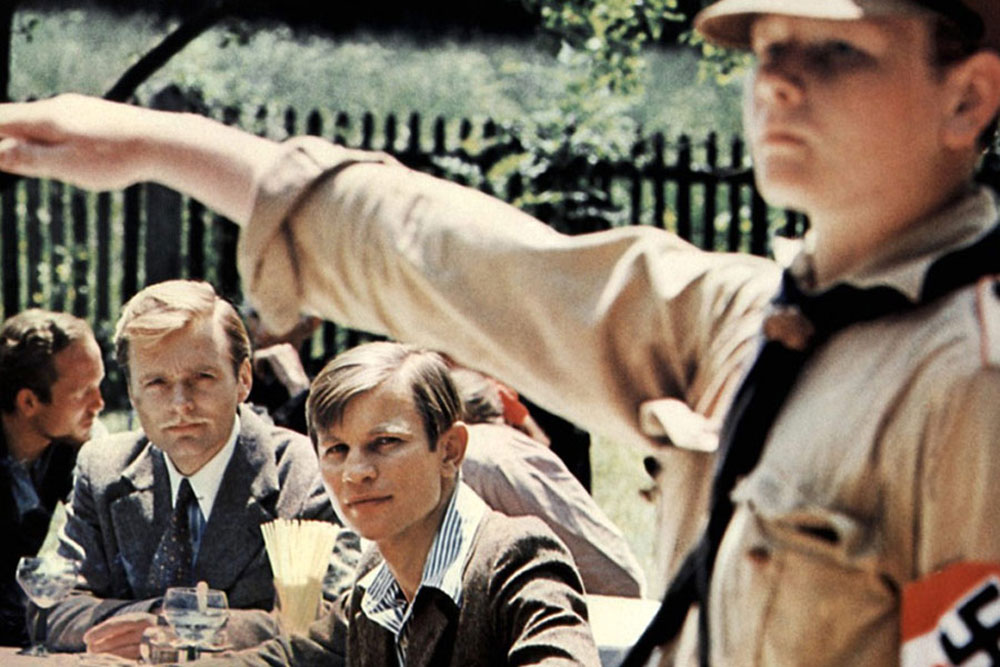
I first became aware of this movie from commercials on television, and it looked very weird to young Greg. I had no idea what the movie was about, other than it was a musical; starred Liza Minnelli; also had the gorgeous Michael York in the cast; and seemed to be set in old pre-Nazi Germany. It also came out in the same year as The Godfather, which sucked all the air out of the year when it comes to film. I had also read that book that year because of the movie…which also got me interested in Marlon Brando, which is a whole other entry. (Not to mention the sex scenes, which were really confusing in a lot of ways…especially Lucy Mancini’s over-large vagina.) But Liza was everywhere that year, too–every talk show, had her own special “Liza with a Z”, magazine covers and newspapers and periodicals like you wouldn’t believe.
I had no clue what the plot was, other than decadence and debauchery?
I remember asking a friend that year if she knew what Cabaret was about–her parents were European immigrants from after the war; her father was Czech and mother German–and she told me her parents had seen it and her mother said, “It’s all about homosexuals”, which naturally got me incredibly interested in the movie. I finally saw it several years later when it aired on television, but everything queer was sliced out of the movie and it was disjointed and didn’t make a lot of sense, so I thought well, that was shit, how did it win all those Oscars?
Because of course, all the queer stuff has been excised from the movie; the movie was basically castrated and to me, seemed like nothing more than a vehicle to move the movie along to the next musical number–many musicals are like this, so I really didn’t understand what the big deal was about this one.
A few years later, I caught the original uncut version on HBO…and have been a fan ever since.
Cabaret never should have been sold to television for airing because it had to be gutted to make it ready for prime time. I only hope no one involved with the film saw that version of it, but it really was a desecration.
By the time I saw the movie as Bob Fosse originally intended it to be seen, I had become aware of the source material: Goodbye to Berlin by Christopher Isherwood, an autobiographical novel about his experiences in Weimar Berlin and witnessing the rise of the Nazis–and how their malevolence was poisoning German society and culture. It had been adapted for the stage by John Van Druten as I Am a Camera (which is the opening sentence of the second paragraph of the book), and the play was also filmed, starring Julie Harris, who may have played Sally on stage, too. I Am a Camera was adapted into the musical Cabaret, but significant changes were made from the stage version of the musical in adapting it for the screen–and the screen adaptation also wound up causing the stage version to revised, remodeled, and reinvented as well. (And to make things even more confusing, Isherwood later wrote a memoir about that time period in Berlin called Christopher and His Kind, which was also filmed.)
I had not seen the earlier film, nor had I read the book when I saw the uncut version of Cabaret.
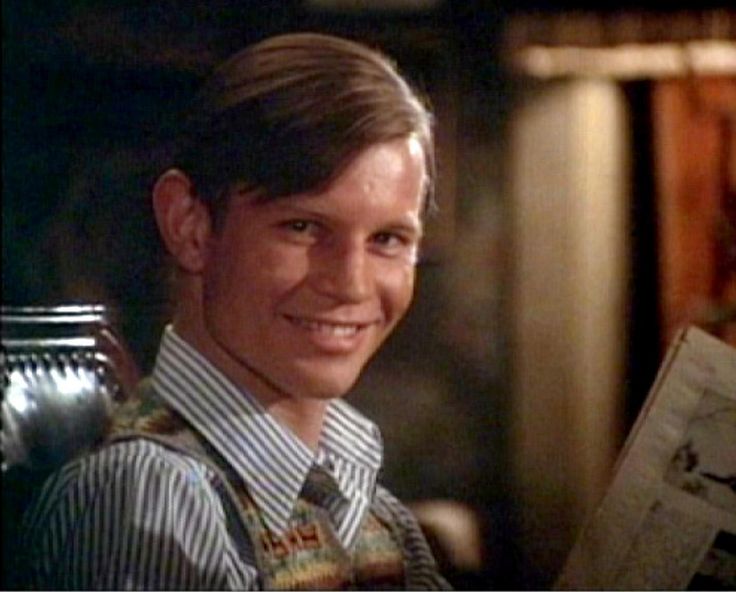
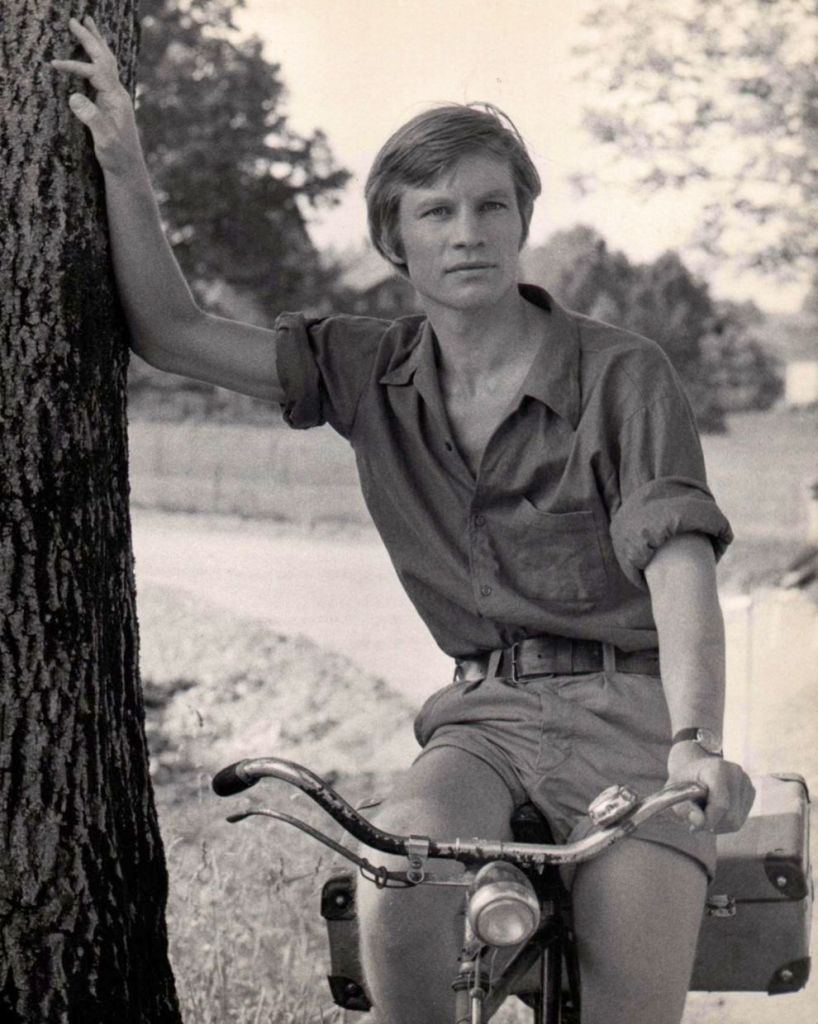
And you really couldn’t go wrong casting Michael York in the 1970s. Stunningly handsome, and that velvety voice that just dripped syrup.
I mean, really. I think this is from Something for Everyone, which is a great, little-known queer movie also starring Angela Lansbury! (There’s a watchable version uploaded to Youtube, but the sound and picture quality isn’t great.)
I rewatch the film every now and then. I went through an Isherwood phase in the late 90’s/early aughts, when I read everything he wrote, and I enjoyed them all. And when I see some political movements today (hello, MAGAts!), Cabaret is never far from my mind.
It’s astonishing that the film was even made, given that homosexuality was still considered a mental illness in 1972, and the film didn’t judge. It simply presented these alternative sexualities as normal, and while the times themselves weren’t normal, there was also a very strong sense that the Weimar period–which is endlessly fascinating, which is one of many reasons I love Babylon Berlin so much–that filled the German political vacuum between the wars wasn’t very different from the twenties everywhere else, either; a time when the society and culture rejected the old, more conservative times that led to the first war, and everyone just wanted to have a good time because so much was misery. (I often wonder how much the American Stock Market crash of 1929 had to do with the rise of fascism in Germany; it was the economy, after all, that really caused the problems, and wasn’t the global economy heavily impacted by the collapse of Wall Street? We never realize how what happens in our country affects the rest of the world, because the United States is just as narcissistic as the convicted felon the Republicans are running.)
But the underlying message of Cabaret is one that is hard to miss: that living in your own bubble and ignoring the world outside is precisely how garbage like the Nazis rise to power…the assumption that someone else will do something to take care of it, and we’ll just keep having fun. In the late 1980s and early 1990s I thought we as a country we’re headed down that path; the unholy marriage between the right wing and evangelical christianity (I will never capitalize that C because cults don’t deserve that respect) certainly made it very clear to me that there was a very large segment of the American population that would be more than happy to put all racialized people and queer people into death camps. (I even started toying with the idea for a novel about that very thing; I still think about that idea A LOT, and even more so since 2016–which is also when I started rewatching Cabaret again on a more regular basis. Cabaret, and Bob Fosse’s vision of what it should be, was very powerful; and it changed the face of what movie musicals looked like and could be, and has influenced stage and screen musicals ever since. It’s a stunningly shot film, and now I can say that I understand why Fosse won the Oscar instead of Francis Ford Coppola for The Godfather; both films are masterpieces, but Cabaret was more “showy,” and that always wins over diligent and detailed craft.
And no, the movie isn’t “all about homosexuals”–even though there’s a minor character who is a trans woman; the main character is gay and bi-curious, and Max, Sally’s other love interest, is also bi and sleeps with them both cheerily. That was VERY avant-garde attitude to have in a 1972 Hollywood movie made for American audiences.
I wonder how seeing it on the screen in 1972 might have impacted me? But I also can’t imagine my mother and sister sitting through it, either.
Cabaret is a must-see if you’re interested in queer film–or great American cinema, for that matter. And I will judge you for not seeing it. In fact, I’m doing that right now.







 Queer and Loathing in America