What a Fool Believes

I’ve always been a fool, but my brain has always worked to convince me that is not the truth. (Spoiler: it is. I am constantly amazed at how foolish I am, or have been, which is one of the many reasons I second-guess myself all the damned time.) I often deceive myself that I handle things better than I do, and it seems I often don’t have the necessary distance from things to evaluate them properly.

I finally wrote about my friendship with Dorothy Allison yesterday on my newsletter; if you are so inclined you can click there and read it (you can also subscribe while you’re there, or not, it’s up to you). She died right after the election, and I never like to share my grief publicly (still fighting that “never bleed in public” training from childhood), because it’s personal to me. Doing the reading on Sunday, I realized I was finally in a place where I could mourn her publicly. Likewise, I didn’t want to do the last-minute reading in honor of Felice Picano because it was too soon. I’ll write about Felice one day, probably this summer, when someone or something will remind me of him and I’ll know it’s time. I hate being at the point in life when you start losing friends with greater regularity. That’s the thing they never tell you about getting old–being older means getting used to loss, and really, that’s about it.

Yesterday was a decent day. It was slow at clinic so I got a lot of my admin work caught up, but I wasn’t all there, if that makes any sense. I wasn’t tired, but just felt…drained. Not sure what that was about, so I came home and did chores, watched LSU win the regional semifinal by breaking 198.00 again (GEAUX TIGERS!), so they’ll be competing in the final tomorrow, and we started watching The Residence, which got off to an interesting start before I went to bed early. I feel pretty good this morning, have some work to do here, and then later will run errands. I mean, I feel as good as I can giving the fact that retirement is beginning to look like it won’t be an option for me ever–and what is most likely is involuntary retirement because of funding cuts. Thanks again, MAGA voters, for giving me another reason to despise you with every fiber of my being–and other people might forgive you at some point, but I never fucking will, and I’ll go to my grave hating and despising you fucking racist and homophobic pieces of shit. The only thing that is getting me through this stress is the grim satisfaction of knowing they’re suffering even worse and they know it’s their own fault. I will never stop belittling and mocking them as long as I have breath in my body. Staying positive in the age of negativity is definitely a challenge…especially now that Wall Street has cratered and we are on the brink of a world-wide depression that is no one’s fault but our own.

I also realized that today’s title really works, because I still cling to the belief that somehow we’ll survive this illegitimate regime and it won’t get that terribly bad. I’ve been bankrupt before, I can live through it again, I suppose. But this is what the Republicans have been pushing for since the Reagan misadministration, which I’ve been saying for fucking decades, only to be dismissed as lightly as Cassandra on the walls of Troy (I really would love to write from her perspective; I can imagine no curse greater than being able to see the future only to have no one believe you. No wonder she went mad)? There have been few, if any, good Republicans since the party was overhauled when everyone who’d really experienced the Great Depression1 was dead and couldn’t remind everyone of the policies that led to that disaster. And here we are, almost to the hundred year anniversary of the stock market crash and the depression that followed.

Americans never learn from their history and always repeat it. We are not a nation of smart people.

And on that truly sad note, I’ll head into the spice mines. Have a great day, Constant Reader, and I will definitely check in on you either later or tomorrow.

  1. Worth mentioning that the collapse of our economy led to the same thing, only worse, around the world, which led to the rise of fascism. In true American narcissism, the Great Depression is always taught as an American issue, rather than a global one–another way history is taught incorrectly. ↩︎

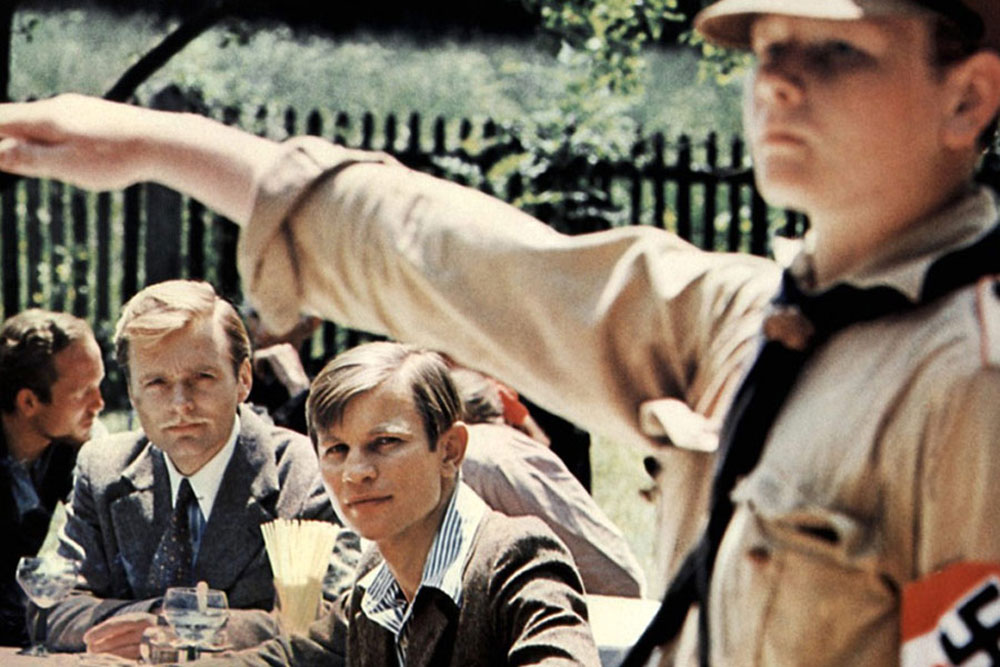
Tomorrow Belongs to Me

Ah, Cabaret.

I first became aware of this movie from commercials on television, and it looked very weird to young Greg. I had no idea what the movie was about, other than it was a musical; starred Liza Minnelli; also had the gorgeous Michael York in the cast; and seemed to be set in old pre-Nazi Germany. It also came out in the same year as The Godfather, which sucked all the air out of the year when it comes to film. I had also read that book that year because of the movie…which also got me interested in Marlon Brando, which is a whole other entry. (Not to mention the sex scenes, which were really confusing in a lot of ways…especially Lucy Mancini’s over-large vagina.) But Liza was everywhere that year, too–every talk show, had her own special “Liza with a Z”, magazine covers and newspapers and periodicals like you wouldn’t believe.

I had no clue what the plot was, other than decadence and debauchery?

I remember asking a friend that year if she knew what Cabaret was about–her parents were European immigrants from after the war; her father was Czech and mother German–and she told me her parents had seen it and her mother said, “It’s all about homosexuals”, which naturally got me incredibly interested in the movie. I finally saw it several years later when it aired on television, but everything queer was sliced out of the movie and it was disjointed and didn’t make a lot of sense, so I thought well, that was shit, how did it win all those Oscars?

Because of course, all the queer stuff has been excised from the movie; the movie was basically castrated and to me, seemed like nothing more than a vehicle to move the movie along to the next musical number–many musicals are like this, so I really didn’t understand what the big deal was about this one.

A few years later, I caught the original uncut version on HBO…and have been a fan ever since.

Cabaret never should have been sold to television for airing because it had to be gutted to make it ready for prime time. I only hope no one involved with the film saw that version of it, but it really was a desecration.

By the time I saw the movie as Bob Fosse originally intended it to be seen, I had become aware of the source material: Goodbye to Berlin by Christopher Isherwood, an autobiographical novel about his experiences in Weimar Berlin and witnessing the rise of the Nazis–and how their malevolence was poisoning German society and culture. It had been adapted for the stage by John Van Druten as I Am a Camera (which is the opening sentence of the second paragraph of the book), and the play was also filmed, starring Julie Harris, who may have played Sally on stage, too. I Am a Camera was adapted into the musical Cabaret, but significant changes were made from the stage version of the musical in adapting it for the screen–and the screen adaptation also wound up causing the stage version to revised, remodeled, and reinvented as well. (And to make things even more confusing, Isherwood later wrote a memoir about that time period in Berlin called Christopher and His Kind, which was also filmed.)

I had not seen the earlier film, nor had I read the book when I saw the uncut version of Cabaret.

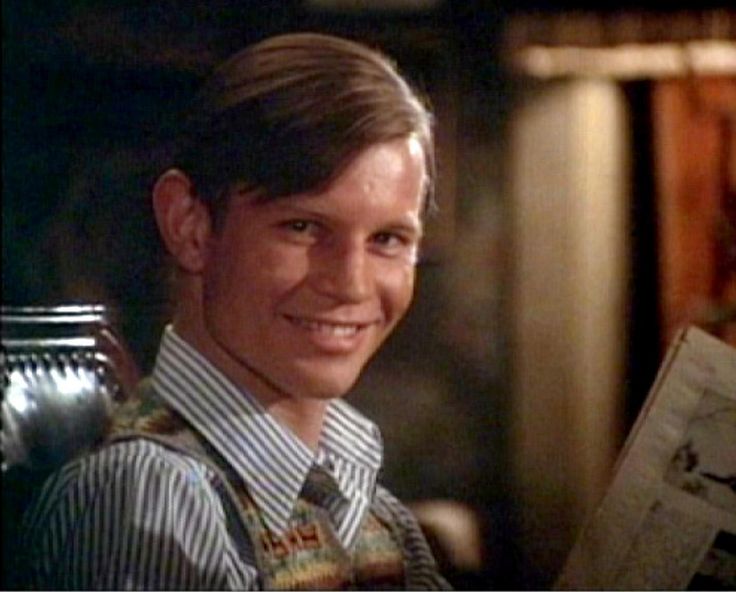
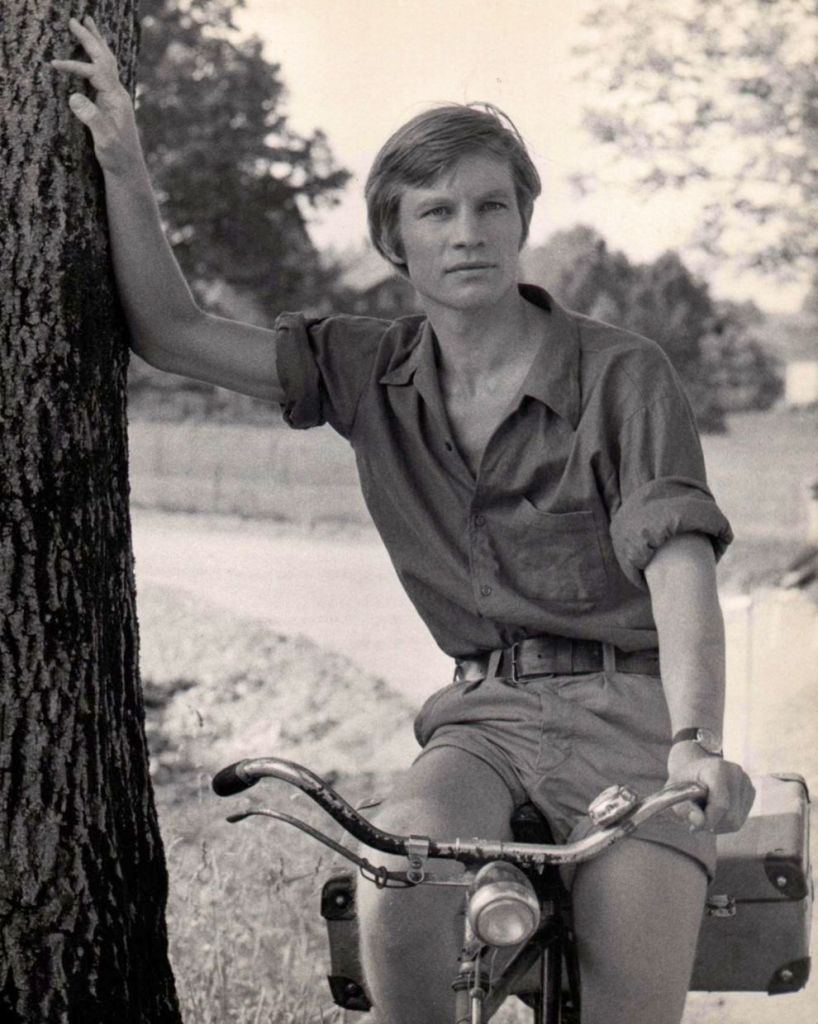
And you really couldn’t go wrong casting Michael York in the 1970s. Stunningly handsome, and that velvety voice that just dripped syrup.

I mean, really. I think this is from Something for Everyone, which is a great, little-known queer movie also starring Angela Lansbury! (There’s a watchable version uploaded to Youtube, but the sound and picture quality isn’t great.)

I rewatch the film every now and then. I went through an Isherwood phase in the late 90’s/early aughts, when I read everything he wrote, and I enjoyed them all. And when I see some political movements today (hello, MAGAts!), Cabaret is never far from my mind.

It’s astonishing that the film was even made, given that homosexuality was still considered a mental illness in 1972, and the film didn’t judge. It simply presented these alternative sexualities as normal, and while the times themselves weren’t normal, there was also a very strong sense that the Weimar period–which is endlessly fascinating, which is one of many reasons I love Babylon Berlin so much–that filled the German political vacuum between the wars wasn’t very different from the twenties everywhere else, either; a time when the society and culture rejected the old, more conservative times that led to the first war, and everyone just wanted to have a good time because so much was misery. (I often wonder how much the American Stock Market crash of 1929 had to do with the rise of fascism in Germany; it was the economy, after all, that really caused the problems, and wasn’t the global economy heavily impacted by the collapse of Wall Street? We never realize how what happens in our country affects the rest of the world, because the United States is just as narcissistic as the convicted felon the Republicans are running.)

But the underlying message of Cabaret is one that is hard to miss: that living in your own bubble and ignoring the world outside is precisely how garbage like the Nazis rise to power…the assumption that someone else will do something to take care of it, and we’ll just keep having fun. In the late 1980s and early 1990s I thought we as a country we’re headed down that path; the unholy marriage between the right wing and evangelical christianity (I will never capitalize that C because cults don’t deserve that respect) certainly made it very clear to me that there was a very large segment of the American population that would be more than happy to put all racialized people and queer people into death camps. (I even started toying with the idea for a novel about that very thing; I still think about that idea A LOT, and even more so since 2016–which is also when I started rewatching Cabaret again on a more regular basis. Cabaret, and Bob Fosse’s vision of what it should be, was very powerful; and it changed the face of what movie musicals looked like and could be, and has influenced stage and screen musicals ever since. It’s a stunningly shot film, and now I can say that I understand why Fosse won the Oscar instead of Francis Ford Coppola for The Godfather; both films are masterpieces, but Cabaret was more “showy,” and that always wins over diligent and detailed craft.

And no, the movie isn’t “all about homosexuals”–even though there’s a minor character who is a trans woman; the main character is gay and bi-curious, and Max, Sally’s other love interest, is also bi and sleeps with them both cheerily. That was VERY avant-garde attitude to have in a 1972 Hollywood movie made for American audiences.

I wonder how seeing it on the screen in 1972 might have impacted me? But I also can’t imagine my mother and sister sitting through it, either.

Cabaret is a must-see if you’re interested in queer film–or great American cinema, for that matter. And I will judge you for not seeing it. In fact, I’m doing that right now.