Drive

It is cold, gray and wet again this morning in New Orleans; the high is predicted to be 42. 42! Honestly. I turned the heat on yesterday and honestly, forgot to turn it off before i left for the day–and usually this makes the upstairs an inferno. Nope, it was merely comfortable up there when I got home from work last night. So, I turned it off when I went to bed, and turned it back on again this morning as I shiver at my computer. Heavy sigh.

But Paul comes home tonight, hurray! And it’s also Friday, so I have a short day today to usher in the weekend. I got an unexpected royalty check yesterday–it’s so lovely that the Frat Boy books from Kensington are still selling, all these years later–and that altered my weekend errand plans somewhat. There’s also no Saints game on Sunday, nor any college football, so I have absolutely no excuse to not clean and edit and write this weekend. I do hate that college football season is over almost entirely, but hey–what can you do? LSU did far better than I could have hoped after a rocky start, and the Saints did a lot better than I thought they would have, especially after that 0-2 start.

Last night, I finished reading Patricia Highsmith’s The Blunderer, and started rereading Larry McMurtry’s The Last Picture Show, which is my favorite novel of his. I read it the first time when I was about twelve, I think; and have reread it several times since; but I haven’t read it again in over twenty years, and I found a copy when I was cleaning out the storage unit and dragged it out. It’s not the first book people think of when they think of McMurtry–that would most likely be his Pulitzer Prize winning Lonesome Dove–and I’ve read a lot of McMurtry–not all of it, certainly–but I’ve always had a special regard for this novel. But I’ll talk more about that when I’ve finished the reread.

Meanwhile, The Blunderer by Highsmith was quite an interesting read.

276203

The man in dark-blue slacks and a forest-green sport-shirt waited impatiently in the line.

The girl in the ticket booth was stupid, he thought, never had been able to make change fast. He tilted his fat bald head up at the inside of the lighted marquee, read NOW PLAYING! Marked Woman,  looked without interest at the poster of a half-naked woman displaying a thigh, and looked behind him in the line to see if there was anyone in it he knew. There wasn’t. But he couldn’t have timed it better, he thought. Just in time for the eight o’clock show. He shoved his dollar bill through the scallop in the glass.

“Hello,” he said to the blonde girl, smiling.

“Hello.” Her empty blue eyes brightened. “How’re you tonight?”

It wasn’t a question she expected to be answered. It wasn’t.

And so begins Patricia Highsmith’s third novel. The thing that is so terrific about Highsmith is you really never know what you’re going to get with her; her plots are fiendishly original and clever, and so deliciously dark and relatable in some way. The Blunderer opens with Melchior Kimmel establishing an alibi for himself by going to see a film and being seen…and once seen and recognized, he keeps going and exits, heads for his car and then follows a bus north. At a designated rest stop he parks out of sight, finds his wife, who has gotten off the bus, convinces her to follow him to go and chat, and once they are out of sight he brutally murders her.

He gets away with it, too–he was seen at the movie theater, remember, and no one saw him at the rest stop. His wife’s murder remains unsolved.

Until lawyer Walter Stackhouse sees a notice in the paper about the murder. It intrigues him. He writes essays, or wants to write essays, about what he calls ‘unequal friendships,’ where one friend is lesser than the other and yet the better friend seems to get dragged along by the other. This murder fascinates him, and he starts trying to think how the husband could have done it and gotten away with it…and actually figures it out. Walter is also unhappily married; his wife, Clara, is frankly awful and is trying to ruin his friendships with other people and isolate him; yet she also makes him terribly unhappy. He tried to leave her once before and she threatened to kill herself, so they patched things up. But he is now introduced to another young woman whom he’s attracted to…and somehow Clara has figured this out and continues to make him miserable.

His idle fascination with the Kimmel murder eventually leads him to visit the bookstore Kimmel owns and operates, orders a book, and decides, after having seen Kimmel, that he must be innocent. His own life, meantime, gets worse. He tells Clara he wants a divorce and she attempts suicide. She gets out of the hospital and is just as awful as ever…and then her mother dies and she has to go back to her hometown in Pennsylvania to attend to things. She takes the bus. Obsessed with the Kimmel case, and wondering if he could, in fact, kill his own awful wife…he follows her bus in his car. When they reach a rest stop, he gets out of his car and looks for Clara…and cannot find her. But he’s seen…and later, Clara’s body is found at the bottom of a cliff. Suicide or murder? The police think it’s suicide at first…but the similarity to the Kimmel case is there….and his own fascination with that case now comes back to bite him in the ass.

I greatly enjoyed this book, as I have all of Highsmith’s that I’ve read thus far, and I love how she deftly changes directions in ways the reader cannot see coming. You can’t help but feel for Walter in his horrible dilemma, and the way his life starts to slowly spiral out of control all because he happened to read about an interesting murder in the newspaper. As the weird connections between the two cases slowly come to light, no one believes Walter is innocent–not the police, his friends, his co-workers, his maid, nor even his new love. It’s an extraordinary story, and the way Highsmith heightens the tension until it’s almost unbearable, the two parallel stories crossing and recrossing, is quite exceptional.

Highly recommended.

Sister Christian

It’s cold, gray, and damp in New Orleans this morning. I would guess it’s probably less than sixty degrees inside the Lost Apartment–I am wearing a wool cap and my hands are cold as I type this–but I also have a short day of work today, and I intend to use this time wisely this morning–writing, cleaning, etc. Paul returns home tomorrow everning late; so I am going to need to finish cleaning the upstairs. I bought our advance tickets for Star Wars VIII: The Last Jedi yesterday; Sunday of opening weekend so I won’t have to avoid spoilers on-line as long as I did for The Force Awakens. Woo-hoo!

I’m about halfway through Patricia Highsmith’s The Blunderer, and marveling at how bleak her world view is, to be honest. Highsmith writes in a very distant third person point of view, and her voice is terribly matter-of-fact, which makes the reality of the story she is telling much worse. Highsmith is a master of the wrong-place-wrong-time suspense tale; which is something I absolutely love. These kinds of stories build suspense naturally; the reader and the main character know they’re innocent of any wrong-doing, but no one else believes them, which also tends to make them paranoid and the pacing picks up the more paranoid the main character becomes. I sort of did this in Bourbon Street Blues, only Scotty’s only crime was to be the unwitting recipient of something both the villains and the FBI wanted to get their hands on. You can’t, of course, turn that type of a tale into a series, although part of the problem I’ve always had with writing Scotty books is I’ve always tried to turn each new book into a traditional mystery series tale, and Scotty books aren’t, and should never be, a traditional mystery tale. I always run into trouble when I try to make them out to be that way.

Heavy sigh.

I managed to get some work done on a short story yesterday as well; I’d love to get that first draft finished sooner rather than later, so I can polish it and get it into submission-ready shape.

Lord, it’s cold in the kitchen this morning. I may have to go get a blanket in a moment.

Christmas looms on the horizon, and I have yet to shop for anything. I will finish the Christmas cards this weekend–yes, I actually started addressing them and signing them and putting them into envelopes; I may even get them in the mail so people can receive them before the holiday, look at ME adulting–and I also probably should do some shopping this weekend. I need to make up my mind whether I want to simply shop on-line or if I want to actually brave a mall. I used to abhor malls, but over the years as I spend less time in them the rare occasions I actually go to them turn out to be kind of enjoyable. Lakeside Mall has both an Apple Store and a Macys, and that’s usually all I need to do at a mall, besides the Food Court–I always treat myself to something at the Food Court whenever I go to one; and yes, I am aware how weird it is that fast food is something I consider a treat. But I never eat fast food; there’s really not anything conveniently accessible, which made moving into this neighborhood a genius move for that reason alone.

And on that note, I think it’s time for me to head back into the spice mines.

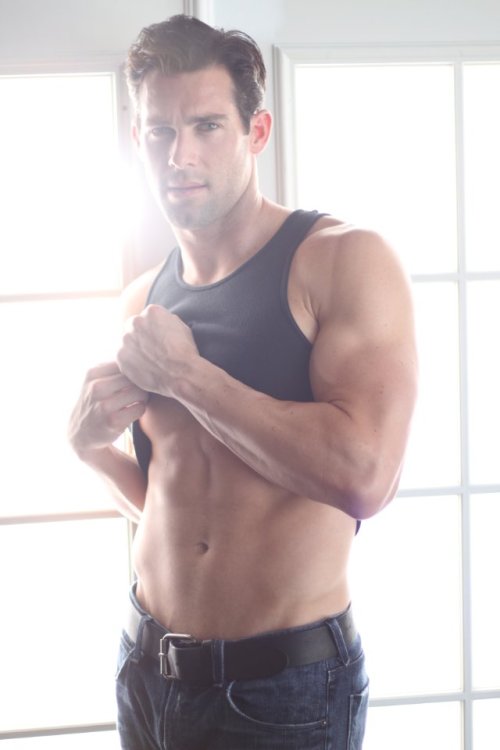
Here’s a Calvin Klein ad for your delectation; Marky Mark from the 1990’s for Throwback Thursday.

mtTyV-e_KgCwzELoBXyhSkg

Here Comes the Rain Again

It started raining yesterday, and hasn’t really let up since; and it has brought a biting, bitter cold with it. As such I slept later than I intended to this morning–Wednesdays being one of the days I have the luxury of not needing to use an alarm–but nevertheless, I am not awake,, wearing sweats and swilling coffee.

I finished reading Donna Andrews’ delightful How the Finch Stole Christmas last evening, curled up in my easy chair under a blanket, and started reading Patricia Highsmith’s The Blunderer, which, as always with Highsmith, is enthralling. Highsmith is one of my favorite writers, but I’ve never read her entire oeuvre since there will never be new Highsmith novels to read; this way there’s always more of them I haven’t read yet (I have also done this with Shirley Jackson and Daphne du Maurier); but after I finished the Andrews–which was an absolutely lovely comfort read–I wanted something a bit more biting and snide–and for that, you really can’t go wrong with Highsmith. The Blunderer is one of the novels curated by Sarah Weinman for the Library of America series about terrific women crime writers from the post-war era; Weinman’s ringing endorsement is one that simply should not be overlooked–she’s never wrong. I got several chapters into it last night before going to sleep, and am definitely looking forward to doing the same again this evening.

How the Finch Stole Christmas is a delight from start to finish, as are all of Donna Andrews’ Meg Langslow series.

Scan

“Shakespeare was right. The first thing we do, let’s kill all the lawyers.”

“I wish I could hear you say that in person,” I said.

“Yeah, over the cell phone you miss all my dramatic gestures.” Michael’s voice sounded more exasperated than angry. And since I knew my husband wasn’t usually prejudiced against the legal profession, I was puzzled instead of worried.

“Are you someplace where you can talk?” he asked.

“I’m not at the theater, if that’s what you mean. Reverend Robyn wanted to see me about something. At the moment, I’m over at Trinity, sitting in her office, waiting for her to solve a Christmas pageant prop emergency, so until she comes back, I’m at your service.”

The other night, I watched All About Eve again for perhaps the thousandth time, with a young friend who’d never seen it before. One of my favorite lines in the film is not one that is quoted regularly; Karen and Margo are sitting in the car, out of gas on their way to the train to take Margo back into the city for the evening performance she is going to miss. Margo turns on the radio, and some maudlin orchestral music plays for a few moments, with the camera focused on Margo’s face, one eyebrow arched. She turns the radio off and says, “I detest cheap sentiment.”

One of my biggest issues with Christmas is precisely that; cheap sentiment. I used that quote as an epigram for my Christmas anthology Upon a Midnight Clear, because I didn’t want to publish stories that were emotionally manipulative, and the stories in the book weren’t. Christmas is nothing if not a holiday rife with cheap, manipulative sentiment, and many carols and shows and movies mine this territory to the point where by the actual day’s arrival, I am so completely over the holiday and the saccharine-sweetness that I am almost afraid to turn on the television.

Donna Andrews, as Constant Reader already knows, or should by now, is one of my favorite writers and her Meg Langslow series is also one of my favorites. This is the fourth Christmas book in the series (following Ducks the Halls, Six Geese a-Slayin’, and The Nightingale Before Christmas), each more charming than the last–which is no easy feat. Andrews’ ability to keep this series fresh with each successive volume–and witty–is the mark of a master. Meg loves Christmas; the charming Virginia hamlet of Caerphilly she calls home feels much the same way–to the point where it has turned into a Christmas tourist destination (in no small part due to Meg’s efforts).

This year, rather than having a staged reading of A Christmas Carol, starring Meg’s husband (a retired actor who now teaches at the local college, and also appeared on a television series that has remained a cult hit for decades), the town has decided to mount a full production,  starring Malcolm Haver, a has-been actor who also starred in a television series back in the 80’s, and has a small but devoted following, as Scrooge. Haver has a drinking problem, can’t remember his blocking and his lines, and is a little on the irascible side…but has an ironclad contract for run of the play. Meg and her friends have managed to ensure that no one in town will sell Haver alcohol–but he is still getting it somewhere; and that’s what kicks this clever whodunnit off.

As always, the charms of the town, the wonderful people that live there, and of course Meg’s own ability to face everything with a “how do I fix this” attitude and a clever line makes this a fine addition to the series, and as ever, all’s well that ends well in this Christmas visit to Caerphilly. A perfect read for the Christmas season.

Eyes Without a Face

Monday morning, and I’m not really too bummed about the end of a weekend and the start of a new work week. I had a relatively nice weekend; I did a lot of cleaning and did some writing and editing; I went to a wonderful Christmas party on Saturday night and got to spend time with people whose company I always enjoy; and I slept really well all weekend. I am not sluggish or tired this morning, either–although the morning is slipping through my fingers much faster than I would like it to. I have almost finished reading Donna Andrews’ How The Finch Stole Christmas,which is terrific (I’ve laughed out loud a couple of times), and I also started slowly reading Joan Didion’s Miami, which is also pretty amazing. As I may have mentioned the other day, I watched the documentary about her, The Center Will Not Hold, the other night, and it had some pretty interesting things to say about writing. And the way she uses language is most impressive; in Miami she used a great John James Audubon quote that I’m going to use to open Sunny Places Shady People, the Bouchercon anthology for St. Petersburg.

Which is cool.

I finished a short story this weekend–“Passin’ Time”–and writing that story (which the editor loved, which was a wonderful confidence booster for the weekend) also, along with a conversation I had with a friend about the Scotty book at the party Saturday night seems to have blew out the rust in my head and kicked me back into gear. I got some writing done this weekend, and it wasn’t hard, I didn’t have to make myself do it, and it didn’t feel like pulling teeth or ripping out hair, strand by strand. That doesn’t mean that other things are now going to be easier to write, or that I’ve jump-started my writing mode, but I can’t help but think things are going to go a lot more smoothly now than they have been. But…I feel  a lot more confident about it, and isn’t that really the most important thing? And when the writing finally starts flowing…it’s such a great feeling.

It’s hard to explain, but writing is so integral to who I am that when I am not writing it does affect my moods, and even my sleep (I slept so well last night!). I am looking forward to getting some more writing done tonight; I have a short story due by the end of December, have some stuff that needs to be edited, and of course, there’s always Scotty and the WIP, and the Scotty Bible to get done…so much work to do, but for the first time in a long time I’m not looking at it as a Sisyphean task but rather a challenge.

It’s interesting, but I think talking to my friends at the Christmas party on Saturday night, talking about books and writing and so forth–and New Orleans, how it has changed over the years since I first moved here–had something to do with that as well. It was while I was talking to my friend Susan that I realized this is what is wrong with the Scotty book and why it isn’t working; why you can’t get to serious work on it. You knew there was a big hole in the story and it didn’t make sense; you’ve basically just said so out loud….knowing that, you now need to either fix the hole in the plot or start over with a new one.

And frankly, that isn’t too frightening.

And so, back to the spice mines. Here’s today’s Calvin Klein ad:

76b94d7385c4d04c85e2aa08494da6de


Sunglasses at Night

Sunday morning. Last evening I went to a Christmas party and had an absolutely lovely time; but stayed much longer than was probably warranted and got home much later than I should have. But there were lots of laughter, and I got to hang out with friends that I don’t see nearly enough, and so overall, I would classify it as a win. I also slept beautifully and deeply and restfully after getting home, so that, too, was absolutely lovely.

Today I have to do a lot of writing; I finished a project yesterday, which was also lovely, and managed to get the cleaning of the downstairs finished. Today I will move to the upstairs, doing cleaning and organizing when I take breaks from the writing/editing I have to do. I also will read some more of Donna Andrews’ How the Finch Stole Christmas when I can; hopefully wrapping up reading it this evening as well. I’m not sure what I am going to read next; I am rather torn between a reread of George Baxt’s A Queer Kind of Death, Joan Didion’s Miami, Dashiell Hammett’s The Dain Curse (also a reread), or something else in the pile. I also haven’t done my annual reread of Rebecca, but I think I am going to save that for actual Christmas. There are also some other duMauriers lying around the apartment I haven’t read that I need to (The House on the Strand, The Progress of Julius, The Scapegoat), some Ross MacDonalds, many Margaret Millars, and so many other books by writers I adore and am way behind on–I still have Stephen Kings that are languishing on my shelves, unread–and of course, come January it’s going to be Short Story Month again.

I also have another short story to write that I keep forgetting about, which, of course, is insane. (Note to self: put post-it note up on computer.)

But the good news is I am finally feeling motivated again about writing; this past year hasn’t been, for me, a good one as far as writing is concerned. I had a long conversation with my friend Susan last night about the current Scotty and the problems I’m having with it–and of course, while talking about the problems out loud with her I solved the problem. (It really is amazing, isn’t it, how saying things out loud can make a difference and make you see what’s been missing? The same thing happened with the WIP when I was chatting about it with my friend Wendy in Toronto–as I spoke I could see in my head what I needed to add, and then she put her finger right on the problem and pointed it out just as I was coming to the realization, which confirmed that it was the correct one. Again, it’s all a matter of having the time to make these fixes, but now that I know whatI need to fix, well, that makes it all a lot easier.

I also finished post-it-noting Garden District Gothic yesterday while watching the first half of the SEC championship game, so the Scotty Bible also proceeds apace, which is also lovely.

So much I need to get done this month!

And on that note, it’s back to the spice mines.

CalvinKlein11

Borderline

Saturday morning. I have a lot of writing to do this weekend, and a lot of cleaning, My kitchen is a mess, but I made progress on the living room last night while reading Ivy Pochoda’s Wonder Valley, and am now reading How the Finch Stole Christmas by Donna Andrews. It’s a lovely comfort read; I love Andrews’ series, the characters, the lovely life of the small town of Caerphilly, where everyone cares about everyone else and has no problem stepping up when needed. It’s an idealized world that I wish were real…and Andrews’ Christmas novels are splendid; this is her fourth. It somehow seems apt to be reading an Andrews Christmas novel during the season,

It’s chilly in the Lost Apartment this morning, and I am washing all the towels (it’s a long, OCD related story, don’t ask) while I wake up and warm up with coffee. I am going to a Christmas party this evening; the first of the season, and one of my personal favorites: my friends Pat and Michael’s, with a splendiferous view of downtown New Orleans and Audubon Park. (I always try to take pictures from their balcony with my phone, but they don’t always turn out so well.) I need to finish that short story today, which reminds me of something really funny. The other day I said I hadn’t written a story for the second Lambert-Cochrane anthology, Foolish Hearts, and then yesterday when I was cleaning and reorganizing books…I saw two copies of Foolish Hearts sitting on one of the shelves in the bookcase where I keep my copies of  my books and anthologies I’ve been in. I literally did a double take; what on Earth? What story did I write for that anthology? I took one of them down, flipped it open to the table of contents, and there it was: Touch Me in the Morning by Greg Herren.

Two days ago, I would have bet anyone a thousand dollars that I never finished the story “Touch Me in the Morning” nor contributed anything to Foolish Hearts.

Kind of makes me wonder what else I’ve forgotten.

I woke up alone.

It wasn’t the first time, and it most likely wouldn’t be the last, either.

I could count on one hand the number of times a guy had spent the night with me—genus gay pick-up always seemed to slip out in the middle of the night, desperate to avoid that awkward conversation in the morning, with the exchange of phone numbers that would never be dialed.

Yet somehow, against all odds, I’d hoped this time somehow would be different.

I lie there in my empty bed, eyes still closed, with daylight bleeding through the blinds. I chided myself for having hoped, for even taking the moment to wonder if maybe he was in the kitchen making coffee, or in the bathroom. When will you learn? I thought, softly pounding the mattress with a fist, life isn’t a Disney movie—your prince may not come—stop being such a hopeless romantic.

But was it so sentimental, too much to ask, to want to wake up with his body spooned against mine?

I was time to face reality. I couldn’t hide in bed all day, so I pried my eyes open. My lashes were gummy, and my head felt like it was hosting a heavy metal battle of the bands. I sat up in bed and fought a wave of nausea as I lit a cigarette, not yet having the energy to go to the bathroom and brush my teeth and splash water in my face first. My stomach lurched against the combination of the taste of the smoke, the fur that had grown on my teeth, my swollen tongue, and the aftermath of too much alcohol and tobacco from the night before.

God, I’d been drunk.

Maybe that was the best way to play it. Too much alcohol added to smoking too many joints plus the depression from being dumped for the umpteenth time this year—wouldn’t that justify just about anything short of committing murder?

I closed my eyes and groaned, wishing I’d had the sense to die in my sleep.

How could I face Dennis this morning?

I looked at the clock. It was ten thirty. I closed my eyes and thought about it. He always taught an early morning aerobics class at six on Mondays, and then trained clients until about eleven. He’d be free after that until the late afternoon, and always came home, usually taking a nap to rest up for the next round of classes and clients. Maybe that’s why he left, I rationalized. Of course—he had to go to work, and I had been sleeping the sleep of the damned, the drunk, and over-indulged. Maybe he’d tried to wake me up to say goodbye before he left, but I was too unconscious to wake up.

There might be a note in the kitchen.

I remember when I wrote this story to begin with; I have absolutely no recollection of finishing it or revising it or anything, seriously. It was part of a series of interconnected short stories I was writing about a group of gay guys who all lived around a courtyard in the French Quarter–the courtyard I actually used in Murder in the Rue Dauphine and my story “Wrought Iron Lace”–which I basically was hoping to turn into a book called The World is Full of Ex-Lovers. That book, obviously, never happened.

And now, back to the spice mines as I wonder what else I’ve written and published and forgotten.

sex-appeal

She Bop

Well, the brake light thing was nothing serious; merely an internal computer malfunction of some sort, so the internal computer had to be reset, which took longer than I would have liked, but I love my dealership and I love my car, and sitting there gave me the opportunity to finish reading the amazing Ivy Pochoda novel, Wonder Valley.

Scan

He is almost beautiful–running with the San Gabriels over one shoulder, the rise of the Hollywood Freeway over the other. He is shirtless, the hint of swimmer’s muscle rippling below his tanned skin, his arms pumping in a one-two rhythm in sync with the beat of his feet. There is a chance you envy him.

Seven a.m. and traffic is already jammed through downtown, ground to a standstill as cars attempt to cross five lanes, moving in increments so small their progress is nearly invisible. They merge in jerks and starts from the Pasadena Freeway onto the Hollywood or the Santa Ana. But he is flowing freely, reverse commuting through the stalled vehicles.

The drivers watch from behind their steering wheels, distracted from toggling between radio stations, fixing their makeup in the rearview, talking to friends back east for whom the day is fully formed. They left home early, hoping to avoid the bumper to bumper, the inevitable slowdown of their mornings. They’ve mastered their mathematical calculations–the distance x rate x time of the trip to work. Yet they are stuck. In this city of drivers, he is a rebuke.

When I was watching the Joan Didion documentary, I was stuck by something that was said about Ms. Didion’s work; that she wrote beautiful sentences about terrible things. It was a terrific quote, and as I was currently savoring Ms. Pochoda’s stunningly brilliant novel, particularly apt: because that is what Wonder Valley is;  beautiful writing about terrible things.

The prose is spare, like James M. Cain’s and Megan Abbott’s; each word chosen with care for its evocative power with an economy of writing that it so much more difficult to do than being overly florid. The novel is complexly structured as well; bouncing around in time between something awful that happened in 2006 and how the ripples from that event are affecting 2010, the current day. She juggles timelines and points of view effortlessly, and changes the rhythm of her words accordingly so that each point of view has a distinctive voice and view point; you can tell by tone and sentence structure what point of view you are seeing the story from without having to know the character.

That is some seriously mad skill.

There were parts of this novel that reminded me of my favorite James M, Cain novel (Serenade); and having been to Palm Springs and that area, she captures the bleak beauty of the desolation of that sun-blasted arid area. Her characters are fully formed, damaged, lost, trying to cope with issues of guilt and damage with varying degrees of success and failure, yet these deeply flawed people are heroic in their simplicity, their desire to move on and affect change in their lives they are somehow powerless to achieve; the shadows of guilt are too long and have consequence. They are so brilliantly drawn and developed that you want them to succeed; whether it’s Britt’s struggle with her own self-destruction; Ren’s attempts to move past a crime he committed when he was twelve; James’ being trapped in a life not of his own design because of a mistake; Blake’s dark desire for vengeance. Their lives cross and intersect on a Los Angeles traffic jam. This is a difficult style of story to pull off; dating back to The Bridge of San Luis Rey by Thornton Wilder; which was a Pulitzer Prize award winning novel about a group of people who died in a bridge collapse, and how their interrelated lives all brought them together on the bridge that fateful day. The lazy way to do this kind of story is, of course, the Arthur Hailey formula (Airport, Hotel), but the way Pochoda has done it is worthy of Wilder, maybe even surpasses his own novel which created the trope. She also explores class in how each of the characters have dealt with their own guilt–and only Ren was actually punished by the system, of course; people of color are always punished by our system, while the wealthy white lawyer, the daughter of privilege, even the white son of the cult leader live in prisons of their own mind and guilt–and even those mental prisons are colored by their own levels of privilege.

It’s not an easy read, but it is a book to be read and savored and cherished.

I’d not read her first novel, Visitation Street, but it’s definitely moved closed to the top of the pile. I would be very surprised if Wonder Valley doesn’t make Best of lists and award shortlists. It’s simply extraordinary writing and story-telling.

I Guess That’s Why They Call It The Blues

My brake light came on in my car yesterday, so I have to take today off to take it in to the dealer for an inspection at eleven this morning. Hardly thrilling, and not how I wanted to spend my day–but Ivy Pochoda’s Wonder Valley will make the trip with me, so there’s that. The book continues to enthrall me; it really is quite remarkable, and I don’t think I’ve read anything quite like it before, either.

That is quite an accomplishment.

Writing/working on that short story the other day seems to have shaken me out of the glumness about writing/career that I’ve been experiencing lately; there will obviously continue to be peaks and valleys, but I am thinking more about being pushed, and pushing myself to do better work. I watched the Joan Didion documentary last night, The Center Will Not Hold, and that, too, was inspirational. Writing should always be about your quest to find the truth, whether it’s about a situation or your characters or your work or your life; a way of learning,  not only about the world but primarily about yourself. I am going to finish that story today–after the car dealership–and then I am going to work on some other things. I am also going to clean the Lost Apartment a bit, possibly run to the gym for a light workout–something I’ve been putting off for quite a while–and get organized, with a plan to get me through the rest of the year.

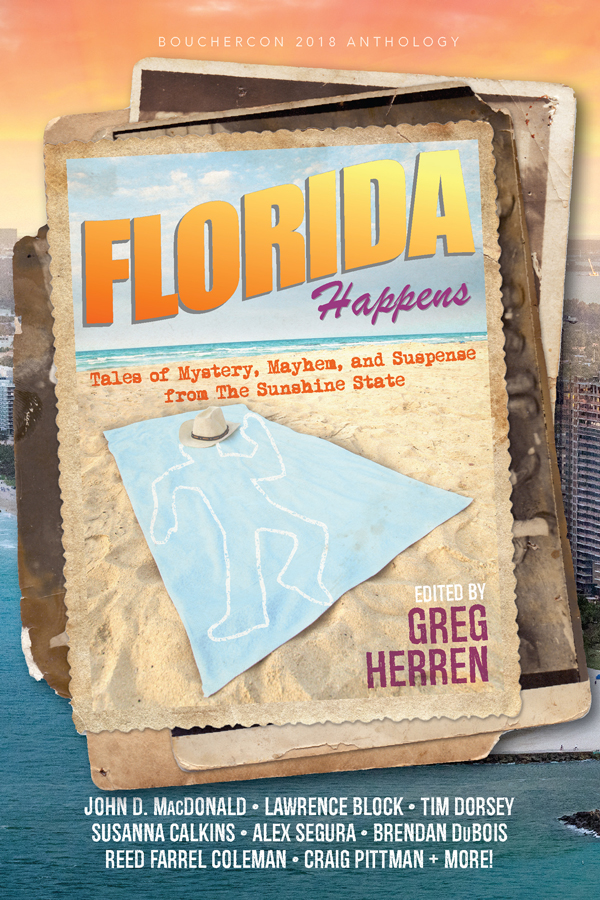
I am most likely going to read Donna Andrews’ latest, How the Finch Stole Christmas, when I finish reading Ivy’s wonderful book, but I may read Joan Didion’s Miami soon as well; I’ve never read any Didion. I’m aware of her, and her body of work, but I could have sworn I had a copy of Play It as It Lays around her somewhere, but I looked for it last night and couldn’t find it. It also required me to look in a vastly neglected bookcase, the one nestled in the corner where the staircase makes its first ninety degree turn on its way upstairs, and I noticed a lot of books that I’ve not only been meaning to read but others that I’ve forgotten that I owned. It’s always fun, for me, to look at a book and try to remember it’s provenance, how it founds its way into my collection: oh, yes, I met him at a conference and he was lovely; oh, someone mentioned this book on a panel I was on and I was intrigued by it; oh, I was wondering what happened to this book, I remember going to the signing and enjoying the talk immensely; and so on The only Didion I can lay my hands on right now is Miami, which seems like a perfect time for me to read since I am getting ready to start working on the Florida Bouchercon anthology. Didion may just be my muse; I’ve been thinking about writing a sort of memoir lately (because that is what the world needs; another memoir from a writer), but it’s something I’ve unknowingly been gathering material on for many years, and rediscovering my journals will be an immense help in that regard as well. We shall see.

And on that note, it is perhaps time to return to the spice mines; I have many emails to answer and generate before I depart for the dealership on the West Bank this morning.

Here’s a Calvin Klein underwear ad:

04454edf04e6f0286629a6336724e9a6

I Can Dream About You

Hello, Monday! How are you?

I’m in a remarkably good mood this morning, which is unusual for a Monday, and even more unusual for a Monday during which I intend to tackle my storage unit. (There are copies of Mardi Gras Mambo in there, I know there are, there has to be.) Granted, my mood will undoubtedly be completely different once I’ve finished that slog, but it must be done. I will not rest until I have found that case of books.

In other news, I am continuing to enjoy the hell out of Ivy Pochoda’s Wonder Valley, and have all kinds of thoughts about it that I can’t wait to share with you, Constant Reader–but they shall simply have to wait until the book is finished. It’s also making me think some more about an idea I had (what? I told you before, great books inspire me and give me ideas for my own stories! This is nothing new! Keep up, you there in the back) a while ago on our expedition to Bombay Beach and the Salton Sea. Seriously, if there’s ever a place that needs to be the setting for a short story/noir novel, it’s that town. The fact that hundreds of thousands of fish die there in the summer, gasping for air and making the surface look like its boiling, and that the shoreline is literally littered with fish corpses–that alone is a great opening scene, don’t you think? And that the stink of the rotting, dead fish can be smelled in Los Angeles when the wind is from the east?

There’s some serious metaphor just waiting to be written, don’t you think?

I am hoping that when I am finished in the storage unit I won’t be too worn out to come home and write. I just remembered yet another short story I promised, haven’t started, but at least I already had the idea for it. I need to work a mystery into it somehow, which I am not certain I can do, but maybe I’ll just write the story, see what happens, and then get input from the editor. (I also tend to think of mysteries as always involving murder, and that’s not necessarily the case.) We shall see.

Okay, I am going to finish straightening up the kitchen and drinking my coffee before heading off to the spice mines/storage unit.

Here’s another Calvin Klein ad.

5936388

99 Luftballoons

One of the things I managed to do during my Facebook exile was finish reading Adam Sternbergh’s The Blinds, which is, for wont of a better word, simply extraordinary.

the blinds

She’s old enough, at thirty-six, to remember flashes of other places, other lives, but her son is only eight years old, which means he was born right here in the Blinds. She was four months pregnant on the day she arrived, her secret just starting to show. If the intake officer noticed, he didn’t say anything about it as he sat her down at a folding table in the intake trailer and explained to her the rules of her new home. No visitors. No contact. No return. Then he taught her how to properly pronounce the town’s official name–Caesura, rhymes with tempura, he said–before telling her not to worry about it since everyone just calls it the Blinds.

Caesura.

A bad name, she thought then and thinks now, with too many vowels and in all the wrong places. A bad name for a bad place but, then, what real choice did she have?

Reclining now at two A.M. on the wooden steps of her front porch, she pulls out a fresh pack of cigarettes. The night is so quiet that unwrapping the cellophane sounds like a faraway bonfire. As she strips the pack, she looks over the surrounding blocks of homes with their rows of identical cinder block bungalows, each with the slightly elevated wooden porch, the same scrubby patch of modest yard. Some people here maintain the pretense of giving a shit, planting flowers, mowing grass, keeping their porches swept clean, while others let it grow wild and just wait for whatever’s coming next. She glances down the street and counts the lights still on at this hour: two, maybe three households. Most everyone else is sleeping. Which she should be, too. She definitely shouldn’t be smoking.

I read Adam Sternbergh’s debut novel, Shovel Ready, several years ago when I was moderating a panel at the MWA Edgar Symposium which he was on; he was nominated for Best First Novel and I have to say, I was completely blown away by it. (If you haven’t read it, you need to. NOW.) In the years since, I’d lost track of his career and his novels; there is only so much time  and there are so many great novels and great writers. But a friend had read The Blinds in an ARC (advance review copy) and raved about it, so I made a note of it. I was also able to get a copy at the HarperCollins group signing event at Bouchercon in Toronto–where I got so much of the great stuff I’ve been reading lately, well done, HarperCollins–and last week I started reading it.

Wow. I mean, seriously. WOW.

As a reader, I am constantly blown away by some of the amazing writers and books I read. As a writer, I am intimidated and shamed. I cannot even imagine conceiving of something remotely like The Blinds, and even if somehow I could, I couldn’t pull it off.

The premise behinds the book is that a medical science technology company has developed a process which can erase memories. The driving force behind this process development was to work with trauma patients, but the company also came up with a new use for it as well: rather than Witness Protection or life sentences in prison, people could be sentenced to have their memories of what they did or what they witnessed excised, and they could then live in relative freedom (restrained) in this small community of Caesura, in the heat-blasted dry wastelands of west Texas. No one knows who anyone is there; everyone takes a new name on arrival–one name chosen from a list of movie stars and another chosen from a list of vice-presidents–and then they live out their lives in a fairly dull, meaningless way in this town.

It actually sounds quite horrible, to be honest, and Sternbergh captures the bleakness of living there beautifully and chillingly.

The book opens with a murder taking place there…a few weeks after a suicide. And suddenly, the quiet, empty life everyone knows there is no longer quite so quiet and empty anymore. Has the experiment failed? Who could have committed the crime? And as you turn each riveting page, the story gets even more complex and horrifying as the truth slowly begins to unravel and you learn the secrets of Caesura, with the tension and suspense ramping up with every page until the most amazing, horrifying, and terrifying conclusion I have read in any novel in a long time.

The Blinds is going to be nominated for every award under the sun, and deservedly so.

And now, back to the spice mines.